Kandy Cultural Show

Kandy Cultural Show Kandy Cultural Show Kandy Cultural Show

The Kandy Lake Club Cultural Dance Show is a stimulating Sri Lankan Arts, Dance & Cultural Heritage Show that is a must see for any visitor who visits the historic city of Kandy. The Kandy Lake Club Dance started in 1982 with the view of having a cultural dance performance bringing together all Sri Lankan dance types to one platform. It is the first Cultural Dance Show of its kind to be established in Sri Lanka. It has since become a tourist attraction for many people visiting the country and keen on a glimpse of its rich cultural heritage. Hence it has been performing continuously for the last 35 years. Dance techniques unique to areas of the island are usually passed on from generation to generation. These Dances are performed at local ceremonies and rituals using drums and costumes that are unique to each area. Among the attractions are the Dances depicting the majestic walk of the elephant, colourful performance of the peacock and the mystical movements of the cobra. There are also dances with traditional masks, traditional drums and flames. The show ends with the unbelievable feat of walking on red-hot charcoal, which is a traditional form of worship of local gods. Right throughout the show you can enjoy the sounds of drums and other traditional musical instruments of Sri Lanka.  A hand out in different languages gives our customers a description of every item with all interesting facts and features of the dance show.

The Kandy Lake Club Cultural Dance Show is a stimulating Sri Lankan Arts, Dance & Cultural Heritage Show that is a must see for any visitor who visits the historic city of Kandy. The Kandy Lake Club Dance started in 1982 with the view of having a cultural dance performance bringing together all Sri Lankan dance types to one platform. It is the first Cultural Dance Show of its kind to be established in Sri Lanka. It has since become a tourist attraction for many people visiting the country and keen on a glimpse of its rich cultural heritage. Hence it has been performing continuously for the last 35 years.

  • Magul Bera: The blowing of the Conch Shell is the traditional invocation at the commencement of any function and the drums are an integral part of the ritual. It is an ancient Sinhala custom to present ritual music when seeking the blessings of the Guardian of the land.
  • Puja Natuma: The female dancers carrying oil lamps are making an offering of their dancing skills to the Guardian Deities.
  • Devol Natuma: A dance sequence performed for general immunity from evil influences as well as f
O dystrykcie Kandy

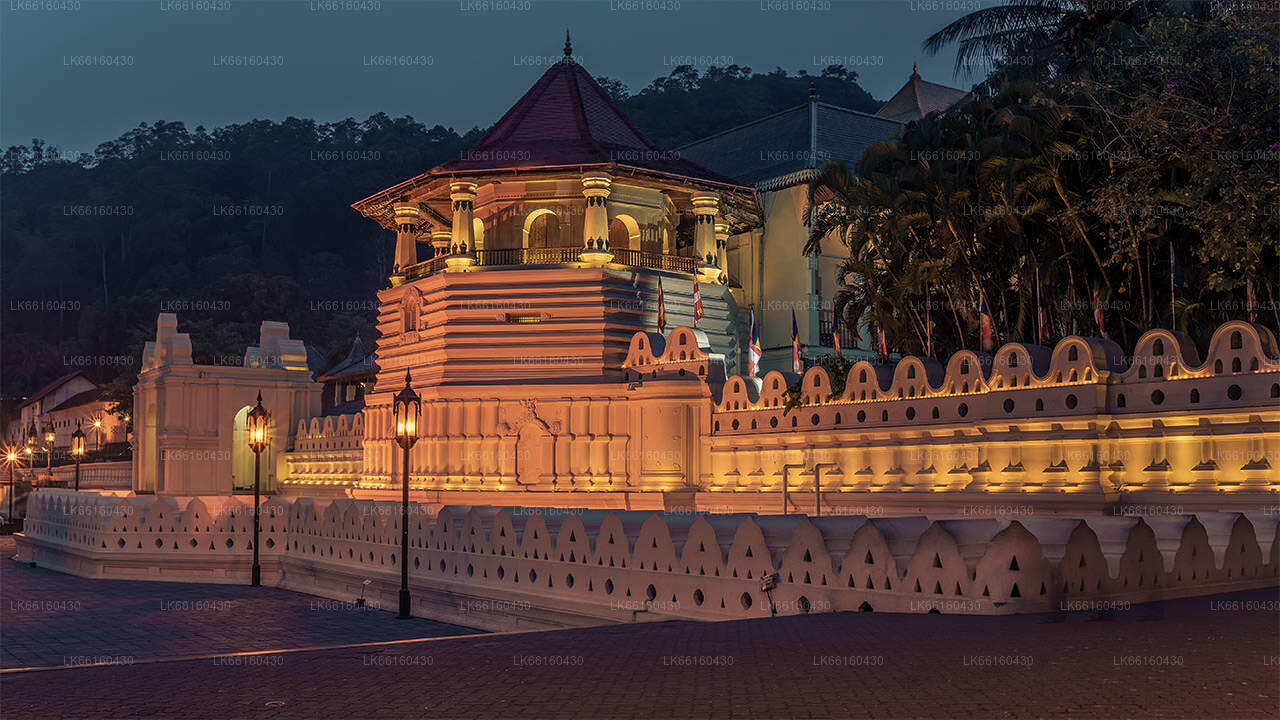
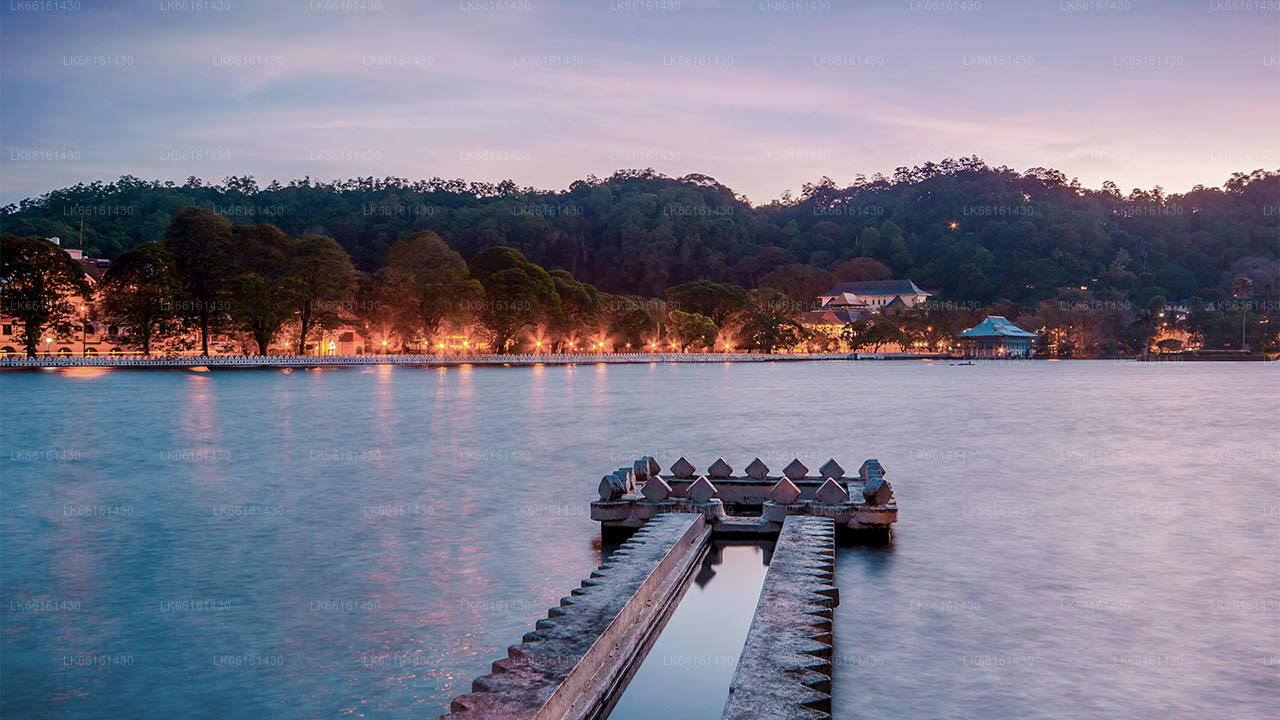
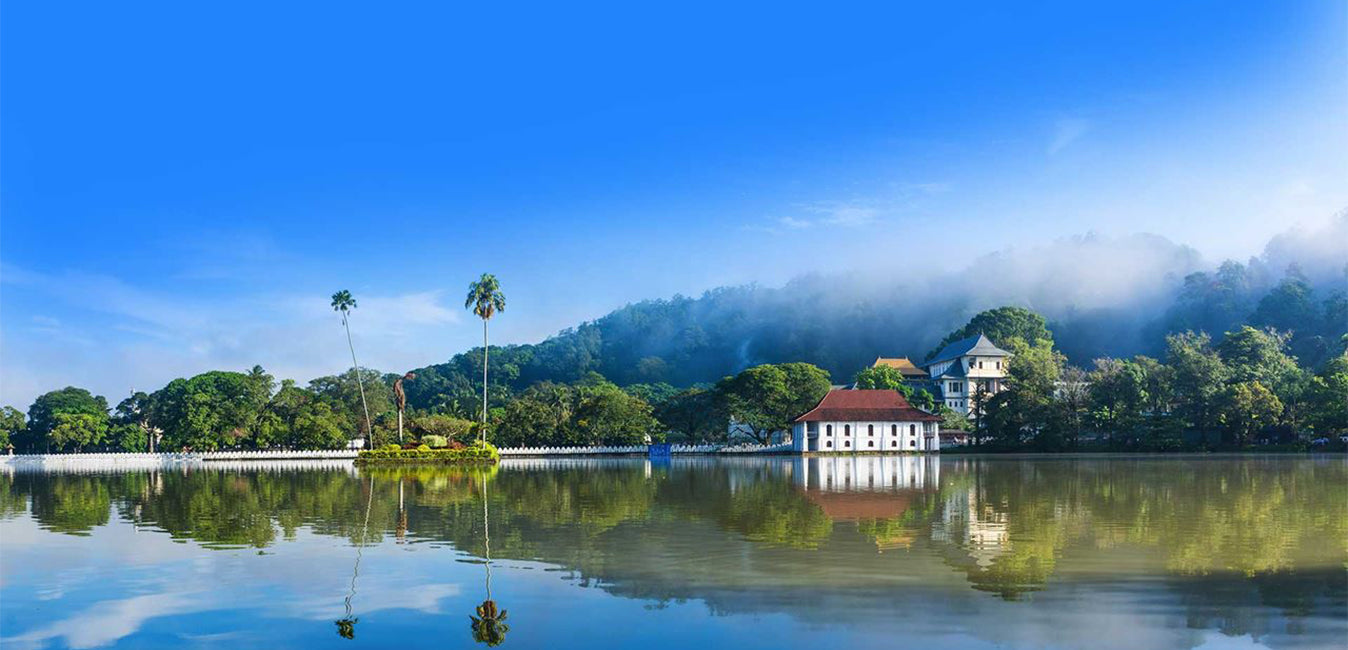
Dystrykt Kandy znajduje się w centralnej prowincji Sri Lanki. Kandy, jedno z siedmiu miejsc światowego dziedzictwa na Sri Lance, było kiedyś domem królów Kandy w XVI wieku i źródłem całej muzyki, sztuki, rzemiosła i kultury w kraju. Około 129 km od Kolombo, Kandy jest położone wśród pagórkowatego terenu, a wszystkie oczy zwrócone są ku centrum miasta, gdzie jezioro Kandy stanowi urokliwy element. Kandy zachowuje wielkie znaczenie religijne dla Sri Lanki, ponieważ to w tym uroczym mieście znajduje się Dalada Maligawa lub „Świątynia Zęba”, w której święta relikwia zęba Buddy leży dobrze strzeżona.

Królewski Ogród Botaniczny Peradeniya znajduje się około 5 km na zachód od centrum miasta Peradeniya i odwiedza go 1,2 miliona ludzi rocznie. Jest to największy ogród botaniczny na wyspie.

Udawatta Kele (Las Udawatta) to chronione sanktuarium położone w sercu miasta, na północ od Świątyni Zęba. Kandy to miasto, w którym większość stanowią Syngalezi; zamieszkują je liczne społeczności należące do innych grup etnicznych, takich jak Maurowie i Tamilowie. Kandy ustępuje jedynie Kolombo centrum gospodarki Sri Lanki. Wiele dużych przedsiębiorstw ma w Kandy rozbudowane filie, a wiele gałęzi przemysłu, takich jak tekstylia, meble, technologie informatyczne i jubilerstwo, znajduje się tutaj. W mieście znajduje się wiele ośrodków badawczych w rolnictwie, a także źródło muzyki, sztuki, rzemiosła i kultury kraju. Kandy, położone około 129 km od Kolombo, położone jest na pagórkowatym terenie, a wszystkie oczy zwrócone są w stronę centrum miasta, gdzie jezioro Kandy stanowi urokliwy punkt orientacyjny.

Kandy zachowuje ogromne znaczenie religijne dla Sri Lanki, ponieważ to właśnie w tym urokliwym mieście znajduje się Dalada Maligawa, czyli Świątynia Zęba, w której strzeżona jest święta relikwia zęba Buddy.

O prowincji centralnej

Prowincja Centralna Sri Lanki składa się głównie z terenów górzystych. Prowincja ma powierzchnię 5674 km² i liczy 2 421 148 mieszkańców. Do większych miast należą Kandy, Gampola (24 730), Nuwara Eliya i Bandarawela. Ludność jest mieszanką Syngalezów, Tamilów i Maurów. Zarówno stolica gór Kandy, jak i miasto Nuwara Eliya znajdują się w Prowincji Centralnej, podobnie jak Sri Pada.

Prowincja produkuje dużą część słynnej herbaty cejlońskiej, uprawianej przez Brytyjczyków w latach 60. XIX wieku po tym, jak wyniszczająca choroba zniszczyła wszystkie plantacje kawy w prowincji. Prowincja Centralna przyciąga wielu turystów, a jej górskie miejscowości, takie jak Kandy, Gampola, Hatton i Nuwara Eliya, to popularne górskie kurorty. Świątynia Zęba, zwana Dalada Maligawa, jest głównym miejscem świętym w prowincji Centrel. Klimat jest chłodny, a wiele obszarów położonych na wysokości około 1500 metrów n.p.m. charakteryzuje się chłodnymi nocami.

Zachodnie stoki są bardzo wilgotne, w niektórych miejscach spada tam prawie 7000 mm deszczu rocznie. Wschodnie stoki należą do strefy średniosuchej, ponieważ deszcz pada tam wyłącznie z monsunu północno-wschodniego. Temperatury wahają się od 24°C w Kandy do zaledwie 16°C w Nuwara Eliya, położonej 1889 m n.p.m. Najwyższe góry Sri Lanki znajdują się w Prowincji Centralnej. Teren jest w większości górzysty, z głębokimi dolinami. Dwa główne regiony górskie to masyw centralny i pasmo Knuckles na wschód od Kandy.