Kalutara Bridge : An Unspoken Heritage
Kalutara Bridge  Kalutara Bridge  Kalutara Bridge

Sri Lanka, also known as the Pearl of the Indian Ocean is adorned with the beautiful mother nature and claims a proud history going back as far as 500 BC. Colonialism plays a significant role in the country’s olden times.

It was under the influence of Portuguese, Dutch and the British in their respective eras. Several historic sites in Sri Lanka originated during these periods and still remains as evidence of these influences. The Kalutara Bridge is such significant landmark inherited as a result of the Colonial period.

Kalutara bridge is the connecting line between the western and southern borders of the country. J. R. Mosse, Director of the PWD (Public works department) is the pioneer in designing and building the bridge and it was the largest bridge on the island built during the early 1900s. It was considered the first concrete bridge in Sri Lanka as well.

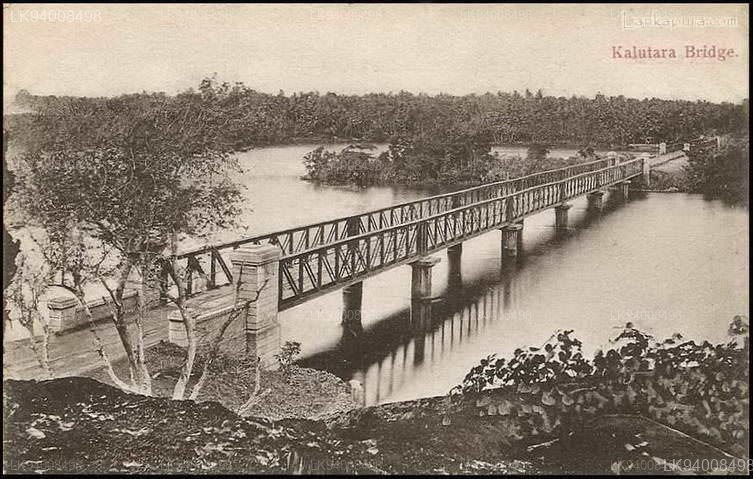
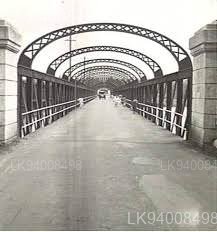
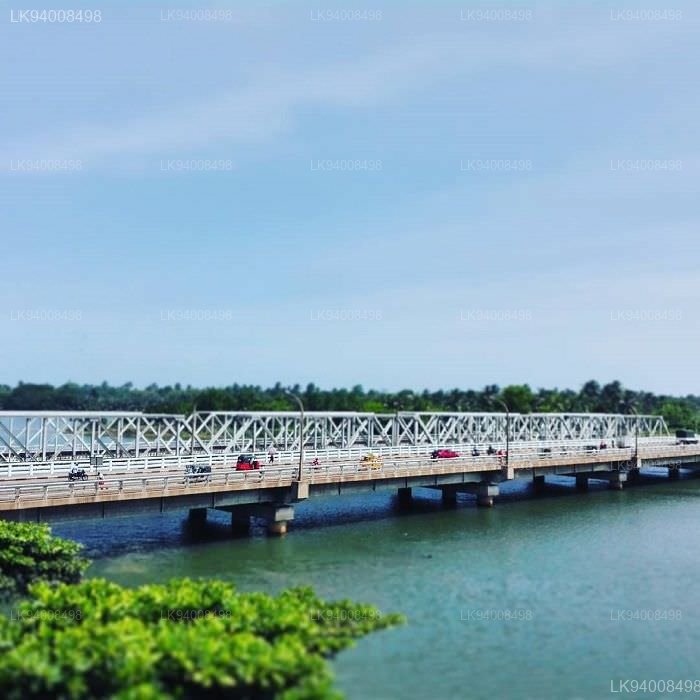
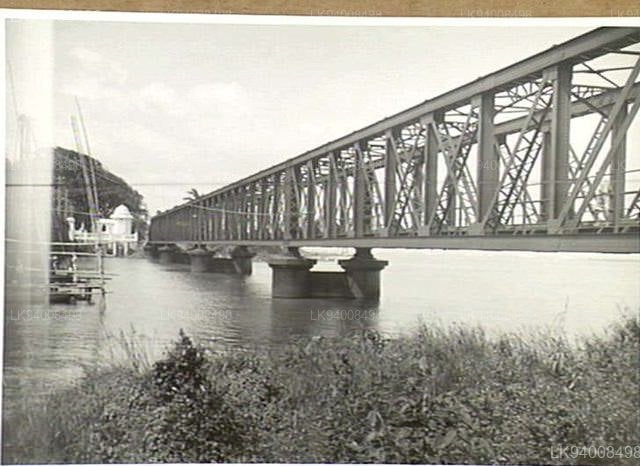
The old bridge comprised of two separate bridges, each with 6 spans of lattice girders where a single girder was an enormous 100ft long.

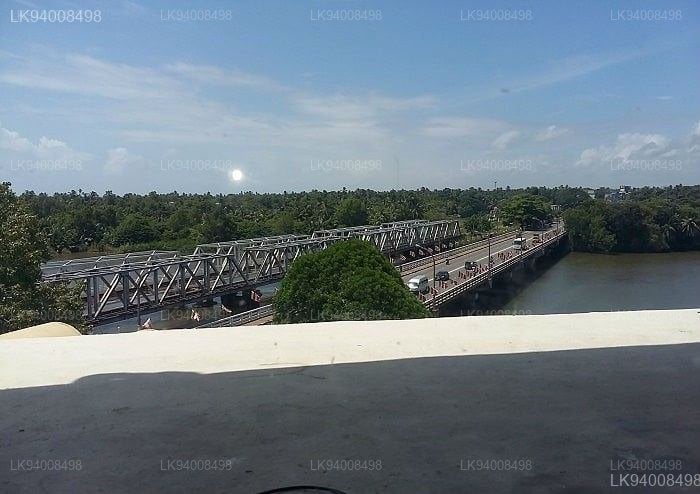
It is separated by a ridge in the middle of the river (Kalu Ganga) and it was opened for road traffic in August 1877 along with a single line of rails in the middle. It was 450ft in length. Currently, There are twin bridges for railway and one for the road traffic. And it is a perfect place to watch the sunset.
History

Being one of the largest bridges in Sri Lanka, the origins of the Kalutara Bridge date back to the early 1990s. Initially, the bridge had two separate bridges, each including 6 spans of lattice girders. Both the bridges were separated by a ridge which was in the middle of the ‘Kalu Ganga’. It was first opened for road traffic in 1877.

Significance

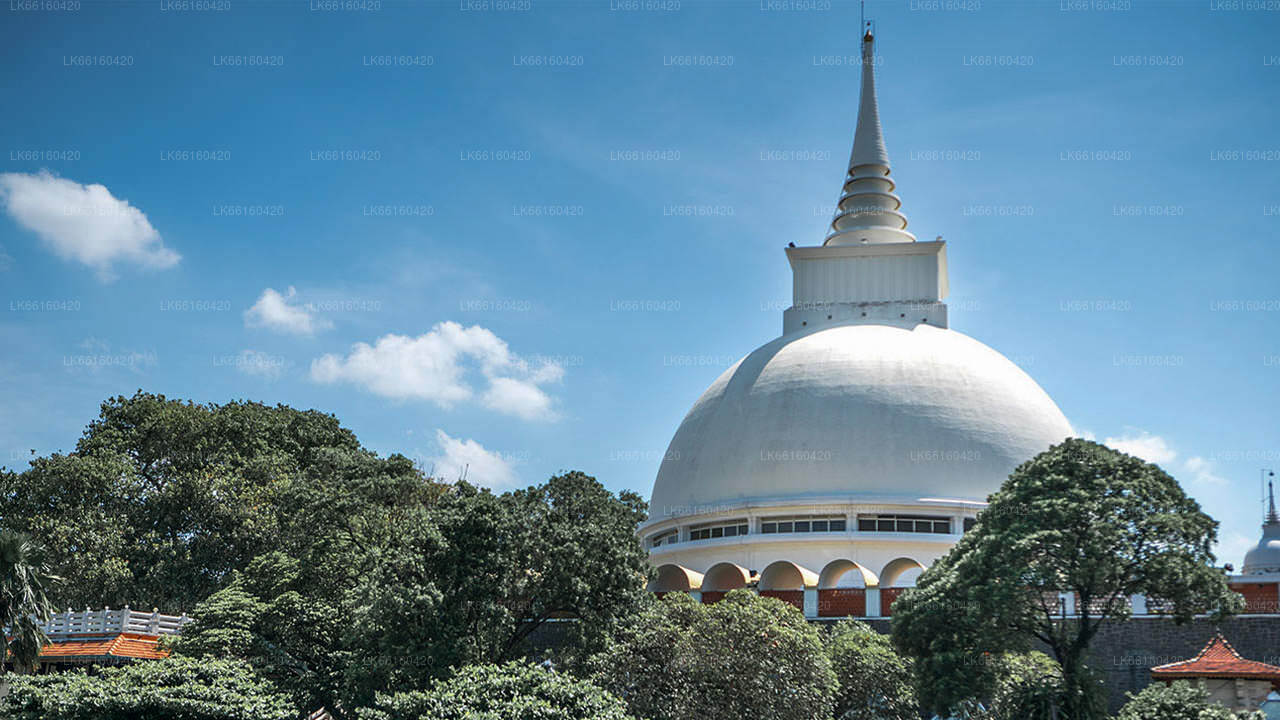
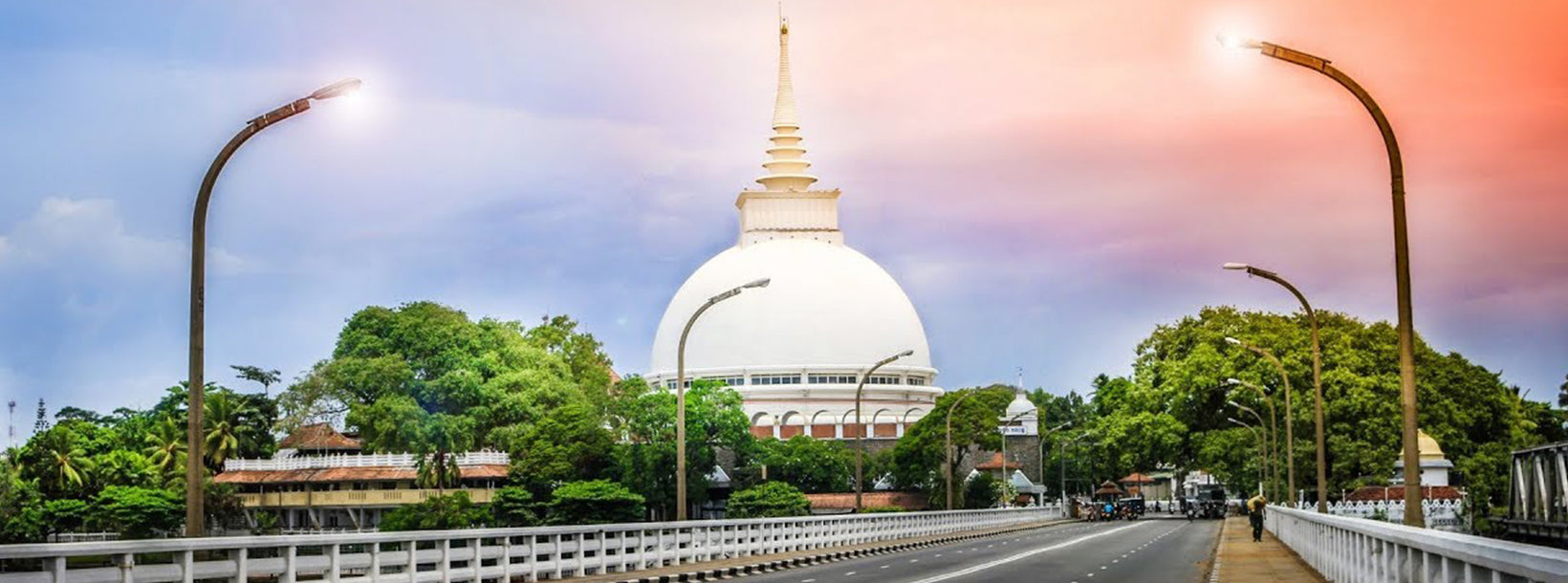
The bridge is a significant landmark in Kalutara due to its link between the southern border and western border of the country. When travelling from the western end of the bridge towards the southern end, you will witness the majestic view of the 3 stories-high Kalutara Viharaya. Any Buddhist will not forget to offer a small sacrifice when passing the temple.

Location

You will find plenty of attractions in the vicinity of the bridge. The Kalutara Bodhiya, Richmond Castle and Kalutara Viharaya are some such places. If you are staying at one of the many hotels in Kalutara close to the bridge, like Turyaa Kalutara, you can also visit many other attractions in the vicinity.

Did you know?

Locals say on very clear mornings one can see Sri Pada (Adam’s Peak) Mountain from the bridge. Which is, in turn, the starting point of Kalu River. That would make Kalu River the only river in Sri Lanka of which starting point and ending point can be seen at the same time.

Kalutara Bridge  

O dystrykcie Kalutara

Kalutara leży około 42 km na południe od Kolombo. Niegdyś ośrodek handlu przyprawami, Kalutara była kontrolowana przez Portugalczyków, Holendrów i Brytyjczyków. Miasto słynie z wysokiej jakości bambusowych koszy i mat oraz przepysznych mangostanów.

38-metrowy most Kalutara został zbudowany u ujścia rzeki Kalu Ganga i stanowi główne połączenie między zachodnią a południową granicą kraju. Na południowym krańcu mostu znajduje się trzypiętrowa Kalutara Vihara, buddyjska świątynia zbudowana w latach 60. XX wieku, która szczyci się tym, że jest jedyną na świecie stupą, która jest pusta w środku.

O prowincji zachodniej

Prowincja Zachodnia jest najgęściej zaludnioną prowincją Sri Lanki. Jest domem stolicy legislacyjnej Sri Jayawardenapura, a także Kolombo, centrum administracyjnego i biznesowego kraju. Prowincja Zachodnia jest podzielona na 3 główne dystrykty: Kolombo (642 km²), Gampaha (1386,6 km²) i Kalutara (1606 km²). Jako centrum gospodarcze Sri Lanki, wszystkie główne lokalne i międzynarodowe korporacje mają swoją obecność w mieście, tak samo jak wszyscy główni projektanci i detaliści sieciowi, więc bądź gotowy na oddanie się terapii zakupowej w prowincji Zachodniej.

Mając największą populację ze wszystkich prowincji, prawie wszystkie najważniejsze instytucje edukacyjne na wyspie znajdują się w prowincji zachodniej. Uniwersytety w prowincji obejmują Uniwersytet w Kolombo, Uniwersytet Sri Jayewardenepura, Uniwersytet Kelaniya, Otwarty Uniwersytet Sri Lanki, Uniwersytet Buddyjski i Palijski Sri Lanki, Uniwersytet Obrony Generała Sir Johna Kotelawali i Uniwersytet Moratuwa. Prowincja zachodnia ma największą liczbę szkół w kraju, w tym szkoły krajowe, prowincjonalne, prywatne i międzynarodowe.