Buddhist temple Galle Fort

Buddhist temple Galle Fort Buddhist temple Galle Fort Buddhist temple Galle Fort

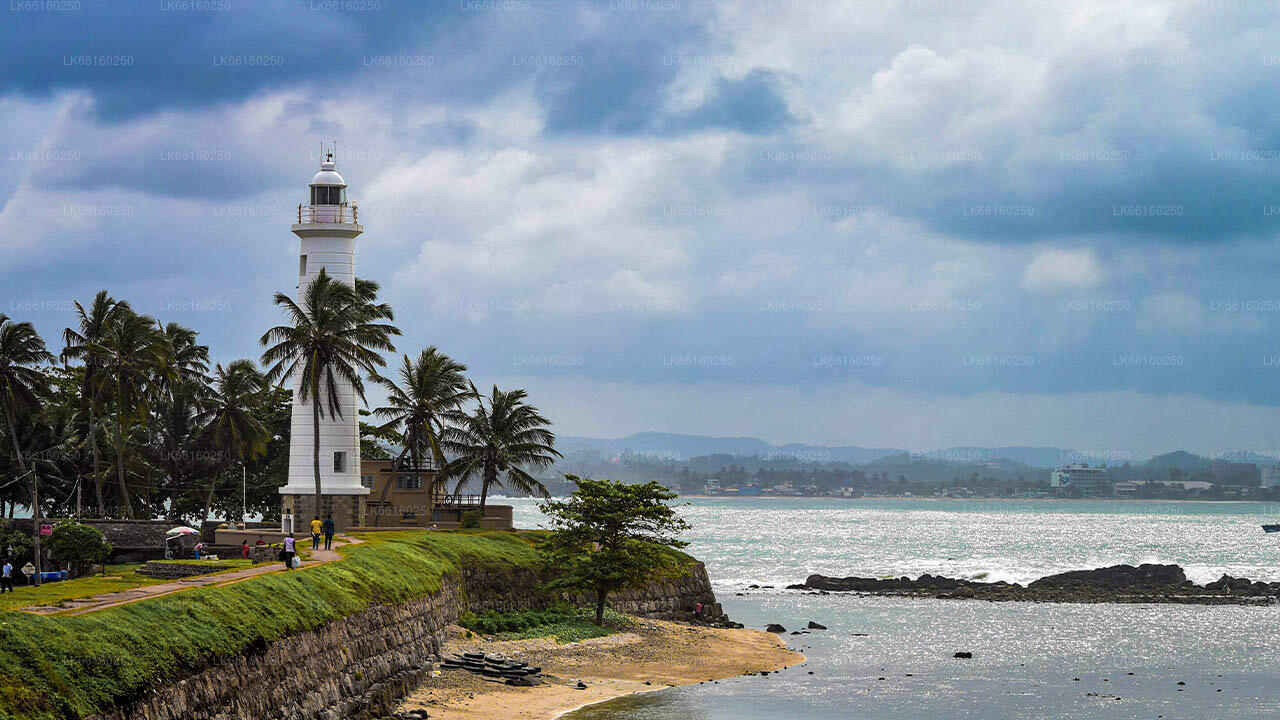
The Buddhist Temple in Galle Fort is a peaceful place of worship set within the historic walls of this UNESCO World Heritage Site. It represents the enduring presence of Buddhism in Sri Lanka while blending harmoniously with the colonial surroundings of the fort.

The temple features simple yet meaningful architectural elements, including statues, shrines, and traditional decorations that reflect Buddhist art and symbolism. Its calm atmosphere and sacred space highlight the spiritual heritage that continues alongside the fort's historical significance.

Visitors to the Buddhist Temple in Galle Fort can experience a moment of tranquility while learning about Sri Lanka's religious traditions. The temple offers an opportunity to observe daily worship practices and gain insight into Buddhist culture within a historic urban setting.

The best time to visit is during the early morning or late afternoon when the surroundings are cooler and more serene. Easily accessible within Galle Fort, the temple provides a quiet retreat and a meaningful cultural experience for travelers exploring the area.

Buddhist temple Galle Fort Buddhist temple Galle Fort Buddhist temple Galle Fort

O dystrykcie Galle
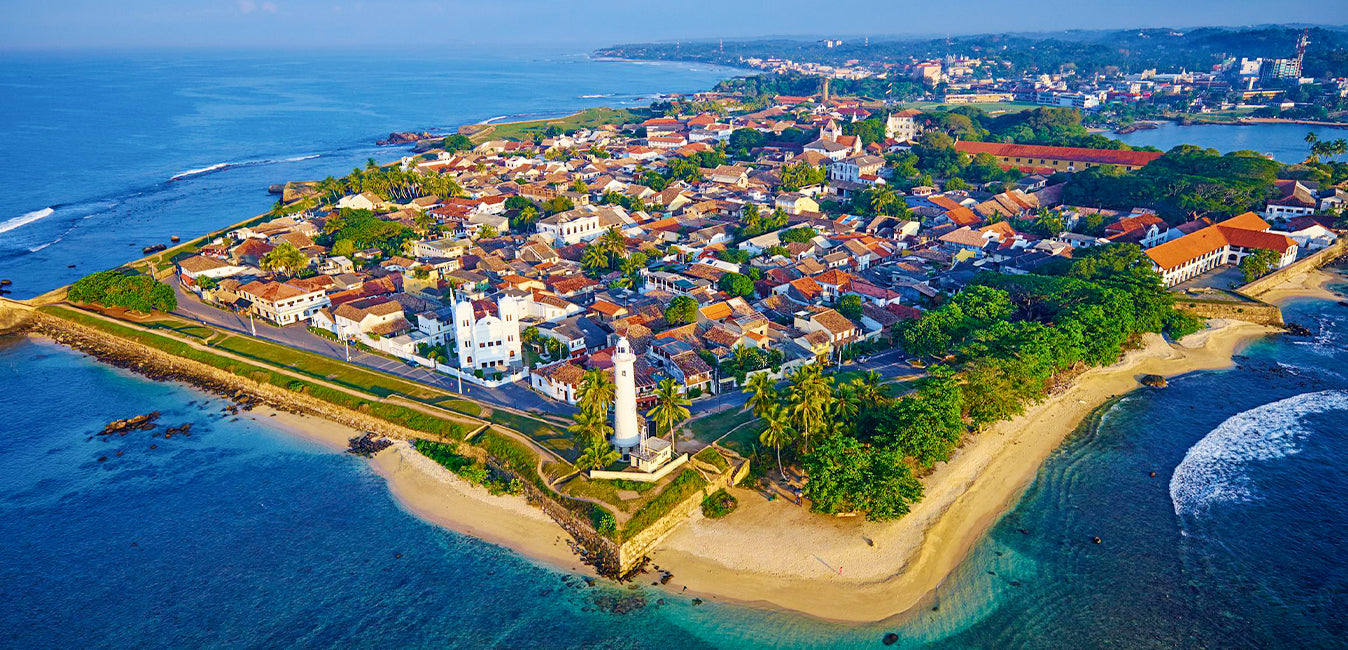
Galle to miasto położone na południowo-zachodnim krańcu Sri Lanki, 119 km od Kolombo. Galle jest najlepszym przykładem ufortyfikowanego miasta zbudowanego przez Europejczyków w Azji Południowej i Południowo-Wschodniej, ukazując interakcję między europejskimi stylami architektonicznymi a tradycjami Azji Południowej. Fort w Galle jest obiektem światowego dziedzictwa i największą zachowaną twierdzą w Azji, zbudowaną przez europejskich okupantów. Galle to duże miasto, jak na standardy Sri Lanki, liczące 91 000 mieszkańców, z których większość stanowią Syngalezi. W okolicy fortu żyje również liczna mniejszość lankijska – Maurowie, wywodzący się od arabskich kupców, którzy osiedlili się w starożytnym porcie Galle. O prowincji południowej: Prowincja południowa Sri Lanki to niewielki obszar geograficzny obejmujący dystrykty Galle, Matara i Hambantota. Rolnictwo i rybołówstwo stanowią główne źródło dochodu dla zdecydowanej większości mieszkańców tego regionu. Do ważnych zabytków Prowincji Południowej należą rezerwaty przyrody w parkach narodowych Yala i Udawalawe, święte miasto Kataragama oraz starożytne miasta Tissamaharama, Kirinda i Galle. (Chociaż Galle jest starożytnym miastem, z okresu sprzed inwazji portugalskiej nie przetrwało prawie nic). W okresie portugalskim działało dwóch słynnych syngaleskich poetów: Andare z Dickwella i Gajaman Nona z Denipitiya w dystrykcie Matara, którzy tworzyli poematy o zwykłym człowieku.