Alankuda Beach

Alankuda Beach Alankuda Beach Alankuda Beach

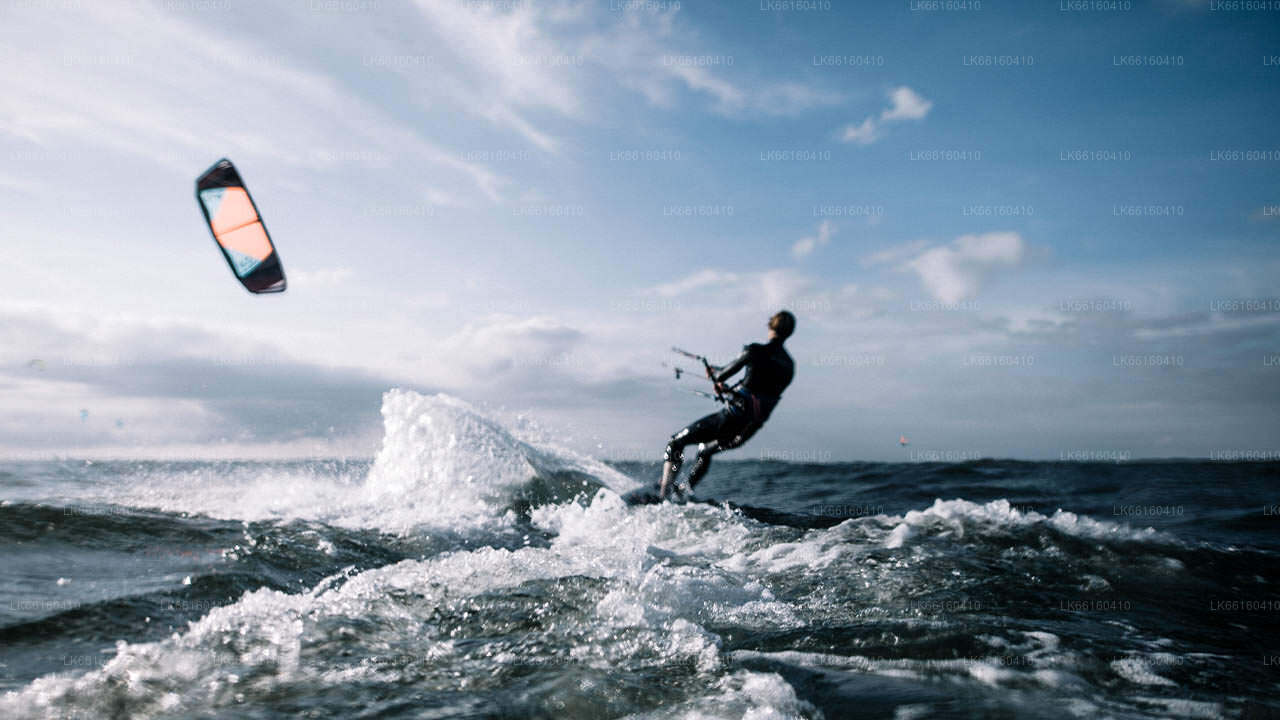
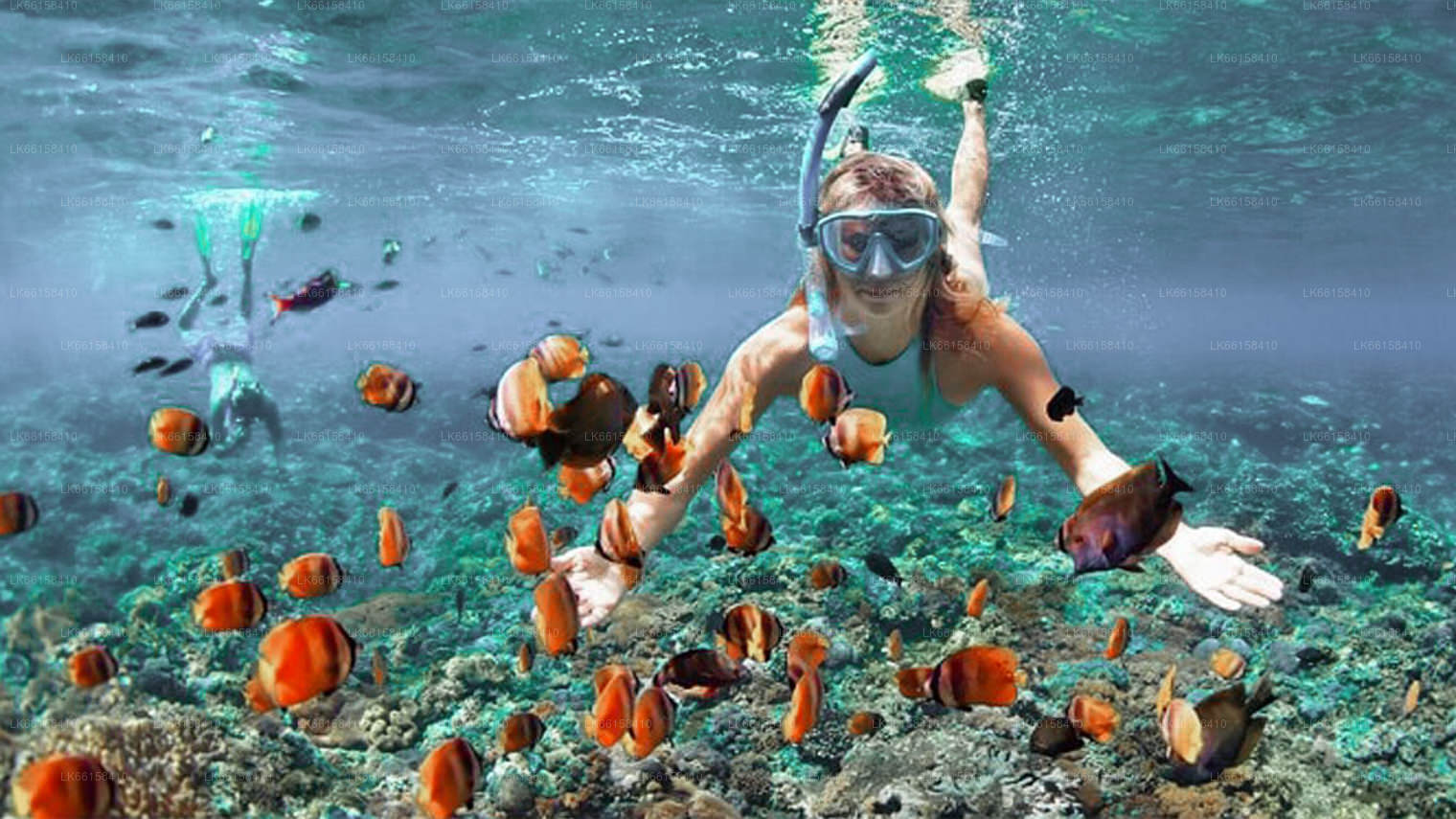
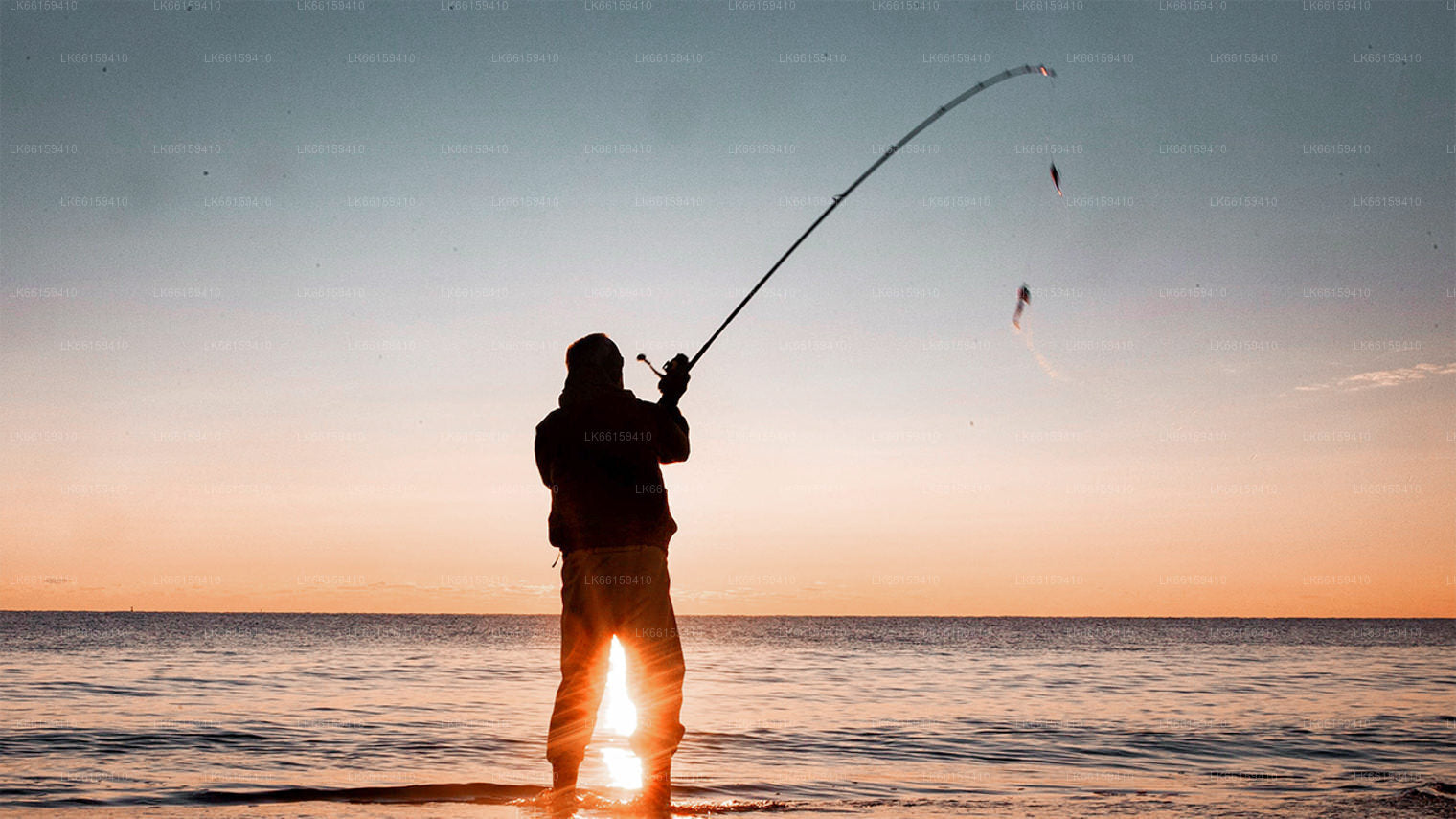
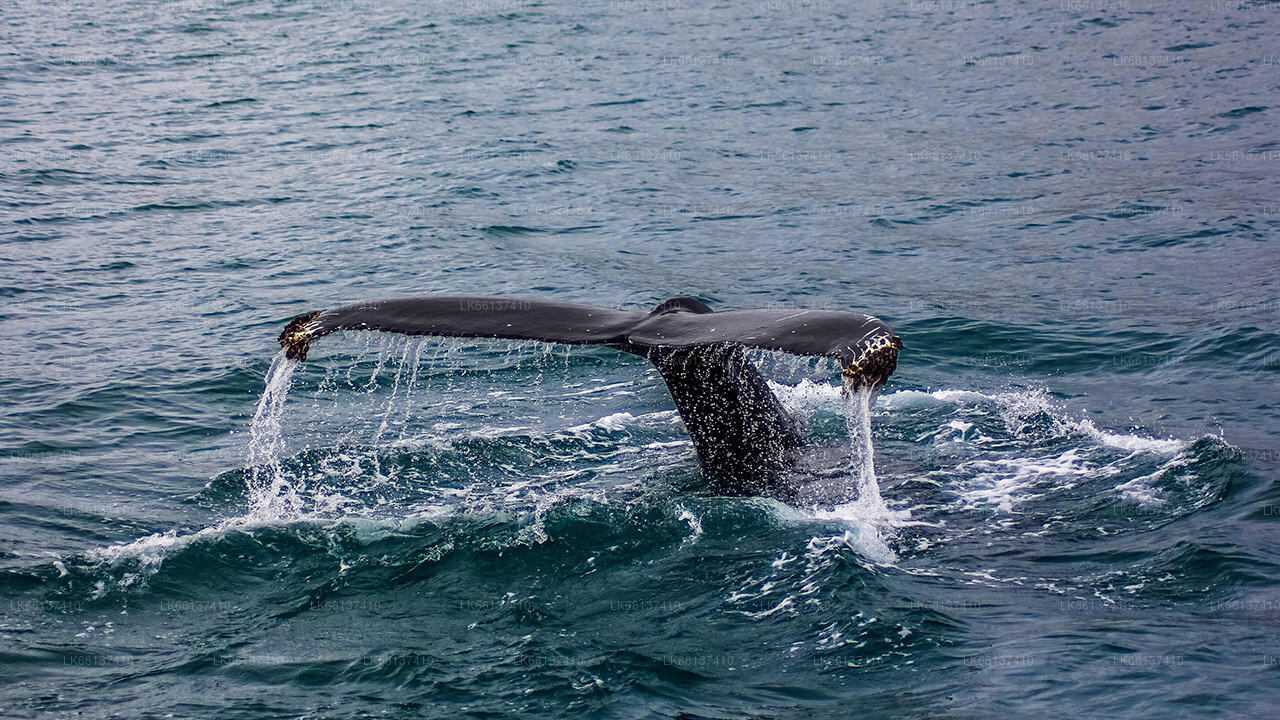
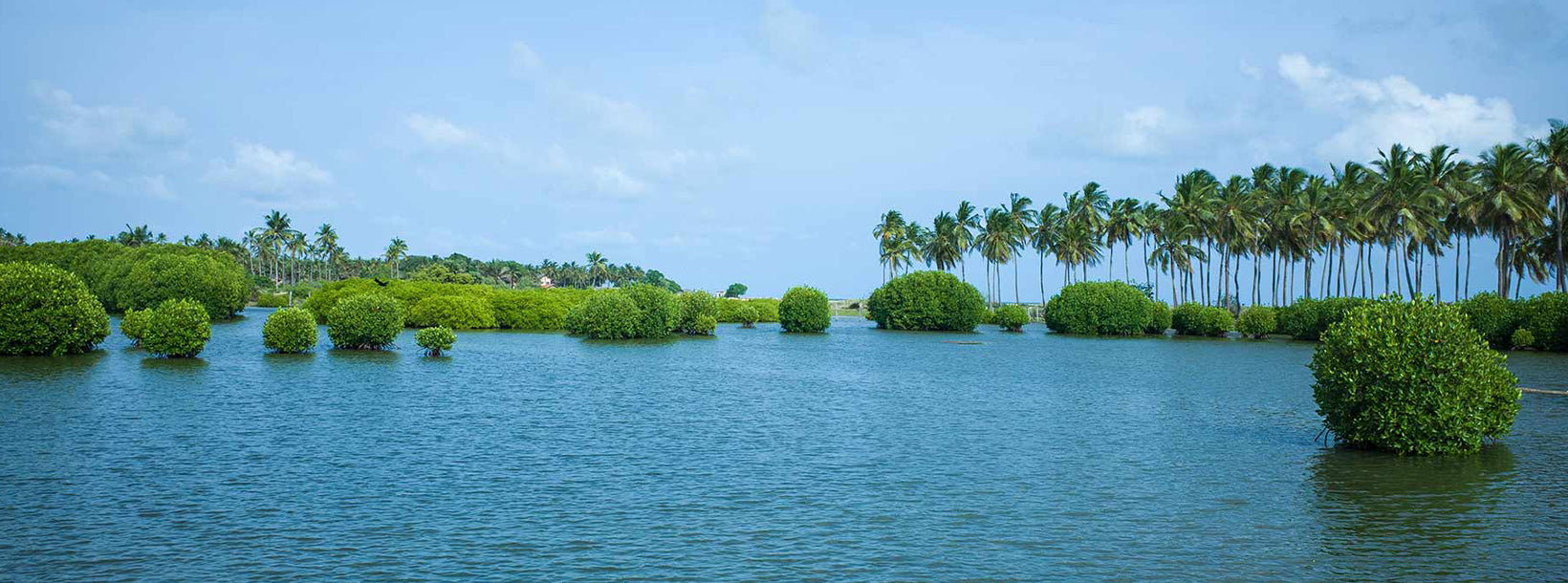
Alankuda Beach in Sri Lanka is a stretch beach recently developed in the Kalpitiya peninsula off the north-western coast of Sri Lanka. Alankuda Beach is a starting point for off-shore Whale Watching and Dolphin watching at Kalpitiya. Alankuda Beach offers a range of water sports: sailing, windsurfing, kayaking, canoeing, kite surfing, and snorkeling.

For more details on water sports, visit our article on Snorkeling in Sri Lanka and Surfing in Sri Lanka

When you visit Alankuda Beach in Sri Lanka, you have the chance to see a multitude of other places at the same time! For example; Wilpattu National Park, the island’s largest wildlife sanctuary which is home to one of the highest concentrations of leopard in the world along with myriad other wildlife, is only an hour’s drive away.

The 17th century St. Anne’s Church in Talawila which is the island’s most renowned Catholic shrines in the country, is a mere five miles away. Legend has it that a Portuguese trader had a vision of St Anne while resting under a banyan tree and returned to build the church that now sprawls over the site. In March and August each year, St. Anne’s hosts the largest catholic festivals in the country, when up to 700,000 pilgrims would come to pray.

Munnesweram Kovil is another such religious site holding prominence in the area. It is a Hindu temple whose origins date back to great antiquity. A highly revered temple dedicated to Shiva and associated with Kali, its deity’s name can be translated as the ‘Lord of Antiquity’ and its goddess’ as the ‘Goddess of Beautiful Form’. This temple is a must-visit if you're ever coming to Alankuda Beach in Sri Lanka

The Puttlam salt pans are a half hour drive away for those interested in learning what one of our most basic condiments goes through before it ends up on our tables and in our food.

Alankuda Beach Alankuda Beach Alankuda Beach
?LK94009969: Text by Lakpura™. Images by Google, copyright(s) reserved by original authors.?

Dystrykt Puttalam

Puttalam to miasto w dystrykcie Puttalam na Sri Lance. Położone na szczycie trójkąta kokosowego, Puttalam jest drugim co do wielkości producentem kokosa w kraju. Tabbowa, żyzna kraina rolnicza, odnotowuje najwyższą produkcję ryżu z akra. Puttalam jest głównym producentem soli w kraju. Fort Holland w Kalpitiya, kościół św. Anny w Thalawila, Munneshwaram Kovil w Chilaw i Meczet Mohideen Jumma (znany jako Wielki Meczet) w Puttalam podkreślają historyczne znaczenie tego regionu.

Prowincja Północno-Zachodnia

Prowincja Północno-Zachodnia to prowincja Sri Lanki. Dystrykty Kurunegala i Puttalam tworzą region Północno-Zachodni lub Wayamba. Jej stolicą jest Kurunegala, licząca 28 571 mieszkańców. Prowincja znana jest głównie z licznych plantacji kokosów. Inne główne miasta w tej prowincji to Chilaw (24 712) i Puttalam (45 661), które są małymi miasteczkami rybackimi. Większość ludności prowincji Wayamba stanowią Syngalezi. W okolicach Puttalam żyje również liczna mniejszość lankijska (Moor), a w Udappu i Munneswaram – Tamilowie. Rybołówstwo, hodowla krewetek i plantacje kauczukowca to inne ważne gałęzie przemysłu w regionie. Prowincja ma powierzchnię 7888 km² i liczy 2 184 136 mieszkańców (dane z 2005 roku).

Wayamba jest trzecim co do wielkości obszarem produkcji ryżu na Sri Lance. Wayamba ma wysoko rozwiniętą gospodarkę rolną, uprawiając różnorodne owoce i warzywa, rośliny kwitnące, przyprawy, nasiona oleiste, a także tradycyjne uprawy plantacyjne, takie jak kokos, kauczuk i ryż. Żyzne gleby i zróżnicowany klimat stwarzają potencjał do uprawy praktycznie każdej rośliny.

W Wayamba, czyli w północno-zachodniej prowincji, znajdują się starożytne buddyjskie świątynie skalne oraz wspaniałe cytadele Panduwasnuwara, Dambadeniya, Yapahuwa i Kurunegala. Imponujące pozostałości tych cytadeli, pałaców, świątyń buddyjskich i klasztorów zapewniają odwiedzającym ekscytujące widoki.