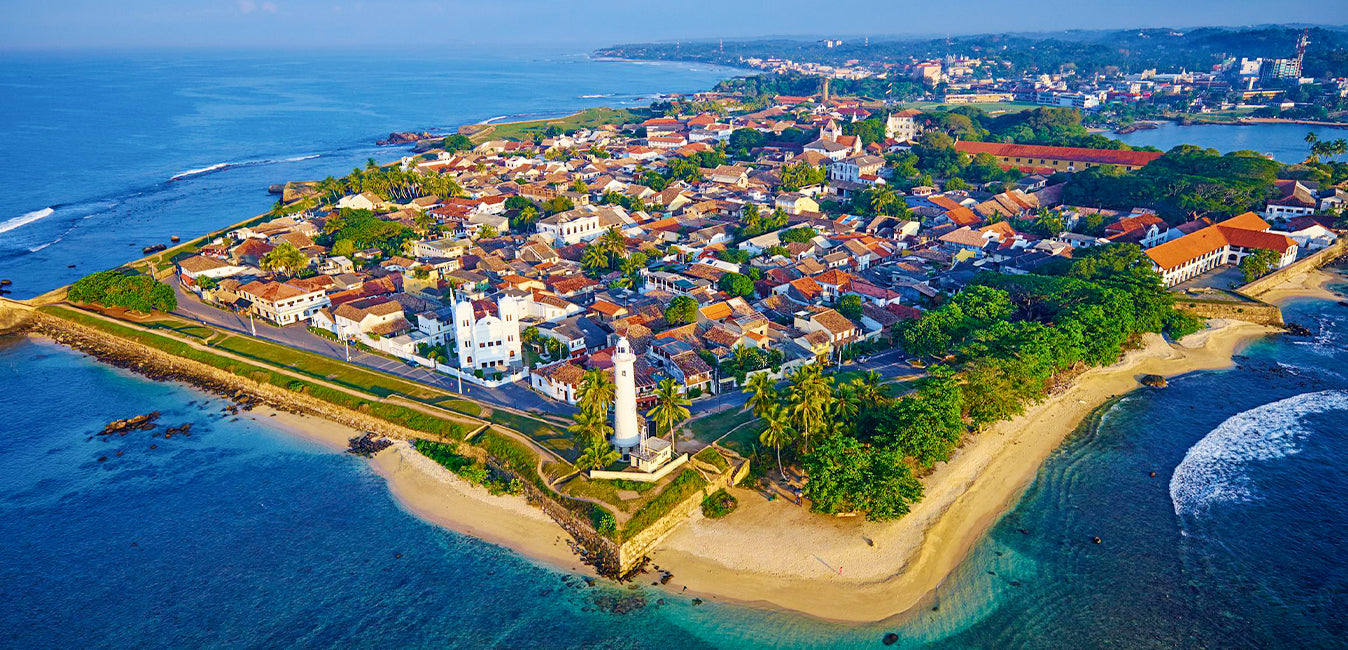
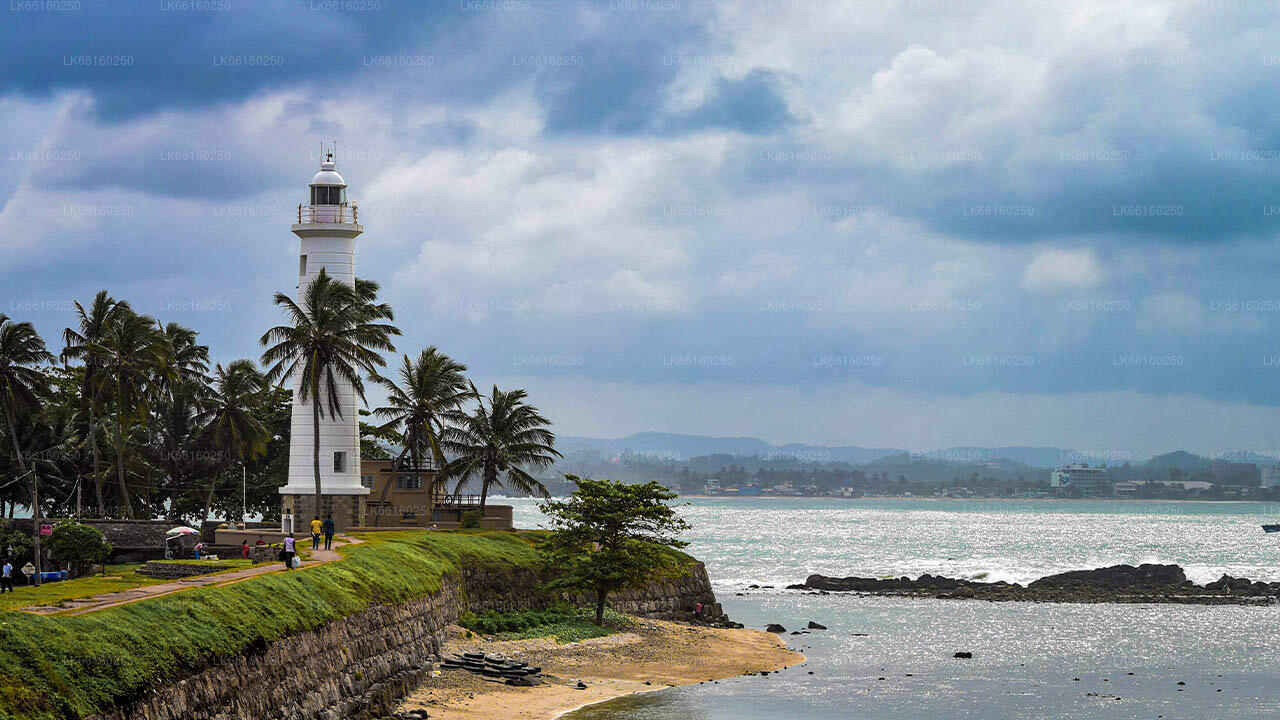
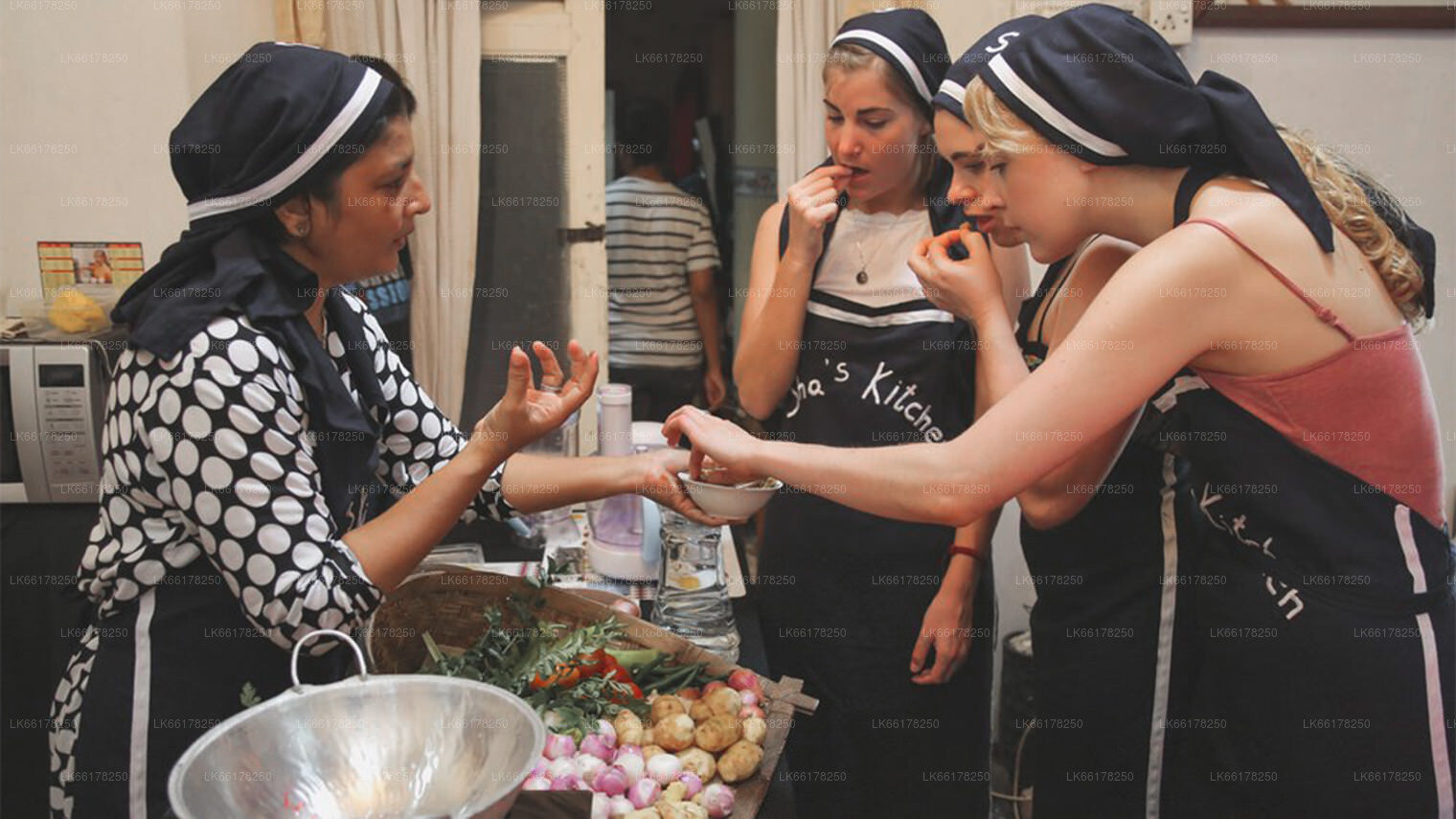
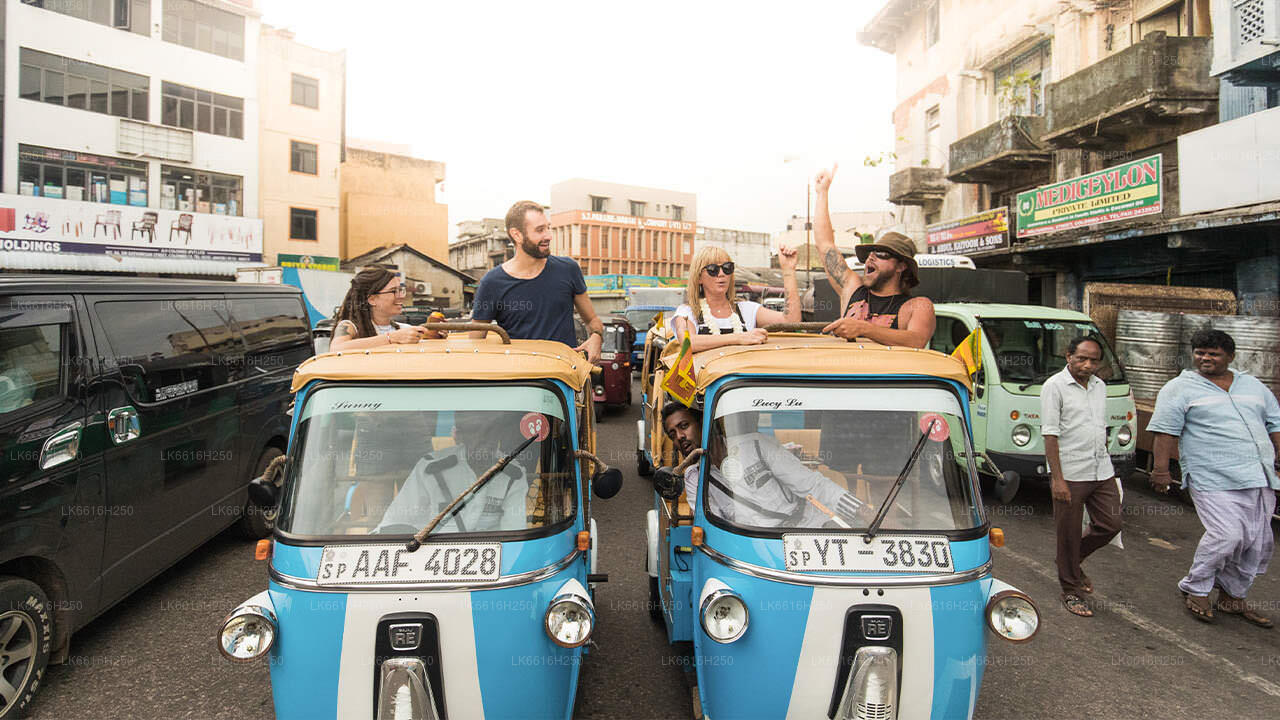
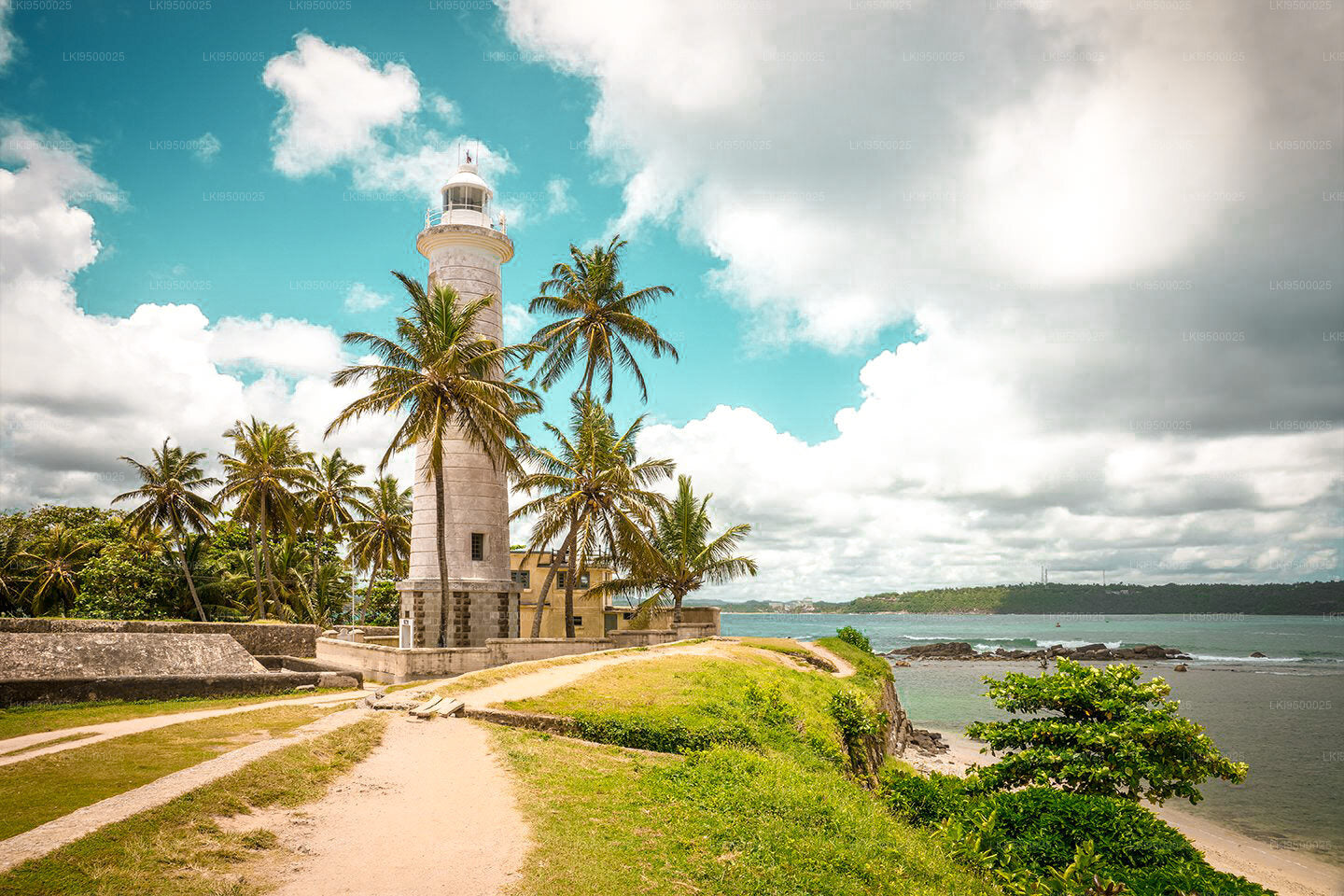
Galle, a charming coastal city in Sri Lanka, boasts a rich history and vibrant culture. Its iconic Dutch Fort, a UNESCO World Heritage Site, stands as a testament to colonial influence. Explore pristine beaches, immerse in cultural festivals, and savor local cuisine amidst the old-world charm of Galle.
Zwart Bastion, commonly known as the Black Fort, is one of the historic defensive structures located within the famous Galle Fort in southern Galle. This bastion forms part of the extensive coastal fortification system that protected the harbor and surrounding settlement during the colonial period. The fort itself is widely recognized as one of the best-preserved examples of a European-built fortified city in Asia.
The origins of the Zwart Bastion date back to the early 17th century when the Dutch East India Company expanded and strengthened the fortifications after taking control of the area from the Portugal in 1640. The name “Zwart,” meaning “black” in Dutch, is believed to refer either to the dark appearance of the stone used in the bastion or to the heavy artillery that once stood there. Like other bastions within the fort complex, it was strategically positioned to guard the coastline and the approach to the harbor, ensuring that enemy ships could be detected and repelled.
Architecturally, the Zwart Bastion reflects the typical military engineering techniques of the Dutch colonial era. Thick ramparts, angled walls, and elevated firing positions allowed defenders to monitor both land and sea approaches. The bastion also connected with other defensive points around the fort, creating an interlocking network of protection. These structures were designed not only to withstand cannon fire but also to maximize the defensive capabilities of the soldiers stationed there.
After the United Kingdom took control of coastal Sri Lanka in 1796, the bastion continued to serve as part of the colonial defensive system. Over time, however, its military importance declined as warfare technology evolved and the need for coastal fortifications diminished. Despite this, the structure remained an important historical landmark within the fort.
Today, Zwart Bastion stands as a reminder of Sri Lanka’s layered colonial past and the strategic importance of Galle as a maritime hub. Visitors exploring Galle Fort can observe the bastion as part of the larger fortification system that reflects centuries of European influence blended with local culture. The preservation of such structures contributes to the historical and architectural value that earned the fort recognition as a UNESCO World Heritage Site.
Galle is a city situated on the southwestern tip of Sri Lanka, 119 km from Colombo.Galle is the best example of a fortified city built by Europeans in south and Southeast Asia, showing the interaction between European architectural styles and south Asian traditions. The Galle fort is a world heritage site and the largest remaining fortress in Asia built by European occupiers.
Galle is a sizeable town, by Sri Lankan standards, and has a population of 91,000, the majority of whom are of Sinhalese ethnicity. There is also a large Sri Lankan Moor minority, particularly in the fort area, which descend from Arab merchants that settled in the ancient port of Galle.
About Southern Province
The Southern Province of Sri Lanka is a small geographic area consisting of the districts of Galle, Matara and Hambantota. Subsistence farming and fishing is the main source of income for the vast majority of the people of this region.
Important landmarks of the Southern Province include the wildlife sanctuaries of the Yala and Udawalawe National Parks, the holy city of Kataragama, and the ancient cities of Tissamaharama, Kirinda and Galle. (Although Galle is an ancient city, almost nothing survives from before the Portuguese invasion.) During the Portuguese period there were two famous Sinhalese poets called Andare who was from Dickwella and Gajaman Nona who was from Denipitiya in Matara District, composing poems on common man.