Tissamaharama sits about 264 km south of Colombo in Hambantota District, at the point where the southern coastal highway turns inland toward the dry-zone heartland. It is compact, unhurried, and quietly prosperous — a town shaped as much by ancient irrigation works as by the safari tourism that now defines its economy. For most travellers it is a base rather than a destination in itself, but the town rewards a slower look: sacred stupas rising above paddy fields, reservoirs thick with waterbirds, and roads that lead within minutes to some of Sri Lanka's most rewarding wildlife watching.
What is the history behind Tissamaharama?
The town's name derives from King Kavantissa, who ruled the ancient Ruhuna Kingdom roughly two millennia ago, and from the great reservoir — Tissa Wewa — that he is credited with building. Ruhuna was a counterweight to the northern kingdom of Anuradhapura, and Tissamaharama functioned as one of its principal cities. The Buddhist monuments left by those early rulers still stand, making the town a modest but genuine archaeological site in its own right, not merely a stopover on the road to Yala.
The surrounding region, known historically as Ruhuna, also carries strong associations with King Dutugamunu, whose campaign to unify the island began here. That past gives Tissamaharama a layered significance for Sri Lankan pilgrims who visit the town's dagobas as part of a wider religious circuit.
What are the main things to see in Tissamaharama?
The town's most visible landmark is the Tissamaharama Dagoba (also called Santagiri Dagoba), a whitewashed stupa around 56 metres tall with a circumference of roughly 165 metres. It stands in the middle of paddy fields and is particularly atmospheric in the early morning, when mist clings to the fields and egrets circle the dome. The stupa is an active place of worship; modest dress and bare feet are expected at the inner precinct.
Two other sacred structures are worth seeking out. The Yatala Dagoba, believed to enshrine relics of the Buddha, is among the oldest in the Ruhuna region and has been carefully restored. The smaller Menik Dagoba sits closer to the town centre and receives a steady flow of local pilgrims throughout the day.
What wildlife can I see around the Tissa reservoirs?
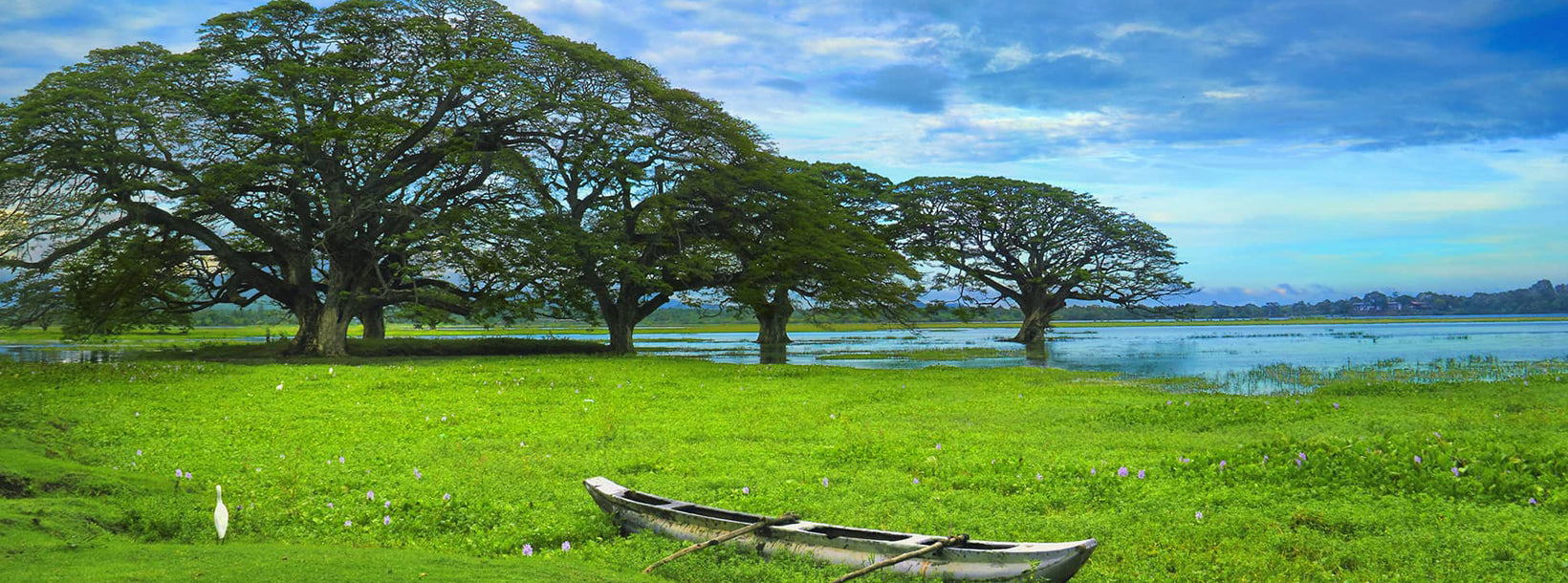
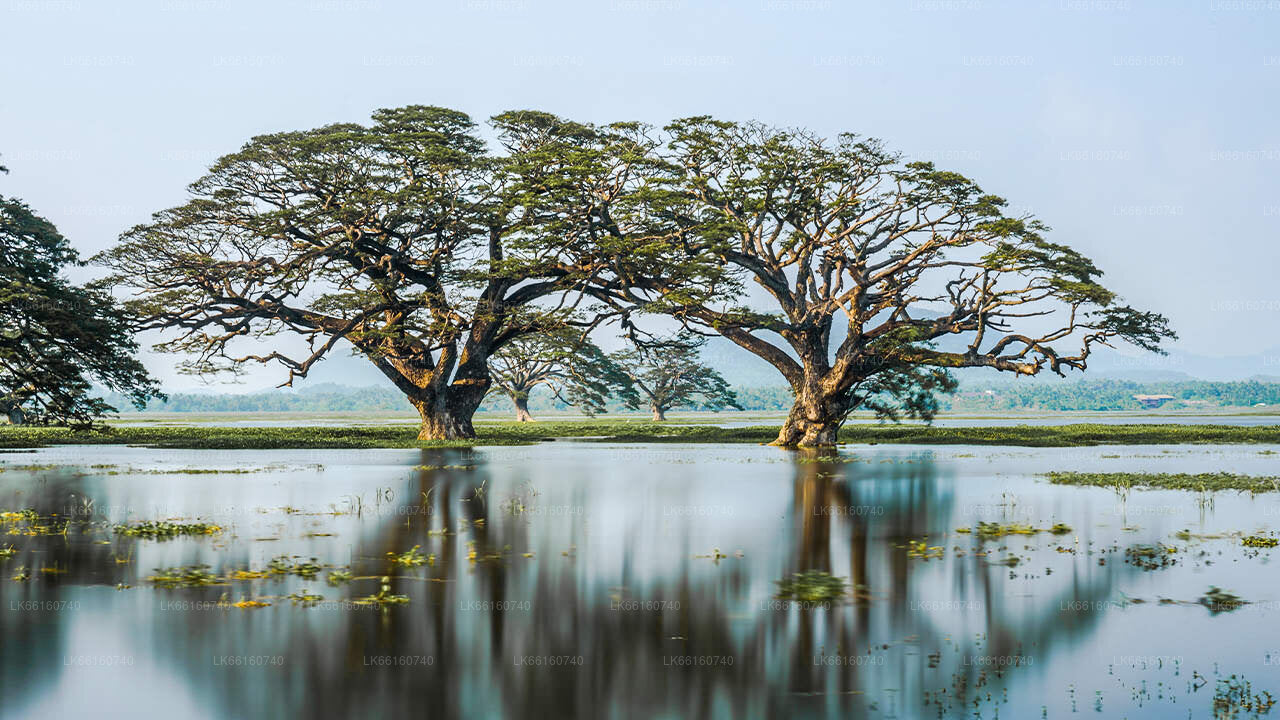
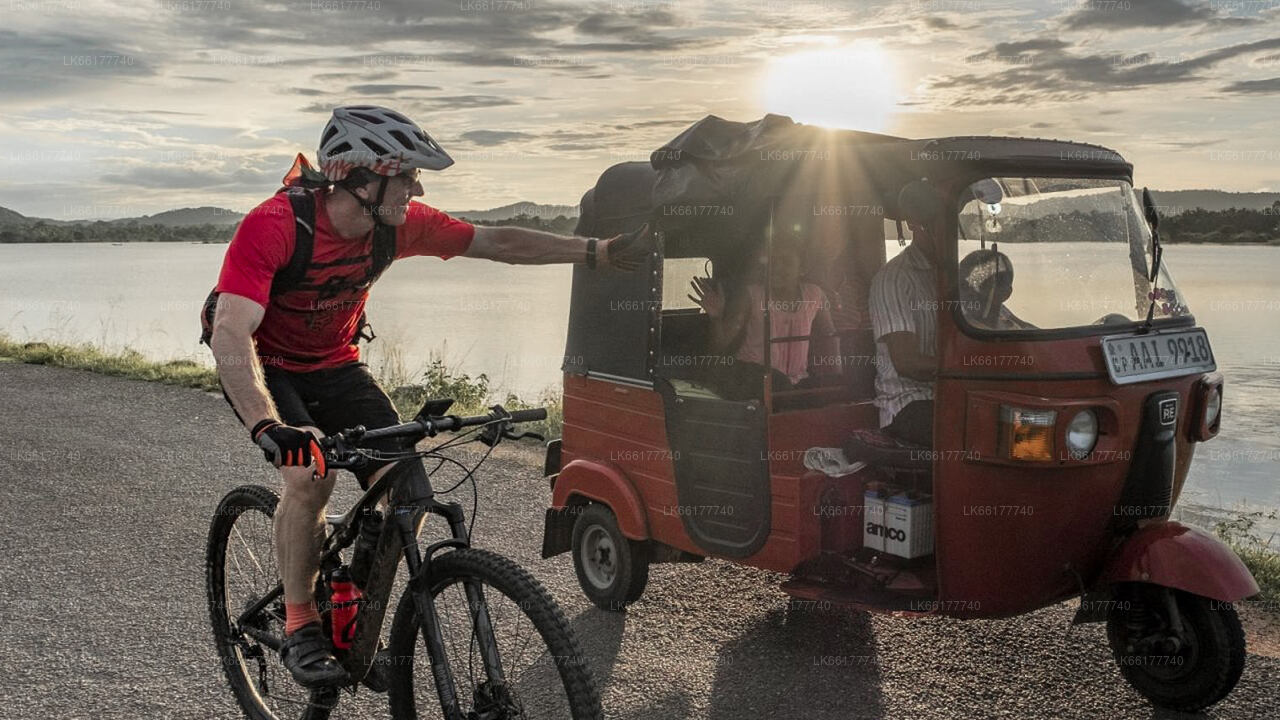
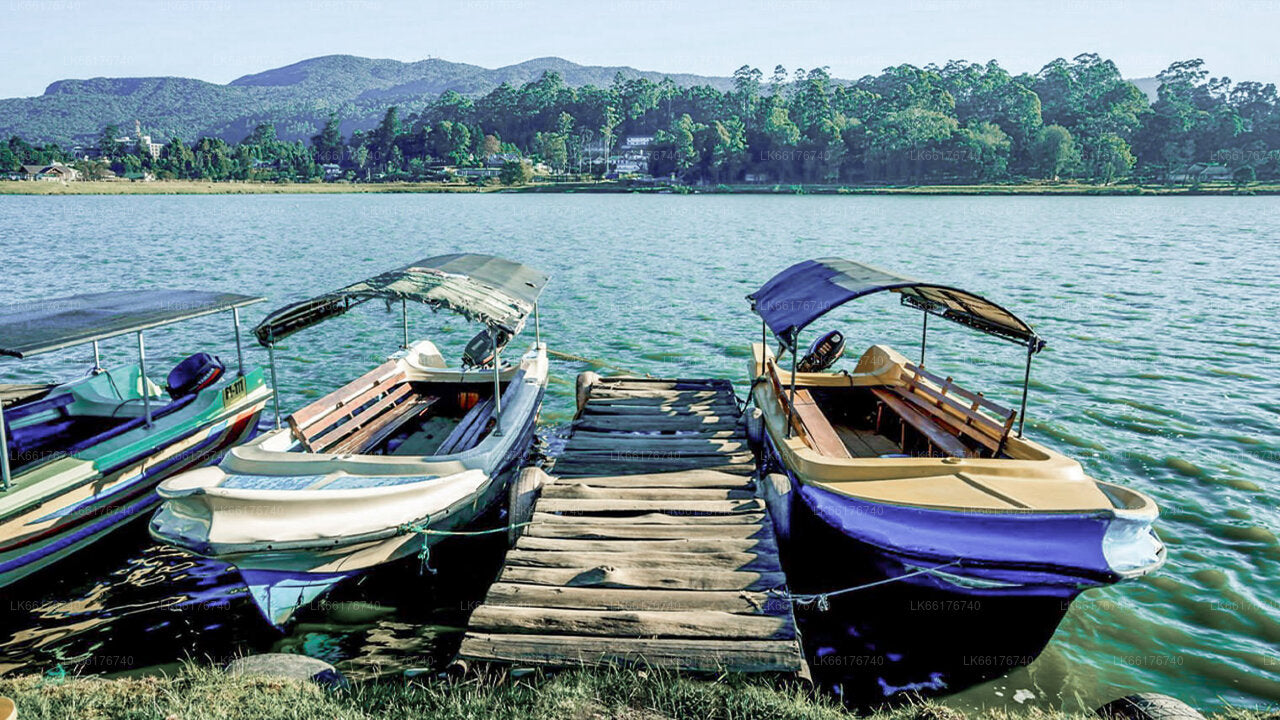
Tissamaharama is threaded by a network of ancient man-made reservoirs — Tissa Wewa, the largest, lies about 1 km north of the town centre; the quieter Debera Wewa (sometimes spelled Deberawewa) is reached by a footpath at the far end of Tissa Wewa. Both attract impressive concentrations of waterbirds year-round, including painted storks, open-billed storks, spot-billed pelicans, lesser adjutants, and multiple species of heron and egret. Elephants occasionally come to drink at the reservoir margins after dusk. A slow walk or tuk-tuk ride along the reservoir bunds at dawn or late afternoon is one of the most rewarding wildlife experiences the town offers — and it costs nothing.
How do I get to Tissamaharama from Colombo?
The standard route follows the Southern Expressway (E01) from Colombo to Matara, then continues on the A2 coastal road through Hambantota before turning north on local roads toward Tissamaharama — a drive of roughly four to five hours depending on traffic. An alternative inland route via the A1 highway runs through Ratnapura and Wellawaya before descending to Hambantota District, passing dramatic highland scenery but taking longer.
There is no direct railway connection to Tissamaharama. The nearest mainline stations are at Hambantota and Matara. Long-distance buses from Colombo's Bastian Mawatha terminal serve the town, but private transfers are considerably more comfortable for travellers carrying luggage. Tissamaharama itself functions as a road hub for the far south, with frequent local bus connections to Kataragama, Hambantota, and Tangalle.
What day trips and excursions are possible from Tissamaharama?
The town's position makes it a practical base for several major attractions within an hour's drive:
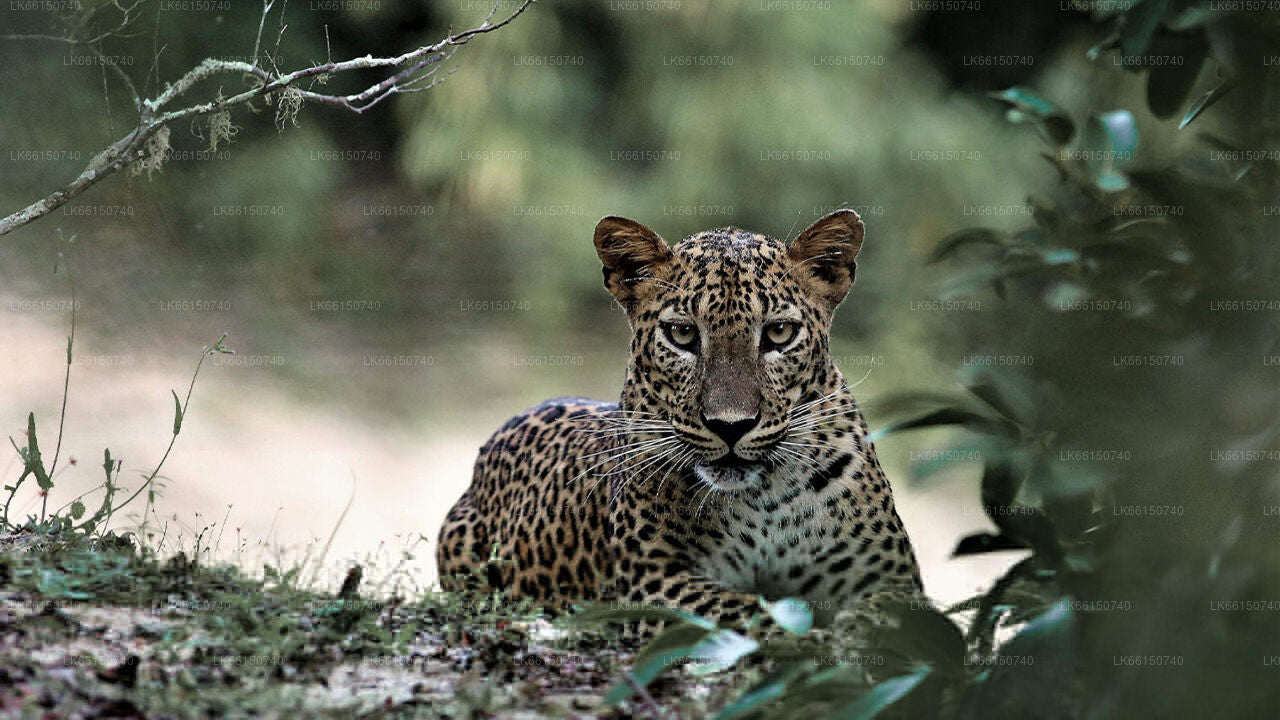
- Yala National Park (Ruhuna): The main entrance at Palatupana is around 20–25 km east of Tissamaharama. Yala's Block I is one of the world's most densely populated leopard habitats and also supports large populations of elephants, sloth bears, crocodiles, and hundreds of bird species. Morning and afternoon safari jeeps depart from the town daily.
- Bundala National Park: A Ramsar-listed wetland reserve roughly 15 km west, Bundala is calmer and less visited than Yala. It is exceptional for waterbirds and hosts flamingos during the northern winter migration.
- Kataragama: Around 18 km northeast, this pilgrimage town is sacred to Buddhists, Hindus, and indigenous Vedda communities alike. The evening puja at the Kataragama Devalaya is one of the most atmospheric religious ceremonies in Sri Lanka.
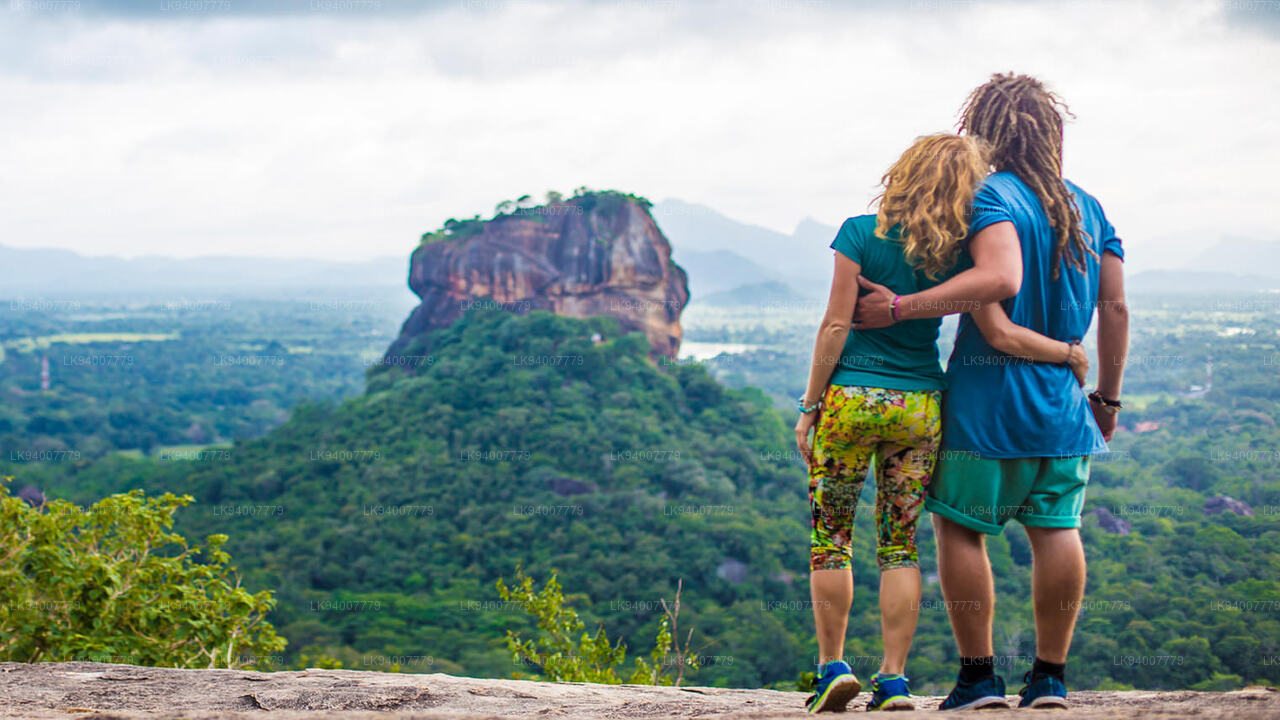
- Situlpawwa: A remote rock-temple monastery set within the Yala buffer zone, about 40 km away. It receives far fewer visitors than the major sites and rewards the effort with ancient cave paintings and sweeping views over the dry-zone scrubland.
When is the best time to visit Tissamaharama?
The dry season from roughly February to July is generally the best period for wildlife watching at Yala and Bundala. Water sources contract during these months, drawing animals out into open ground where they are easier to observe. The Yala Block I section is typically closed during September for a conservation rest period — check current dates before planning.
The town itself is accessible year-round. The northeast monsoon (October to January) brings occasional heavy rain to the area but rarely makes roads impassable. Temperatures in the region are warm throughout the year, averaging in the low-to-mid 30s Celsius during the day, with cooler evenings from December to February.
Where should I stay in Tissamaharama?
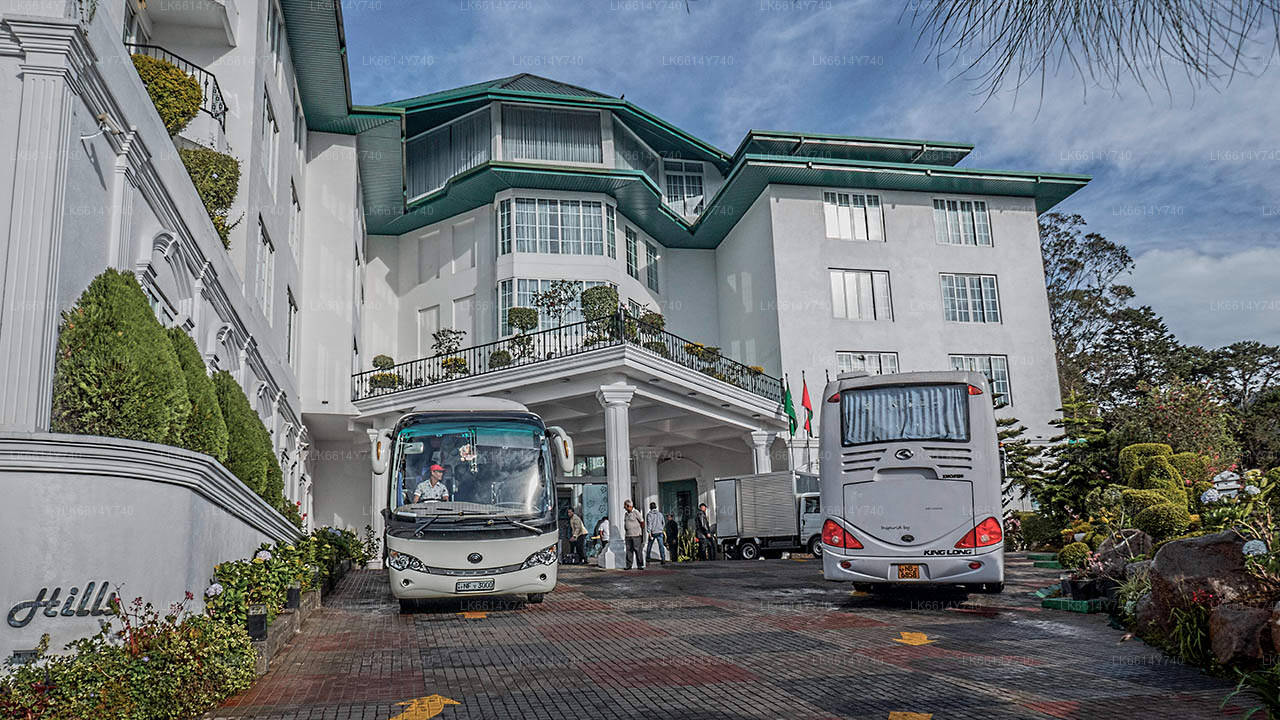
Most accommodation clusters along the shores of Tissa Wewa, offering peaceful reservoir views and easy access to early-morning safari departures. The village of Deberawewa, on the far side of the smaller lake, has a handful of guesthouses in a quieter rural setting. Options range from simple family-run guesthouses to mid-range lakeside hotels and a small number of eco-lodges on the fringes of the national park. Booking ahead is advisable during the peak dry-season months of February to July, when safari demand is highest.
Are there cultural experiences to try in the area?
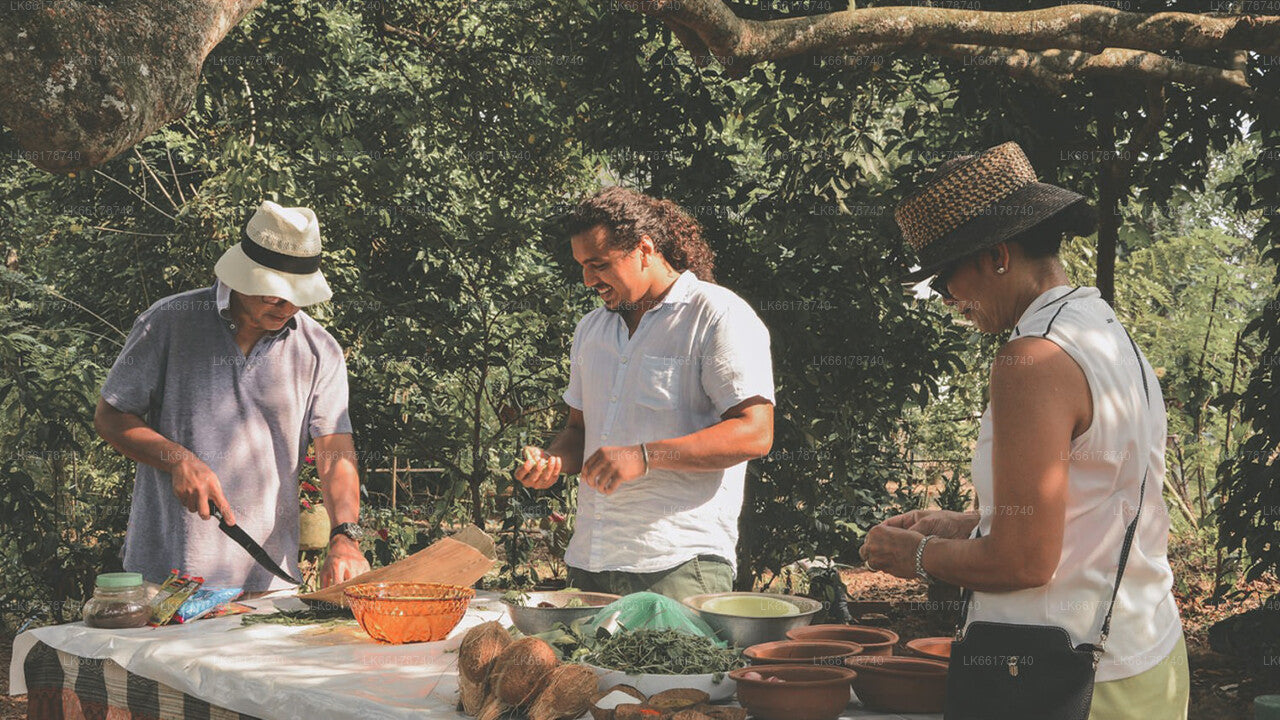
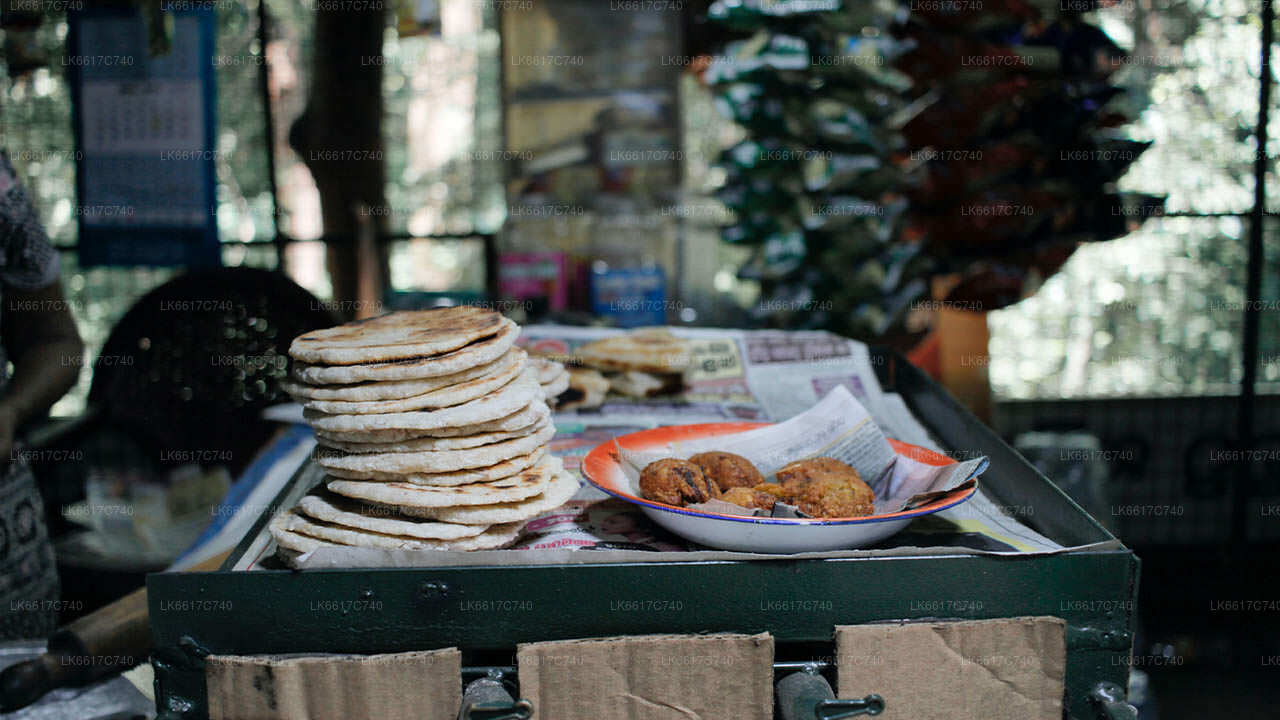
Beyond wildlife and heritage sites, the villages surrounding Tissamaharama offer a window into the agricultural life of Sri Lanka's dry zone. Guided visits to local markets, traditional bakeries, coconut treacle producers, and pottery workshops are available through local operators — a genuine contrast to the resort belt further along the southern coast. These experiences are low-key and informal, typically led by the artisans themselves rather than through large group tours.