Galle Port


Galle Port, located on the southwestern coast of Sri Lanka, is a historic and strategically important seaport that has been a vital part of the island's maritime history for centuries. Situated in the city of Galle, the port has served as a significant trading hub connecting Sri Lanka to various parts of Asia, Europe, and the Middle East. Today, Galle Port continues to play a crucial role in Sri Lanka's maritime industry, supporting both commercial activities and tourism, while also attracting visitors with its rich historical heritage.
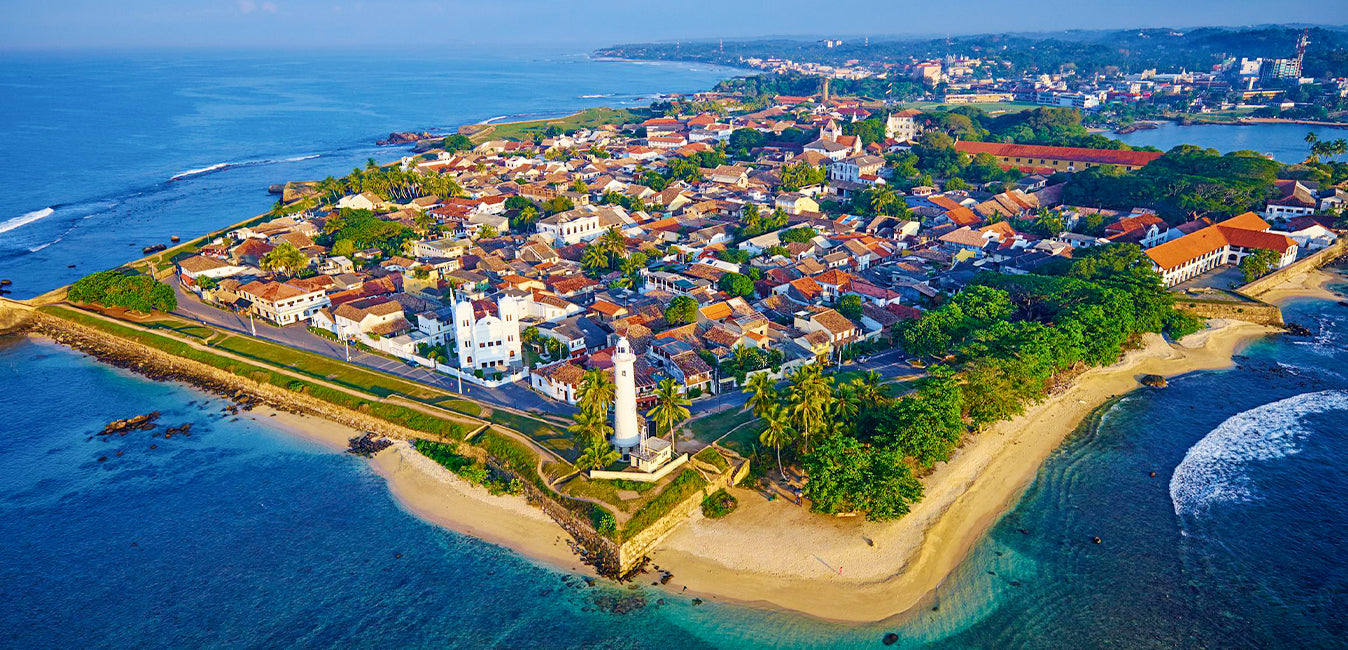
The history of Galle Port dates back to ancient times, with its strategic location along the Indian Ocean making it a popular docking point for traders, sailors, and explorers. During the colonial period, particularly under Portuguese, Dutch, and British rule, the port grew in prominence as a key center for trade in spices, textiles, and other goods. The iconic Galle Fort, a UNESCO World Heritage Site, was built by the Dutch in the 17th century to protect the port from potential invasions, and remains a significant symbol of the port's historical importance. Visitors can explore the Fort's cobbled streets and colonial buildings, offering a glimpse into the region's rich past.
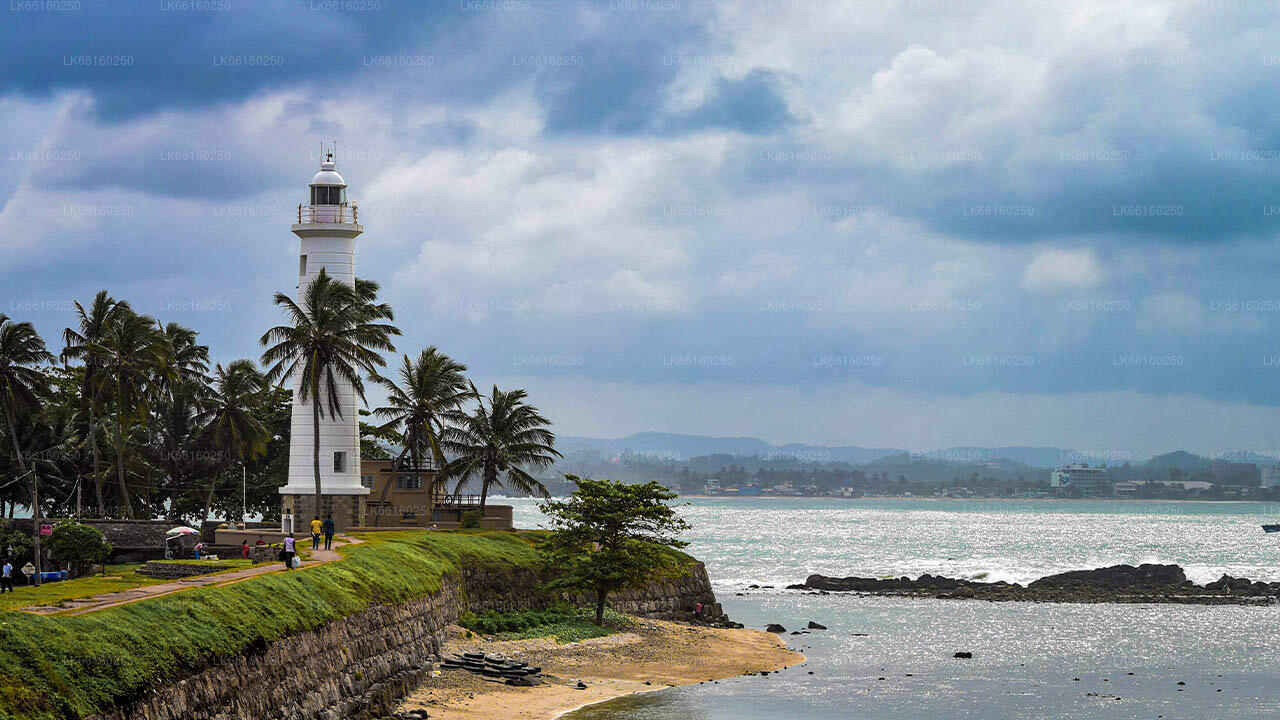
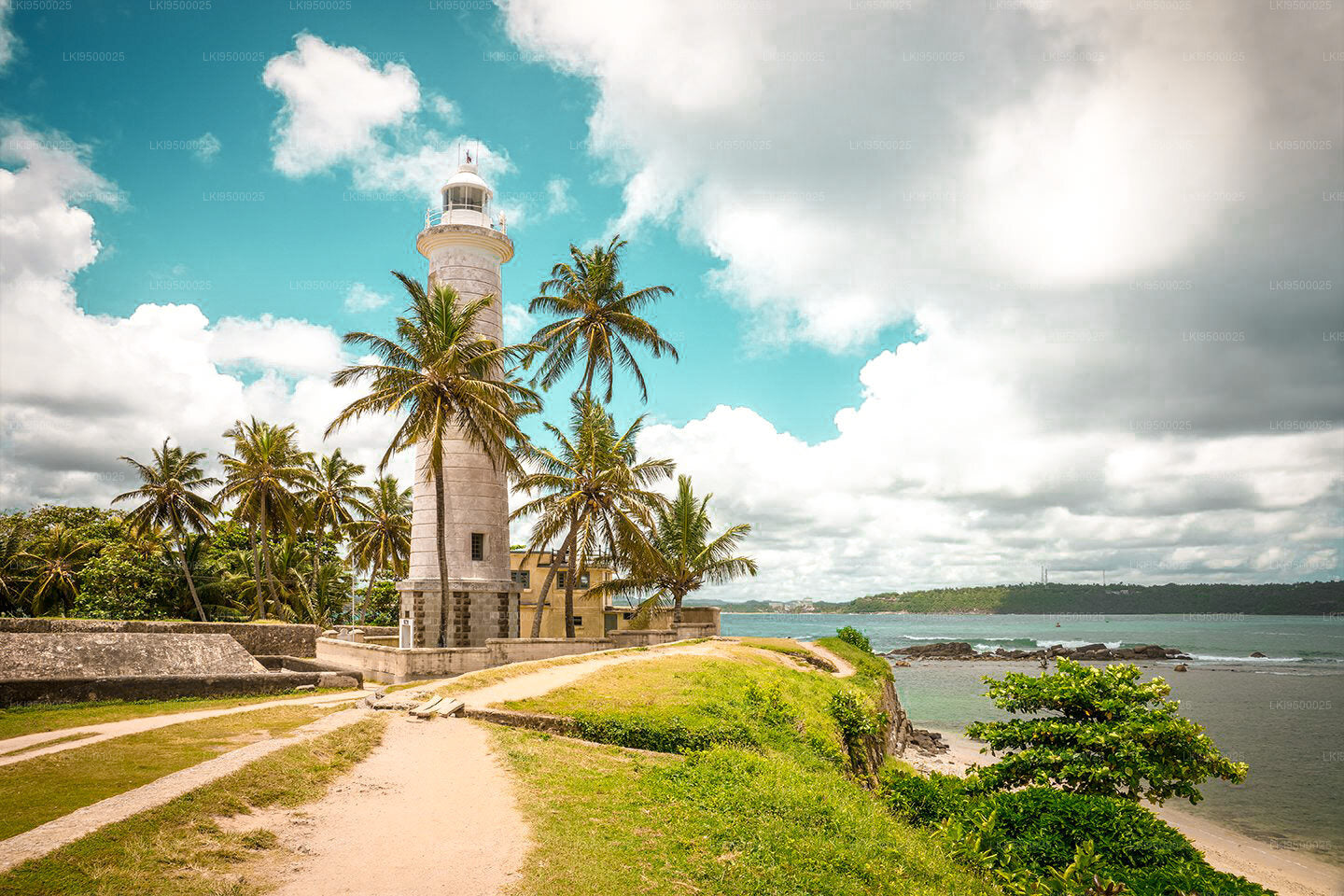
Today, Galle Port continues to serve as a hub for commercial activities, including cargo handling, container shipping, and fishing. The port is also a key point for cruise ships, bringing tourists to the historic city of Galle. The surrounding area features a mix of traditional and modern architecture, with bustling markets, restaurants, and attractions like the Galle Lighthouse, which has been guiding ships since the 19th century. The waterfront area is ideal for scenic walks, offering beautiful views of the ocean and the harbor, where visitors can watch local fishing boats and large cargo vessels go about their business.
The best time to visit Galle Port is during Sri Lanka's dry season from December to April, when the weather is ideal for sightseeing and outdoor activities. The port is easily accessible from the city of Galle, which is just a short walk or drive away from the famous Galle Fort and its historic landmarks. Whether you're interested in exploring the city's colonial past, learning about Sri Lanka's maritime heritage, or simply enjoying the ocean views, Galle Port remains an important destination for history enthusiasts, nature lovers, and travelers looking to experience the charm of Sri Lanka's coastal life.