Hatton City
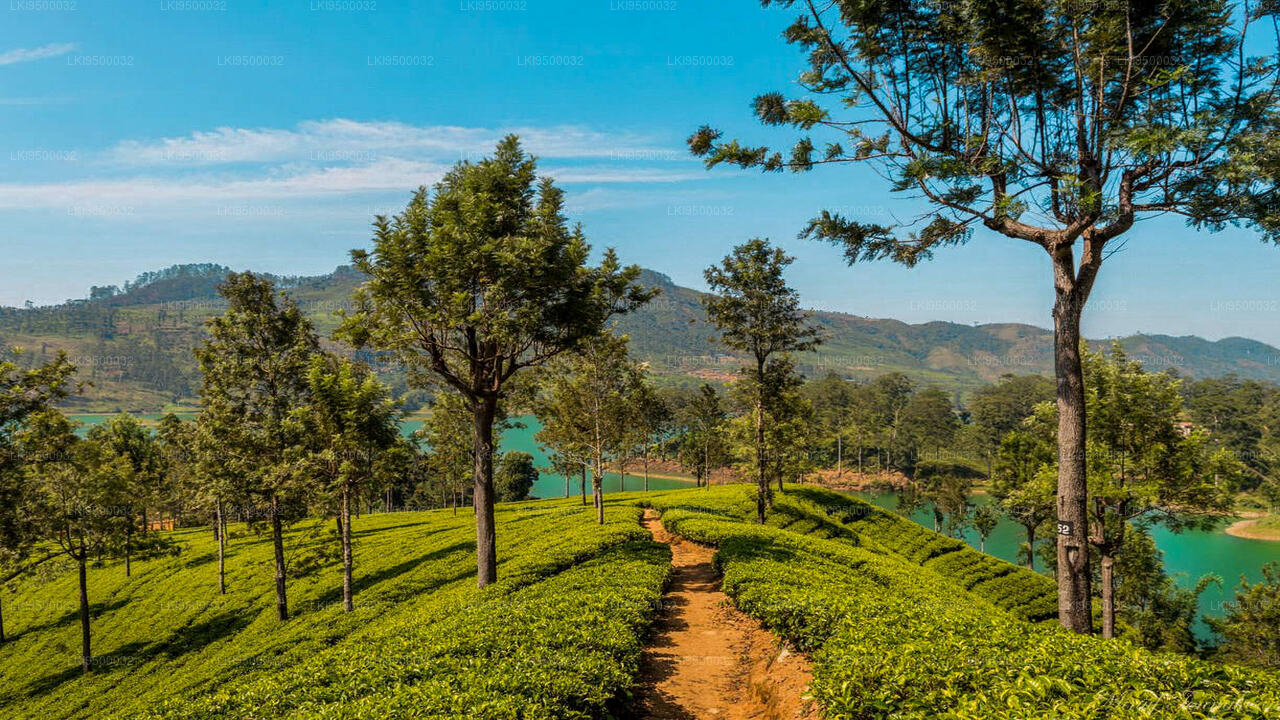
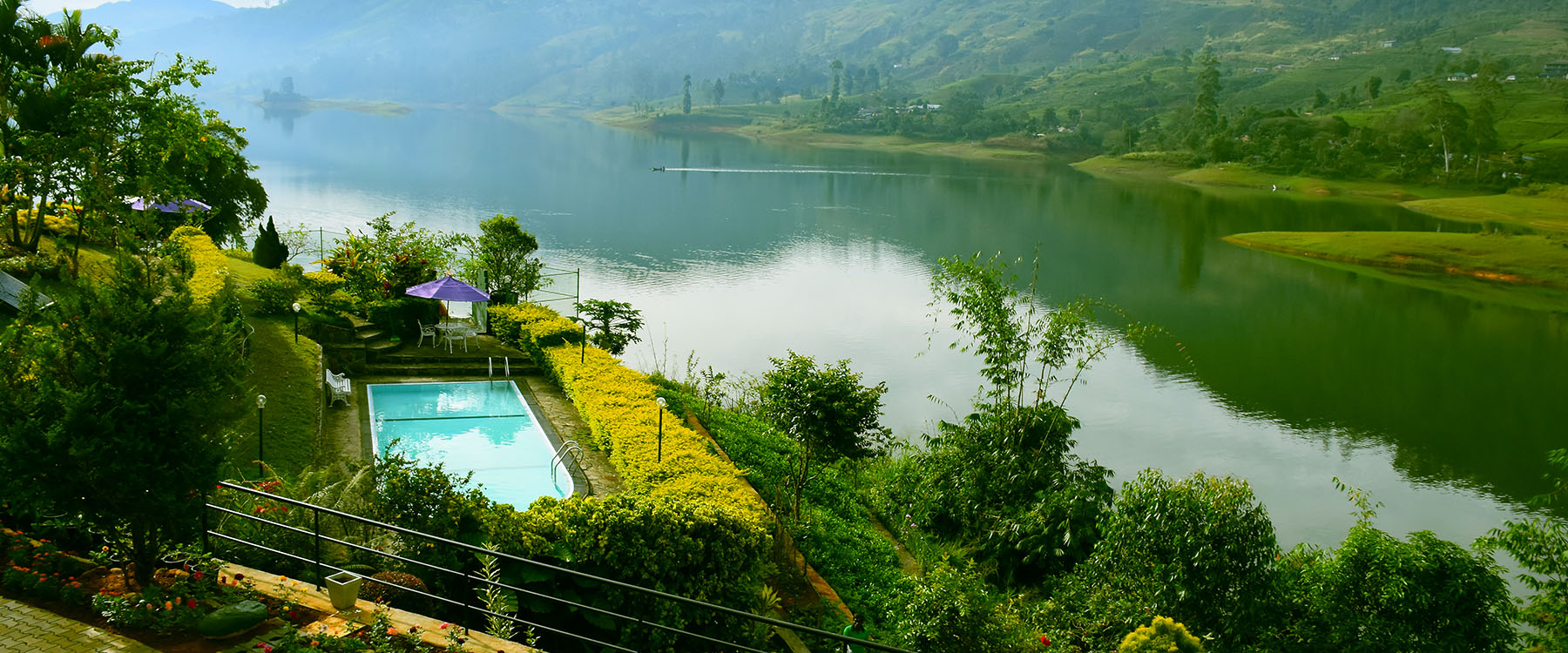
Hatton is, in one word, green. Almost every available hillside is bright with tea bushes trimmed so neatly that, from a distance, the hills look as if they’re covered with a thick-pile rug. Providing cool relief from the heat of the plains, the mornings are usually veiled in a mist that slowly dissipates to reveal the curious pyramidal bulk of Adam’s Peak to the southwest.
Watawala City
Watawala is a village in Sri Lanka. It is located within Central Province.
About Nuwara Eliya District
Nuwara Eliya District is a district in Central Province, Sri Lanka, centered on the tourist city of Nuwara Eliya. Its name means "city on the plain (table land)" or "city of light". The city is the administrative capital of Nuwara Eliya District, with a picturesque landscape and temperate climate. It is at an altitude of 1,868 m (6,128 ft) and is considered to be the most important location for tea production in Sri Lanka. The city is overlooked by Pidurutalagala, the tallest mountain in Sri Lanka. Nuwara Eliya is known for its temperate, cool climate – the coolest area in Sri Lanka.
About Central Province
The Central Province is located in the central hills of Sri Lanka comprising of three administrative districts:Kandy, Matale and Nuwara-Eliya. The land area of the Province is 5,575 km2 which is 8.6% of the total land area of Sri Lanka. The Province lies on 6.6°- 7.7° northern latitudes and between 80.5°-80.9° eastern longitudes. The elevation in the province ranges from 600 ft to over 6000 ft above the sea level. The province is bordered on the north by the North-Central Province, on the east by the River Mahaweli,on the south by Uma Oya and the mountain range of Adam’s Peak, Kirigalpotta and Thotapala and on the west by the mountain ranges Dolosbage and Galagedera.
About Nuwara Eliya District
Nuwara Eliya is a town of central province in Sri Lanka. It is located at an altitude of 1,868 m (6,128 ft) in the central highlands and is considered one of the most important locations for Tea production in Sri Lanka. The town is overlooked by Pidurutalagala, the highest mountain in Sri Lanka. Due to the high altitude, Nuwara Eliya has a much cooler climate than the lowlands of Sri Lanka, with a mean annual temperature of 16 °C. But the temperature changes and sometimes it can be like 3°C. In the winter months it is quite cold at night, and there can even be frost. Although it rapidly warms up as the tropical sun climbs higher during the day.
About Central Province
The Central Province of Sri Lanka consists primarily of mountainous terrain. The province has an area of 5,674 km², and a population of 2,421,148. Some major towns include Kandy, Gampola (24,730), Nuwara Eliya and Bandarawela. The population is a mixture of Sinhalese, Tamil and the Moors.
Both the hill capital Kandy and the city of Nuwara Eliya are located within the Central Province as well as Sri Pada. The province produces much of the famous Ceylon tea, planted by the British in the 1860s after a devastating disease killed all the coffee plantations in the province. Central Province attracts many tourists, with hill station towns such as Kandy, Gampola, Hatton and Nuwara Eliya. Temple tooth or Dalada maligawa is the main sacred place in Centrel province.
The climate is cool, and many areas about 1500 meters often have chilly nights. The western slopes are very wet, some places having almost 7000 mm of rain per year. The eastern slopes are parts of the mid-dry zone as it is receiving rain only from North-Eastern monsoon. The Temperatures range from 24°C at Kandy to just 16°C in Nuwara Eliya, which is located 1,889 m above sea level. The highest mountains in Sri Lanka are located in the Central Province. The terrain is mostly mountainous, with deep valleys cutting into it. The two main mountain regions are the central massif and the Knuckles range to the east of Kandy.