Saliyapura


Saliyapura is a small yet significant township located in the North Central Province of Sri Lanka, a region well known for its deep historical roots, agricultural landscapes, and cultural heritage. Situated near the ancient city of Anuradhapura, Saliyapura serves as a residential and commercial hub for people living in the surrounding rural villages. Its location within the dry zone of Sri Lanka means the area experiences a warm climate for most of the year, with seasonal rainfall that supports traditional farming practices.
One of the notable characteristics of Saliyapura is its close connection to agriculture. Many residents depend on farming as their primary livelihood, cultivating crops such as paddy, vegetables, and other dry zone produce. Irrigation systems, including tanks and canals that have origins in ancient hydraulic engineering traditions, play an essential role in sustaining agricultural activities in the region. These water management systems reflect Sri Lanka's long history of sophisticated irrigation, which has supported communities in the North Central Province for centuries.
Saliyapura is also recognized for its connection to the Sri Lankan military, as the area is home to a major Sri Lanka Army camp. The presence of this military establishment has influenced the development of the township, contributing to local commerce, housing, and infrastructure. Small shops, eateries, and service businesses cater not only to local residents but also to military personnel and visitors who pass through the area.
In addition to its practical importance as a residential and military town, Saliyapura benefits from its proximity to the historic city of Anuradhapura, one of Sri Lanka's most important cultural and religious centers. Residents and visitors can easily access sacred Buddhist sites, ancient stupas, and archaeological landmarks that attract pilgrims and tourists from around the world. This connection places Saliyapura within a broader cultural landscape that reflects Sri Lanka's ancient civilization.
Despite its relatively modest size, Saliyapura represents the everyday rhythm of life in the North Central Province. The town blends traditional rural livelihoods with modern services and infrastructure. Schools, local markets, temples, and community institutions contribute to the social fabric of the area, making it a vibrant yet peaceful place for its residents. As development gradually spreads across the region, Saliyapura continues to grow while maintaining the cultural and agricultural identity that defines much of Sri Lanka's dry zone heartland.


-
 Sri Maha Bodhiya
Jaya Sri Maha Bodhi is a sacred bo tree in the Mahamewna Gardens, Anuradhapura, Sri Lanka. It is the southern branch from the historical Sri Maha Bodhi at Buddha Gaya in India under which Buddha attained Enlightenment. It was planted in 288 BC, and is the oldest living human-planted tree in the world with a known planting date.
-
 Ruwanweliseya
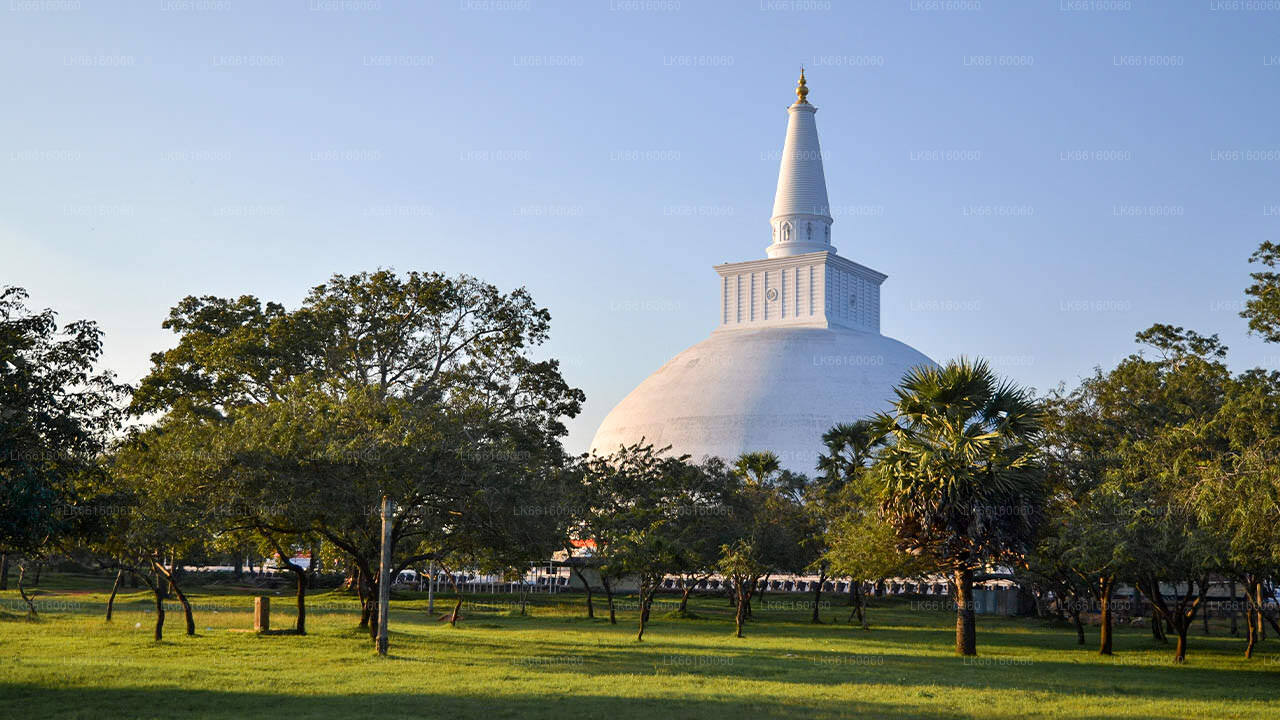
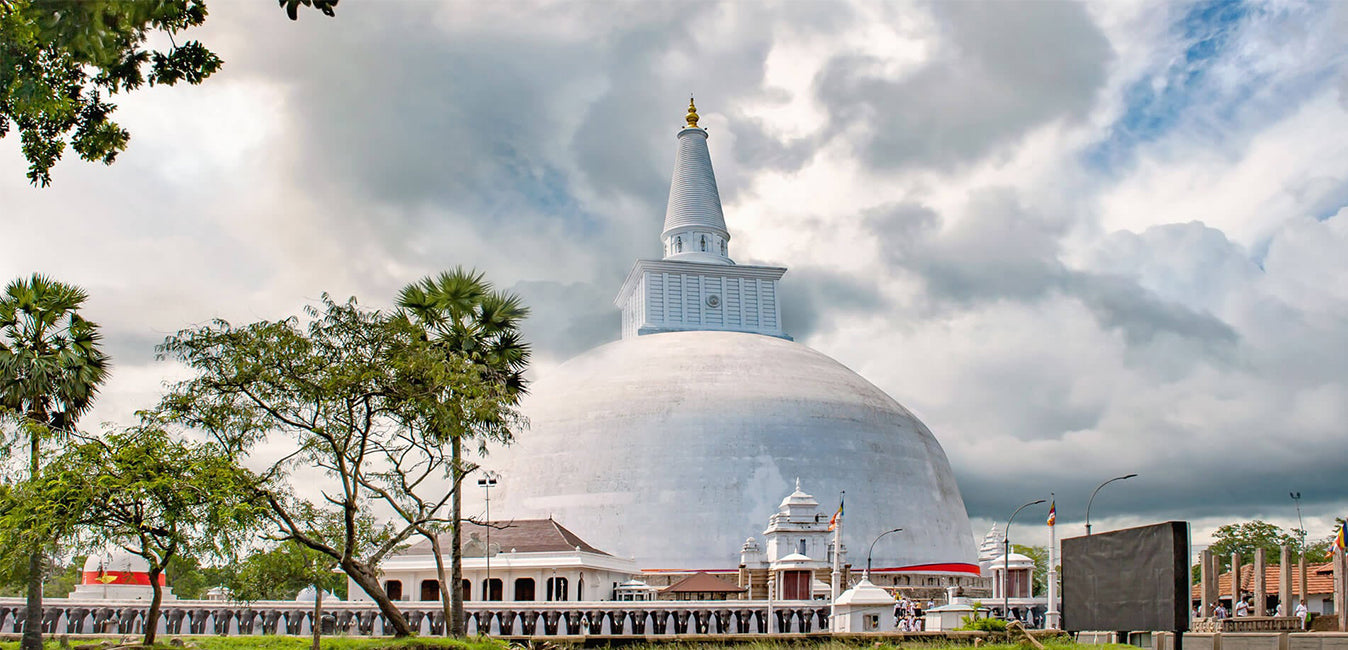
The Ruwanweli Maha Seya, also known as the Mahathupa (the Great Thupa) is a stupa (a hemispherical structure containing relics) in Anuradhapura, Sri Lanka. Two quarts or one Dona of the Buddha's relics are enshrined in the stupa, making it the largest collection of his relics anywhere. It was built by Sinhalese King Dutugemunu in c. 140 B.C., who became king of Sri Lanka after a war in which the Chola King Elāra (Ellalan) was defeated.
-
 Thuparamaya
Thuparamaya is the first Buddhist temple that was constructed, after the arrival of mahinda thero(mahindagamanaya) in Sri Lanka. Located in the sacred area of Mahamewna park, the Thuparamaya Stupa is the earliest Dagoba to be constructed in the island, dating back to the reign of King Devanampiya Tissa (247-207 BC). The temple has been formally recognised by the Government as an archaeological site in Sri Lanka.
-
 Lovamahapaya
Lovamahapaya is a building situated between Ruwanweliseya and Sri Mahabodiya in the ancient city of Anuradhapura, Sri Lanka. It is also known as the Brazen Palace or Lohaprasadaya because the roof was covered with bronze tiles. In ancient times, the building included the refectory and the uposathagara (Uposatha house).
-
 Abhayagiri Stupa
Abhayagiri Vihāra was a major monastery site of Mahayana, Theravada and Vajrayana Buddhism that was situated in Anuradhapura, Sri Lanka. It is one of the most extensive ruins in the world and one of the most sacred Buddhist pilgrimage cities in the nation.
-
 Jetavanaramaya
The Jetavanarama stupa or Jetavanaramaya is a stupa, or Buddhist reliquary monument, located in the ruins of Jetavana monastery in the UNESCO world heritage city of Anuradhapura, Sri Lanka. At 122 metres (400 ft), it was the world's tallest stupa, and the third tallest structure in the world when it was built by King Mahasena of Anuradhapura (273–301).
-
 Mirisawetiya Stupa
The Mirisaweti Stupa is a memorial building, a stupa, situated in the ancient city of Anuradhapura, Sri Lanka. King Dutugamunu (161 BC to 137 BC) built the Mirisaveti Stupa after defeating King Elara. After placing the Buddha relics in the sceptre, he had gone to Tissa Wewa for a bath leaving the sceptre.
-
 Lankarama
Lankarama is a stupa built by King Valagamba, in an ancient place at Galhebakada in the ancient kingdom of Anuradhapura, Sri Lanka. Nothing is known about the ancient form of the stupa, and later this was renovated. The ruins show that there are rows of stone pillars and it is no doubt that there has been a house built encircling the stupa (vatadage) to cover it.
-
 Isurumuniya
Isurumuniya is a Buddhist temple situated near to the Tissa Wewa (Tisa tank) in Anuradhapura, Sri Lanka. There are four carvings of special interest in this Vihara. They are the Isurumuniya Lovers, Elephant Pond and The Royal Family. The ancient Meghagiri Vihara or Meygiri Vihara is presently identified as the Isurumuni Vihara.