Roots and Tubers (Yams)

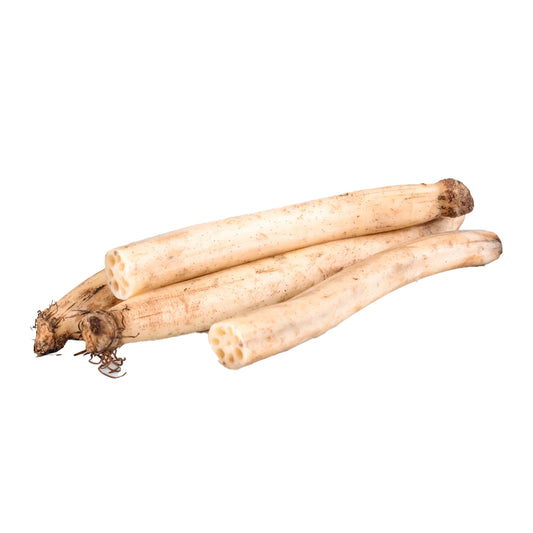
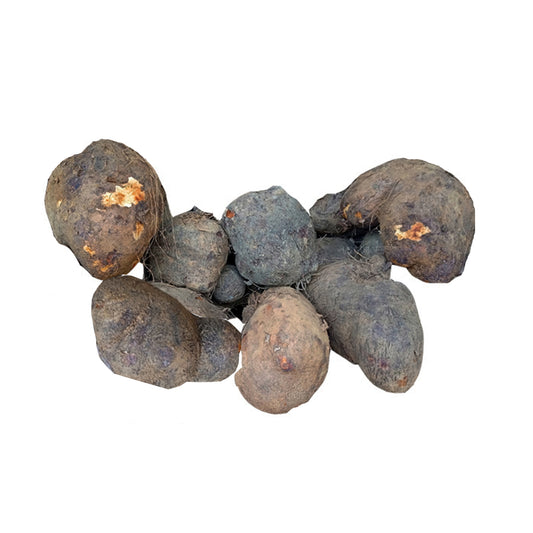
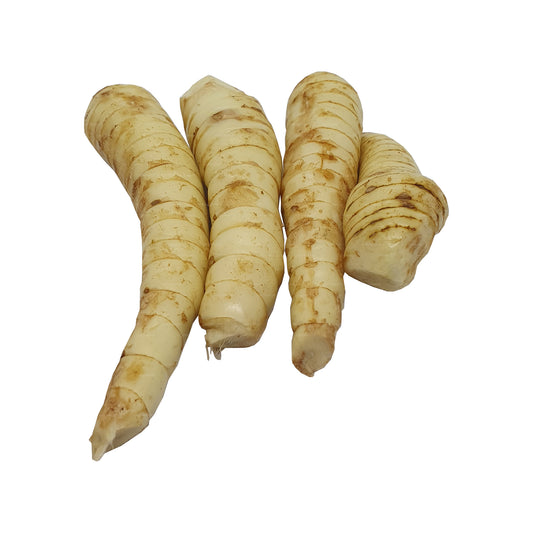
Roots and tubers, particularly yams, occupy a central role in Sri Lanka’s agriculture, cuisine, and cultural identity. The island is home to around 55 identified traditional yam and tuber species that thrive in almost every region, showcasing remarkable resilience to harsh climatic and soil conditions. These crops require relatively low agricultural input, making them cost-effective for farmers while contributing to sustainable farming practices. Their adaptability and minimal resource needs position them as an ideal solution to address future global food demands, especially with food security becoming a critical concern. Among these, the Dioscorea genus is especially notable, with nearly 40 species cultivated locally from a total of over 600 found worldwide.

Nutritionally, yams are a powerhouse, offering fiber, potassium, manganese, copper, and vitamin C, along with other vital minerals that support overall health. Their underutilization, despite such potential, highlights an untapped opportunity to diversify diets and promote healthier lifestyles across communities. In addition to their nutritional and agricultural importance, traditional roots and tubers are deeply woven into the cultural fabric of Sri Lanka. Root crops have long been part of everyday meals, while symbolizing resilience and connection to the land. They are also tied to Buddhist traditions, reflecting values of simplicity, respect for nature, and community well-being.

This cultural significance extends beyond food, influencing arts and crafts, & festivals. Events such as Vesak celebrate heritage through lanterns, rituals, and communal sharing, where roots and tubers remain essential in traditional cuisine. Similarly, the craftsmanship of pottery, weaving, and wood carving passed down through generations resonates with the agricultural traditions that sustained communities for centuries. Today, growing interest in expanding large-scale yam cultivation reflects both a renewed recognition of their agricultural value and a deeper acknowledgment of their place in Sri Lanka’s cultural and nutritional heritage. By bridging tradition with modern sustainability, these roots and tubers stand as a powerful example of how indigenous knowledge can shape solutions for the future.

Traditional Sri Lankan Root and Tubers Products