Lakpura
Lakpura®

Arrow root (Maranta arundinacea)

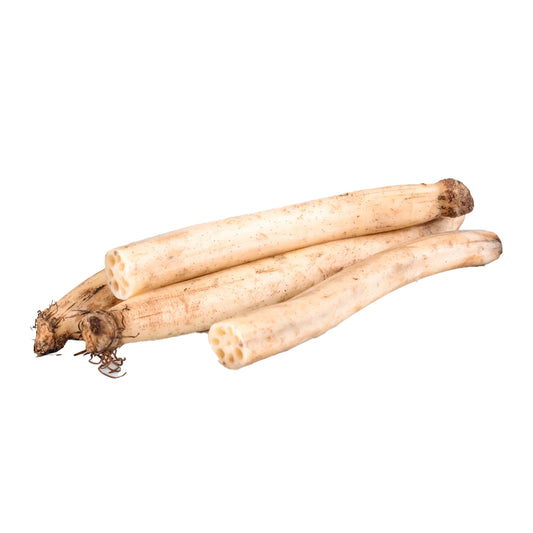
Arrowroot (Maranta arundinacea), known locally as Hulankeeriya, is a tropical perennial plant cultivated across Sri Lanka's wet zone for the fine, white starch extracted from its underground rhizomes. Although the plant traces its botanical origins to tropical America, it has long been grown in South and Southeast Asia, and Sri Lanka's warm, humid lowlands provide near-ideal growing conditions. The resulting powder is prized in kitchens and increasingly in natural health circles for its gentle, easily digestible properties.

What is arrowroot and where does it come from?

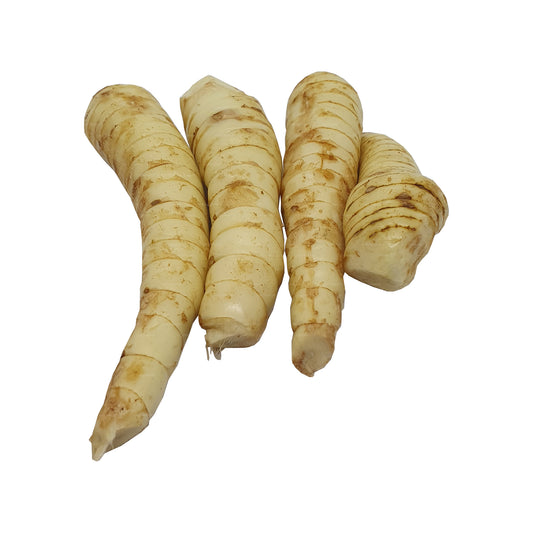
Arrowroot belongs to the family Marantaceae. The plant produces fleshy rhizomes — underground stems rather than true roots — from which a highly pure starch is extracted by washing, pulping, and drying. The starch granules are notably small and uniform, which gives arrowroot powder a silky texture and makes it particularly effective as a thickening agent in cooking.

Historically, the name "arrowroot" is thought to derive from the Arawak word aru-aru, meaning "meal of meals", though a popular folk explanation links it to its traditional use in treating wounds from poisoned arrows. Whatever its etymology, the plant has been cultivated for food and medicine for thousands of years across tropical regions.

How is arrowroot grown in Sri Lanka?

In Sri Lanka, arrowroot thrives as a low-growing shrub in the wet zone, typically reaching between 30 cm and 60 cm (around 1–2 feet) in height. It prefers well-drained, loamy soil with consistent moisture and partial shade, conditions that are common across the southwestern lowlands and the foothills of the central highlands. Smallholder farmers often intercrop it with taller species, making efficient use of land beneath the canopy.

Planting is done using small pieces of rhizome, and the crop is generally ready for harvest after 8 to 10 months, once the leaves begin to yellow and die back. At that point, the rhizomes are dug up, thoroughly washed, and processed into powder through a sequence of grating, filtering, and sun-drying or mechanical drying.

The Sinharaja Forest Reserve fringe districts are among the areas where traditional cultivation of wet-zone tuber crops, including arrowroot, continues alongside subsistence agriculture.

What are the culinary uses of arrowroot powder?

Arrowroot powder is most widely used as a thickening agent in sauces, soups, gravies, puddings, and fruit gels. It has several practical advantages over cornstarch and plain wheat flour:

  • It thickens at a lower temperature, reducing the risk of scorching delicate sauces.
  • It produces a clear, glossy finish rather than an opaque, cloudy result.
  • It is naturally gluten-free, making it suitable for people with coeliac disease or gluten sensitivity.
  • It has a neutral flavour that does not interfere with the taste of a dish.
  • It tolerates acidic ingredients such as citrus juice and vinegar better than many other starches.

In traditional Sri Lankan cooking, arrowroot is sometimes used in milk-based desserts and porridges. It also appears in biscuit and cracker recipes, where it contributes a light, crumbly texture. In the context of Sri Lankan confectionery, arrowroot occasionally plays a supporting role alongside ingredients featured in festive sweets like kokis.

What are the nutritional and medicinal properties of arrowroot?

Arrowroot starch is predominantly carbohydrate, with a low fat and protein content. It is easily digestible, which historically made it a common food for infants, convalescents, and people recovering from gastrointestinal illness. Several traditional medicine systems, including Ayurveda as practised in Sri Lanka, have used arrowroot preparations to soothe digestive discomfort and as a mild nutritive tonic.

Contemporary nutritional interest in arrowroot centres on its resistant starch fraction, which may support gut health by feeding beneficial bacteria in the large intestine. It also contains modest amounts of potassium, iron, and B vitamins. However, because it is primarily a starch, it should be viewed as an energy source rather than a concentrated source of micronutrients.

Arrowroot is sometimes compared with other traditional Sri Lankan plant-based starches and remedies. Ceylon black pepper, for example, shares a similar wet-zone growing environment and a long history of both culinary and medicinal application on the island.

How is arrowroot powder processed and what should you look for?

Quality arrowroot powder should be pure white to off-white, completely free of lumps, and have a faint, neutral starchy aroma. Adulteration with potato starch or cassava starch is possible with lower-grade commercial products, so sourcing from reputable producers matters. When stored in an airtight container away from heat and moisture, arrowroot powder remains stable for up to two years.

Sri Lankan-produced arrowroot powder is increasingly available through specialty food and natural health channels. Lakpura sources and stocks arrowroot powder from verified local producers, supporting smallholder farmers in the wet zone while offering international visitors and buyers a traceable Sri Lankan product.

Is arrowroot used differently in Sri Lanka compared to other countries?

Across South and Southeast Asia, arrowroot is used in broadly similar ways — as a thickener, a base for puddings, and a traditional remedy for stomach ailments. In Sri Lanka, however, its cultivation is tightly linked to the wet-zone agricultural landscape, and it is often found growing alongside other heritage crops on family plots rather than in large commercial plantations. This gives Sri Lankan arrowroot a provenance tied to traditional smallholder farming rather than industrial monoculture.

In some parts of the country, dried arrowroot rhizomes are also used in traditional preparations alongside other roots and herbal ingredients, reflecting a broader local appreciation for plant-based wellness. This sits within the same tradition that values tubers and roots cultivated on the island's diverse agricultural land, from paddy fields to upland gardens.

How can visitors learn about Sri Lanka's traditional crops and agriculture?

Travellers curious about Sri Lanka's agricultural heritage can explore the island's rural wet zone, where smallholder plots often grow a remarkable variety of traditional crops within a short distance. Village-based experiences in areas such as the Galle hinterland and the southwestern lowlands offer guided walks through working gardens where arrowroot, medicinal herbs, spice plants, and root vegetables grow side by side. Sri Lanka's agricultural and botanical traditions are among its less-visited but genuinely rewarding areas of cultural heritage.

Shop this range with Lakpura

Packed in Sri Lanka and shipped worldwide, direct from the source.

Ask Lakpura® Agent