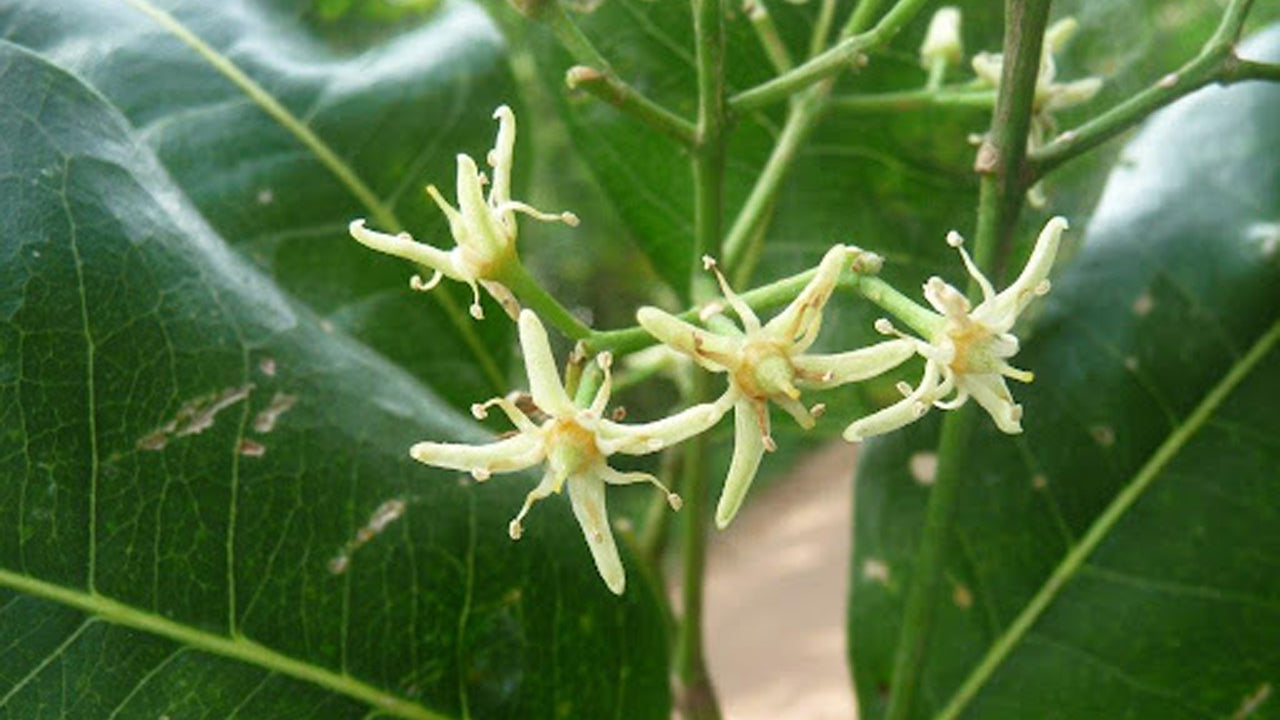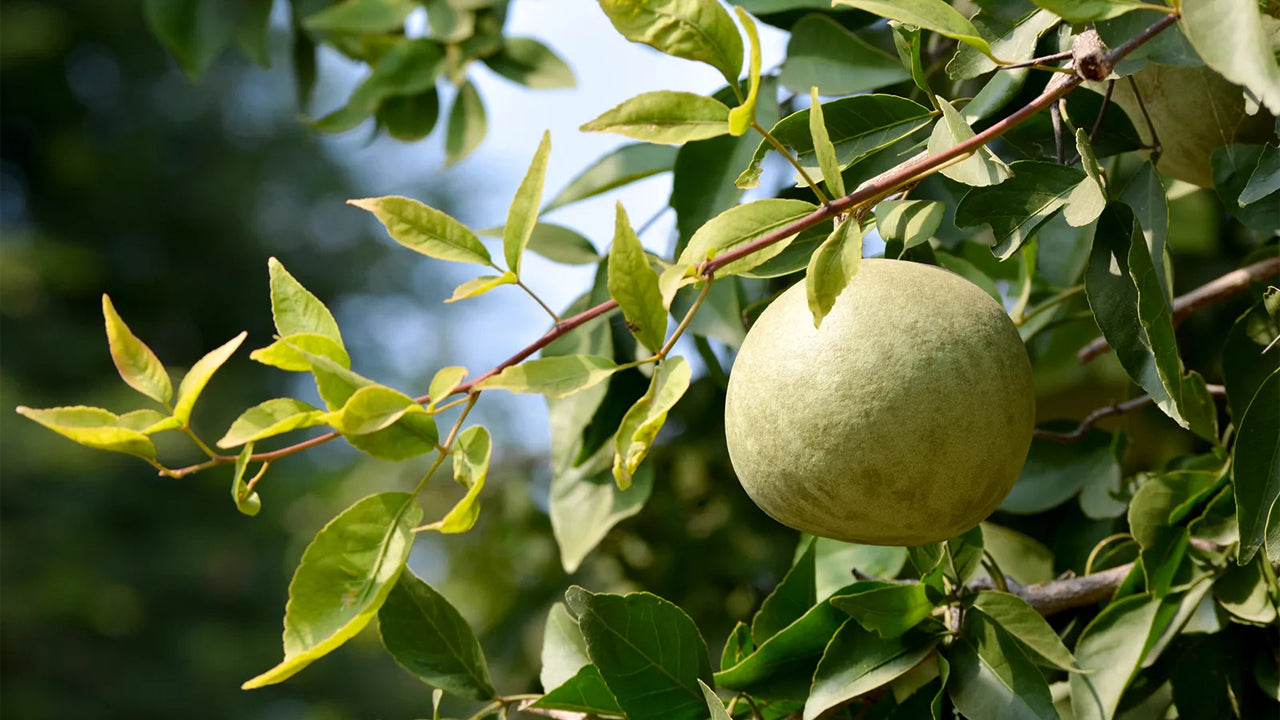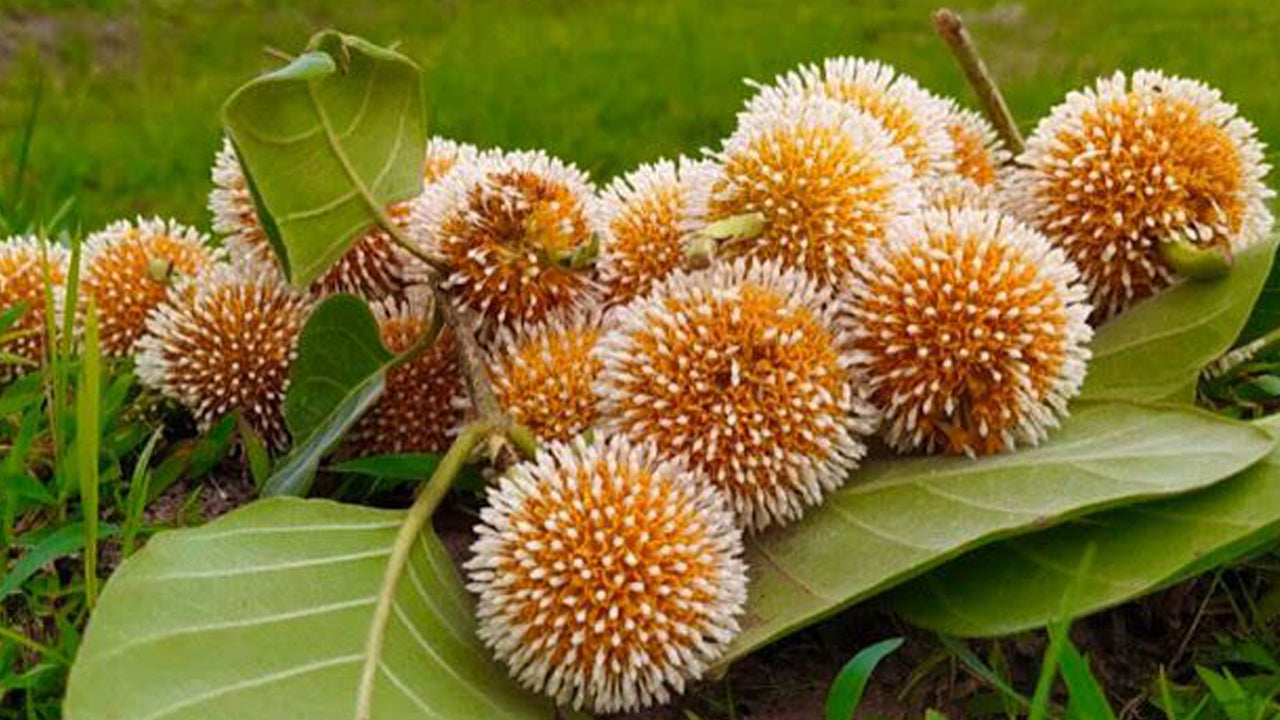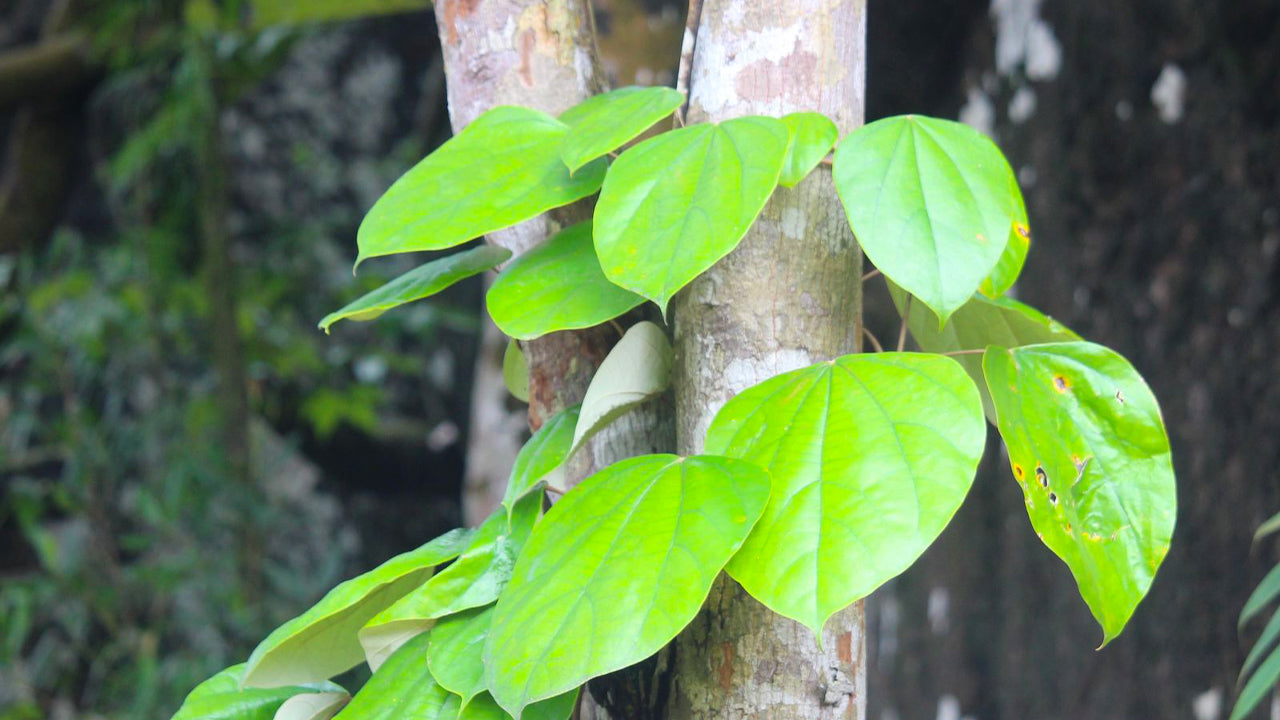
Ricinus communis, known in Sinhala as Edaru (එදරු), is a perennial flowering plant belonging to the spurge family, Euphorbiaceae. It is the sole species in the genus Ricinus and the subtribe Ricininae, making it botanically distinctive among flowering plants. Native to the southeastern Mediterranean Basin, Eastern Africa, and India, the plant has spread throughout tropical regions worldwide — including Sri Lanka, where it grows widely in the wild and is cultivated for its many traditional uses.
What is the Castor Bean Plant?
Despite its common English name, the castor bean is not a true bean. True beans belong to the family Fabaceae, whereas Ricinus communis is a member of Euphorbiaceae. The plant is fast-growing, typically reaching several metres in height under favourable tropical conditions, and produces large, star-shaped leaves and distinctive reddish seed pods.
Ricinus communis reproduces through a mixed pollination system. It tends toward selfing via geitonogamy but is also capable of cross-pollination through wind (anemophily) and insects (entomophily). This flexibility contributes to its remarkable adaptability across diverse climates and soil types.
Where Does Ricinus communis Grow in Sri Lanka?
In Sri Lanka, Edaru grows across a wide range of elevations and habitats — from coastal lowlands to mid-country hillsides. It is particularly common along roadsides, disturbed forest edges, and agricultural margins. The plant favours well-drained soils and thrives in the island's warm, humid climate.
Compared with more densely forested habitats such as the Sinharaja Forest Reserve, Ricinus communis is a plant of open, disturbed environments. It is rarely found within primary forest but is a conspicuous feature of secondary growth across many parts of the island.
What Are the Uses of Castor Oil?
The seeds of Ricinus communis are the source of castor oil, one of the most commercially significant plant-derived oils in the world. The seeds contain between 40% and 60% oil, which is rich in triglycerides — primarily ricinolein, a fatty acid that gives castor oil its distinctive viscosity and wide industrial utility.
- Industrial applications: Castor oil is used in lubricants, hydraulic fluids, paints, varnishes, and plastics. Its high viscosity and stability under temperature extremes make it valuable in engineering contexts.
- Cosmetics and personal care: The oil appears in skin moisturisers, hair treatments, and lip products, prized for its emollient properties.
- Pharmaceuticals: Castor oil has a long history as a laxative and is used as an excipient in various medicines and topical formulations.
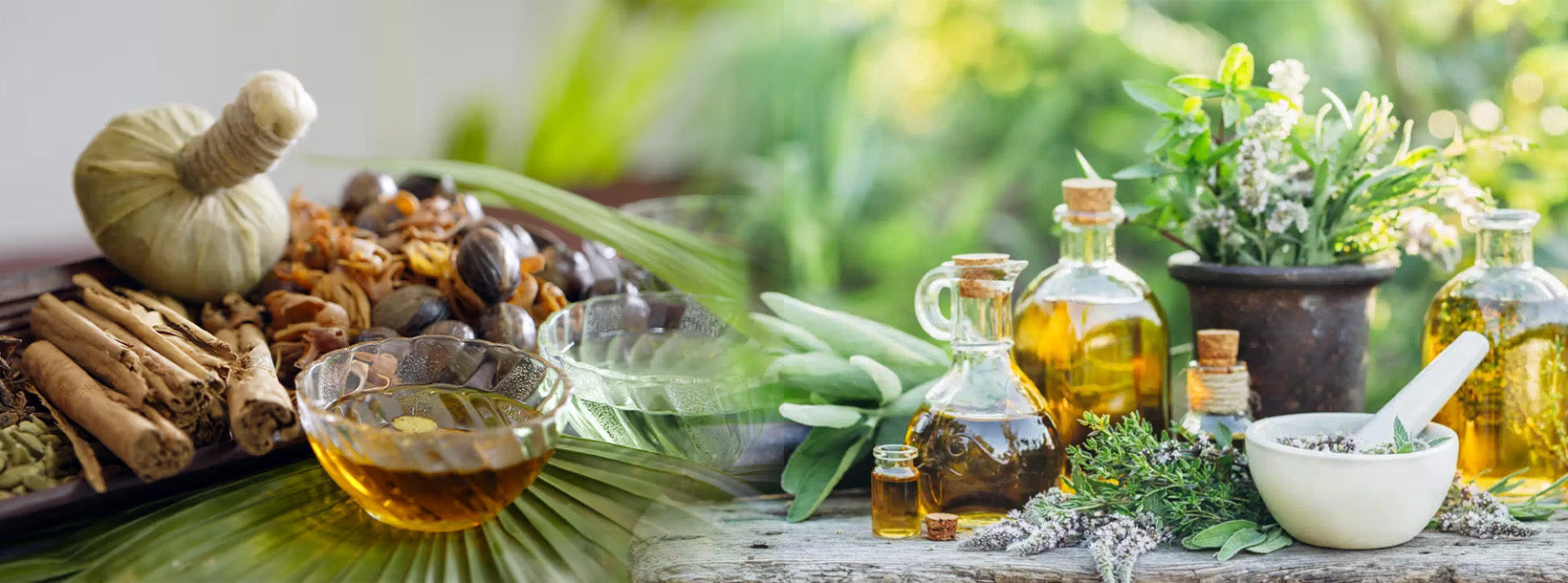
- Traditional medicine: Across South and Southeast Asia, including Sri Lanka, the leaves, roots, and oil of the plant feature in Ayurvedic and folk medicinal practices.
How Is Ricinus communis Used in Sri Lankan Traditional Medicine?
In Sri Lanka's Ayurvedic tradition, Edaru is regarded as a medicinal plant of considerable importance. The leaves are applied externally in poultices for joint pain and inflammation, and the oil is used therapeutically for digestive complaints and skin conditions. Traditional practitioners also make use of the root and stem in formulations targeting rheumatic conditions.
The leaves of Edaru — known as Beheth Edaru Kola — are harvested, dried, and prepared for use in various herbal applications. Dehydrated castor bean leaves have gained interest beyond traditional medicine circles, as they preserve the plant's active compounds and allow for extended shelf life and easier handling.
It is worth noting that alongside its medicinal properties, the castor bean plant contains ricin, a highly potent water-soluble toxin concentrated in the seeds but present in lower amounts throughout the plant. Ricin is one of the most toxic naturally occurring substances known, and seeds should never be ingested. Processing for castor oil removes ricin from the final oil product, making properly refined castor oil safe for its documented uses.
What Are the Botanical Characteristics of Ricinus communis?
Ricinus communis is a robust, fast-growing plant that can behave as an annual in temperate climates but persists as a woody perennial in tropical environments like Sri Lanka. Key identifying features include:
- Large, deeply lobed palmate leaves, often with a reddish or greenish hue depending on variety
- Hollow, sometimes reddish stems with a waxy coating
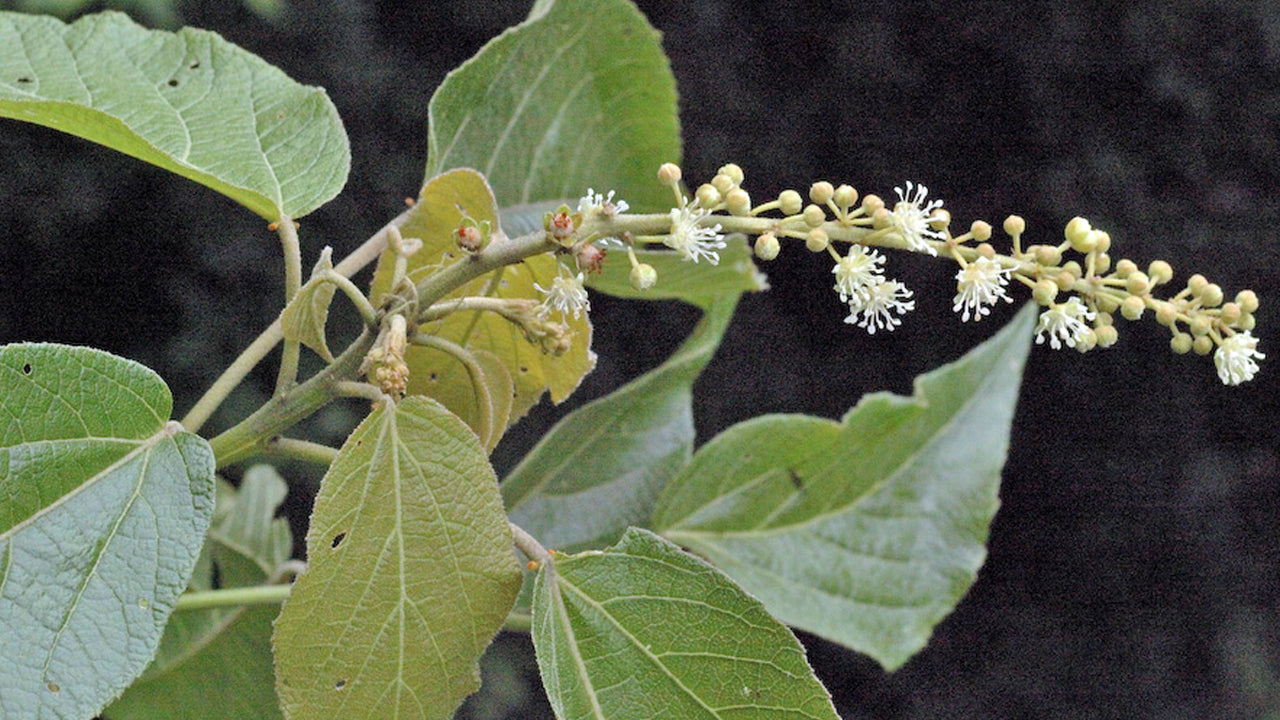
- Separate male and female flowers on the same plant (monoecious), with male flowers below female flowers on the same spike
- Spiny or smooth seed capsules (depending on cultivar) that split open when ripe, releasing seeds with distinctive mottled patterns
The plant's genetic relationships with other Euphorbiaceae members continue to be studied using molecular tools, and its evolutionary history — particularly its domestication and spread from its likely African origin — remains an active area of botanical research.
How Does Ricinus communis Relate to Other Sri Lankan Medicinal Plants?
Sri Lanka has a rich tradition of plant-based medicine, and Ricinus communis sits alongside a number of other species used in Ayurvedic practice on the island. Plants such as Pongamia pinnata (Karanda) and Acacia chundra similarly bridge the gap between traditional herbal use and broader commercial or industrial application.
The island's biodiversity — spanning coastal mangroves, dry zone scrubland, and montane cloud forests — supports an extraordinary range of medicinal flora. Ricinus communis, as a widespread pioneer species, is among the more accessible of these plants for local communities and practitioners.
Is Ricinus communis Safe to Handle?
The plant itself is safe to handle with ordinary care, and contact with the leaves or stems poses minimal risk for most people. However, the seeds contain ricin and should never be consumed. Allergic reactions to the pollen are documented, particularly in areas where the plant is cultivated at scale. Refined castor oil — the commercial product derived from the seeds — is considered safe and is used extensively in food-grade and pharmaceutical applications after appropriate processing removes the toxin.
When harvesting or handling the plant in quantity, wearing gloves and avoiding contact with the eyes is advisable. Sri Lankan Ayurvedic practitioners who work with the leaves and root typically follow traditional preparation protocols that mitigate risk.