Caesalpinia bonduc


Caesalpinia bonduc, commonly known as grey nicker, nicker bean, fever nut or knicker nut, is a species of flowering plant in the senna tribe, Caesalpinieae, that has a pantropical distribution. It is a liana that reaches a length of 6 m (20 ft) or more and scrambles over other vegetation. The stems are covered in curved spines. Its 2 cm (0.8 in) grey seeds, known as nickernuts, are buoyant and durable enough to be dispersed by ocean currents.
The leaves are large and bi-pinnate, up to 40 cm (16 in) long with scattered prickles on the rachises and blades. There are four to eleven pairs of pinnae, 5 to 20 cm (2 to 8 in) long with five to ten pairs of pinnules. The pinnules are 15 to 40 mm (0.6 to 1.6 in) long, elliptic, oblong or ovate with acute tips and entire margins. The inflorescence is an axillary raceme, often branched, covered with short hairs and up to 15 cm (6 in) long. The jointed pedicels are up to 6 mm (0.2 in) long. The sepals are shorter than the petals which are around 10 mm (0.4 in) long; the petals are yellow, sometimes with a spot of orange near the base of the keel. The flowers are followed by large, flattish, spiny green pods which later turn brown, some 9 by 4 cm (4 by 2 in), containing one or usually two, glossy, rounded, grey seeds.
This plant has been used in traditional medicine. The seeds have tonic and antipyretic properties and the bark and leaves have been used to lower fevers. An oil extracted from the seeds has been used in cosmetics and for treating discharges from the ear.
As well as uses Caesalpinia bonducas amedicine for Piles, Paralysis, Fevers, Coughs,Worm diseases, Dysentery and Pimples.


-
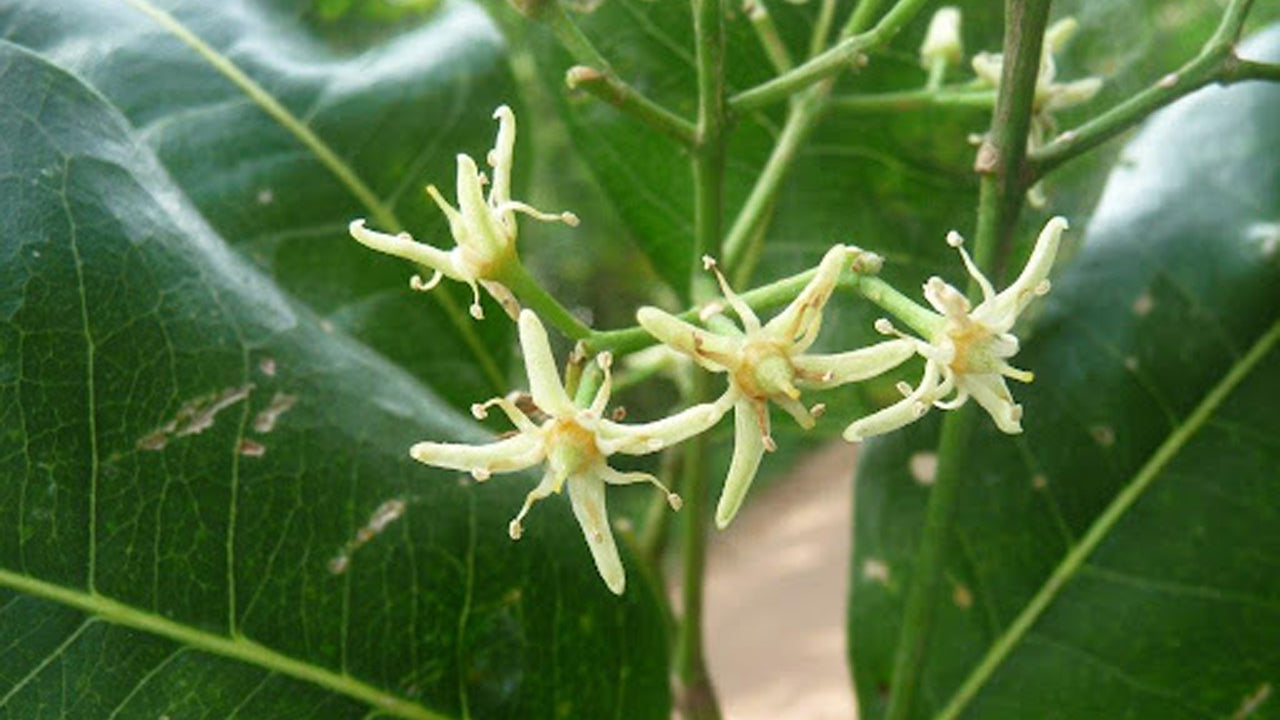
Claw-flowered laurel
Acronychia pedunculata -
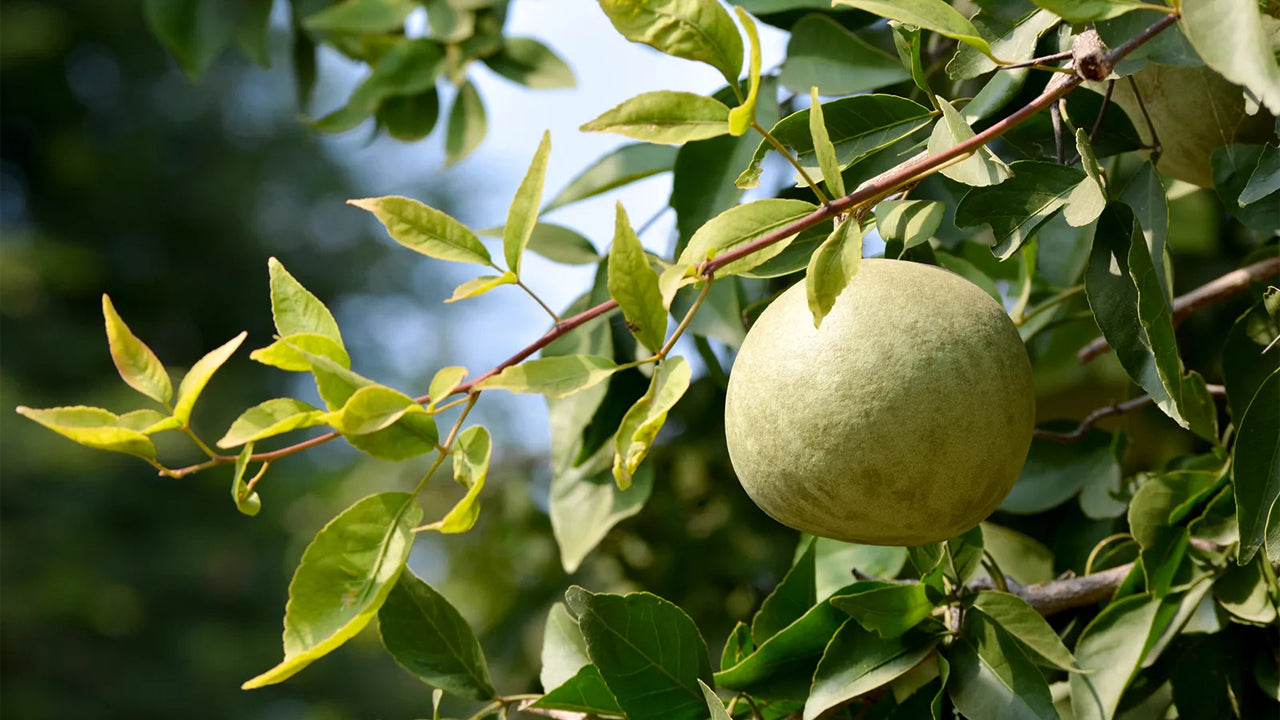
Bael
Aegle marmelos -
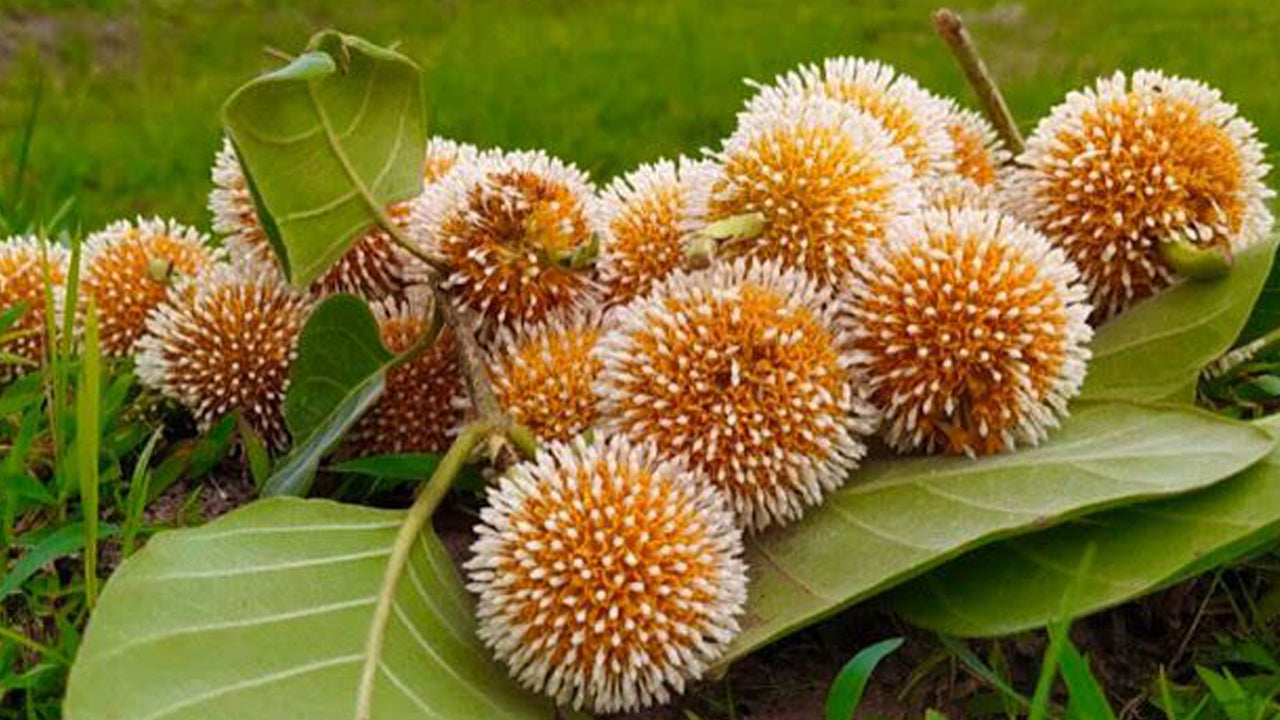
Leichhardt tree
Nauclea orientalis -
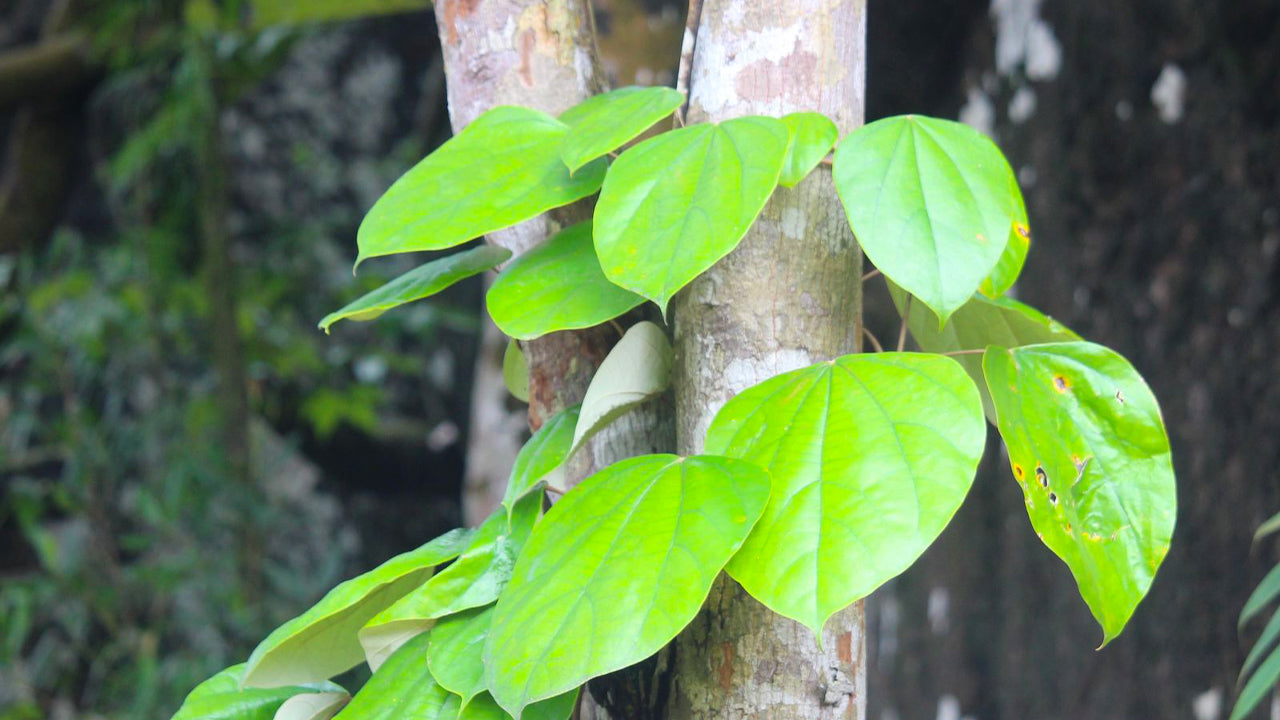
False Calumba
Coscinium fenestratum -

Malabar Gulbel
Tinospora malabarica -
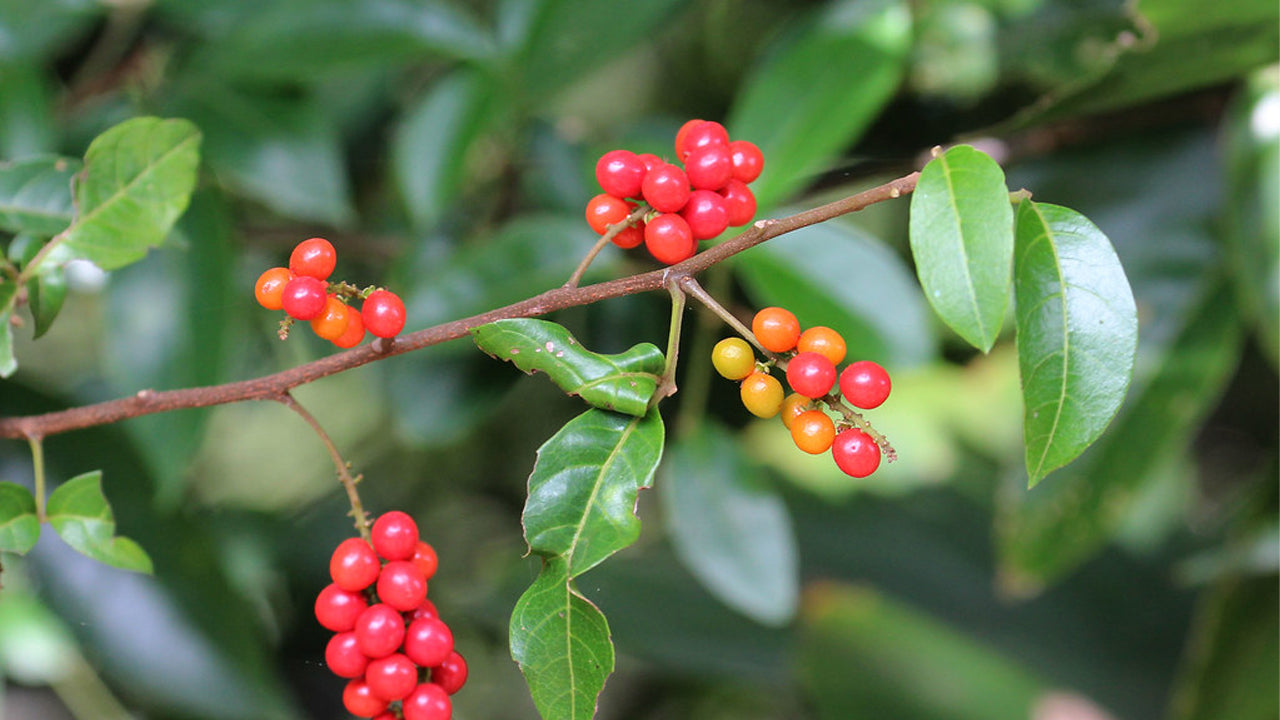
Titberry
Allophylus cobbe -
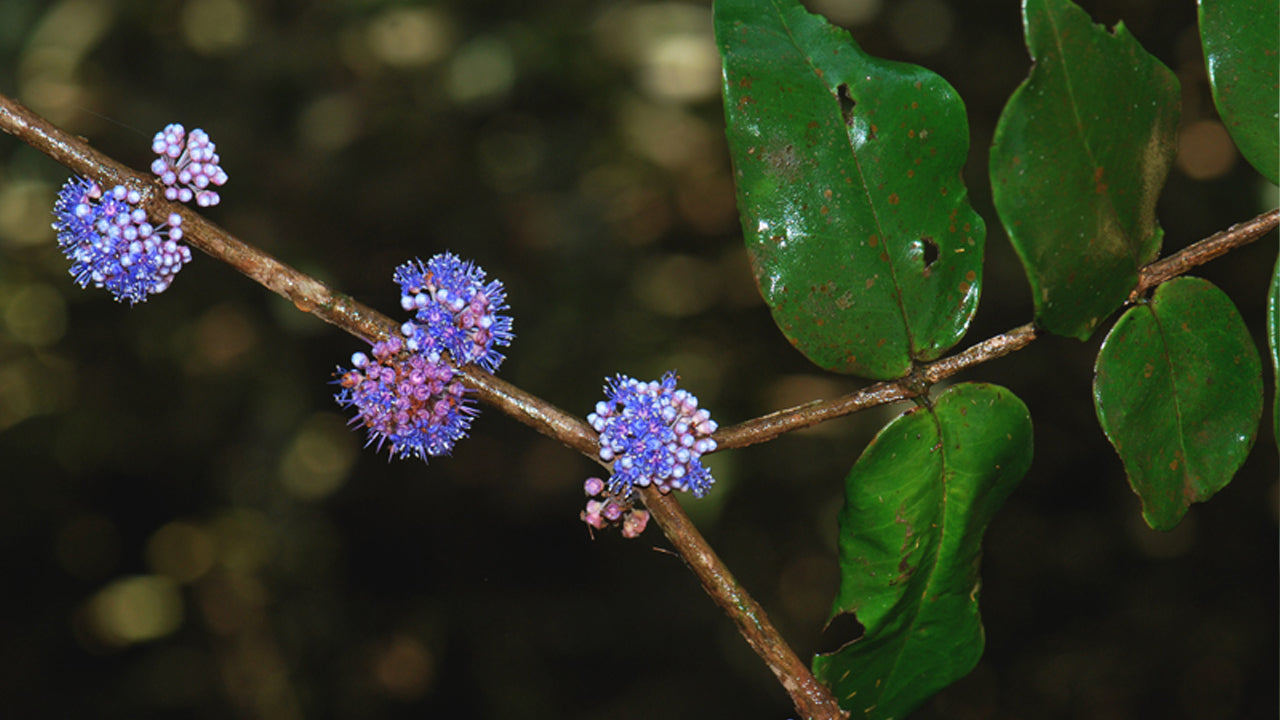
Ironwood Tree
Memecylon capitellatum -
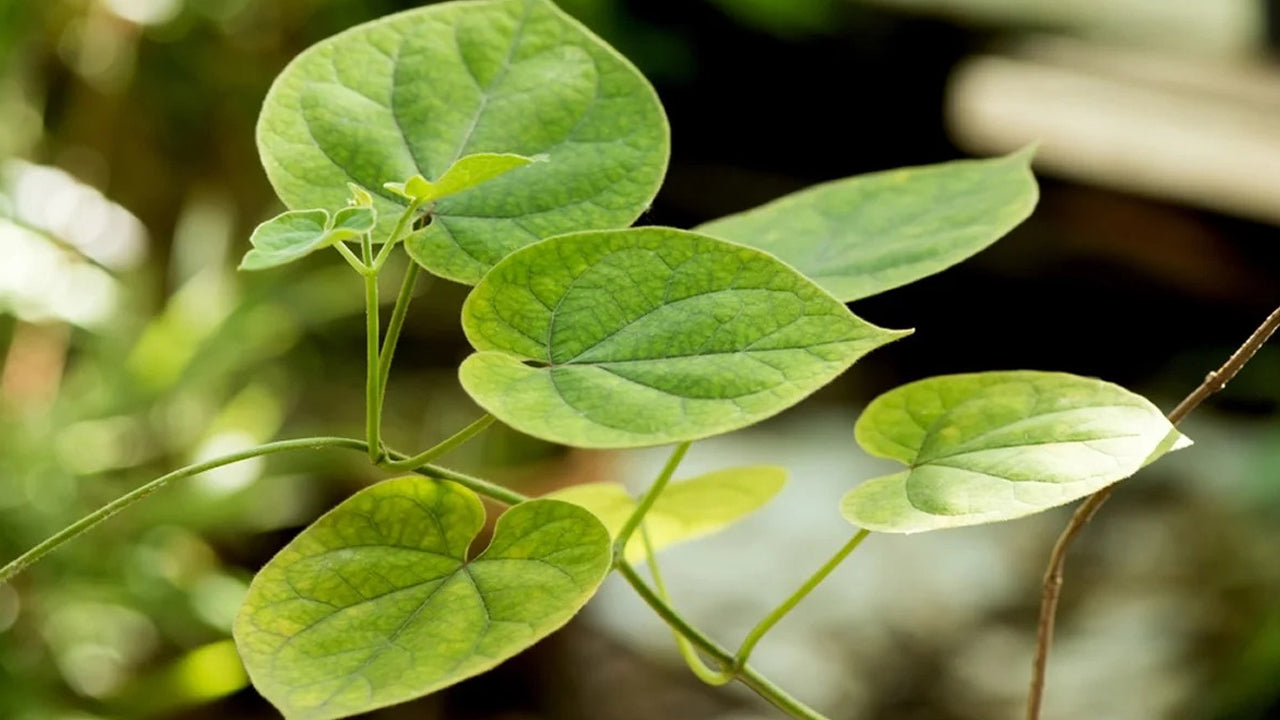
Velvet Leaf
Cissampelos pareira -
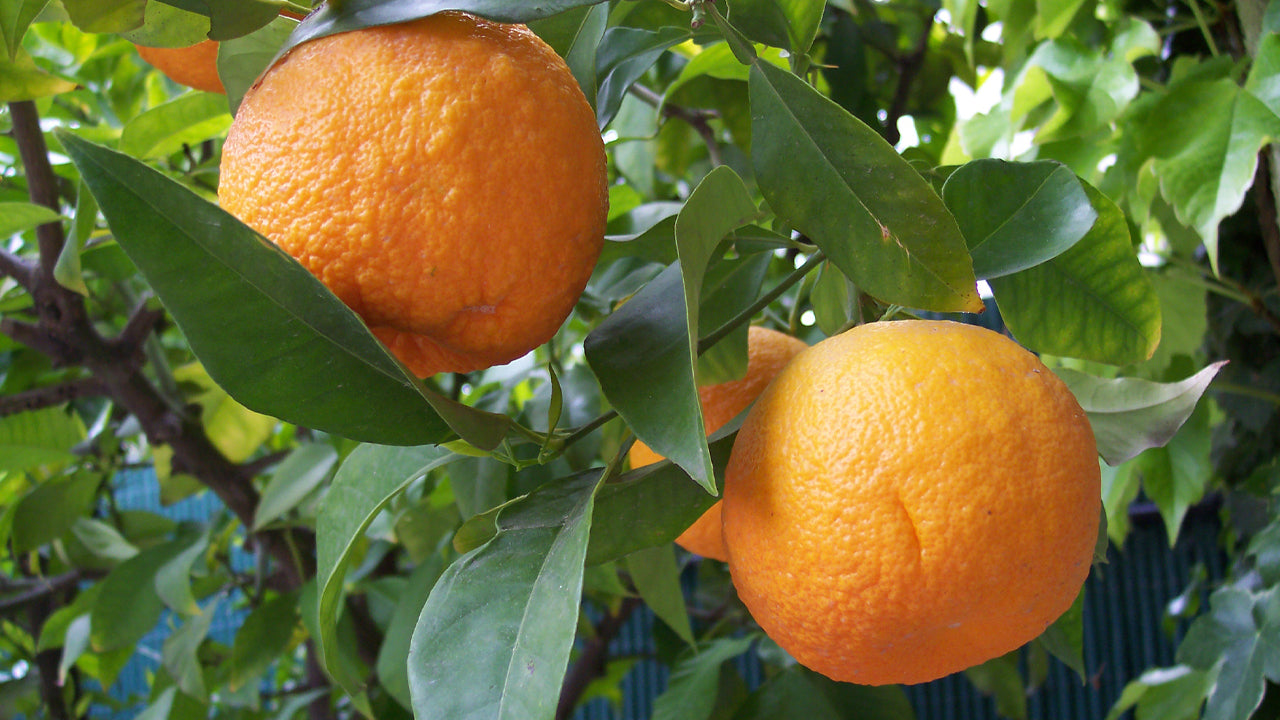
Bitter orange
Citrus aurantium -

Reinwardt's Tree Plant
Biophytun reinward -
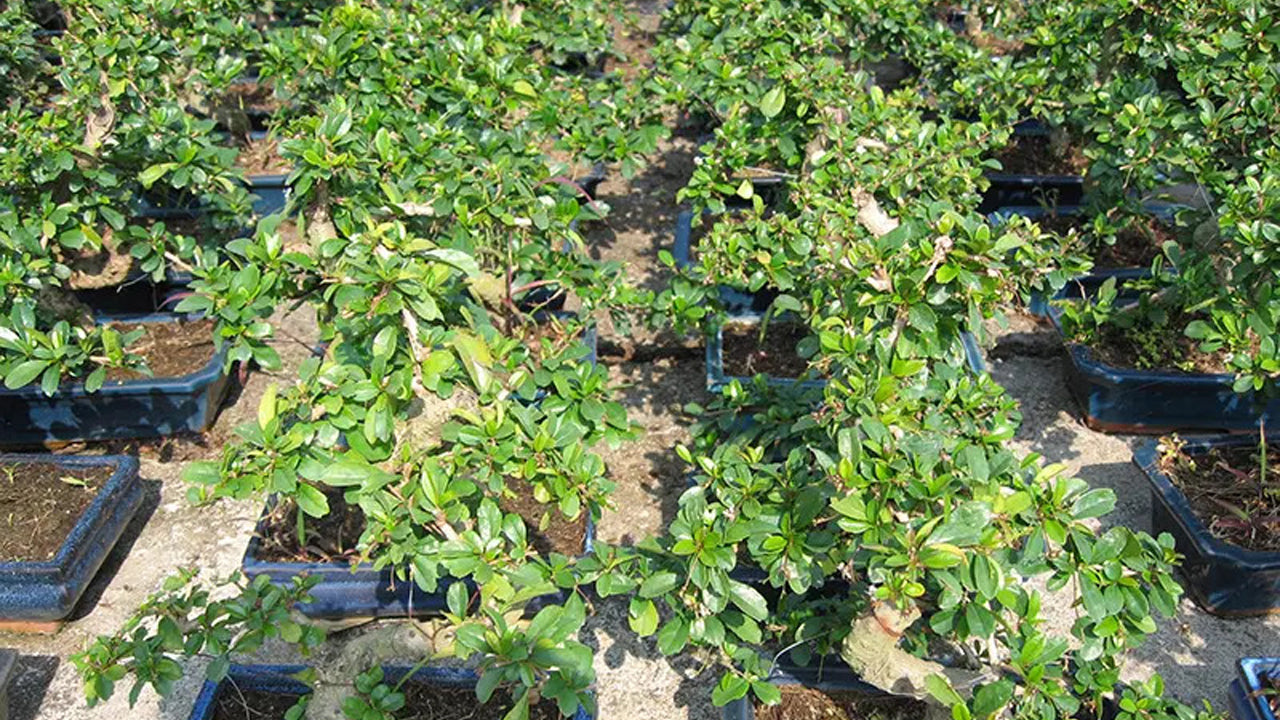
Fukien tea
Carmona microphylla -
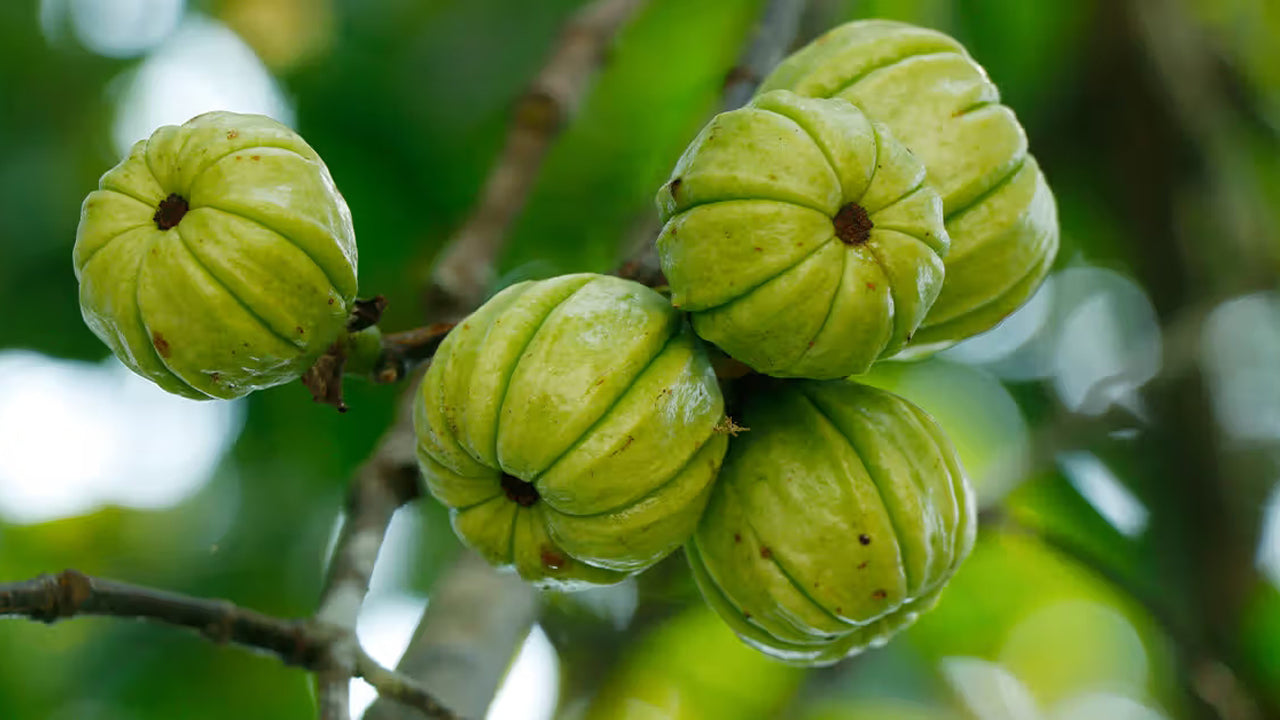
Malabar tamarind
Garcinia cambogia -
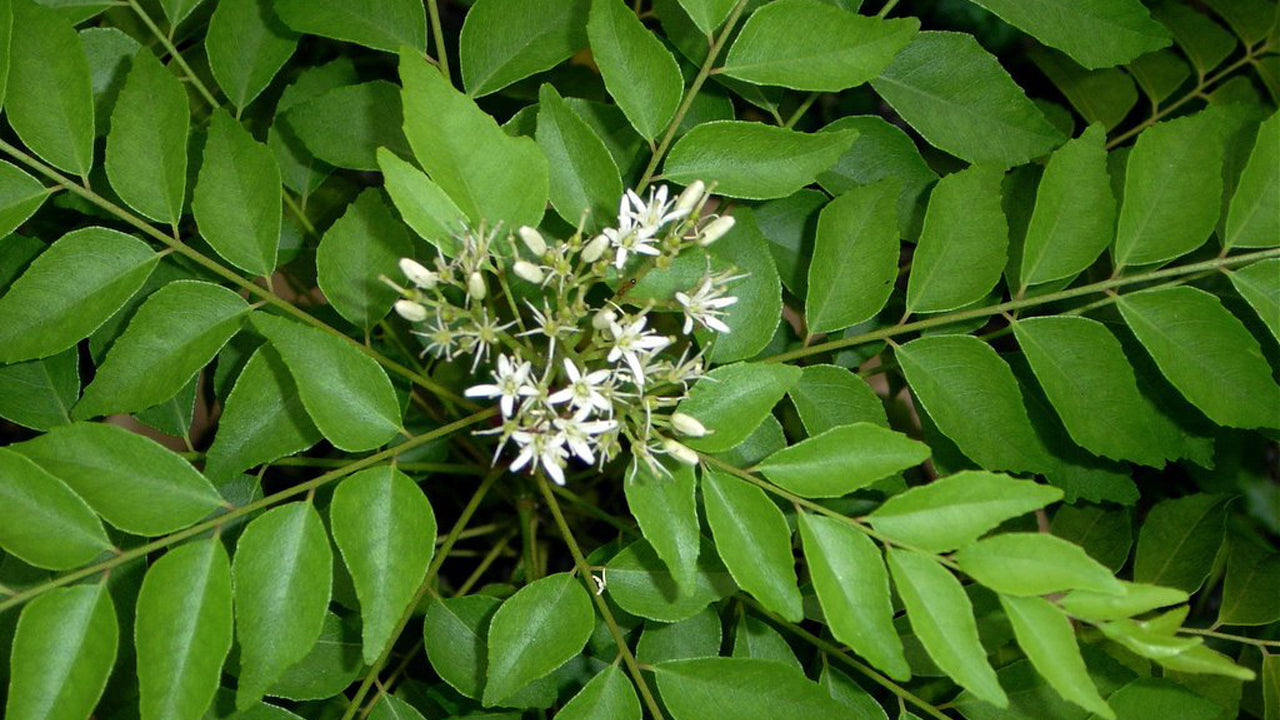
Curry leaf tree
Murraya koenigii -
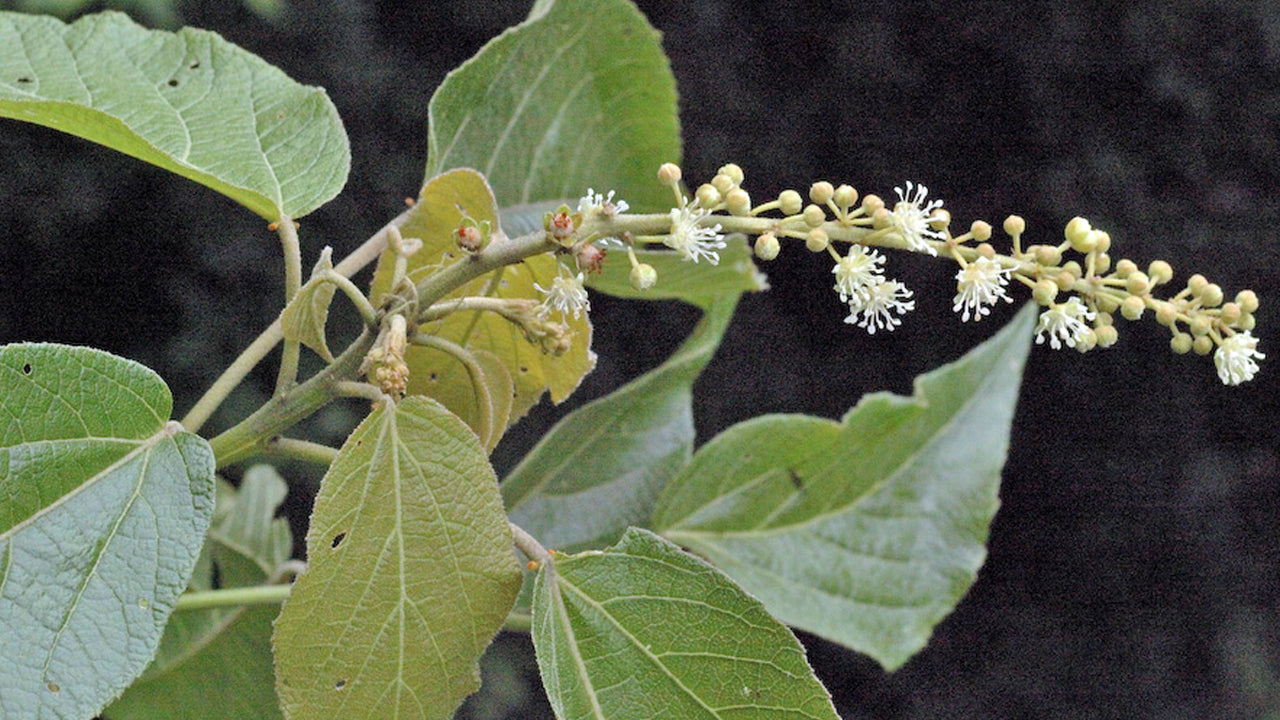
Kappetiya
Croton laccifer -
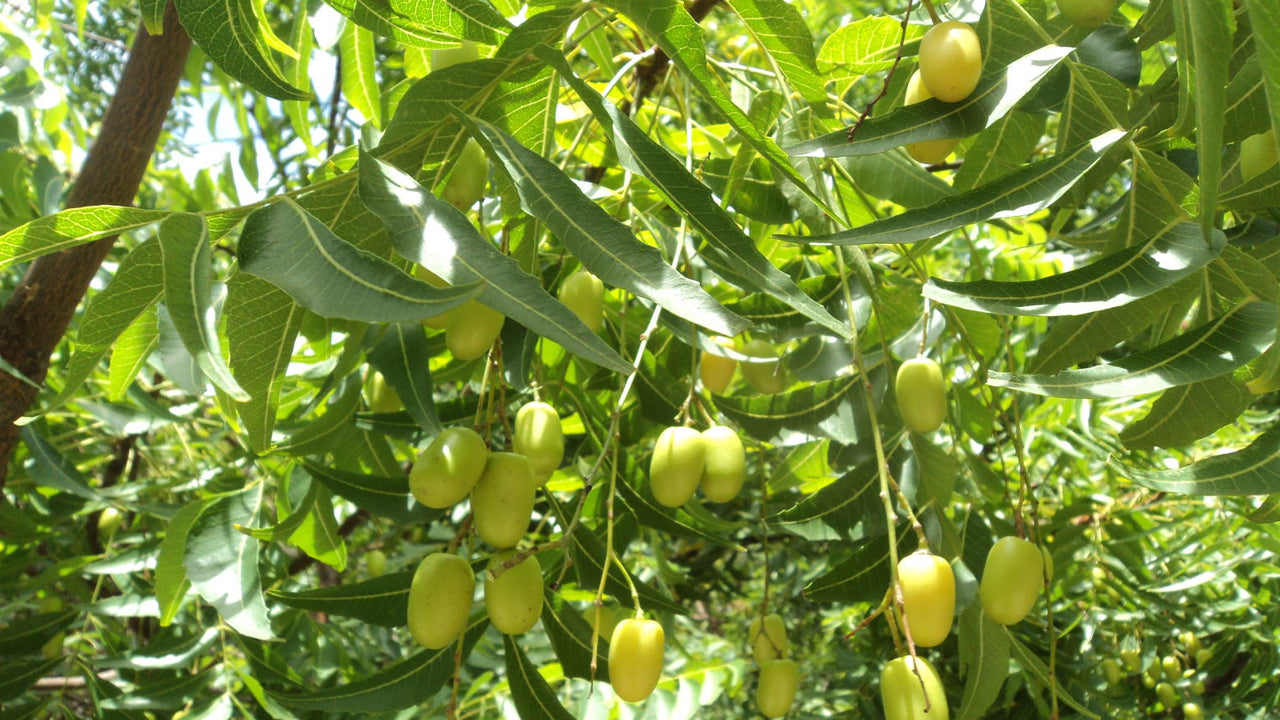
Indian lilac
Azadirachta indica -
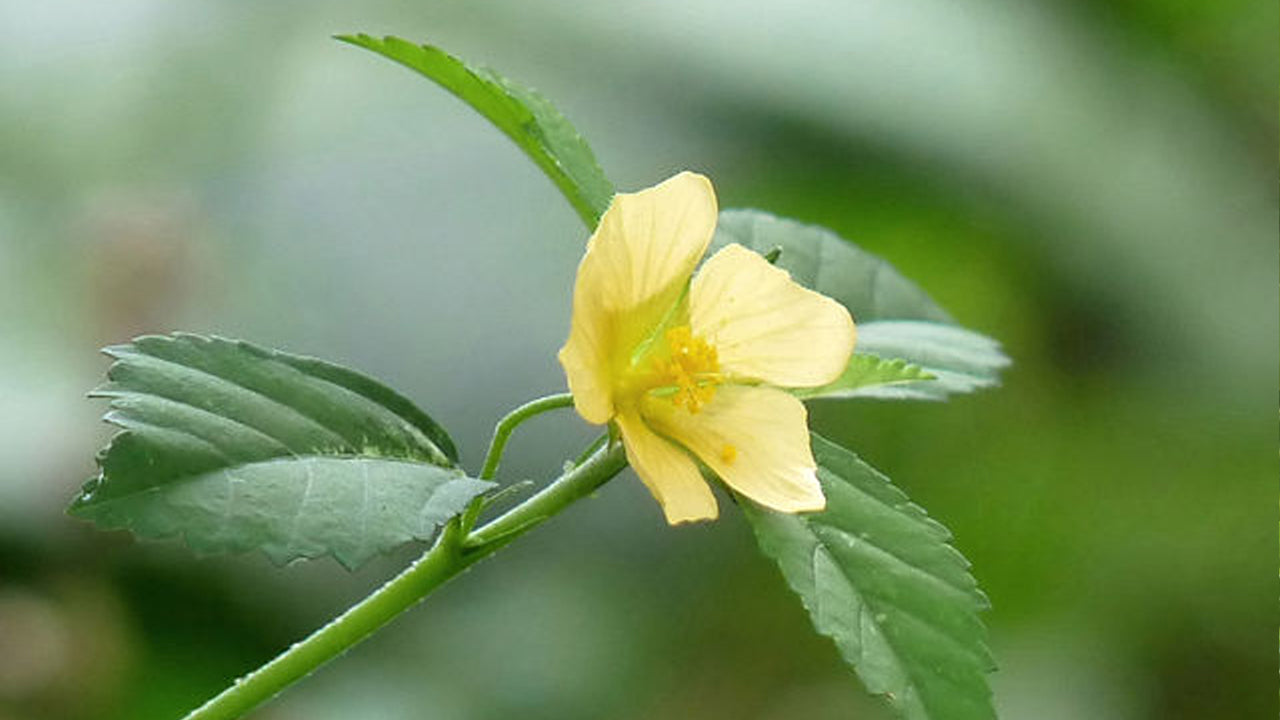
Spiny sida
Sida alba -
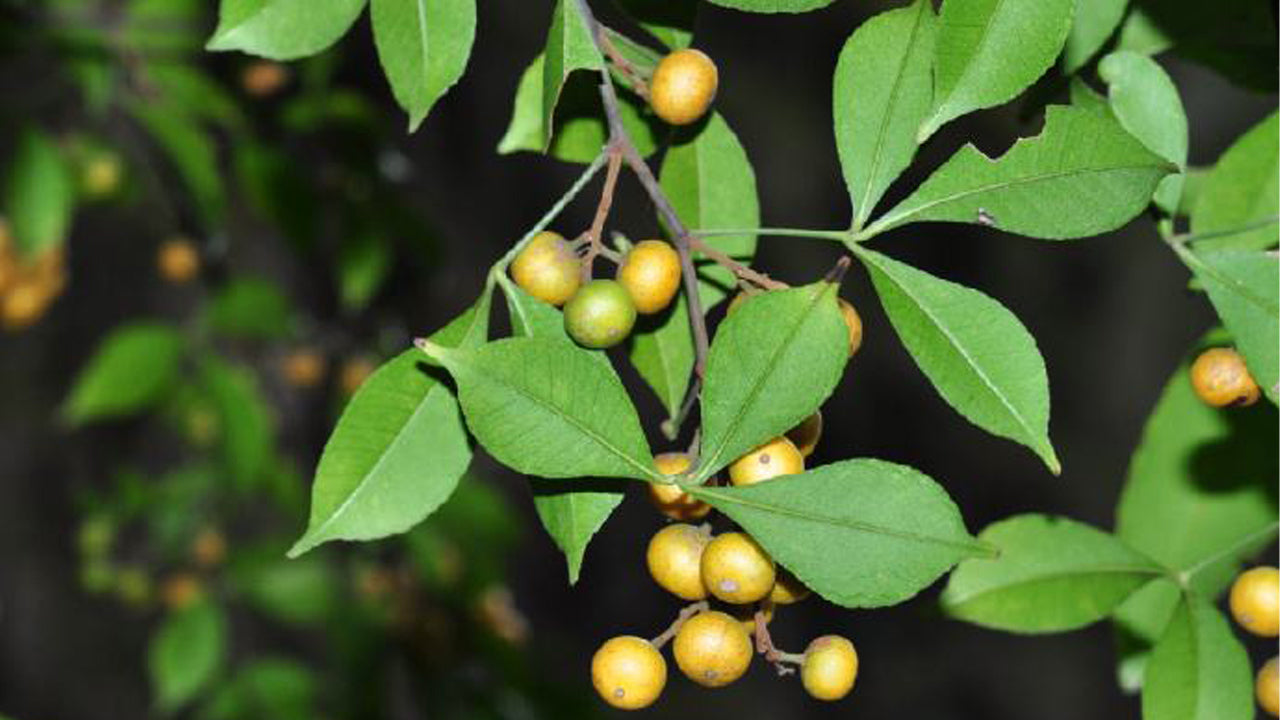
Orange climber
Toddlia asiatica -
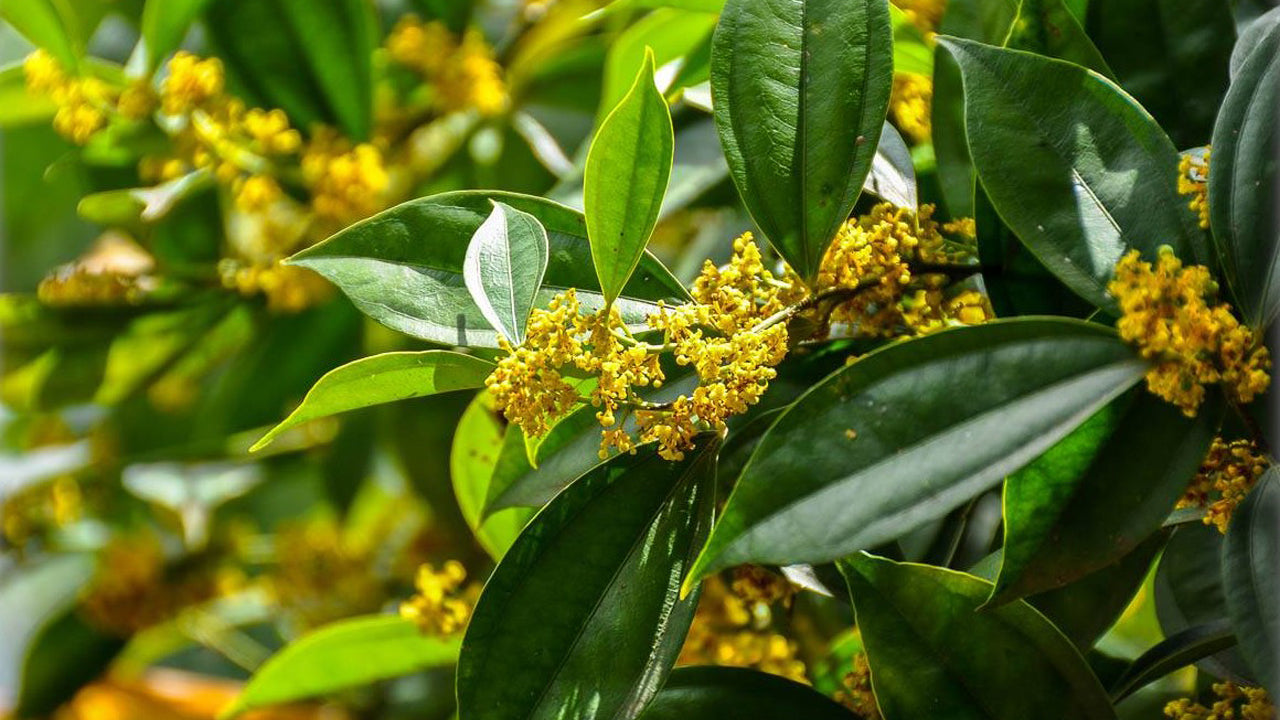
Ceylon cinnamon
Cinnamomum zeylanicum -
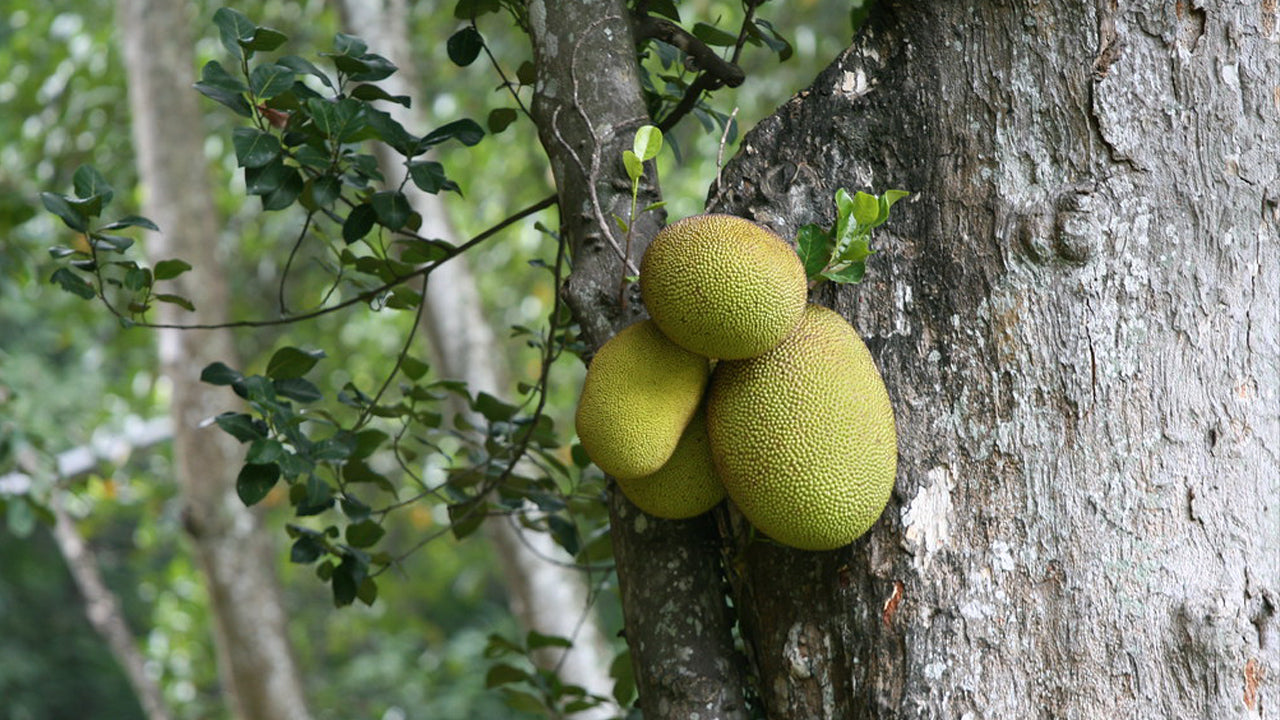
Jackfruit
Artocarpus heterophyllus -
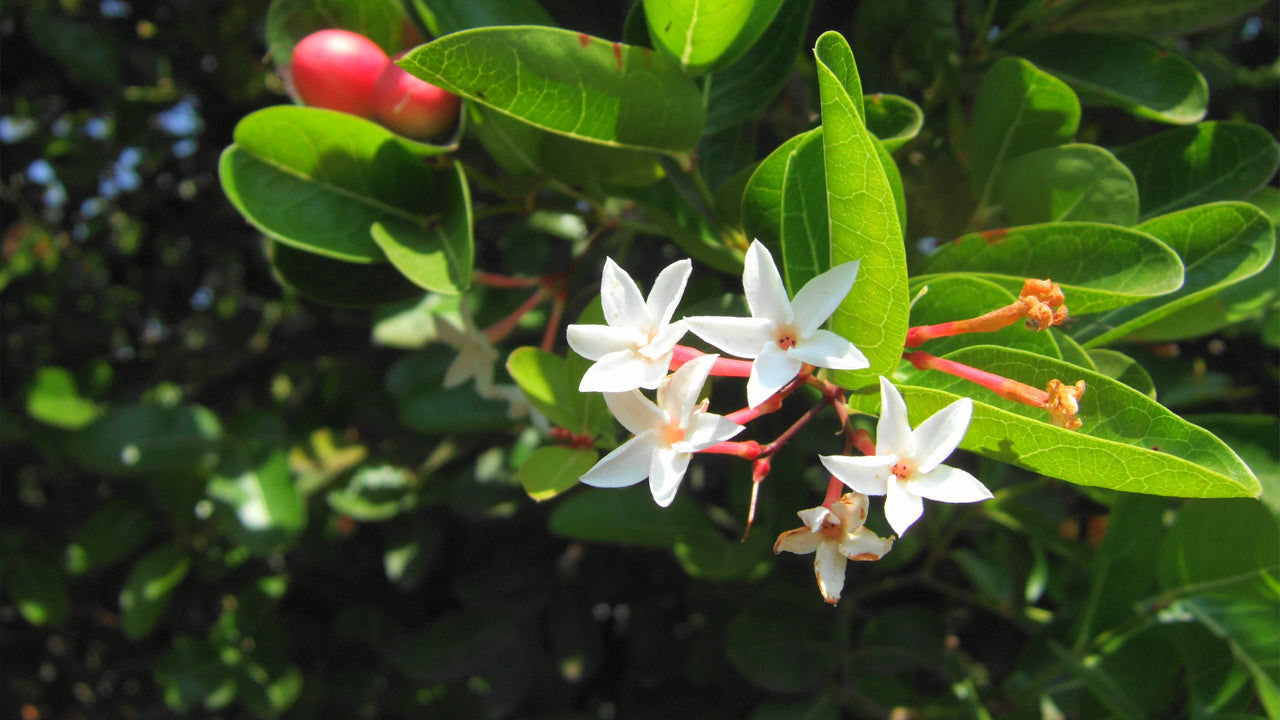
Karonda
Carissa carandas -
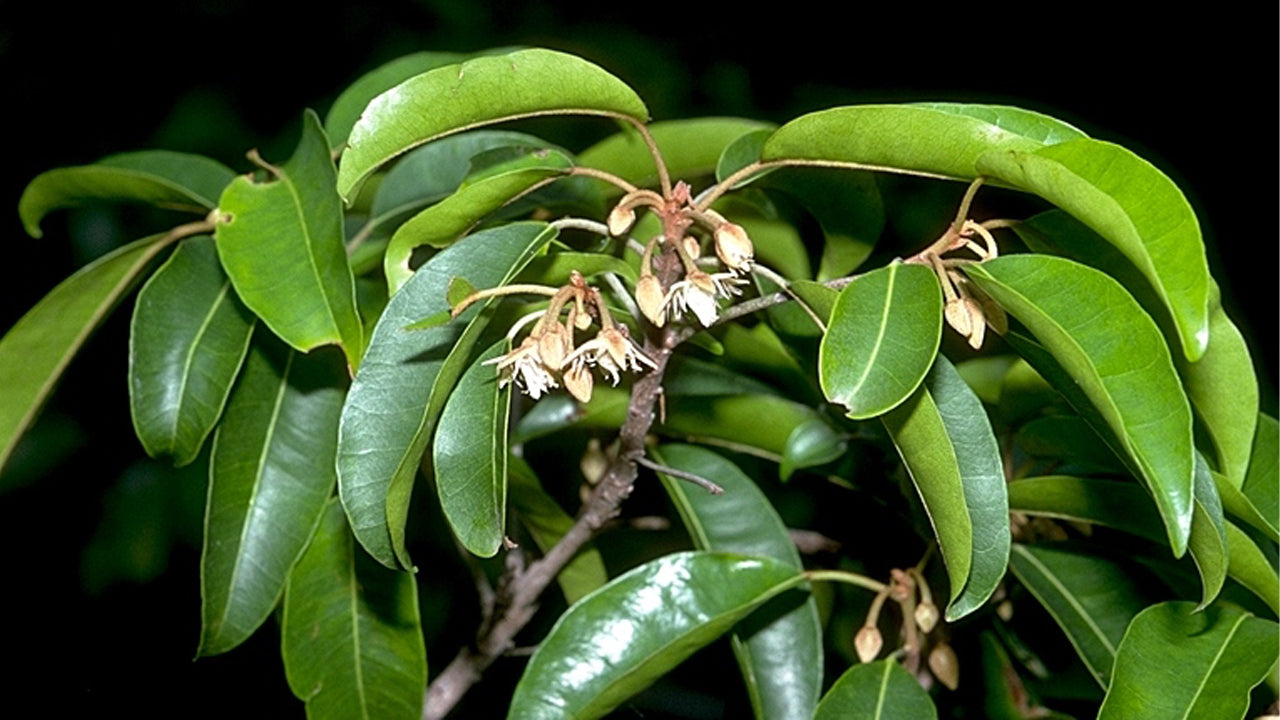
Spanish cherry
Mimusops elengi -
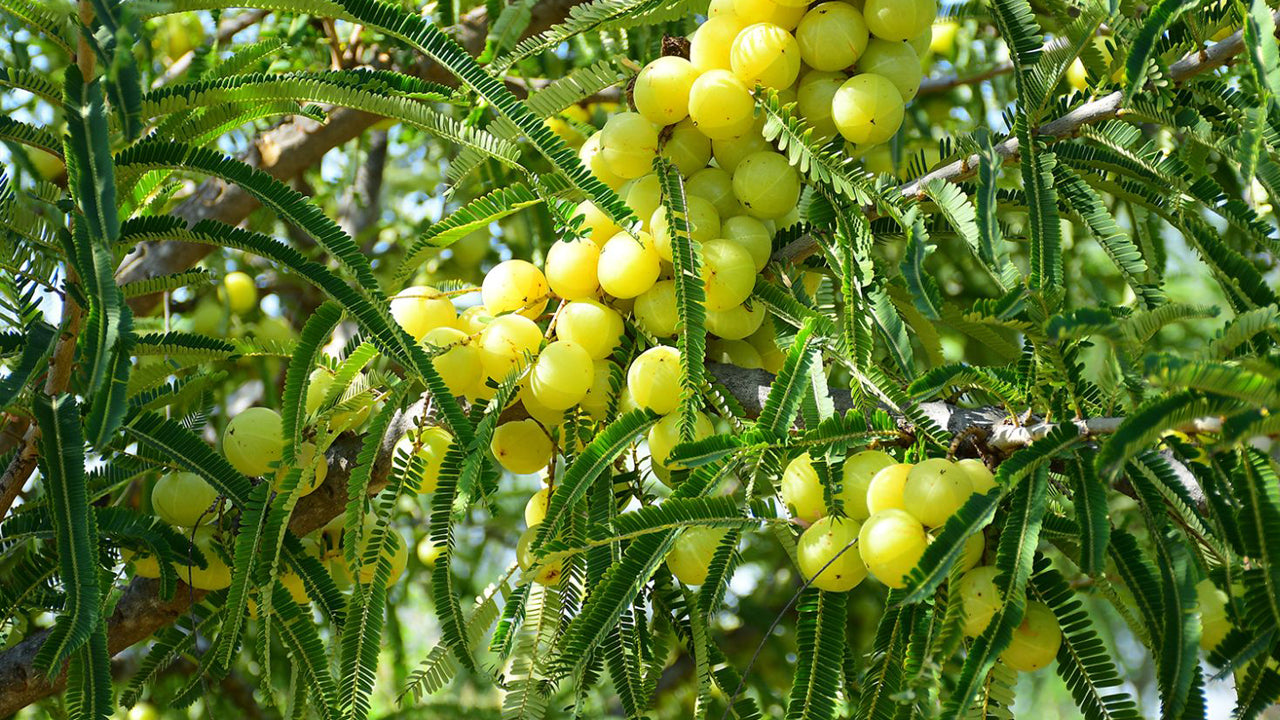
Indian gooseberry
Phyltanthus emblica -
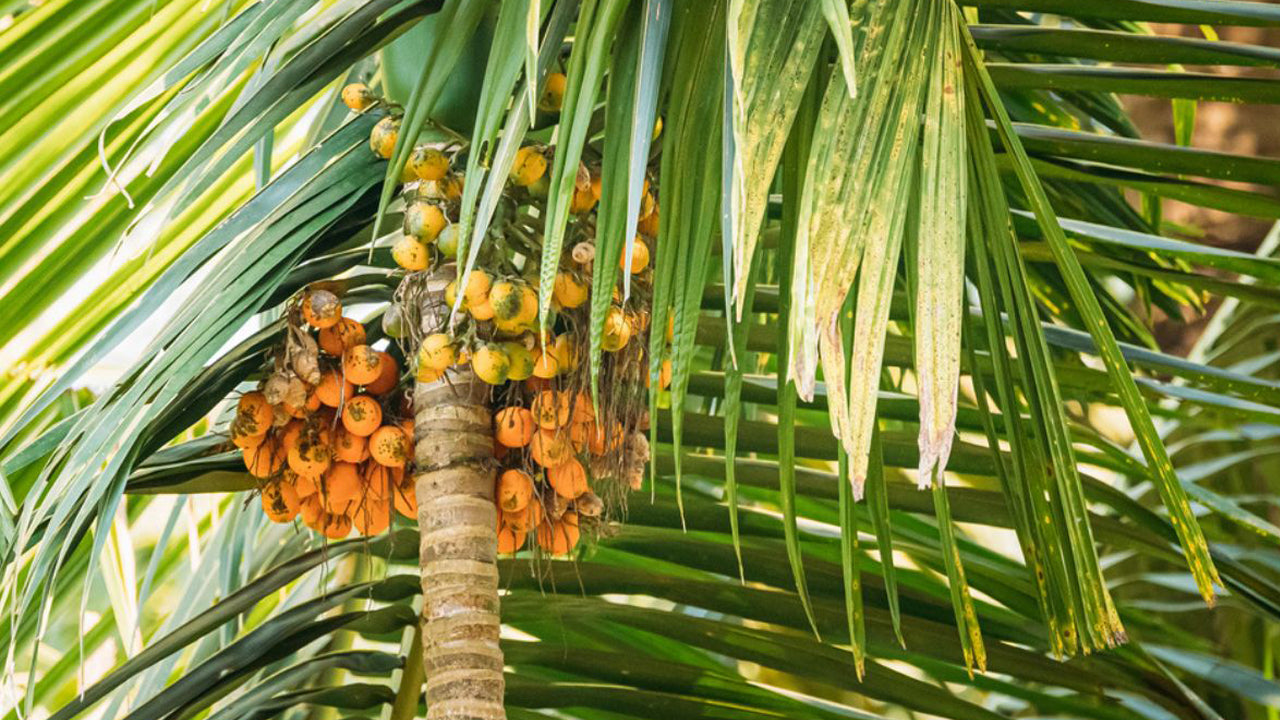
Betel palm
Areca catechu -
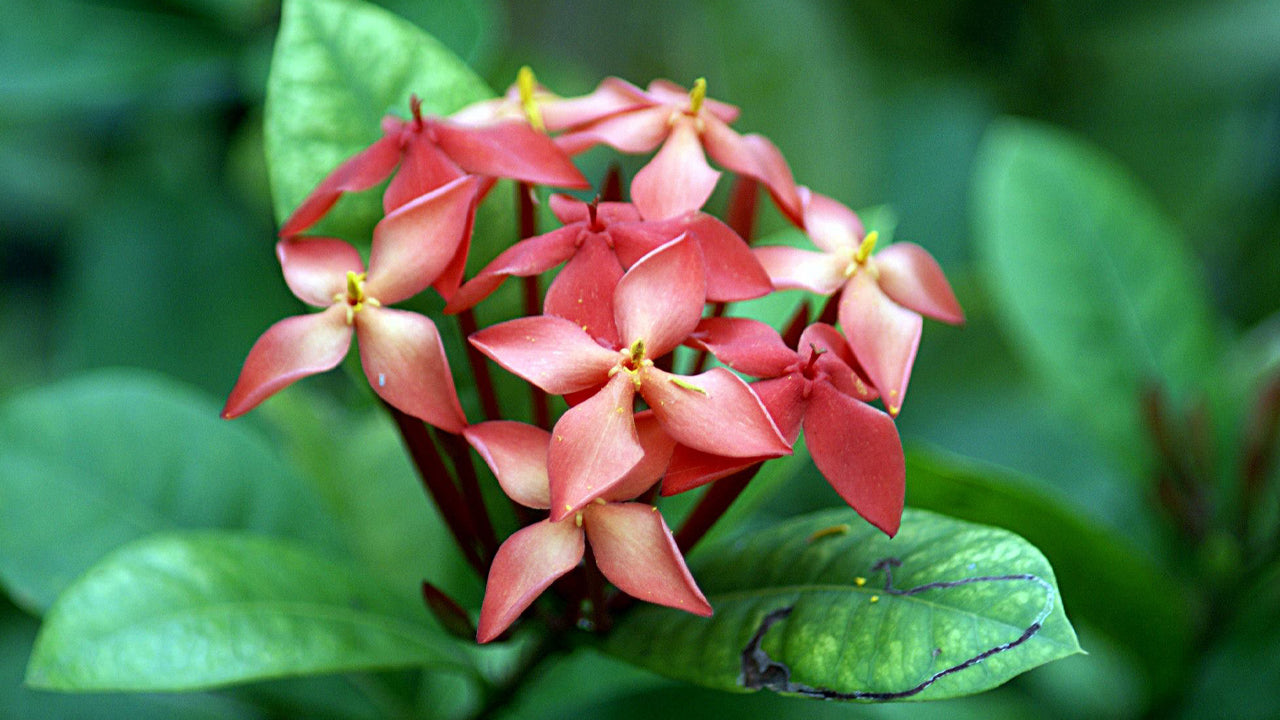
Jungle geranium
Ixora coccinea -
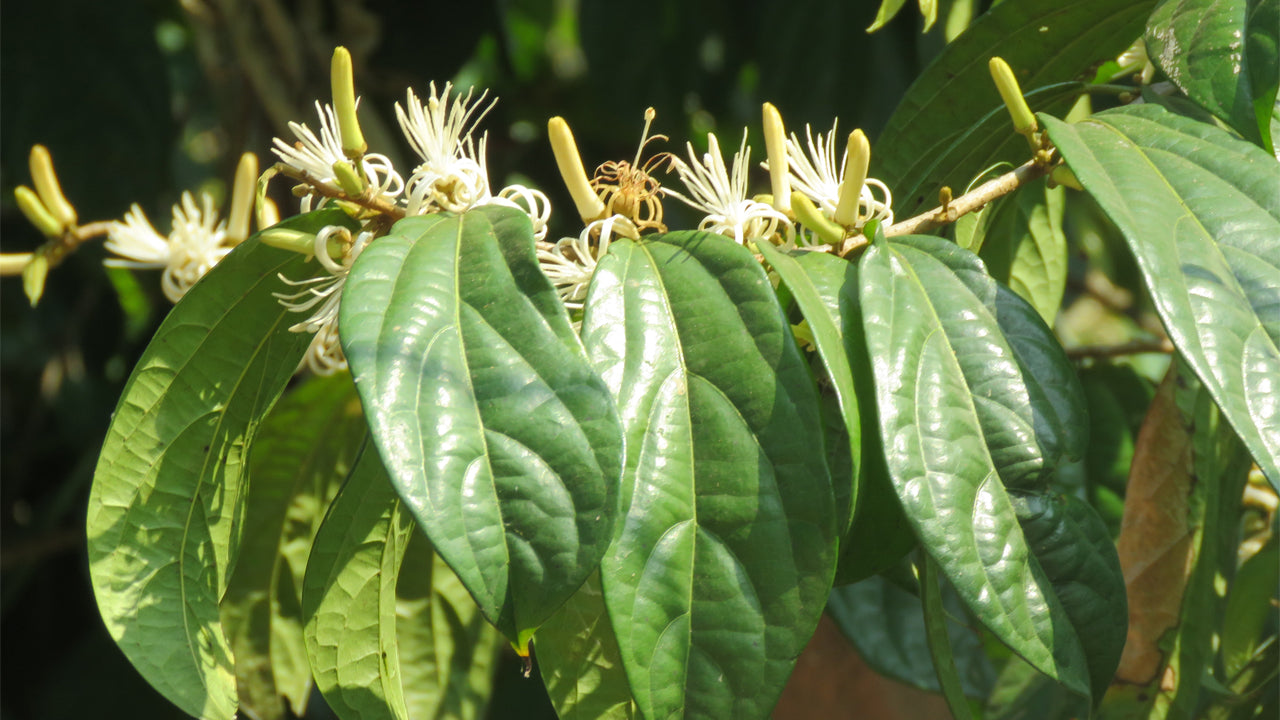
Sage-leaved alangium
Alangium salviifolium -
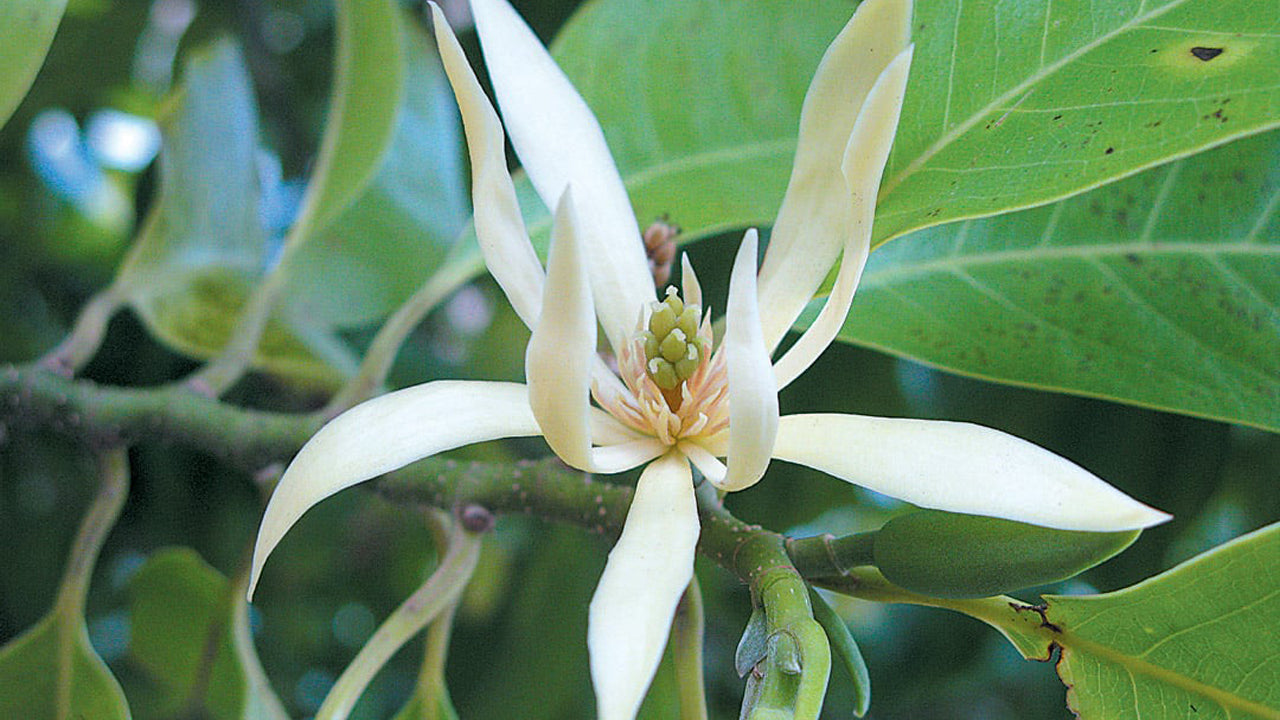
Champak
Michelia champaca -
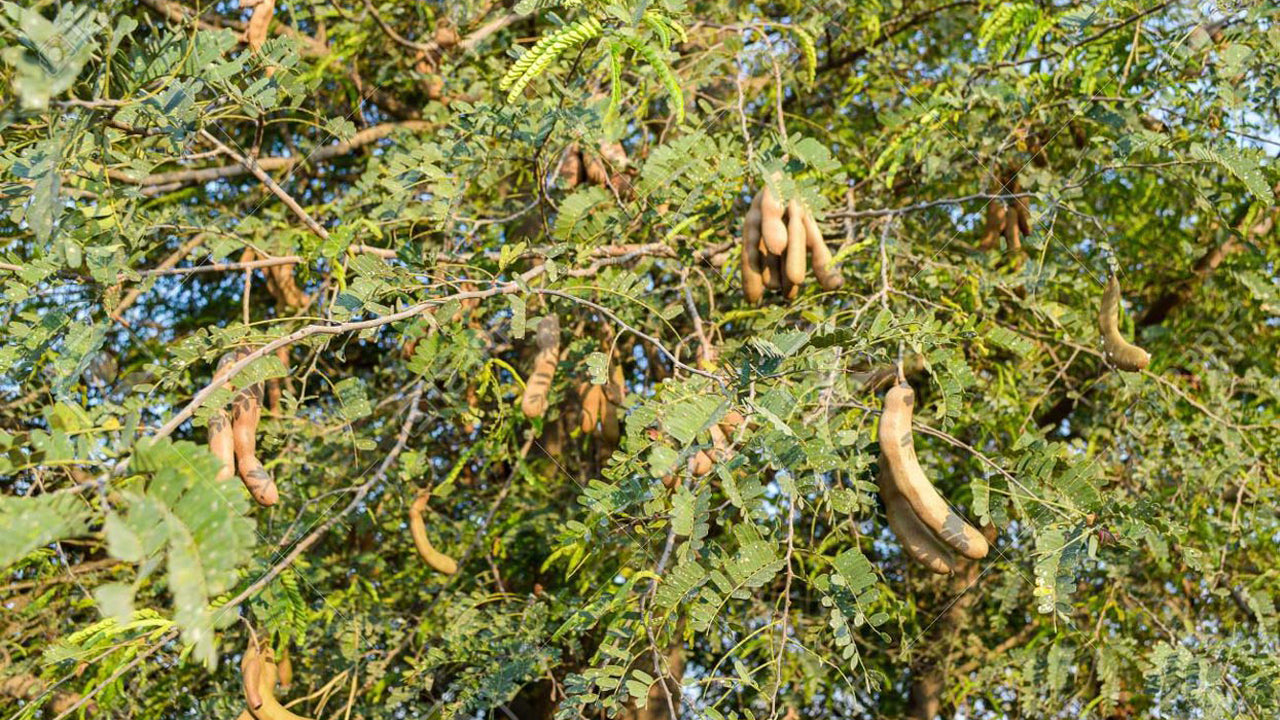
Tamarind
Tamarindus indica -
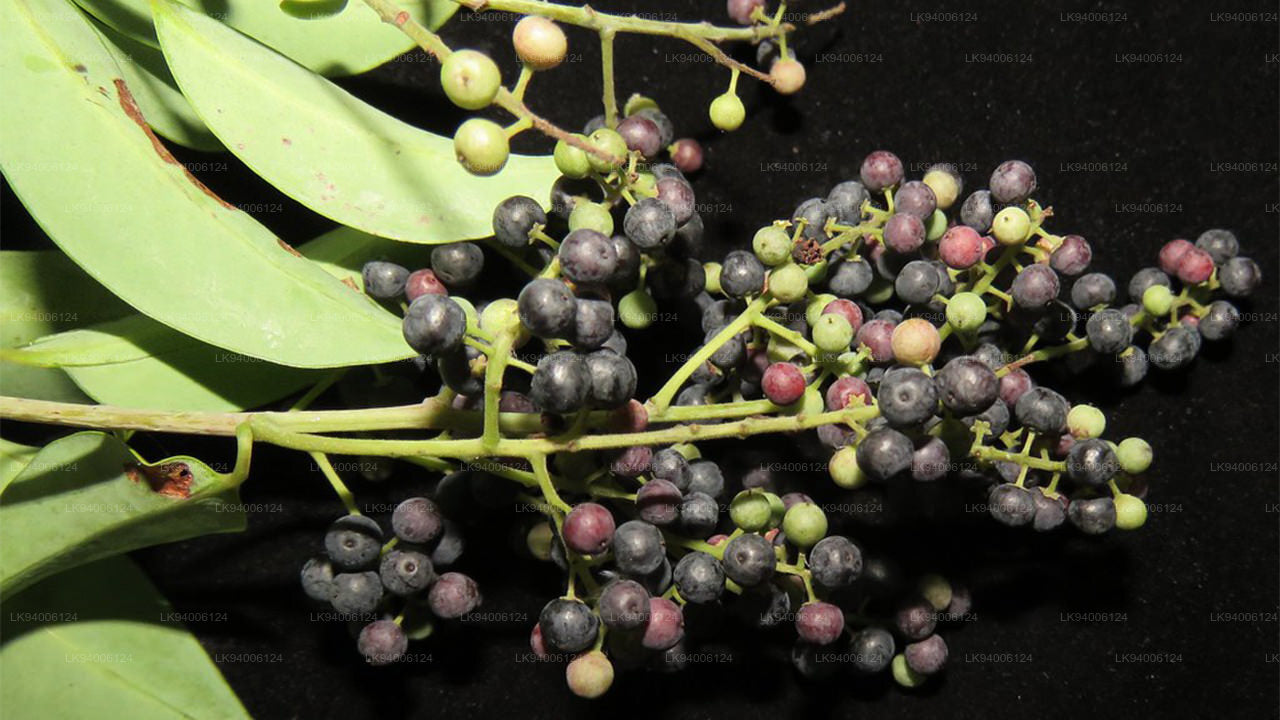
False Black Pepper
Embelia ribes -
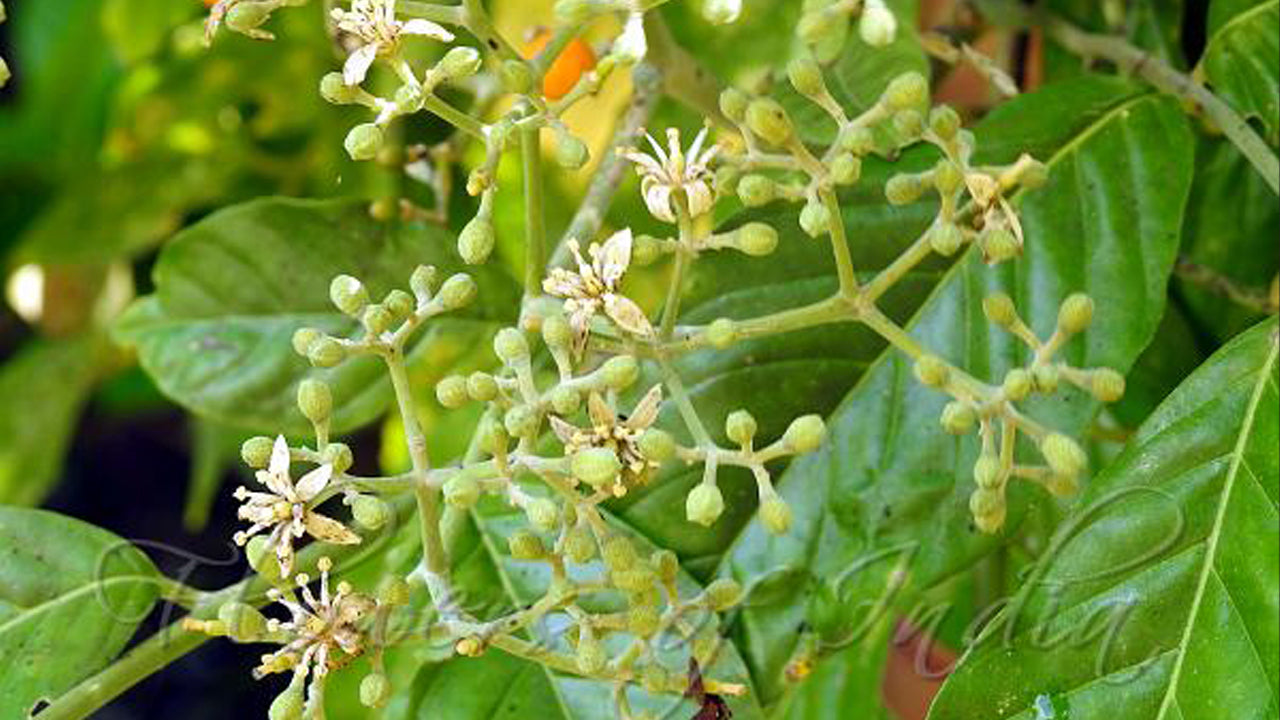
Limeberry
Micromelum ceylanicum -
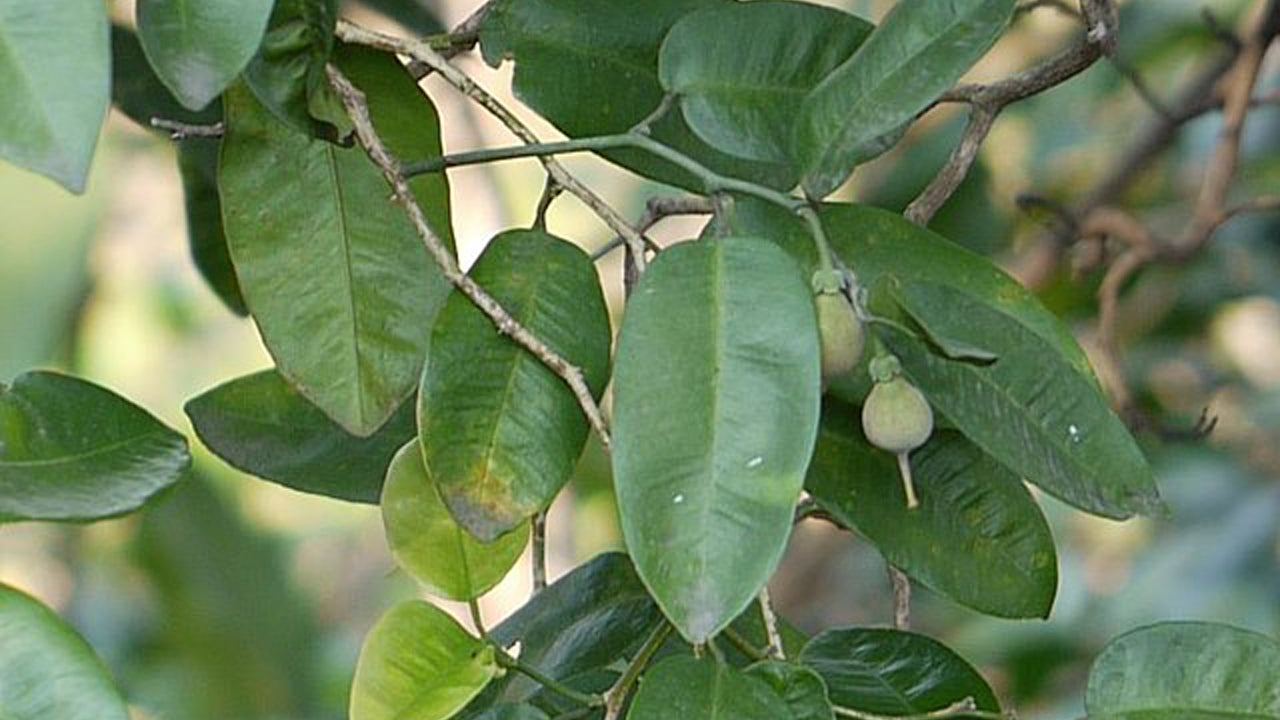
Climbing Atalantia
Paramignya monophylla





Ayurvedic and Herbal
-
Siddhalepa Ayurveda Herbal Balm
Regular price From $0.48 USDRegular price$0.54 USDSale price From $0.48 USDSale -
Link Swastha Triphala
Regular price From $1.74 USDRegular price$1.93 USDSale price From $1.74 USDSale -
Lakpura® Wildcrafted Soursop (Guanabana, Graviola, Guyabano) Dehydrated Leaves (Whole)
Regular price From $0.72 USDRegular price$0.81 USDSale price From $0.72 USDSale -
Sethsuwa Pranajeewa Oil
Regular price From $3.85 USDRegular price$4.28 USDSale price From $3.85 USDSale