Maldive Fish


Maldives fish (???????) is cured tuna fish traditionally produced in Maldives. It is a staple of the Maldivian cuisine, Sri Lankan cuisine, as well as the cuisine of the Southern Indian states and territories of Lakshadweep, Kerala and Tamil Nadu, and in the past it was one of the main exports from Maldives to Sri Lanka, where it is known as masikaruvadu umbalaka?a.
The abundant sea harvest of the Indian Ocean around the Atolls of the Maldives and, Lakshadweep in India yields many pelagic fishes, like skipjack, yellowfin tuna, little tunny (known locally as la??i) and frigate mackerel. All these fishes have been traditionally processed on the Maldive Islands as a main source of food as well as income for Maldivians.
Processing method
On a good night, given a large shoal of bonito, the fishermen, using simple bamboo poles, catch about 600–1,000 fish in two to three hours, an average of one a minute.
Every fish is gutted, skinned and cut following a traditional pattern. The gills and some of the innards are thrown away. The head and backbone are removed, and the belly piece is separated. Then the fish is divided into four longitudinal pieces called ari. These long pieces can be cut into smaller sections (foti) in case of large yellowfin tunas.
Next these pieces of tuna are processed by means of boiling, smoking and sun-drying until they acquire a wood-like appearance. Being dried in this manner, the fish can be kept indefinitely without refrigeration. This was important in the past, when there was no other way to preserve and store the fish for Maldivians.
Derived products
Historically, Maldive fish used to be sold by the piece (ari)—a long fillet as hard as a block of wood. Defective pieces were pounded with a huge mortar and pestle (a standard piece of local kitchen equipment) until it was powdered into fine splinters. The resulting product was traditionally used in Maldivian cuisine to flavour local dishes such as mas huni. The process of making Maldive fish produces a by-product called rihaakuru. This is made of the stock remnant after the boiling of fish.
Maldive fish is widely used in Maldivian cuisine in dishes such as curries, mas huni, gulha and bokiba.
Use in Sri Lankan cuisine
Many Sri Lankan dishes, especially vegetable curries, also include Maldive fish, which acts as a thickening, flavouring and protein component. It is also an essential ingredient in coconut sambol, which is a staple of Sri Lankan cuisine. In other dishes it is used in small quantities that the flavor is just detectable, adding a certain umami character to the food. Maldive fish is the Sri Lankan answer to the shrimp pastes and fish sauces of South East Asia.
This powdered tuna is packed nowadays in small plastic packets, already pounded or crushed. Maldive fish is used in a number of Sri Lankan dishes, sometimes retaining its strong flavor as the main ingredient, like in sini sambal, which keeps indefinitely stored in an airtight jar.

-
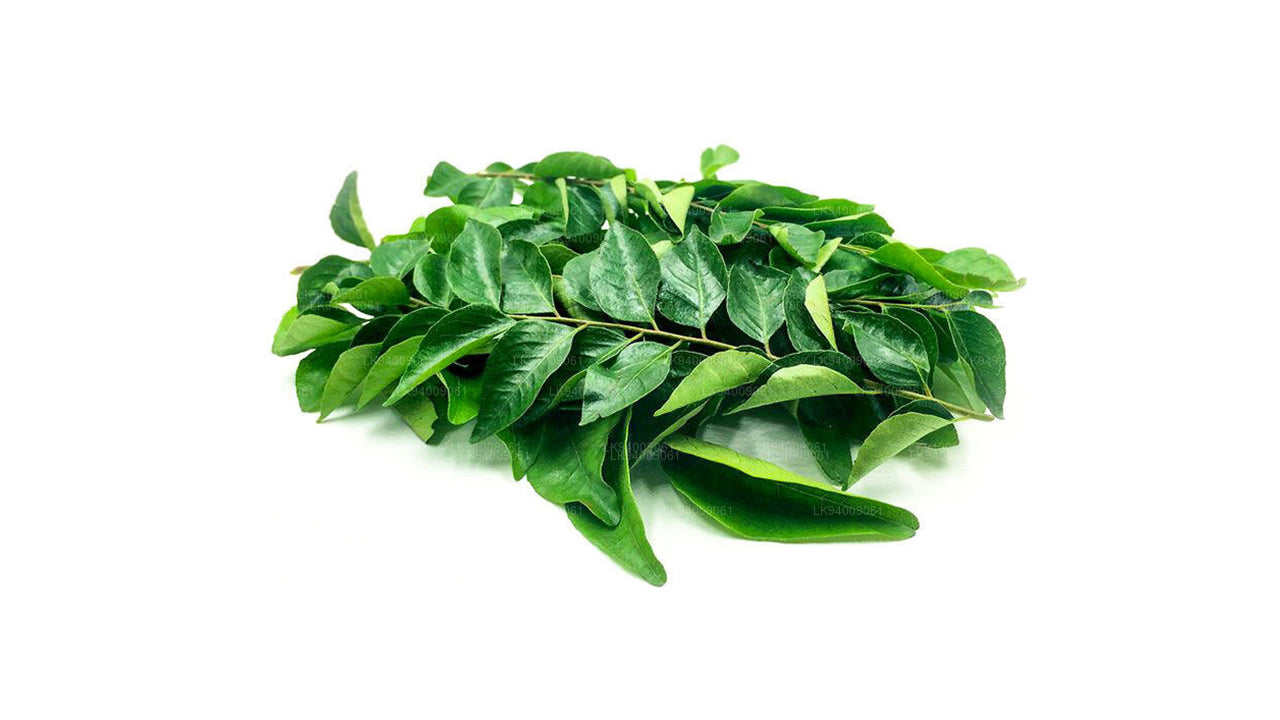 Curry Leaves
Murraya koenigii
-
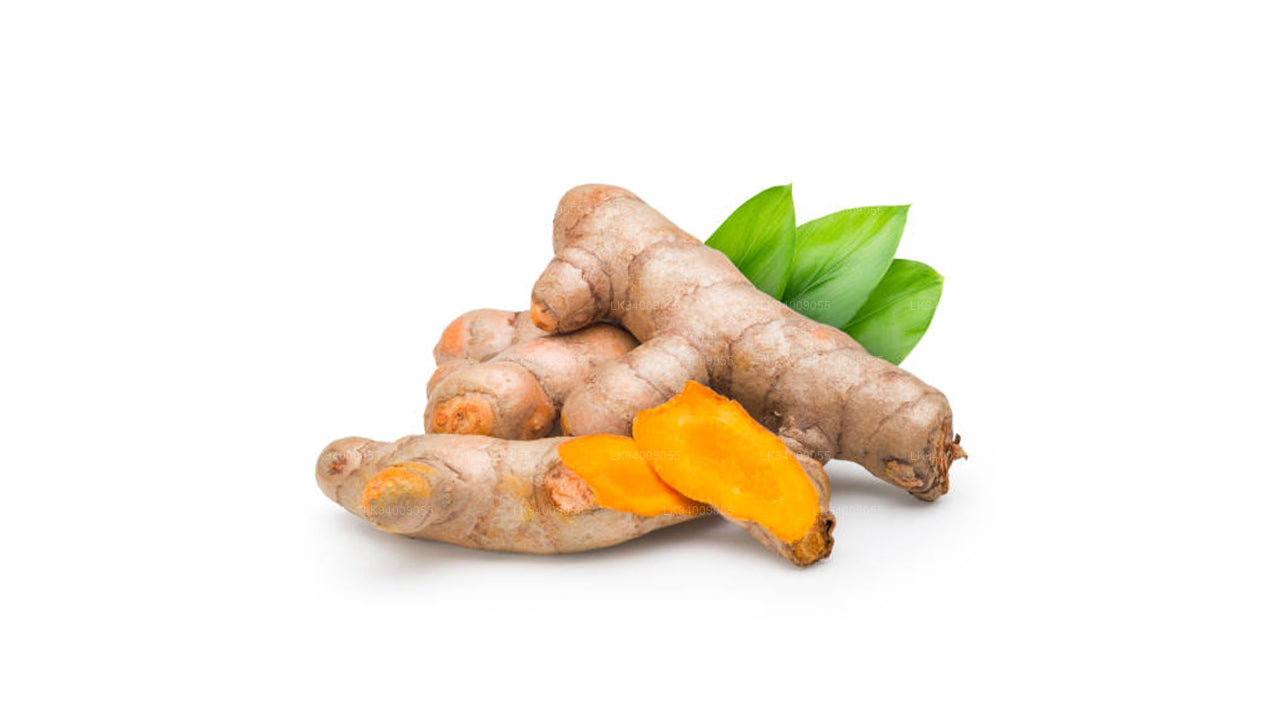 Turmeric
Curcuma longa
-
 Cloves
Syzygium aromaticum
-
 Cinnamon
Cinnamomum zeylanicum
-
 Black Pepper
Piper nigrum
-
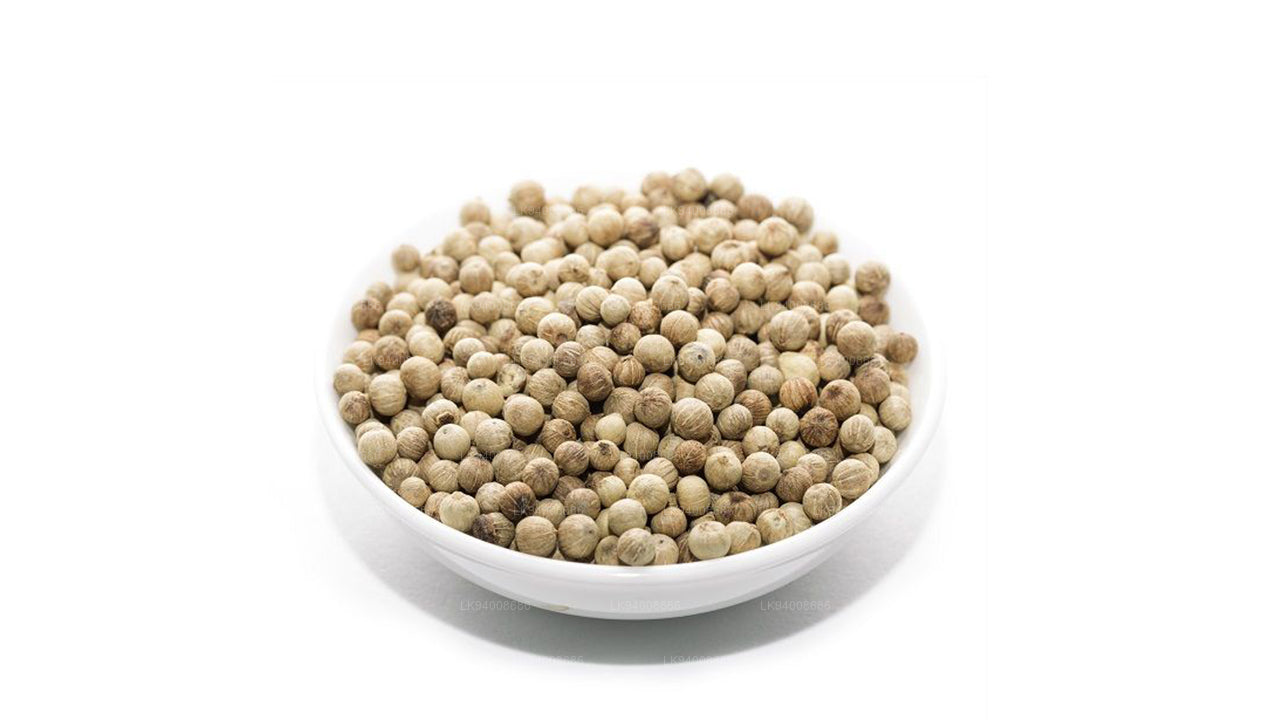 White Pepper
Piper nigrum
-
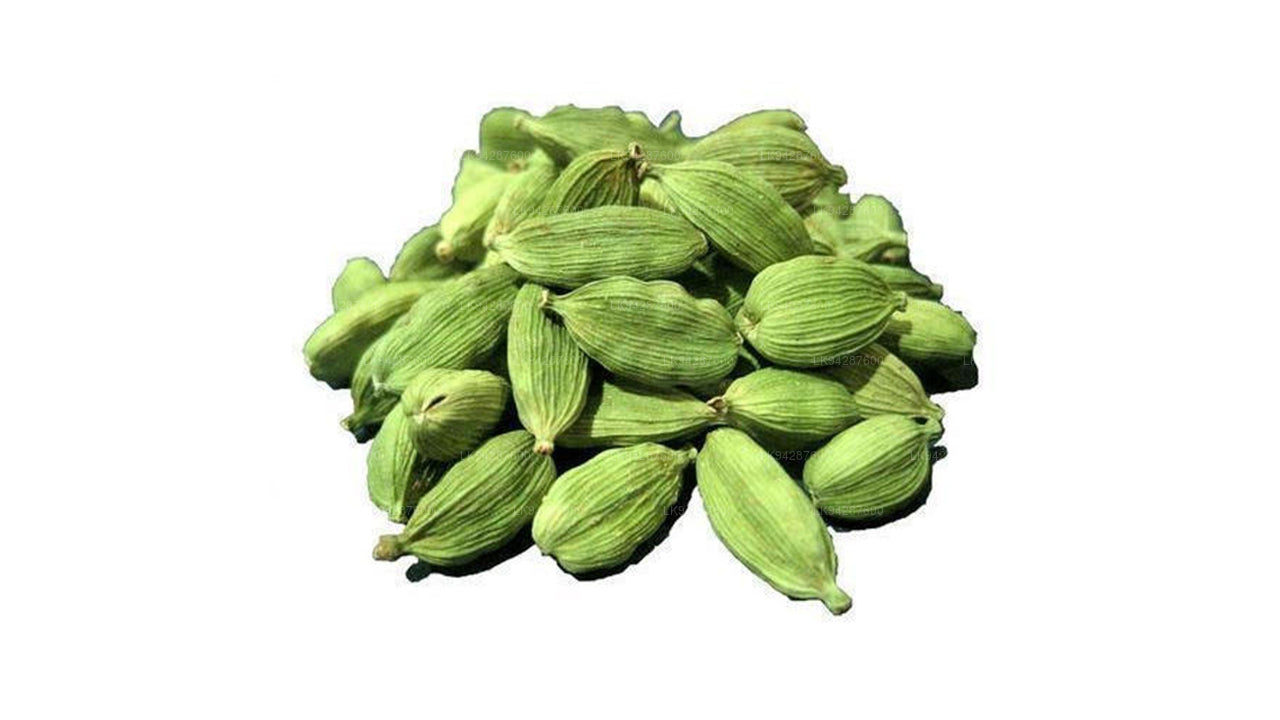 Cardamom
Elettaria cardamomum
-
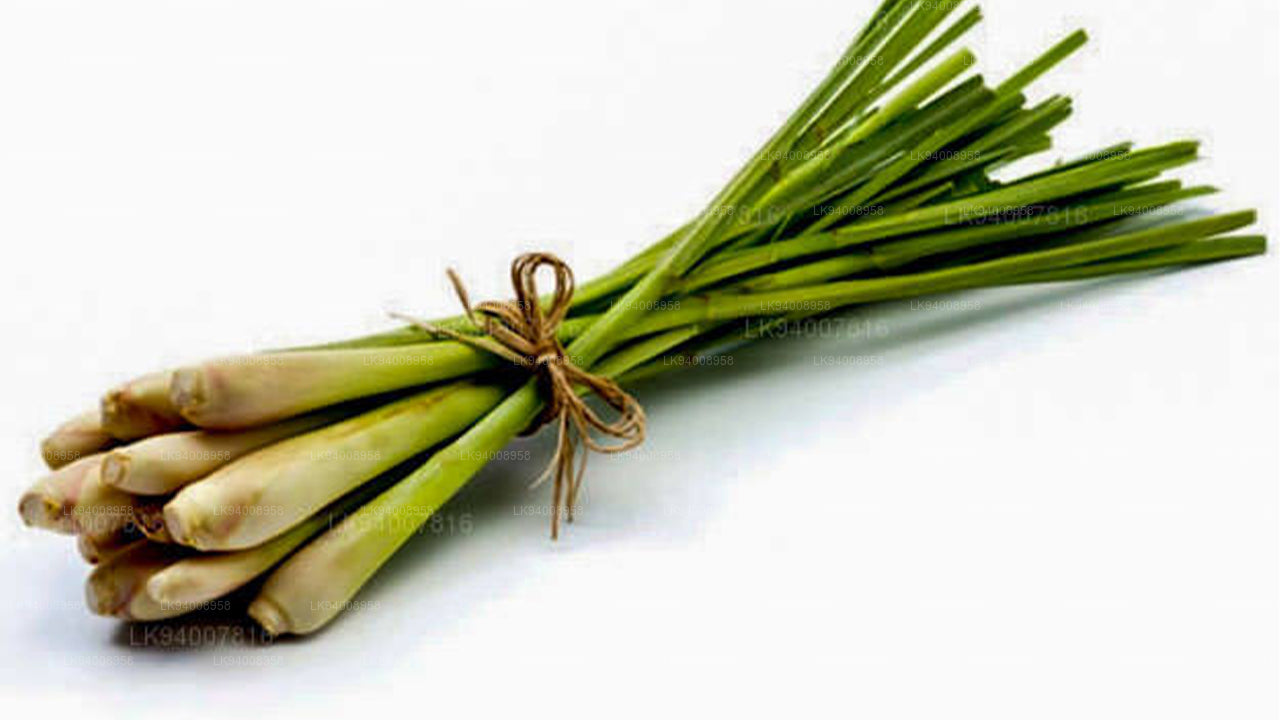 Lemongrass
Cymbopogon citratus
-
 Nutmeg
Myristica fragrans
-
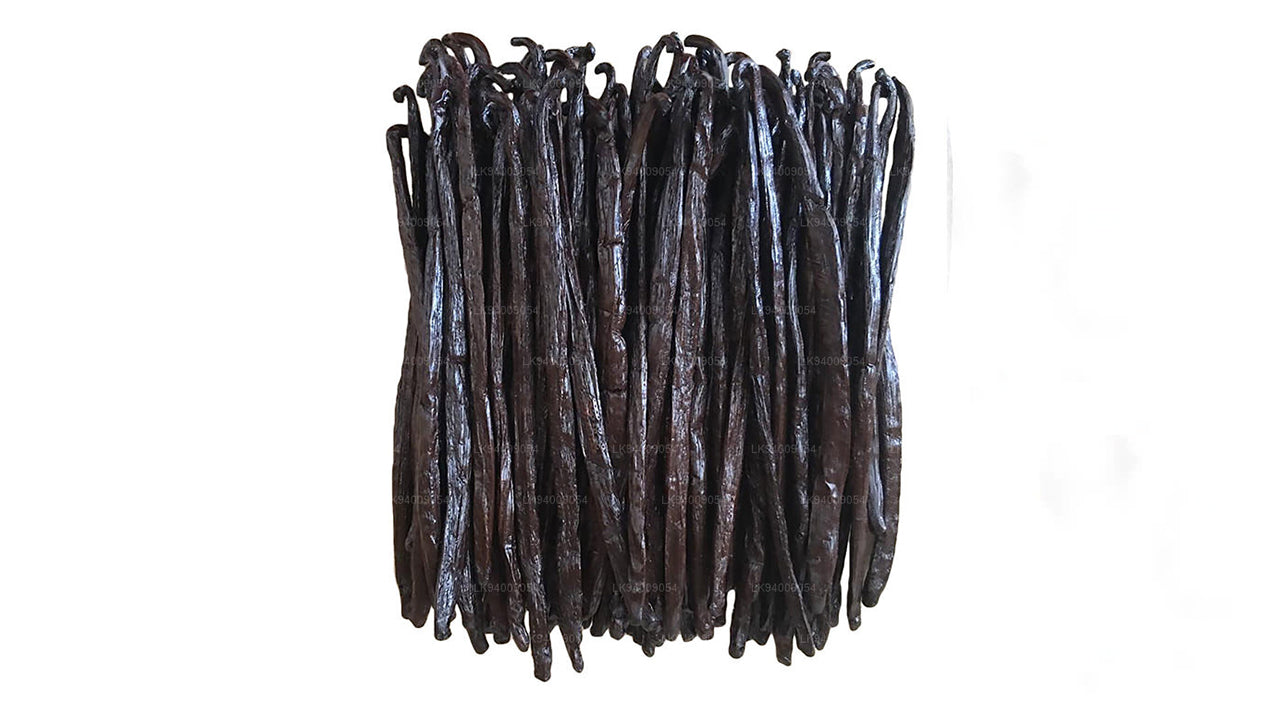 Vanila
Vanilla planifolia
-
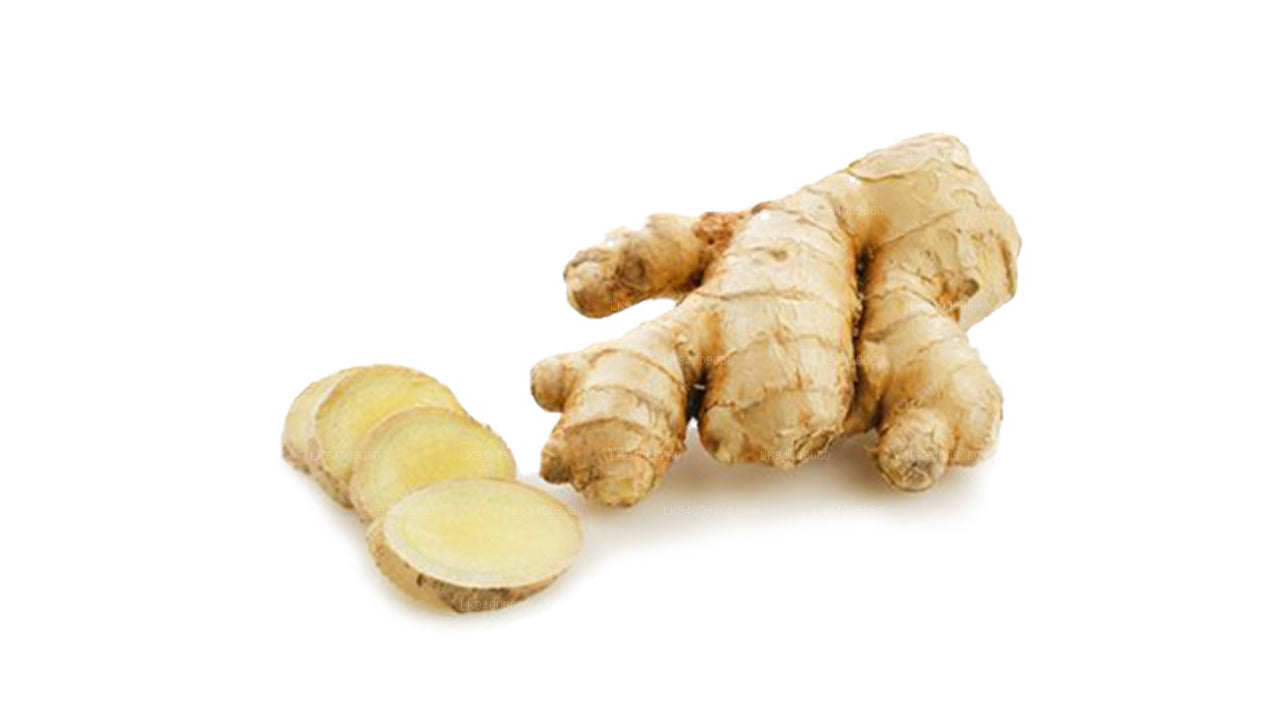 Ginger
Zingiber officinale
-
 Chives
Allium schoenoprasum
-
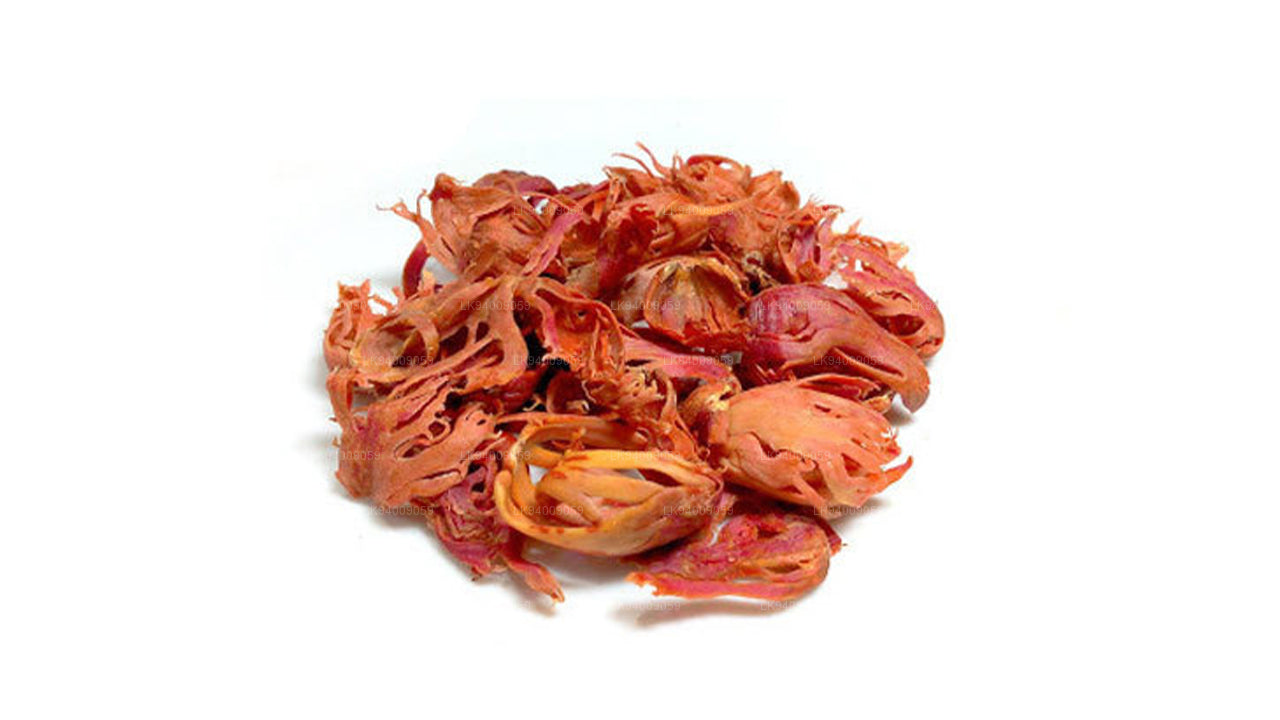 Mace
MaceMyristica fragrans
-
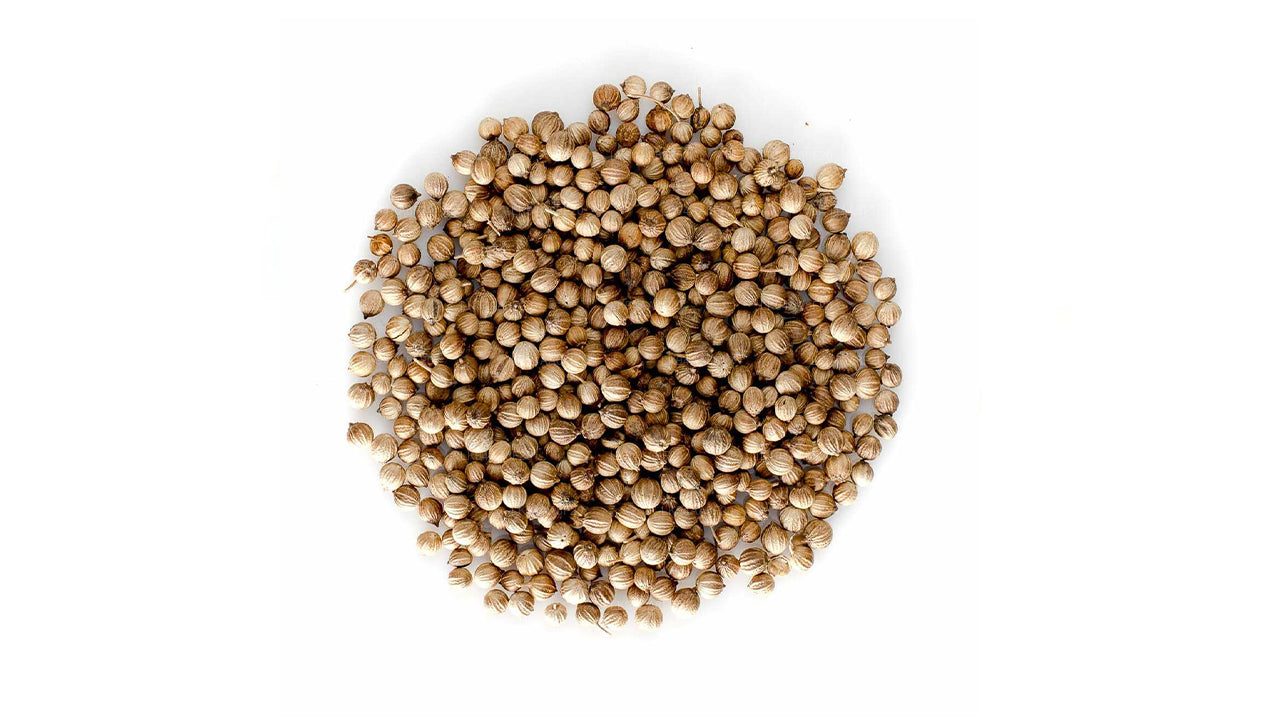 Corinder
Coriandrum sativum
-
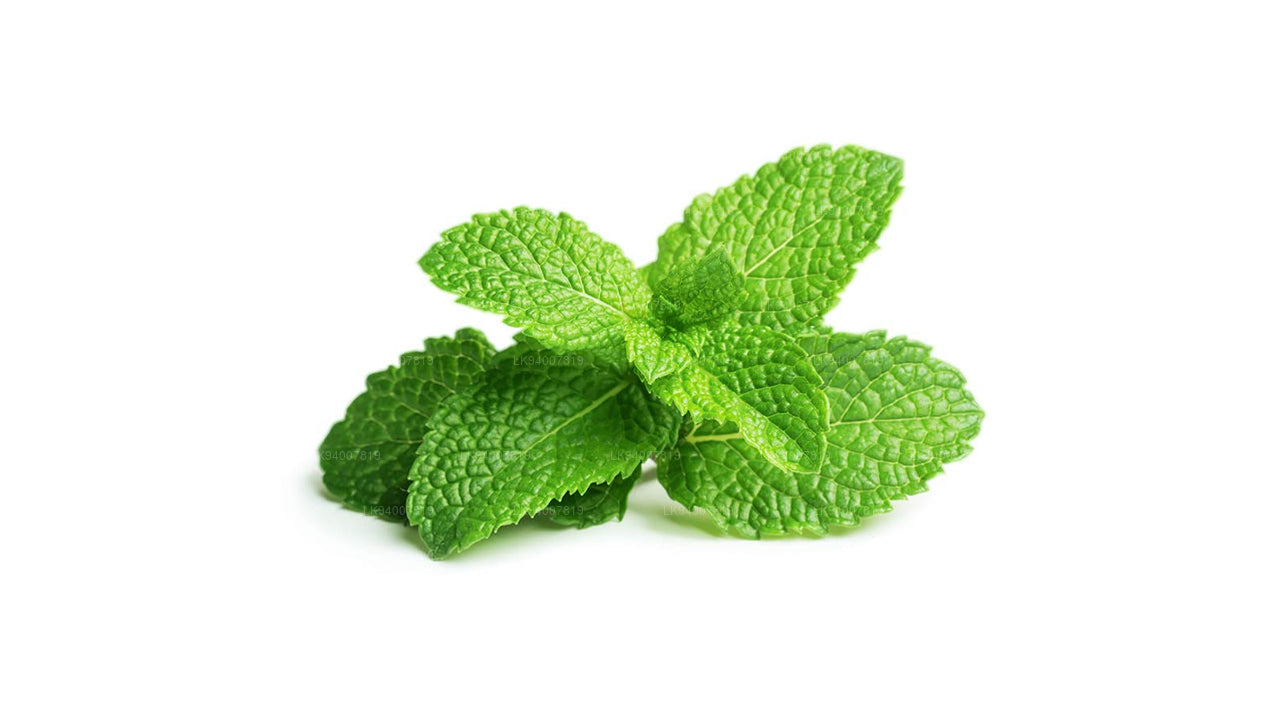 Mint
MintMentha
-
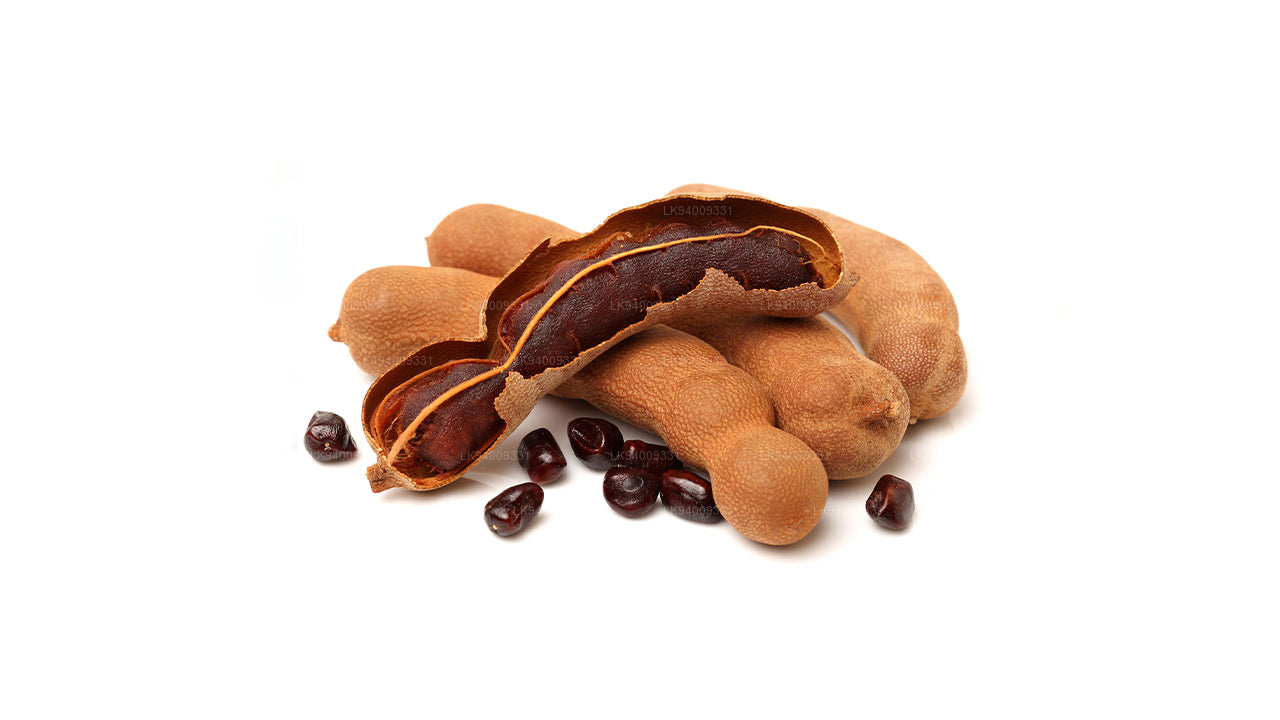 Tamarind
Tamarindus indica
-
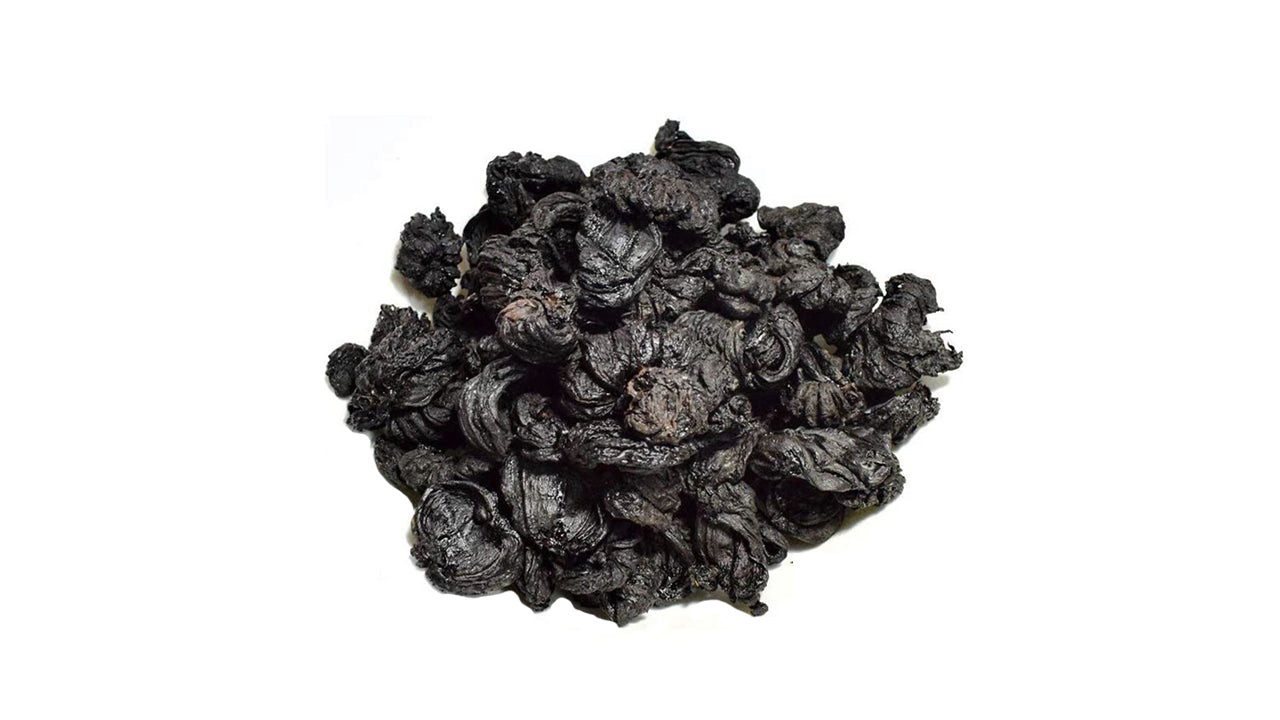 Brindleberry
Garcinia quaesita
-
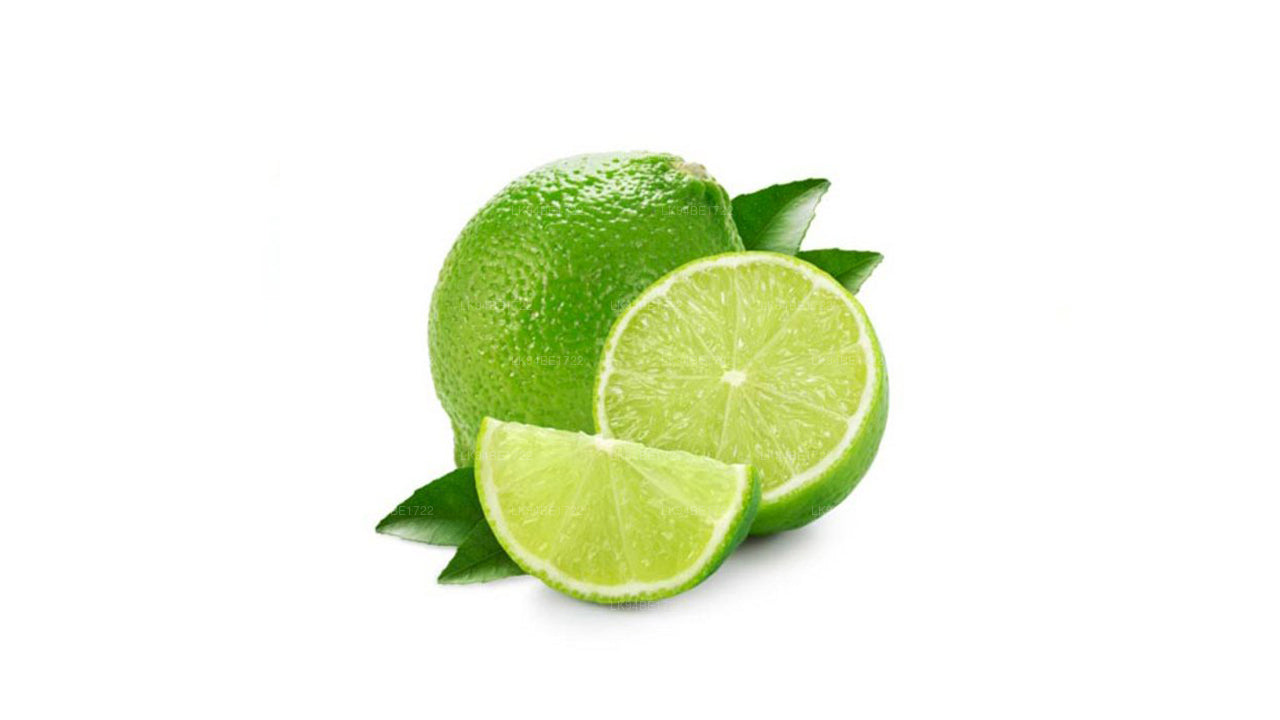 Lime
LimeCitrus aurantifolia
-
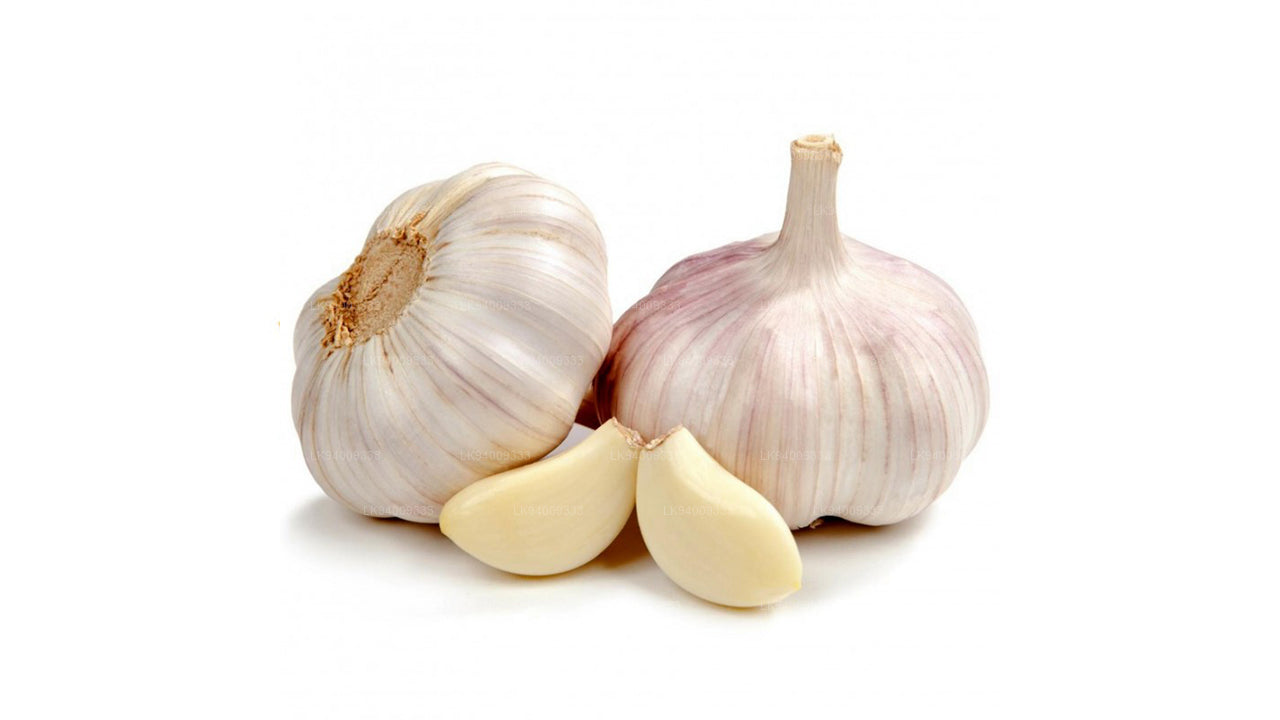 Garlic
Allium sativum
-
 Parsely
Petroselinum crispum
-
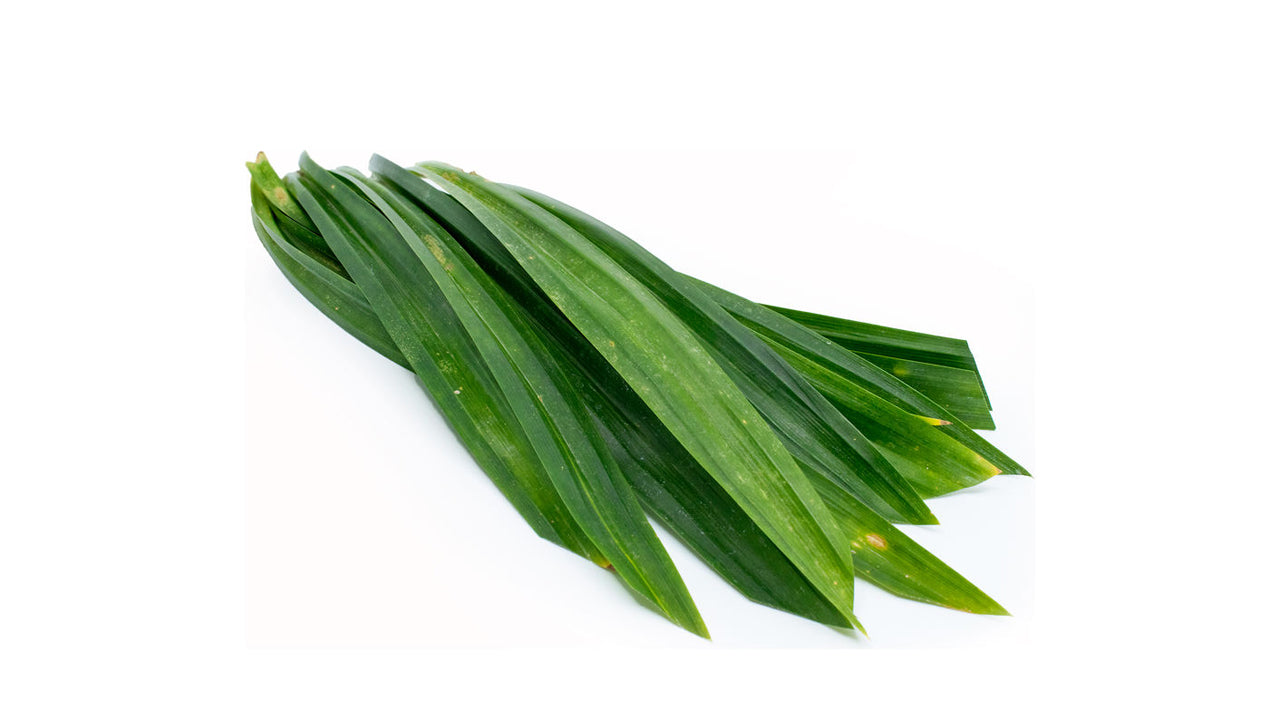 Pandan
Pandanus amaryllifolius
-
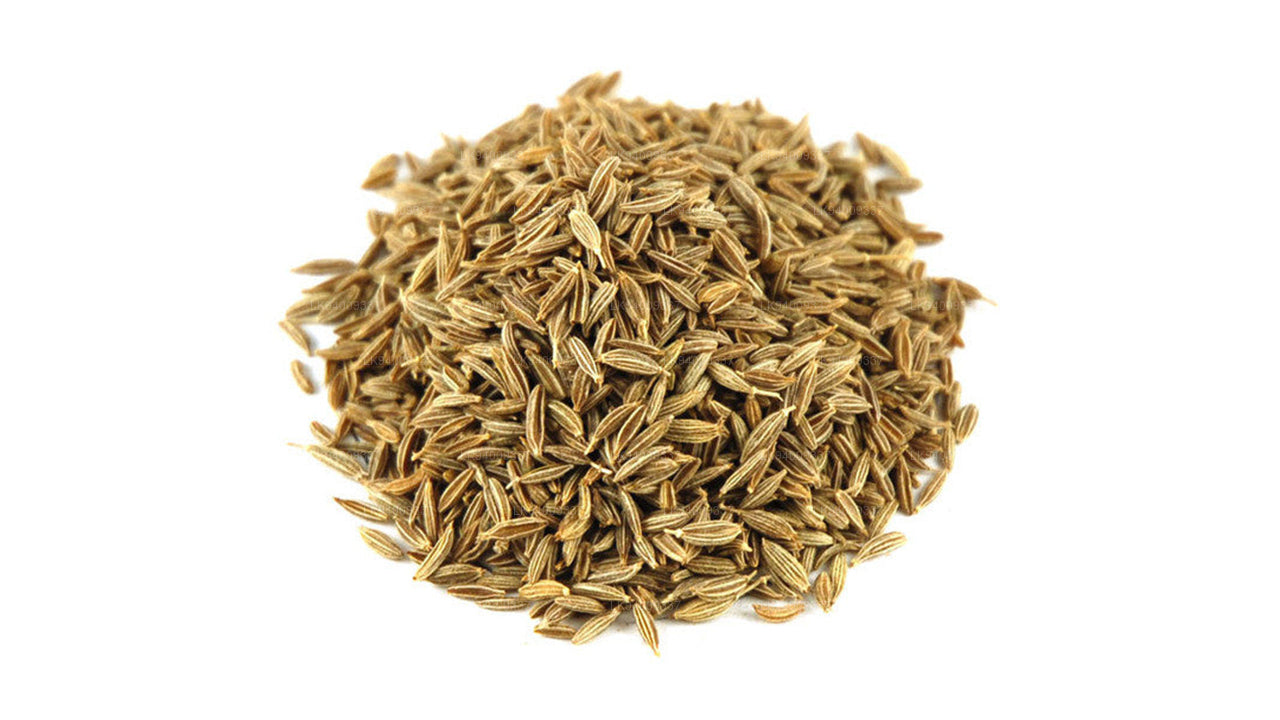 Cumin
CuminCuminum cyminum
-
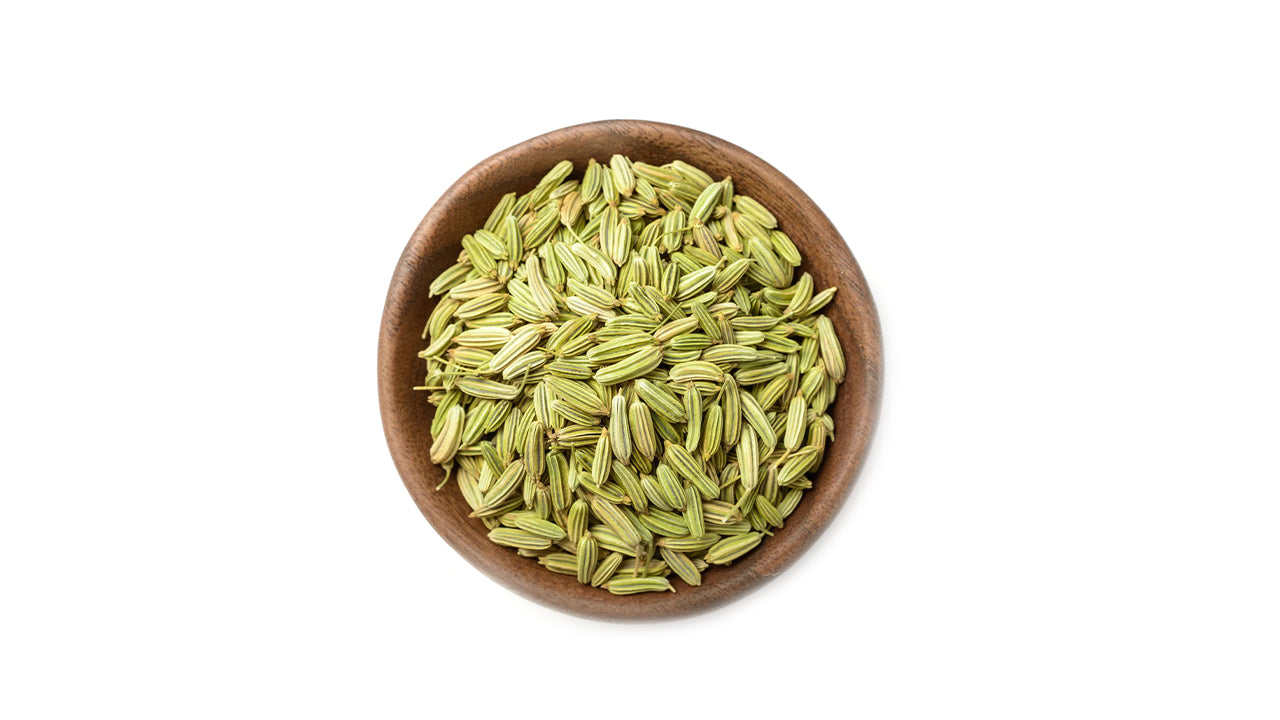 Fennel
Foeniculum vulgare