Jaffna Archaeological Museum

Jaffna Fish market Jaffna Fish market Jaffna Fish market

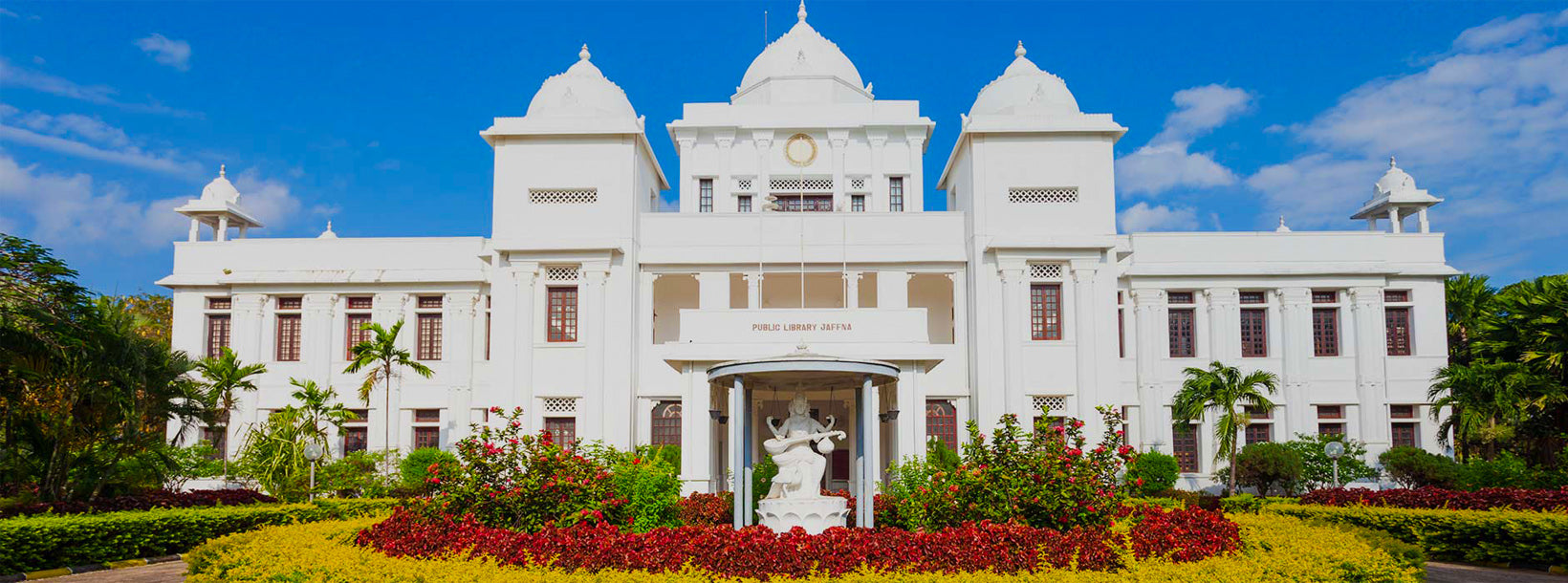
Jaffna Archaeological Museum is a regional history museum located in Nallur, Jaffna, Northern Province of Sri Lanka. It was established in 1978 on land donated by the Arumuga Navalar Foundation. The museum is housed in a building donated by a local benefactor and is closely linked to the cultural and archaeological heritage of the Tamil community.

The museum’s collection includes antiquities ranging from Buddhist and Hindu religious artifacts in metal, wood, and stone, as well as sculptures, pottery, coins, and items uncovered in archaeological excavations such as those at Kandarodai. These exhibits trace the history from ancient times through colonial periods. The museum also features traditional items and everyday objects that reflect the lives of people in old Jaffna.

Visitors to the museum can walk through galleries displaying religious statues, old tools, coins, and woodcarvings. The layout is modest, enabling exploration of the artifacts in a quiet, reflective setting. The museum gives insight into local craftsmanship, belief systems, and trade in past eras. Guides or staff are often available to give context to the exhibits.

The museum is open on most days, though closed on Tuesdays and certain public/cultural holidays. Its proximity—about 2 km—from the Jaffna bus station makes it reasonably accessible by road. Dry weather offers better visibility and comfort when visiting, while monsoon or wet periods may make travel and local road conditions more challenging.

Jaffna Fish market Jaffna Fish market Jaffna Fish market

About Jaffna District

Jaffna is the capital city of the Northern Province, Sri Lanka. 85% of the populations of the Jaffna and Kilinochchi districts are Hindus. The Hindus follow the Saivite tradition. The remainders are largely Roman Catholics or Protestants, some of whom are descendants of colonial settlers, known as Burghers. The Tamils are divided along caste lines, with the farmer-caste Vellalar forming the majority. Sea products, red onion, and tobacco are the main products in Jaffna.

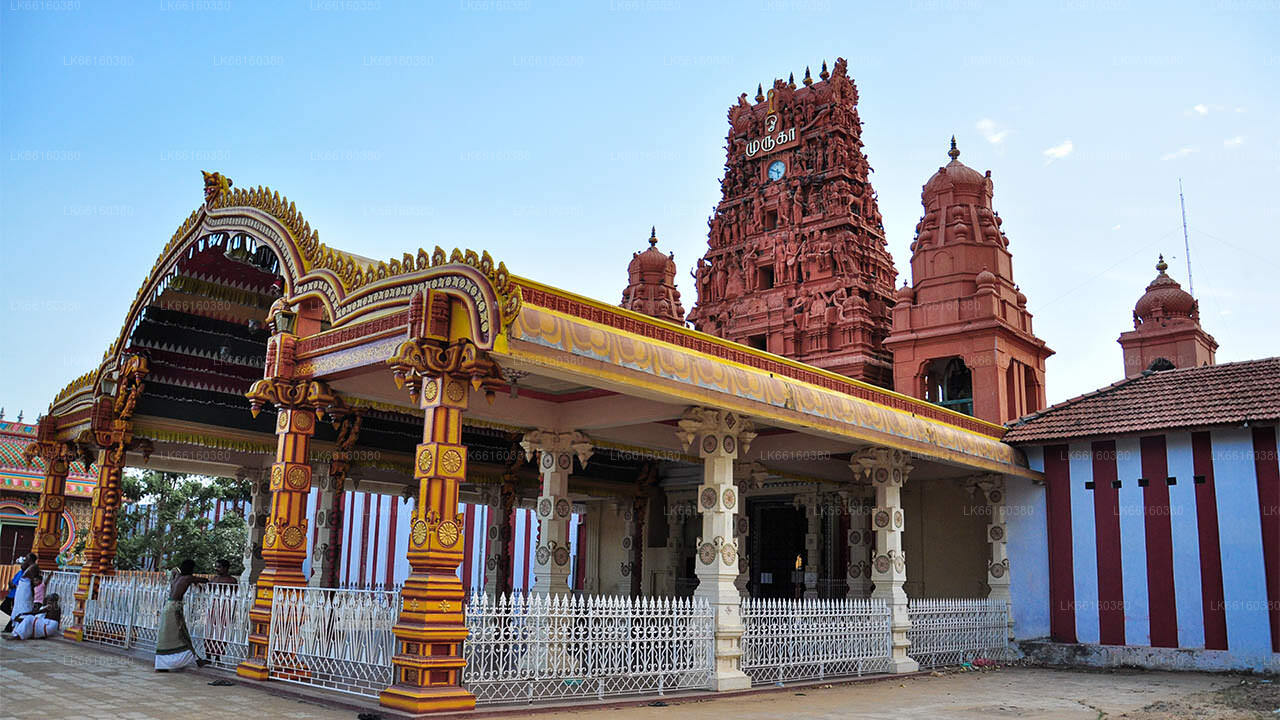
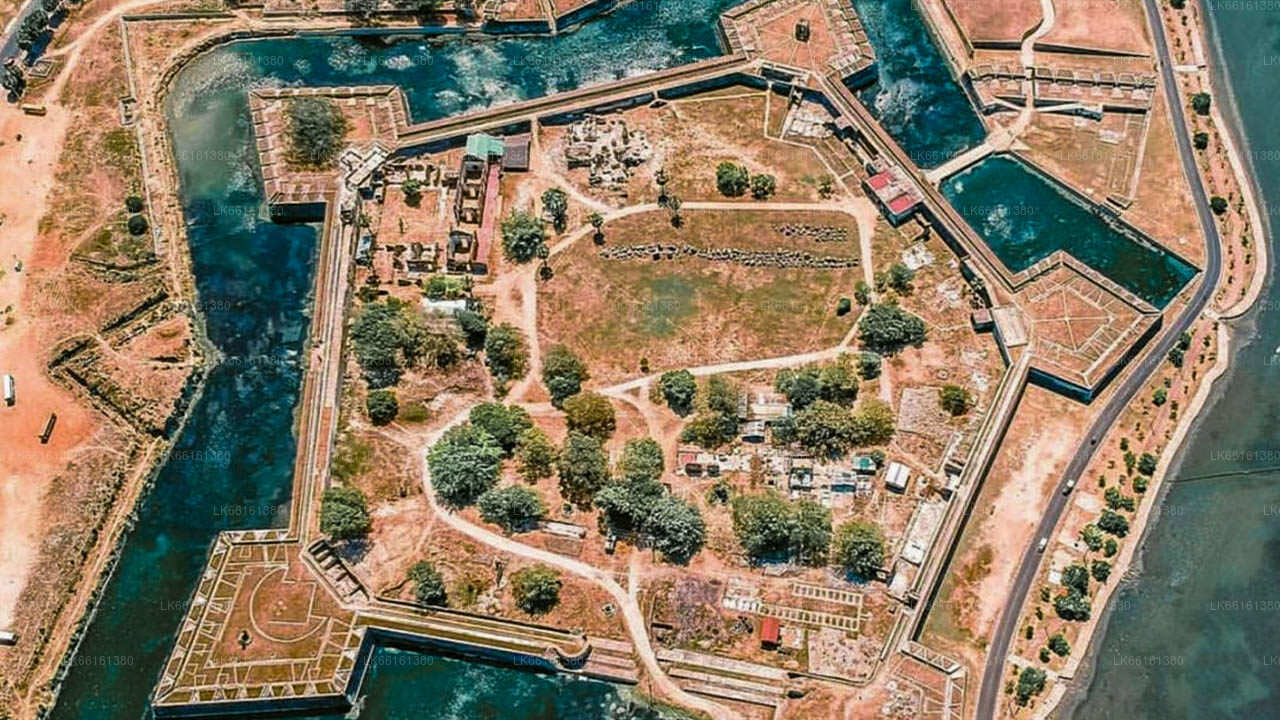
Jaffna is home to beautiful Hindu temples. An Old Dutch Fort still stands well preserved within which is an old Church. Another example of Dutch architecture is the King's House. No visit to Jaffna is complete without tasting the exquisite Jaffna mango, reputed for its sweetness. About 3 km away is the majestic Nallur Kandaswamy Temple, home to the largest religious festival in Jaffna. The Kayts Harbour is an ancient ship docking site in the Jaffna region.

About Northern Province

The Northern Province is one of the 9 provinces of Sri Lanka. The provinces have existed since the 19th century but they didn't have any legal status until 1987 when the 13th Amendment to the 1978 Constitution of Sri Lanka established provincial councils. Between 1988 and 2006 the province was temporarily merged with the Eastern Province to form the North-East Province. The capital of the province is Jaffna.

Northern Province is located in the north of Sri Lanka and is just 22 miles (35 km) from India. The province is surrounded by the Gulf of Mannar and Palk Bay to the west, Palk Strait to the north, the Bay of Bengal to the east and the Eastern, North Central and North Western provinces to the south.The province has a number of lagoons, the largest being Jaffna Lagoon, Nanthi Kadal, Chundikkulam Lagoon, Vadamarachchi Lagoon, Uppu Aru Lagoon, Kokkilai lagoon, Nai Aru Lagoon and Chalai Lagoon.Most of the islands around Sri Lanka are to be found to the west of the Northern Province. The largest islands are: Kayts, Neduntivu, Karaitivu, Pungudutivu and Mandativu.

The Northern Province's population was 1,311,776 in 2007. The majority of the populations are Sri Lankan Tamils, with a minority Sri Lankan Moor and Sinhalese population. Sri Lankan Tamil is the major language spoken in the province by the vast majority of the population. The other language spoken is Sinhala by 1 percent of the population. English is widely spoken and understood in the cities.