Hindu Sites


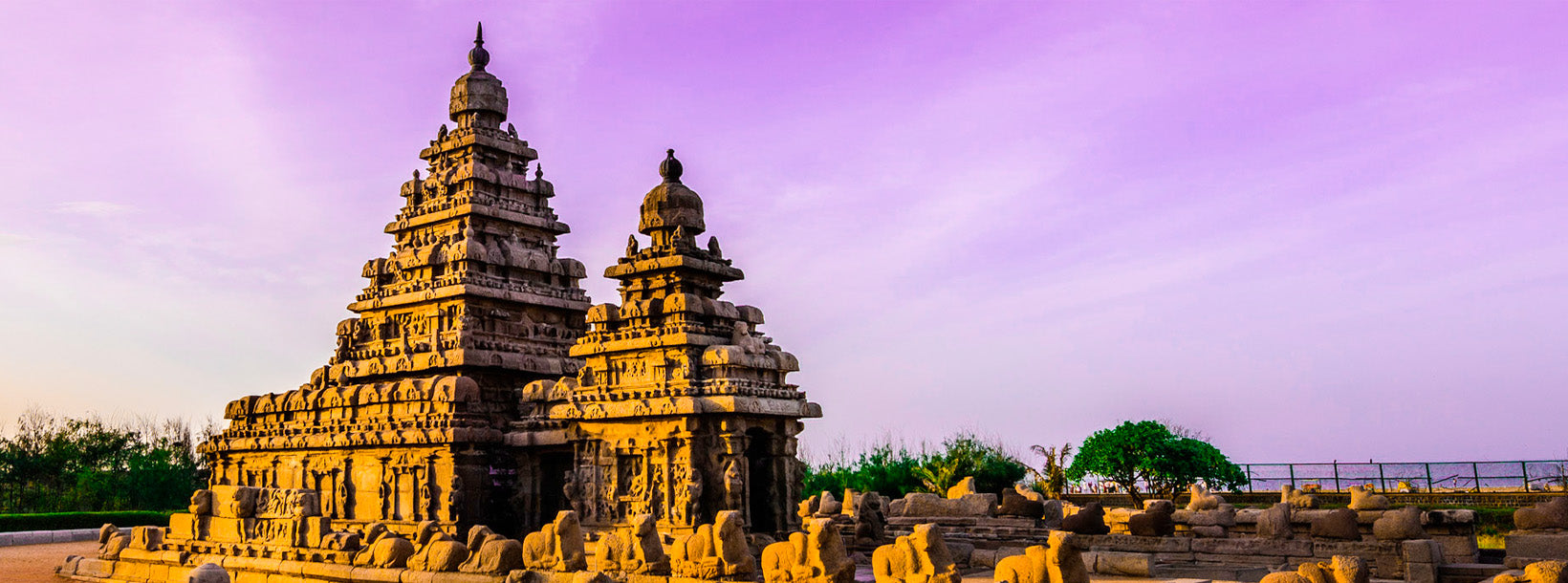
Sri Lanka is home to numerous ancient and sacred Hindu sites that reflect the island’s deep-rooted spiritual heritage and cultural diversity. These temples and shrines, dedicated to various Hindu deities, serve as important pilgrimage destinations and showcase stunning Dravidian architecture, intricate carvings, and centuries-old traditions.
Some of the most significant Hindu sites in Sri Lanka include:
- Nallur Kandaswamy Kovil (Jaffna) – One of the most revered Hindu temples in Sri Lanka, dedicated to Lord Murugan, known for its grand festivals and vibrant architecture.
- Naguleswaram Temple (Keerimalai, Jaffna) – An ancient temple dedicated to Lord Shiva, associated with the legendary sage Nagula Muni and known for its nearby healing springs.
- Koneswaram Temple (Trincomalee) – A sacred Panch Ishwaram Shiva temple perched atop Swami Rock, offering breathtaking ocean views and deep spiritual significance.
- Maviddapuram Kandaswamy Kovil (Jaffna) – A historic Murugan temple with unique traditions and cultural significance in the northern region.
- Thiruketheeswaram Kovil (Mannar) – Another Panch Ishwaram temple dedicated to Lord Shiva, believed to be thousands of years old.
- Kataragama Temple (Kataragama) – A major pilgrimage site for Hindus, Buddhists, and indigenous Veddas, dedicated to Lord Murugan.
Visitors to these Hindu sites can experience rich religious traditions, witness vibrant festivals, and admire the artistry of temple structures. These sacred places offer a unique glimpse into the spiritual and cultural history of Sri Lanka.
Overall, Sri Lanka’s Hindu sites are a must-visit for those interested in history, architecture, and spirituality. Their deep cultural significance and serene ambiance make them an essential part of the island’s religious heritage.


-
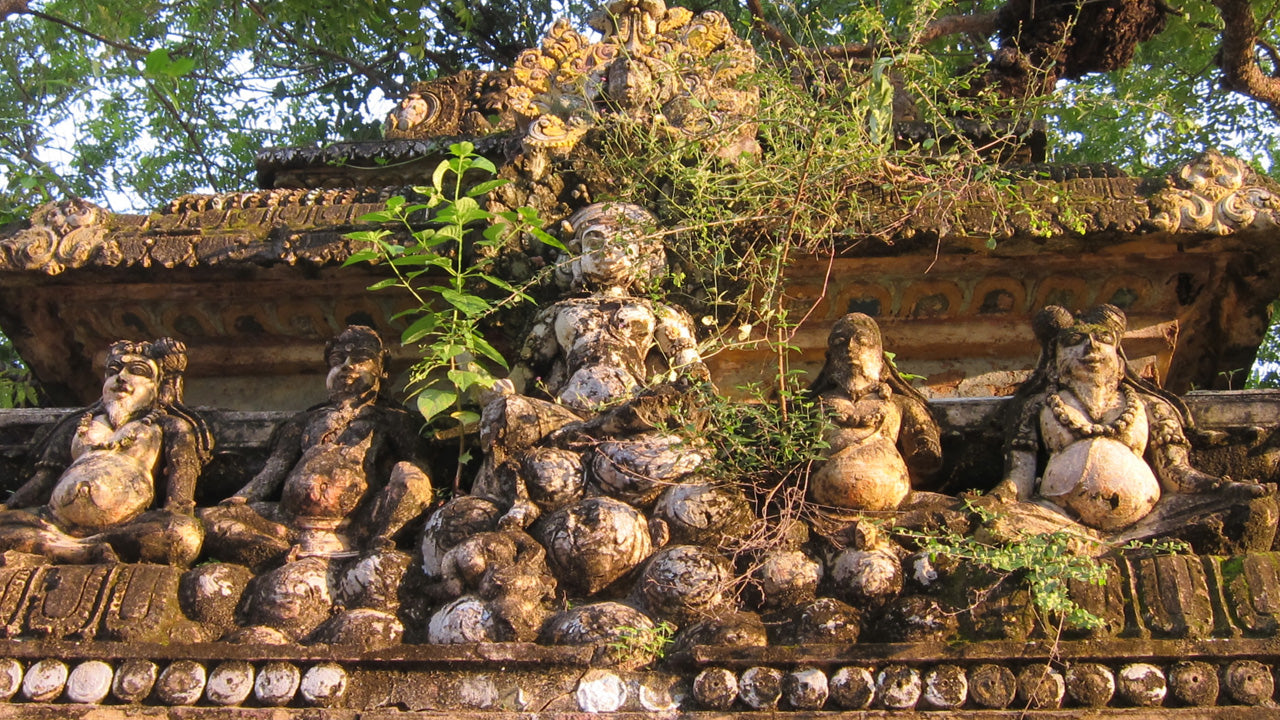 Naguleswaram Temple
Naguleswaram temple is a very ancient temple believed to be one of the five Iswarams (divine residences) of Shaivism. This temple was built where the Sadhu Nagulaswami used to worship a lingam (usually an oblong shaped stone, representing the male attribute and seen also as a flame, symbol of life and creation. The lingam is often placed on a base, the yoni, which symbolizes the female).
-
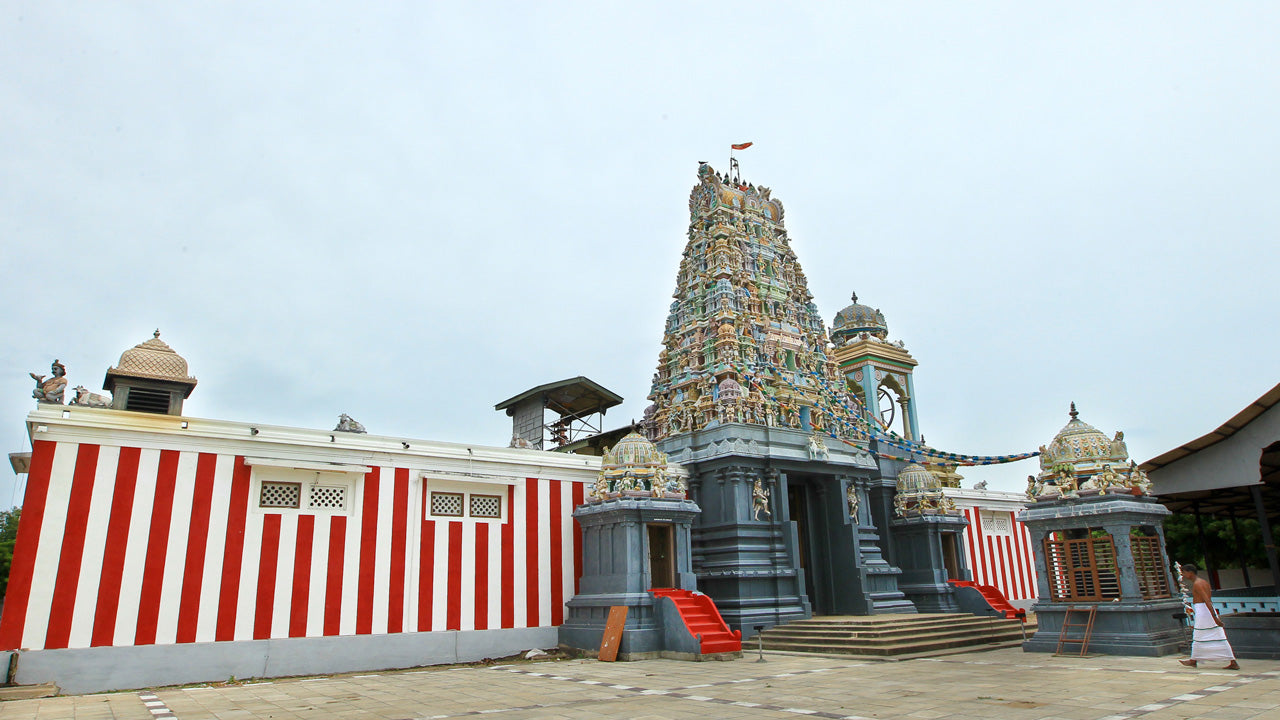 Thiru Ketheeswaram Temple
Overlooking the ancient port towns of Mantai and Kadiramale, the ruined temple has been restored, renovated and enlarged by various royals and devotees throughout its history. Ketheeswaram is one of five Ishwarams dedicated to Shiva and is venerated by Saivites throughout the continent. Ketheeswaram temple is an ancient Hindu temple in Mannar, Northern Province Sri Lanka.
-
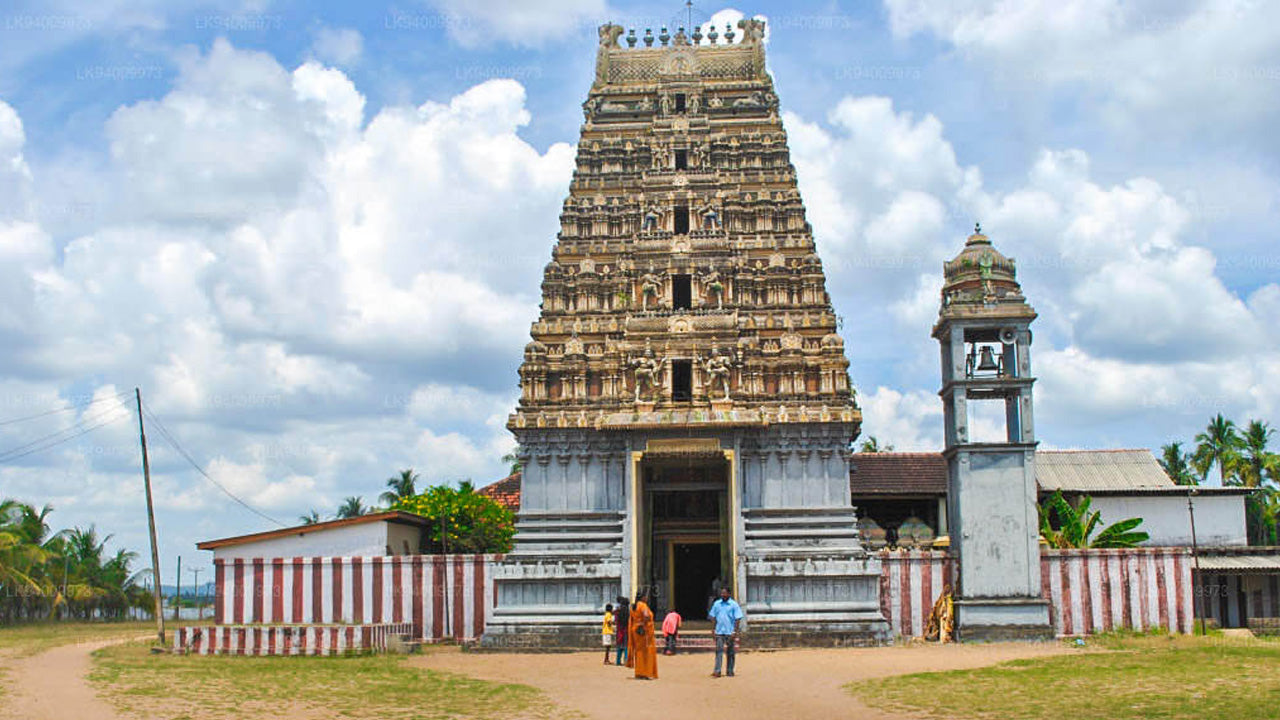 Aathi Koneswaram Temple
Overlooking the ancient port towns of Mantai and Kadiramale, the ruined temple has been restored, renovated and enlarged by various royals and devotees throughout its history. Ketheeswaram is one of five Ishwarams dedicated to Shiva and is venerated by Saivites throughout the continent. Ketheeswaram temple is an ancient Hindu temple in Mannar, Northern Province Sri Lanka.
-
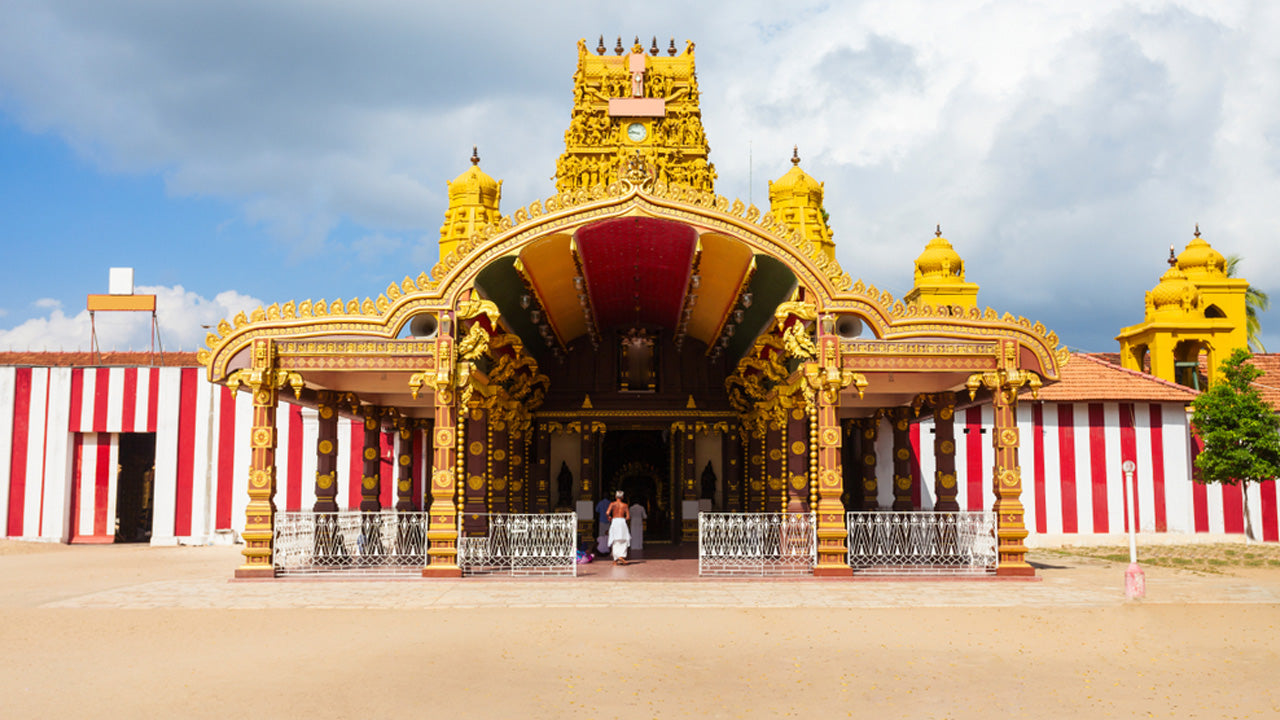 Nallur Kandaswamy Kovil
Nallur Kandaswamy Kovil lies about 1.5km from theJaffna town on the Kankesanturai Road. This is an important temple in theJaffna Peninsula and the most well-known. The history of the temple dates back to the time of King Parakramabahu VI (1411-1463) ofKotte Kingdom. King Parakramabahu VI had two adopted sons, Sapumal Kumaraya (prince) and Ambulugala Kumaraya (prince).
-
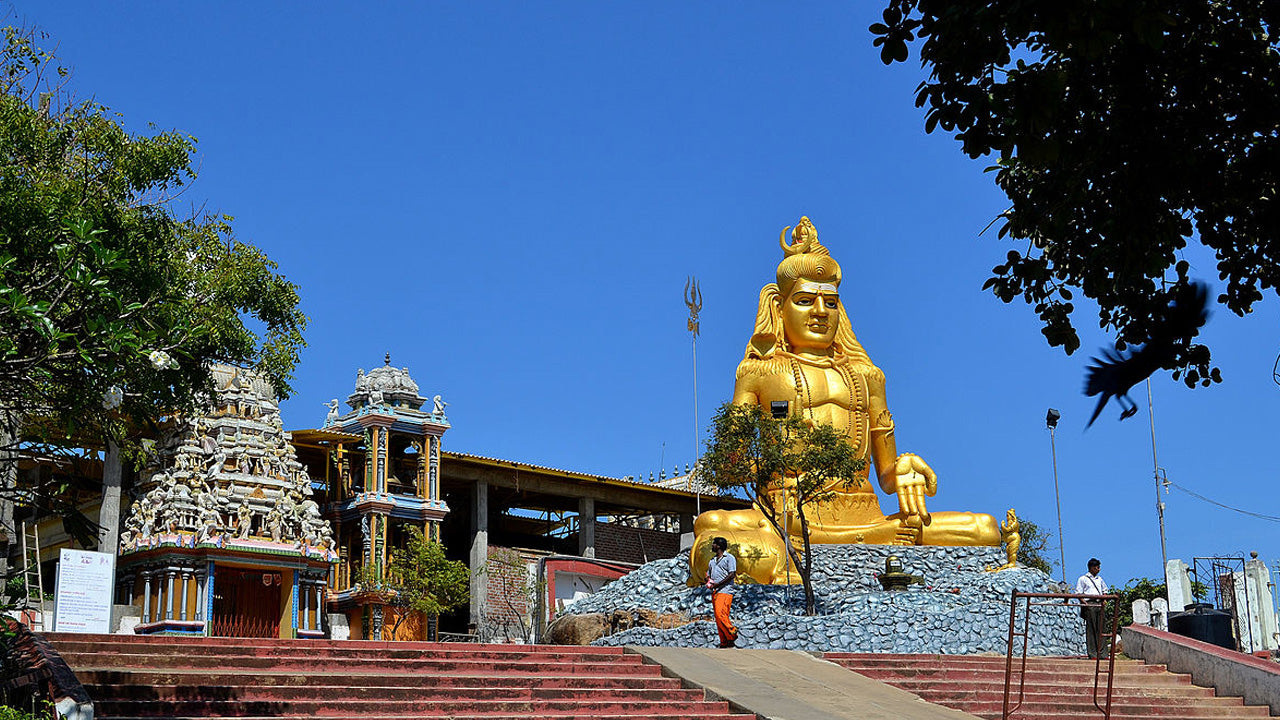 Koneswaram Temple
Saivites throughout the continent venerate Konesvaram temple in Trincomalee, Sri Lanka. It is built atop Swami Rock, a rocky cape overlooking Trincomalee, a classical period harbour port town. The primary deity is the Hindu God Lord Shiva in the form of Konesar. At its summit is the Konesar temple; the main shrine of the Koliesvaram Temple Compounds, is one of three ancient connected Hindu temples on Swami Rock with a considerably sized Gopuram.
-
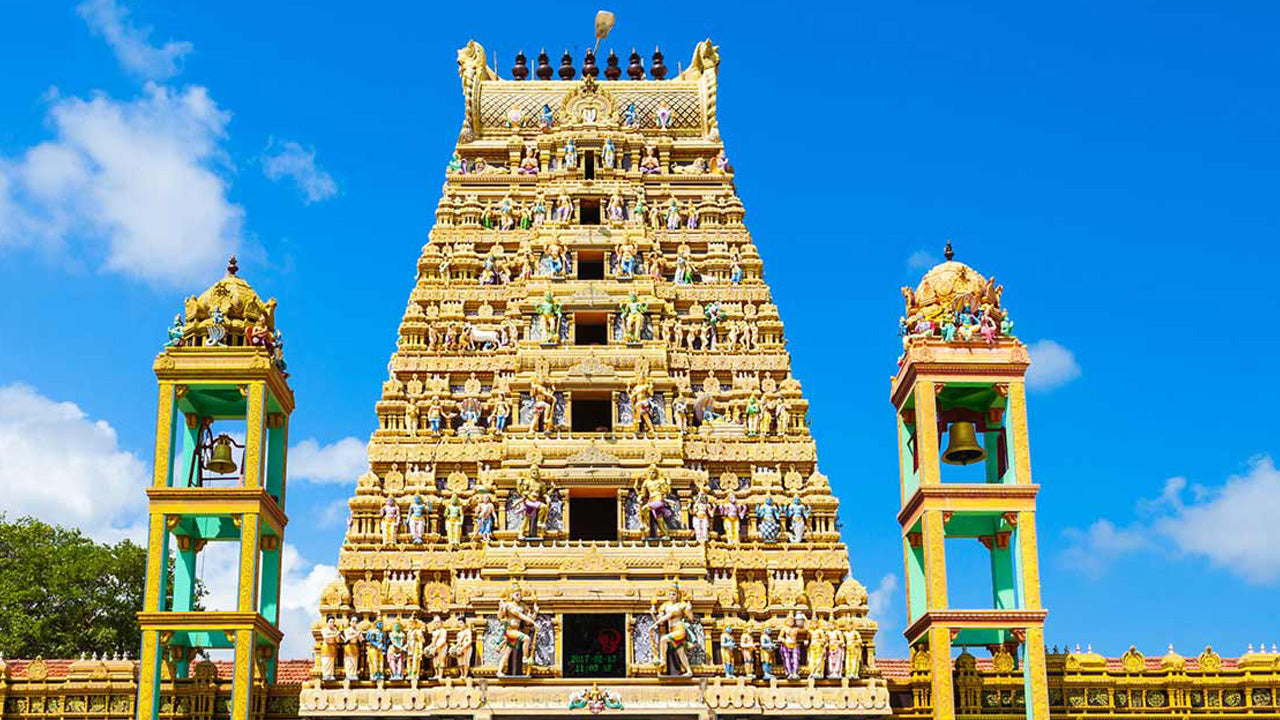 Munneswaram Temple
Munneswaram Temple complex is a collection of five temples, including a Buddhist temple. The central temple dedicated to Shiva is the most prestigious and biggest, and is popular amongst Hindus. The other temples are dedicated to Ganesha, Ayyanayake and Kali.
-
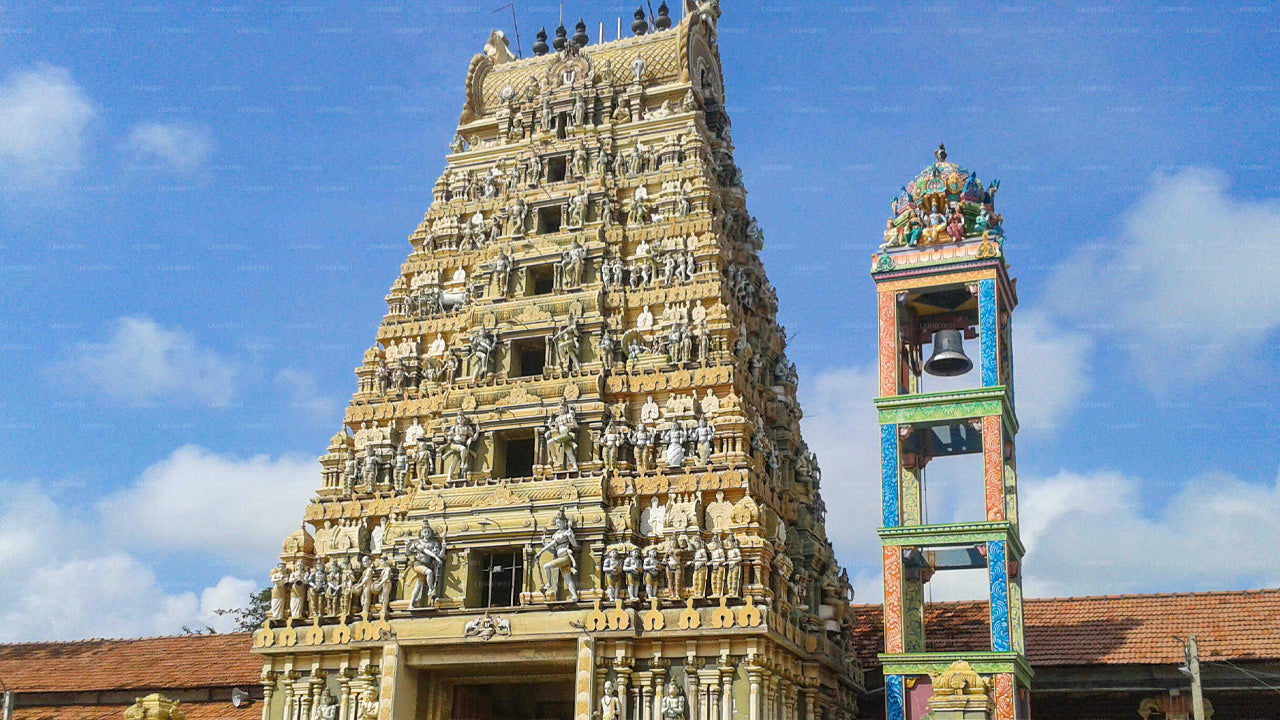 Vallipuram Temple
The Vishnu temple Vallipuram is one of the oldest temples in Jaffna. The temple attracts worshippers daily, on Sundays in particular. Situated amidst a vast expanse of sand dunes, it is difficult to imagine that the area was once a capital city of theJaffna region.
-
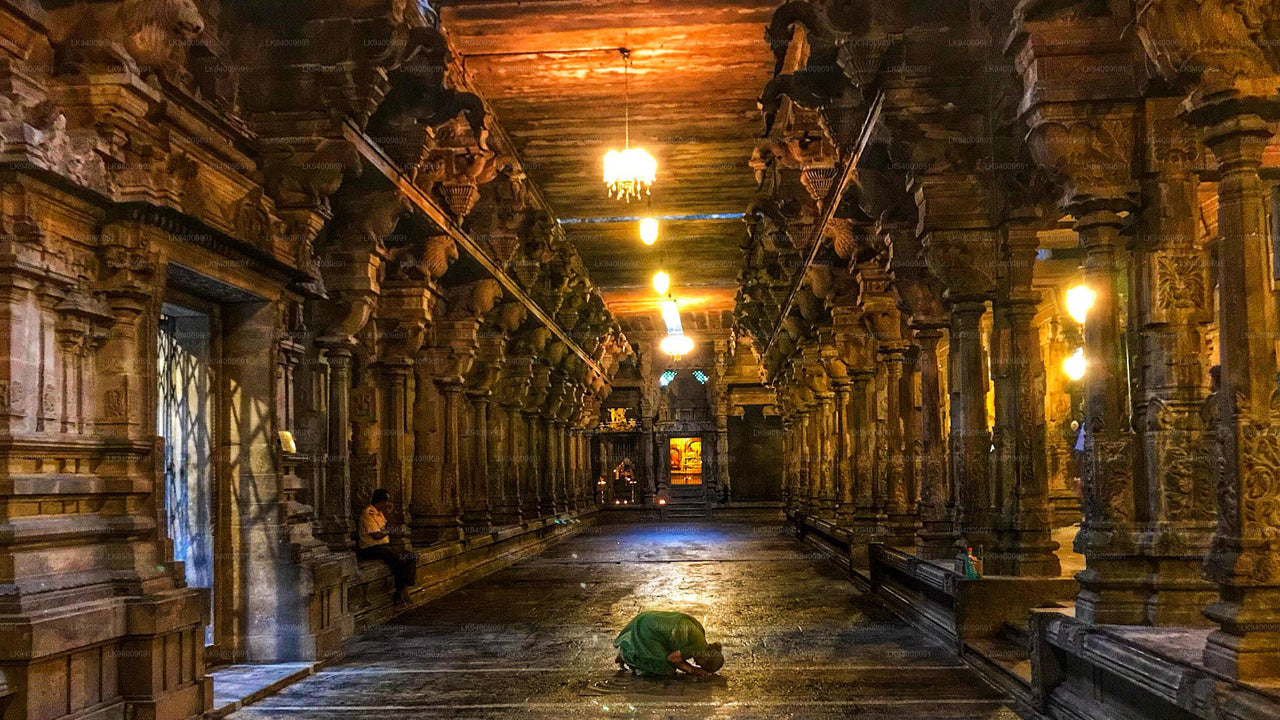 Shri Ponnambalawaneswaram Kovil
Historic stone Hindu temple with intricate carvings, sculptures & colorful shrines.
-
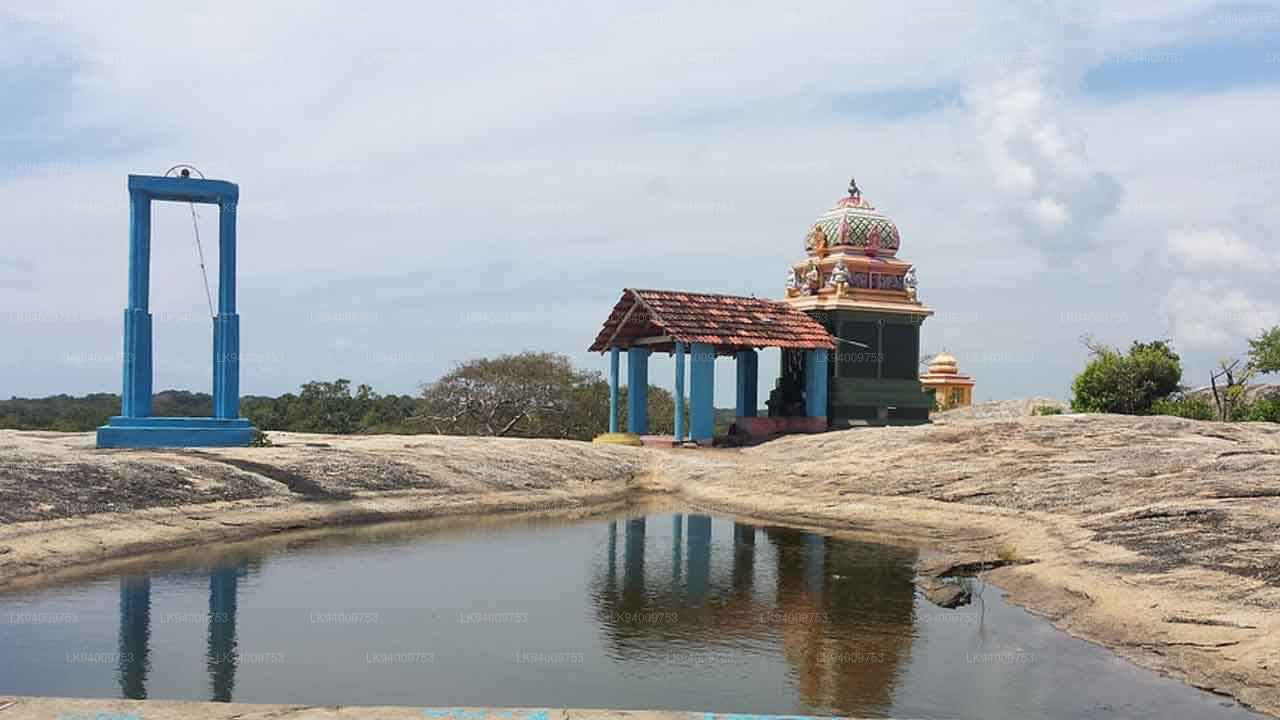 Okanda Murugan Devalaya
Situated on the Kumana Panama jungle path Okanda Devalaya is believed to be the location God Skanda first sailed into Sri Lanka in a golden boat. The boat, which was turned into a rock, still stands on the Okanda beach known to all as the ‘Ran Oru Gala’.
-
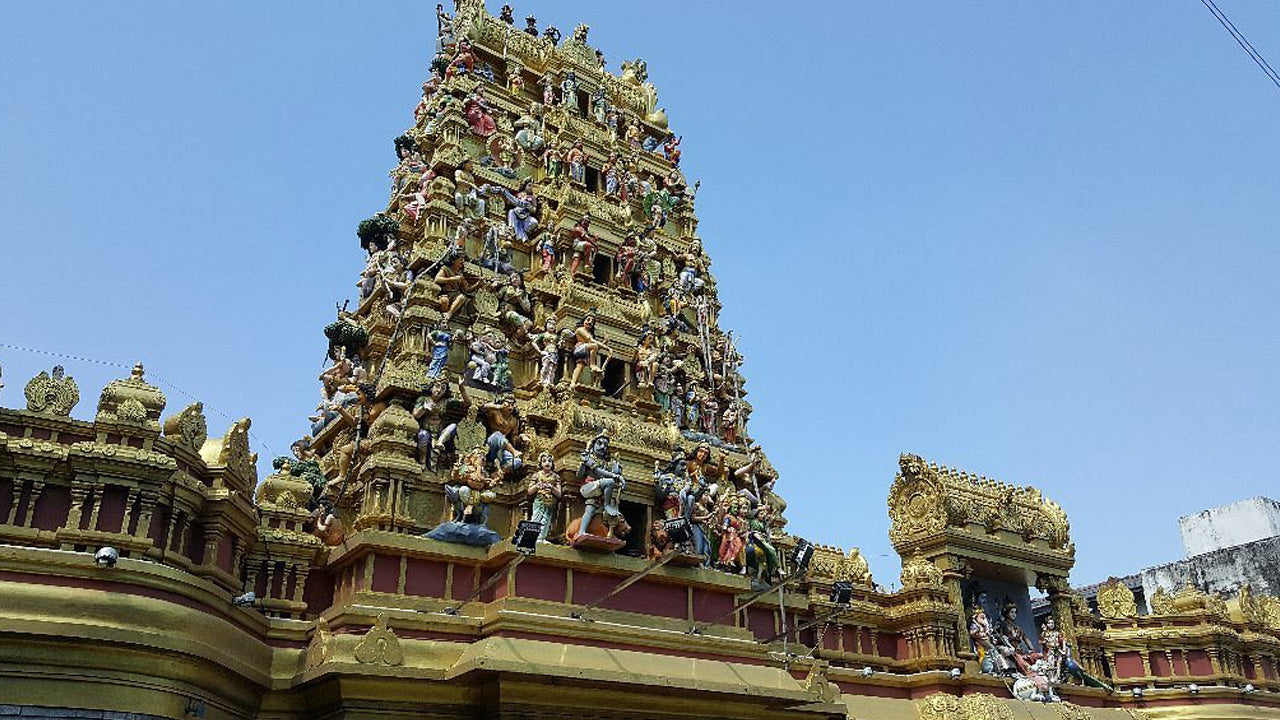 Temple of Sri Kailawasanathan Swami Devasthanam Kovil
Sri Kailawasanathar Swami Devasthanam is one of the oldest Hindu temples in Colombo, dedicated to Lord Shiva and Ganesha, and is a special attraction for Hindu travellers.
-
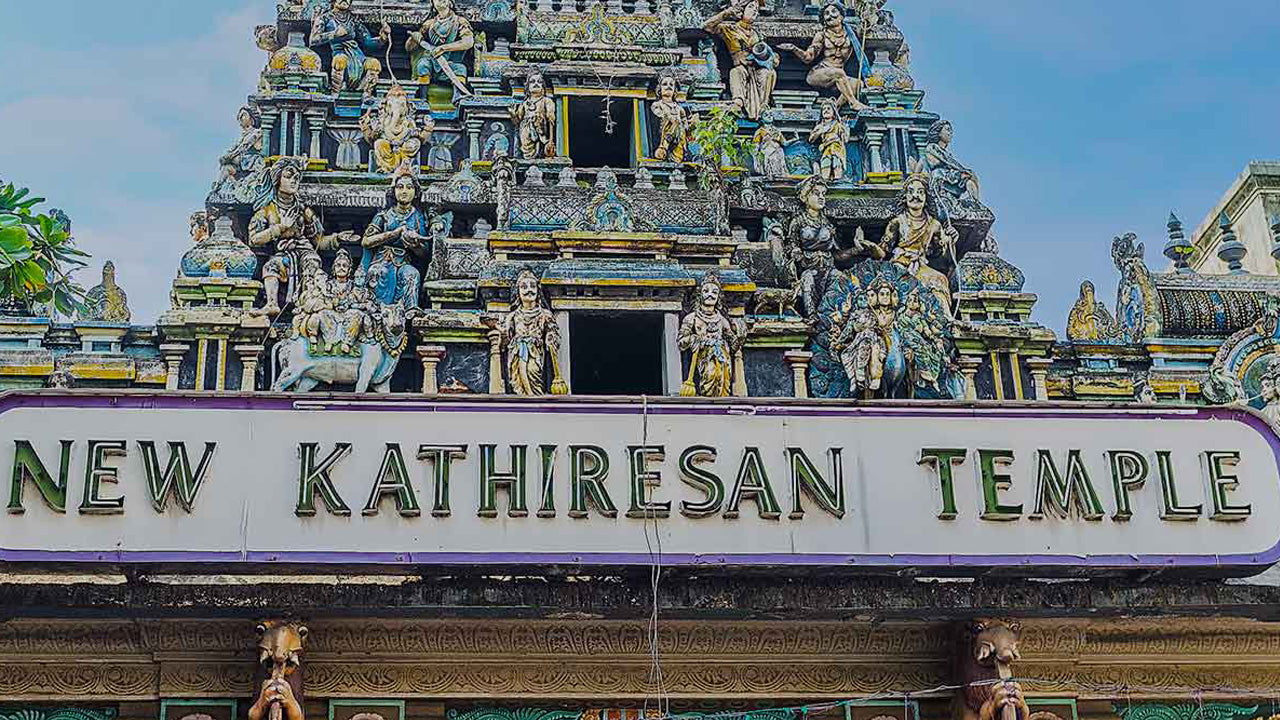 Old Kathiresan Temple
Old Kathiresan Temple. Older of two Hindu temples in the area. Famous chariot festival is held here every year, where chariots travel from Old.
-
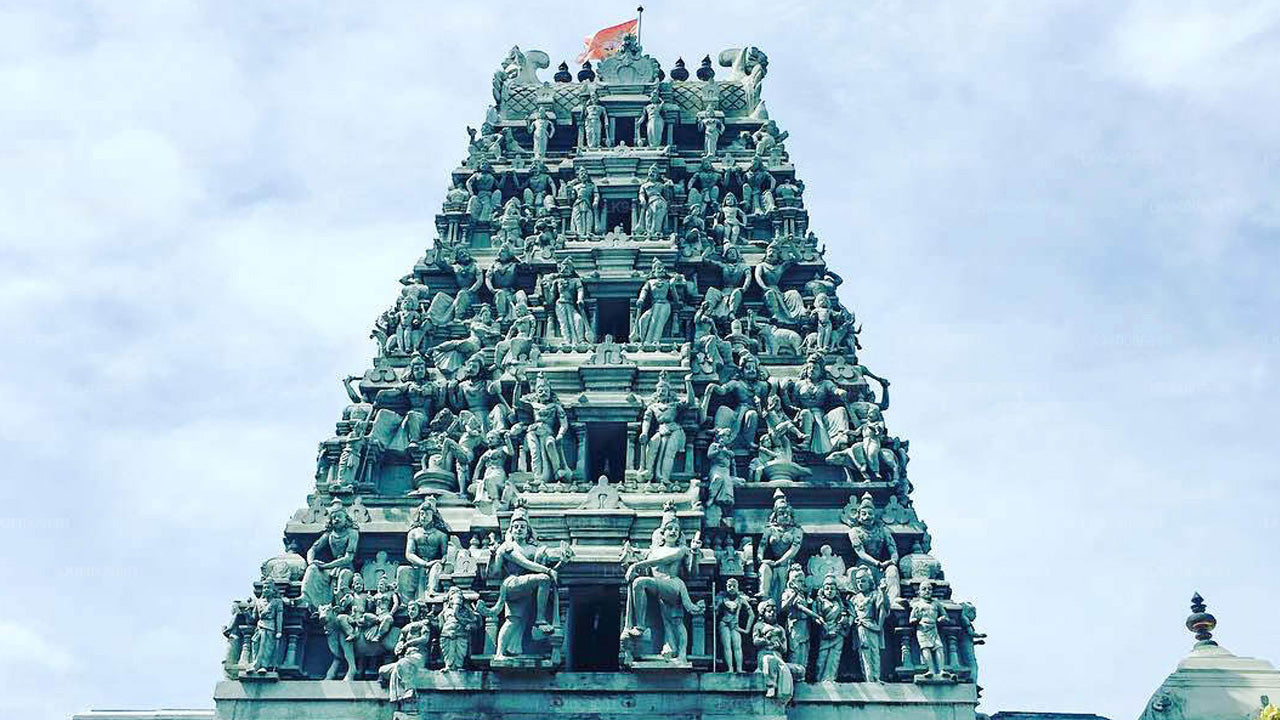 Sri Ponnambalam Vanesar Kovil
This temple in Kotahena, northeast of Pettah, is built of South Indian granite.
-
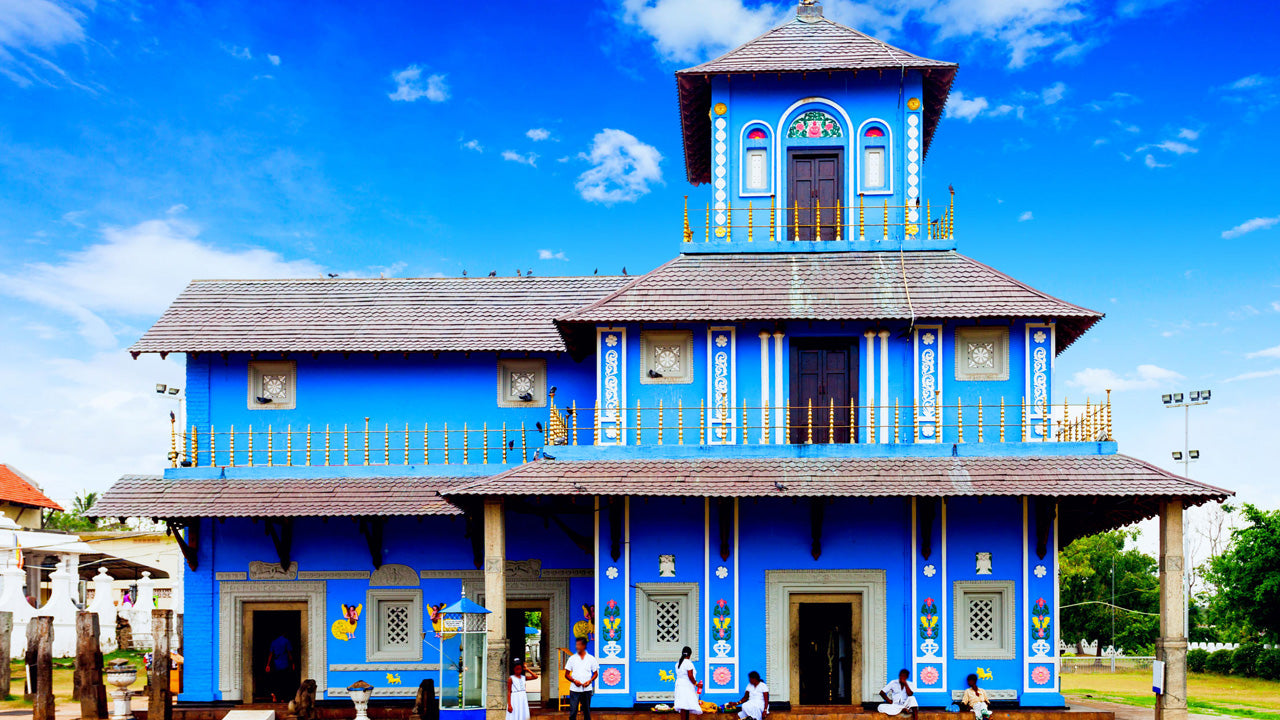 Maha Vishnu Devalaya
Maha Vishnu Devalaya. On to the North-West of the palace, in front of the “Natha Devale“ is the “Vishnu Devalya” popularly a the “Maha Devale”
-
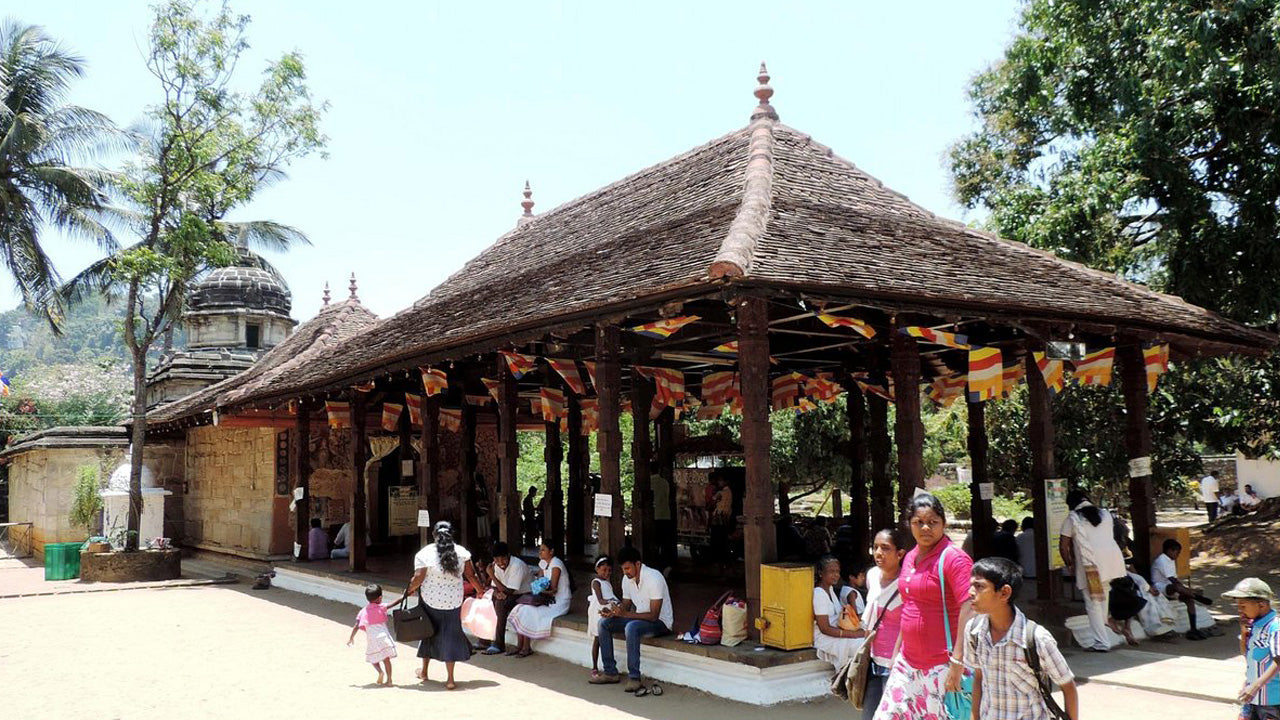 Natha Devale
Natha Devale. The Natha Devale is located on the terrace, in front of the Palace complex of Kandy. It is said to have been in existence even before.
-
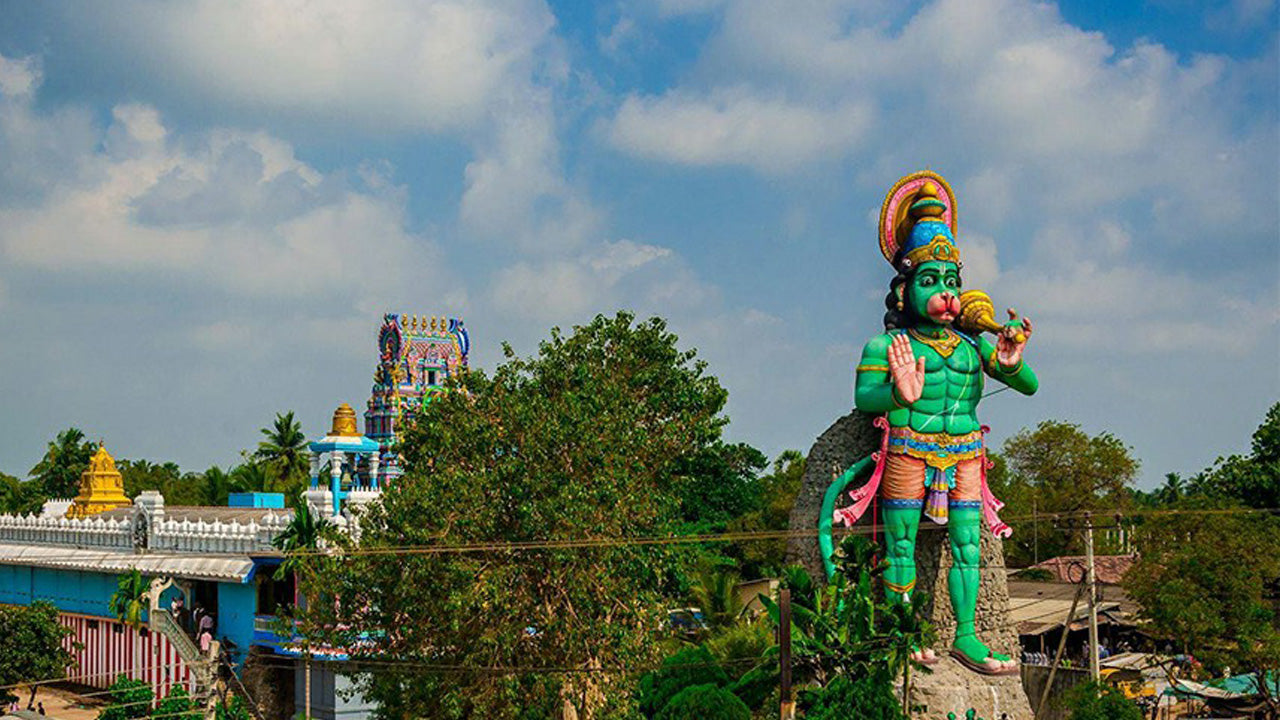 Maruthanar Madam Anjanajar Temple
Maruthanar Madam Anjanajar Temple. Maruthanar Madam Anjanajar statue is 72 feet high and established in early 2013. This god hanuman statue
-
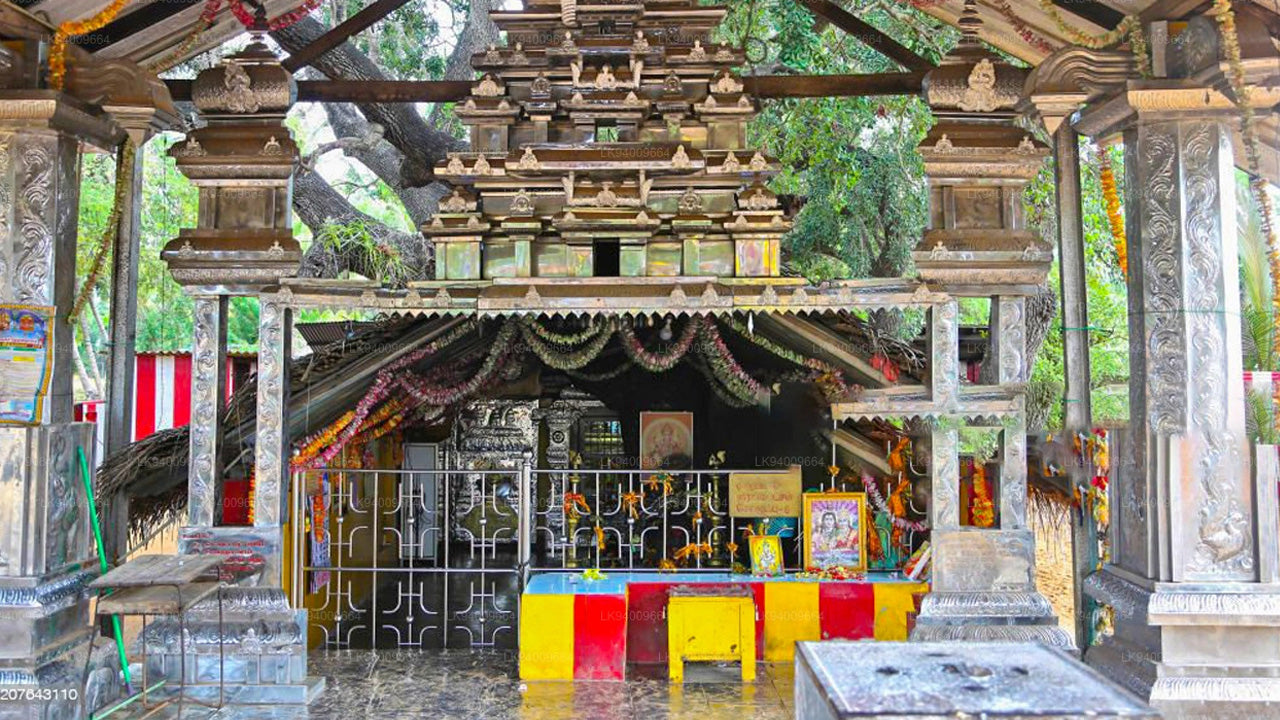 Thiru Murikandy Pillayar Temple
Thiru Murikandy Pillayar Temple. Murikandy Pillayaar temple is a must-stop for most travelers who visit to and fromJaffna on the Jaffna-Kandy (A9)
-
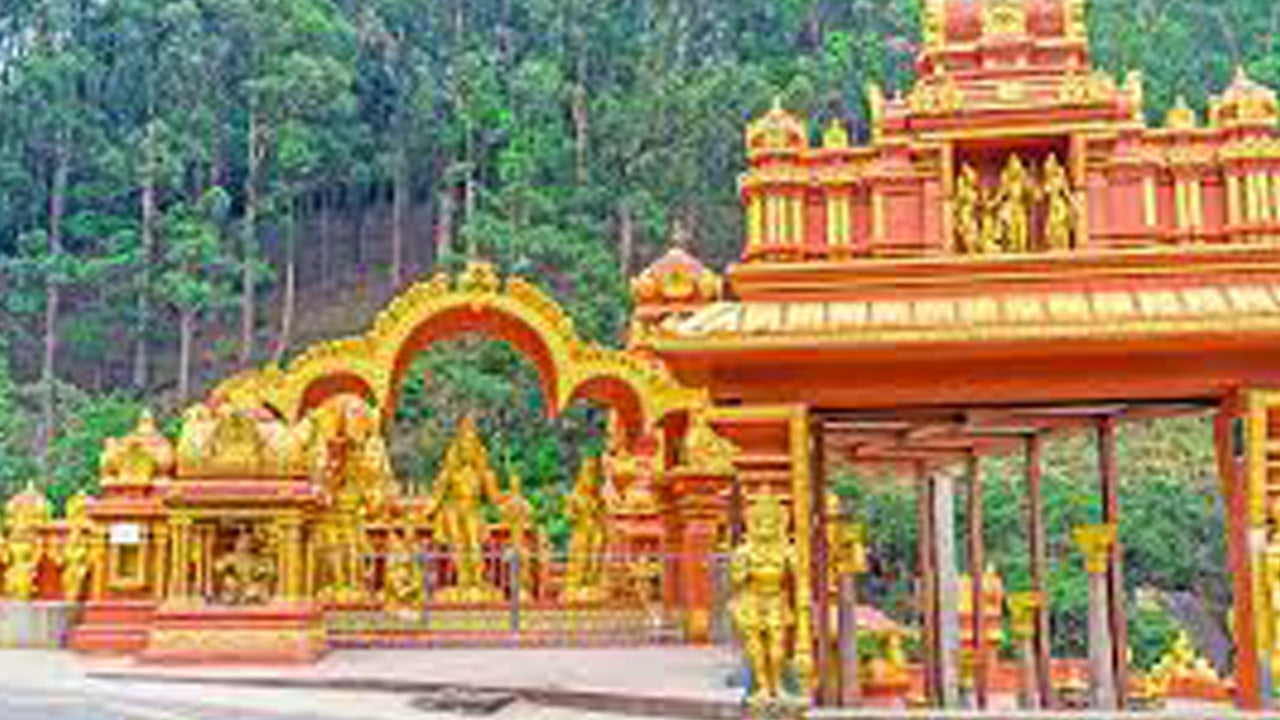 Seetha Amman Temple
Seetha Amman Temple. NUWARA ELIYA, the picturesque Sri Lankan hill station known for its fine quality tea, has seen a growing traffic of visitors to what tourist brochures term “the only Sita temple in the world”.
-
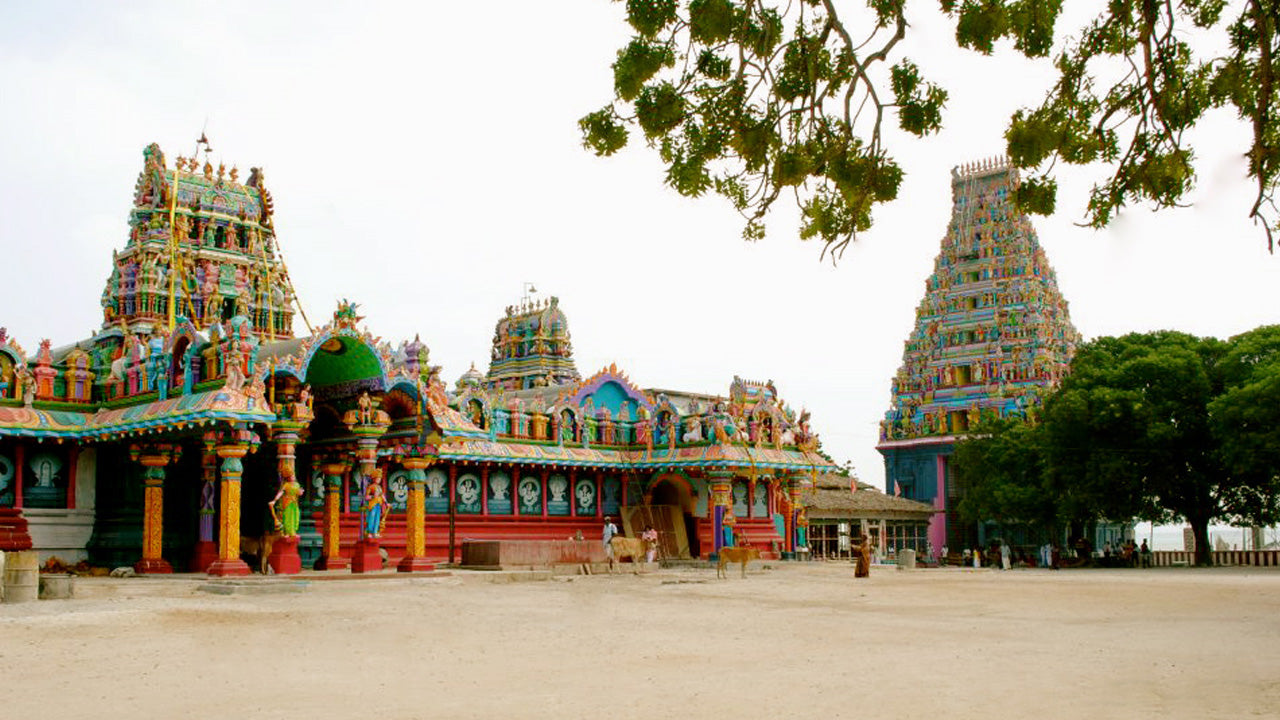 Nainativu Nagapooshani Amman Temple
Nainativu Nagapooshani Amman Temple. Nainativu Nagapooshani Amman Temple is an ancient and historic Hindu temple located amidst the Palk Strait.
-
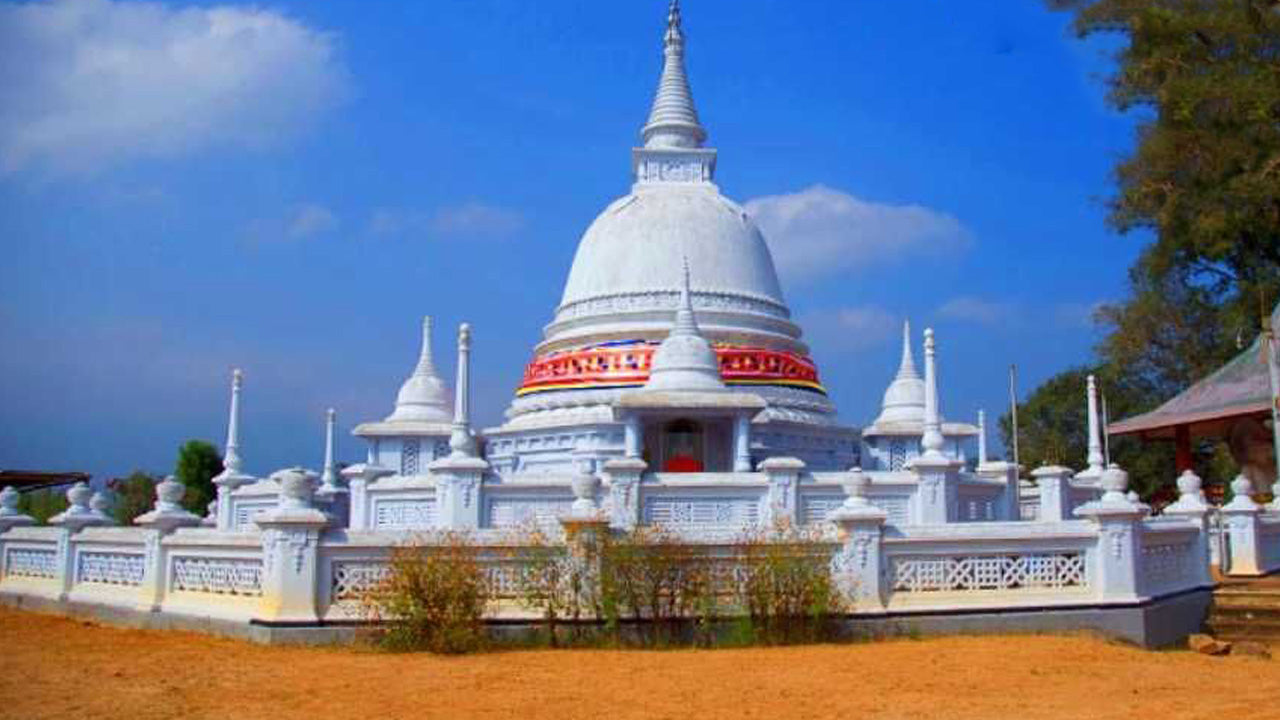 Divurumpola
Divurumpola. This is the place where Seetha Devi underwent “Agni Pariksha” (test). It is a popular place of worship among locals in this area.
-
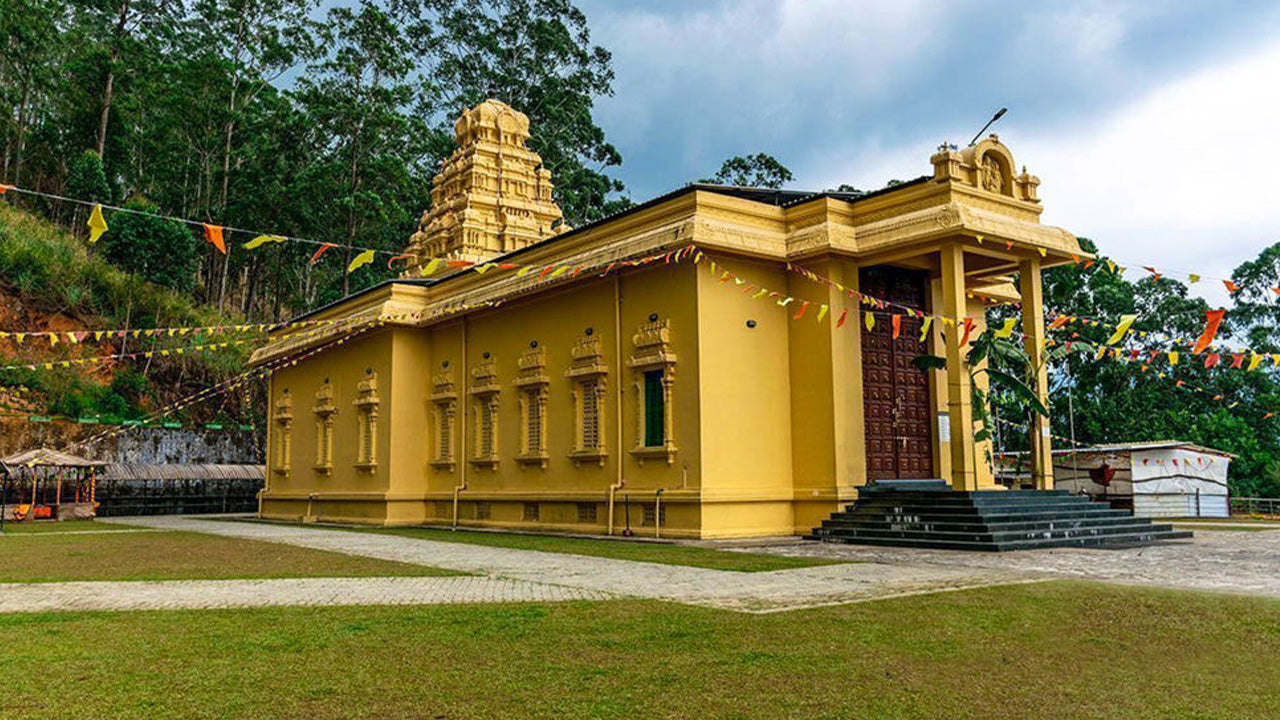 Shri Bhakta Hanuman Temple
Shri Bhakta Hanuman Temple. Shri Bhakta Hanuman Temple is built by Chinmaya Mission of Sri Lanka. Located inRamboda on Kandy-Nuwara Eliya.
-
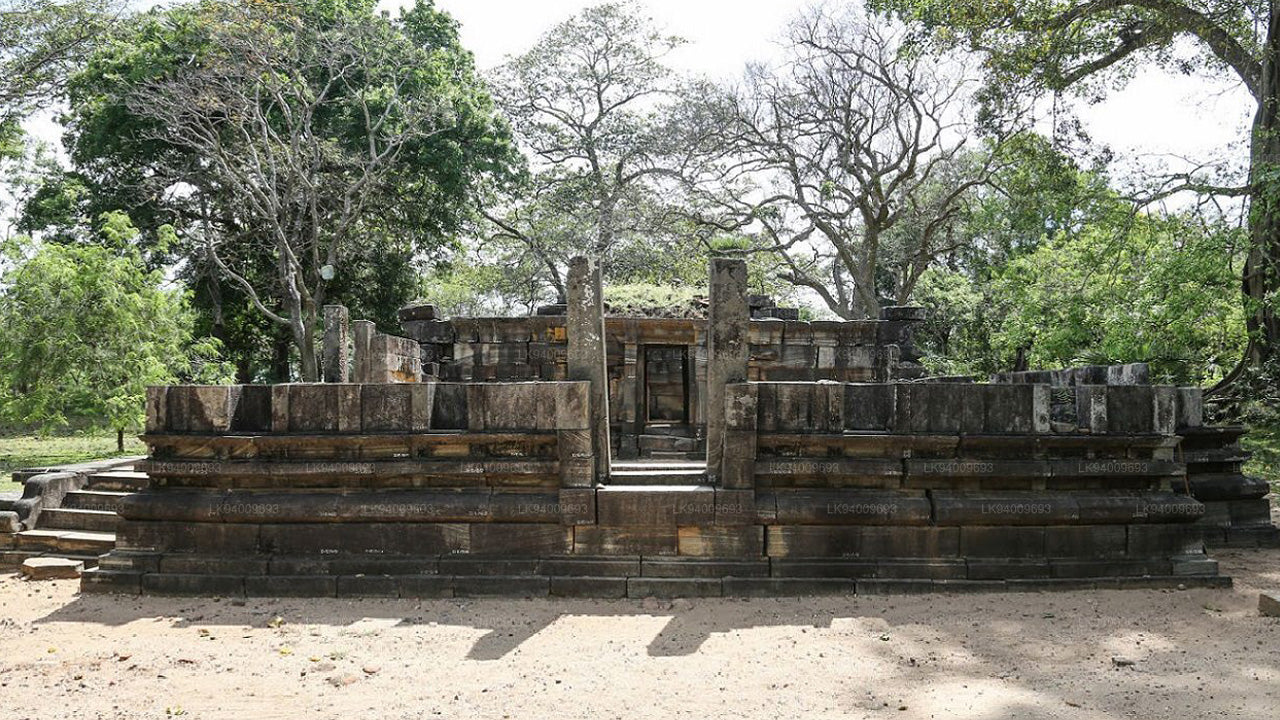 Shiva Devale No 1
Shiva Devale No 1. Just south of the Quadrangle, the 13th-century Hindu temple Shiva Devale No 1 displays the Indian influence that returned after
-
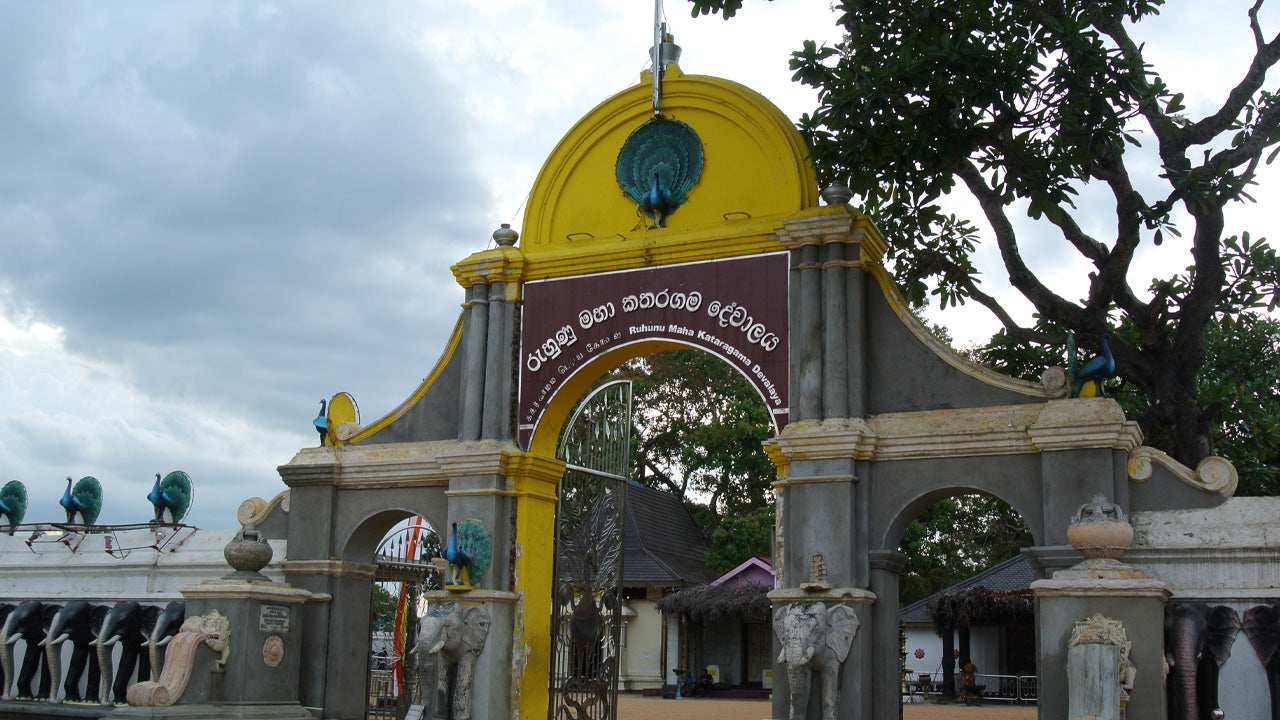 Kataragama Temple
Kataragama Temple. Kataragamam temple in Kataragama, Sri Lanka, is a temple complex dedicated to Buddhist guardian deityKataragama deviyo and Hindu War.