Hambantota Port Cruise Terminal


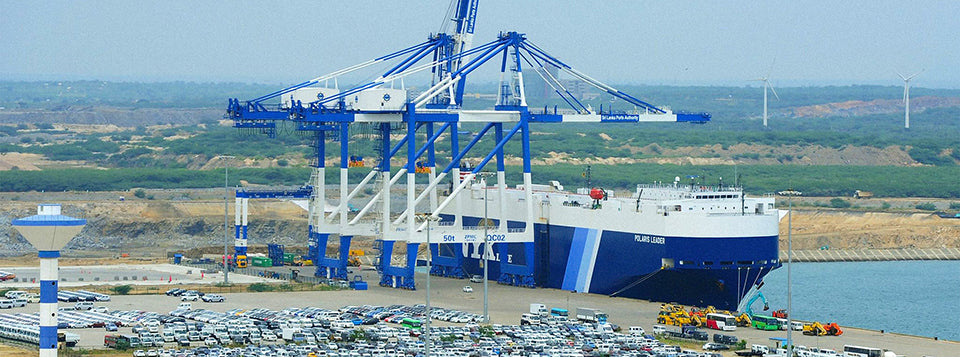
The Hambantota International Port (HIP), located on the southern tip of Sri Lanka, has rapidly evolved into a pivotal maritime gateway for the international cruise industry. Strategically positioned just 10 nautical miles from the primary East-West shipping route, the port offers a deep-water advantage with a depth of 17 meters, allowing it to accommodate the world’s largest luxury liners. While initially recognized for its roll-on/roll-off (RO-RO) and bulk cargo operations, the development of a dedicated cruise terminal has signaled a significant shift toward high-end tourism. This modern facility is designed to handle thousands of passengers efficiently, providing a seamless transition from ship to shore in a region that was historically underserved by large-scale maritime tourism.
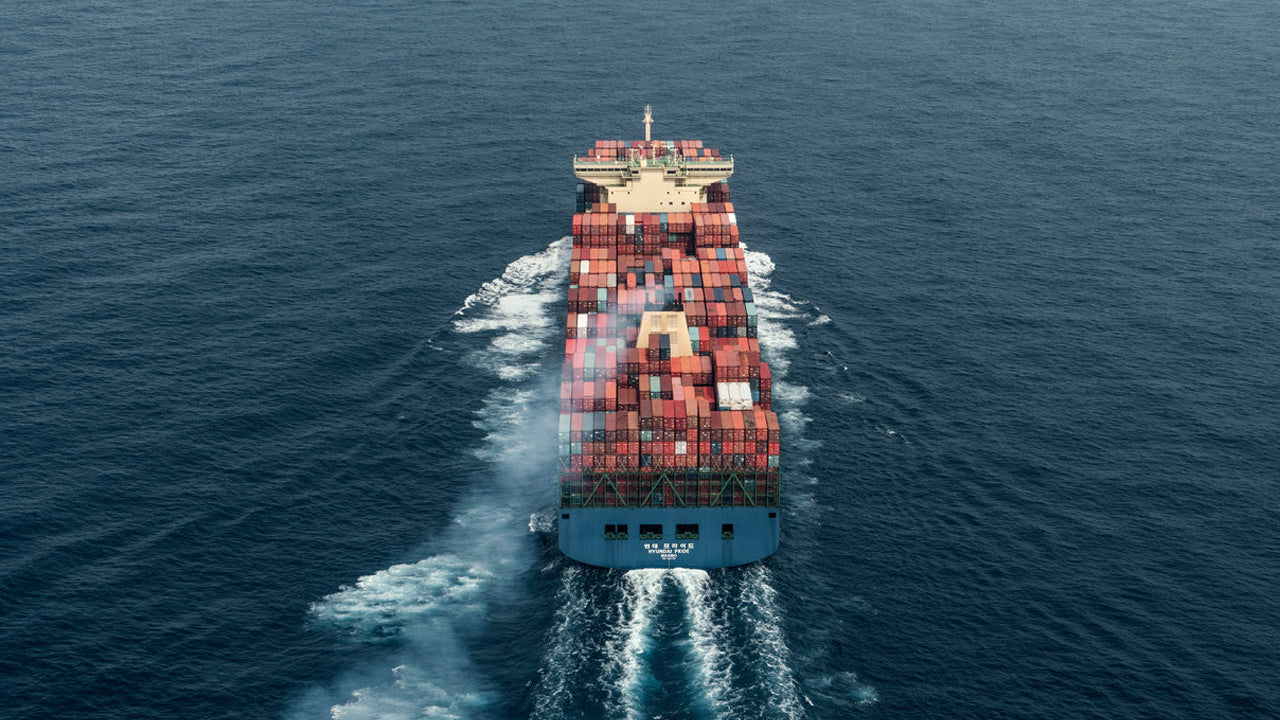
The infrastructure within the cruise terminal focuses on passenger comfort and logistical speed. Upon docking, travelers have access to essential services such as currency exchange, duty-free shopping, and local artisan stalls that showcase traditional Sri Lankan crafts and tea. To ensure a smooth visitor experience, the port operates a dedicated shuttle service that transports passengers from the pier to the main gates, where pre-arranged tours and local transport await. This organization is crucial for managing the influx of visitors from mega-ships like the Celebrity Millennium and AIDAdiva, which have become frequent callers. The terminal serves as a "one-stop-shop" for arrival formalities, blending modern efficiency with the warm hospitality characteristic of the Southern Province.
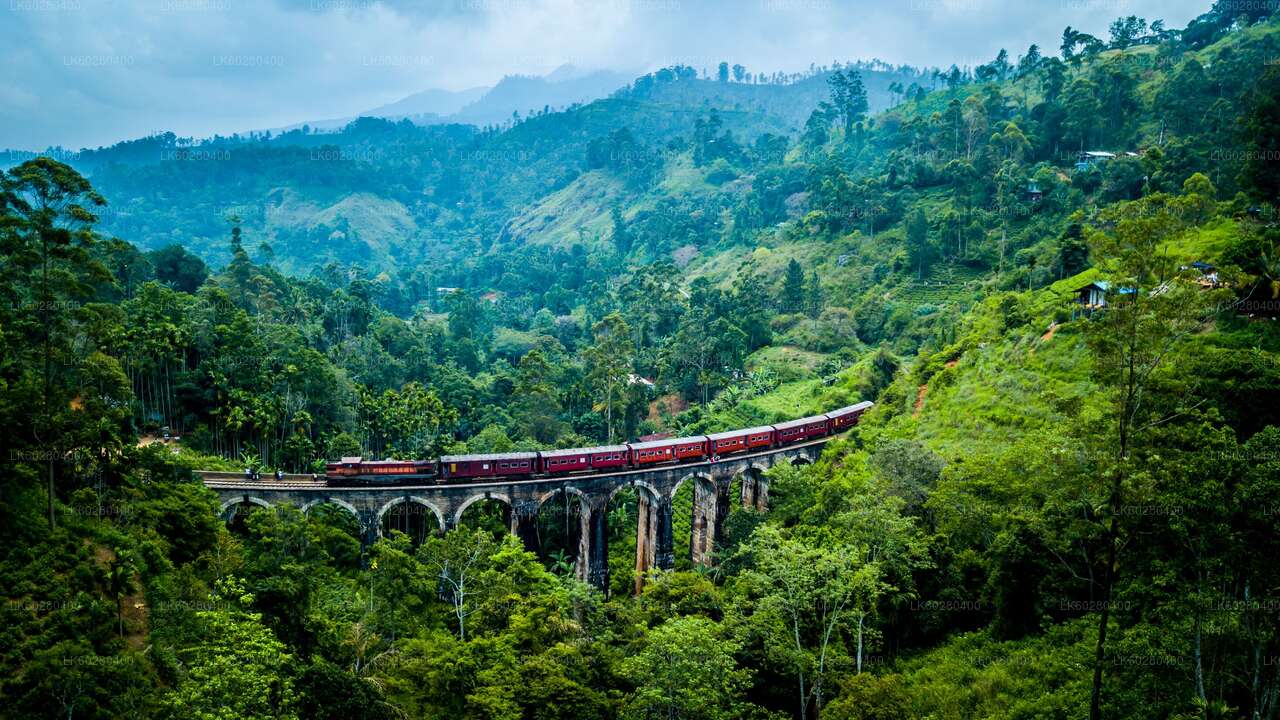
From a tourism perspective, the terminal acts as a launchpad for exploring the "Deep South" of Sri Lanka. Its location is particularly advantageous for wildlife enthusiasts, as it provides the closest maritime access to Yala and Bundala National Parks, renowned for leopards and migratory birds. Additionally, the terminal’s proximity to cultural landmarks like the Kataragama Temple and the historic Martello Tower allows cruise lines to offer diverse shore excursions that differ significantly from the urban-centric tours of Colombo.
As the port continues to integrate into global cruise itineraries, it is revitalizing the local economy by creating demand for guides, drivers, and hospitality services. With a growing schedule of arrivals from European and Indian cruise lines, the Hambantota Port Cruise Terminal is no longer just a technical marvel of engineering; it is a vital engine for the diversification of Sri Lanka’s tourism portfolio, positioning the island as a premier multi-port destination in the Indian Ocean.