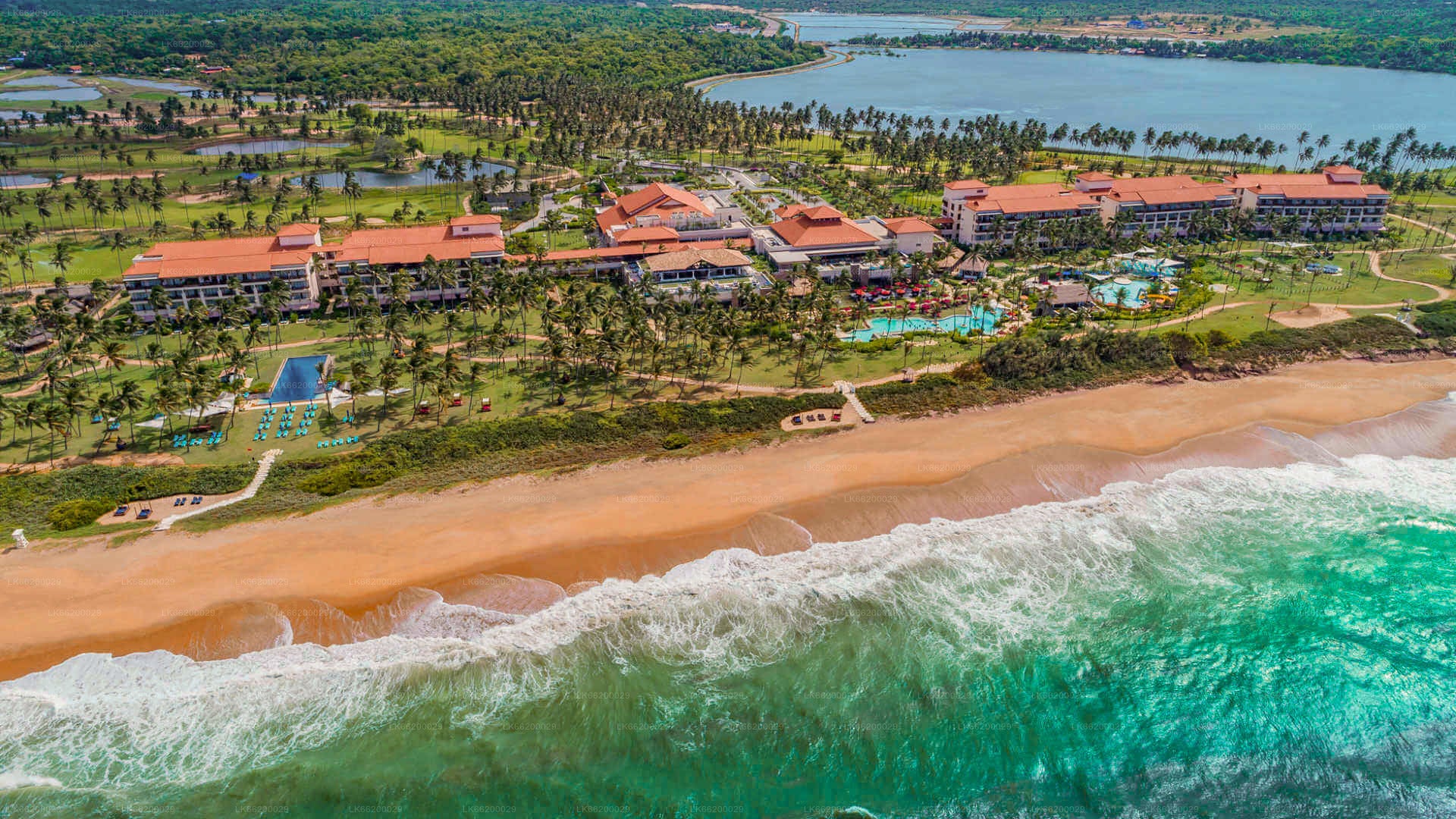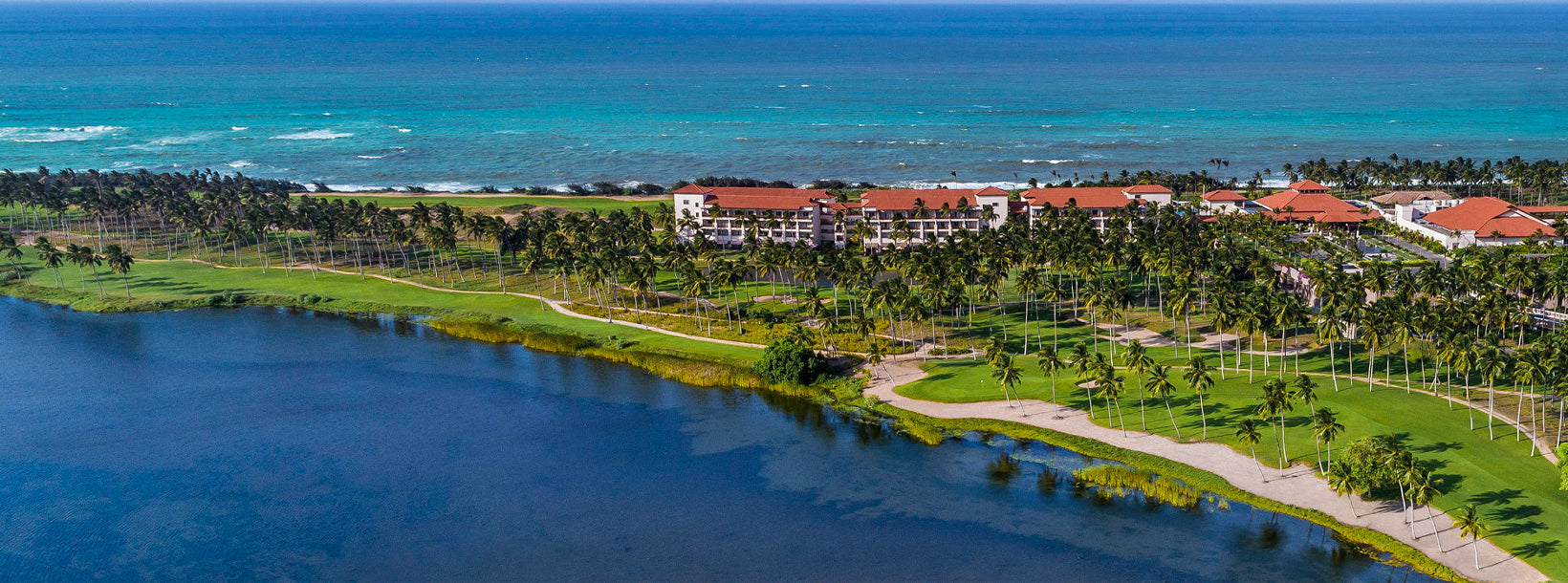
Akasa Chaitya

Akasa Chaitya Akasa Chaitya Akasa Chaitya

The history of Akasa Chaitya dates back to the times of King Dutugemunu and Kavan Tissa. It is said that several ancient temples would have been built during this period. Ancient paddy lands, stone pillars with ancient Brahmi inscriptions, drip-ledge caves inhabited by arhats relate a glorious tale of a bygone era. The British used Yala and other forested areas for game hunting. Yala was declared a National Reserve in March 1900 and game hunting came to a halt. Over the years, Yala has evolved in to a biodiversity hotspot frequented by locals and foreigners for spotting leopards, bear and the elephant.

Akasa Chaitya Akasa Chaitya Akasa Chaitya

?LK9410346C: Akasa Chaitya. Text by Lakpura™. Images by Google, copyright(s) reserved by original authors.?

About Hambantota District

Hambantota is a rural town in south eastern coastal area of Sri Lanka. It is also the capital of the Hambantota District in the Southern Province of Sri Lanka. Approximately 240 kms from Colombo,Hambantota is in the midst of transformation into a strategic port and commercial centre, undergoing extensive infrastructure development. Flanked by sweeping sandy beaches,Hambantota is a convenient location from which to visit nearby sights.

The Bundala National Park lays 20 km east of Hambantota and the Weerawila Sanctuary a little further off. The Ruhuna National Park and theKataragama Temple are other attractions that can be accessed easily from this city.

About Southern Province

The Southern Province of Sri Lanka is a small geographic area consisting of the districts of GalleMatara and Hambantota. Subsistence farming and fishing is the main source of income for the vast majority of the people of this region.

Important landmarks of the Southern Province include the wildlife sanctuaries of the Yala and Udawalawe National Parks, the holy city of Kataragama, and the ancient cities of Tissamaharama, Kirinda and Galle. (Although Galle is an ancient city, almost nothing survives from before the Portuguese invasion.) During the Portuguese period there were two famous Sinhalese poets called Andare who was from Dickwella and Gajaman Nona who was from Denipitiya in Matara District, composing poems on common man.