


Vernonia cinerea, commonly known as little ironweed or ash-coloured fleabane, is a slender annual herb found across tropical and subtropical Asia, including throughout Sri Lanka. Belonging to the Asteraceae family, it is one of the documented medicinal plants in Sri Lanka's Ayurvedic pharmacopoeia, where it has been used for centuries in traditional healing practices. Its small purple flowerheads and soft, greyish-green leaves make it easy to spot along roadsides, fields, and disturbed ground.
What does Vernonia cinerea look like?
The plant typically grows between 30 and 80 centimetres in height, with an erect, branching stem covered in fine hairs that give it a slightly dusty or ash-coloured appearance — the origin of the species epithet cinerea, Latin for ash-grey. Leaves are ovate to lanceolate, toothed at the margins, and alternate along the stem. The flowerheads are small, clustered at branch tips, and bloom in a distinctive lilac-purple hue. After flowering, the plant produces small cylindrical achenes tipped with a white feathery pappus that helps disperse seeds on the wind.
- Family: Asteraceae (daisy family)
- Common names: Little ironweed, ash-coloured fleabane, purple fleabane
- Sinhala name: Monara kudumbiya (මොනර කුඩුම්බිය)

- Habit: Annual or short-lived perennial herb
- Flower colour: Lilac to purple
- Height: Typically 30–80 cm
Where does Vernonia cinerea grow in Sri Lanka?
This species is widespread across the lowland dry and intermediate zones of Sri Lanka, thriving in open, disturbed habitats such as cultivated land margins, roadsides, scrubland, and the edges of paddy fields. It is particularly common in the dry northern and north-central regions, but can be encountered at lower elevations across the island. The plant is hardy and grows readily without cultivation, which historically made it accessible to rural communities as a home remedy. Related medicinal herbs such as Acacia chundra and Pongamia pinnata share similar habitats in Sri Lanka's dry-zone landscapes.
What are the traditional Ayurvedic uses of Vernonia cinerea?
In Sri Lanka's Ayurvedic system, Vernonia cinerea has a long history of use across multiple therapeutic categories. The whole plant — roots, leaves, seeds, and aerial parts — has each been employed for different purposes. Traditional practitioners valued the plant particularly for its bitter, cooling properties.
- Fever management: The plant has been used as an antipyretic in traditional medicine, with decoctions of the aerial parts administered to reduce fevers, including malarial fever.
- Respiratory conditions: Preparations from the seeds and leaves have historically been used for coughs and asthma. The seeds, in particular, are considered to have bronchodilatory properties in traditional formulations.
- Skin conditions: Leaf paste or decoctions have been applied topically to manage skin inflammations, itching, and minor wounds.
- Digestive health: The bitter principle in the plant is thought to stimulate appetite and support digestive function, and decoctions have been used for intestinal complaints.
- Urinary tract support: Traditional texts reference use of root preparations for urinary conditions.
In the classical Ayurvedic literature, Vernonia cinerea is sometimes identified with the Sanskrit term Sahadevi, though this attribution varies across texts and regional traditions. It features in compound Ayurvedic preparations alongside other herbs used in Sri Lanka's traditional medicine system.
What does modern research say about Vernonia cinerea?
Scientific interest in Vernonia cinerea has grown in recent decades, with researchers investigating the phytochemical constituents behind its traditional applications. Studies have identified a range of bioactive compounds in the plant, including lupeol, stigmasterol, chlorogenic acid, and various flavonoids and alkaloids. Laboratory research has reported antioxidant, anti-inflammatory, antimicrobial, and antipyretic activities in plant extracts, lending some scientific support to its traditional uses. Research into its potential antiasthmatic properties — specifically around the seeds — has been of particular interest. However, it is important to note that most studies remain at the laboratory or early clinical stage; Vernonia cinerea should not be self-administered for serious medical conditions, and any use should be guided by a qualified Ayurvedic practitioner.
How is Vernonia cinerea used in Sri Lankan Ayurvedic practice today?
Sri Lanka has a living Ayurvedic tradition administered through government-recognised institutions and registered practitioners. Vernonia cinerea remains part of the official catalog of medicinal plants recognised by Sri Lankan Ayurvedic authorities and continues to be incorporated in both classical formulations and practitioner-compounded preparations. The plant is sometimes used in combination with other herbs in compound decoctions (kashayas) or powders (churnas). Ayurvedic compound medicines such as Kaishore Guggulu and Yogaraja Guggulu represent the broader tradition of multi-herb Ayurvedic formulations within which plants like Vernonia cinerea play a supporting role. Home gardeners in rural Sri Lanka occasionally cultivate or consciously preserve the plant in kitchen gardens alongside other medicinal herbs.
Is Vernonia cinerea related to other plants in the Sri Lankan herbal tradition?
Sri Lanka's Ayurvedic pharmacopoeia documents hundreds of native and naturalised plant species, and Vernonia cinerea sits within a rich ecosystem of medicinal plants that have been catalogued and studied for generations. The daisy family (Asteraceae) to which it belongs includes several other plants used in traditional medicine across Asia. Within the broader context of Sri Lankan herbal medicine, Vernonia cinerea is sometimes used alongside plants from unrelated families — such as the well-known Syzygium aromaticum (clove) — in compound remedies targeting fever, pain, or inflammation. The diversity of Sri Lanka's flora, shaped by the island's varied climatic zones from coastal lowlands to montane forests, has given rise to one of the region's most extensive traditions of plant-based medicine.
How can visitors learn about Sri Lankan Ayurvedic plants?
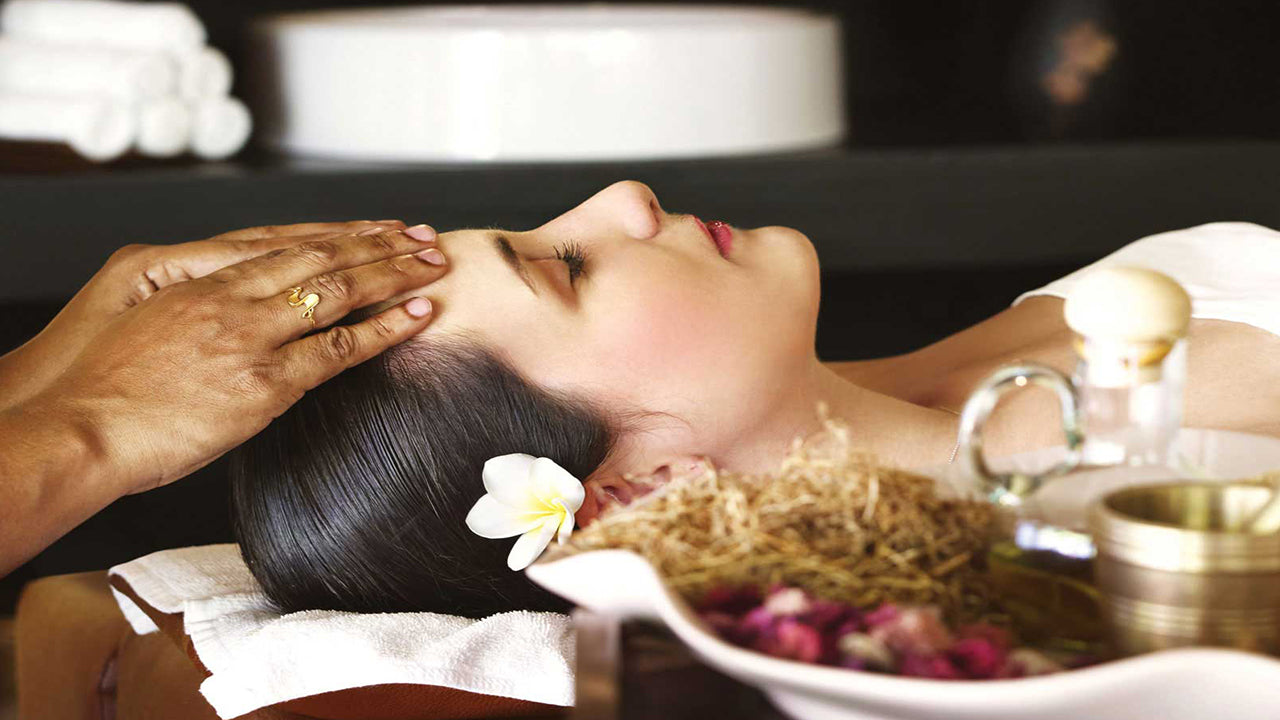
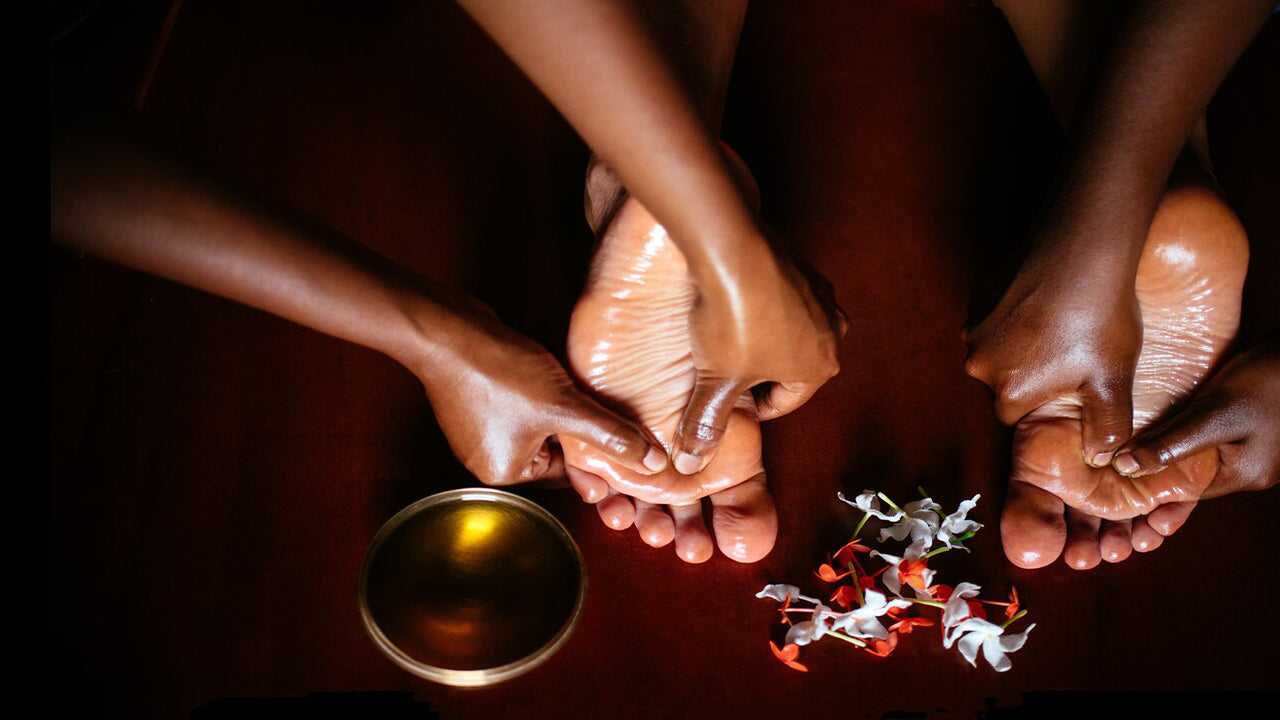
Travellers with an interest in traditional medicine and ethnobotany will find Sri Lanka a rewarding destination. Ayurvedic hospitals and wellness resorts across the island offer consultations and treatments using preparations that draw on plants like Vernonia cinerea. Herb gardens attached to Ayurvedic centres, particularly in the Kandy region and the hill country, sometimes allow guided tours where visitors can identify medicinal plants in context. Village tours in rural areas offer informal encounters with traditional knowledge holders who continue to use wild-gathered plants in everyday healthcare. For those exploring the island more broadly, guided nature walks in forest reserves and protected areas are an excellent way to observe Sri Lanka's medicinal flora in its natural setting.