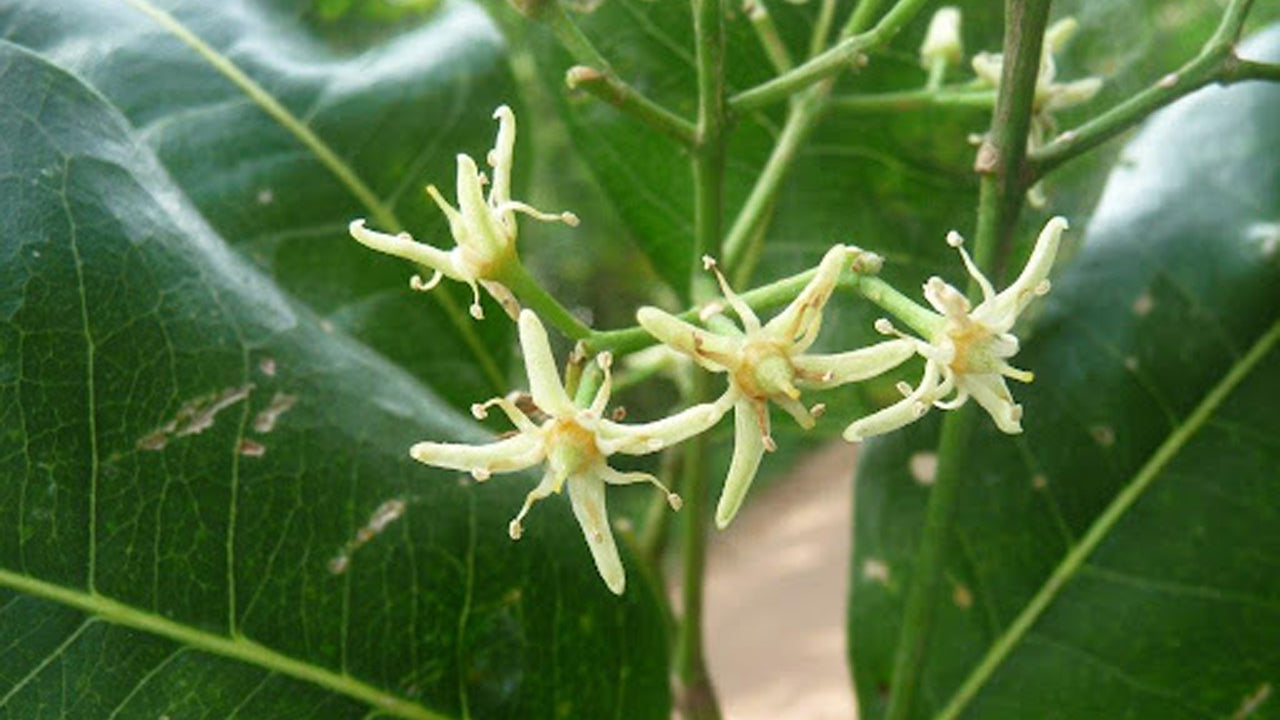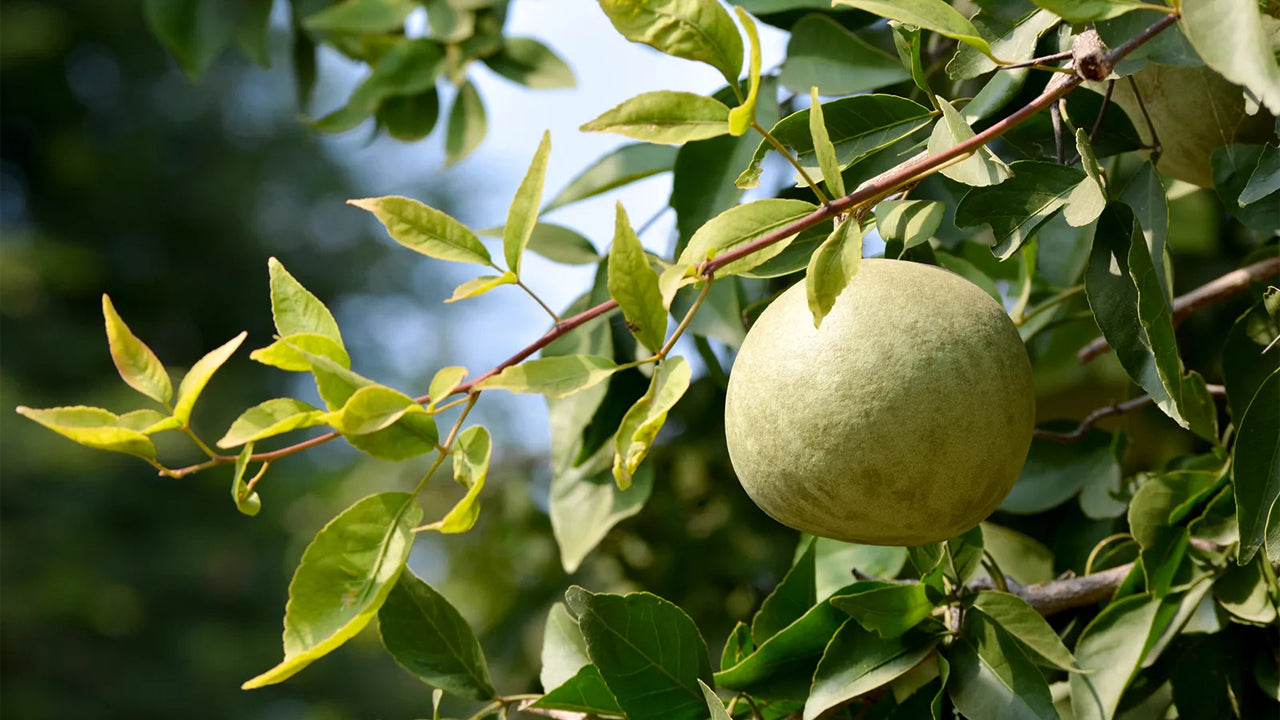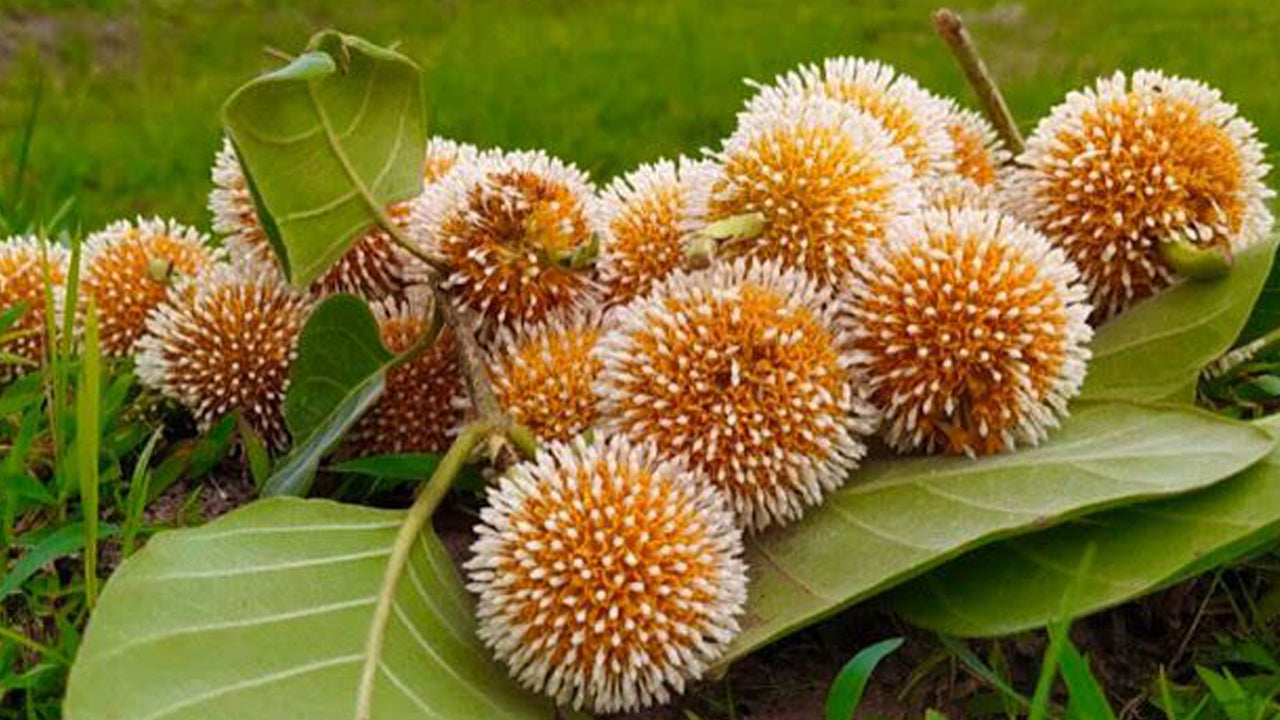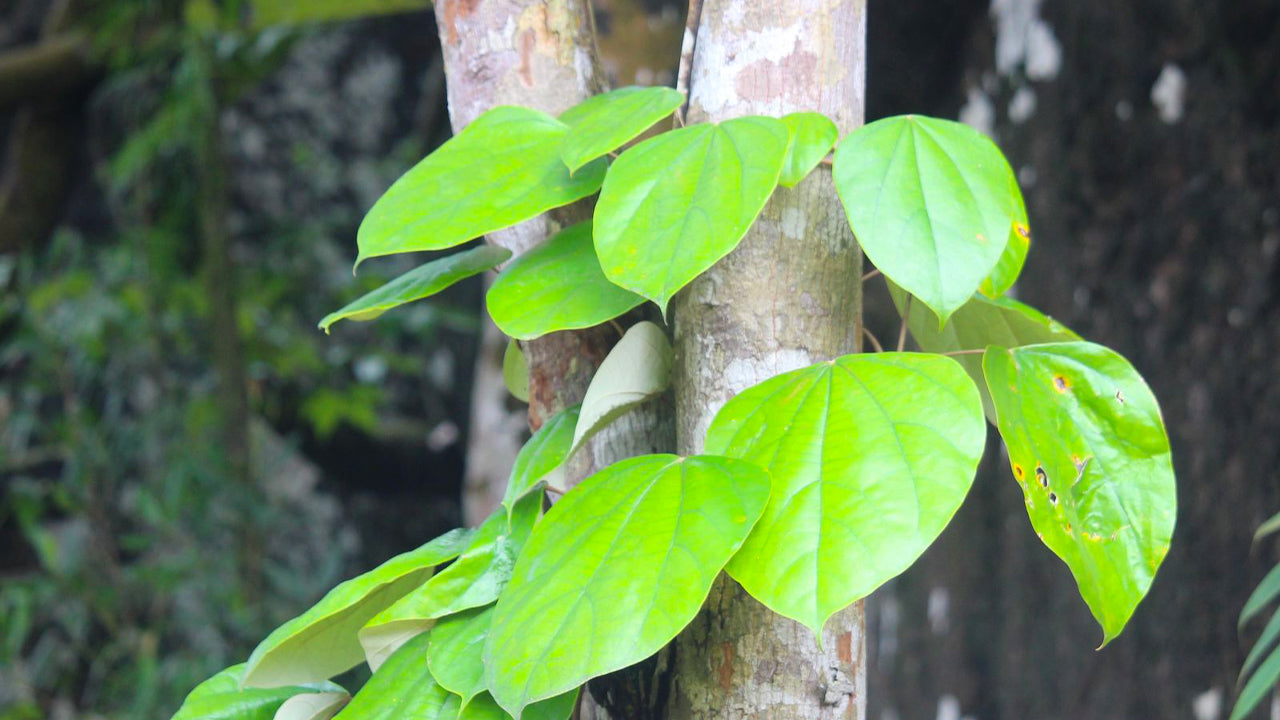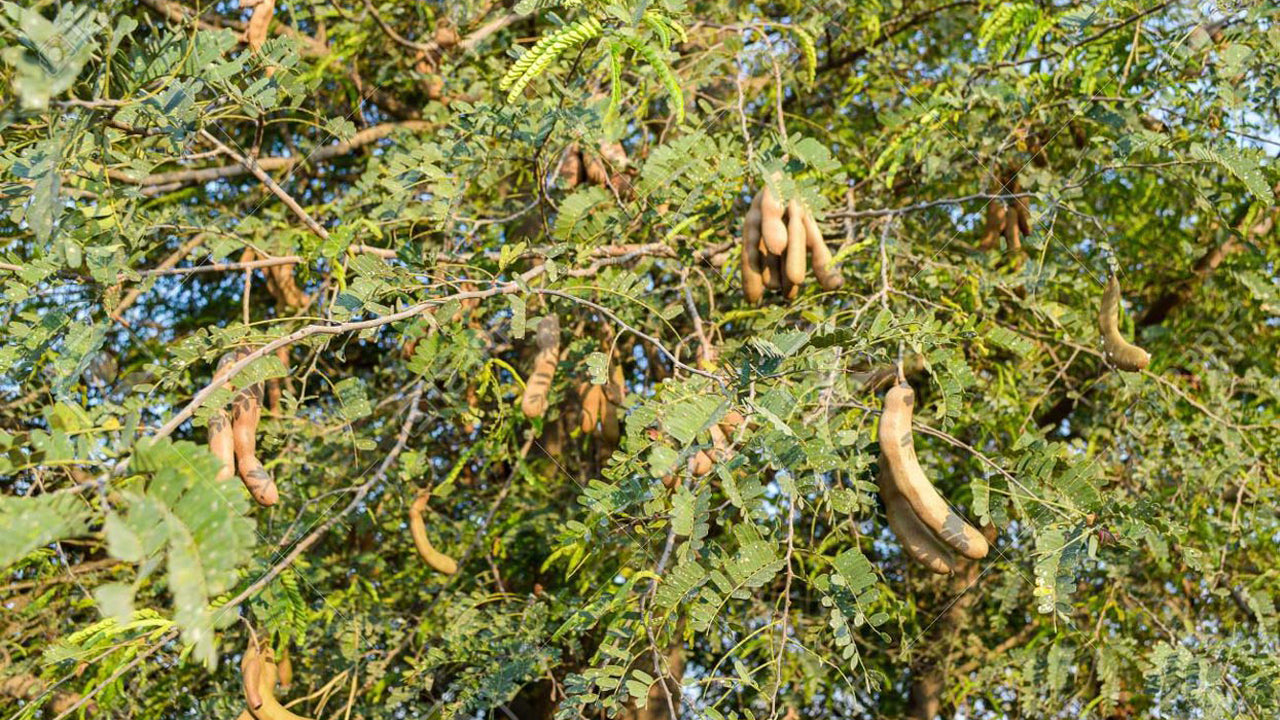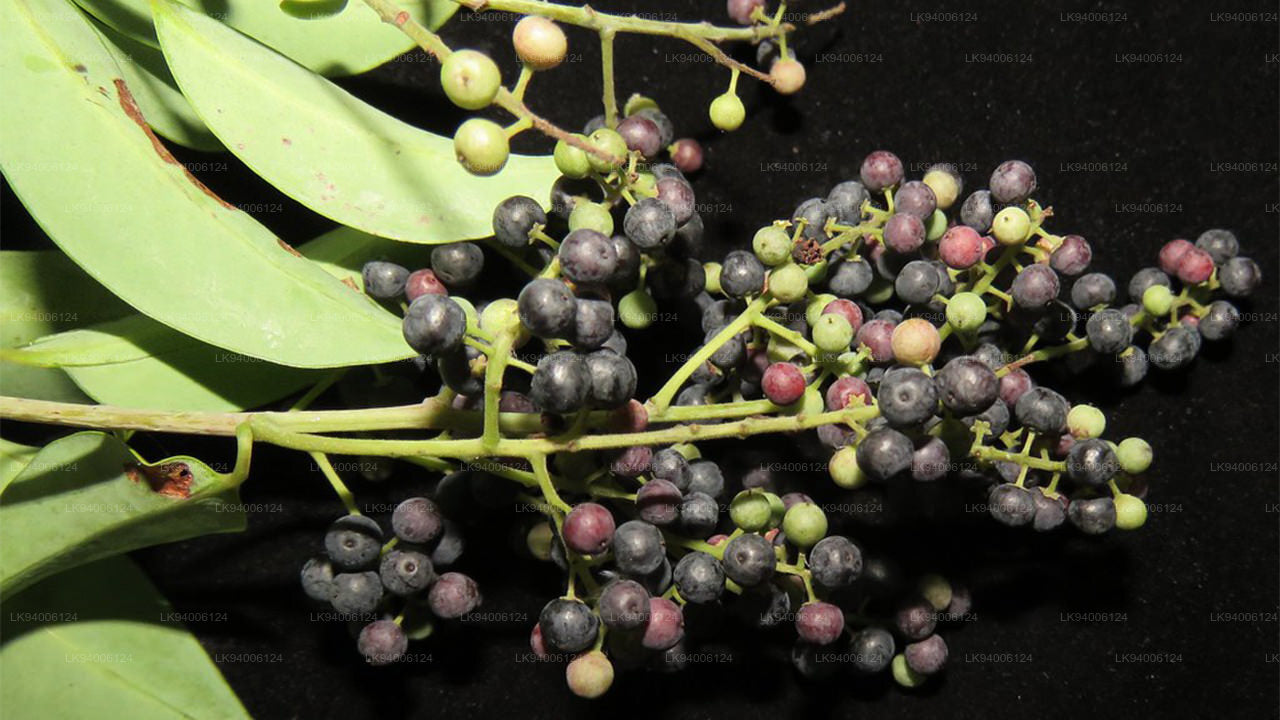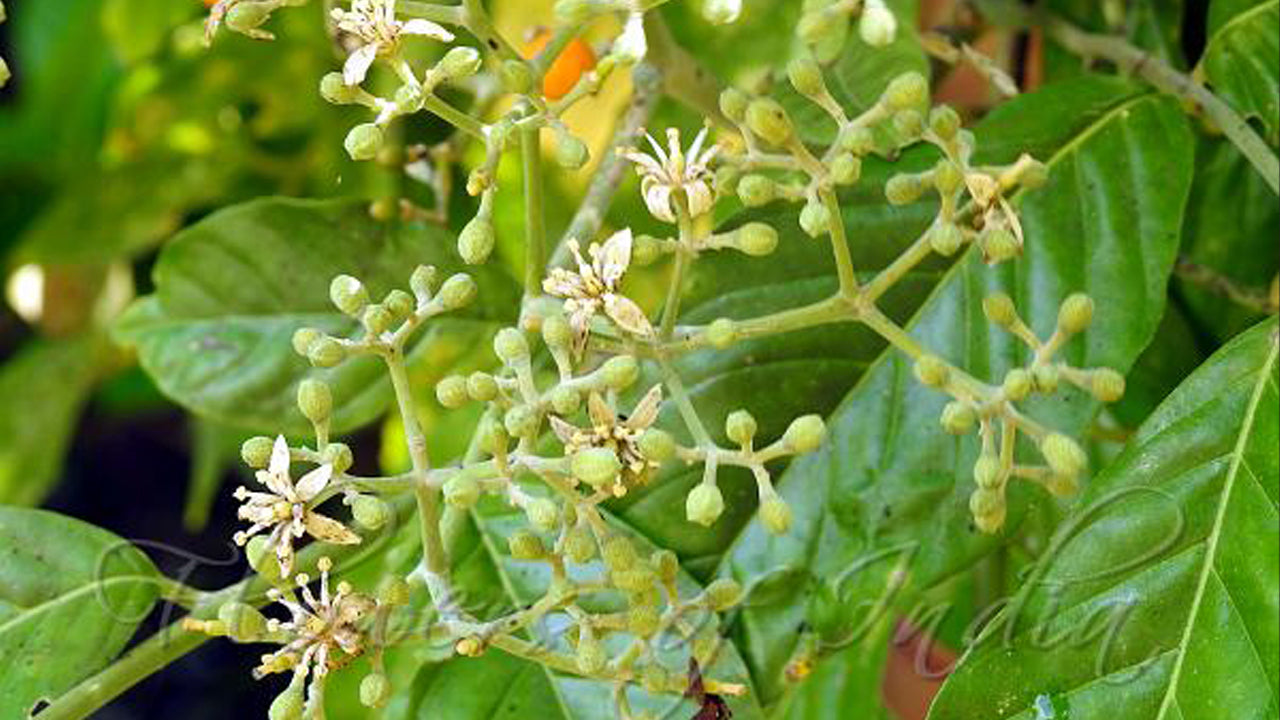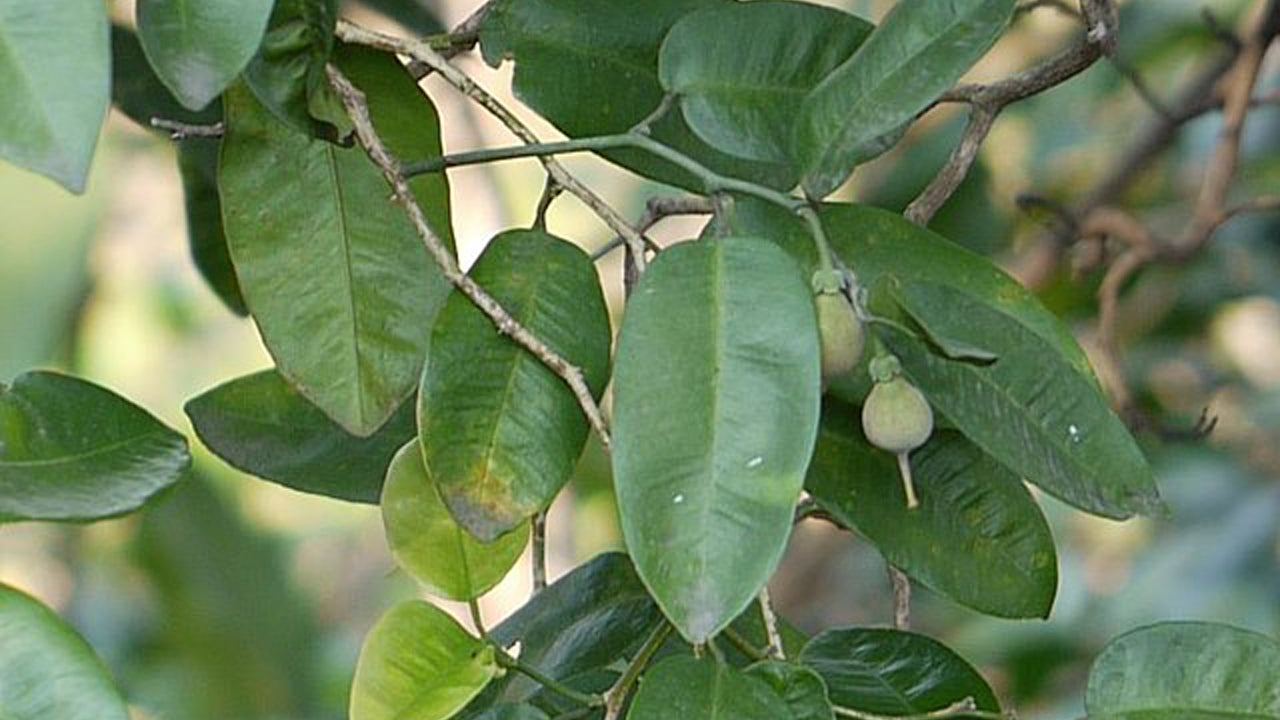
Tribulus terrestris, called Nerenchi or Sembu Nerenchi in Sinhala, is a low-growing annual vine with deep roots in Ayurvedic and traditional medicine across South Asia, the Middle East, and parts of Africa. In Sri Lanka, it thrives in dry, sun-baked lowlands and has been used for centuries as a multi-purpose medicinal plant. Its Sanskrit name, gokshura, translates loosely to "cow's hoof" — a reference to the sharp, hoof-piercing spines on its fruit.
What does Tribulus terrestris look like?
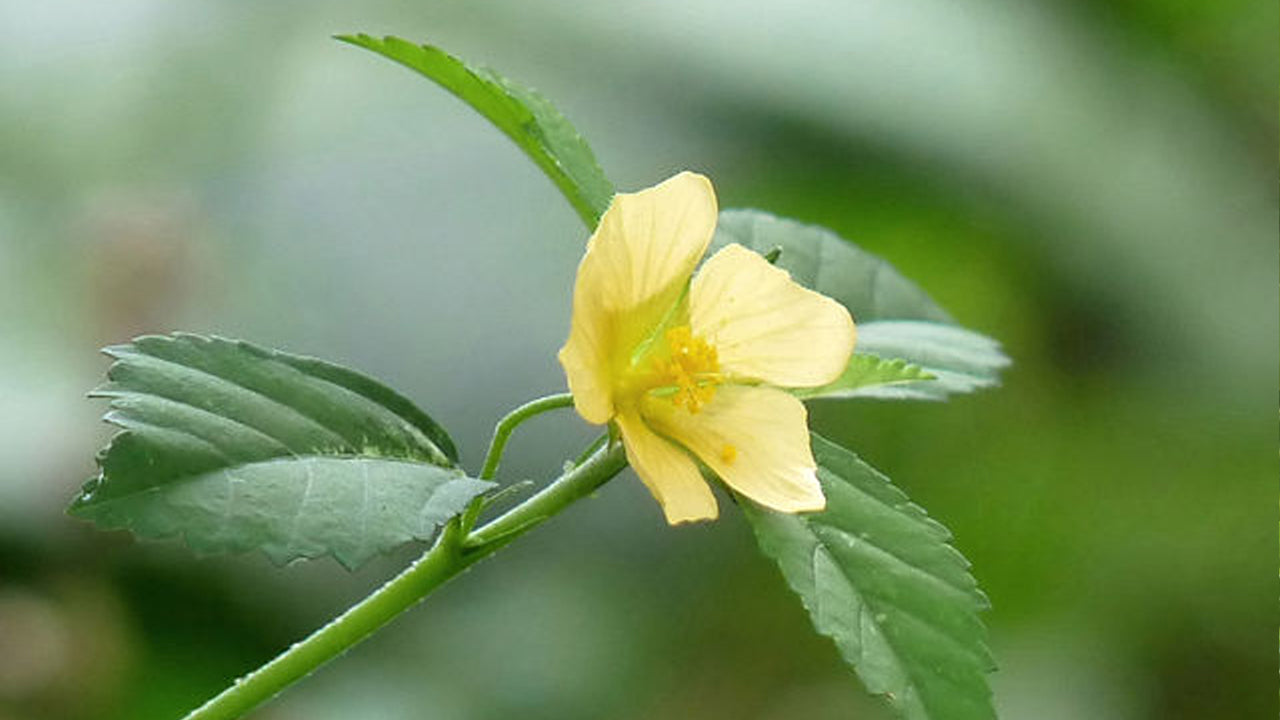
The plant spreads along the ground in a prostrate pattern, with stems radiating outward rather than climbing. Mature plants typically reach around 60 cm in spread. The leaves are pinnately compound, with small paired leaflets measuring roughly 5–6 mm in length and covered in fine hairs. Five-petalled flowers appear in a clear, bright yellow and bloom close to the soil surface. The fruit is the plant's most distinctive feature: a hard, woody capsule divided into segments, each armed with two or more rigid spines capable of puncturing footwear and animal hooves alike. Tribulus terrestris belongs to the family Zygophyllaceae, a group of flowering plants common in arid and semi-arid habitats.
Where does Tribulus terrestris grow in Sri Lanka?
The plant is adapted to hot, dry climates and is found throughout the dry and intermediate zones of Sri Lanka, particularly in disturbed ground, roadsides, sandy soils, and open scrubland. It is especially common in the North Central and Northern provinces. The species is not restricted to Sri Lanka — it is widely distributed across tropical and subtropical regions on multiple continents, including India, the Mediterranean basin, and sub-Saharan Africa.
What are the traditional medicinal uses of Nerenchi?
In Sri Lankan and Indian Ayurvedic traditions, virtually every part of the Tribulus terrestris plant — root, leaves, stems, fruit, and seeds — is considered therapeutically useful. Traditional Ayurvedic texts describe its action as diuretic, tonic, anti-inflammatory, and analgesic.
- Urinary health: Seeds and fruit are commonly prepared as decoctions to support healthy urinary flow, address urinary stones, and ease symptoms of incontinence and bladder inflammation.
- Kidney support: The plant has long been used as a supportive remedy for kidney disease and to help reduce excess phosphate excretion through urine.
- Reproductive and hormonal health: Gokshura is traditionally recommended for conditions affecting male and female reproductive health, including impotence and certain uterine disorders.
- Blood and circulation: Leaves and seeds appear in traditional formulas for anemia and postpartum hemorrhage, and the plant is thought to support healthy circulation.
- Digestive conditions: Practitioners have historically applied preparations of the plant to hemorrhoids, worm infestations, and diarrhea.
- Respiratory complaints: Decoctions are noted in traditional texts as supportive remedies for asthma and chronic cough.
- Anti-inflammatory applications: The plant's anti-inflammatory properties make it a component of Ayurvedic formulas targeting rheumatism and general pain.
The seeds in particular are regarded as beneficial for promoting lactation, reducing eye strain, and stabilising mood fluctuations. Traditional practitioners in Sri Lanka use the whole plant across these applications, often in combination with other Ayurvedic herbs. Closely related herbal preparations such as Kaishore Guggulu also incorporate anti-inflammatory plant compounds in similar therapeutic contexts.
What does modern research say about Tribulus terrestris?
Scientific interest in Tribulus terrestris has grown considerably over recent decades, particularly in the areas of urinary health, hormonal support, and athletic performance. Steroidal saponins — primarily protodioscin — are considered the plant's key bioactive compounds and are thought to underlie many of its observed effects. Research into its diuretic and anti-urolithic (anti-stone) properties broadly supports its traditional Ayurvedic use. Studies on its androgenic effects (relevant to its reputation as a testosterone-supporting herb) have produced mixed results, and clinical evidence in this area remains inconclusive. As with all herbal supplements, dosage, preparation method, and individual health context matter significantly. Consult a qualified healthcare provider before using Tribulus terrestris for any medical purpose.
How is Tribulus terrestris used in herbal preparations?
Traditional Sri Lankan and Indian Ayurvedic medicine uses the plant in several forms:
- Decoctions (kashaya): Dried fruit or root is boiled in water and taken as a tonic drink, typically for urinary or kidney complaints.
- Churna (powder): Ground dried plant material is mixed with honey or warm water and consumed orally.
- Standardised extracts: Modern herbal supplement manufacturers produce capsules and tablets standardised to a specific percentage of saponins, making dosage more consistent than traditional preparations.
- Seed preparations: Seeds are occasionally used alone, soaked or lightly processed, for applications targeting reproductive health and lactation support.
Is Tribulus terrestris the same as Gokshura?
Yes. Gokshura is the Sanskrit name for the same plant, Tribulus terrestris. The name is used interchangeably in Ayurvedic texts and on supplement labels throughout South Asia. In Sinhala it is known as Nerenchi or Heen Nerenchi, and in Tamil it is referred to as Nerunjil. All names refer to the same species within the Zygophyllaceae family. The etymology of gokshura — combining go (cow) and kshura (hoof or razor) — reflects the plant's notoriously sharp fruit spines, which can injure livestock grazing in areas where the plant grows densely.

Are there any precautions when using Tribulus terrestris?
Tribulus terrestris is generally well tolerated at typical supplement doses, but it is not without considerations. Pregnant women are advised to avoid it, as some traditional texts associate it with uterine stimulation. People with hormone-sensitive conditions should seek medical advice before use. High doses have been associated with gastrointestinal discomfort in some individuals. Because standardised extracts vary significantly between manufacturers, choosing a reputable, tested product is important. The plant itself is not listed as threatened or protected in Sri Lanka and is not commercially harvested from natural reserves — it is widely cultivated and collected from common land.