Nallur

Nallur Nallur Nallur

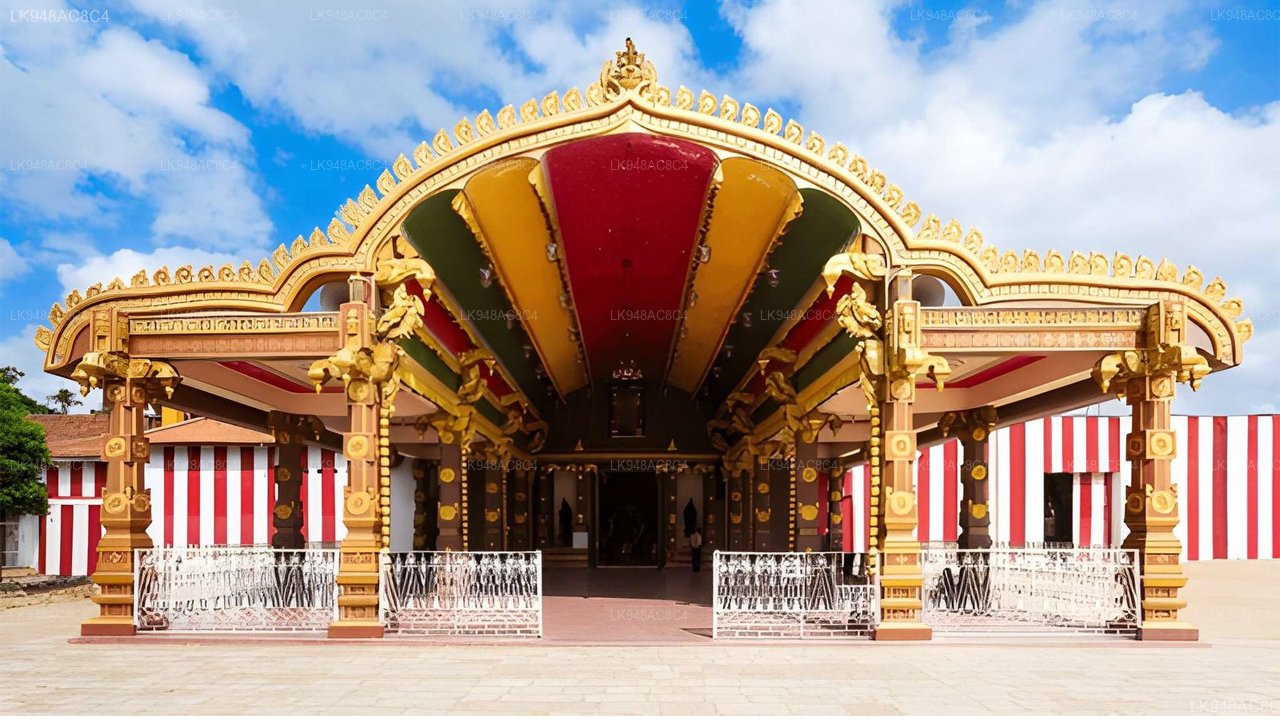
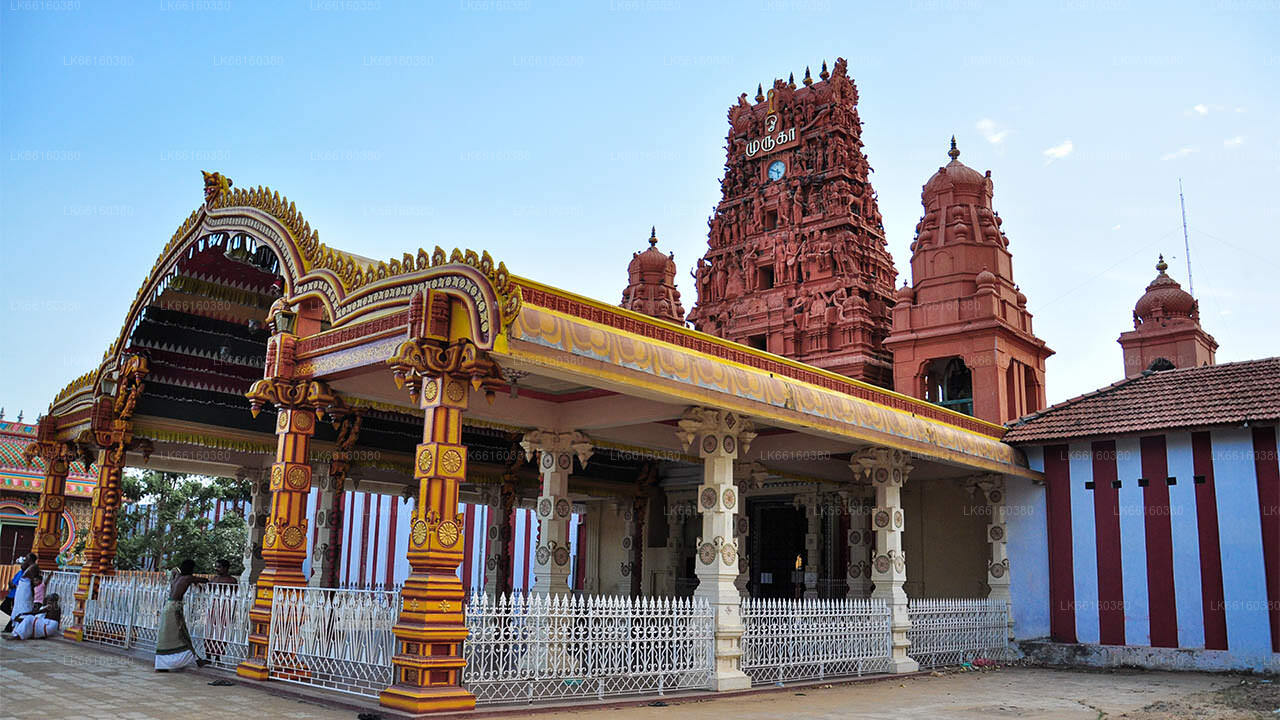
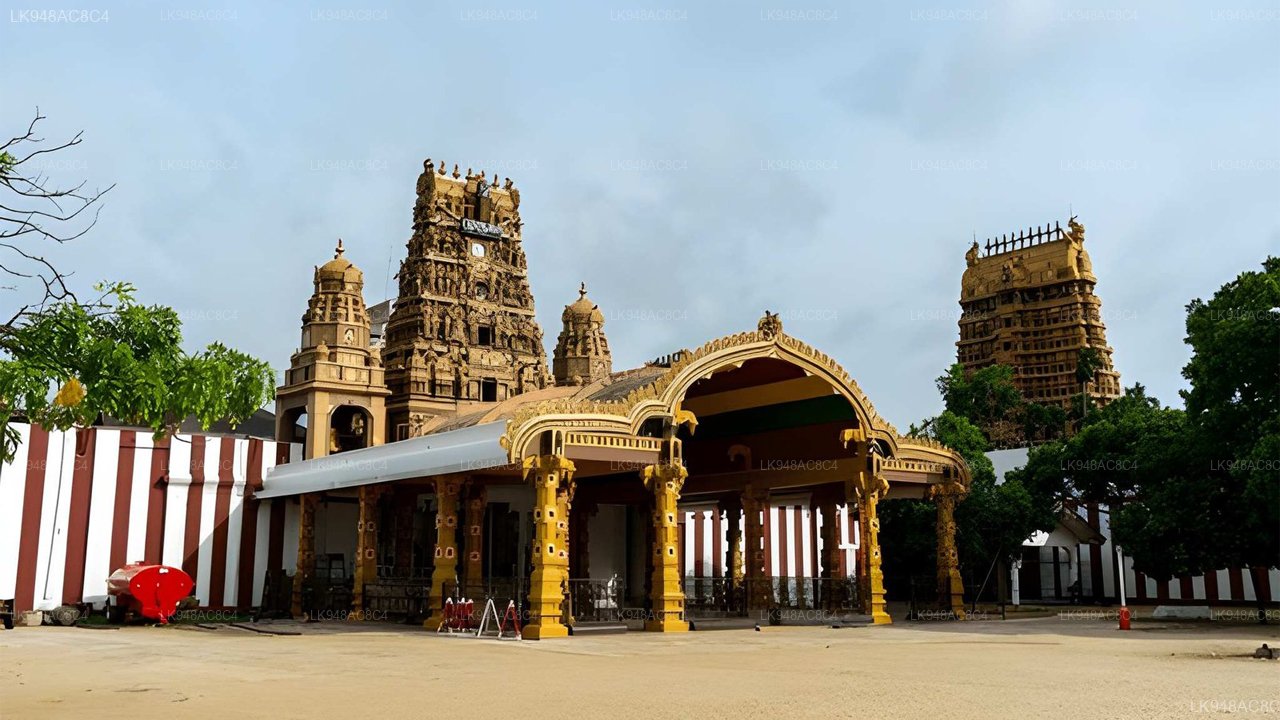
Nallur is een historisch en cultureel belangrijk stadje in het noorden van Sri Lanka, nabij Jaffna. Bekend om zijn diepgewortelde tradities en religieuze betekenis, is Nallur al lange tijd een centrum van Tamil erfgoed en spiritueel leven. De stad staat vooral bekend om haar iconische tempel en levendige culturele sfeer die het hele jaar door gelovigen en bezoekers aantrekt.

Het gebied wordt gekenmerkt door rijke culturele kenmerken, traditionele architectuur en een sterke gemeenschapsidentiteit. Nallur herbergt heilige plaatsen, ceremoniële ruimtes en goed bewaarde omgevingen die eeuwen van religieuze toewijding weerspiegelen. Tijdens festivalperiodes is de omgeving bijzonder levendig, met kleurrijke decoraties, rituelen en muziek die de culturele diepgang van de stad benadrukken.

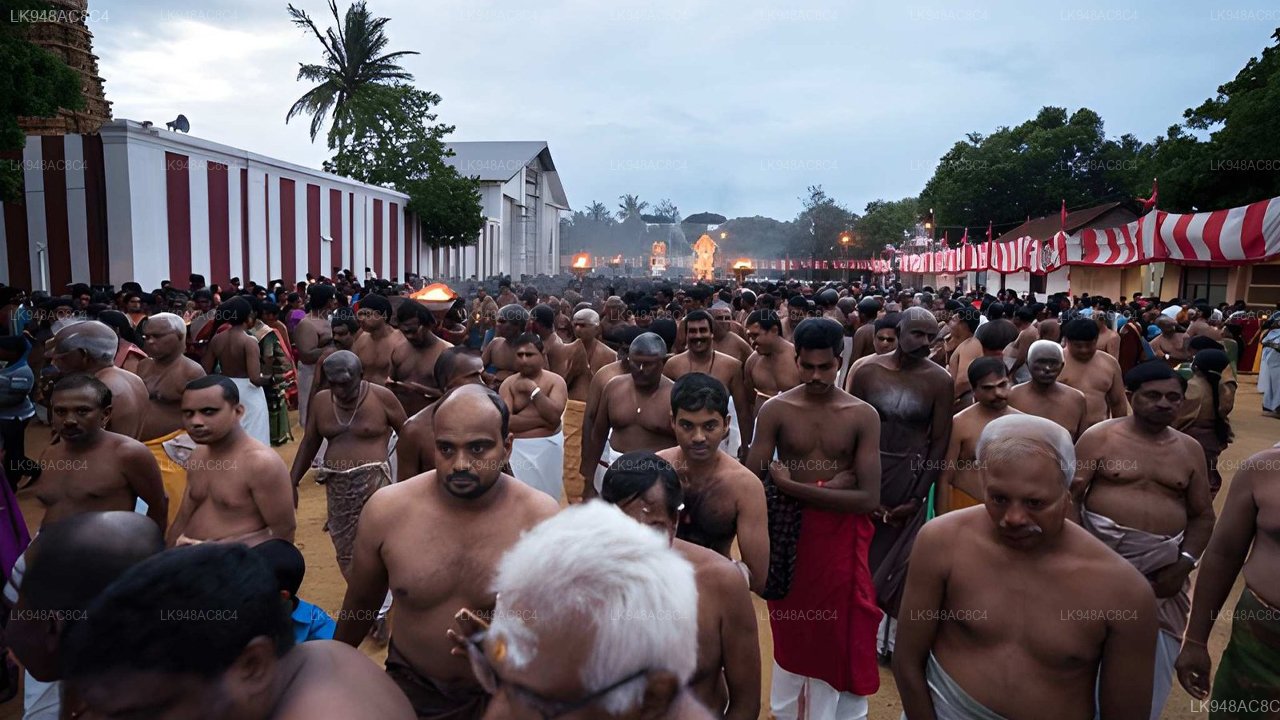
Nallur biedt bezoekers een unieke culturele ervaring, vooral tijdens het beroemde jaarlijkse festival, waar processies, traditionele kleding en devotionele praktijken een boeiende sfeer creëren. Pelgrims en toeristen komen samen om rituelen te aanschouwen, deel te nemen aan gebeden en het erfgoed van de regio te verkennen. De stad biedt een meeslepende ervaring in de spirituele en culturele tradities van het noorden van Sri Lanka.

De beste tijd om Nallur te bezoeken is tijdens het festivalseizoen, dat meestal plaatsvindt tussen juli en augustus, wanneer de stad het meest levendig is. Gemakkelijk bereikbaar vanuit Jaffna, blijft Nallur een belangrijke bestemming voor wie geïnteresseerd is in cultuur, geschiedenis en religieuze tradities, en biedt het een waardevol inzicht in het diverse erfgoed van Sri Lanka.
Nallur Nallur Nallur

About Jaffna District

Jaffna is the capital city of the Northern Province, Sri Lanka. 85% of the populations of the Jaffna and Kilinochchi districts are Hindus. The Hindus follow the Saivite tradition. The remainders are largely Roman Catholics or Protestants, some of whom are descendants of colonial settlers, known as Burghers. The Tamils are divided along caste lines, with the farmer-caste Vellalar forming the majority. Sea products, red onion, and tobacco are the main products in Jaffna.

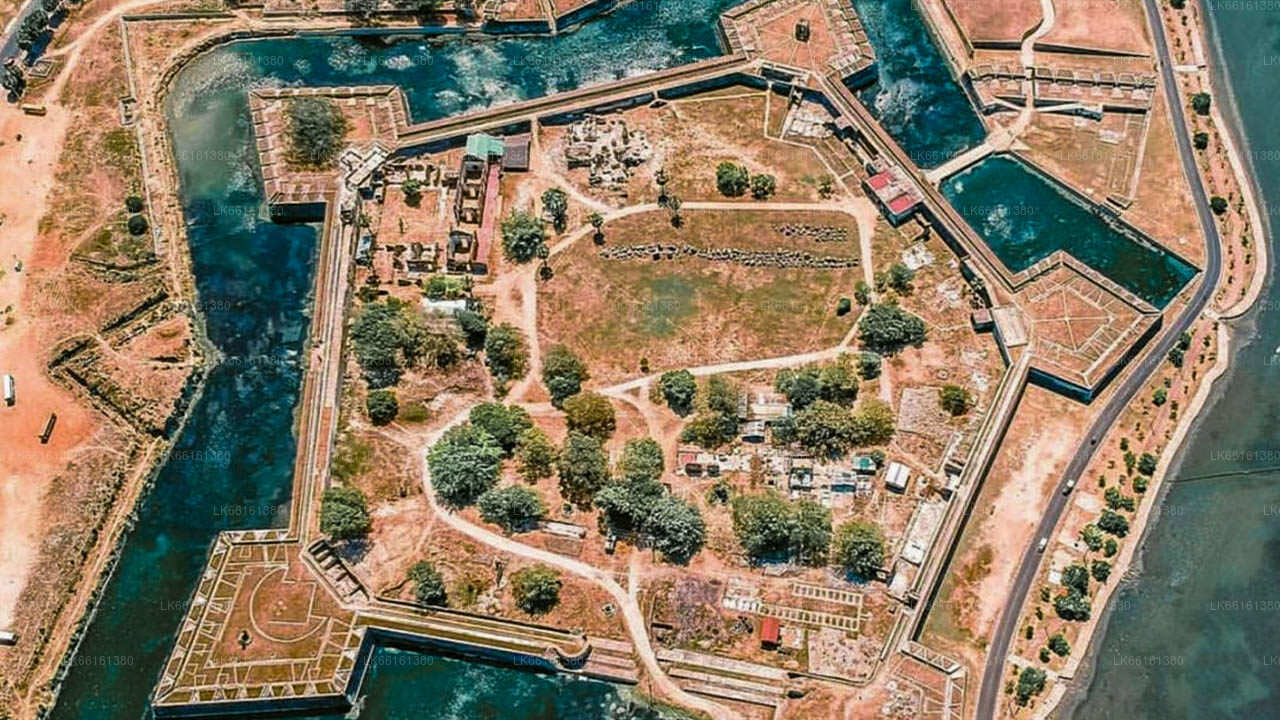
Jaffna is home to beautiful Hindu temples. An Old Dutch Fort still stands well preserved within which is an old Church. Another example of Dutch architecture is the King's House. No visit to Jaffna is complete without tasting the exquisite Jaffna mango, reputed for its sweetness. About 3 km away is the majestic Nallur Kandaswamy Temple, home to the largest religious festival in Jaffna. The Kayts Harbour is an ancient ship docking site in the Jaffna region.

About Northern Province

The Northern Province is one of the 9 provinces of Sri Lanka. The provinces have existed since the 19th century but they didn't have any legal status until 1987 when the 13th Amendment to the 1978 Constitution of Sri Lanka established provincial councils. Between 1988 and 2006 the province was temporarily merged with the Eastern Province to form the North-East Province. The capital of the province is Jaffna.

Northern Province is located in the north of Sri Lanka and is just 22 miles (35 km) from India. The province is surrounded by the Gulf of Mannar and Palk Bay to the west, Palk Strait to the north, the Bay of Bengal to the east and the Eastern, North Central and North Western provinces to the south.The province has a number of lagoons, the largest being Jaffna Lagoon, Nanthi Kadal, Chundikkulam Lagoon, Vadamarachchi Lagoon, Uppu Aru Lagoon, Kokkilai lagoon, Nai Aru Lagoon and Chalai Lagoon.Most of the islands around Sri Lanka are to be found to the west of the Northern Province. The largest islands are: Kayts, Neduntivu, Karaitivu, Pungudutivu and Mandativu.

The Northern Province's population was 1,311,776 in 2007. The majority of the populations are Sri Lankan Tamils, with a minority Sri Lankan Moor and Sinhalese population. Sri Lankan Tamil is the major language spoken in the province by the vast majority of the population. The other language spoken is Sinhala by 1 percent of the population. English is widely spoken and understood in the cities.