Jaffna City
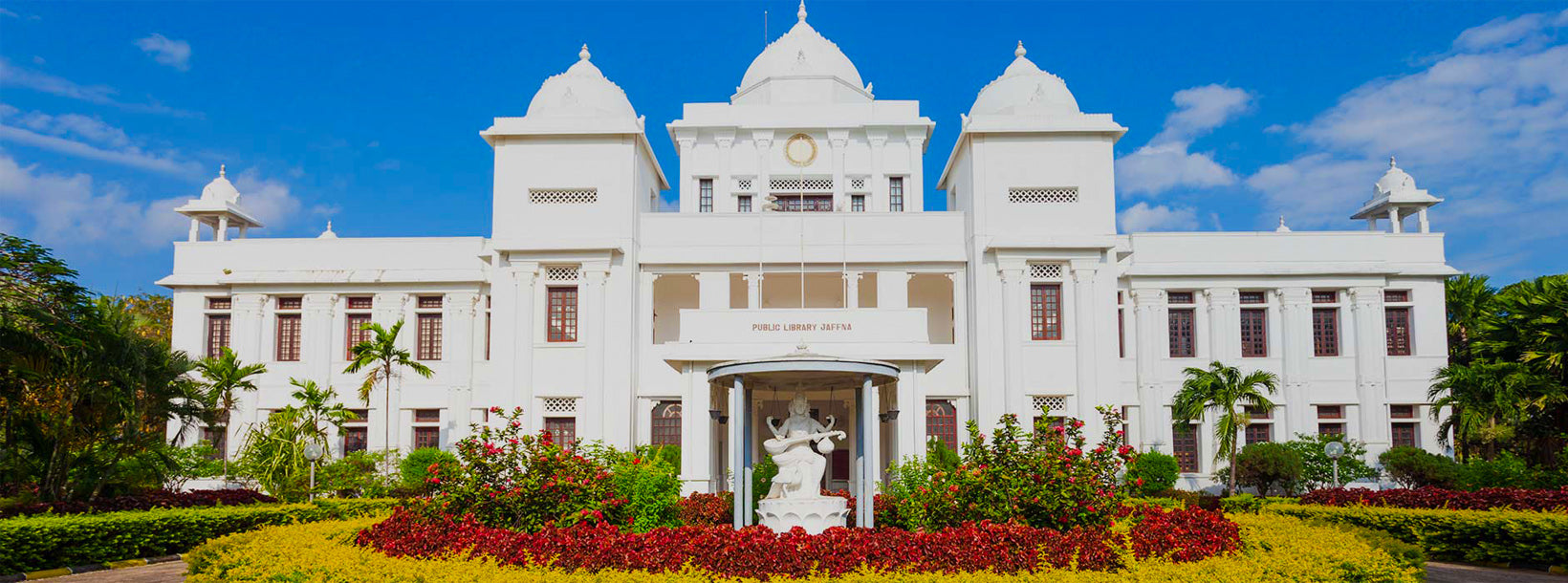
Jaffna is the main city of Jaffna peninsula in the northernmost district of Sri Lanka. Comfortable intercity busses from Colombo take 10-12 hours to reach the city of Jaffna.
Nagadeepa Viharaya
Nagadvipa ligt op slechts ongeveer 35 mijl van India en is het kleinste eiland in de Golf van Mannar. Handelaren komen hier al lange tijd en naar de omliggende eilanden om de schelpen te kopen die worden geoogst in de warme ondiepe wateren van de golf. De schelp is uiteraard essentieel voor bepaalde hindoeïstische en boeddhistische rituelen, en een bijzonder perfect exemplaar, dat naar rechts draait, kan een enorme prijs opleveren. Pelgrims komen ook al sinds de 1e eeuw na Christus naar Nagadvipa (Nainativ) om de beroemde Stupa te aanbidden. In de Mahavamsa wordt het eiland genoemd als een van de zestien heilige plaatsen en het Tamil boeddhistische epos, Manimekalai, noemt een met edelstenen versierde troon en een steen met de voetafdrukken van Boeddha die in Nagadvipa wordt bewaard, die pelgrims uit India kwamen aanbidden. De heldin van het epos wordt beschreven als dwalend door de 'lange zandduinen en lagunes' van het eiland.
Er zijn echter aan beide zijden van de zijkant van de tempelingang twee zeer oude objecten. Aan de linkerzijde, zodra je binnenkomt, is er een grote steen met een inscriptie van Parakramabahu I. In het eerste deel van deze inscriptie zegt de koning dat buitenlanders die het land binnenkomen alleen bij Uraturai (Kayts) moeten binnenkomen en dat ze moeten worden geholpen als ze hulp nodig hebben. Dit verwijst ongetwijfeld naar handelaren en pelgrims uit India. Het tweede deel beschrijft welke maatregelen er genomen moeten worden als schepen die olifanten of paarden en koopvaardijschepen vervoeren, vergaan. Aan de rechterkant van de ingang staat een grote steen in de vorm van een reddingsboei, een antieke anker. Arabische schepen gebruikten dergelijke ankers. Minder dan een halve kilometer verderop van de tempel bevindt zich Nagadvipa Vihara, dat de plaats markeert waar Boeddha zou hebben verbleven tijdens zijn bezoek aan het kleine eiland. Aan de ene kant van de weg staat de Bodhi-boom en aan de andere kant staat de zilververfde Stupa. Er zijn ook twee tempels, waarvan er één een bronzen Boeddhabeeld bevat dat in 1956 door de Birmese regering werd geschonken. Niets in Nagadvipa heeft esthetische of historische betekenis, behalve de inscripties; alles werd gebouwd in de jaren 50.
About Jaffna District
Jaffna is the capital city of the Northern Province, Sri Lanka. 85% of the populations of the Jaffna and Kilinochchi districts are Hindus. The Hindus follow the Saivite tradition. The remainders are largely Roman Catholics or Protestants, some of whom are descendants of colonial settlers, known as Burghers. The Tamils are divided along caste lines, with the farmer-caste Vellalar forming the majority. Sea products, red onion, and tobacco are the main products in Jaffna.
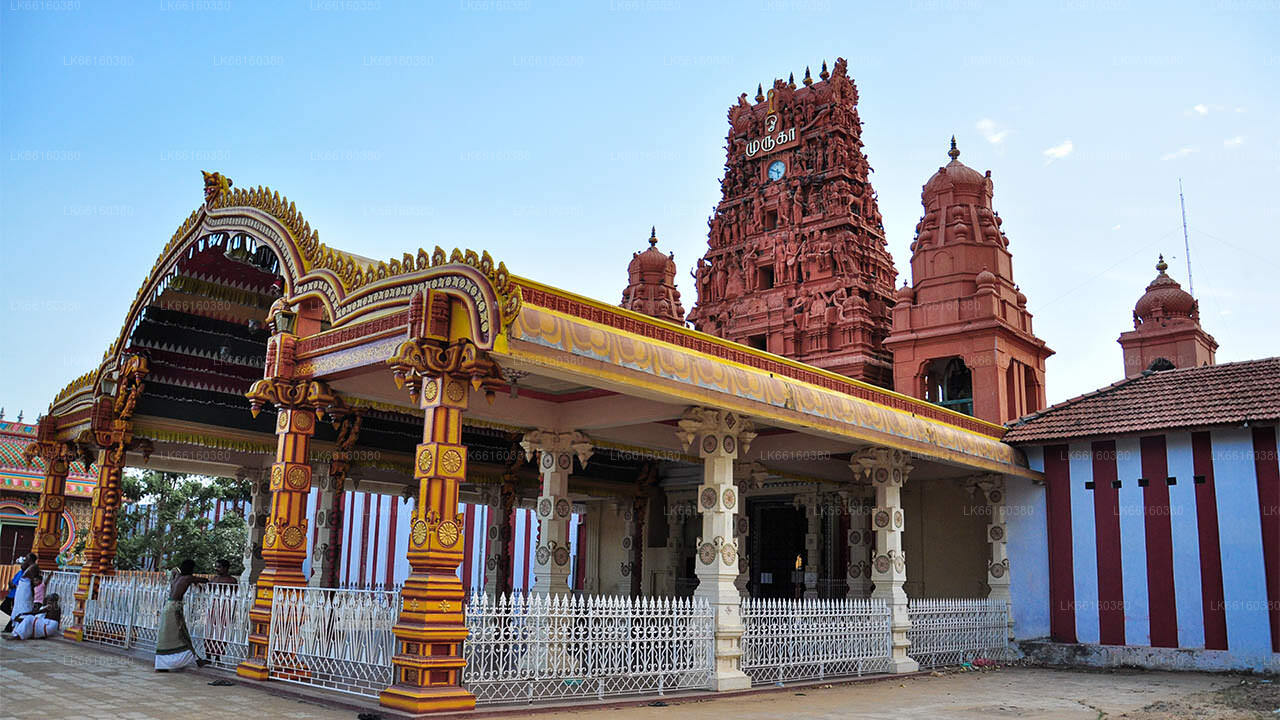
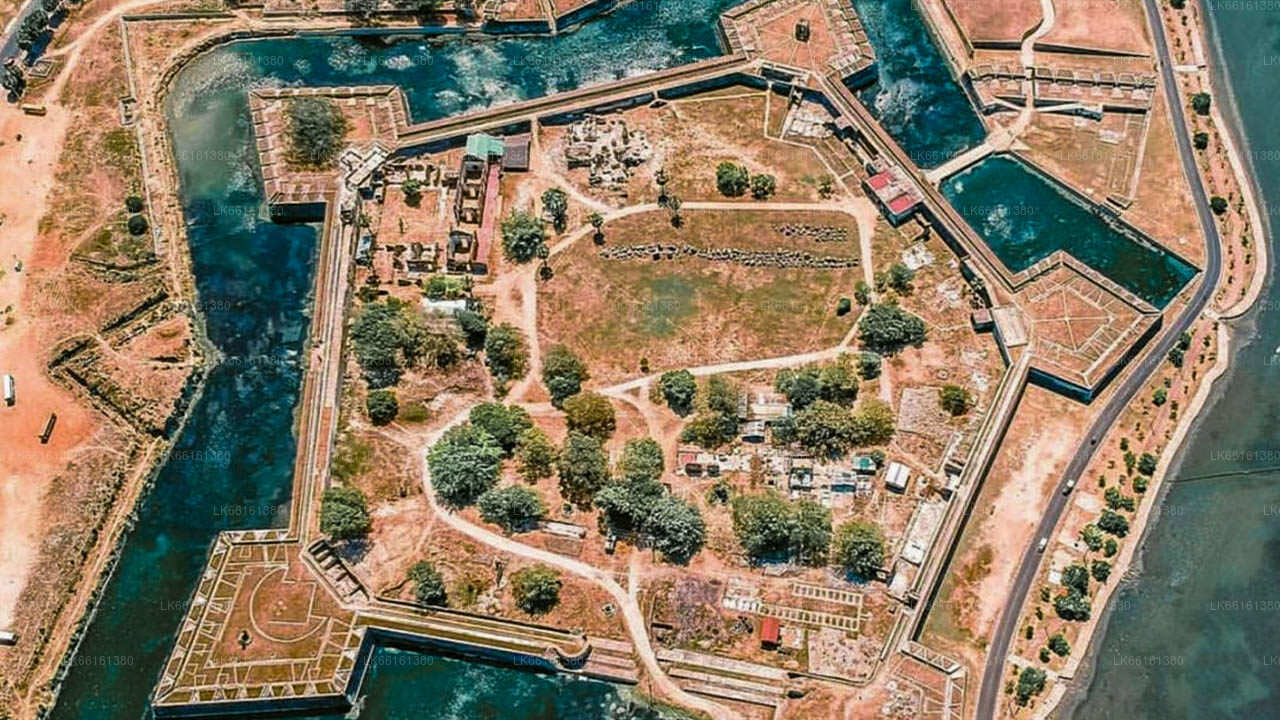
Jaffna is home to beautiful Hindu temples. An Old Dutch Fort still stands well preserved within which is an old Church. Another example of Dutch architecture is the King's House. No visit to Jaffna is complete without tasting the exquisite Jaffna mango, reputed for its sweetness. About 3 km away is the majestic Nallur Kandaswamy Temple, home to the largest religious festival in Jaffna. The Kayts Harbour is an ancient ship docking site in the Jaffna region.
About Northern Province
The Northern Province is one of the 9 provinces of Sri Lanka. The provinces have existed since the 19th century but they didn't have any legal status until 1987 when the 13th Amendment to the 1978 Constitution of Sri Lanka established provincial councils. Between 1988 and 2006 the province was temporarily merged with the Eastern Province to form the North-East Province. The capital of the province is Jaffna.
Northern Province is located in the north of Sri Lanka and is just 22 miles (35 km) from India. The province is surrounded by the Gulf of Mannar and Palk Bay to the west, Palk Strait to the north, the Bay of Bengal to the east and the Eastern, North Central and North Western provinces to the south.The province has a number of lagoons, the largest being Jaffna Lagoon, Nanthi Kadal, Chundikkulam Lagoon, Vadamarachchi Lagoon, Uppu Aru Lagoon, Kokkilai lagoon, Nai Aru Lagoon and Chalai Lagoon.Most of the islands around Sri Lanka are to be found to the west of the Northern Province. The largest islands are: Kayts, Neduntivu, Karaitivu, Pungudutivu and Mandativu.
The Northern Province's population was 1,311,776 in 2007. The majority of the populations are Sri Lankan Tamils, with a minority Sri Lankan Moor and Sinhalese population. Sri Lankan Tamil is the major language spoken in the province by the vast majority of the population. The other language spoken is Sinhala by 1 percent of the population. English is widely spoken and understood in the cities.