Mahiyangana Vihara Stupa


Volgens de Mahávamsa was Sivuhelaya (Sri Lanka) bewoond door de Sivu-Helayos. De Yakkhas (clan) woonden destijds in Mahiyangana. Er wordt gezegd dat de Boeddha een discussie over Dhamma met hen voerde. Een Yakkha-leider genaamd Saman (die nu als een god wordt beschouwd) bereikte Sotapanna (de eerste fase van bevrijding) na het luisteren naar de rede van de Boeddha en vroeg de Boeddha om een teken dat ze konden vereren in zijn afwezigheid. De Boeddha gaf hem een handvol haarresten van zijn hoofd, die later door Saman in een kleine stupa werden geplaatst, 10 voet (3,0 m) hoog. Dit was de eerste stupa die in Sri Lanka werd gebouwd tijdens het leven van de Boeddha. Na de parinirvana van de Boeddha bracht een Arhant genaamd Sarabhu het linkerschouderbeen van de Boeddha, dat uit het begrafenisvuur was gehaald. Dit relikwie werd ook bewaard en de stupa werd vergroot tot een hoogte van 18 voet (5,5 m). Sindsdien hebben verschillende koningen deze stupa gerenoveerd en vergroot. Koning Dutugamunu verhief deze tot een hoogte van 120 voet. Heersers zoals Voharikatissa, Sena II, Vijayabahu I en Kirthi Sri Rajasinghe hebben de tempel onderhouden. In 1942 werd er een vereniging opgericht voor de renovatie van de tempel onder Rt Hon. D. S. Senanayake, de eerste premier van Sri Lanka. De reconstructiewerkzaamheden begonnen in 1953 en eindigden in 1980 met de voltooiing van een nieuwe spits voor de stupa.


Special places in Badulla
-
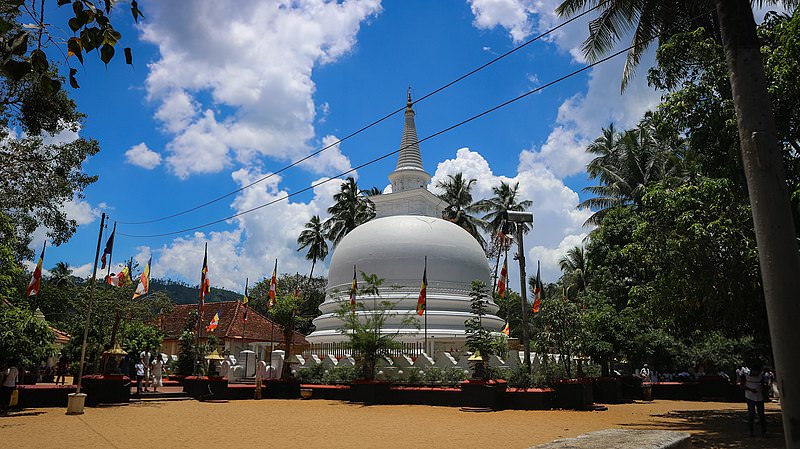 Muthiyangana Raja Maha Vihara
Muthiyanganaya Raja Maha Viharaya lies in the centre of the city of Badulla. The History of this temple goes back to the time of Buddha but this area around Badulla goes way back in to the time of 19th -18th century BCE.
-
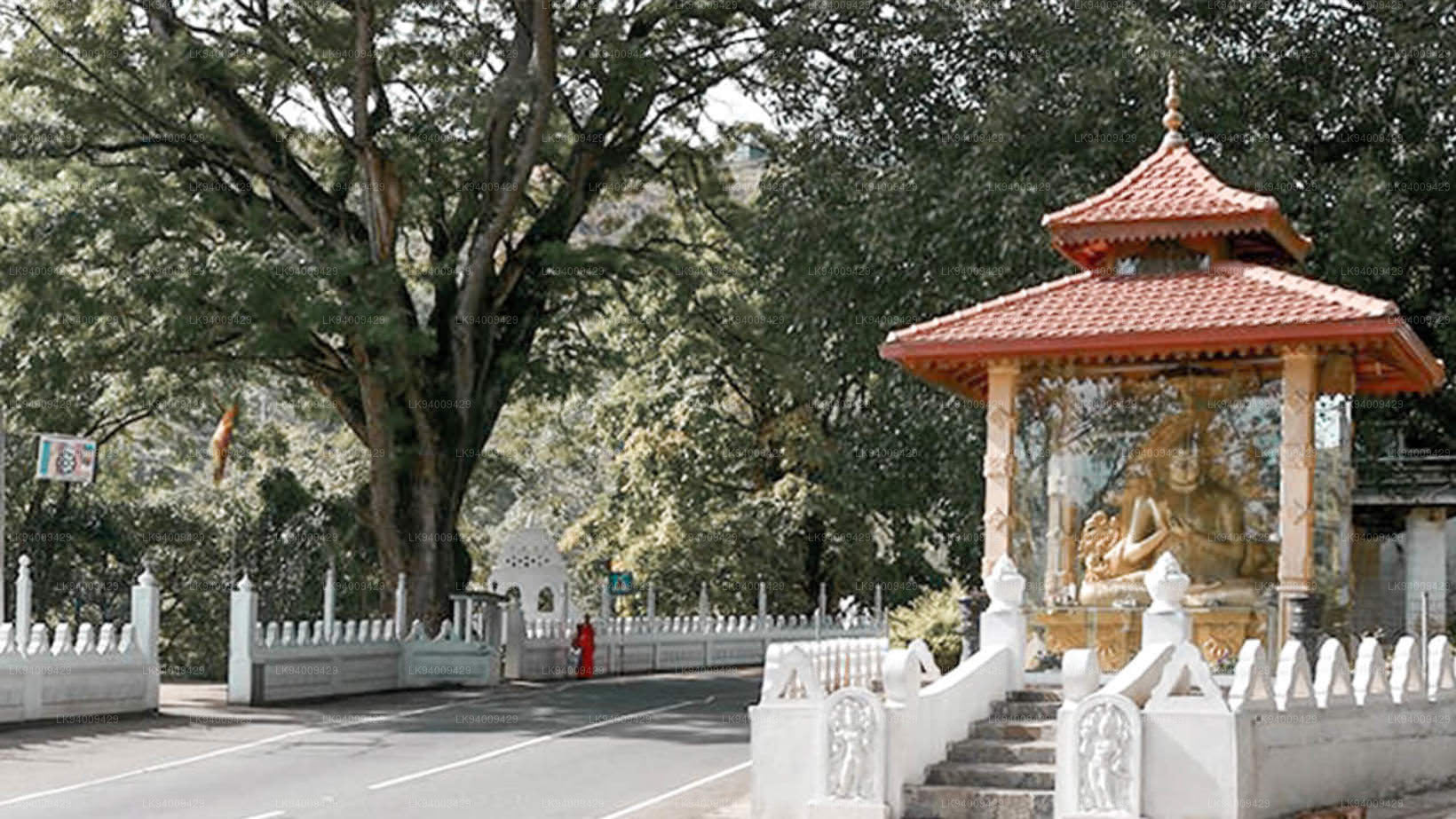 Dowa Raja Maha Viharaya
Dowa Raja Maha Viharaya (Dowa Cape Temple) lies few kilometres away from the Bandarawela town on the Bandarawela – Badulla Road. This temple is thought to be done by King Walagamba in the in first century BC.
-
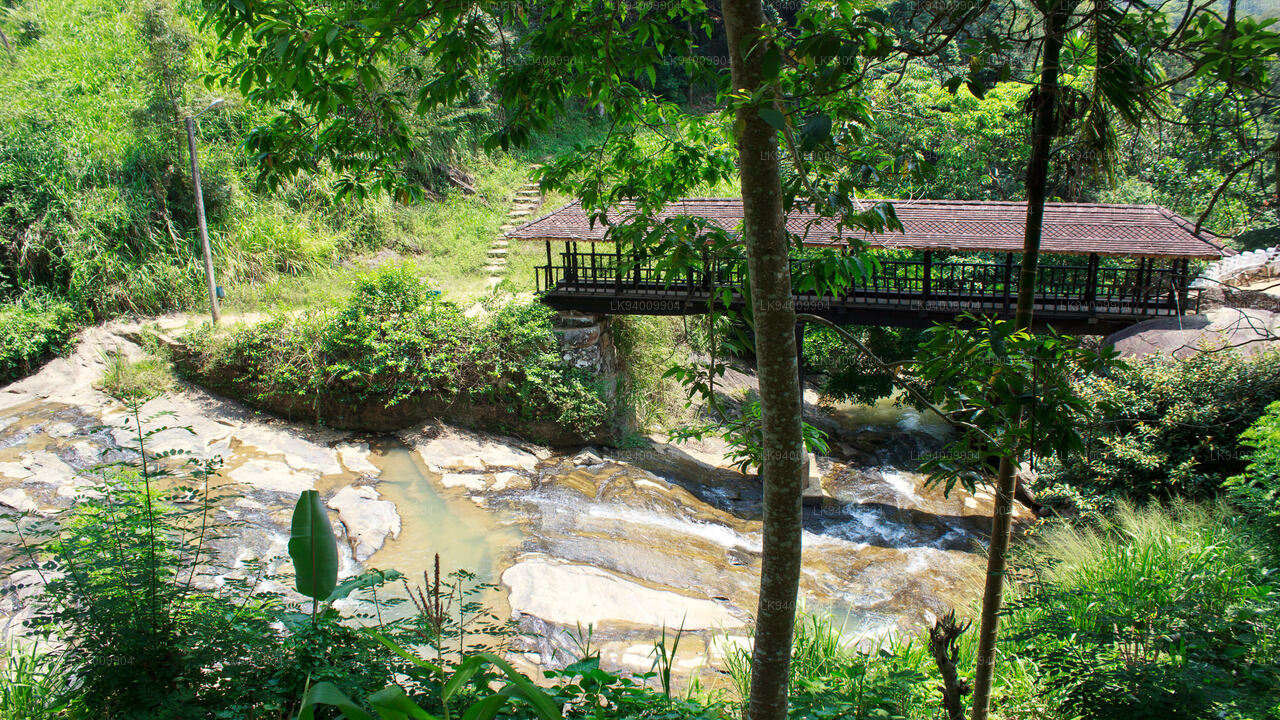 Bogoda Wooden Bridge
The Bogoda Wooden Bridge was built in the 16th century during the Dambadeniya era. This is said to be the oldest surviving wooden bridge in Sri Lanka. The bridge is situated at 7 kilometres (4.3 mi) west of Badulla.
-
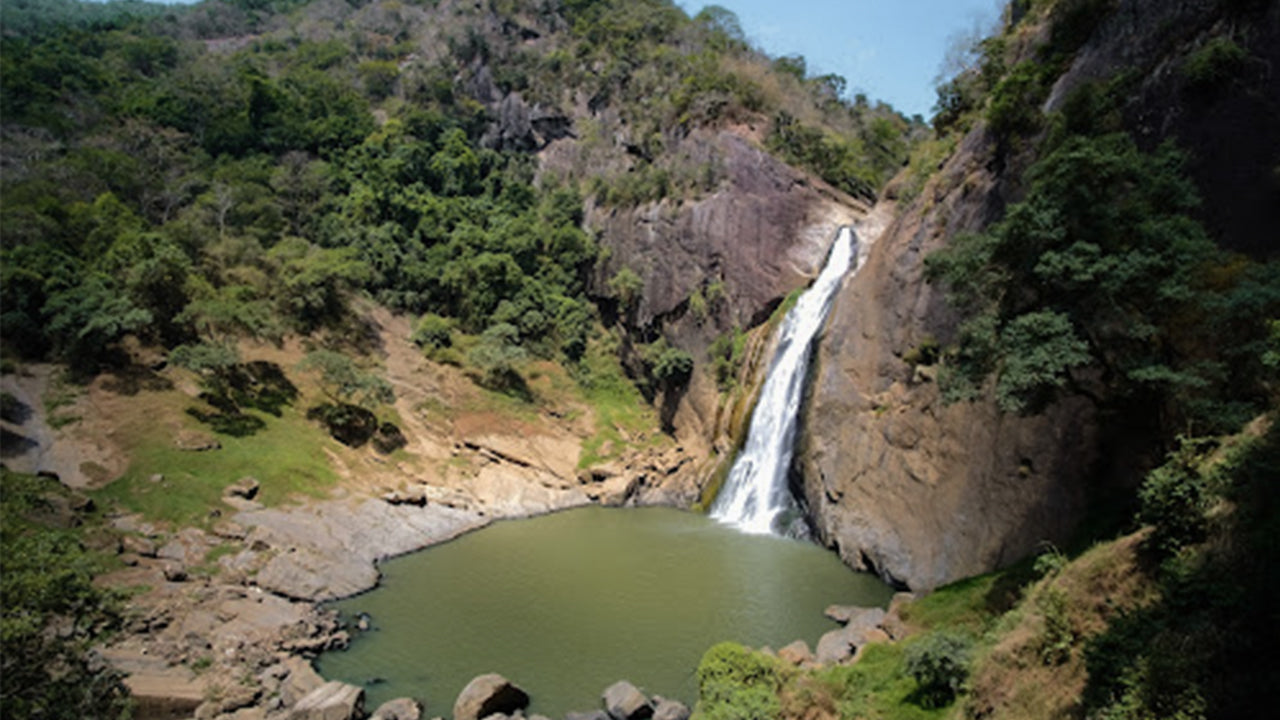 Dunhinda Falls
Dunhinda Falls is situated about 5 km away from Badulla town. It is 63 meters high and is considered to be one of the most beautiful waterfalls in Sri Lanka. The falls gets its name dew to the smoky dew drops spray.