Tephrosia purpurea (Kathurupila)


Tephrosia purpurea is a famous ayurvedic herb used in liver cirrhosis and splenomegly. Its botanical name is Tephrosia purpurea. It belongs to Fabaceae family. It is called purple Tephrosia in English. Tephrosia purpurea herb is very useful in spleen and liver disorders. Tephrosia purpurea undergoes pungent kind of bio transformation and it is hot in nature. An extremely variable species, usually divided into a number of subspecies, though many subclassifications exist. Most characteristic is the shape of its pod: convex around the seeds with a distinctive flat area in between.The name Tephrosia Purpurea is often erroneously applied to the cultivated T. Noctiflora Bojer ex Baker which has longer inflorescences, a very long carinal calyx tooth and reticulately ridged seeds. Purple tephrosia is an erect or spreading annual or short-lived perennial herb, sometimes bushy, usually growing from 40 - 80cm tall, rarely up to 1.5 metres. The plant has a range of traditional medicinal uses, being harvested from the wild and used locally. It is also cultivated as a green manure crop.
Uses as folk medicine:
Used for coughs, tightness of the chest, bilious febrile attacks,obstructions of spleen, liver and kidney. Recommended as bloodpurifier, for boils and pimples. Roots used for dyspepsia andchronic diarrhea. Infusion of seeds used as cooling medicine.Decoction of pounded leaves used for snake bites. In Ceylon,used as anthelmintic for children. In Punjab, infusion of seedsconsidered cooling. In Sri Lanka, decoction of roots used asnematicide for treatment of Toxocara canis larvae which causeslung disease. Also used for colic, diarrhea and dyspepsia, and asanthelmintic. Fresh root-bark, ground and made into a pill, mixedwith a little black pepper, used for obstinate colic. In Indianmedicine, a common ingredient of formulations for liverailments. Also, used for bilious febrile attacks, liver and splenicaffections, cirrhosis and hepatitis. Oil from seeds used for scabies,eczematous itching, and other skin eruptions. Used for piles,syphilis and gonorrhea. Leaves used as fodder in India and SouthAfrica. In India, grown as green manure in paddy fields. In India,dry plants collected as fuel. Seeds used as substitute for coffee.Used as insect repellent.
Hazards:
The plant contains the rotenoid tephrosine, which stuns fish but not mammals. The pounded leaves are used to stupefy and catch fish.The plant contains rotenonoids and has been used traditionally as a fish poison - rotenoids kill or stun the fish making them easy to catch, but the fish remain perfectly edible for mammals. Rotenonoids are classified by the World Health Organization as moderately hazardous. They are mildly toxic to humans and other mammals, but extremely toxic to many insects (hence their use as an insecticide) and aquatic life, including fish. This higher toxicity in fish and insects is because the lipophilic rotenonoid is easily taken up through the gills or trachea, but not as easily through the skin or the gastrointestinal tract. The lowest lethal dose for a child is 143 mg/kg, but human deaths f
-
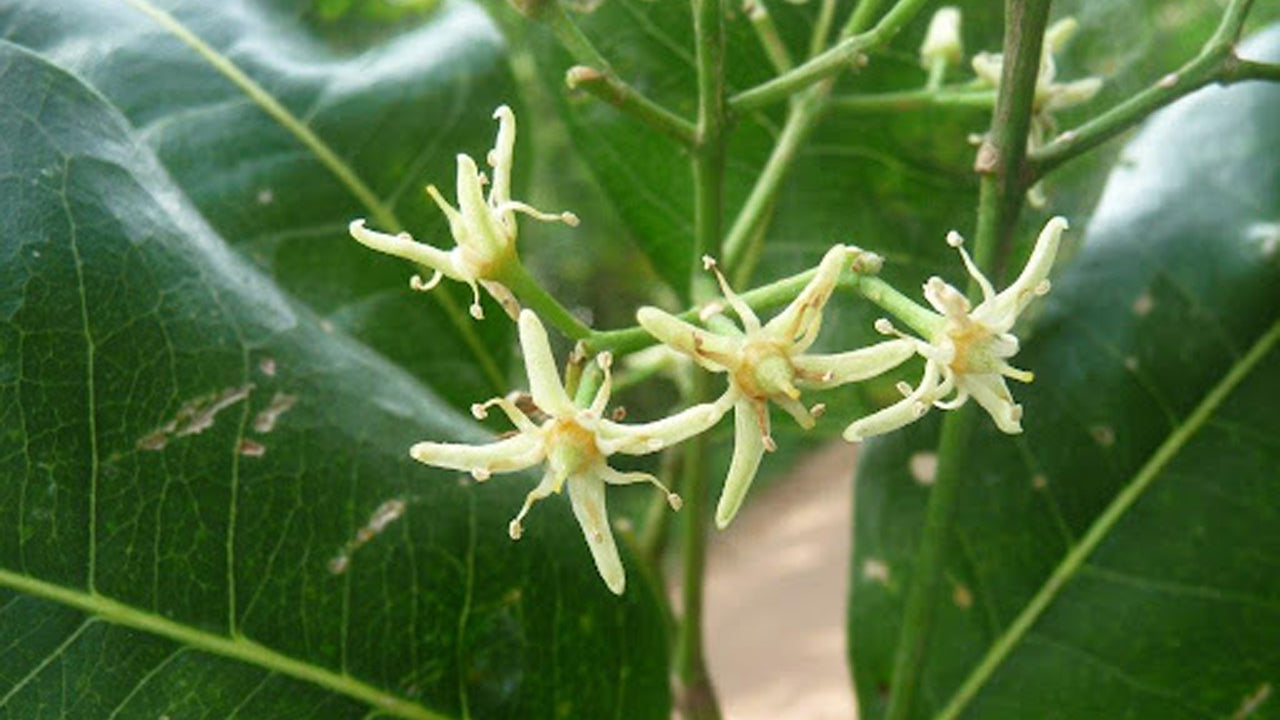
Claw-flowered laurel
Acronychia pedunculata -
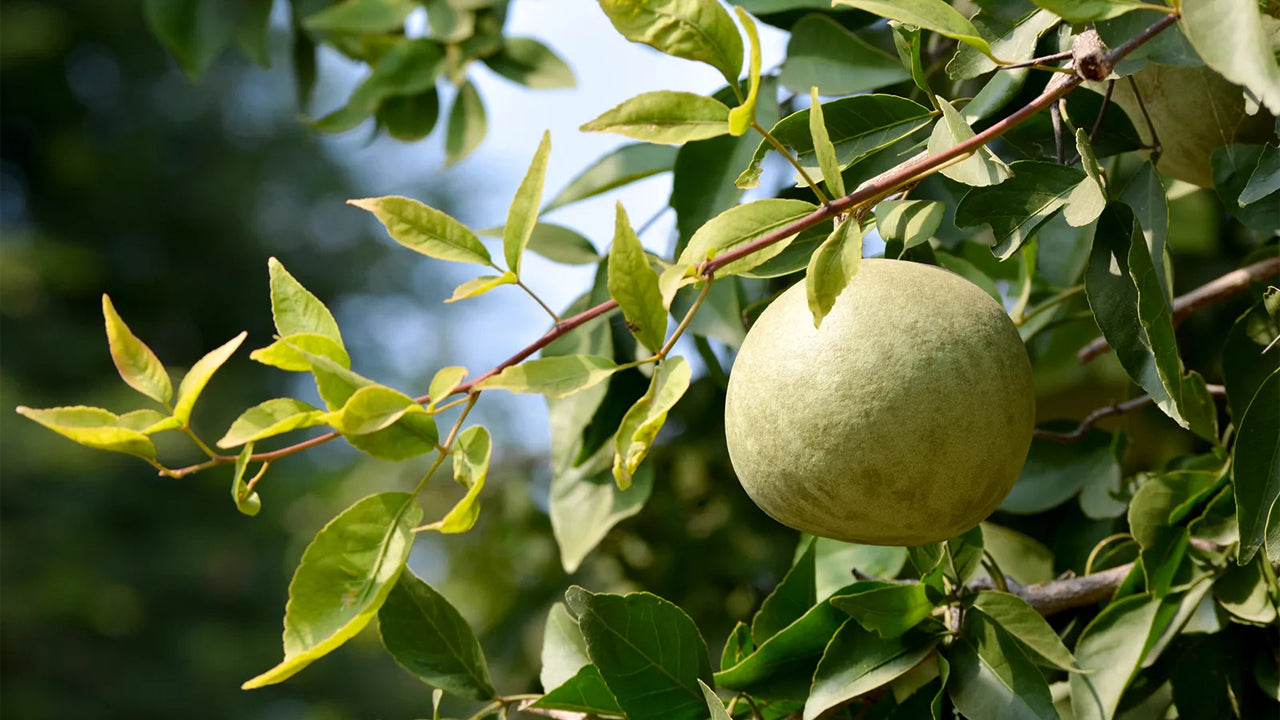
Bael
Aegle marmelos -
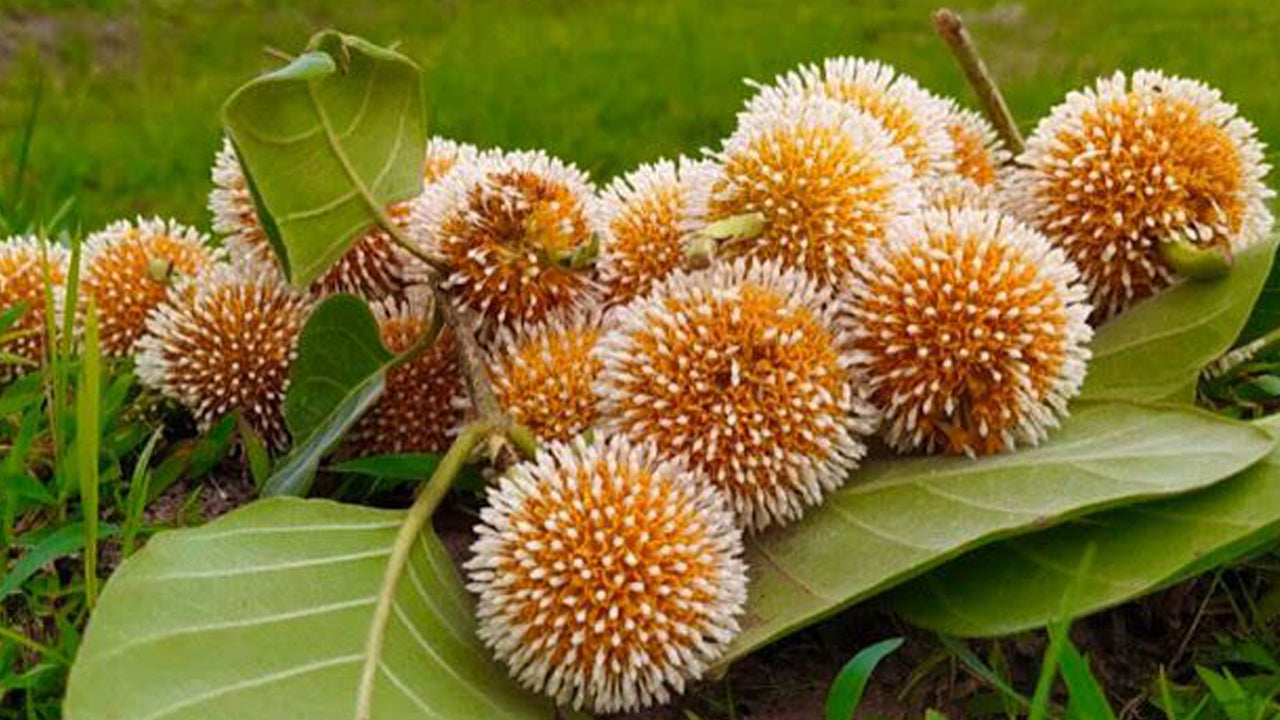
Leichhardt tree
Nauclea orientalis -
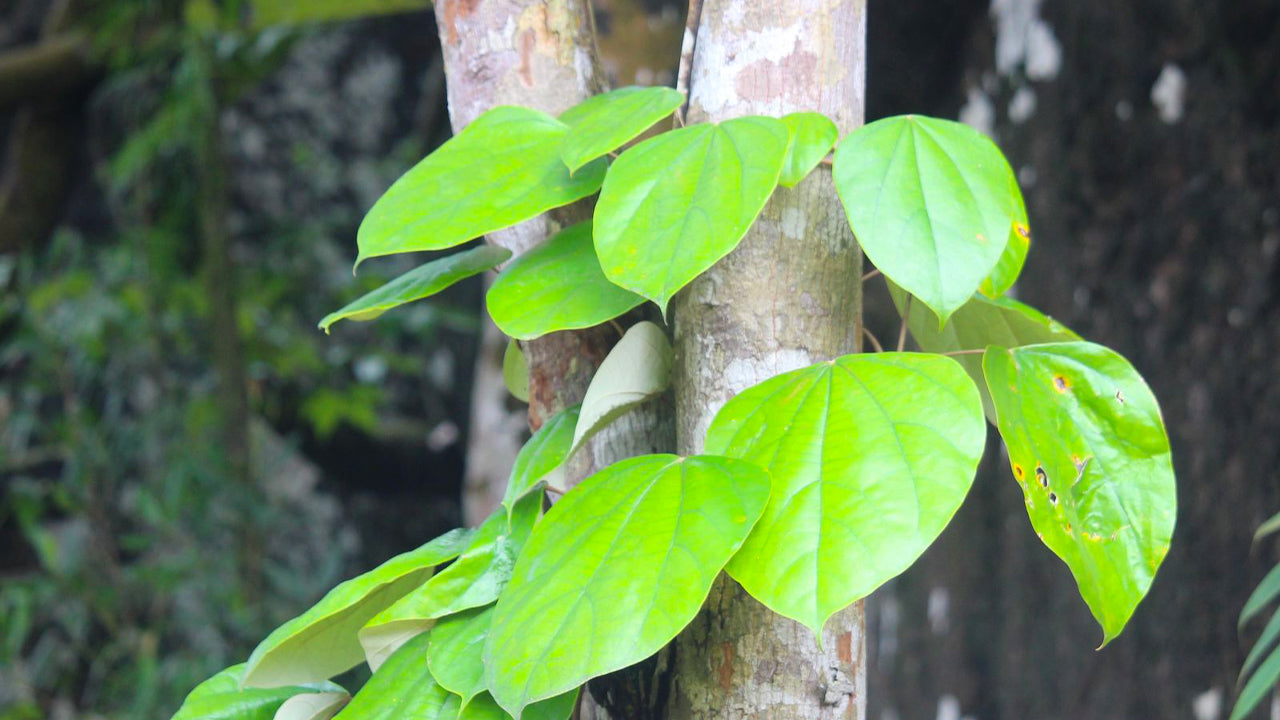
False Calumba
Coscinium fenestratum -

Malabar Gulbel
Tinospora malabarica -
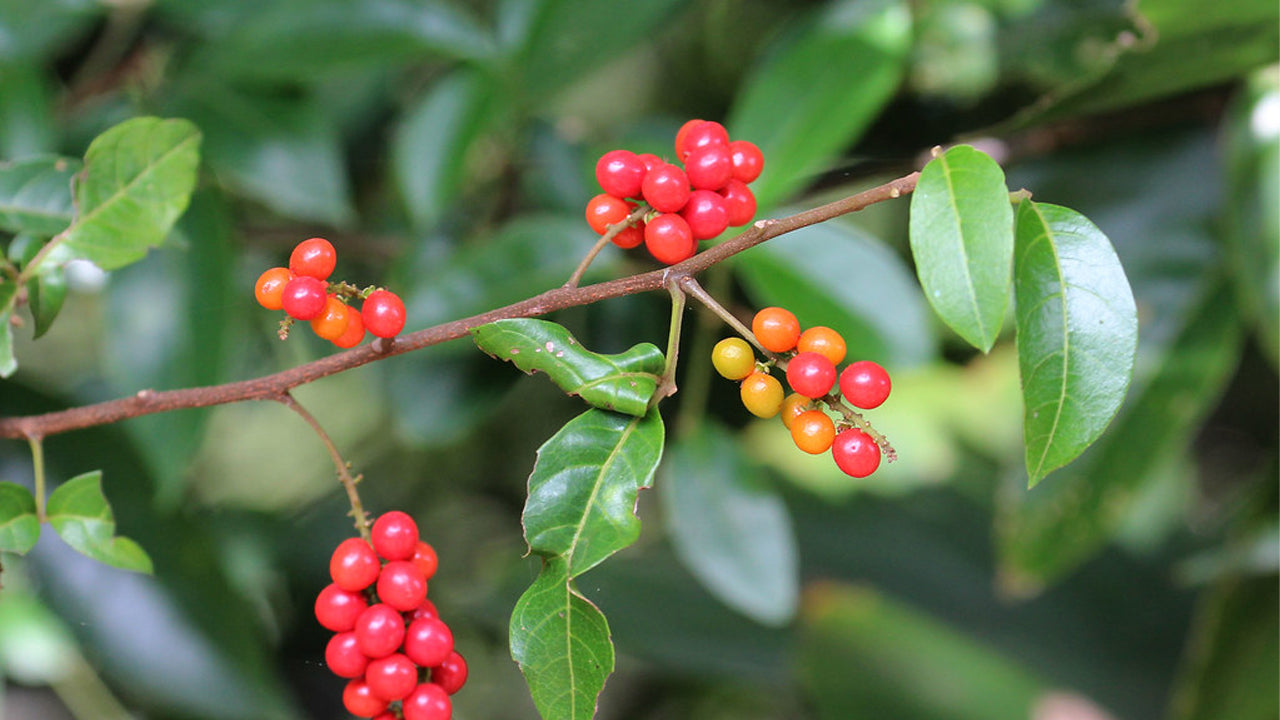
Titberry
Allophylus cobbe -
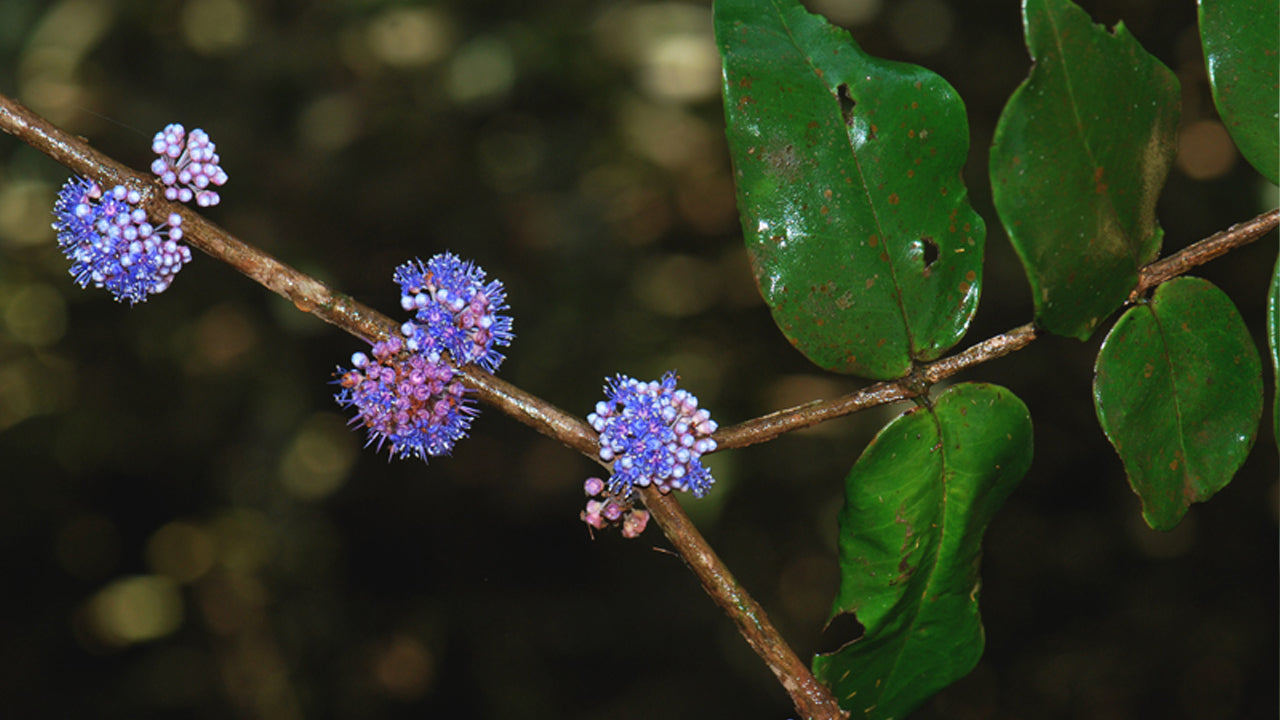
Ironwood Tree
Memecylon capitellatum -
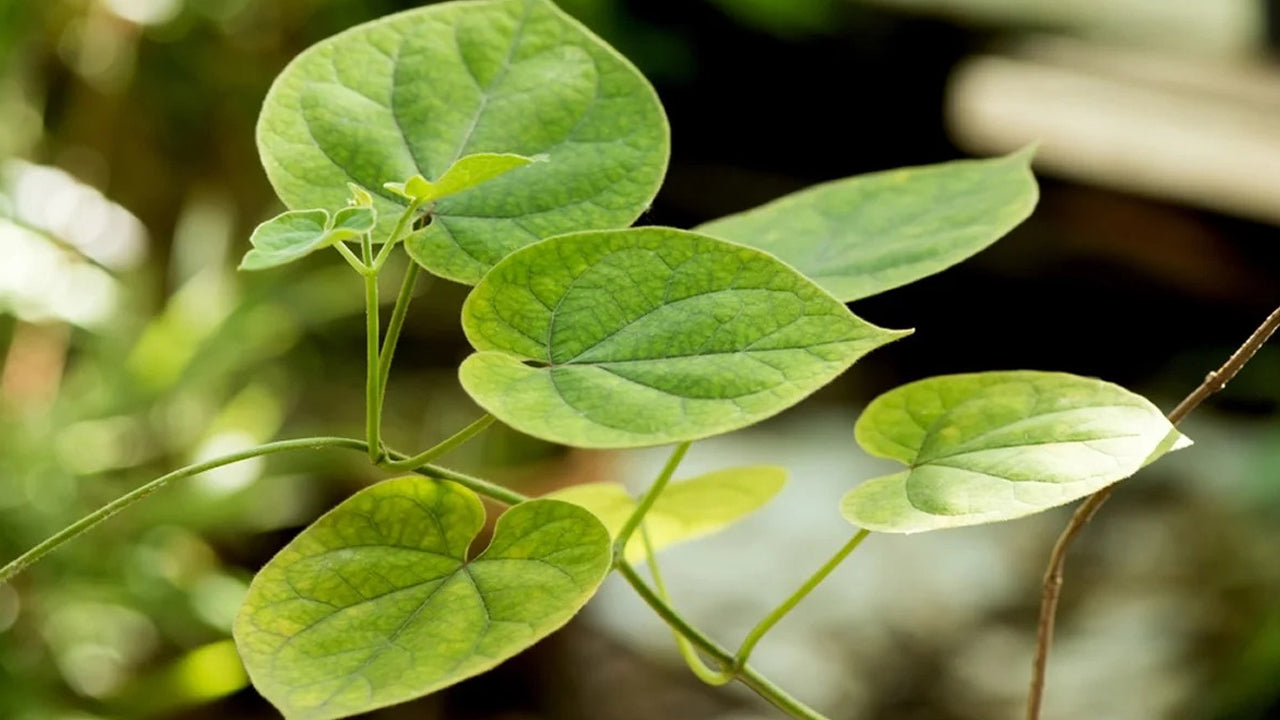
Velvet Leaf
Cissampelos pareira -
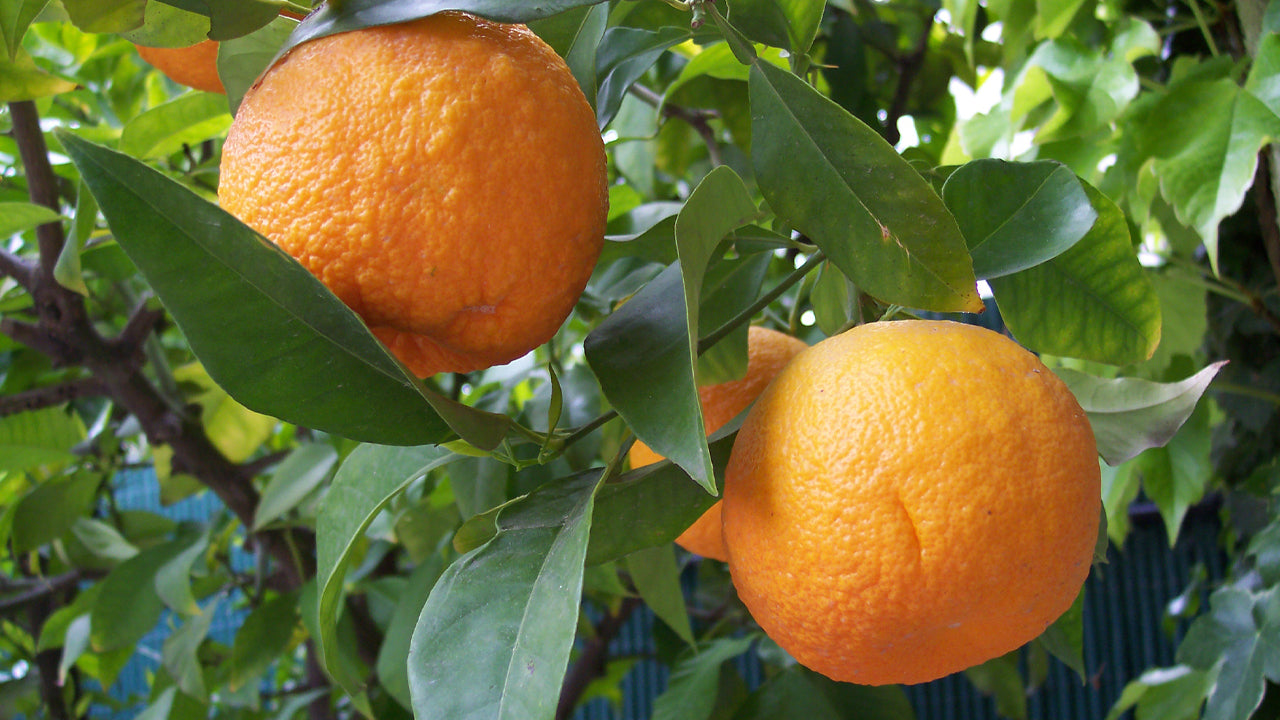
Bitter orange
Citrus aurantium -

Reinwardt's Tree Plant
Biophytun reinward -
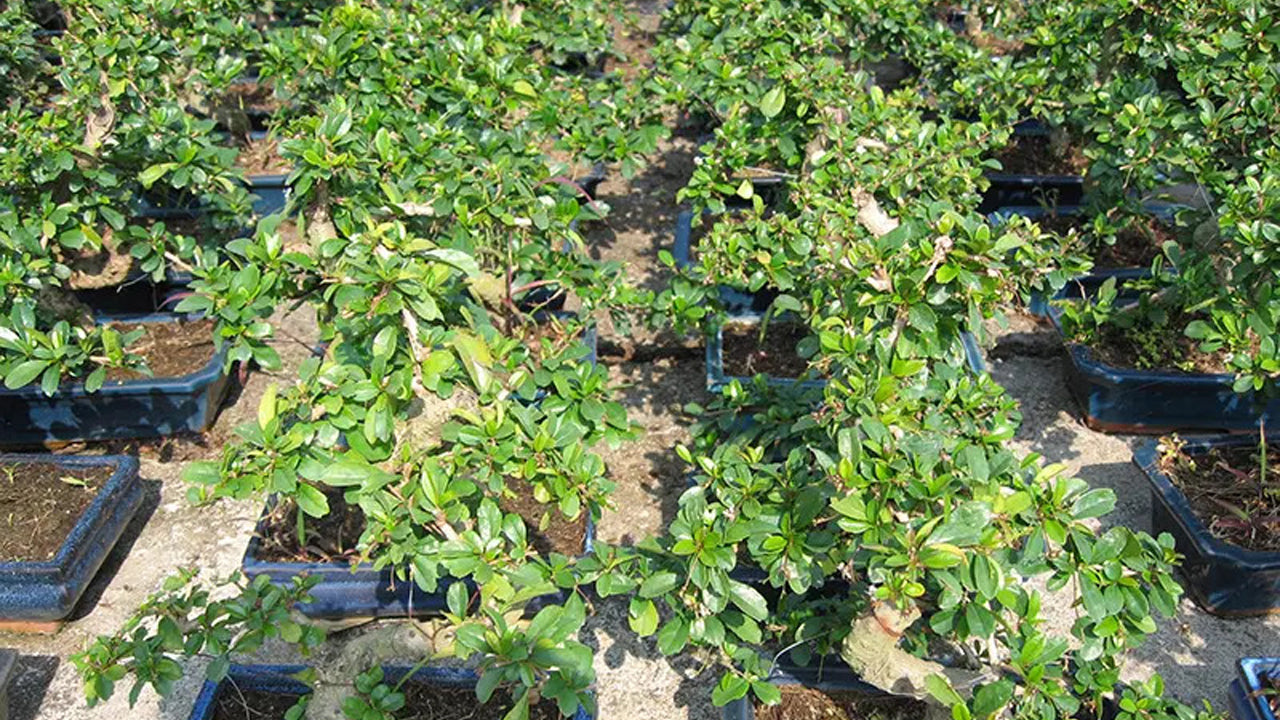
Fukien tea
Carmona microphylla -
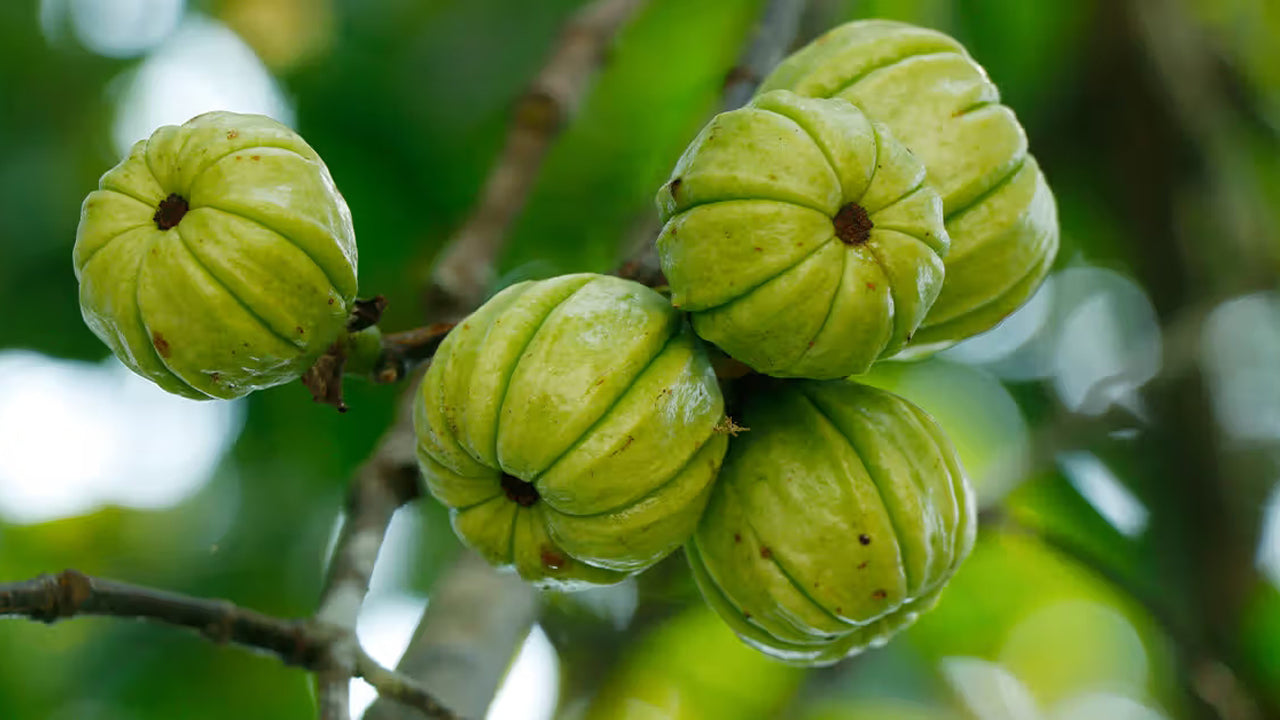
Malabar tamarind
Garcinia cambogia -
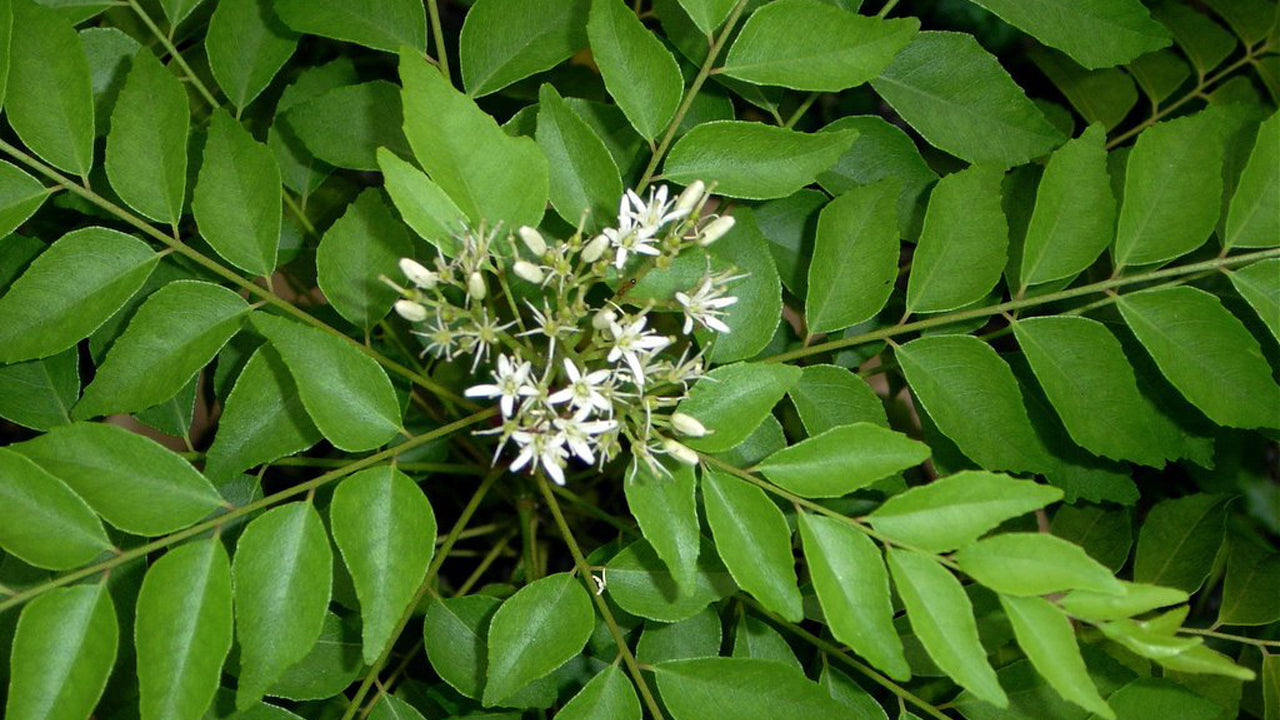
Curry leaf tree
Murraya koenigii -
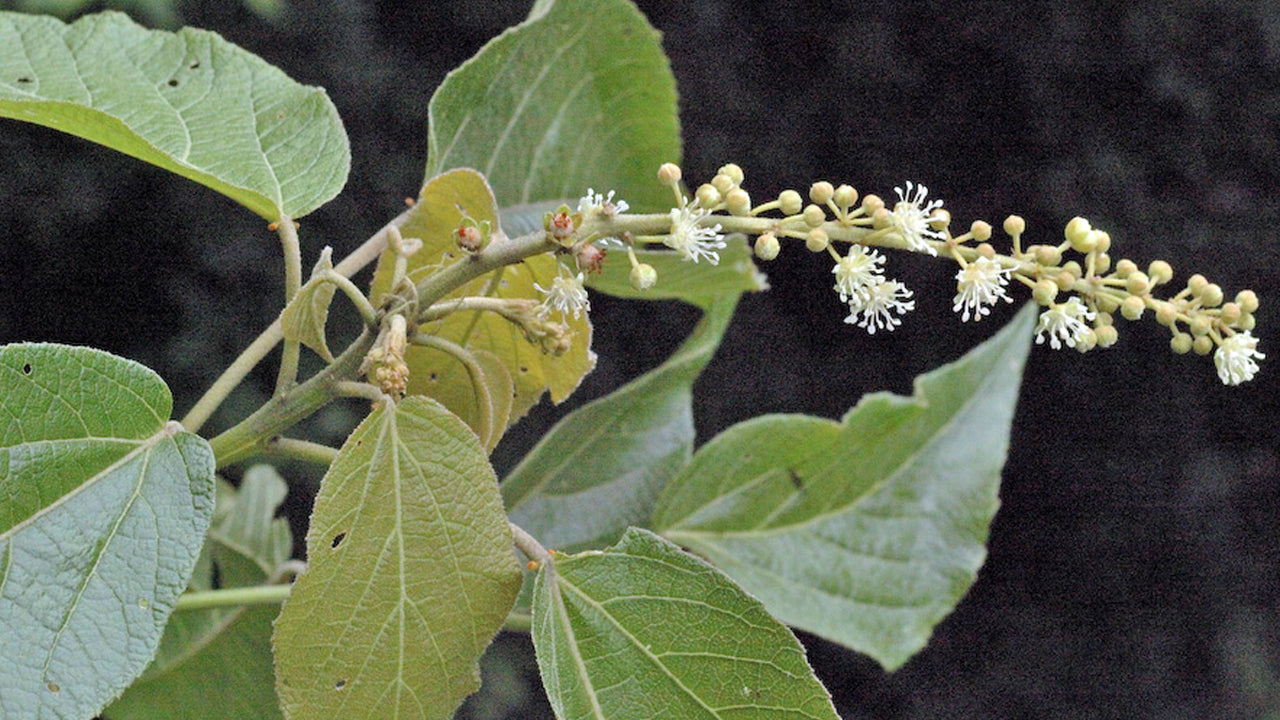
Kappetiya
Croton laccifer -
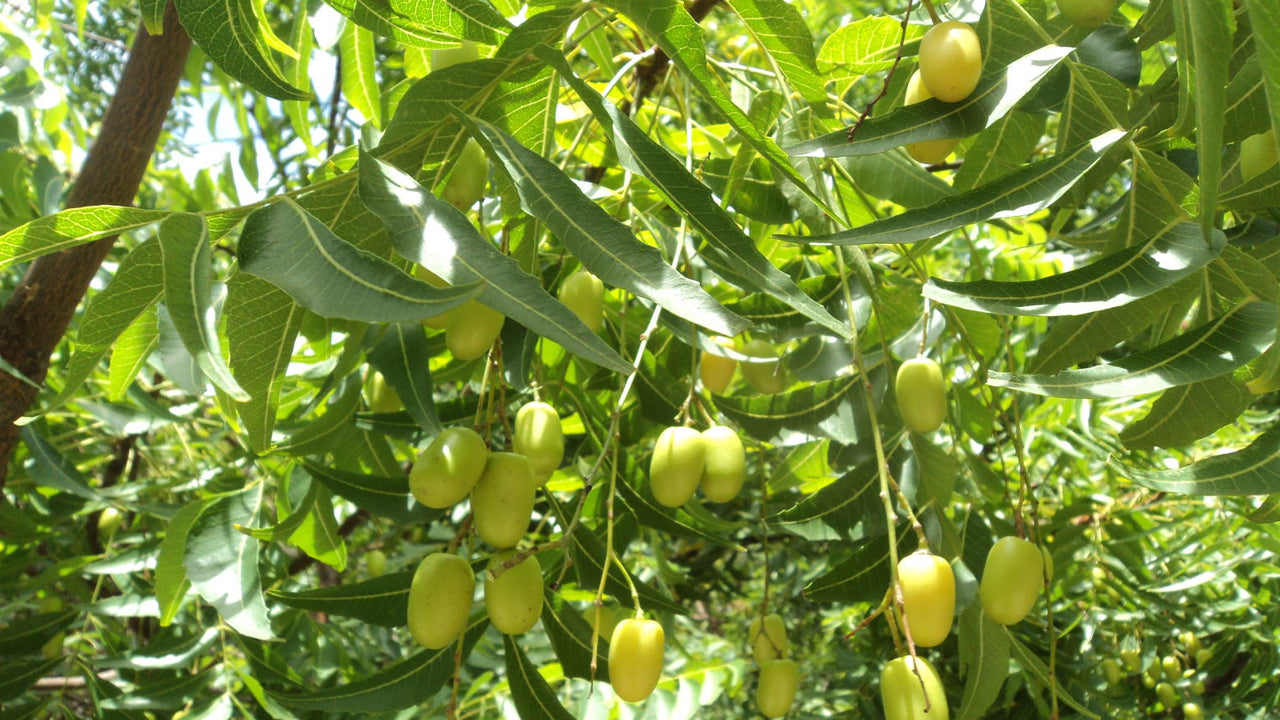
Indian lilac
Azadirachta indica -
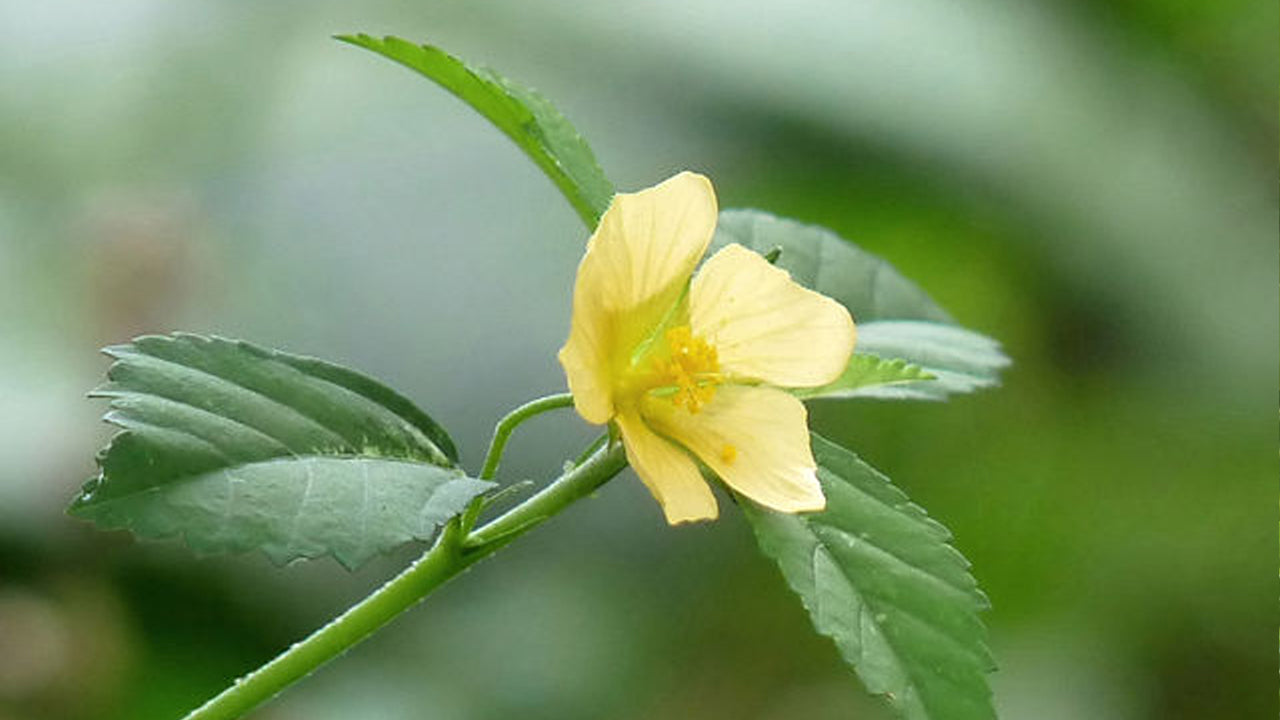
Spiny sida
Sida alba -
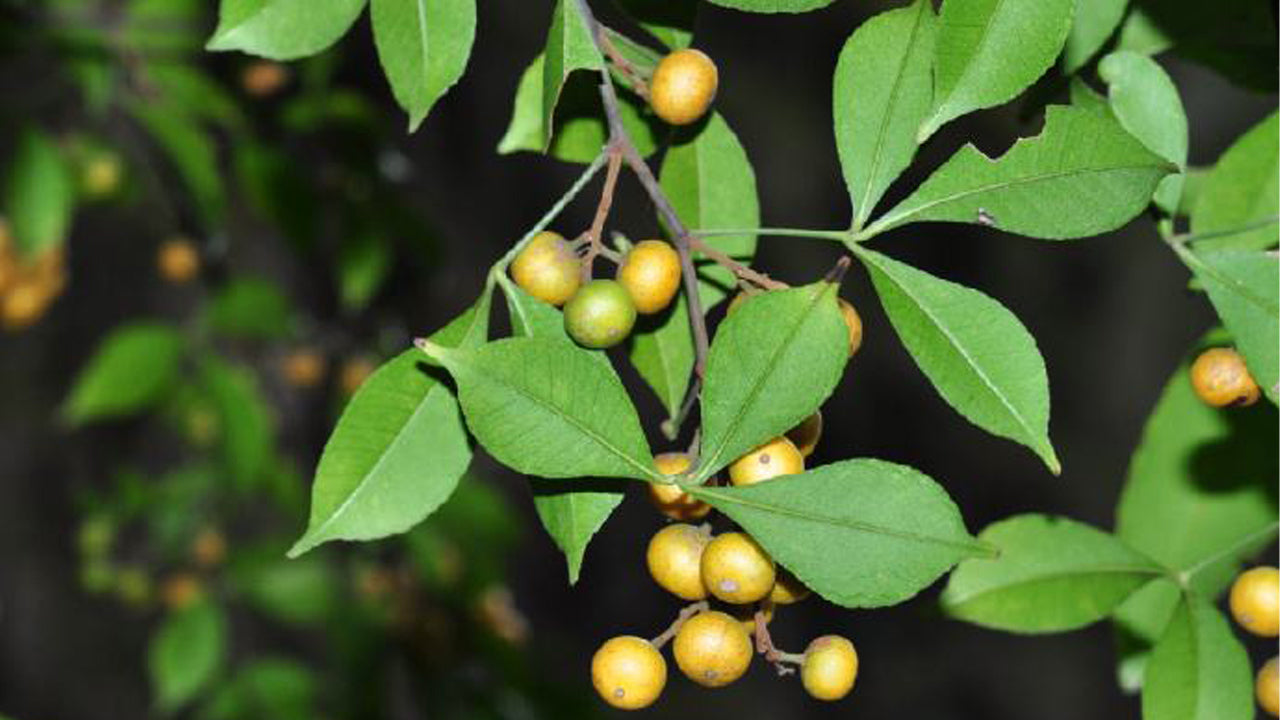
Orange climber
Toddlia asiatica -
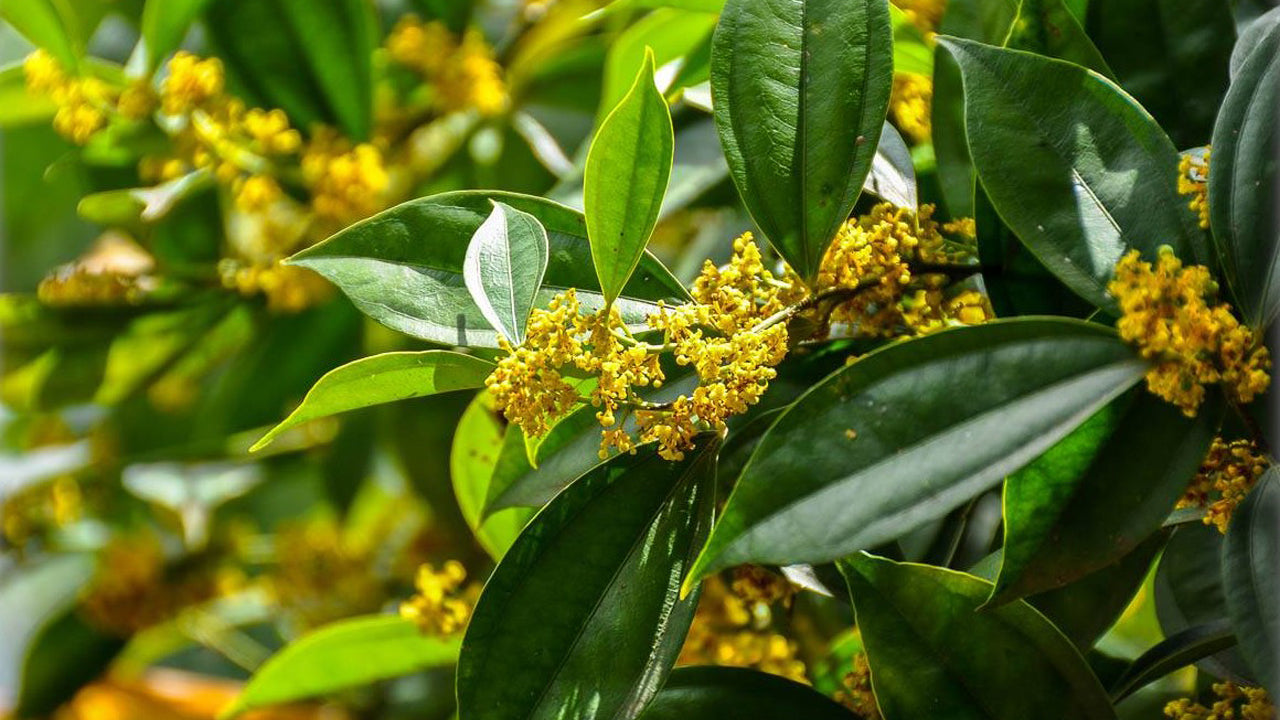
Ceylon cinnamon
Cinnamomum zeylanicum -
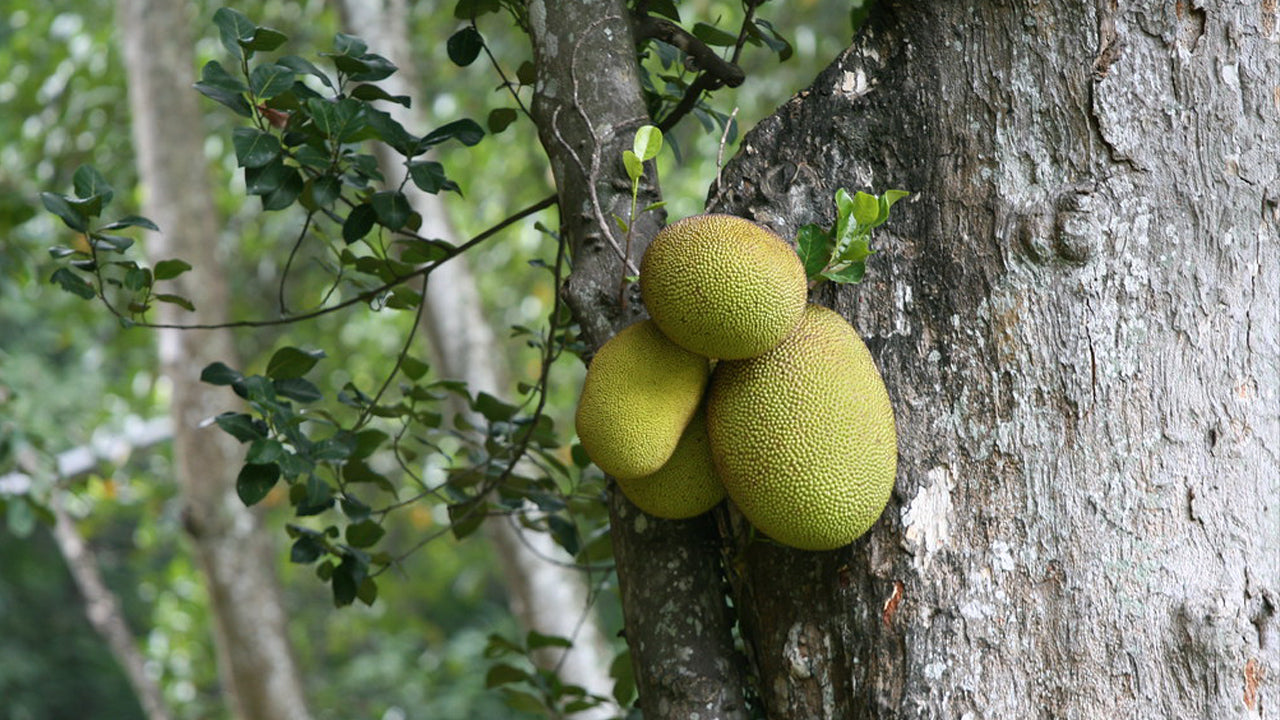
Jackfruit
Artocarpus heterophyllus -
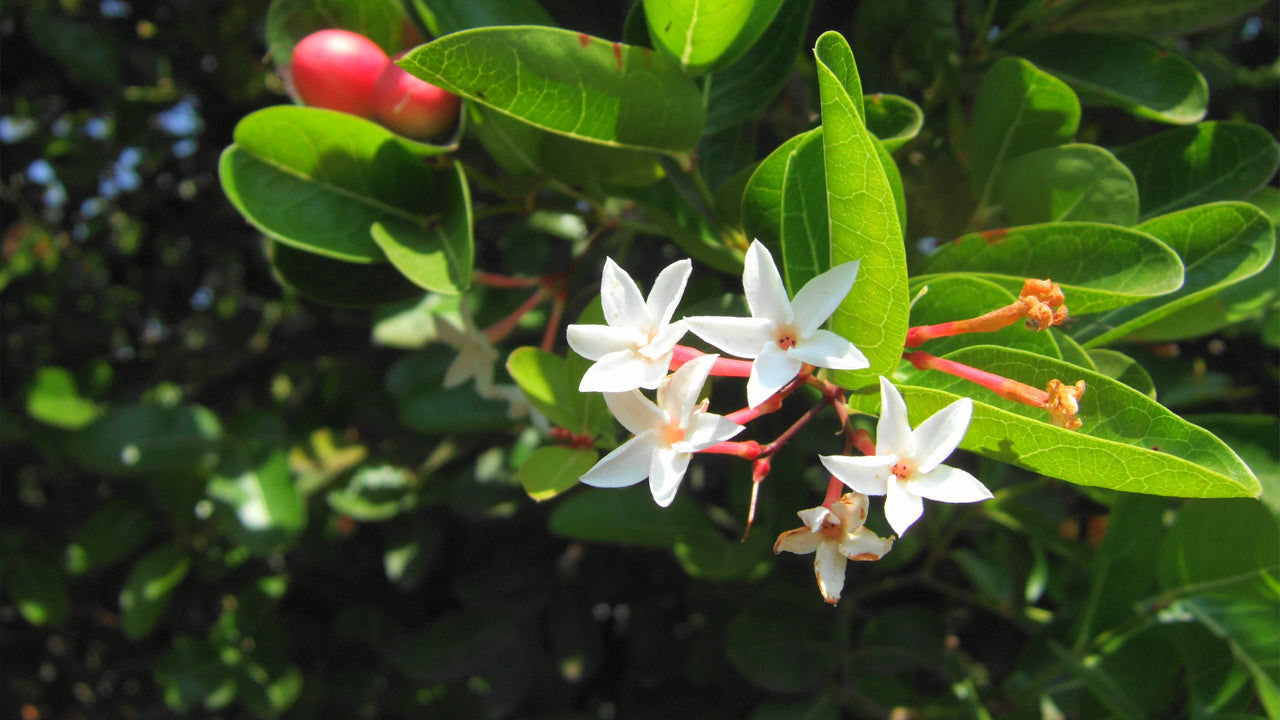
Karonda
Carissa carandas -
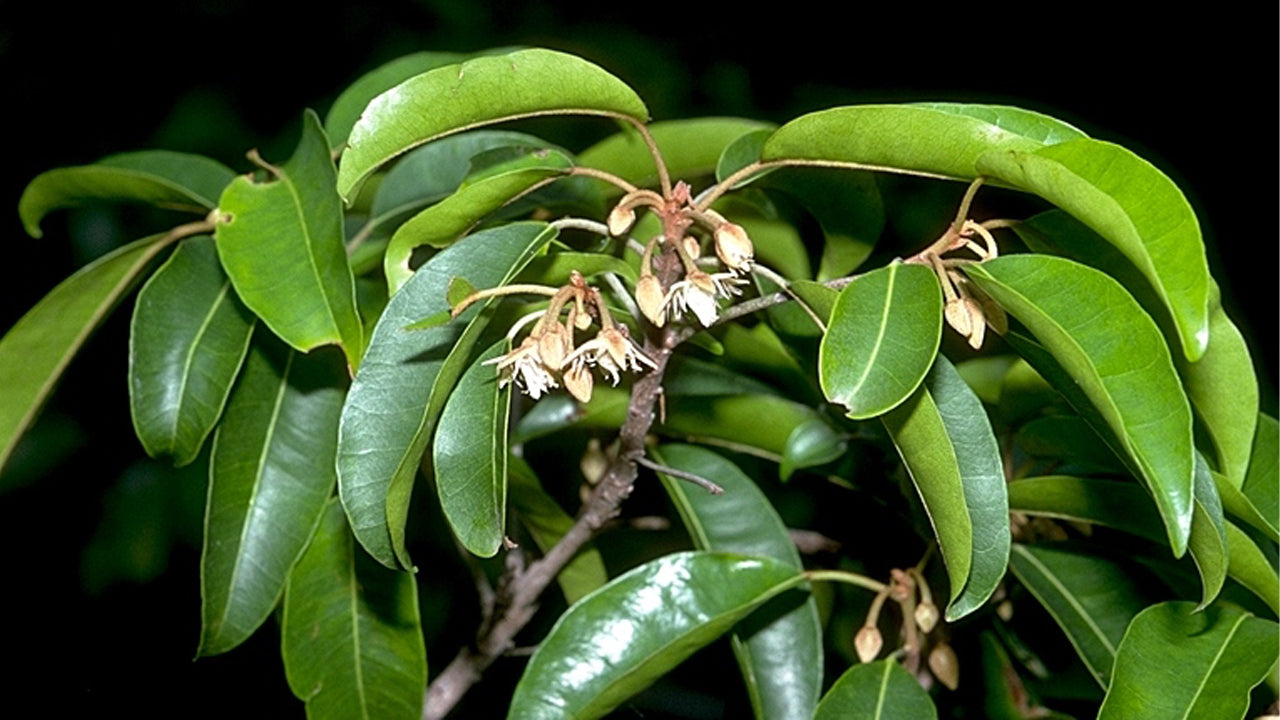
Spanish cherry
Mimusops elengi -
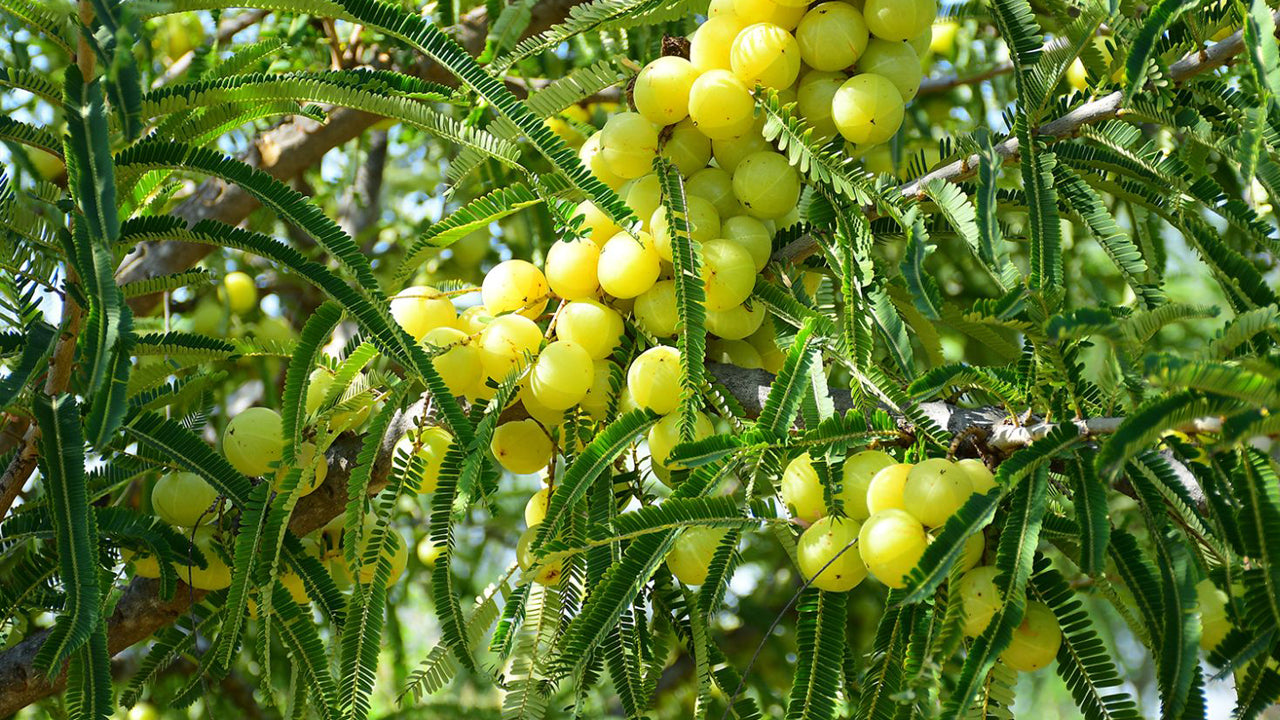
Indian gooseberry
Phyltanthus emblica -
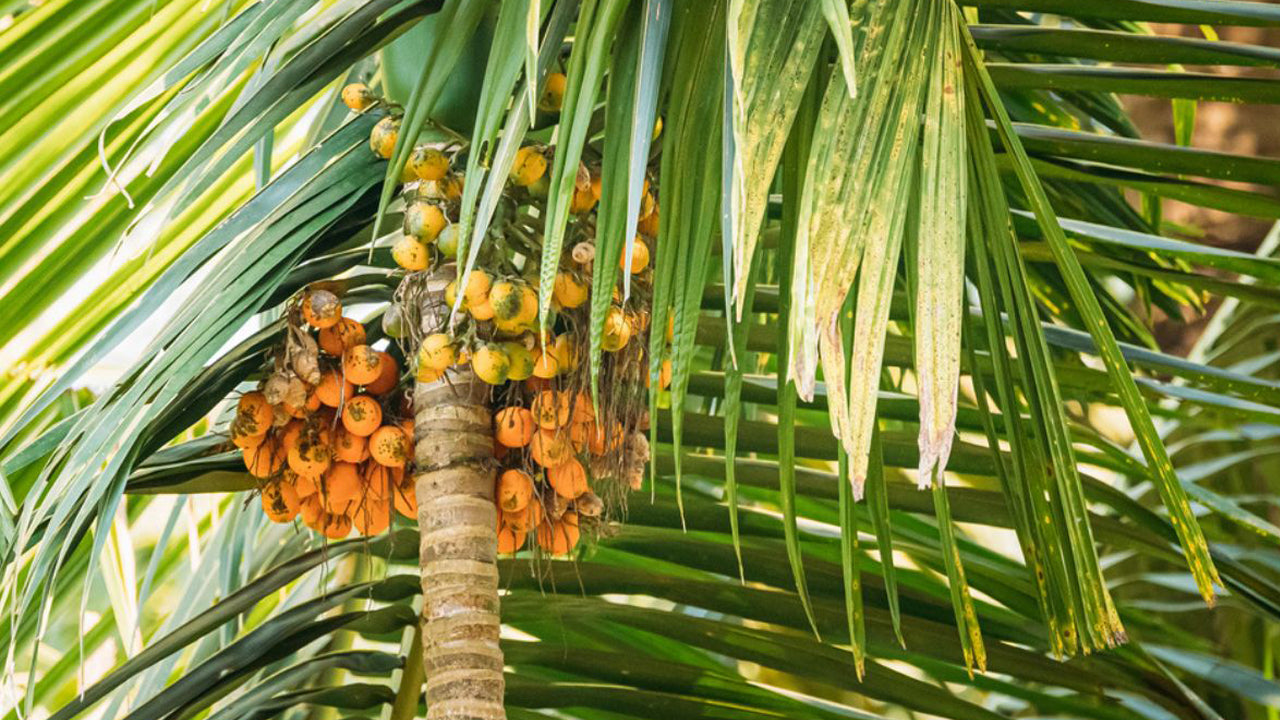
Betel palm
Areca catechu -
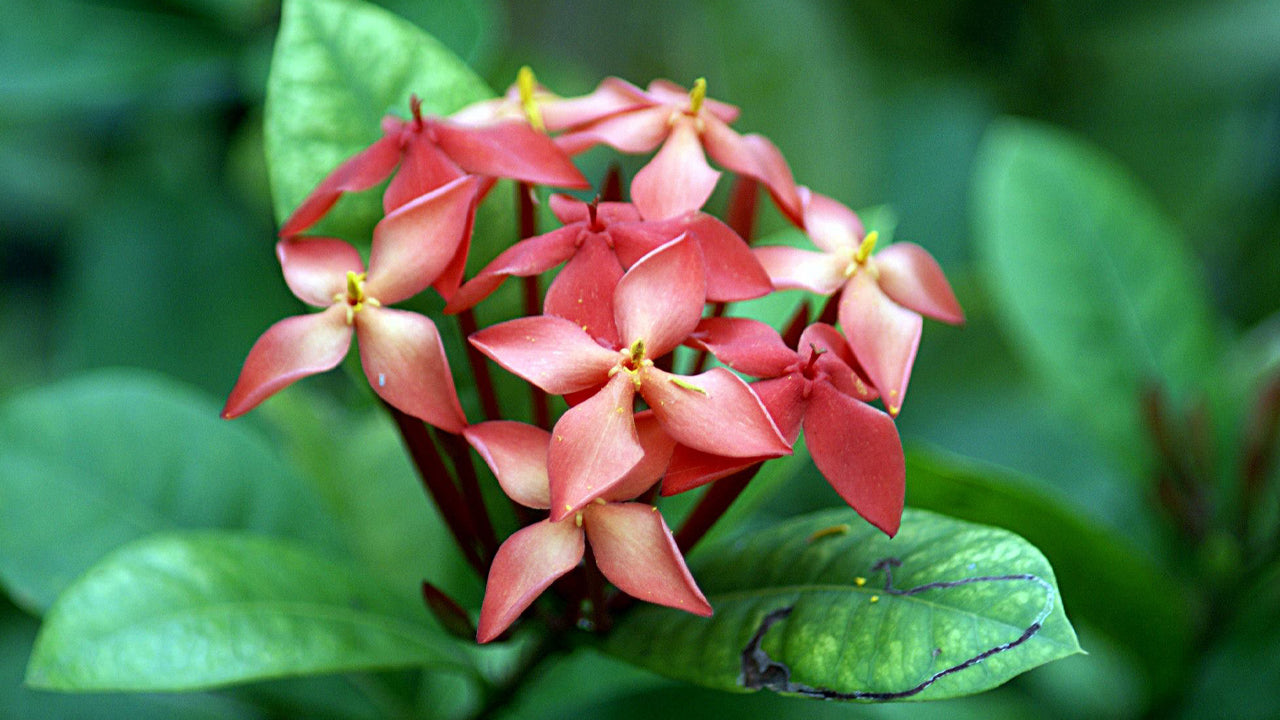
Jungle geranium
Ixora coccinea -
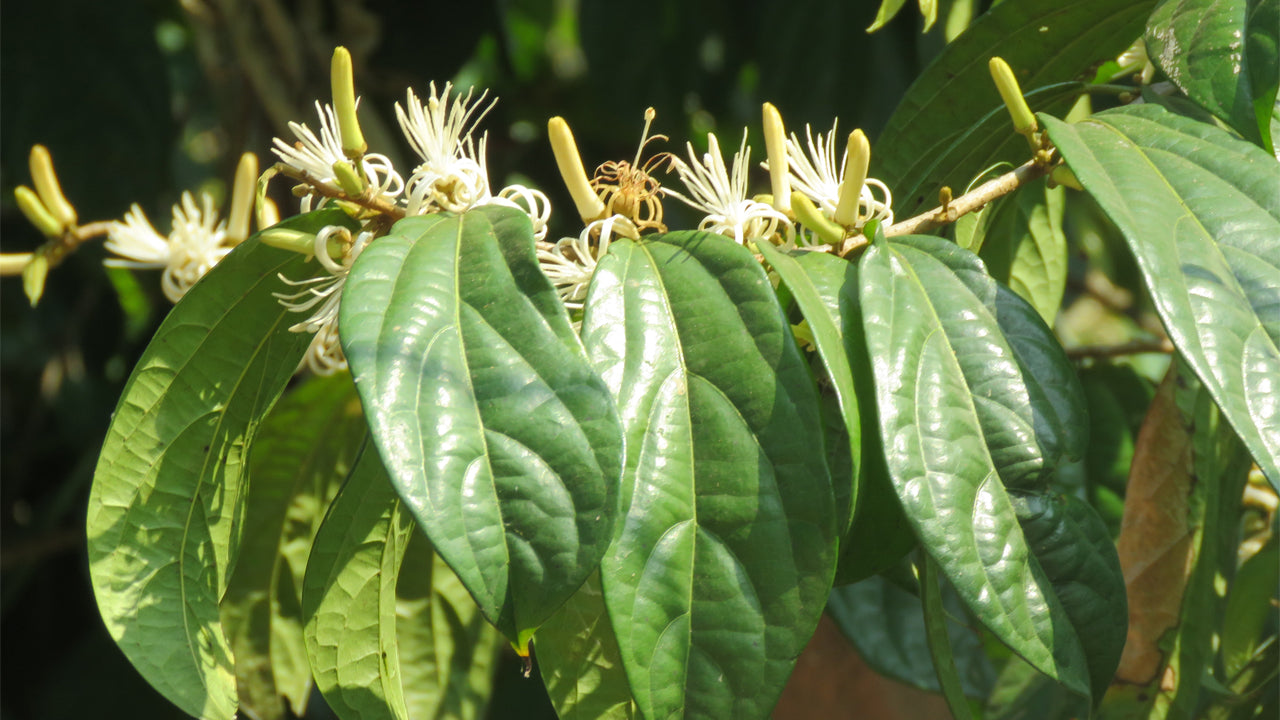
Sage-leaved alangium
Alangium salviifolium -
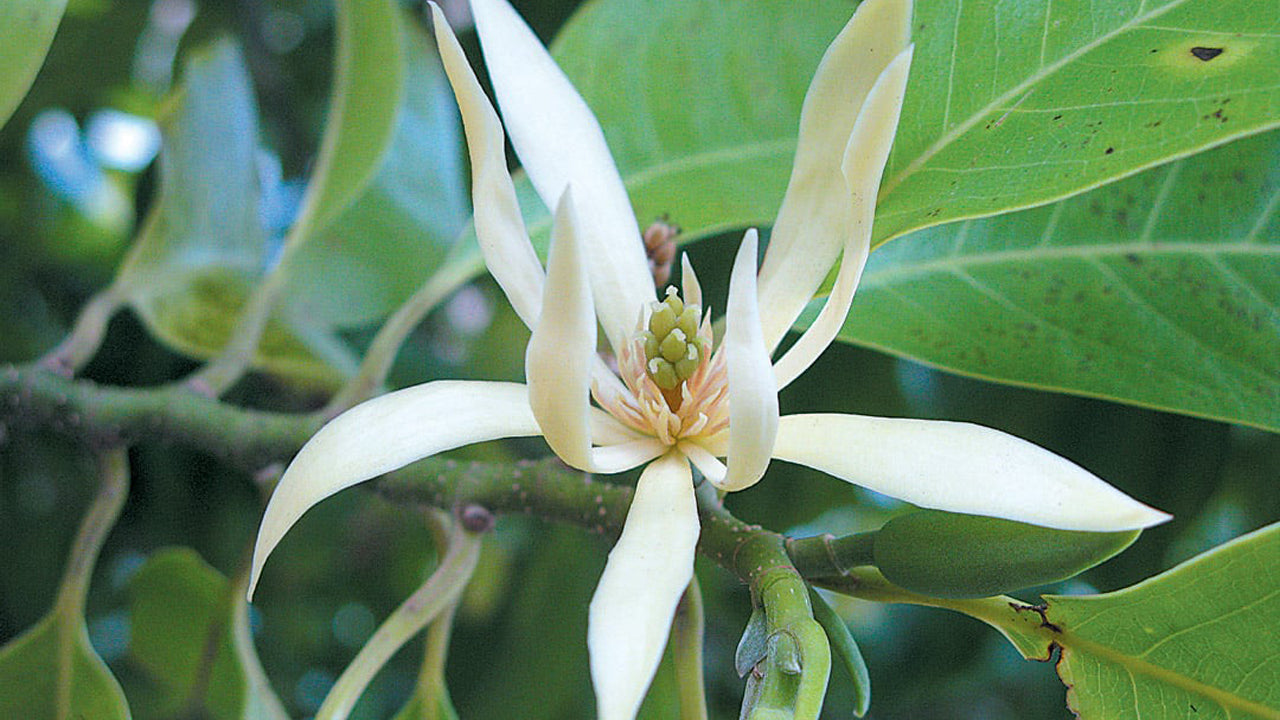
Champak
Michelia champaca -
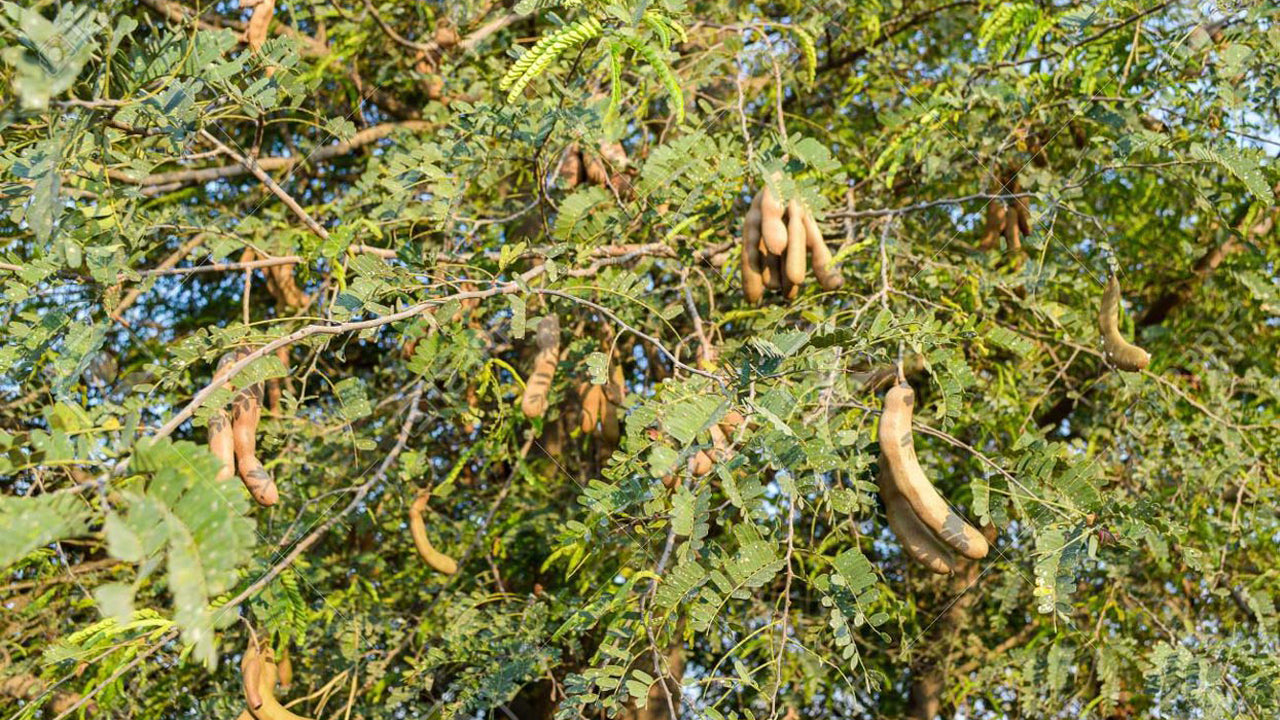
Tamarind
Tamarindus indica -
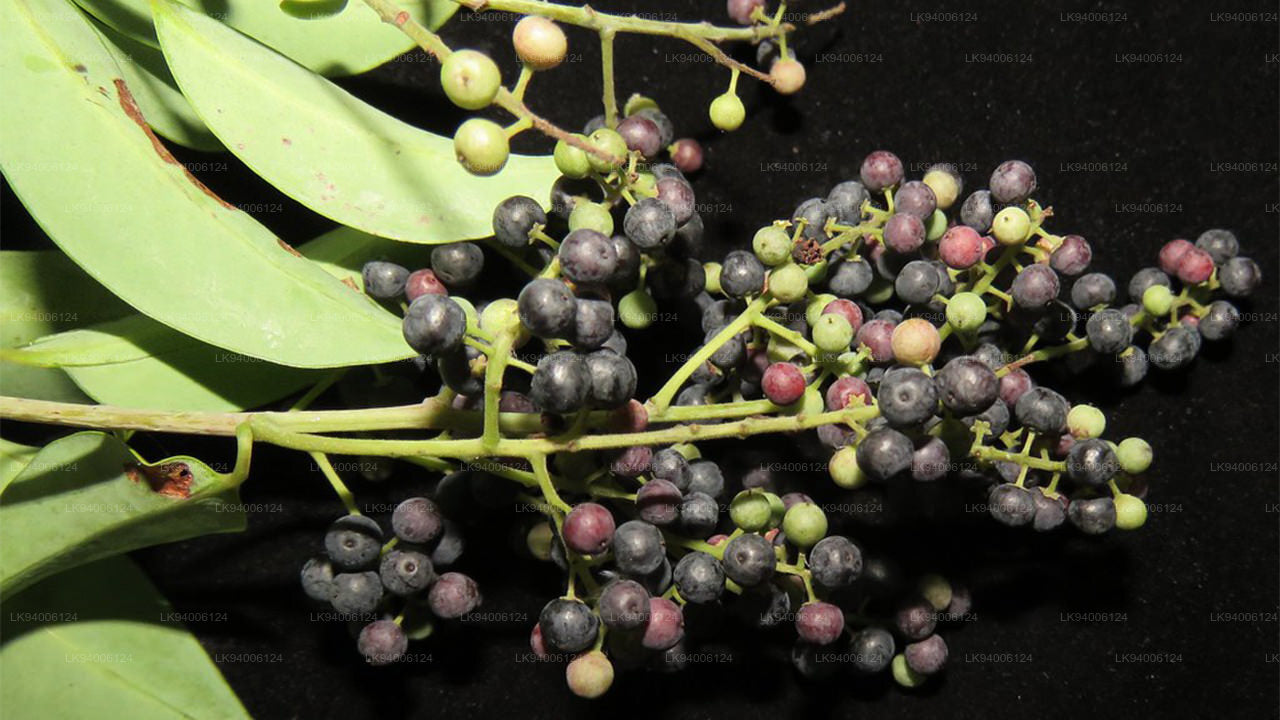
False Black Pepper
Embelia ribes -
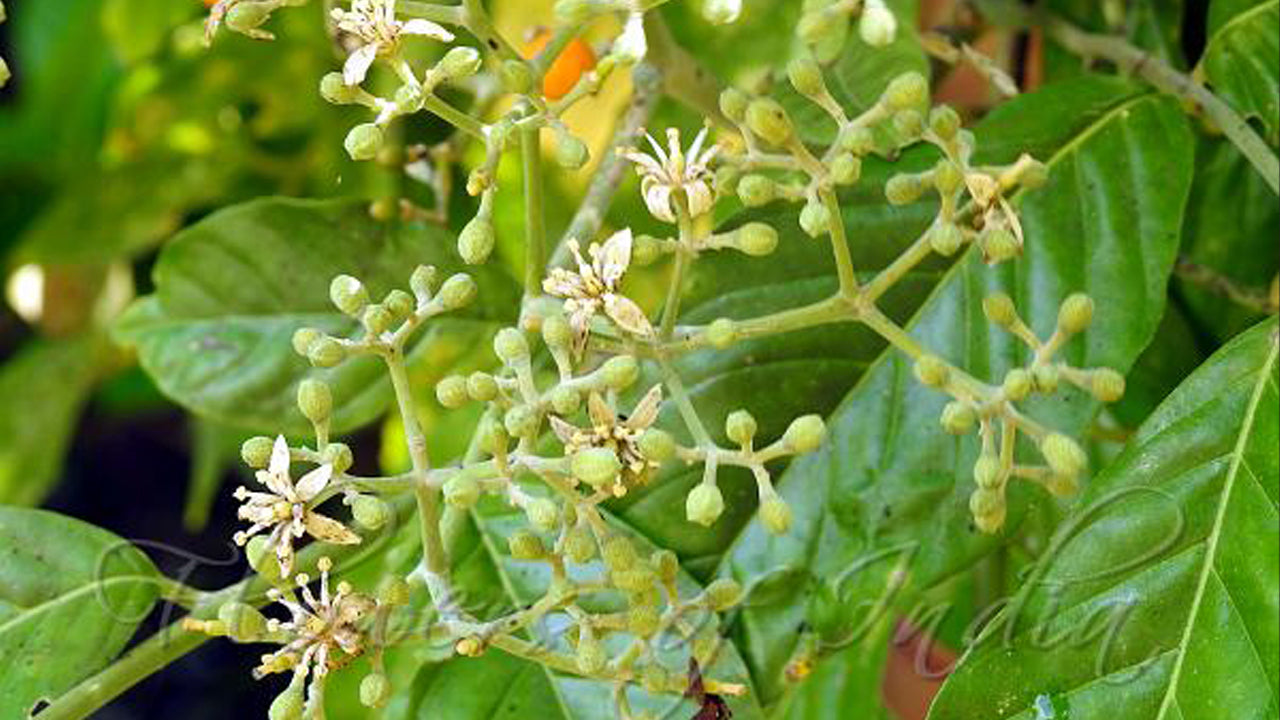
Limeberry
Micromelum ceylanicum -
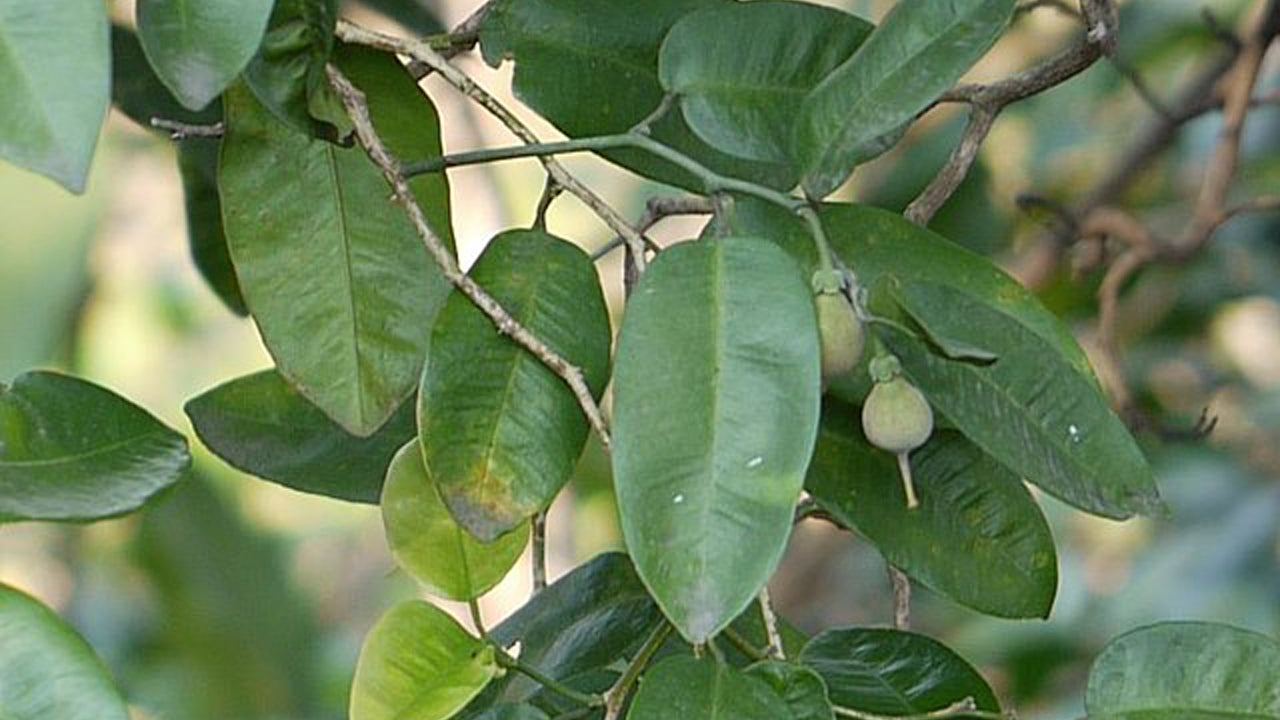
Climbing Atalantia
Paramignya monophylla




Ayurvedic and Herbal
-
싯달레파 아유르베다 허벌 밤
정가 $0.48 USD에서정가$0.54 USD할인가 $0.48 USD에서할인 -
링크 스와사 트리팔라 (30정)
정가 $1.74 USD에서정가$1.93 USD할인가 $1.74 USD에서할인 -
락푸라® 야생 사워솝(구아나바나, 그라비올라, 구아바노) 건조 잎 (통째로)
정가 $0.72 USD에서정가$0.81 USD할인가 $0.72 USD에서할인 -
 할인
할인세츠와 프라나지바 오일
정가 $3.85 USD에서정가$4.28 USD할인가 $3.85 USD에서할인