Lakpura
Lakpura®

Rauvolfia serpentina

Rauvolfia serpentina, commonly known as Indian snakeroot or devil pepper, is one of the most significant medicinal plants in Sri Lanka's Ayurvedic pharmacopoeia. Known in Sinhala as Sarpagandha, this woody shrub has been used in traditional medicine across South and Southeast Asia for centuries, valued primarily for its roots, which contain a complex array of alkaloids with documented physiological effects.

What is Rauvolfia serpentina?

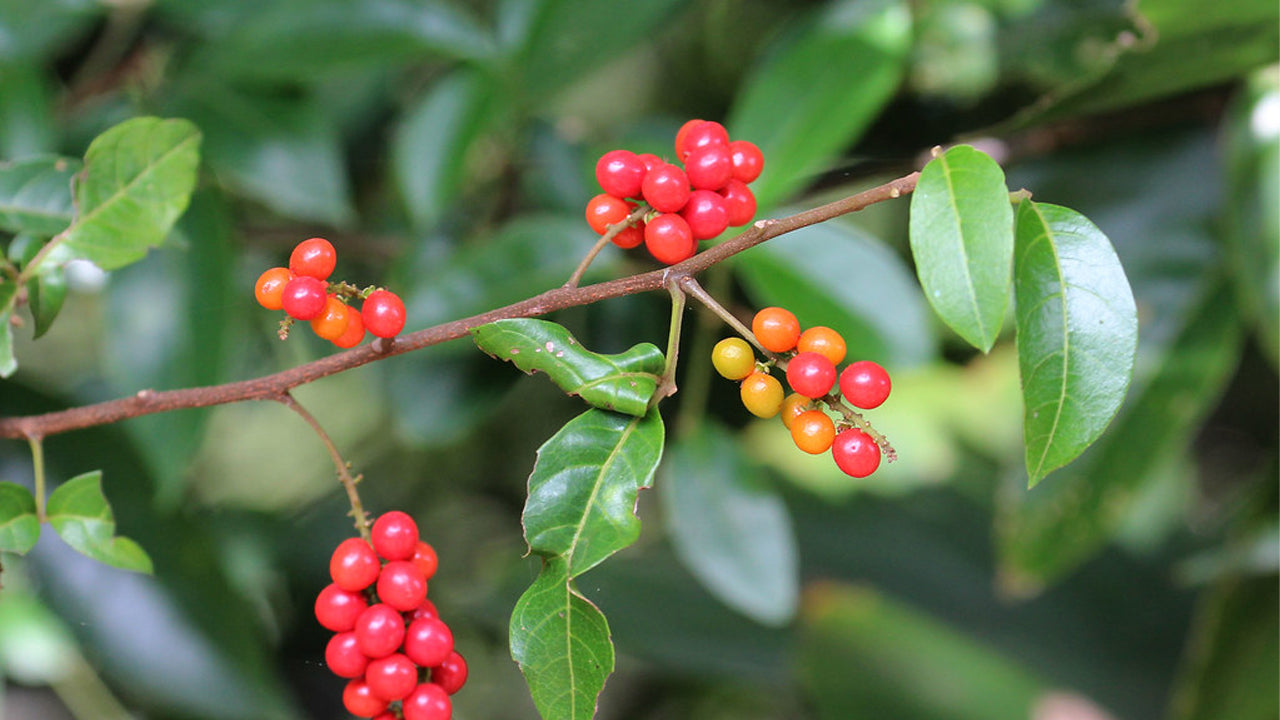
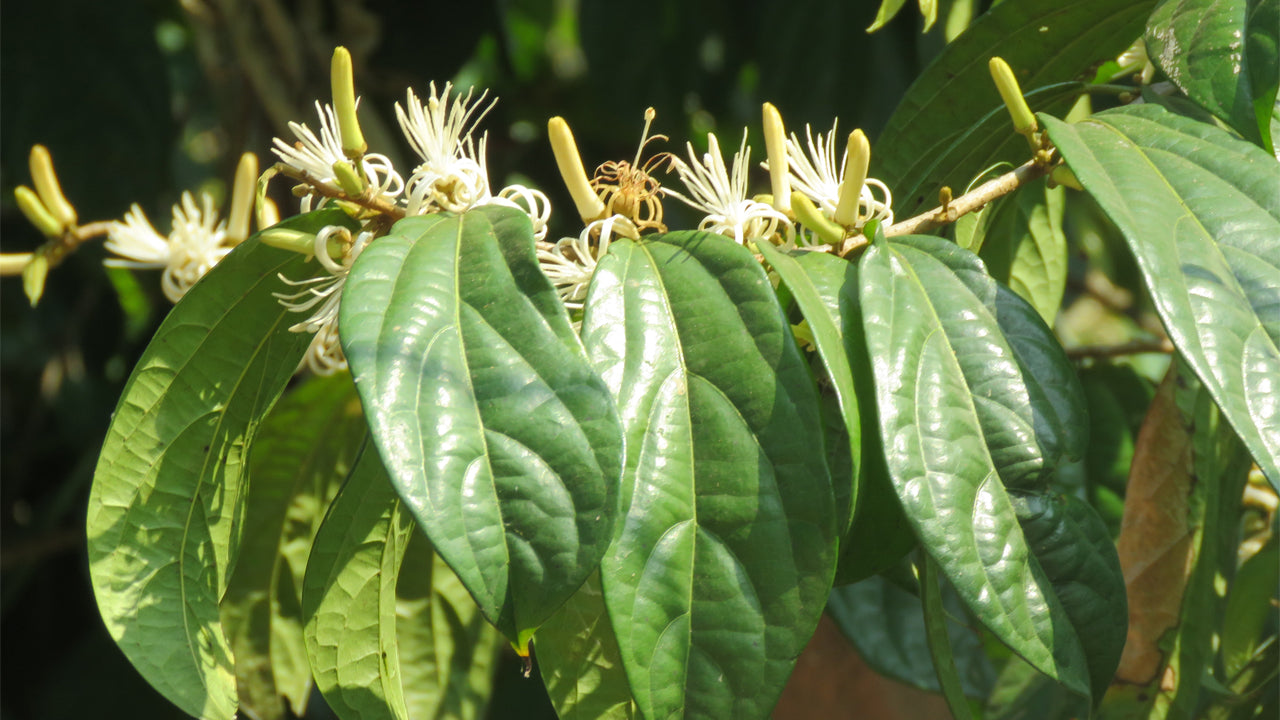
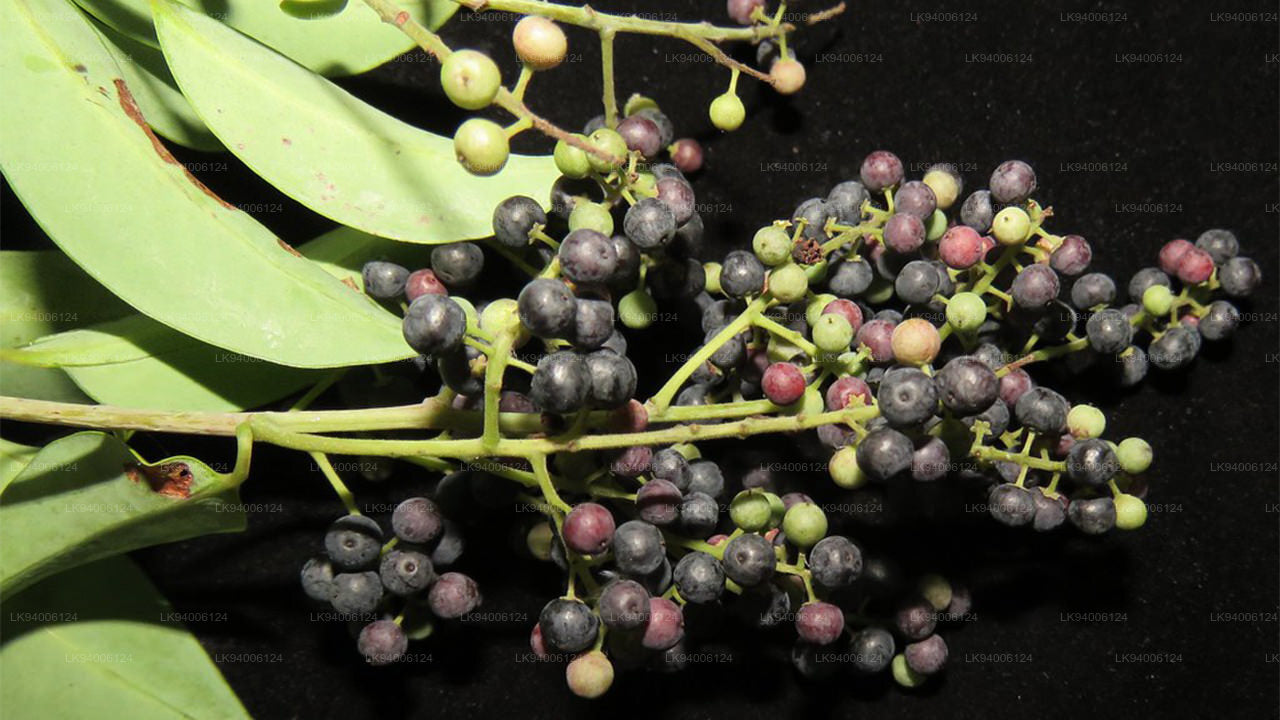
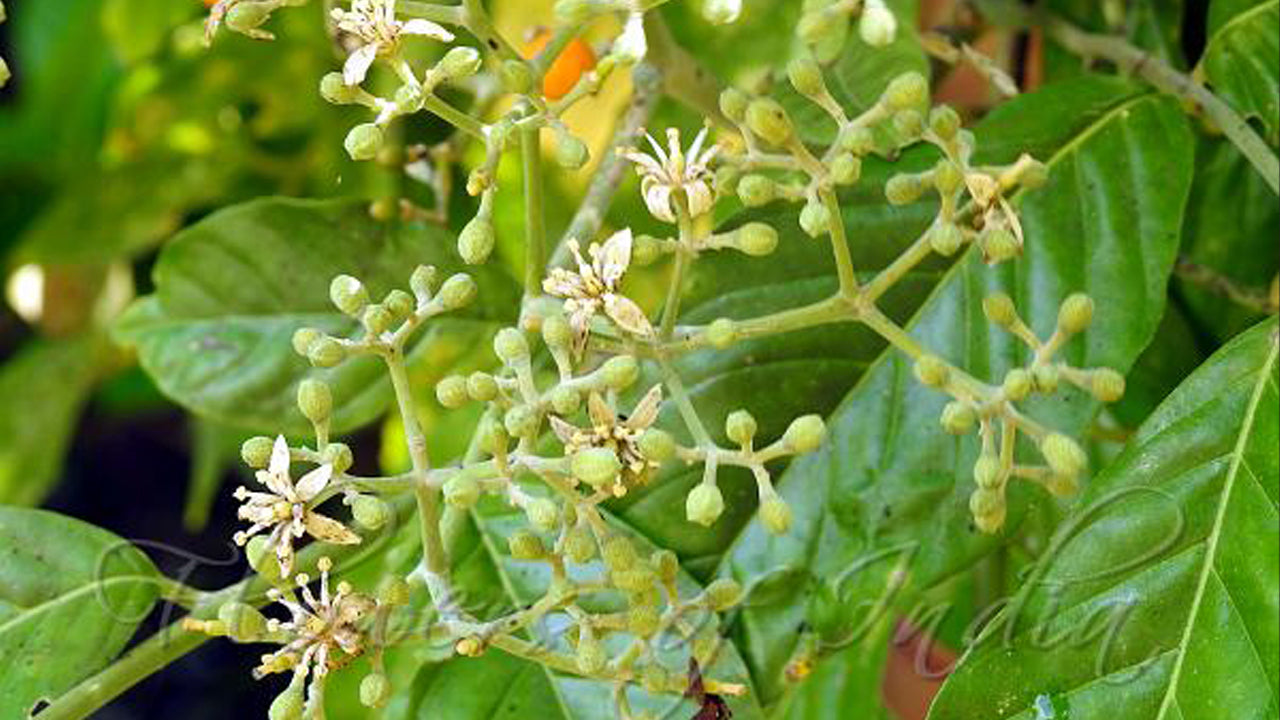
Rauvolfia serpentina belongs to the family Apocynaceae and typically grows as a small perennial shrub, reaching around 30–90 cm in height. It thrives in tropical and subtropical forest understories, moist lowland zones, and the edges of evergreen forests — all habitats well represented across Sri Lanka's wet and intermediate zones. The plant produces small, white to pale-pink flowers and dark, berry-like fruits. Its most medicinally important part is the root, which can reach considerable depth and thickness in mature plants.

The species is listed in Sri Lanka's official catalogue of Ayurvedic medicinal plants and is recognised by Ayurvedic practitioners for its broad therapeutic profile. It is also known internationally through the work of 20th-century pharmacologists who isolated its key alkaloids and introduced them into modern cardiovascular medicine.

What are the active compounds in Rauvolfia serpentina?

The root bark of Rauvolfia serpentina contains more than 50 alkaloids, the best known of which is reserpine. Reserpine acts on the central nervous system and was historically used in Western medicine as an antihypertensive and antipsychotic agent before synthetic alternatives became widespread. Other notable alkaloids include ajmaline, serpentinine, yohimbine, and ajmalicine, each associated with different pharmacological activities.

In Ayurveda, the plant's action is understood through the lens of classical theory rather than isolated compounds. Practitioners classify it as having tikta (bitter) and kashaya (astringent) rasas, and it is associated with calming vata and pitta doshas. This framework guides its traditional use in conditions ranging from anxiety and insomnia to hypertension and certain febrile disorders.

How has Rauvolfia serpentina been used in traditional Sri Lankan medicine?

Within Sri Lanka's Ayurvedic tradition, Rauvolfia serpentina root preparations have been prescribed for a range of conditions. Practitioners have historically used it to manage high blood pressure, anxiety states, and sleep disturbances. It has also appeared in formulations targeting snakebite and certain skin conditions, which may explain one of its common names — snakeroot — though modern evidence for snakebite efficacy is limited.

The root is typically prepared as a fine powder, a decoction, or incorporated into classical compound formulations. Because of the potency of its alkaloids, traditional physicians administer it in carefully calibrated doses, usually under close supervision. Self-administration is generally discouraged in Ayurvedic practice, and modern health guidelines echo this caution given the plant's narrow therapeutic window.

Sri Lanka has a rich heritage of such precise botanical knowledge, documented in classical texts and maintained through its network of government-recognised Ayurvedic hospitals and practitioners. Plants like Acacia chundra and Pongamia pinnata share similar roles in the island's Ayurvedic materia medica, each occupying a specific niche in traditional formulations.

What does modern research say about Rauvolfia serpentina?

Reserpine, derived from Rauvolfia serpentina, was among the earliest plant-based compounds to enter mainstream pharmaceutical practice — it was approved for use in hypertension treatment in Western countries during the 1950s. While largely replaced by newer antihypertensive drugs, reserpine remains on the World Health Organization's List of Essential Medicines in some formulations, a recognition of its continued relevance in certain clinical contexts.

Research has continued into the plant's broader alkaloid profile. Studies have examined ajmaline's effects on cardiac arrhythmias and ajmalicine's potential as a cerebral vasodilator, though most of this work remains at the laboratory or early clinical stage. The plant's antioxidant and anti-inflammatory properties have also drawn scientific interest in recent years.

It is important to note that, despite its documented active compounds, Rauvolfia serpentina carries real risks. Reserpine at higher doses has been associated with depression, nasal congestion, and gastrointestinal effects. Anyone considering its use should consult a qualified Ayurvedic physician or medical professional.

Where does Rauvolfia serpentina grow in Sri Lanka?

In Sri Lanka, Rauvolfia serpentina is found mainly in the wet zone lowland forests and in degraded forest margins, particularly across the Western, Sabaragamuwa, and Southern provinces. It is not a plant commonly encountered in cultivated gardens; most supply for Ayurvedic use comes from wild collection or small-scale cultivation by herbal farmers. Overharvesting of wild populations is a recognised conservation concern across the plant's range in South Asia, and sustainable sourcing practices are increasingly emphasised by Sri Lanka's Department of Ayurveda.

Forest reserves such as the Sinharaja Forest Reserve and associated buffer zones harbour populations of this and many other indigenous medicinal species, underscoring the ecological importance of protecting Sri Lanka's remaining lowland rainforest.

How is Rauvolfia serpentina used in Ayurvedic products today?

Contemporary Ayurvedic manufacturers in Sri Lanka and across South Asia incorporate Rauvolfia serpentina root powder into standardised herbal capsules, tablets, and liquid extracts. These products are typically formulated to support cardiovascular wellness and stress management, and are marketed under various brand names to both domestic and international consumers.

Quality and standardisation vary considerably between manufacturers. Reputable products typically carry certification from Sri Lanka's Department of Ayurveda or equivalent regulatory bodies, and will specify the plant part used (root), the extraction method, and the recommended daily dose. Consumers are advised to look for these indicators when choosing any Rauvolfia serpentina supplement.

Is Rauvolfia serpentina safe to use?

Rauvolfia serpentina is a pharmacologically active plant and should not be treated as a mild herbal supplement. Its alkaloids exert measurable effects on blood pressure and the central nervous system. Use during pregnancy, breastfeeding, or alongside antihypertensive or psychiatric medications requires medical supervision. The plant is contraindicated in individuals with depression or peptic ulcer disease according to classical Ayurvedic guidelines.

Within a properly supervised Ayurvedic treatment plan, and at appropriate doses, Rauvolfia serpentina has a long history of use without serious adverse events. The key, as with many potent medicinal plants, lies in professional guidance and quality-controlled sourcing.

Book this experience with Lakpura

Curated by our local team. Direct booking, instant confirmation.

Ask Lakpura® Agent