Ratha Kalkaya


Ratha Kalkaya (also known as "Ratha Kalka" or "Ratha Kalkka") is a traditional Sri Lankan herbal preparation, deeply rooted in the island's indigenous medical system known as Hela Wedakama. This remedy is typically used as a topical treatment and is recognized for its distinctive red color and pungent aroma. It is widely applied for various skin conditions, muscle pain, wounds, and inflammations, serving both medicinal and therapeutic purposes.
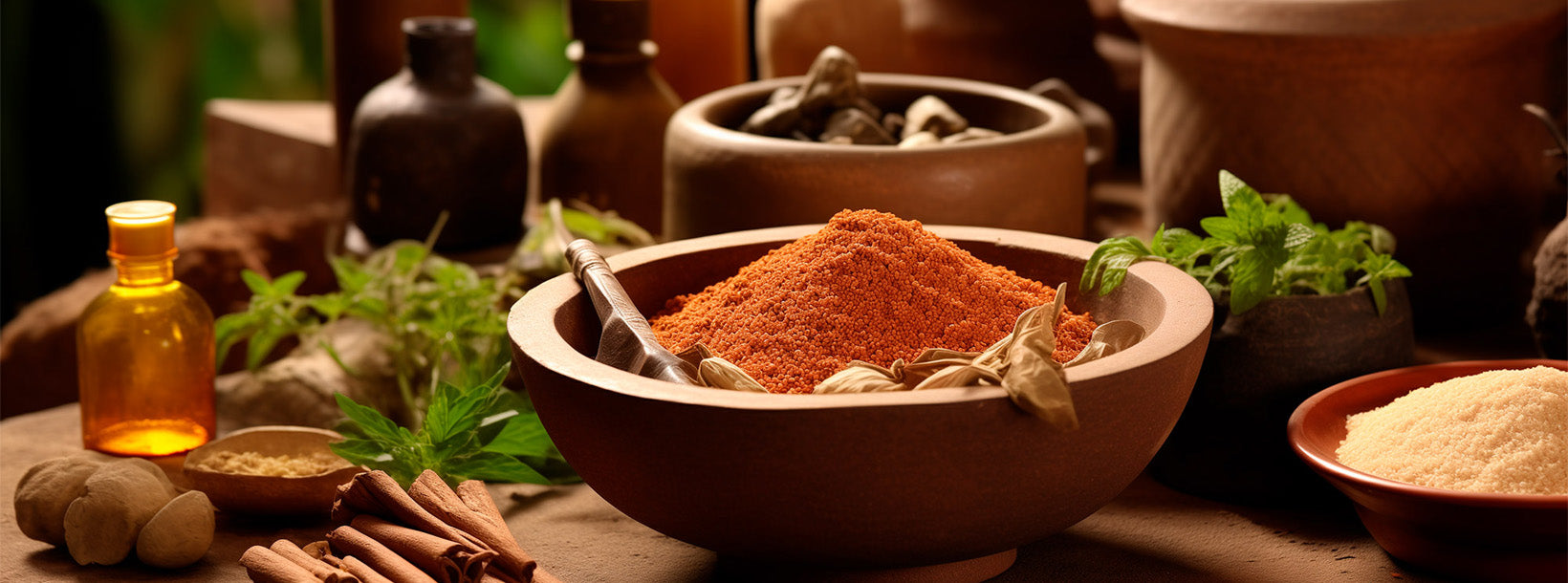
The preparation of Ratha Kalkaya involves a complex process of boiling herbal ingredients—primarily a combination of plant resins, oils, and powdered roots—in a base of sesame or coconut oil. The herbs used in this concoction often include locally sourced Ayurvedic ingredients such as Kumbuk bark, Kohomba (neem), and other medicinal plants known for their anti-inflammatory, antiseptic, and analgesic properties. The end product is a thick, oily paste that is massaged into the affected area or applied over wounds and rashes.
In rural Sri Lanka, Ratha Kalkaya has been a household staple for generations, often handed down through family tradition. It is a symbol of the country’s deep respect for natural remedies and traditional healing practices. Despite the rise of modern pharmaceuticals, many Sri Lankans continue to rely on this time-tested remedy for treating everyday ailments.
Today, Ratha Kalkaya is still produced by traditional Ayurvedic practitioners and is sometimes available in Ayurvedic shops and wellness centers across the country. It stands as a testament to Sri Lanka’s rich heritage in herbal medicine and holistic health.