Polyneuropathy


In Sri Lanka, Ayurveda approaches polyneuropathy through a holistic blend of herbal therapies, body treatments, and lifestyle correction aimed at restoring balance in the nervous system. Treatments typically begin with identifying the underlying doshic imbalance—most often Vata—since Vata governs nerve health and mobility. By calming aggravated Vata, Ayurveda helps reduce pain, numbness, tingling sensations, and muscle weakness associated with neuropathy.
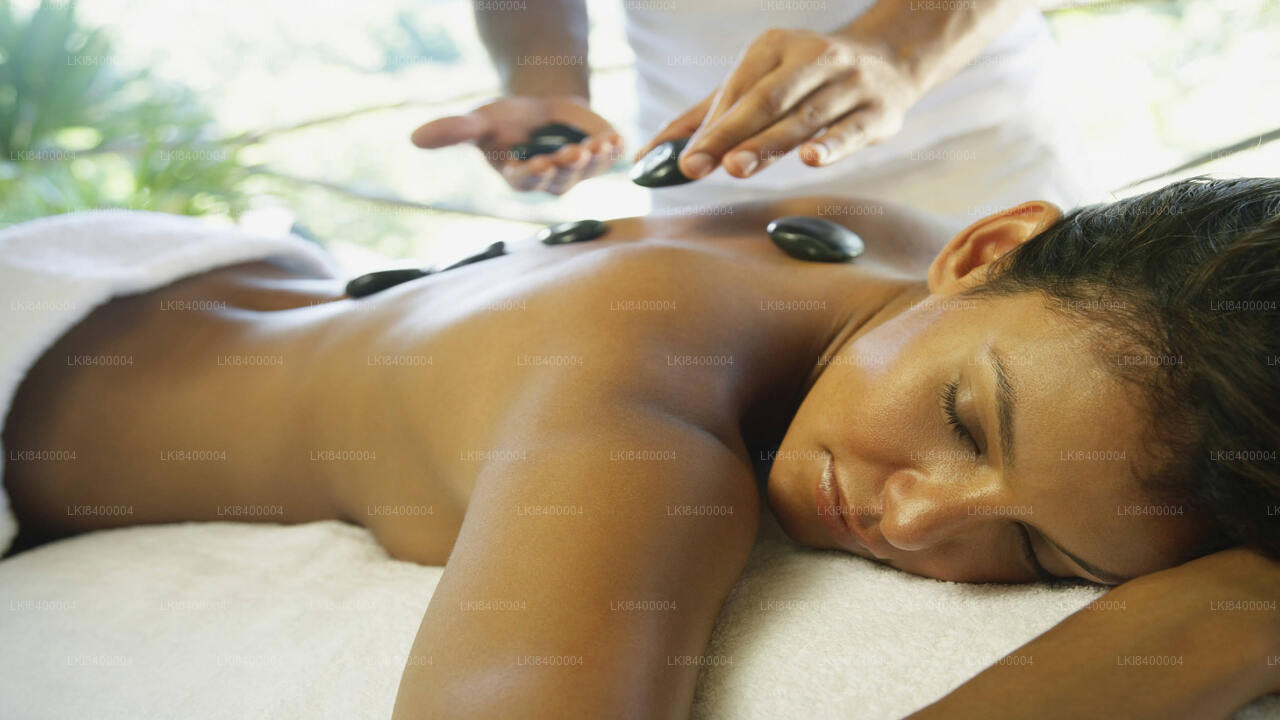
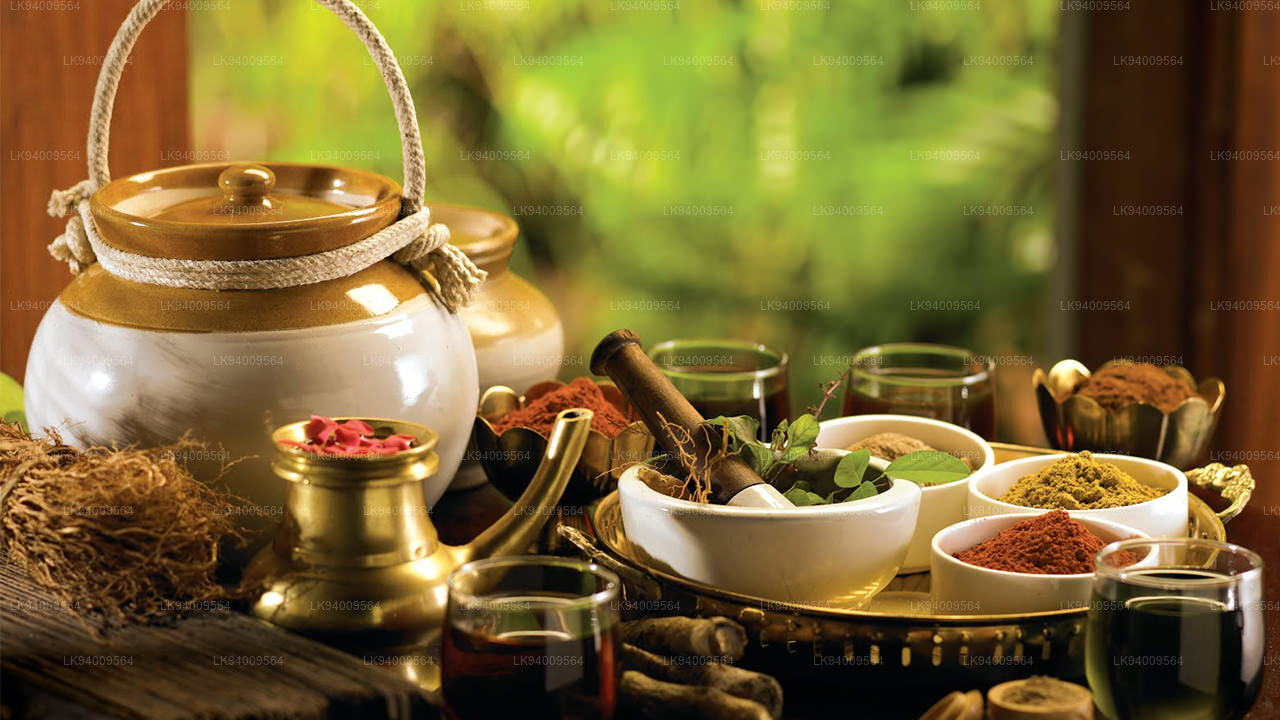
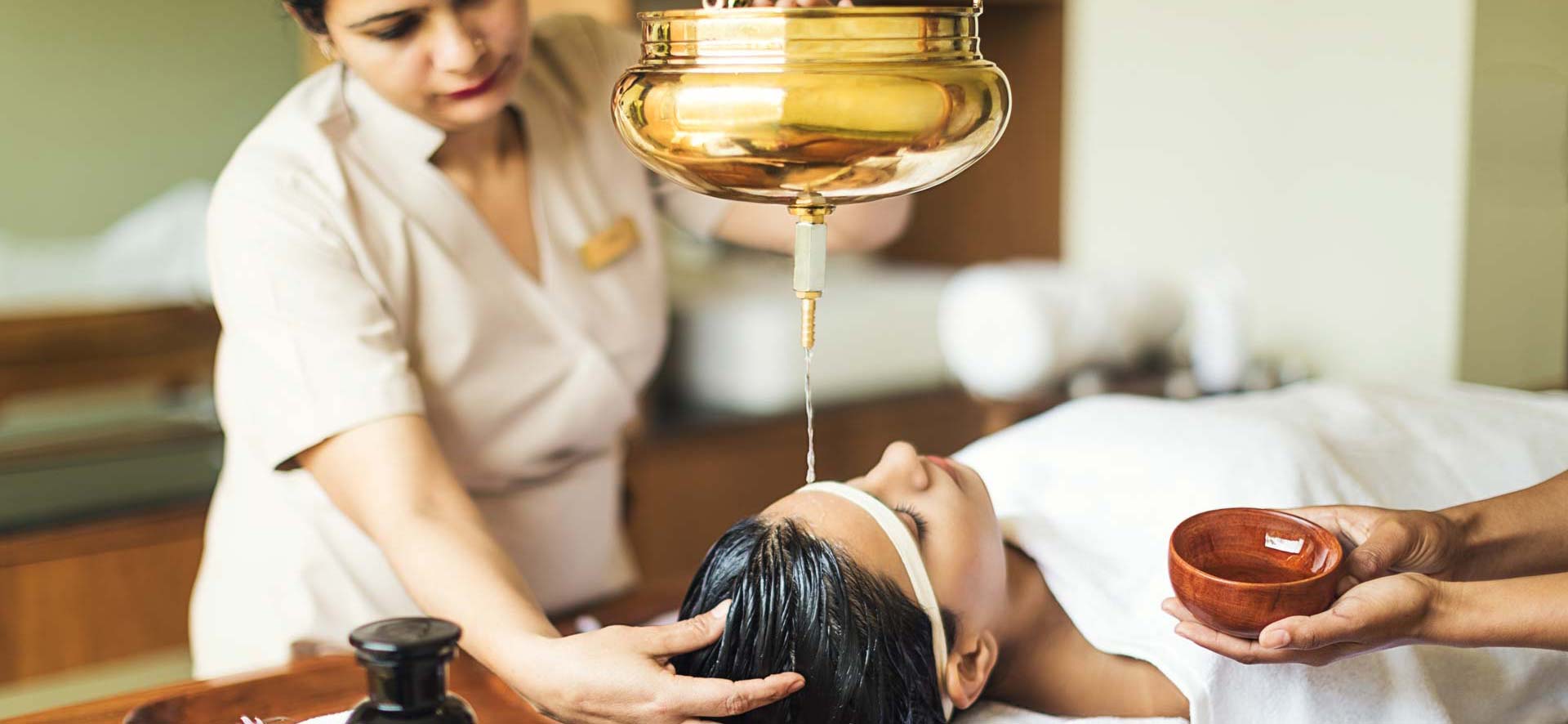
Sri Lankan Ayurvedic physicians commonly use herbal preparations such as Maha Narayana Thailaya, Dhanvantaram Thailaya, Bala Thailaya, and nerve-strengthening decoctions like Dashamula, Brahmi, Ashwagandha, and Guduchi. These remedies support nerve regeneration, improve circulation, and ease inflammation. Internal medicines are often paired with external therapies such as Abhyanga (full-body oil massage), Pinda Sweda (herbal bolus fomentation), and Shirodhara, which collectively help soothe nerve pathways and enhance mobility.
Sri Lankan treatment plans frequently include Panchakarma-based detoxification to remove toxin buildup believed to obstruct nerve channels. Therapies like Virechana (purification), Vasti (medicated enemas), and Nasya (nasal administration of herbal oils) are used selectively based on the patient's condition. Lifestyle elements—such as gentle yoga, controlled diet, and warm, nourishing meals—further support recovery.
Overall, Ayurveda in Sri Lanka offers a personalised, long-term approach aimed at improving quality of life for those living with polyneuropathy. While not a complete cure in all cases, many patients experience reduced symptoms, better nerve function, and improved day-to-day comfort through sustained, holistic care.