Ecological Sites


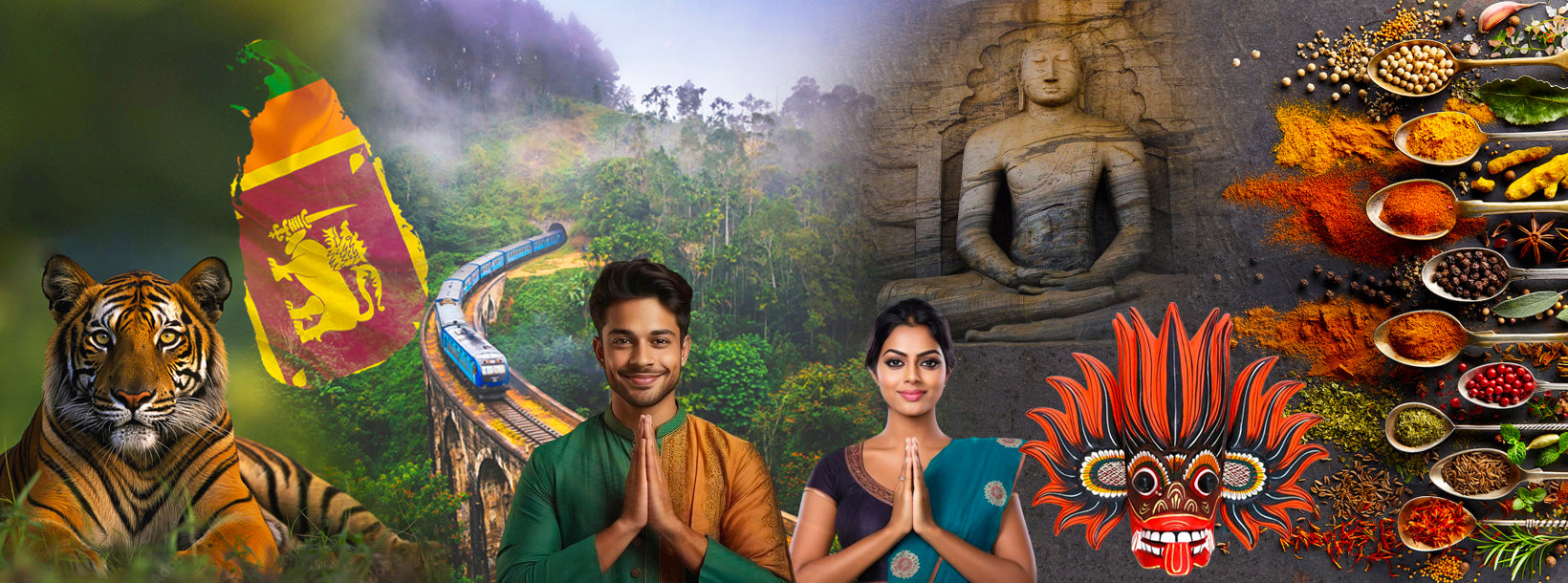
Ecological Sites in Sri Lanka. The topographical, ecological and cultural diversity in its compact 66,000 sq km makes it truly a land like no other’ with no end to the nature and adventure related activities that are possible! Sri Lanka ‘s vast variety of habitats includes pristine rainforests, highland grasslands and tea plantations, virgin jungles, mangrove swamps, dry zone areas, white sandy beaches and several internationally recognized National Parks.
Also known as the pearl in the Indian Ocean’, Sri Lanka (formerly called Ceylon island republic) is located 29 kilometres off the south eastern tip of the Indian subcontinent. It is separated from India by the Palk Strait and Gulf of Mannar .
Sri Lanka can be described as tropical’ in its Climate, with a wet and dry season, further affected by two monsoons. The Yala monsoon rain to the southwestern part of the country- from May to August, while the dry season is approximately- from – December to March. In contrast, the north and eastern coast of Sri Lanka is affected by the Maha monsoon that makes it rainy and windy from October to January and dry from May to September.
There is also an inter-monsoonal period in October and November when rain and thunderstorms can occur all around the island. These climate variations make it essential to plan your trip in advance to coincide with the best seasons for the particular areas you want to visit.
Relative humidity in Sri Lanka varies from 70% during the day to 90% at night with an average temperature of 27°C in Colombo .
Ecological Sites in Sri Lanka
In the higher elevations it can be quite cool with temperatures going down to 13°C at an altitude of nearly 2,000 metres. So be prepared to bring clothing for the extremes!
Such a diverse country as Sri Lanka is naturally home to an incredible variety of fauna and flora. Of the 86 species of mammals that live in Sri Lanka , pride of place goes to the majestic elephant the second largest terrestrial animal surviving today. Other exotic species often seen are the leopard, the sloth bear, and many varieties of deer and monkeys. An island-wide prolific bird life is also sure to satisfy even the most serious of bird enthusiasts.
Sri Lanka has tremendous potential as an eco-tourist destination. It encompasses a wide variety of scenic and ecologically important natural habitats and po