Spiaggia di Mannar
La spiaggia di Mannar, situata sulla costa nord-occidentale di Sri Lanka, è conosciuta per la sua bellezza incontaminata, le ampie spiagge sabbiose e l'atmosfera tranquilla. Questa spiaggia offre un'esperienza costiera unica e isolata, ideale per i viaggiatori che cercano di sfuggire ai luoghi turistici più affollati e immergersi nella bellezza naturale.
Isolata e serena
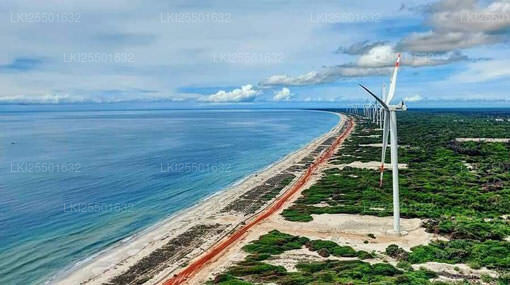
La spiaggia di Mannar vanta lunghe distese di sabbia dorata incontaminata e acque limpide e calme. La posizione remota della spiaggia garantisce un'atmosfera pacifica, perfetta per chi cerca solitudine e relax lontano dalle aree turistiche affollate.
Pescatori e cultura locale
La pesca è una parte integrante della vita a Mannar e i visitatori possono osservare i pescatori locali al lavoro con metodi tradizionali. La zona è ricca di cultura locale e offre opportunità di scoprire la vita quotidiana e le tradizioni delle comunità costiere.
Siti storici e culturali
La vicina città di Mannar offre diverse attrazioni storiche e culturali:
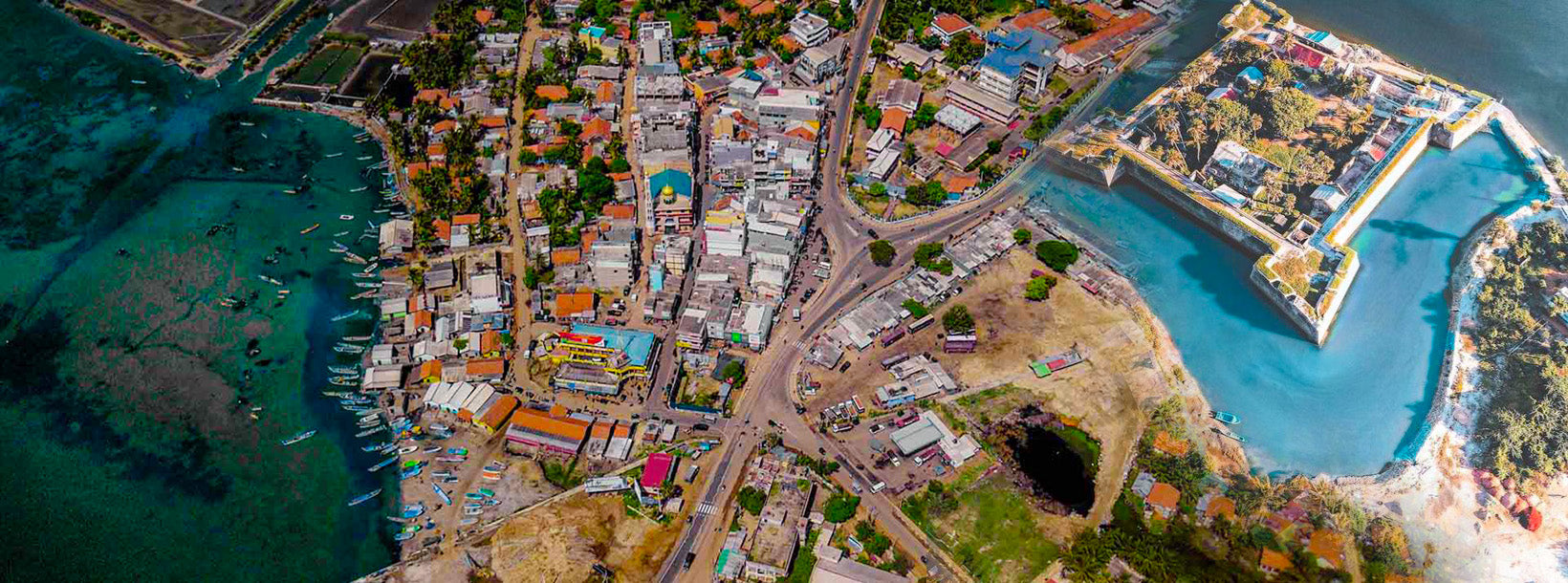
- Il Forte di Mannar: Costruito dai portoghesi nel XVII secolo e successivamente ampliato dagli olandesi, questo forte offre uno spunto sulla storia coloniale della regione e panorami sulla zona circostante.
- Albero di Baobab: Un albero di baobab insolito e imponente situato nell'area di Mannar, uno dei pochi del suo genere in Sri Lanka. Questo albero è diventato un punto di riferimento locale e offre un'opportunità unica per fare foto.
- Ponte di Adamo (Ponte di Rama): Sebbene non si trovi direttamente sulla spiaggia, il vicino Ponte di Adamo è un sito storico di interesse, ritenuto una catena di scogliere di calcare che un tempo collegavano Sri Lanka all'India.
Fauna e osservazione degli uccelli
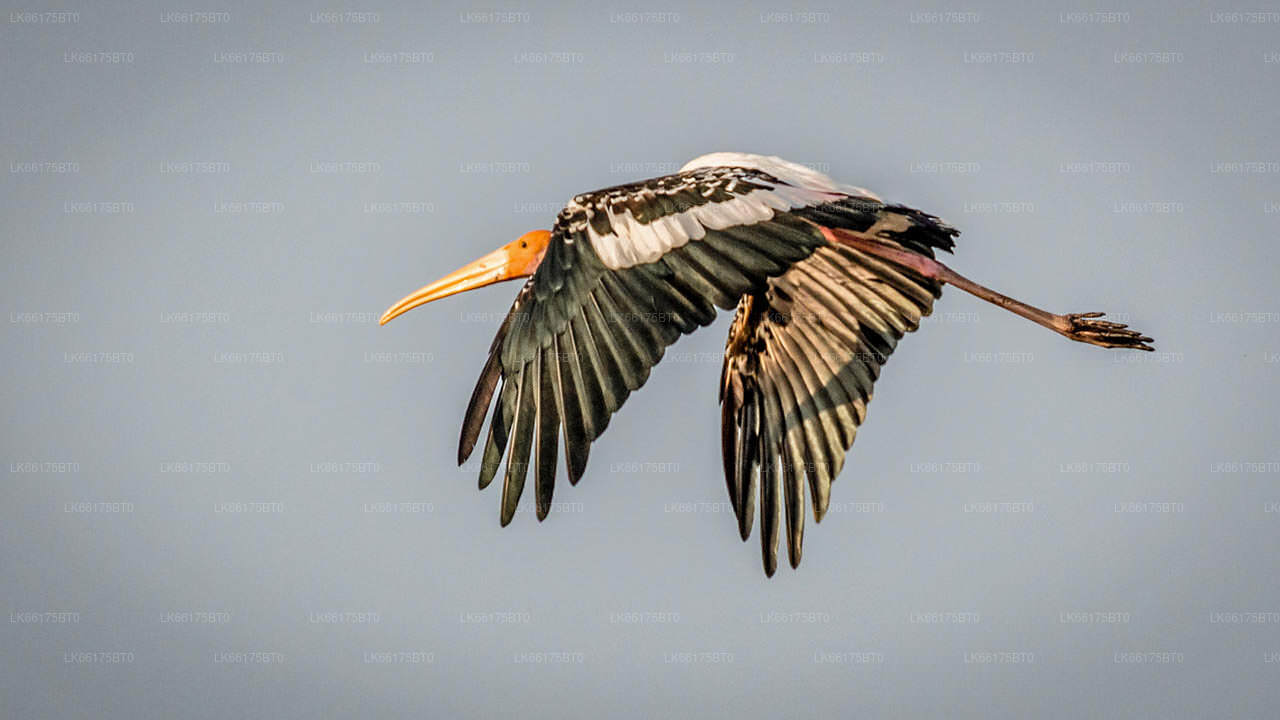
La zona intorno alla spiaggia di Mannar è conosciuta per la sua diversità di uccelli. Gli appassionati di birdwatching possono osservare varie specie, comprese le specie migratorie che visitano la zona in determinati periodi dell'anno. L'isola di Mannar, nelle vicinanze, è anche nota per la sua fauna e bellezza naturale.
Cucina locale
A Mannar, i visitatori possono gustare la cucina tradizionale dello Sri Lanka, con un focus sui frutti di mare freschi. Piatti locali come curry di pesce, curry di granchio e piatti di gamberi sono comunemente disponibili nei ristoranti locali, offrendo un assaggio del patrimonio culinario della regione.
Alloggi
Le opzioni di alloggio a Mannar sono relativamente modeste rispetto alle zone turistiche più sviluppate. I visitatori possono trovare una varietà di case vacanze e piccoli hotel che offrono servizi di base e un soggiorno confortevole. Molti di questi alloggi offrono facile accesso alla spiaggia e alle attrazioni locali.
Il miglior momento per visitare:
Il miglior periodo per visitare la spiaggia di Mannar è da novembre ad aprile, quando il clima è secco e soleggiato, offrendo condizioni ideali per le attività sulla spiaggia e per esplorare la zona locale. La stagione dei monsoni inizia solitamente a maggio, portando piogge e condizioni marine più turbolente.