Jaffna University

Jaffna University Jaffna University Jaffna University

Profile

The establishment of a full fledged University in Jaffna had been a long standing aspiration of the people of Jaffna. This was fulfilled when a campus of the University of Sri Lanka was established in 1974 by an order made by the Honourable Minister of Education. The campus became an independent and autonomous University bearing the name University of Jaffna on January 01, 1979.

The academic and administrative activities of the university are governed by the Universities Act. No. 16 of 1978., as last amended by Act No 1 of 1995.

From a small beginning in the thirty ac re campus of the then Parameswara College premises founded by the veteran philanthropist, Sir Ponnampalam Ramanathan, the University has grown enormously and is today the home of eight faculties with fifty seven academic departments, several service/academic/support units and centers and a Campus at Vavuniya, about 130 Km from Jaffna. In addition a few more Faculties, Departments and Centres are scheduled for development and will, in time, further open the University’s door to the public and increase its role, responsibilities and commitments to t he region around it.

The student population of the university is about seven thousand. This includes about six thousand two hundred internal students in the main campus, about five hundred postgraduate students and about three hundred and fifty of the Vavuniya campus. Although some students are housed in a few halls of residence, majority of the students find their own non-University accommodation.


History

Establishment of the the University of Jaffna

  1. With the implementation of the Universities Act No. 16 of 1978, and by Gazette notification dated December 22, 1978, the Jaffna Campus became an independent and autonomous University with the name University of Jaffna with effect from January 01, 1979.
  2. Following the ethnic disturbances in 1983, the Siddha section of the Institute of Indigenous Medicine, affiliated to the University of Colombo was transferred to the University of Jaffna on 02 July 1984 and placed as a department under the Faculty of Arts. Since 01 October 1993, the Department of Siddha Medicine has been functioning as a separate unit under the direct administration of the Vice-Chancellor. From September 2003, a management committee appointed by the University council oversee the administration of the Department of Siddha Medicine.
  3. A Computer Unit was established in 1985 as a Service Unit under the overall supervision of the Dean of the Faculty of Science.
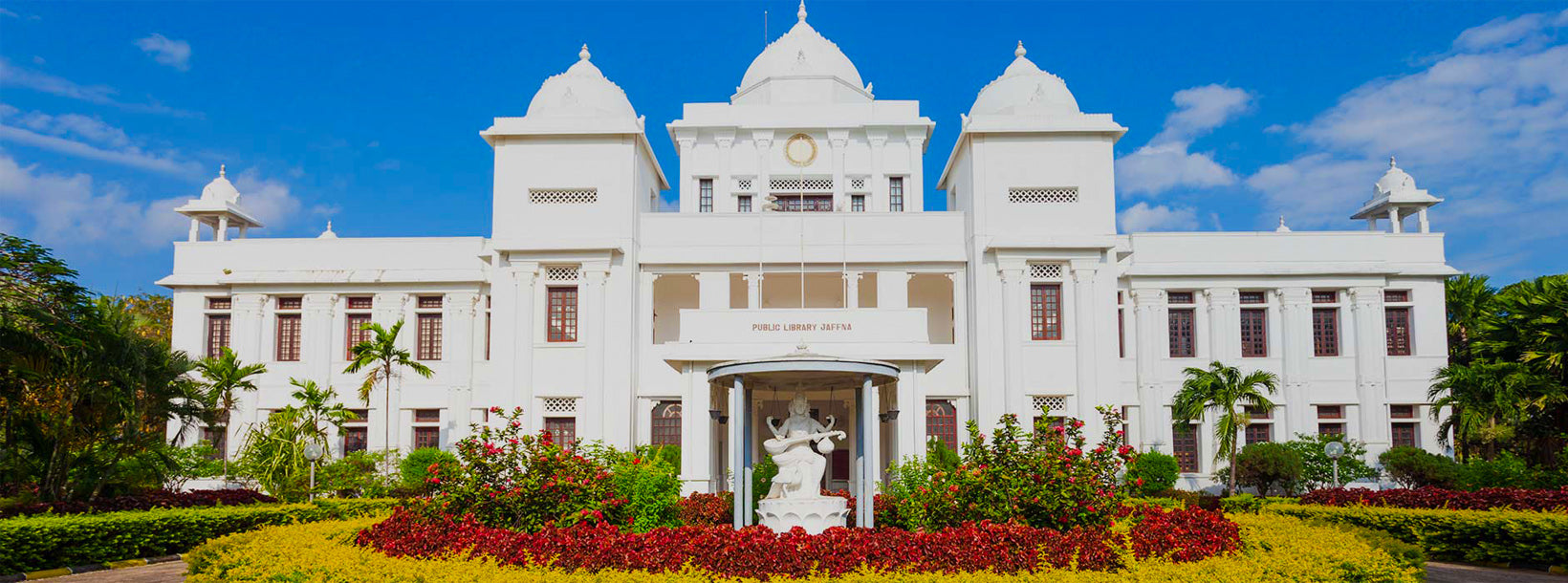
  4. Construction of the Main Library building and the Student Centre commenced in early eighties. However the construction works were completely halted as a result of military activities and the economic embargo imposed by the government on 01 January 1987. Only a portion of the ground floor of the Library Block was completed and put into use in 1986.
  5. The activities of both the General Administration and Academic Departments in the University we

Informazioni sul distretto di Jaffna

Jaffna è la capitale della Provincia Settentrionale dello Sri Lanka. L'85% della popolazione dei distretti di Jaffna e Kilinochchi è indù. Gli indù seguono la tradizione shivaita. La restante parte è in gran parte cattolica romana o protestante, alcuni dei quali discendenti di coloni, noti come Burgher. I Tamil sono divisi in caste, con la maggioranza dei Vellalar, casta agricola. I prodotti ittici, la cipolla rossa e il tabacco sono i principali prodotti di Jaffna.

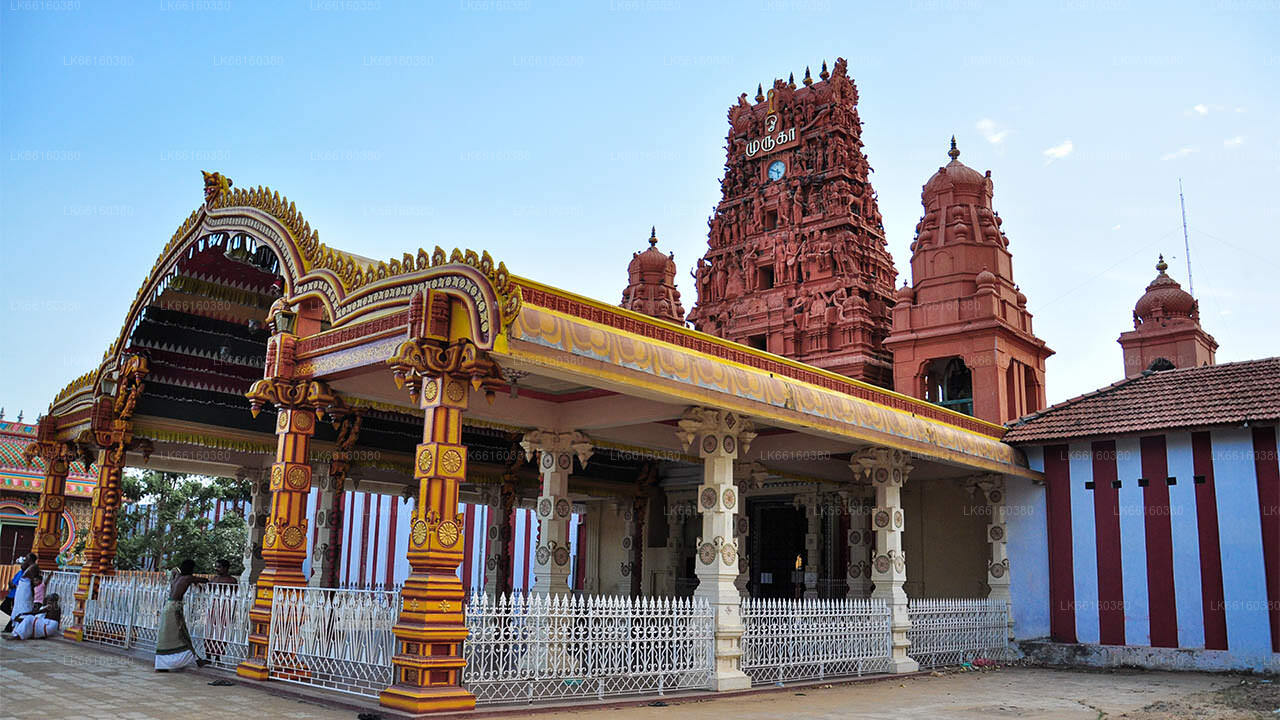
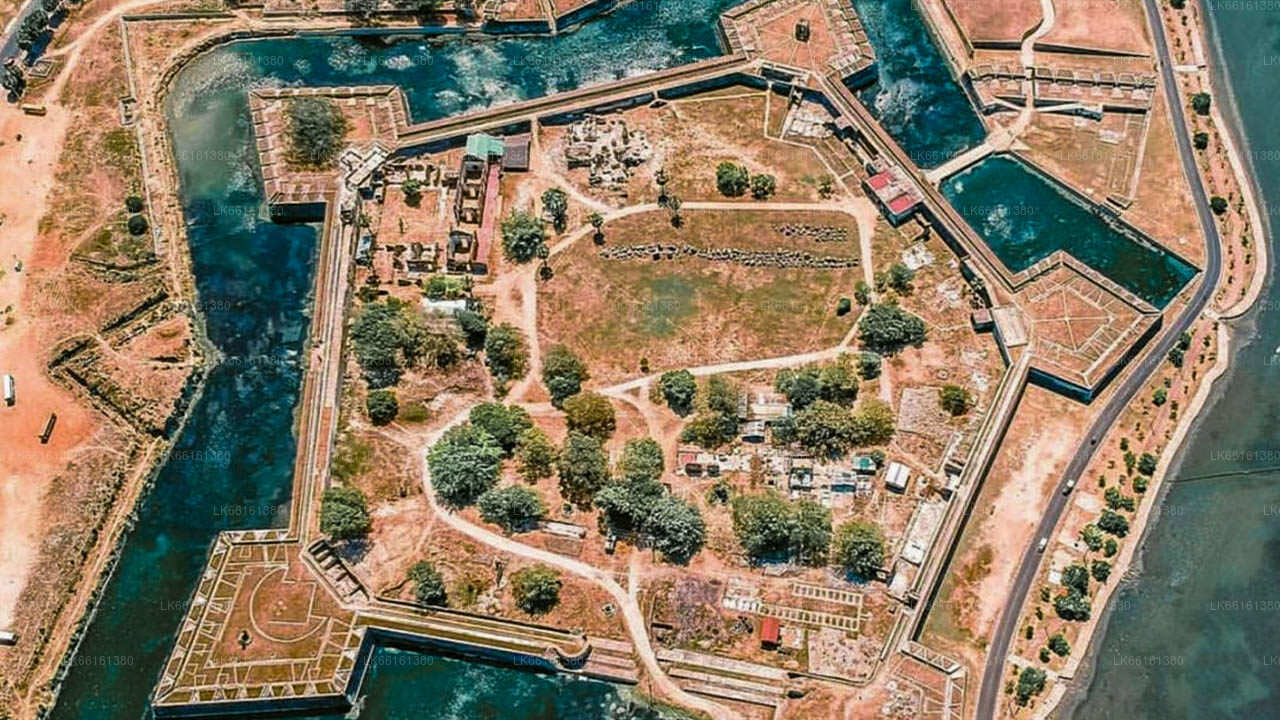
Jaffna ospita splendidi templi indù. Un antico forte olandese è ancora ben conservato e al suo interno si trova un'antica chiesa. Un altro esempio di architettura olandese è la King's House. Nessuna visita a Jaffna è completa senza aver assaggiato lo squisito mango di Jaffna, rinomato per la sua dolcezza. A circa 3 km di distanza si trova il maestoso tempio di Nallur Kandaswamy, sede della più grande festa religiosa di Jaffna. Il porto di Kayts è un antico punto di attracco per navi nella regione di Jaffna.

Informazioni sulla provincia settentrionale

La Provincia Settentrionale è una delle 9 province dello Sri Lanka. Le province esistono dal XIX secolo, ma non hanno avuto alcuno status giuridico fino al 1987, quando il 13° emendamento alla Costituzione dello Sri Lanka del 1978 ha istituito i consigli provinciali. Tra il 1988 e il 2006 la provincia è stata temporaneamente fusa con la Provincia Orientale per formare la Provincia del Nord-Est. Il capoluogo della provincia è Jaffna.

La Provincia Settentrionale si trova nel nord dello Sri Lanka e dista solo 35 km dall'India. La provincia è circondata dal Golfo di Mannar e dalla Baia di Palk a ovest, dallo Stretto di Palk a nord, dal Golfo del Bengala a est e dalle Province Orientale, Centro-Settentrionale e Nord-Occidentale a sud. La provincia ha diverse lagune, le più grandi delle quali sono la Laguna di Jaffna, la Laguna di Nanthi Kadal, la Laguna di Chundikkulam, la Laguna di Vadamarachchi, la Laguna di Uppu Aru, la Laguna di Kokkilai, la Laguna di Nai Aru e la Laguna di Chalai. La maggior parte delle isole intorno allo Sri Lanka si trova a ovest della Provincia Settentrionale. Le isole più grandi sono: Kayts, Neduntivu, Karaitivu, Pungudutivu e Mandativu.

Nel 2007, la popolazione della Provincia Settentrionale era di 1.311.776 abitanti. La maggior parte della popolazione è composta da Tamil dello Sri Lanka, con una minoranza di Mori e Singalesi dello Sri Lanka. Il Tamil dello Sri Lanka è la lingua principale parlata nella provincia dalla stragrande maggioranza della popolazione. L'altra lingua parlata è il Singalese, parlato dall'1% della popolazione. L'inglese è ampiamente parlato e compreso nelle città.

Nel 2007, la popolazione della Provincia Settentrionale era di 1.311.776 abitanti. La maggior parte della popolazione è composta da Tamil dello Sri Lanka, con una minoranza di Mori e Singalesi dello Sri Lanka. Il Tamil dello Sri Lanka è la lingua principale parlata nella provincia dalla stragrande maggioranza della popolazione. L'altra lingua parlata è il singalese, parlato dall'1% della popolazione. L'inglese è ampiamente parlato e compreso nelle città.