Spiaggia di Jaffna
La spiaggia di Jaffna, situata nella regione settentrionale di Sri Lanka, offre un'esperienza costiera unica e tranquilla. Conosciuta per la sua bellezza naturale incontaminata e il suo ricco patrimonio culturale, la spiaggia di Jaffna è una gemma nascosta che offre una fuga autentica e serena per i viaggiatori alla ricerca di una destinazione meno turistica.
Spiagge incontaminate e isolate
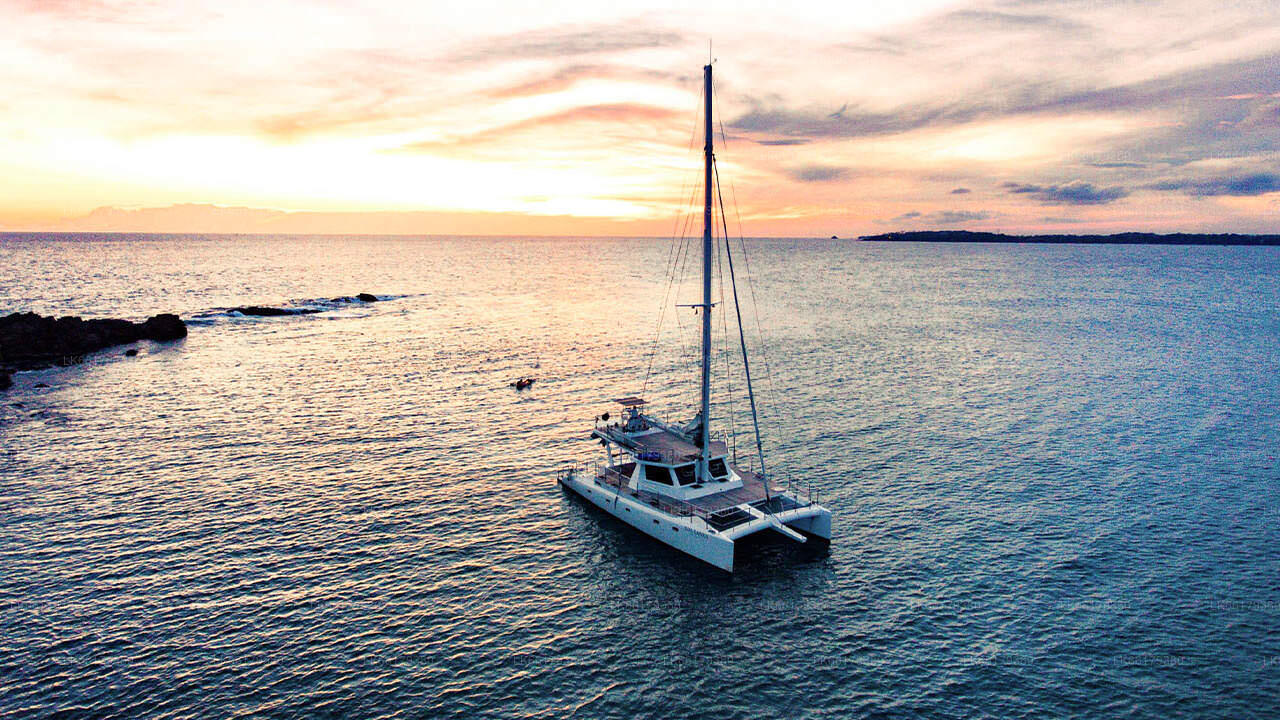
La spiaggia di Jaffna presenta distese incontaminate di sabbia dorata e acque limpide e calme. Le spiagge sono meno affollate rispetto ad altre spiagge popolari di Sri Lanka, offrendo un ambiente tranquillo per nuotare, prendere il sole e godersi passeggiate rilassanti lungo la riva.
Importanza culturale e storica
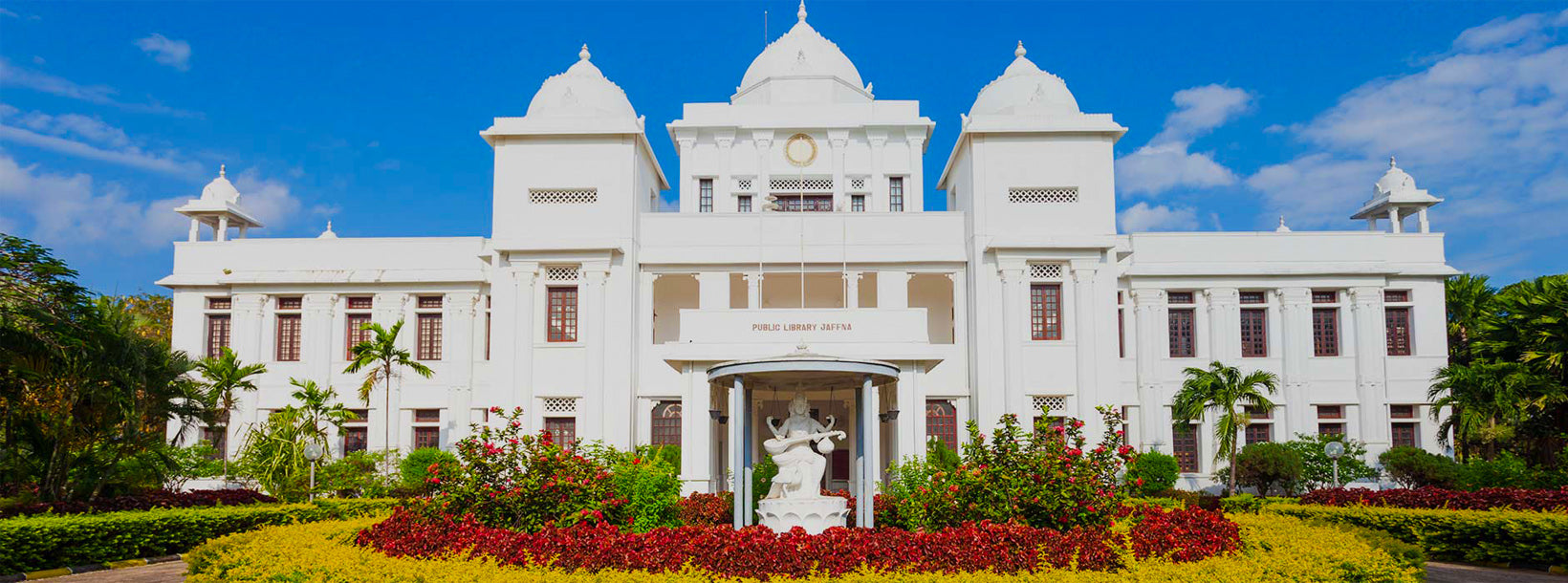
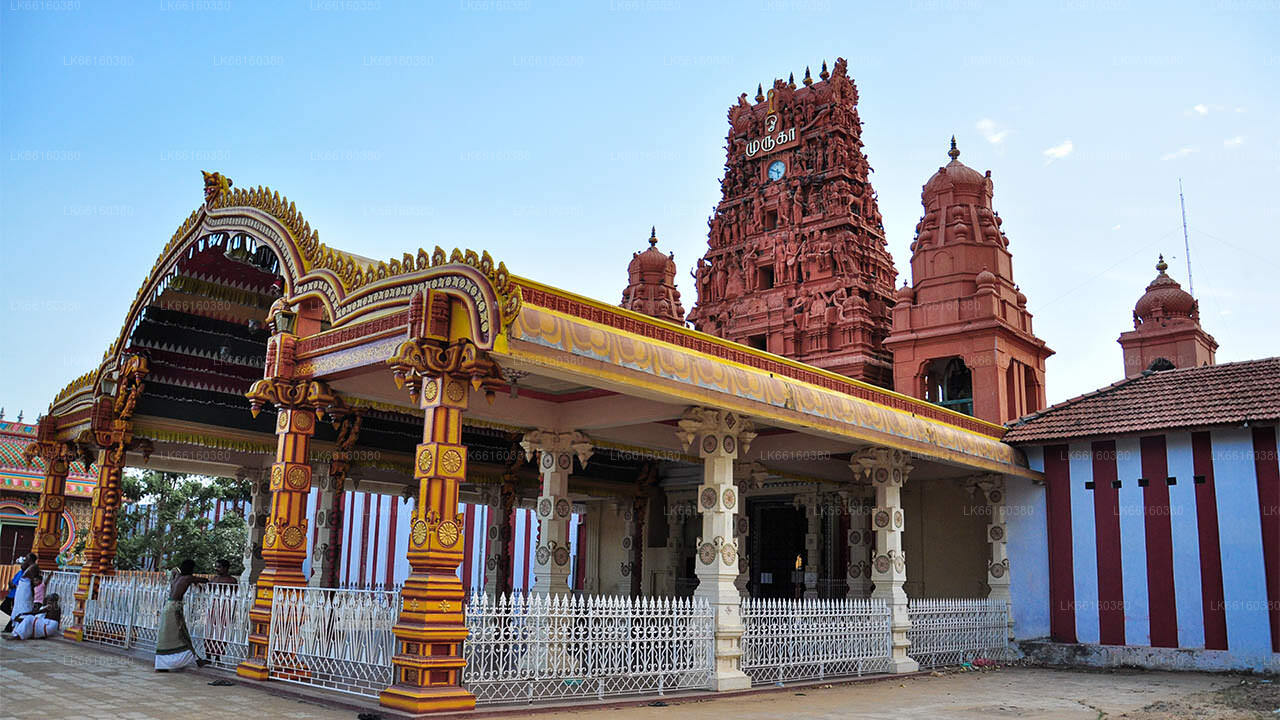
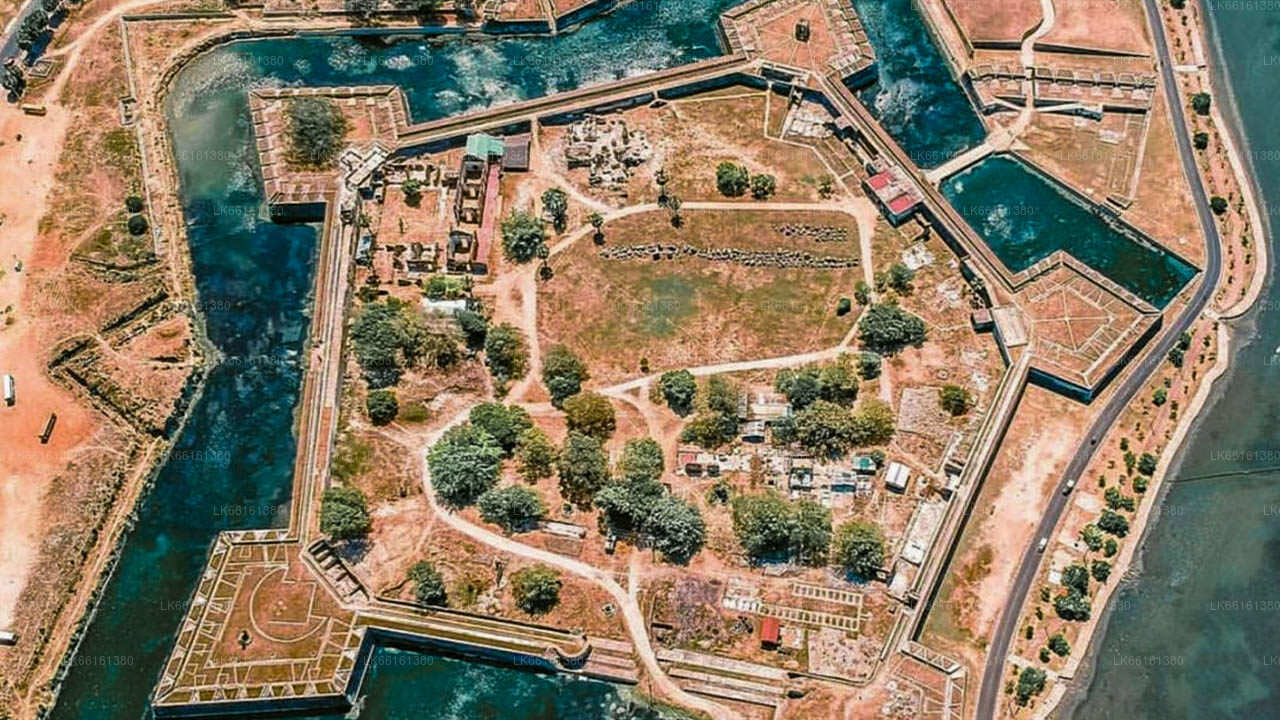
La regione di Jaffna è ricca di cultura tamil e storia. I visitatori possono esplorare il patrimonio locale attraverso antichi templi, architettura coloniale e mercati vivaci. I luoghi principali includono il Tempio Nallur Kandaswamy e il Forte di Jaffna, che offrono una panoramica sull'importanza storica e culturale della regione.
Esplorazione delle isole
La penisola di Jaffna ospita diverse piccole isole, ognuna con il suo fascino unico. Kayts Island e Delft Island sono scelte popolari per l'esplorazione delle isole, dove i visitatori possono esplorare splendide spiagge, rovine storiche e villaggi tradizionali. Delft Island, in particolare, è nota per i suoi cavalli selvatici e le antiche fortificazioni olandesi.
Frutti di mare e cucina locale
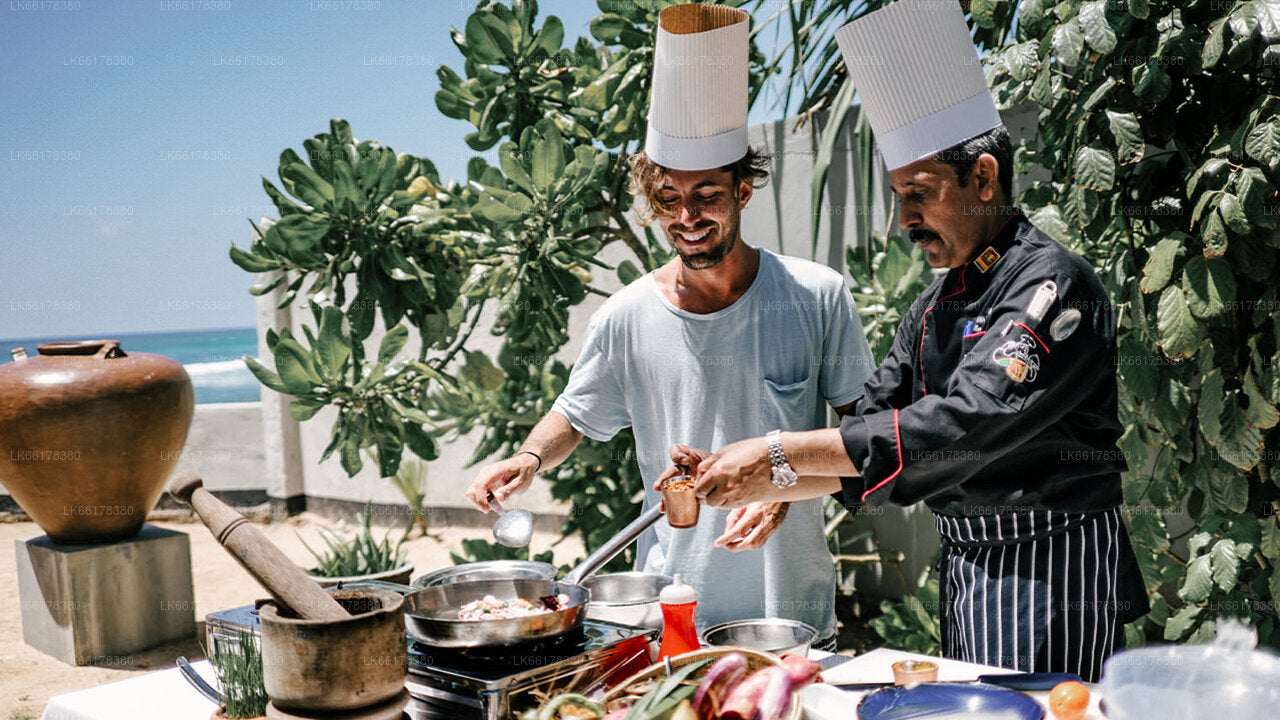
Jaffna è famosa per la sua deliziosa cucina tamil, con un'attenzione particolare ai frutti di mare freschi. Le specialità locali includono il curry di granchio di Jaffna, curry di pesce e string hoppers. La cucina della regione offre un sapore unico delle tradizioni culinarie dello Sri Lanka, con piatti speziati e aromatici che riflettono la cultura locale.
Villaggi di pescatori tradizionali
La zona intorno alla spiaggia di Jaffna è costellata di villaggi di pescatori tradizionali. I visitatori possono sperimentare le pratiche di pesca locali, interagire con i pescatori e osservare la vita quotidiana di queste comunità costiere. I villaggi di pescatori offrono uno spunto sulle tradizionali modalità di sussistenza che sostengono la regione.
Fauna selvatica e natura
Jaffna è anche conosciuta per la sua bellezza naturale e per la sua fauna selvatica. La Laguna di Jaffna e le paludi circostanti forniscono habitat per diverse specie di uccelli ed è un luogo ideale per l'osservazione degli uccelli. Le mangrovie e gli ecosistemi costieri della regione contribuiscono alla sua ricca biodiversità.
Il miglior periodo per visitare:
Il miglior periodo per visitare la spiaggia di Jaffna è da maggio a settembre, quando il clima è relativamente secco e caldo, rendendolo ideale per attività sulla spiaggia e per esplorare le attrazioni locali. Il clima della regione può essere abbastanza caldo e umido, quindi questo periodo offre condizioni più confortevoli per i viaggi.