Lago di Beira


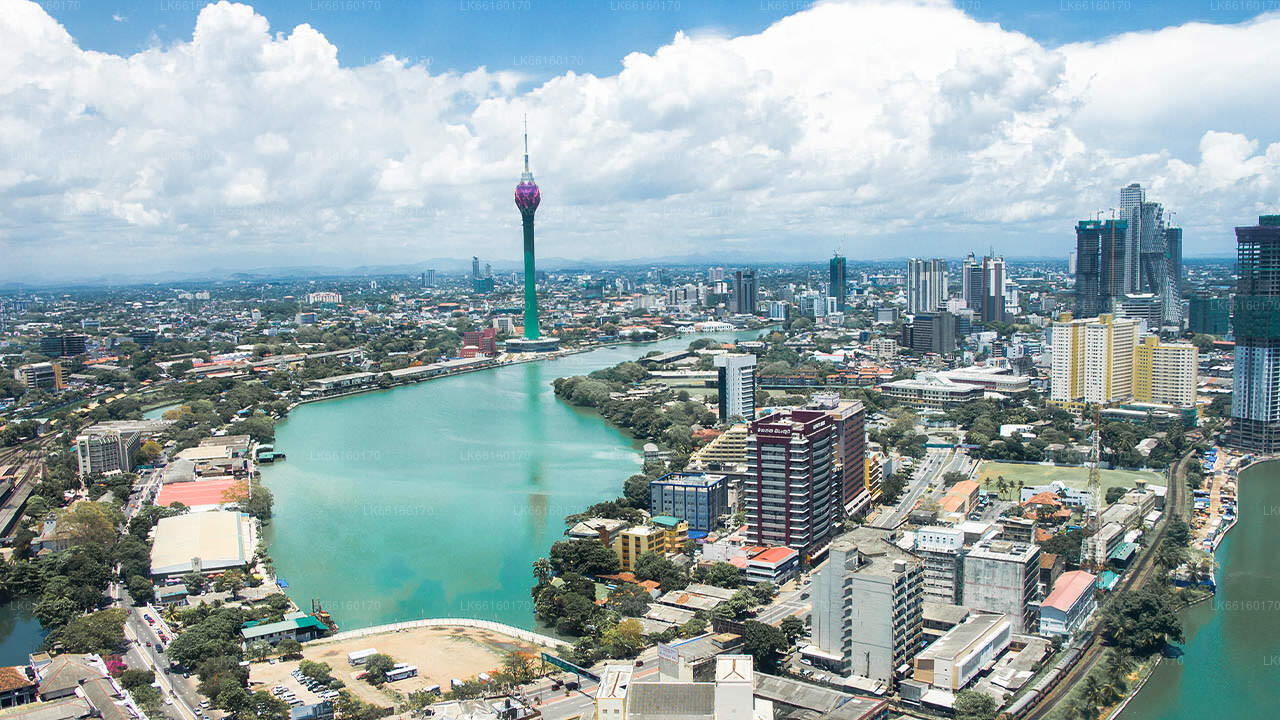
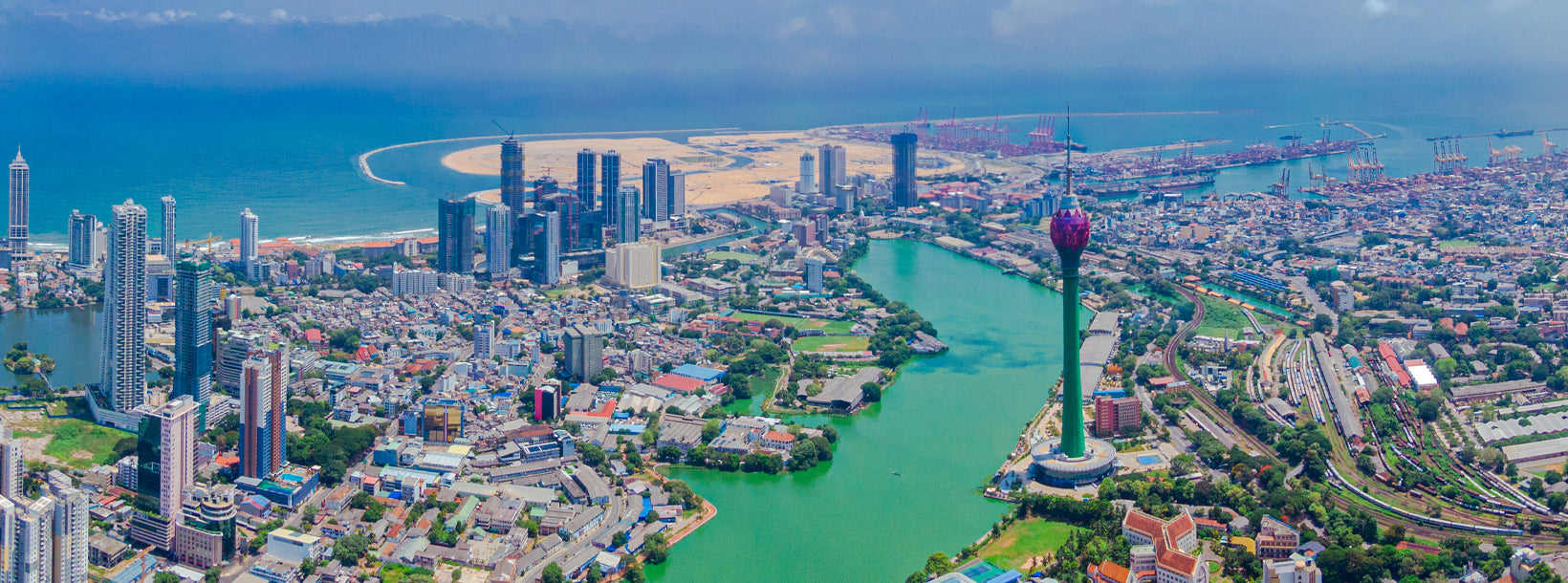
Il Lago Beira è uno dei luoghi più famosi di Colombo. Si trova proprio nel centro della capitale ed è uno dei pochi posti di relax e bellezza all'interno dei confini della città. La zona intorno ad esso ha molte attrazioni, per non parlare della storia del lago stesso.
Il Lago Beira iniziò come un lago molto più grande, che occupava un'area di 410 acri oltre un secolo fa. Ma con la rapida commercializzazione della zona, è stato ridotto a circa 160 acri.
Storia
Beira fu creato dagli invasori portoghesi nel 1500, per servire come un fossato che proteggeva la loro base a Colombo dai locali ostili. Hanno aggiunto molti pericoli nascosti all'interno del lago, come grandi coccodrilli e altro.
Beira si rivelò un grande ostacolo per i sovrani locali come Mayadunne di Sitawaka quando cercarono di liberare la regione dal dominio straniero. Fu il figlio di Mayadunne, Rajasingha I, che riuscì a prosciugare il lago nel 1587, avvicinandosi così a recuperare la regione dai portoghesi. Tagliò i canali che alimentavano il lago, ma non riuscì a fronteggiare i rinforzi che i portoghesi portarono dall'India.
Dopo che gli olandesi conquistarono il lago, lo ampliarono e formarono diverse isole artificiali. Alcune di esse, come Slave Island, erano abbastanza grandi da avere un villaggio o delle piantagioni di cocco. La gente cominciò a vivere sulle isole e il traffico sull'acqua aumentò. Tuttavia, veniva usato principalmente per prigionieri politici, come nel caso di Slave Island, o per l'agricoltura, principalmente a causa dei coccodrilli che infestavano ancora il lago.
Dopo che i britannici presero il controllo, rimossero i coccodrilli e svilupparono l'area circostante al lago. Le rive erbose divennero popolari per feste, e fu anche celebrato un grande ballo per festeggiare la vittoria britannica nella battaglia di Waterloo. Il Lago Beira divenne famoso per numerose attività ricreative, come il canottaggio e la vela. Slave Island fu liberato dalle sue strutture carcerarie, e nel 1810 fu aperto il primo giardino botanico di Ceylon, i Kew Gardens. Le piantine furono fornite dai Royal Botanic Gardens di Londra. Alla fine del XIX secolo, iniziò la bonifica dei terreni per lo sviluppo e l'area del lago fu ridotta, mentre l'inquinamento aumentò.
La Crescita di Beira
Circa dieci anni fa, la situazione peggiorò al punto che la zona era principalmente circondata da baraccopoli; mentre l'acqua del lago era semplicemente acque reflue di queste baracche e case che non avevano i mezzi per gestire adeguatamente i rifiuti. L'area puzzava e solo le persone più povere vivevano lì. La zona costiera era fiancheggiata da grandi magazzini, che ricordavano il commercio di tè a Colombo; dove il tè veniva trasportato su chiatte attraverso il canale di accesso al porto. Questi magazzini stavano lì come una città fantasma; anneriti dalla sporcizia di oltre un secolo, e le finestre rotte davano un'atmosfera inquietante. L'unico motivo per cui le persone andavano nella zona del Lago Beira era pregare nel tempio di Gangarama o visitare uno dei luoghi importanti come il Colombo Rowing Club, SLECC, St. Joseph’s College o Lake House.