Lakpura
Lakpura®

Dambulla Cave Temple

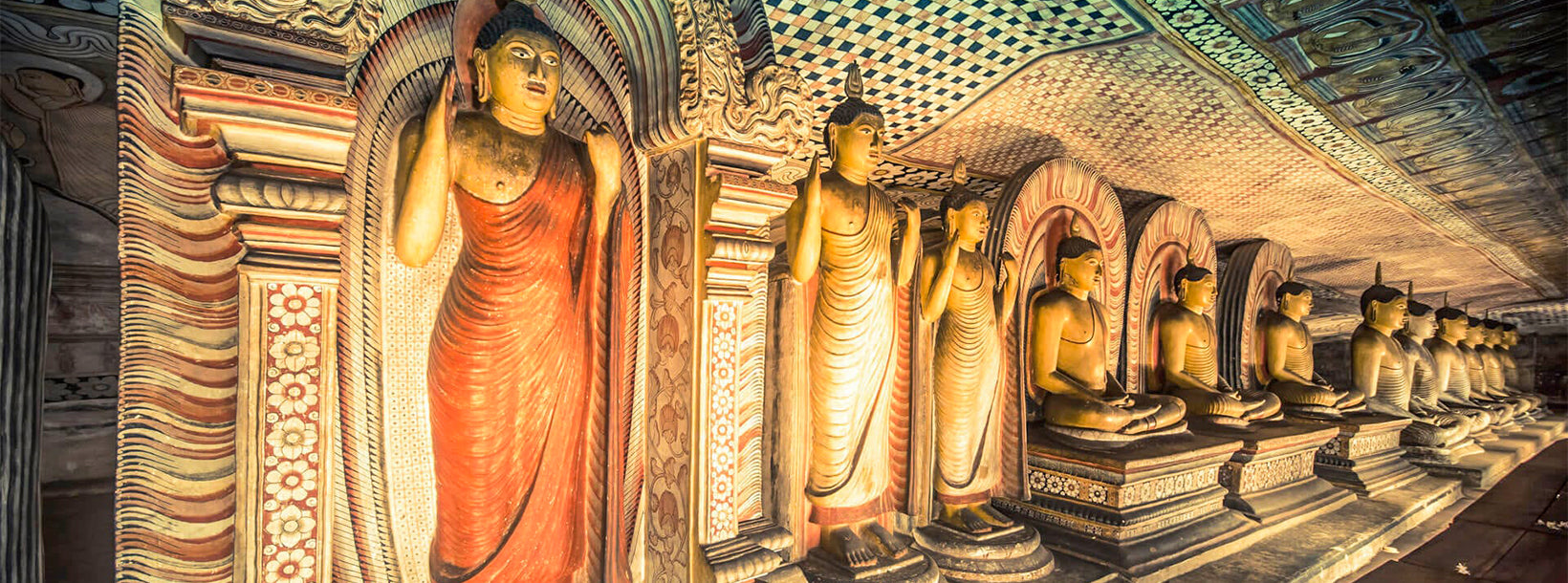
Carved into a colossal granite outcrop that rises around 160 metres above the surrounding plain, the Dambulla Cave Temple is the largest and best-preserved cave temple complex in Sri Lanka. Recognised as a UNESCO World Heritage Site, it shelters five interconnected shrines containing 153 Buddha statues, three statues of Sri Lankan kings, and four statues of gods and goddesses — all set against walls and ceilings covered in some of the most extensive Buddhist mural paintings on the island. For any visitor tracing the arc of Sri Lankan civilisation, Dambulla is an essential stop.

What is the history of the Dambulla Cave Temple?

The caves were occupied by Buddhist hermits long before they became a formal place of royal patronage. Pre-Christian Brahmi inscriptions found just below the drip-ledge of the central cave place the site firmly in the first century B.C. One inscription records a donation by King Vattagamani Abhaya (reigned 89–77 B.C.), who, according to the Mahavamsa — Sri Lanka's principal Pali chronicle — fled Anuradhapura when it was invaded by South Indian forces and took refuge among the monks dwelling in these hills. On reclaiming his throne, he repaid that hospitality by endowing the caves as a permanent monastic residence.

The Mahavamsa refers to the site as Jumbukola Vihara, and tradition credits Vattagamani Abhaya with commissioning some of the earliest rock-cut Buddha images here, including five seated figures in Cave No. 4 that are said to have been carved directly from the living rock during his reign. Over subsequent centuries, Dambulla attracted the patronage of successive Sinhalese rulers, each adding images, frescoes, and structural refinements that layer the complex with more than two thousand years of artistic history.

A significant restoration was carried out under King Nissanka Malla of Polonnaruwa in the twelfth century A.D., and further embellishment continued through the Kandyan period. The result is a rare confluence of early Anuradhapura craftsmanship and later Kandyan decorative style within a single sacred space.

What are the five cave shrines at Dambulla?

The five caves are numbered sequentially from west to east and vary considerably in scale and artistic character.

  • Cave 1 – Devaraja Viharaya (Cave of the Divine King): The smallest of the five, it contains a 14-metre reclining Buddha image cut from the rock, along with a standing figure of the god Vishnu.
  • Cave 2 – Maharaja Viharaya (Cave of the Great Kings): The largest and most ornate cave, housing around 50 statues and vivid ceiling murals depicting scenes from the Buddha's life. Two statues of Sri Lankan kings — Vattagamani Abhaya and Nissanka Malla — stand inside.
  • Cave 3 – Maha Alut Viharaya (Great New Temple): Added during the Kandyan period, this cave contains 50 Buddha statues and a reclining Buddha, with paintings attributed to King Kirti Sri Rajasinha in the eighteenth century.
  • Cave 4 – Pachima Viharaya (Western Temple): A smaller shrine with a notable dagoba believed to contain the jewellery of Queen Somawathie. The principal seated Buddha images here are among those traditionally associated with Vattagamani Abhaya's reign.
  • Cave 5 – Devana Alut Viharaya (Second New Temple): The most recently constructed cave, originally used as a storehouse before being converted into a shrine. It contains a reclining Buddha and several standing figures of gods.

How do I get to Dambulla from Colombo or Kandy?

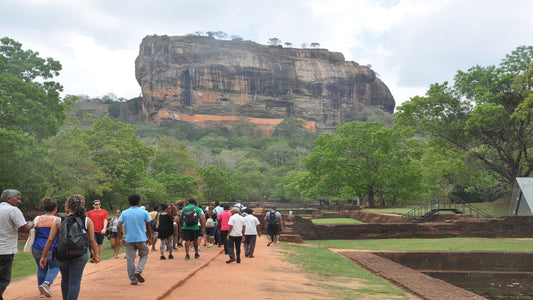
Dambulla sits approximately 148 kilometres north of Colombo along the A6 highway via Kurunegala, and around 72 kilometres north of Kandy on the Kandy–Dambulla road. By private car, the journey from Colombo typically takes around three hours depending on traffic; from Kandy, expect roughly ninety minutes. Intercity buses connect both cities to Dambulla regularly. Most visitors combine Dambulla with Sigiriya: The Ancient Rock Fortress, which lies about 19 kilometres to the northeast — an easy half-day extension that pairs naturally with a morning or afternoon at the cave temple.

The Dambulla area also serves as a convenient base for exploring the Cultural Triangle, with Anuradhapura reachable within roughly an hour to the north and Polonnaruwa a similar distance to the northeast.

When is the best time to visit Dambulla Cave Temple?

The cave complex is open year-round, and the interior temperature remains relatively cool regardless of season — an advantage during Sri Lanka's hotter months between April and September. The driest and most comfortable period for the central highlands region is generally from December to April, when the northeast monsoon has passed and skies are clear. Early morning visits (the site typically opens around 7 a.m.) allow you to experience the caves before large tour groups arrive and before midday heat warms the surrounding rock face.

Avoid visiting on public poya (full-moon) days if you prefer a quieter atmosphere — Dambulla is an active place of worship and attracts significant numbers of Sri Lankan pilgrims on these occasions. That said, witnessing a pilgrimage day offers a genuinely different perspective on how the site functions as a living religious centre rather than simply a heritage monument.

What should I know before visiting?

A few practical points will help your visit run smoothly.

  • Dress code: Shoulders and knees must be covered. Sarongs are available for hire near the entrance. Remove footwear before entering any of the cave shrines.
  • The climb: Reaching the cave level requires walking up a moderately steep path of around 350 steps. The ascent takes roughly 20–30 minutes at a comfortable pace. Wear shoes you can easily remove and carry, and bring water.
  • Photography: Photography is generally permitted inside the caves, but flash photography near paintings is discouraged as it accelerates pigment deterioration. Turn off flash as a matter of courtesy.
  • Guides: A knowledgeable guide adds considerable depth to the visit, particularly for understanding the iconography of the murals and the historical context of individual statues. Lakpura can arrange certified guides through its guided tour options.
  • Entry fees: Foreign visitors pay a government-set entrance fee. Tickets can be purchased at the site or arranged in advance through Lakpura's ticket services.

What else is near Dambulla worth visiting?

The immediate area around Dambulla rewards those who spend more than a single afternoon. The Dambulu Oya River flows through the surrounding landscape and the broader district is characterised by dry-zone forest, ancient tank (reservoir) systems, and rural villages. Sigiriya Village nearby offers an insight into traditional Sri Lankan rural life beyond the headline heritage sites.

For those interested in birdwatching or wildlife, Wilpattu National Park — one of Sri Lanka's oldest and most rewarding wildlife reserves — is reachable in around two hours to the west. The park is particularly noted for leopard sightings and its distinctive natural lakes called villus.

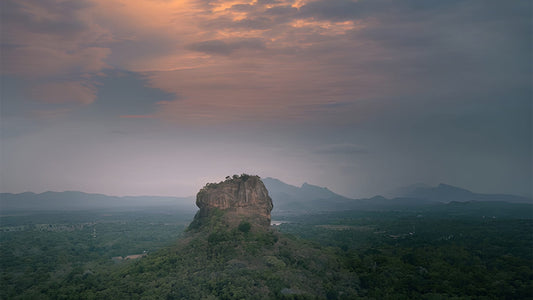
Visitors who enjoy hot-air ballooning will find the Dambulla–Sigiriya corridor one of the best areas in Sri Lanka for a dawn flight, with the rock fortress visible from altitude across a landscape of forests, paddy fields, and ancient reservoirs. Hot-Air Ballooning can be arranged as part of a broader itinerary through the Cultural Triangle.

Why does Dambulla matter as a living religious site?

Unlike many ancient monuments that function primarily as museum pieces, Dambulla remains an active Buddhist temple. Monks reside at the monastery complex at the base of the rock, and daily religious activities — chanting, offerings, and meditation — continue as they have for over two millennia. The site is administered by the Sri Lanka Department of Archaeology in partnership with the incumbent chapter of monks, a balance that maintains both heritage conservation and religious continuity.

This dual character — simultaneously a world-class archaeological site and a functioning place of worship — shapes everything about a visit to Dambulla. The incense smoke that drifts through Cave 2, the fresh flower offerings placed before the Buddha statues, and the rhythmic sound of pilgrims reciting pirith are not reconstructions for tourism. They are an unbroken practice stretching back more than two thousand years.

Book this experience with Lakpura

Curated by our local team. Direct booking, instant confirmation.

Ask Lakpura® Agent