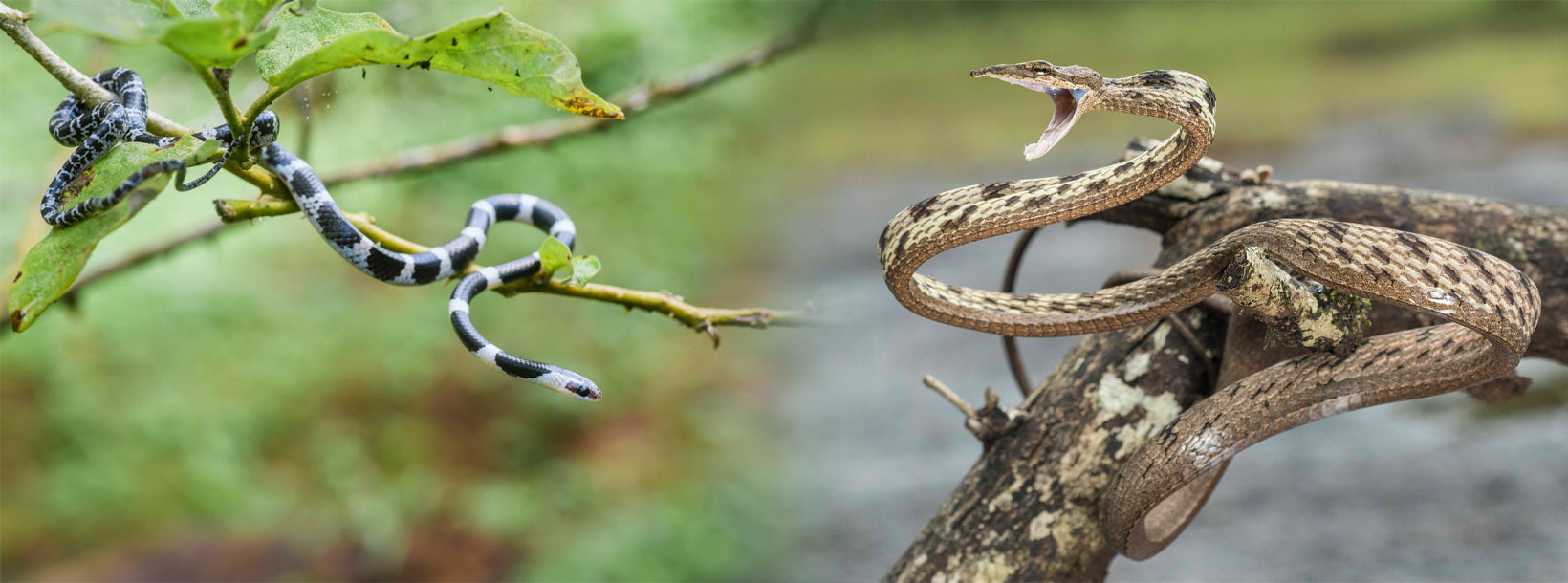
Wart Snake


Scientific Name: Spalerosophis diadema
Family: Colubridae
Common Name(s): Wart Snake, Diadem Snake
Overview:
The Wart Snake, scientifically known as Spalerosophis diadema, is a non-venomous species of snake found in Sri Lanka and parts of India. This snake is named for the distinctive rough, wart-like texture of its scales, which are prominent along its back. Despite its somewhat intimidating appearance, the Wart Snake is generally harmless to humans. It is a fascinating species that thrives in the dry zone forests and other habitats of Sri Lanka.
Physical Description:
- Size: Wart Snakes typically range from 1 meter to 1.5 meters (3.3 to 5 feet) in length.
- Coloration: They have a mix of browns, grays, and blacks, often with a pattern that helps them blend into their forested surroundings.
- Scales: The most notable feature of the Wart Snake is its keeled, rough scales, which create the "wart-like" texture that gives it its common name. These rough scales are a defense mechanism, aiding in camouflage and possibly deterring some predators.
- Head: The Wart Snake has a triangular, slightly flattened head, making it distinct from many other similar-sized snakes. The head is often indistinguishable from the rest of the body, further aiding its camouflage.
Habitat and Distribution:
- Geographical Range: The Wart Snake is found in Sri Lanka, especially in the dry zone and lowland forests. It also extends into some areas of southern India.
- Habitat: This species prefers dense undergrowth, including tropical forests, scrubland, and agricultural lands. It is a terrestrial species but may occasionally be found in trees while hunting or seeking shelter.
Behavior and Diet:
- Nocturnal: The Wart Snake is primarily nocturnal, foraging at night when its prey—small mammals, amphibians, and reptiles—are most active. Its hunting is aided by its ability to move silently through the underbrush.
- Diet: It feeds on a variety of small animals, including rodents, amphibians, lizards, and other reptiles. The Wart Snake uses its keen sense of smell to track down prey in the dark.
Reproduction:
- Reproductive Mode: Like many colubrids, the Wart Snake is oviparous, meaning it lays eggs. Females typically lay a clutch of 4 to 10 eggs, which incubate for several weeks before hatching.
- Hatchlings: The hatchlings are fully independent and capable of hunting and surviving on their own shortly after emerging from the eggs.
Conservation Status:
- Status: Currently, the Wart Snake is not listed as endangered, but like many species, it faces some threats due to habitat destruction, deforestation, and human encroachment.
- Threats: Loss of forested habitats due to agricultural expansion and human settlement remains a significant threat. Preserving Sri Lanka's dry zone forests is crucial for maintaining the Wart
-
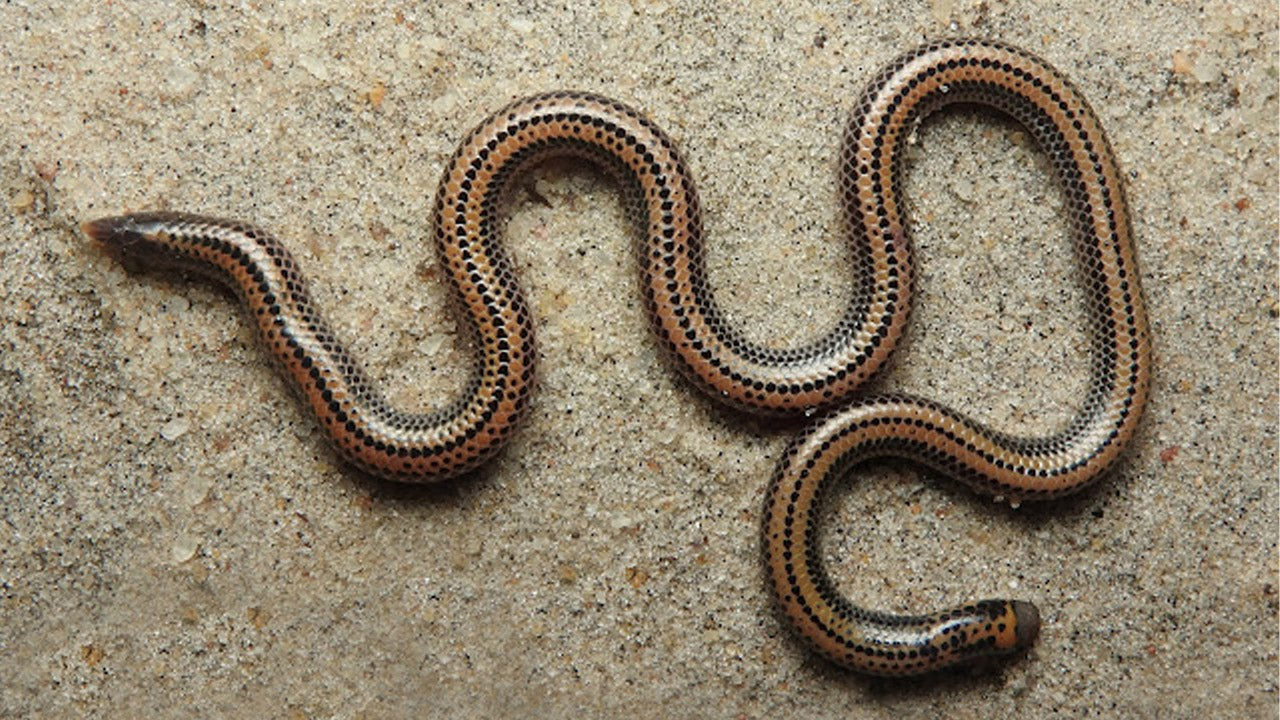 Muller's Shieldtail
Uropeltis mülleri
-
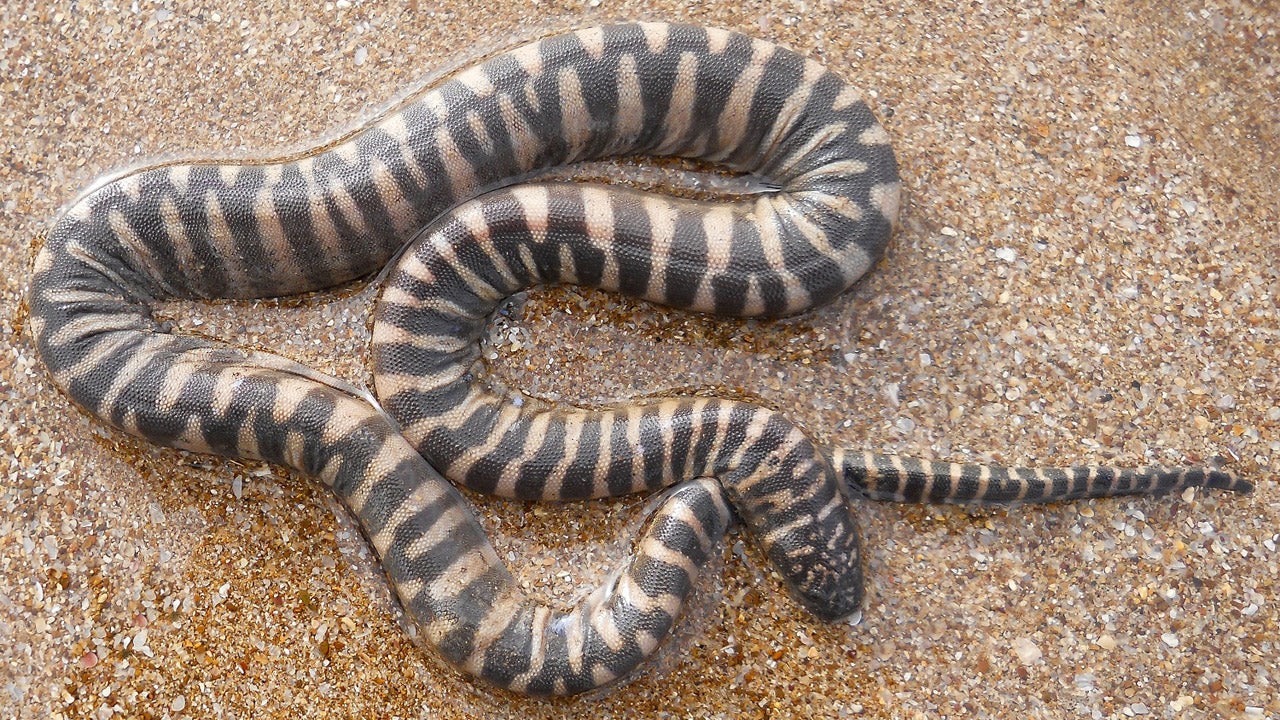 Wart Snake
Acrochordus
-
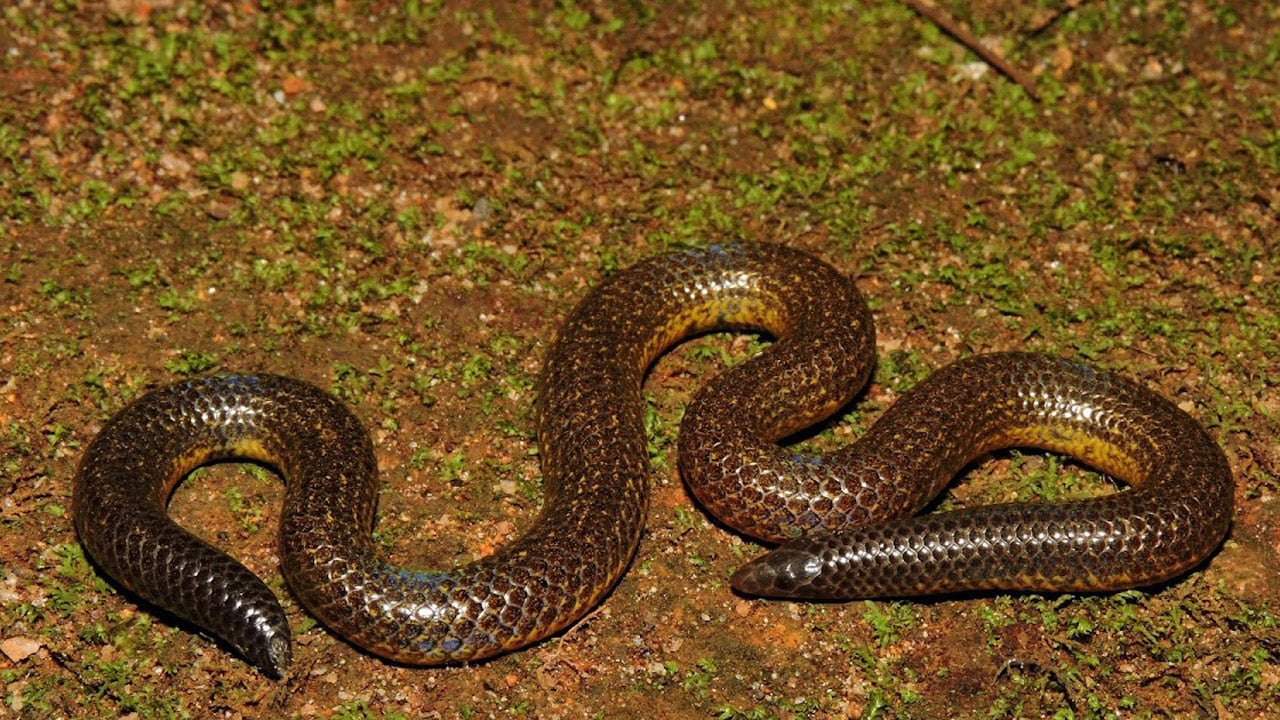 Drummond-Hay's Shieldtail
Rhinophis drummondhayi
-
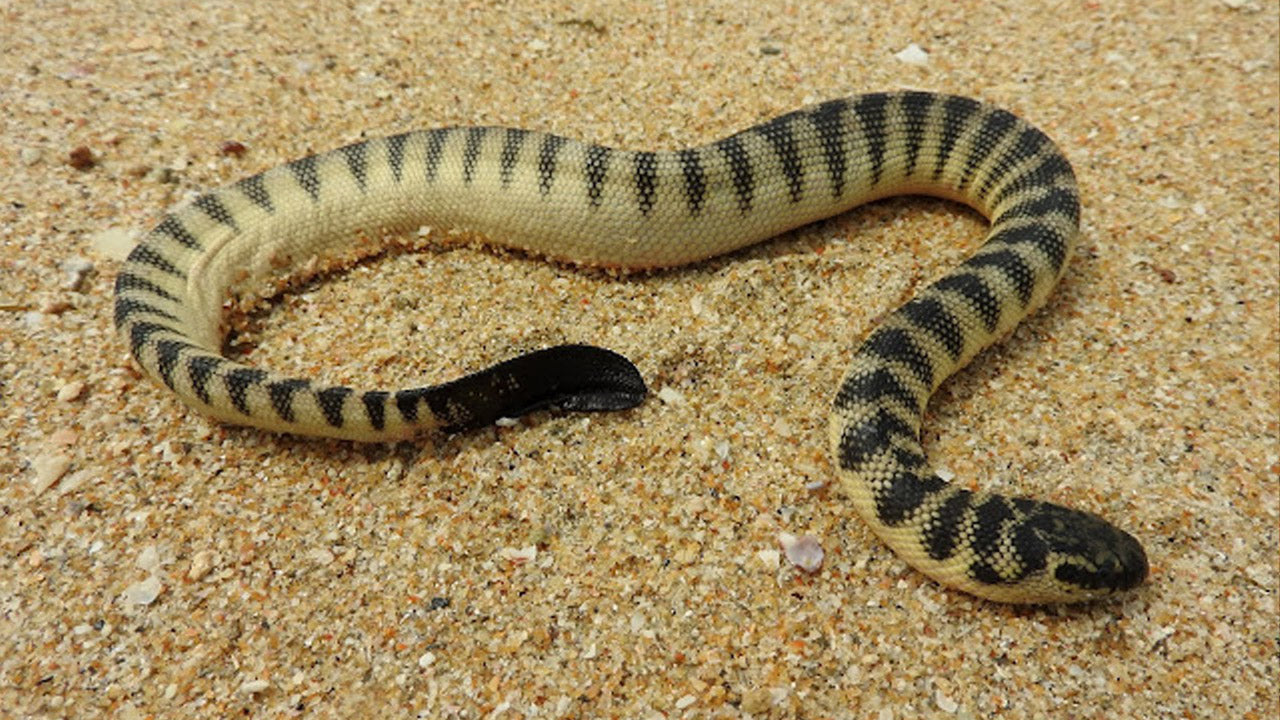 Shaw's Sea Snake
Hydrophis curtus
-
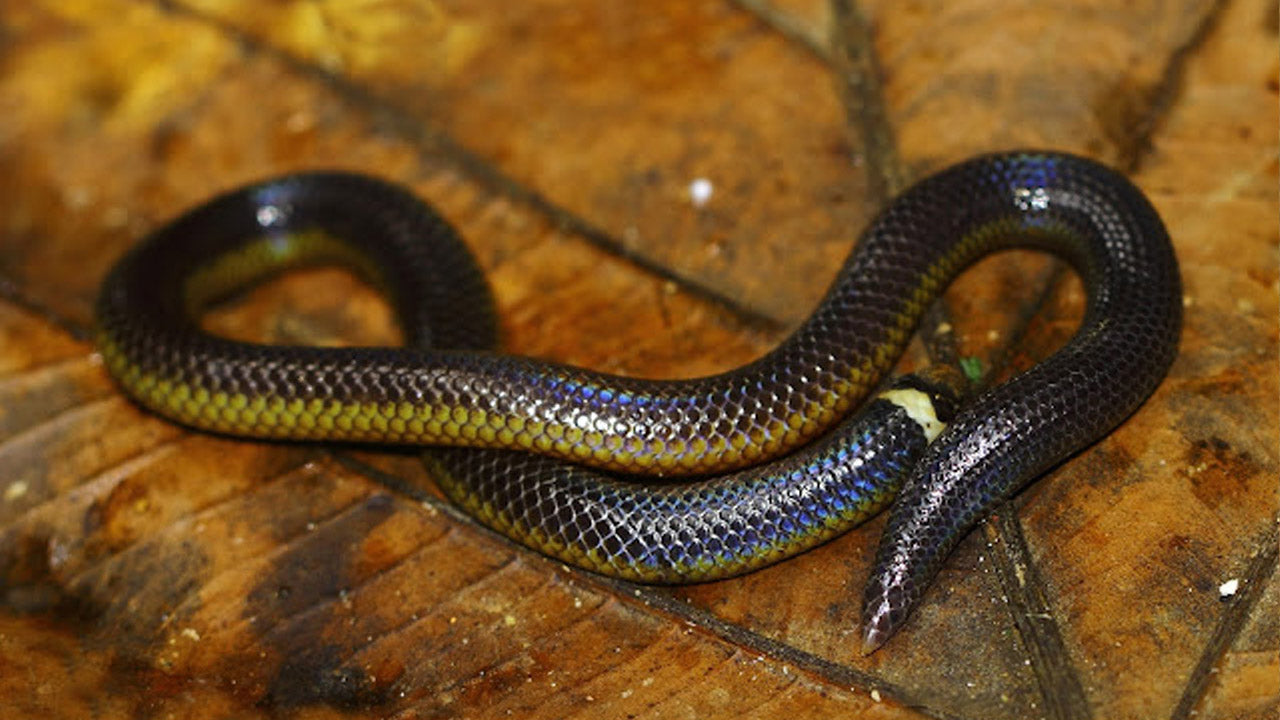 Deraniyagala's Shieldtail
Rhinophis tricoloratus
-
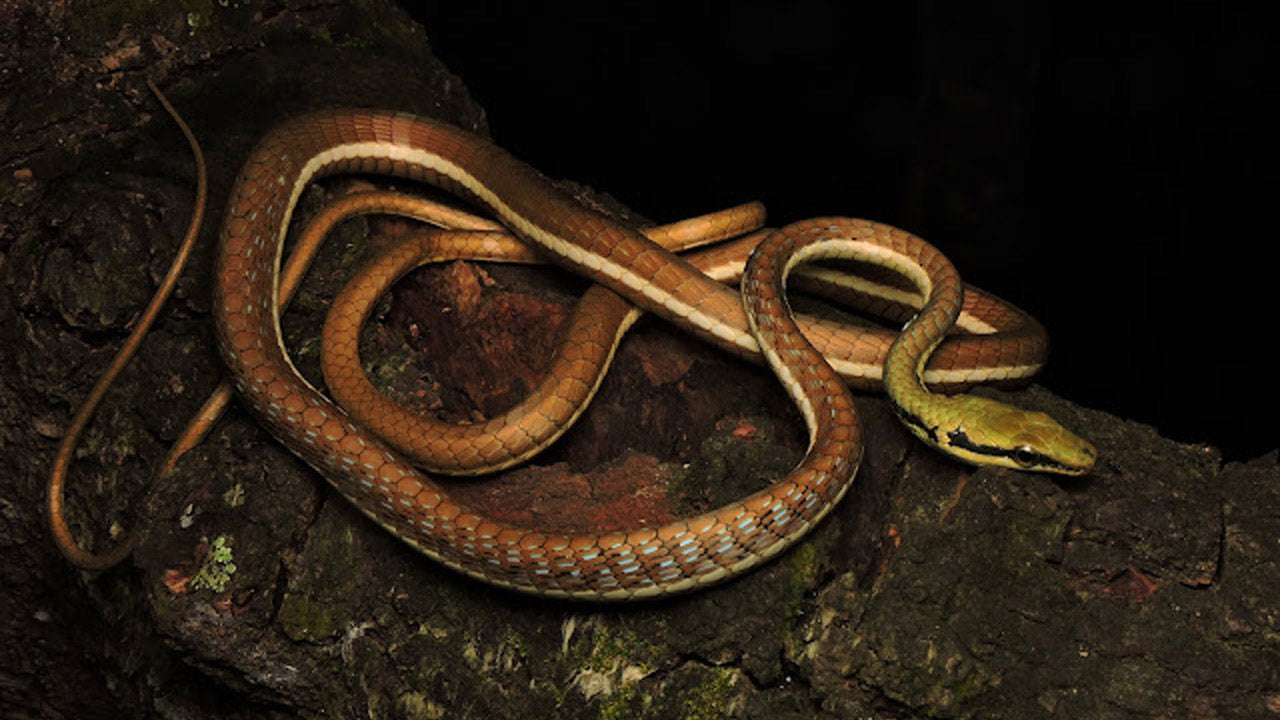 Wickramasinghe's Bronzeback
Dendrelaphis wickrorum
-
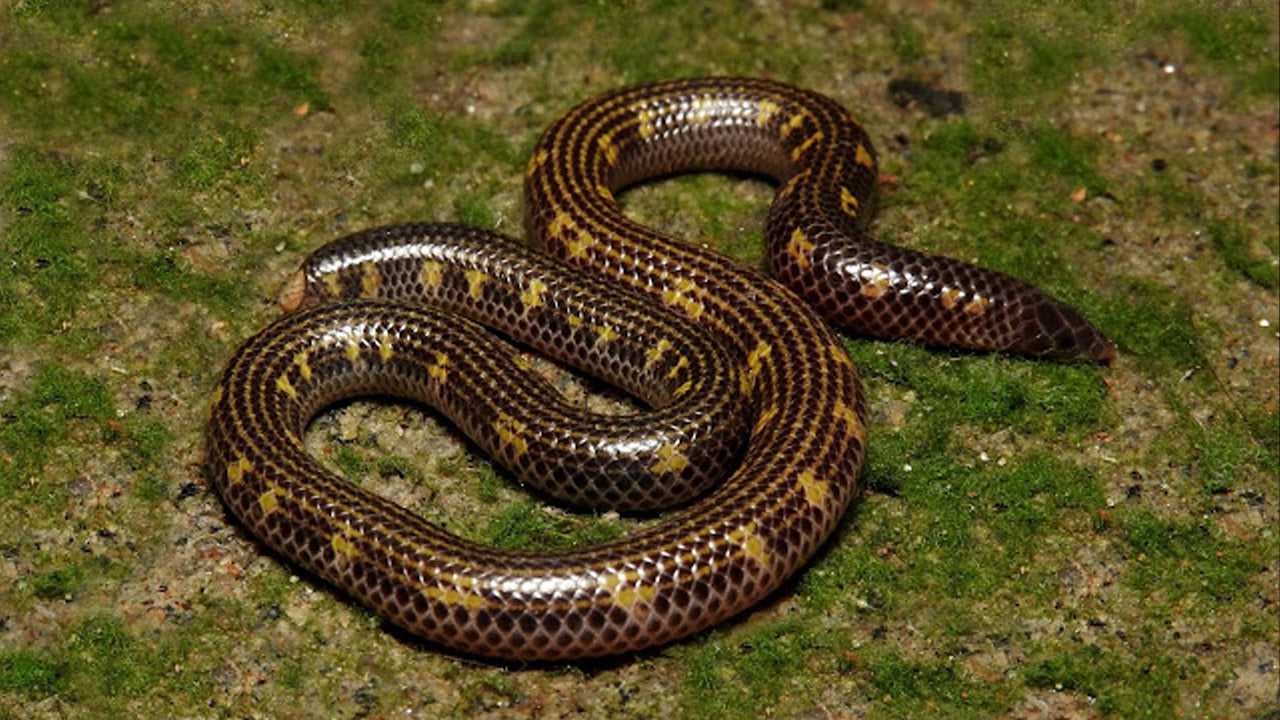 Phillip's Earth Snake
Rhinophis phillipsi
-
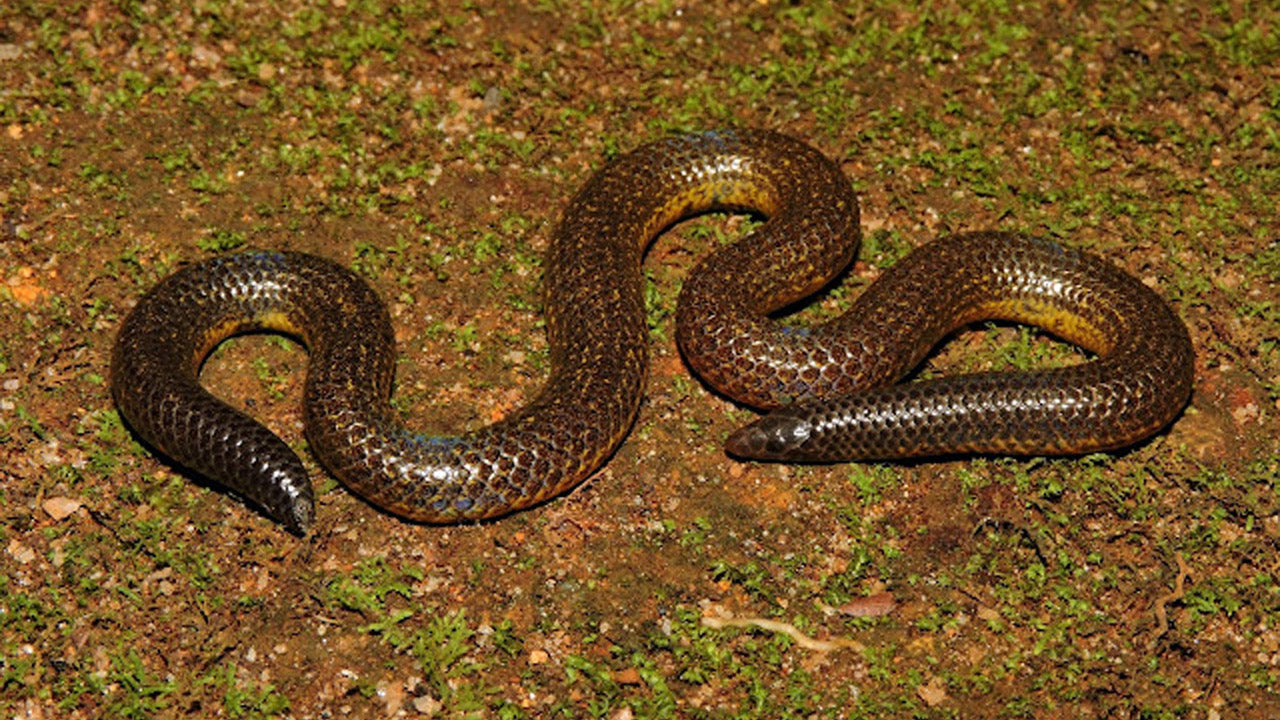 Gray's Earth Snake
Aparallactus grayi
-
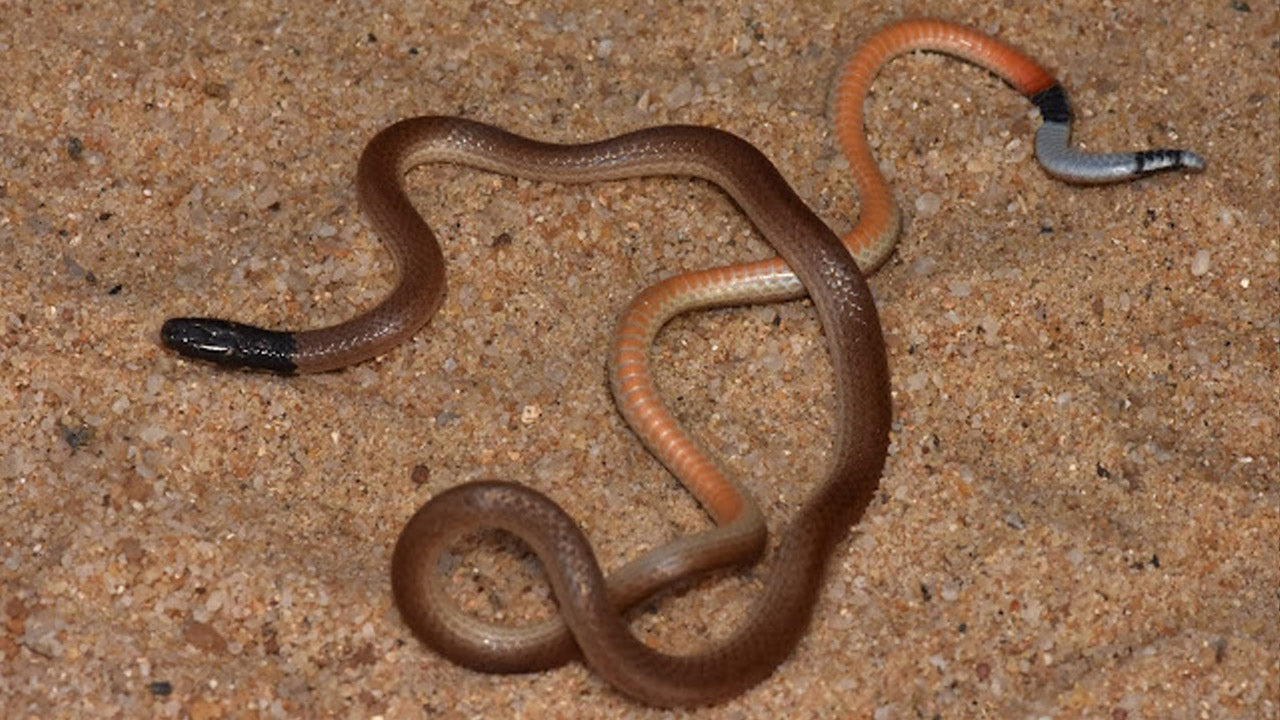 Slender Coral Snake
Calliophis Melanurus
-
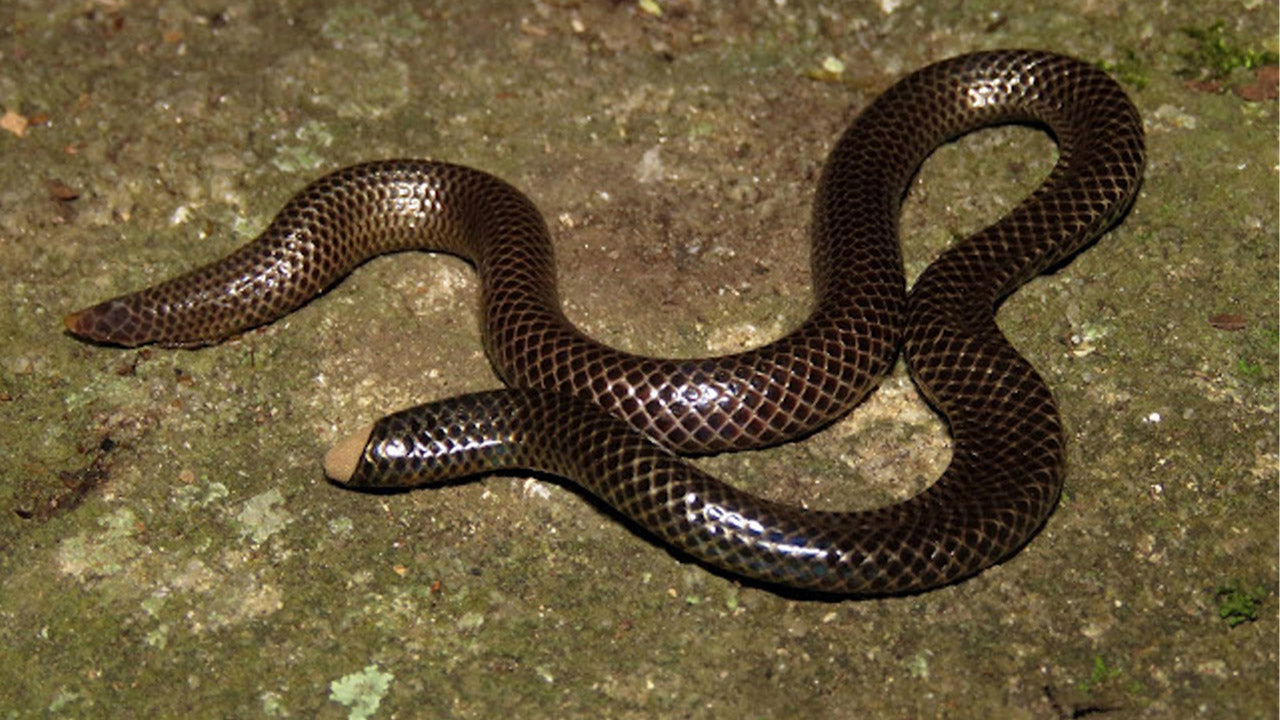 Cuvier's Shieldtail
Uropeltis ceylanica
-
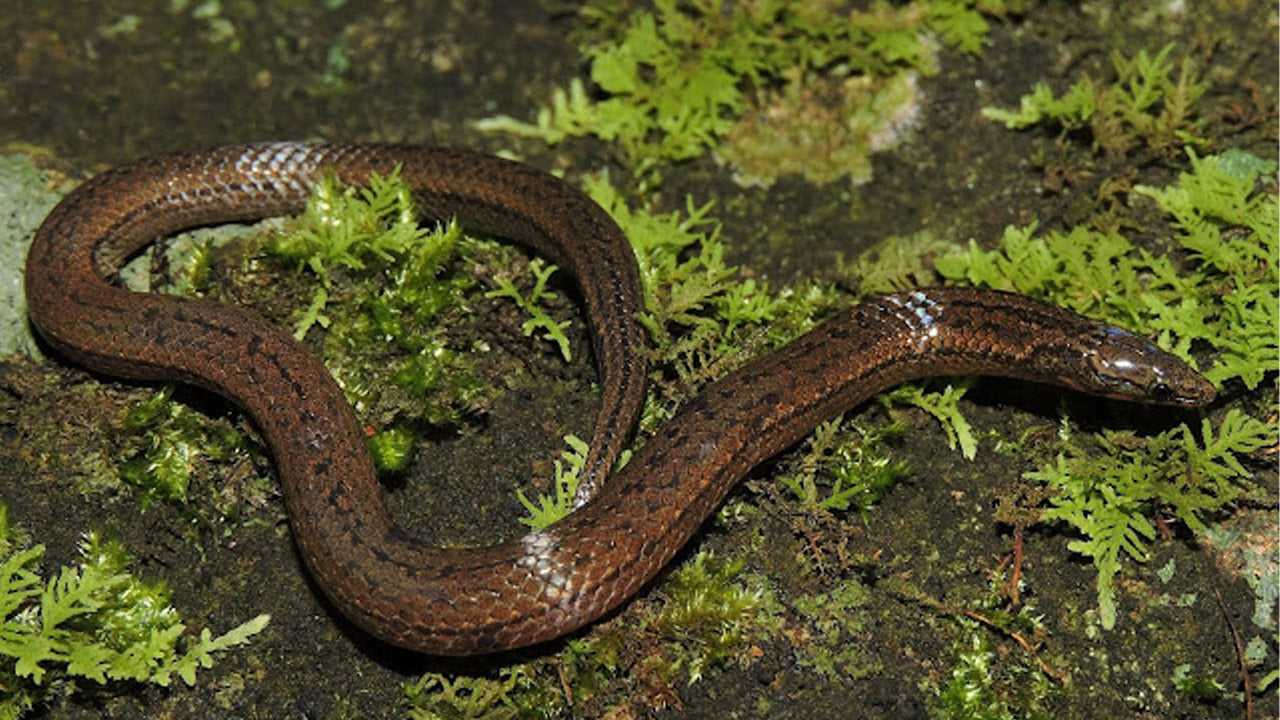 de Silva's Rough-sided Snake
Aspidura desilvai
-
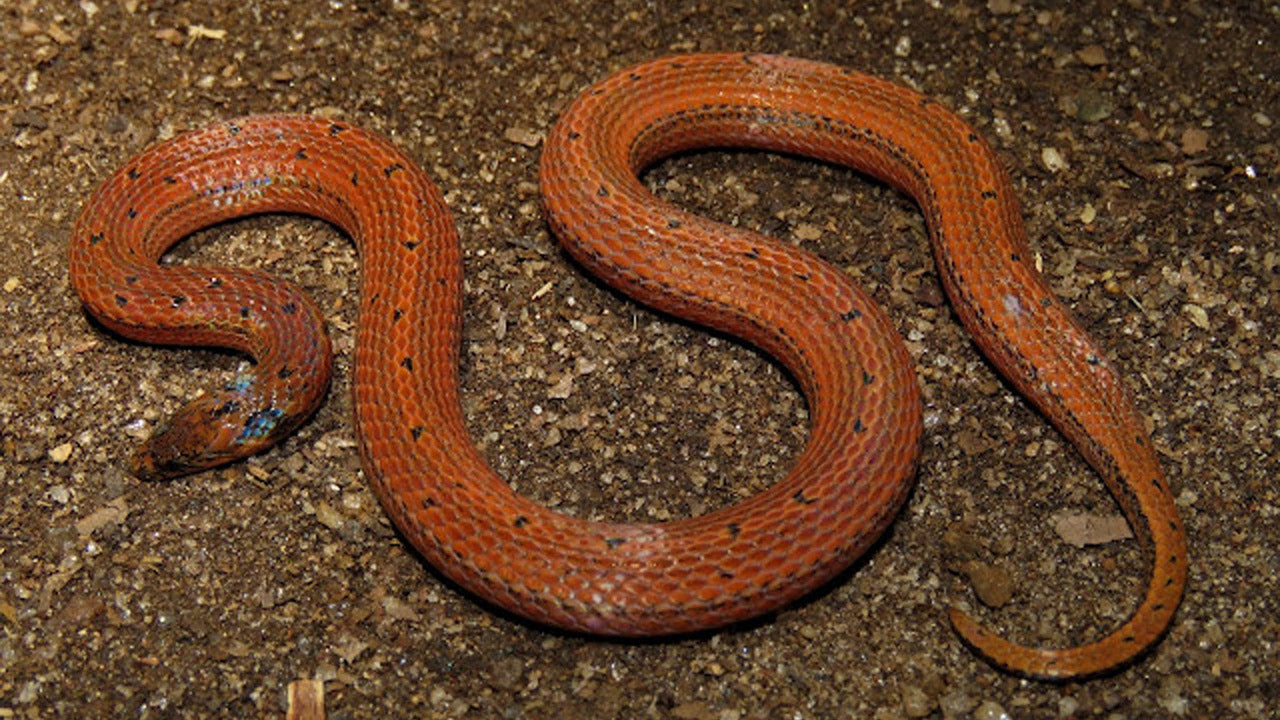 Boie's Rough-Sided Snake
Aspidura brachyorrhos
-
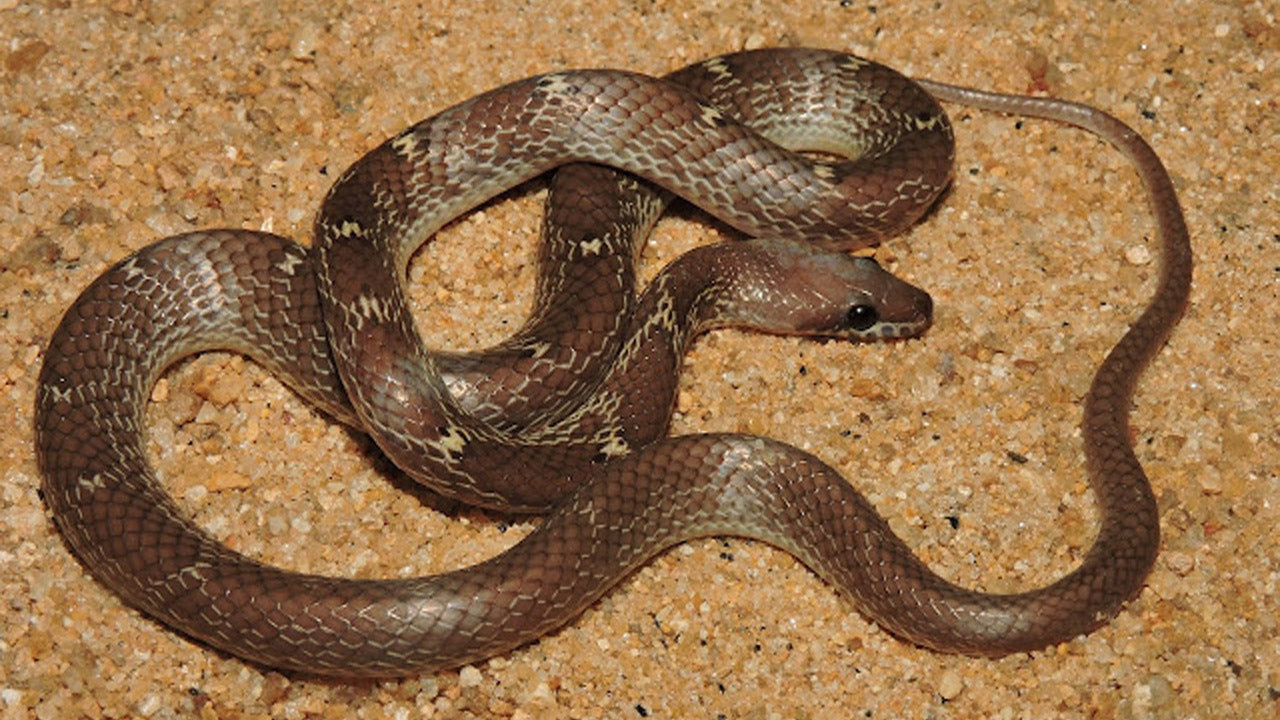 Flowery Wolf Snake
Lycodon anamallensis
-
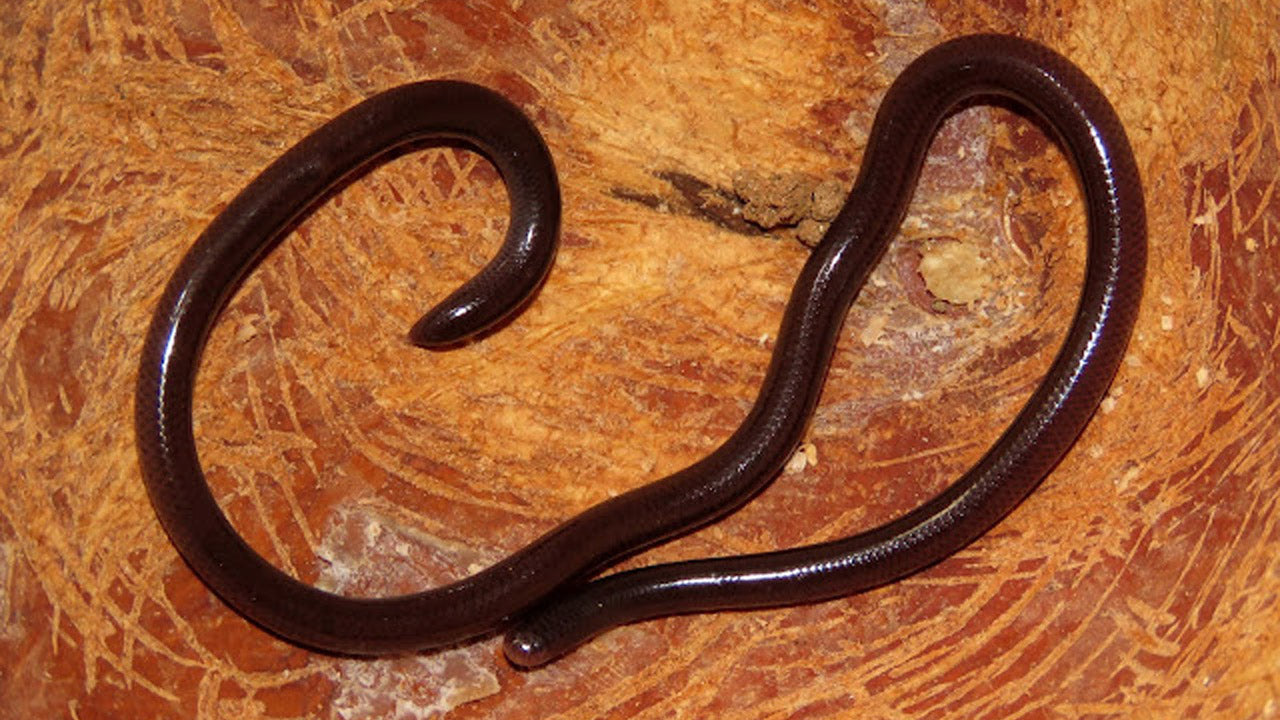 Brahminy Blind Snake
Indotyphlops braminus
-
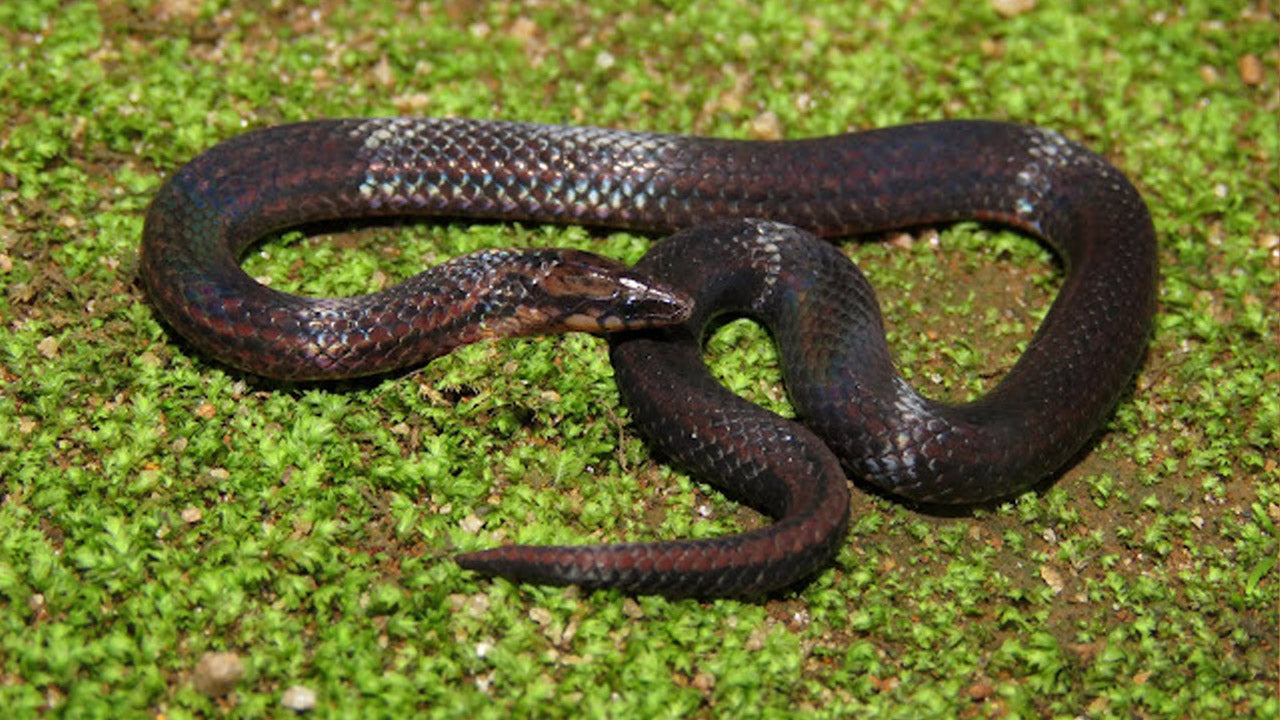 Common Rough-sided Snake
Aspidura trachyprocta
-
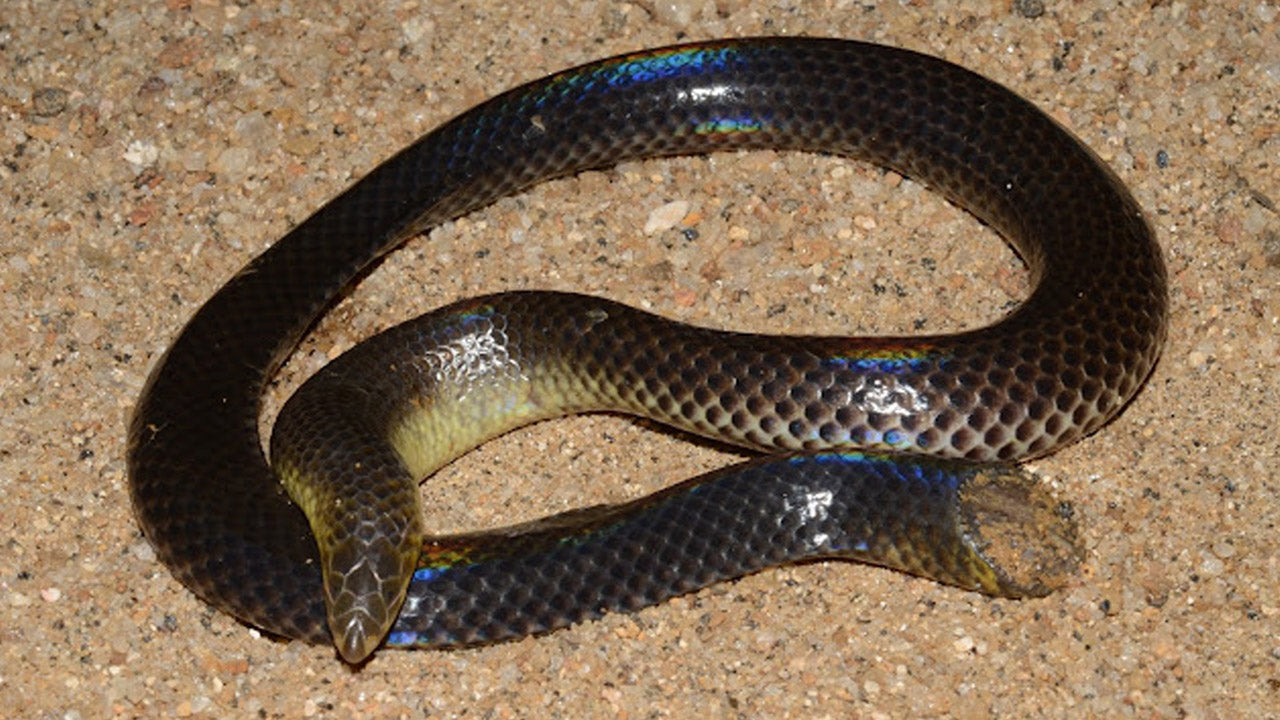 Large Shieldtail
Rhinophis saffragamus
-
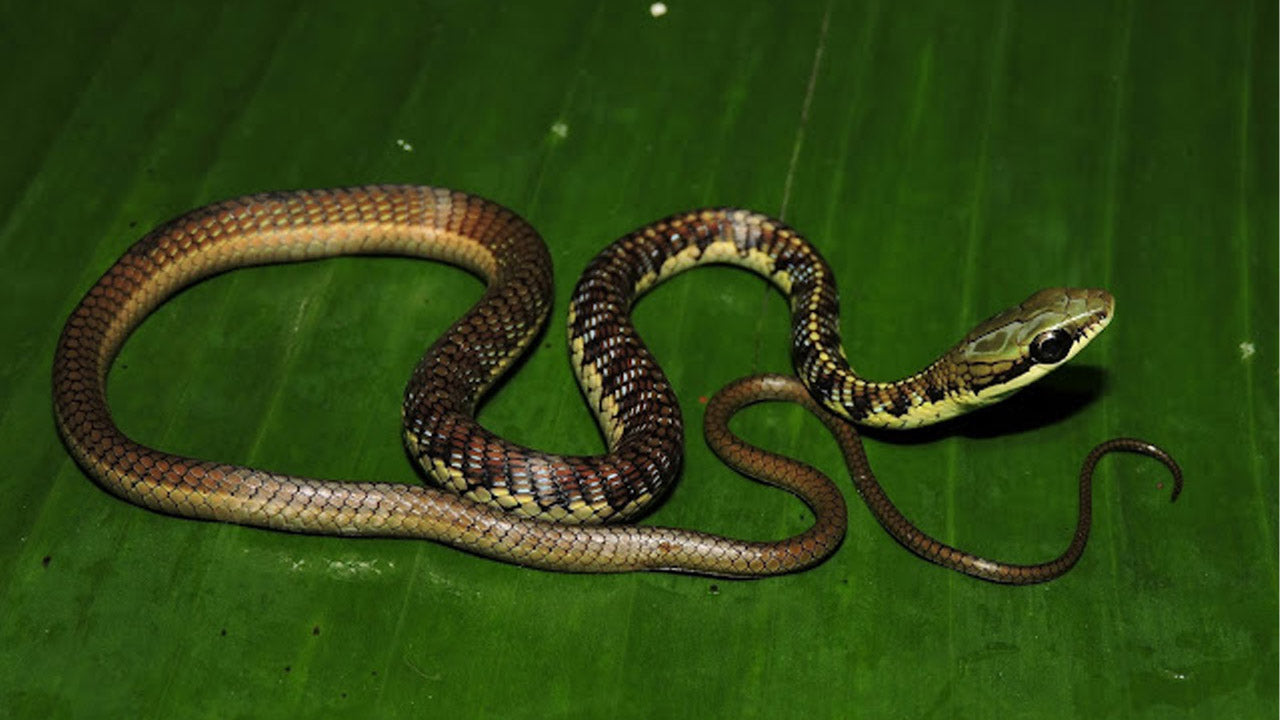 Schokar's Bronzeback
Schokar's bronzeback
-
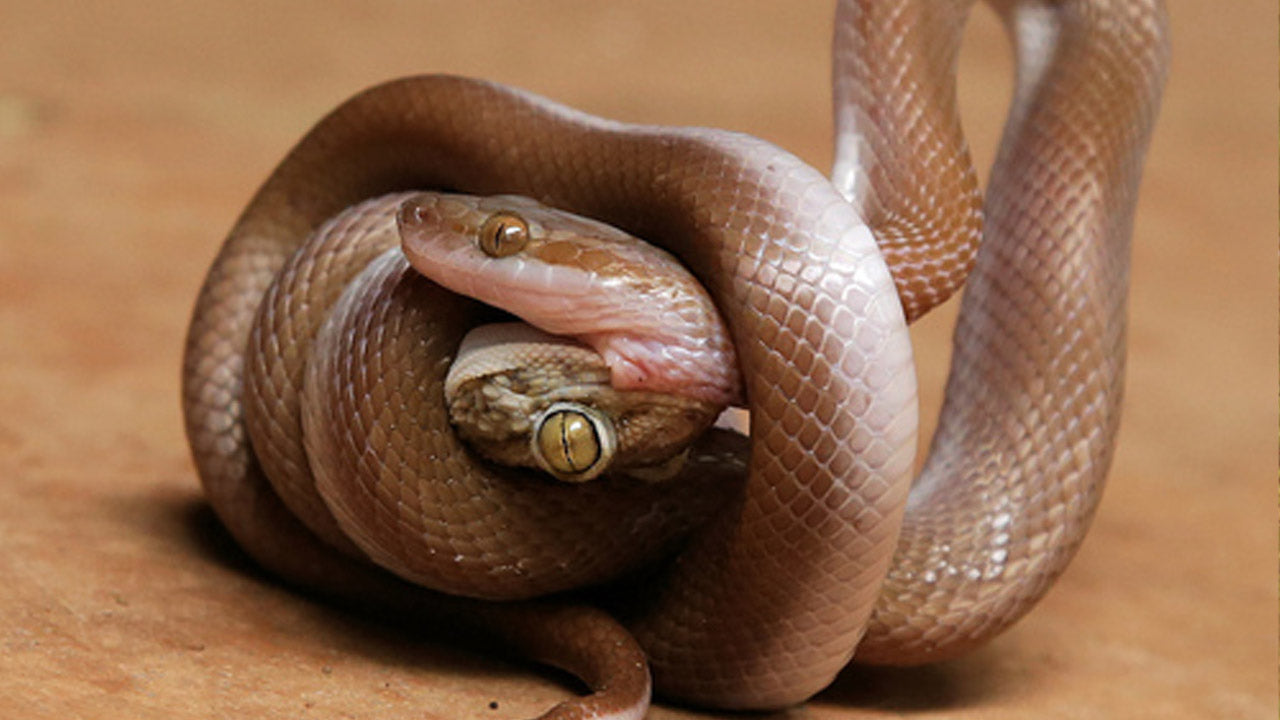 Jan's Worm Snake
Typhlops mirus
-
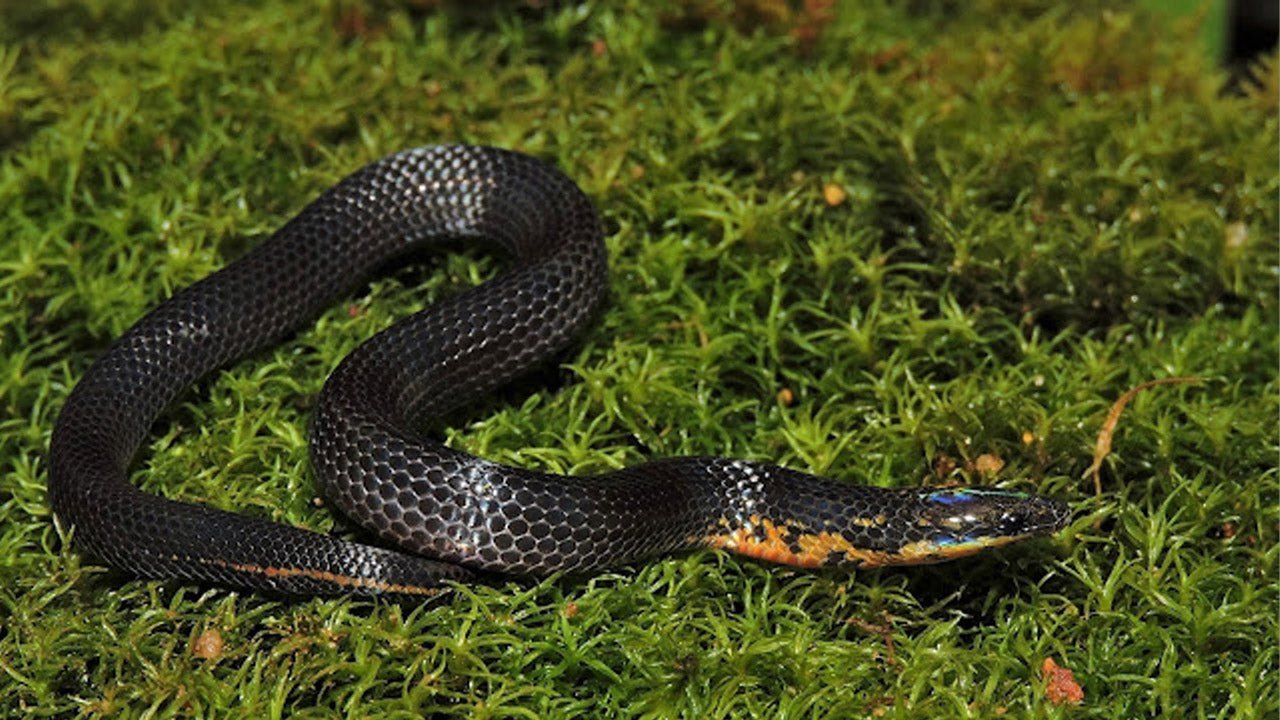 Ravana's Rough-sided Snake
Aspidura ravanai
-
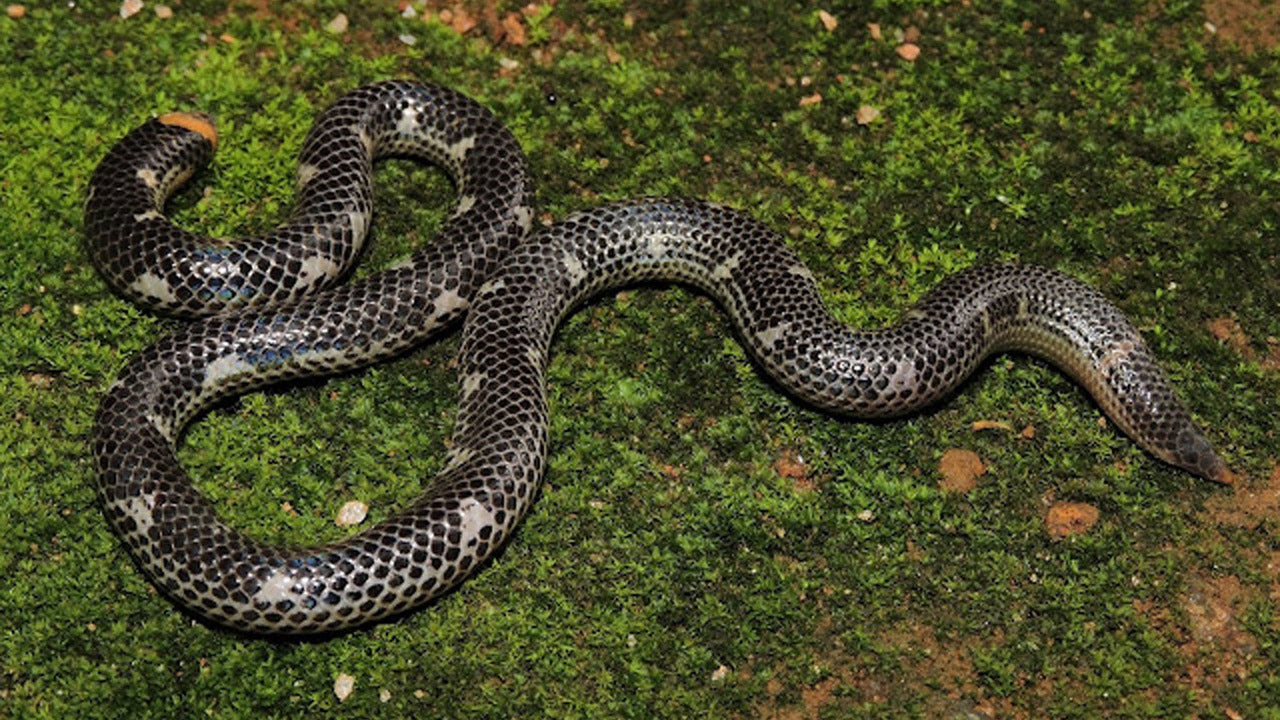 Hemprich's Shieldtail
Uropeltis hemprichii.
-
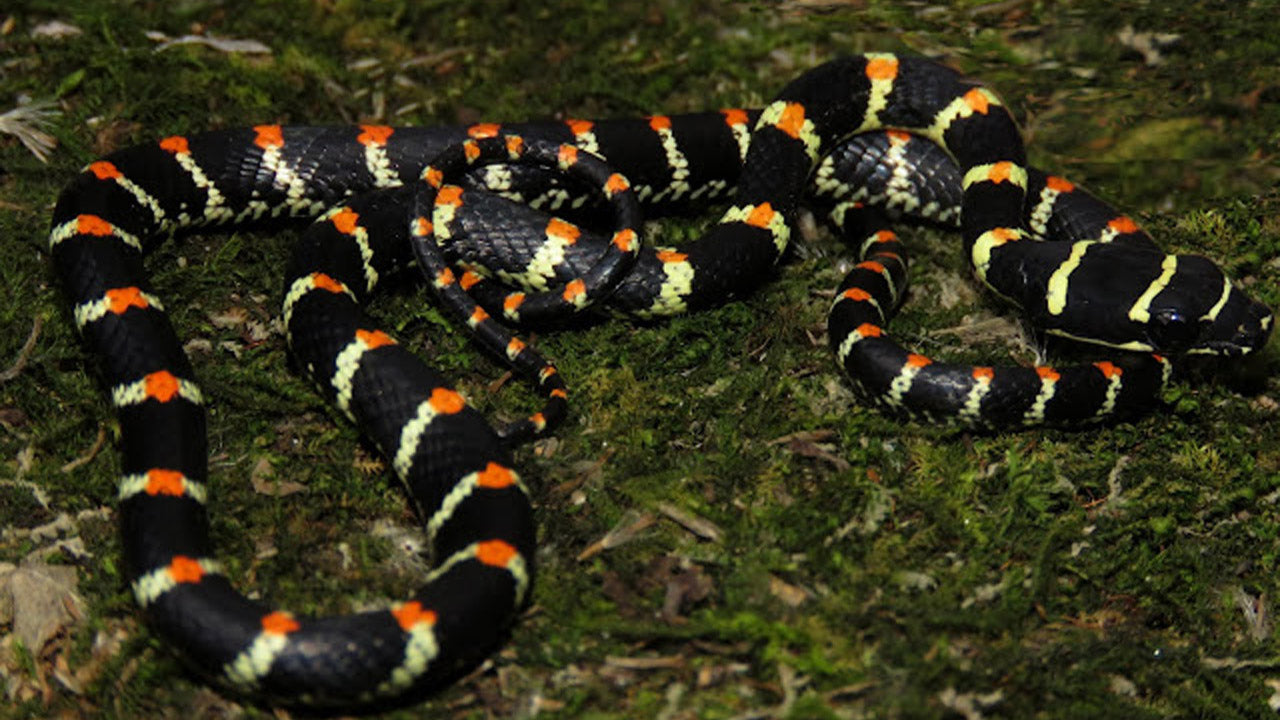 Ornate Flying Snake
Chrysopelea ornata
-
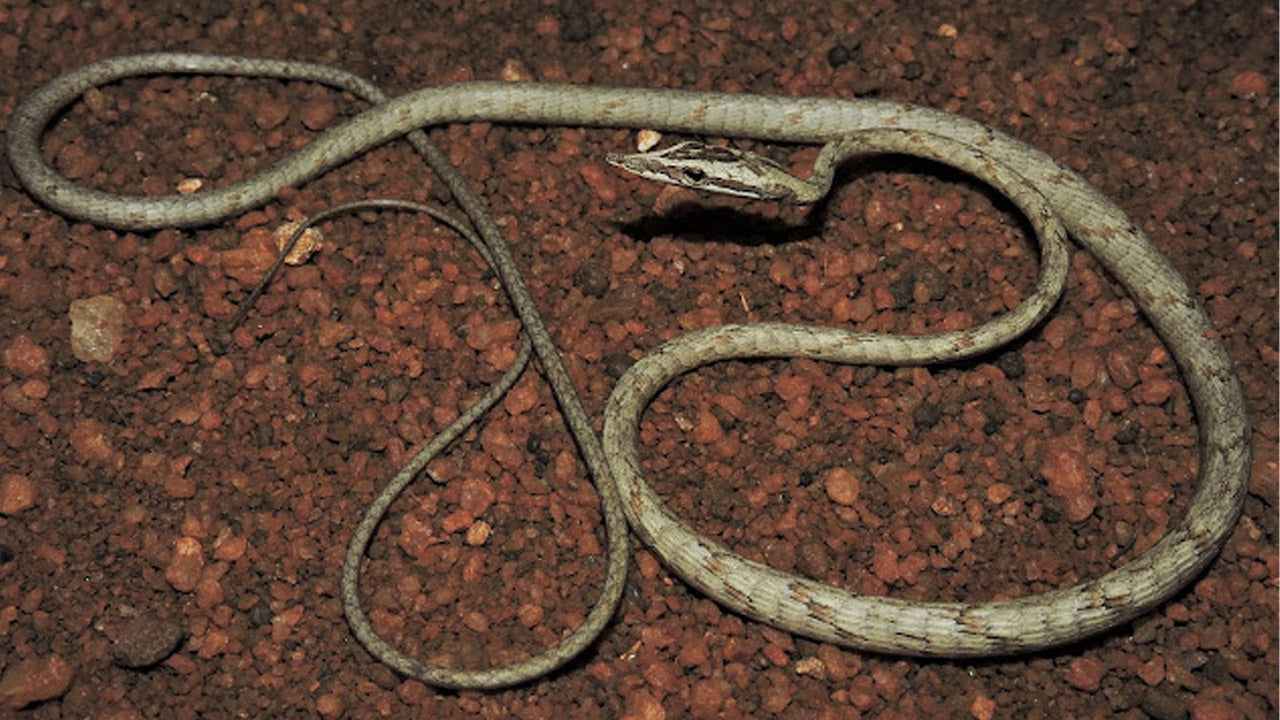 Brown Vine Snake
Ahaetulla pulverulenta
-
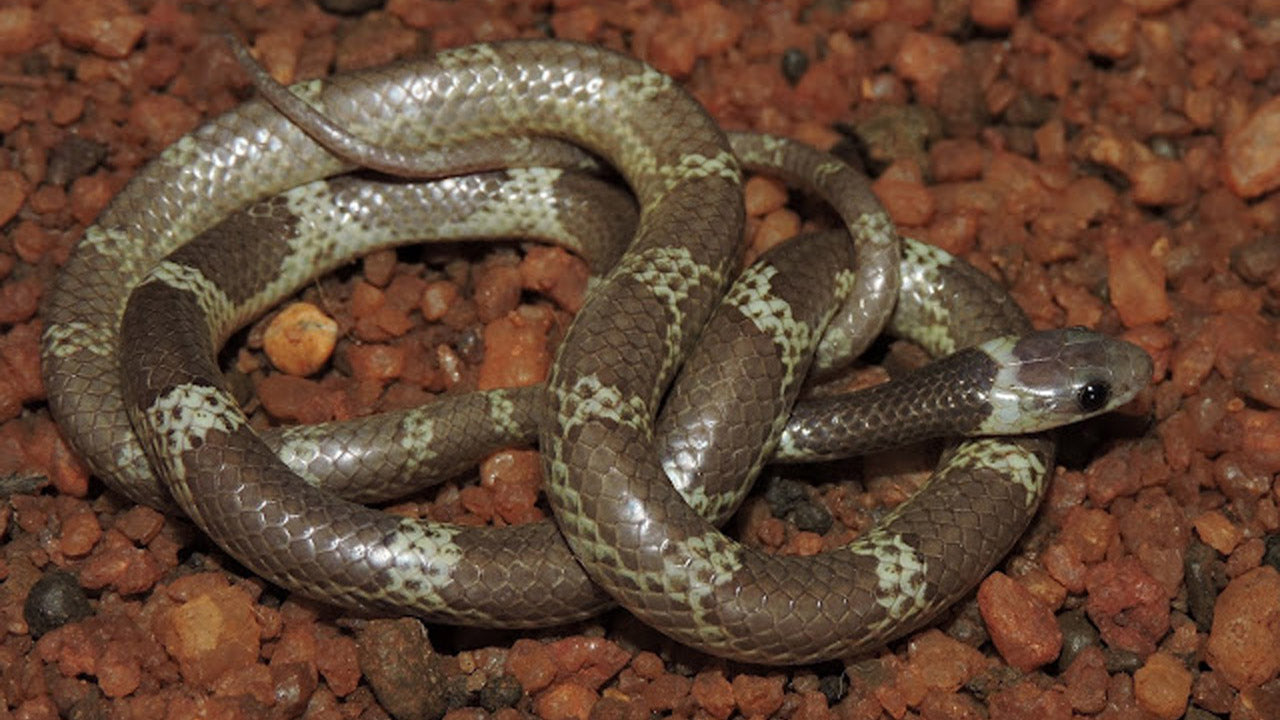 Common Bridal Snake
colubrid snake
-
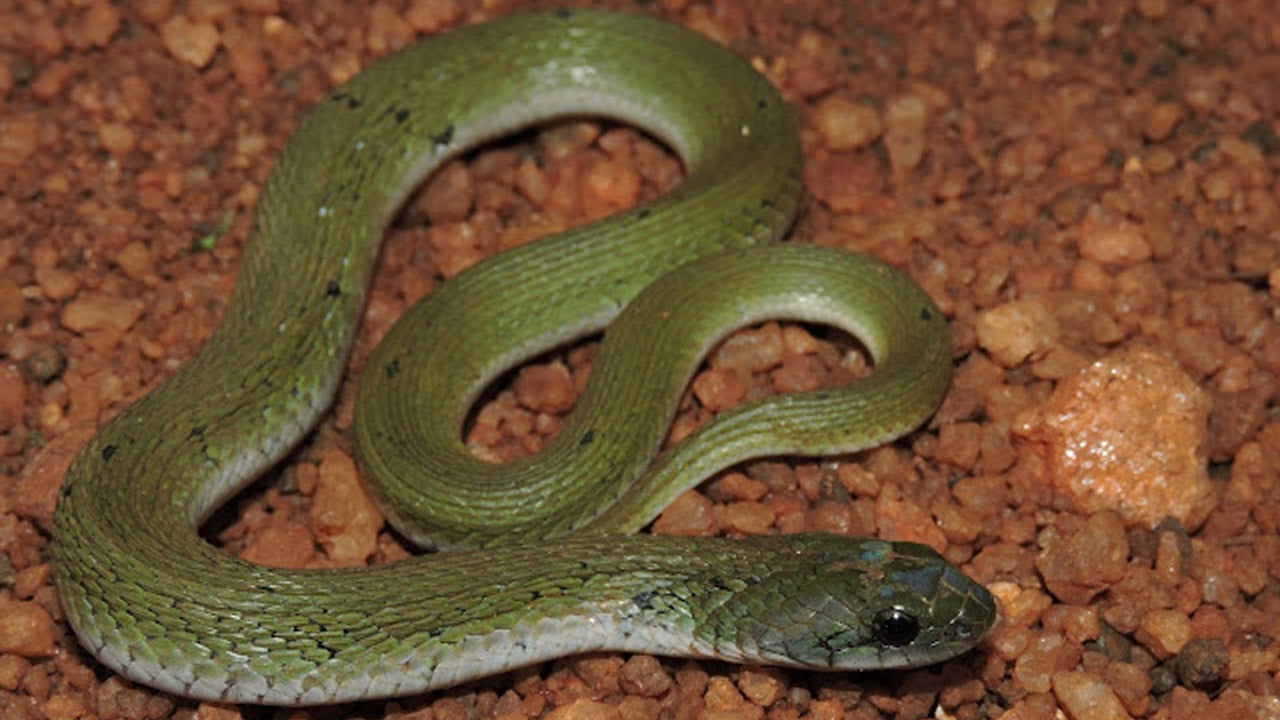 Green Keelback
Rhabdophis plumbicolor