Lakpura
Lakpura®

Elephant Pass

Elephant Pass occupies one of the most consequential stretches of land in Sri Lanka — a narrow isthmus in the Northern Province where two lagoons nearly meet, leaving just enough ground to link the Jaffna Peninsula to the rest of the island. Roughly 340 kilometres north of Colombo, this sliver of territory has shaped the fate of armies, traders, and communities for more than three centuries, and today draws visitors who want to understand Sri Lanka beyond its beaches and hill stations.

Why is it called Elephant Pass?

The most widely accepted explanation is straightforward: wild elephants from the dry-zone forests of the southeast were once herded through this narrow land corridor and across the shallow waters to supply the Jaffna Kingdom with working animals. The passage — part land, part ford — became known as the Elephant Pass, and the name endured long after the trade in elephants had ceased. Tamil classical literature, including references in the celebrated novel Ponniyin Selvan by Kalki Krishnamurthy, places this route in a broader historical narrative of movement and power across the northern plains.

The Elephant Transit Home at Udawalawe offers a contrasting but complementary story of Sri Lanka's relationship with its elephants — worth pairing on any trip that includes the north.

What is the history of Elephant Pass?

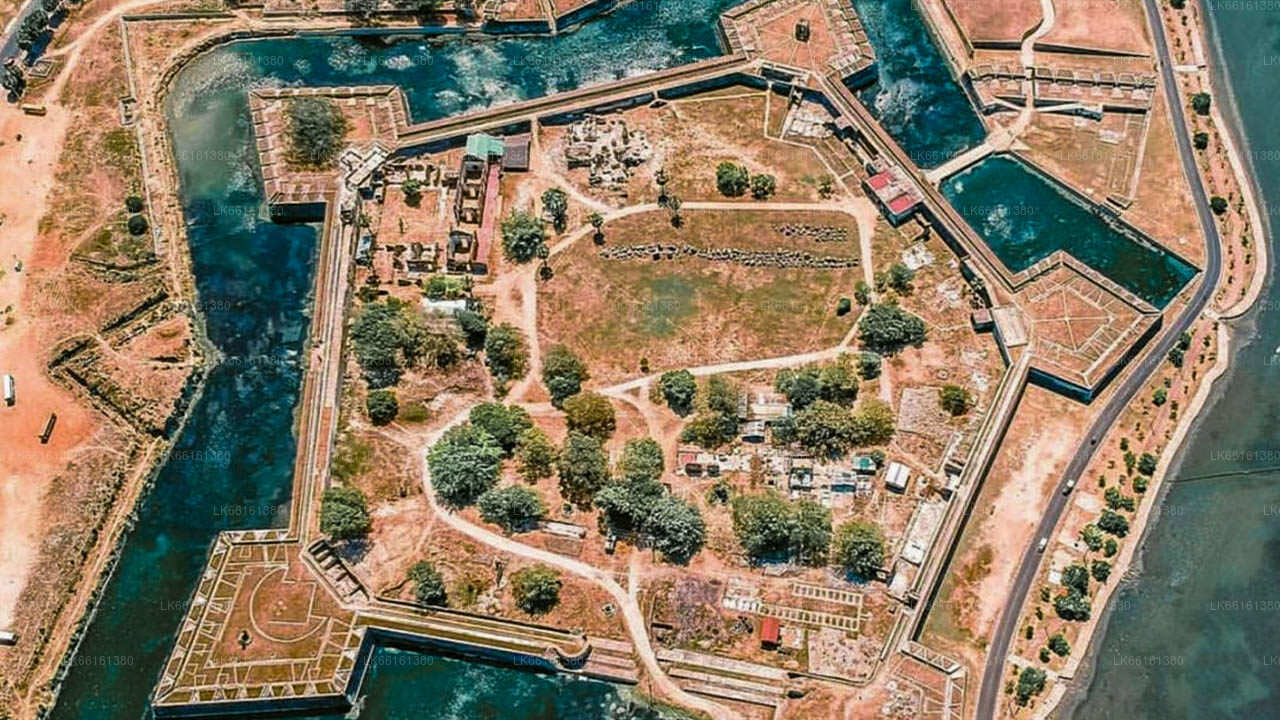
European colonial powers recognised the strategic value of Elephant Pass almost immediately. The Portuguese constructed a fort here around 1760, controlling the sole practical land route into the Jaffna Peninsula. The Dutch rebuilt and garrisoned it in 1776, and the British later maintained the position as part of their administration of the northern territories. Each occupying power understood the same geographical truth: whoever holds Elephant Pass holds the key to Jaffna.

The Sri Lankan Army established a modern military base on the site in 1952. During the decades of civil conflict that followed, Elephant Pass became one of the most fought-over positions in the country. At its largest extent, the base and its outlying camps stretched approximately 23 kilometres in length and 8 kilometres in width. The isthmus changed hands more than once and witnessed some of the heaviest fighting of the war. Those events are now part of the permanent historical record — memorialised on the site and studied by historians and military analysts worldwide.

What can visitors see at Elephant Pass today?

The Elephant Pass War Memorial is the most significant landmark for visitors. Built to commemorate the soldiers who lost their lives in the battles for this position, it provides context for the scale and cost of the conflict that unfolded here. The memorial is a considered, sombre space — appropriate for quiet reflection rather than casual tourism.

Remnants of old fortifications are visible in the area, though visitors should respect any restrictions still in place given the site's military history. The land itself carries the marks of successive fortifications: earthworks, perimeter traces, and the occasional structural remnant that points to the Portuguese, Dutch, and British periods.

Beyond the historical infrastructure, the setting is striking. The isthmus sits between open lagoon water on both flanks, and on a clear day the views extend across flat, silvery expanses to a distant treeline. The light in the Northern Province — particularly in the early morning and late afternoon — has a quality unlike anywhere else in Sri Lanka: low, even, and extraordinarily clear.

What wildlife and birdlife can be seen near Elephant Pass?

The lagoons flanking the isthmus form part of a broader wetland ecosystem that supports a notable variety of waterbirds. Waders, herons, egrets, and migratory species from Central Asia use the shallow margins seasonally, and the flat, open terrain makes observation straightforward. Dedicated birders should plan a visit between November and March, when migratory numbers peak along Sri Lanka's northern coast.

The salt flats — remnants of what was once the island's largest salt production area — add an additional microhabitat. Flamingos and other waders have been recorded here, though sightings vary with season and rainfall. The landscape is austere by the standards of Sri Lanka's more densely vegetated south, but that openness is precisely what makes wildlife observation rewarding.

How do I get to Elephant Pass from Colombo?

The most practical route from Colombo follows the A9 highway north through Kurunegala, Dambulla, Vavuniya, and Kilinochchi before reaching Elephant Pass — a drive of around five to six hours under typical conditions, depending on traffic through the Vavuniya–Kilinochchi corridor. The road is sealed and in reasonable condition for most of its length, though the northern sections can be slower.

Trains run from Colombo Fort to Jaffna, passing through Elephant Pass station, which makes the rail journey a comfortable alternative. The line was restored after the end of the civil war and now operates regular services. Flying to Jaffna via the domestic terminal at Bandaranaike International Airport and then driving south to Elephant Pass is a third option for travellers short on time.

When is the best time to visit Elephant Pass?

The Northern Province sits outside the rain shadow that affects much of Sri Lanka's interior and receives its main rainfall from the northeast monsoon, typically between October and January. The driest and most comfortable months for travel are February through September, when daytime temperatures are warm but manageable and roads remain clear. Early mornings throughout the year offer the best light for photography and the least heat for exploring the open ground around the memorial.

Is Elephant Pass safe to visit?

Sri Lanka's civil conflict ended in 2009, and the Northern Province has been open to tourism for well over a decade. Elephant Pass itself is accessible, and many travellers pass through it as part of a Colombo–Jaffna road journey. Some areas around former military installations remain sensitive, and it is advisable to follow any posted notices and to avoid straying off marked paths, particularly where demining work was conducted in earlier years. Local guides familiar with the area can provide context and ensure visits proceed without incident.

What else is worth visiting near Elephant Pass?

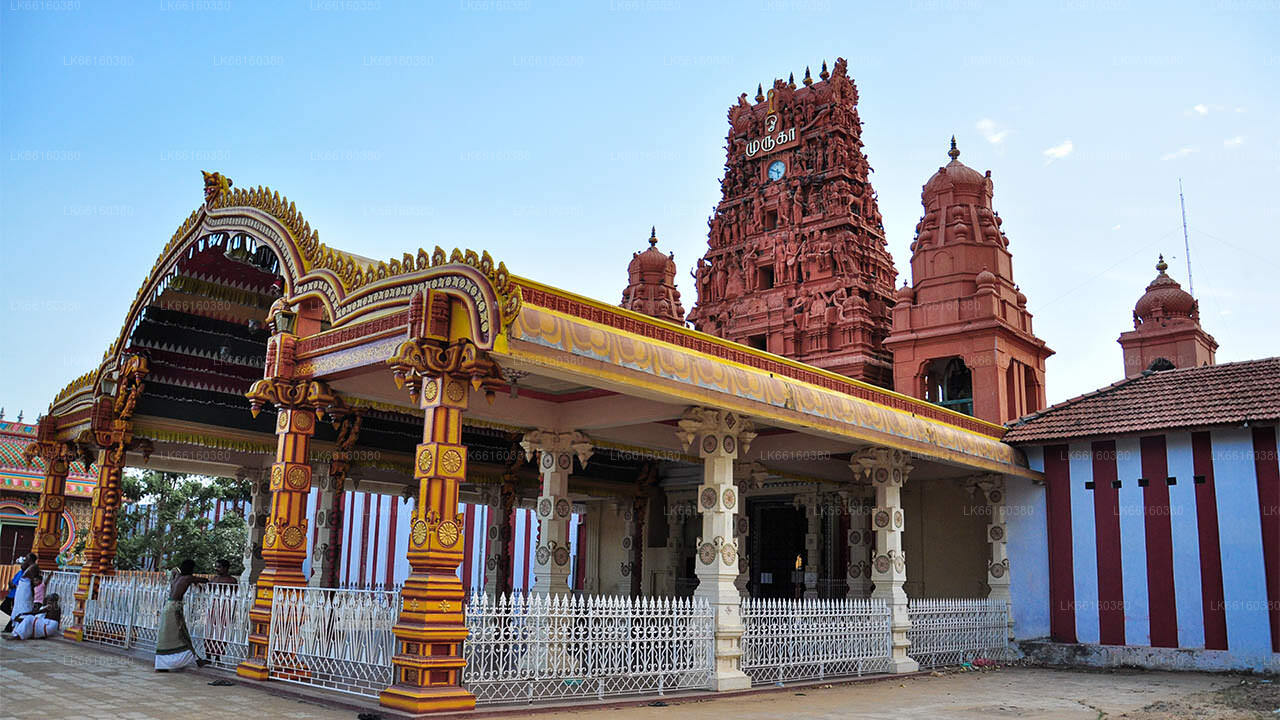
Jaffna city lies roughly 50 kilometres north of Elephant Pass and rewards a full day or more of exploration — its Hindu temples, Dutch colonial fort, and distinctive cuisine make it one of Sri Lanka's most culturally distinct destinations. Chavakacheri, the town that Elephant Pass connects to the mainland, is a quieter stop with local market life. Travelling south, the ancient city of Polonnaruwa sits several hours away and offers a very different dimension of Sri Lankan history — one of the island's great medieval capitals, with well-preserved ruins set around an artificial lake.

For those combining a northern itinerary with wildlife, Wilpattu National Park on the northwest coast is the nearest major reserve and is particularly known for its leopard population and forest-lake ecosystem.

Book this experience with Lakpura

Curated by our local team. Direct booking, instant confirmation.

Ask Lakpura® Agent