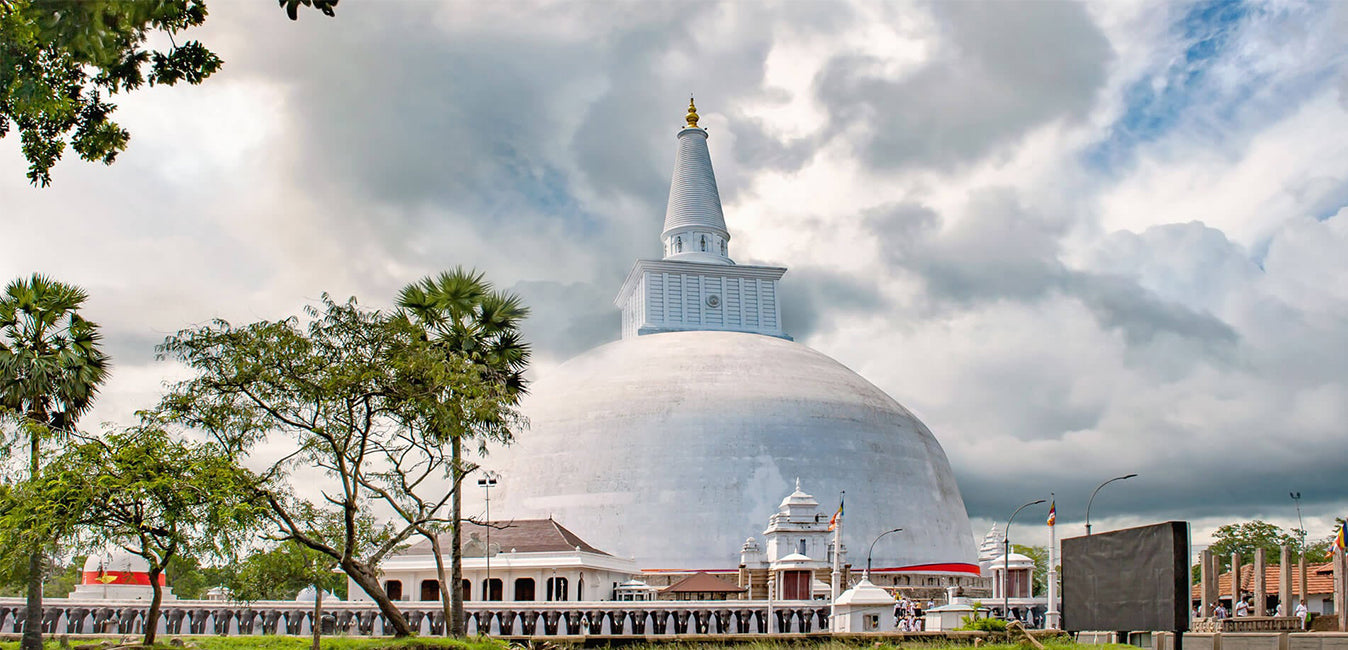
Saliyapura


Saliyapura es una pequeña pero importante ciudad ubicada en la Provincia Central del Norte de Sri Lanka, una región conocida por sus profundas raíces históricas, paisajes agrícolas y su cultura y patrimonio. Situada cerca de la antigua ciudad de Anuradhapura, Saliyapura sirve como un centro residencial y comercial para las personas que viven en las aldeas rurales cercanas. Su ubicación dentro de la zona seca de Sri Lanka significa que el área experimenta un clima cálido durante la mayor parte del año, con lluvias estacionales que apoyan las prácticas agrícolas tradicionales.
Una de las características más destacadas de Saliyapura es su estrecha conexión con la agricultura. Muchos residentes dependen de la agricultura como su principal medio de vida, cultivando arroz, verduras y otros productos de la zona seca. Los sistemas de riego, incluidos los tanques y canales con origen en antiguas tradiciones de ingeniería hidráulica, desempeñan un papel esencial en el mantenimiento de las actividades agrícolas en la región. Estos sistemas de gestión del agua reflejan la larga historia de sofisticada irrigación en Sri Lanka, que ha apoyado a las comunidades en la Provincia Central del Norte durante siglos.
Saliyapura también es reconocida por su conexión con el ejército de Sri Lanka, ya que el área alberga un importante campamento del ejército de Sri Lanka. La presencia de esta instalación militar ha influido en el desarrollo de la ciudad, contribuyendo al comercio local, la vivienda y la infraestructura. Pequeñas tiendas, restaurantes y negocios de servicios atienden no solo a los residentes locales, sino también al personal militar y a los visitantes que pasan por la zona.
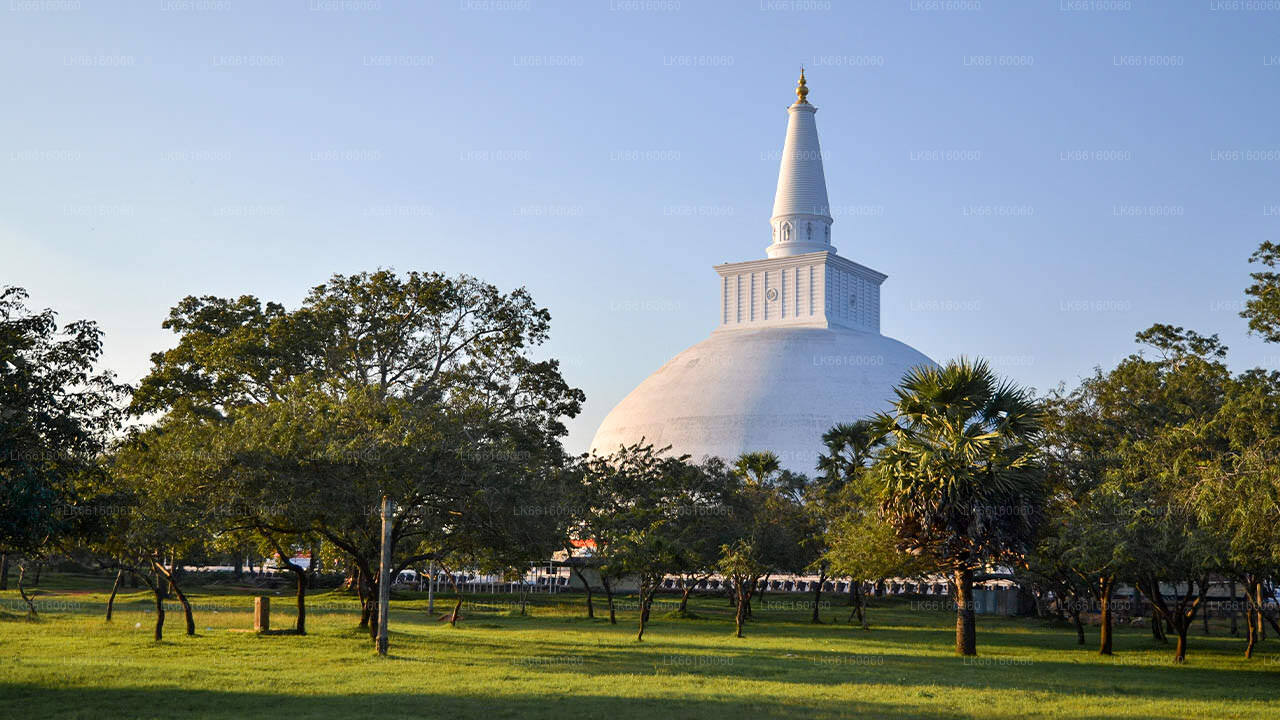
Además de su importancia práctica como ciudad residencial y militar, Saliyapura se beneficia de su proximidad a la histórica ciudad de Anuradhapura, uno de los centros culturales y religiosos más importantes de Sri Lanka. Los residentes y visitantes pueden acceder fácilmente a sitios budistas sagrados, antiguas estupas y monumentos arqueológicos que atraen a peregrinos y turistas de todo el mundo. Esta conexión sitúa a Saliyapura dentro de un paisaje cultural más amplio que refleja la antigua civilización de Sri Lanka.
A pesar de su tamaño relativamente modesto, Saliyapura representa el ritmo cotidiano de la vida en la Provincia Central del Norte. La ciudad combina los medios de vida rurales tradicionales con servicios e infraestructura modernos. Escuelas, mercados locales, templos e instituciones comunitarias contribuyen al tejido social del área, convirtiéndola en un lugar vibrante y al mismo tiempo tranquilo para sus residentes. A medida que el desarrollo se extiende gradualmente por la región, Saliyapura continúa creciendo mientras mantiene la identidad cultural y agrícola que define el corazón de la zona seca de Sri Lanka.


-
 Sri Maha Bodhiya
Jaya Sri Maha Bodhi is a sacred bo tree in the Mahamewna Gardens, Anuradhapura, Sri Lanka. It is the southern branch from the historical Sri Maha Bodhi at Buddha Gaya in India under which Buddha attained Enlightenment. It was planted in 288 BC, and is the oldest living human-planted tree in the world with a known planting date.
-
 Ruwanweliseya
The Ruwanweli Maha Seya, also known as the Mahathupa (the Great Thupa) is a stupa (a hemispherical structure containing relics) in Anuradhapura, Sri Lanka. Two quarts or one Dona of the Buddha's relics are enshrined in the stupa, making it the largest collection of his relics anywhere. It was built by Sinhalese King Dutugemunu in c. 140 B.C., who became king of Sri Lanka after a war in which the Chola King Elāra (Ellalan) was defeated.
-
 Thuparamaya
Thuparamaya is the first Buddhist temple that was constructed, after the arrival of mahinda thero(mahindagamanaya) in Sri Lanka. Located in the sacred area of Mahamewna park, the Thuparamaya Stupa is the earliest Dagoba to be constructed in the island, dating back to the reign of King Devanampiya Tissa (247-207 BC). The temple has been formally recognised by the Government as an archaeological site in Sri Lanka.
-
 Lovamahapaya
Lovamahapaya is a building situated between Ruwanweliseya and Sri Mahabodiya in the ancient city of Anuradhapura, Sri Lanka. It is also known as the Brazen Palace or Lohaprasadaya because the roof was covered with bronze tiles. In ancient times, the building included the refectory and the uposathagara (Uposatha house).
-
 Abhayagiri Stupa
Abhayagiri Vihāra was a major monastery site of Mahayana, Theravada and Vajrayana Buddhism that was situated in Anuradhapura, Sri Lanka. It is one of the most extensive ruins in the world and one of the most sacred Buddhist pilgrimage cities in the nation.
-
 Jetavanaramaya
The Jetavanarama stupa or Jetavanaramaya is a stupa, or Buddhist reliquary monument, located in the ruins of Jetavana monastery in the UNESCO world heritage city of Anuradhapura, Sri Lanka. At 122 metres (400 ft), it was the world's tallest stupa, and the third tallest structure in the world when it was built by King Mahasena of Anuradhapura (273–301).
-
 Mirisawetiya Stupa
The Mirisaweti Stupa is a memorial building, a stupa, situated in the ancient city of Anuradhapura, Sri Lanka. King Dutugamunu (161 BC to 137 BC) built the Mirisaveti Stupa after defeating King Elara. After placing the Buddha relics in the sceptre, he had gone to Tissa Wewa for a bath leaving the sceptre.
-
 Lankarama
Lankarama is a stupa built by King Valagamba, in an ancient place at Galhebakada in the ancient kingdom of Anuradhapura, Sri Lanka. Nothing is known about the ancient form of the stupa, and later this was renovated. The ruins show that there are rows of stone pillars and it is no doubt that there has been a house built encircling the stupa (vatadage) to cover it.
-
 Isurumuniya
Isurumuniya is a Buddhist temple situated near to the Tissa Wewa (Tisa tank) in Anuradhapura, Sri Lanka. There are four carvings of special interest in this Vihara. They are the Isurumuniya Lovers, Elephant Pond and The Royal Family. The ancient Meghagiri Vihara or Meygiri Vihara is presently identified as the Isurumuni Vihara.