Complejo del Palacio de Kurunegala

Palace Complex Palace Complex Palace Complex

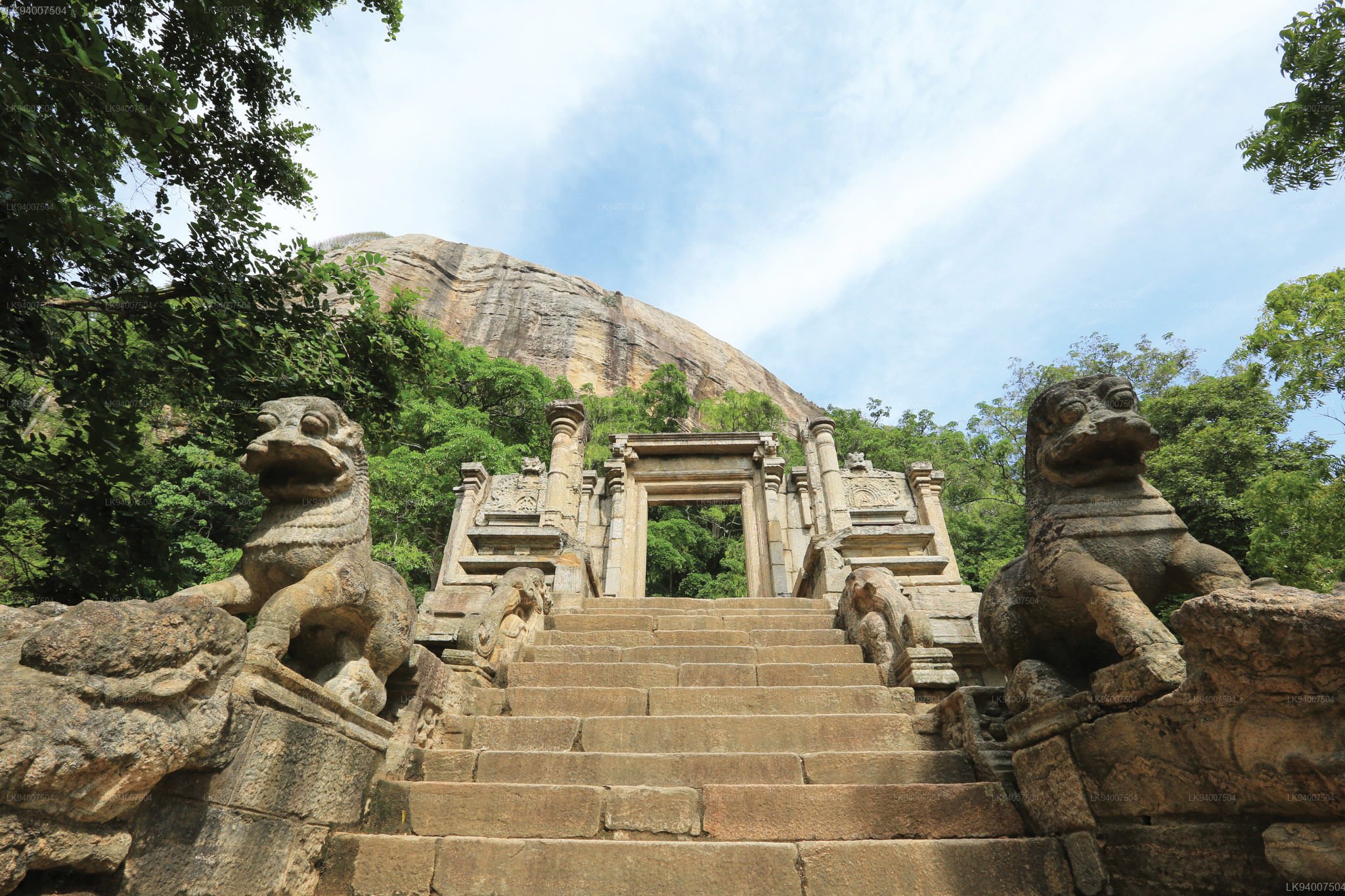
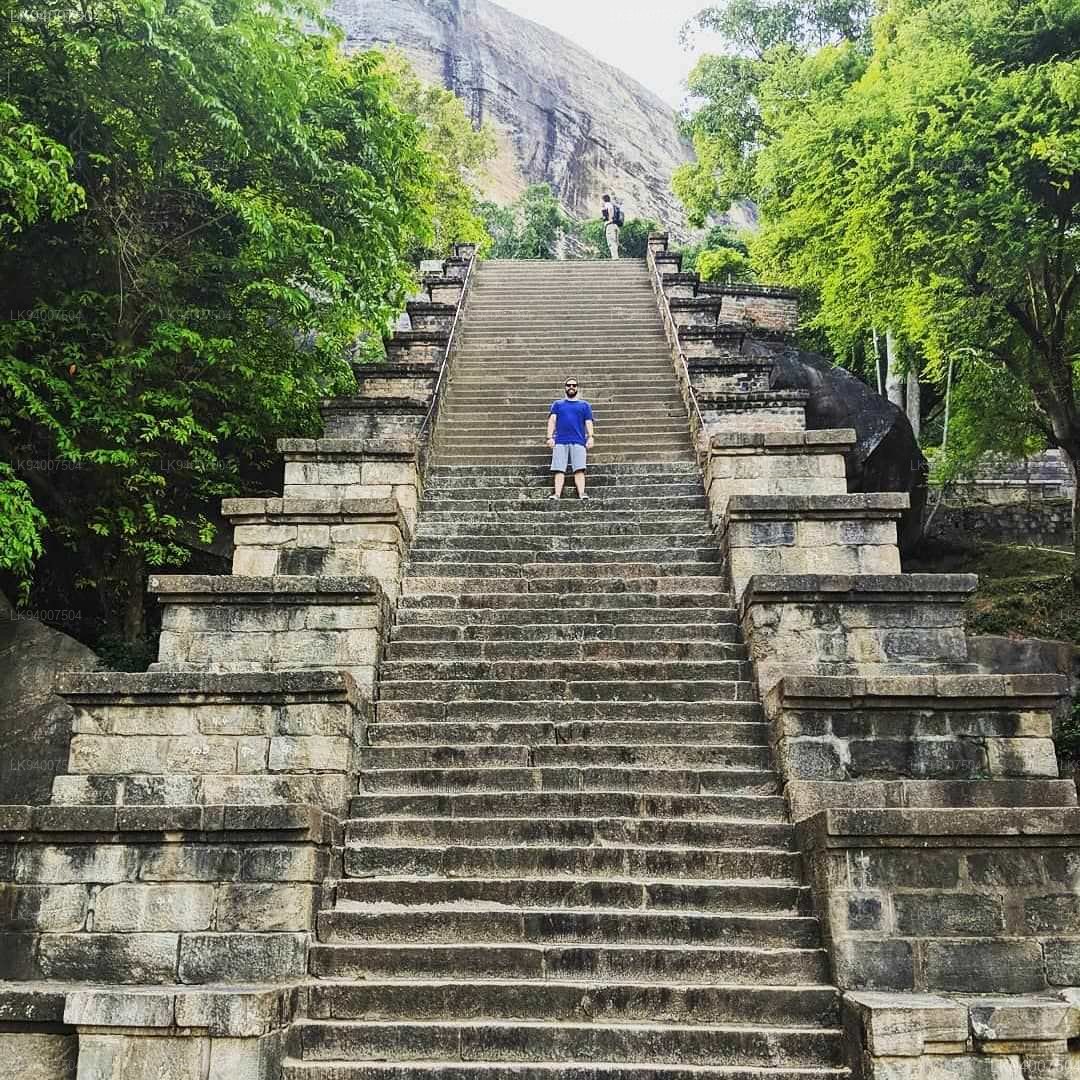
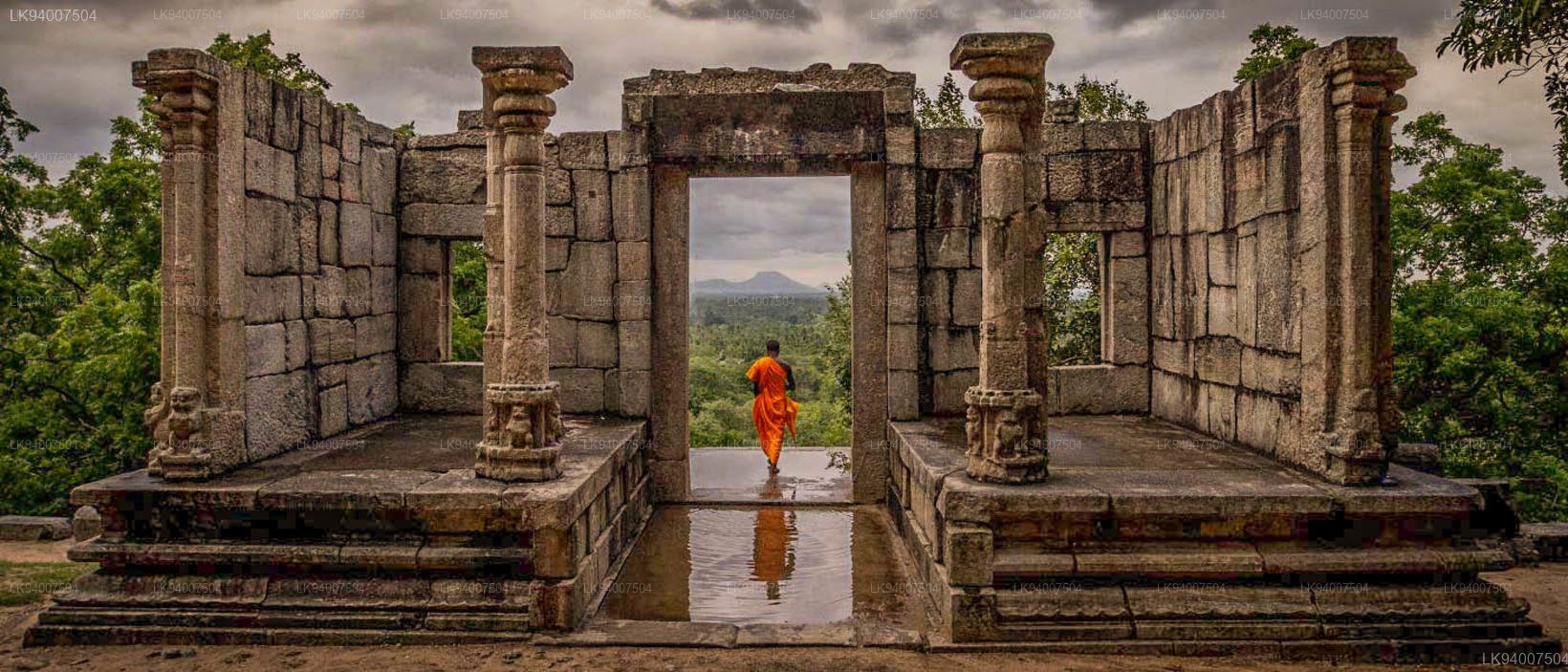
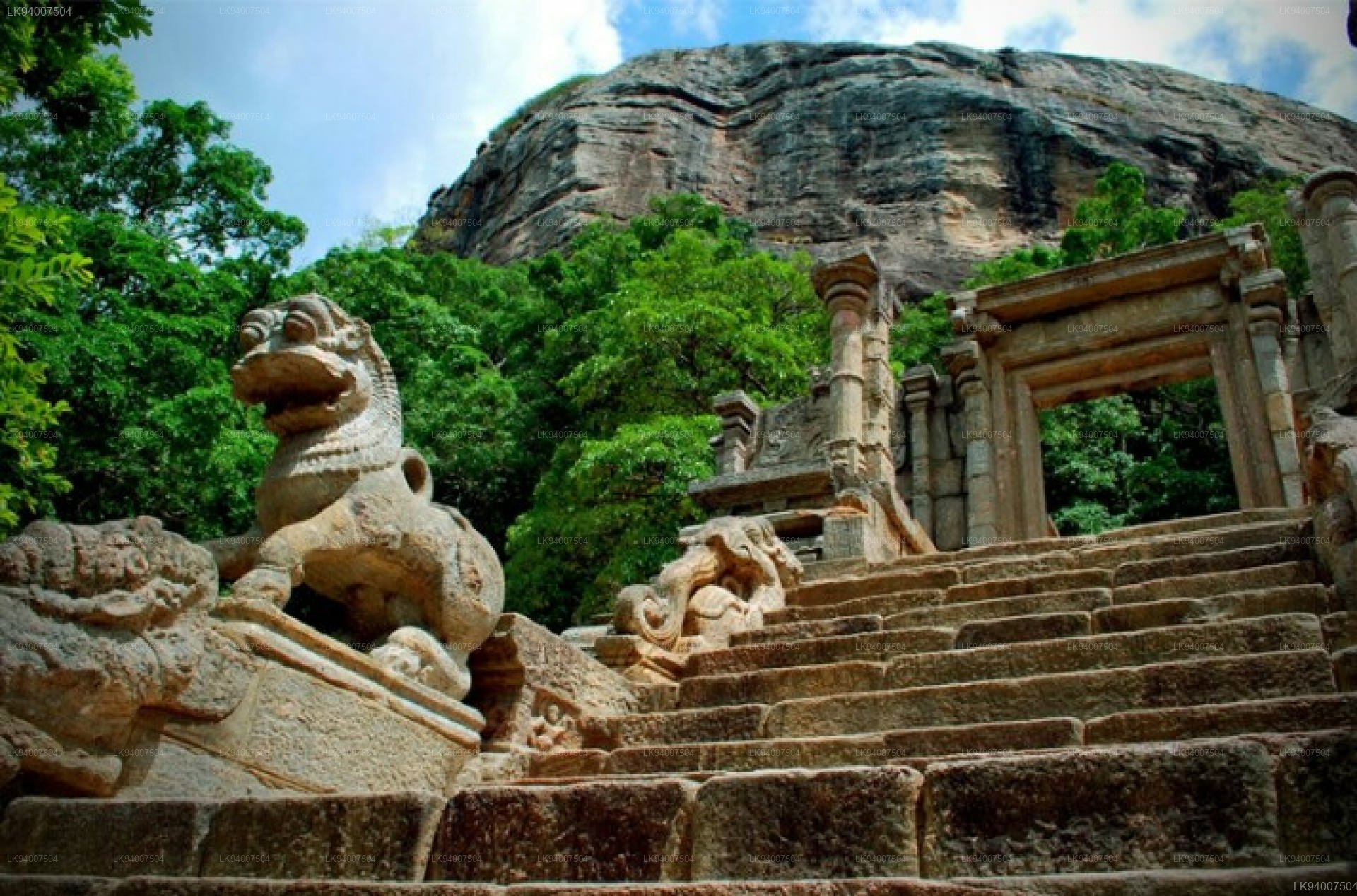
El vasto complejo fue un palacio y una fortaleza militar a finales del siglo XIII, hogar del rey que vivía con el miedo a un ataque. En un tiempo, fosos profundos y gruesos muros resistían al enemigo, sin embargo, ahora estos han sido puentes o aplanados. El elemento central, fotografiado de manera fenomenal, del antiguo reino, su símbolo actual, es una escalera de piedra muy empinada. Está adornada con exquisitas esculturas.

A mitad de la subida, se encuentran dos grandes leones de piedra muy distintos, inspirados en el arte chino. Están mostrando una mueca hacia el escalador. Hermosas esculturas florecen a ambos lados. En tiempos antiguos, el reinado de la isla estaba estrechamente asociado con la Relicquia del Diente Sagrado del Buda Supremo. Por lo tanto, cuando el rey abandonó el antiguo reino de Polonnaruwa, lo hizo con la reliquia. La historia de la fortaleza de Yapahuwa está, por lo tanto, estrechamente vinculada con la Relicquia Sagrada. Años después de su establecimiento, un ejército del sur de la India invadió y se llevó la Relicquia Sagrada del Diente, lo que llevó al colapso del reino.

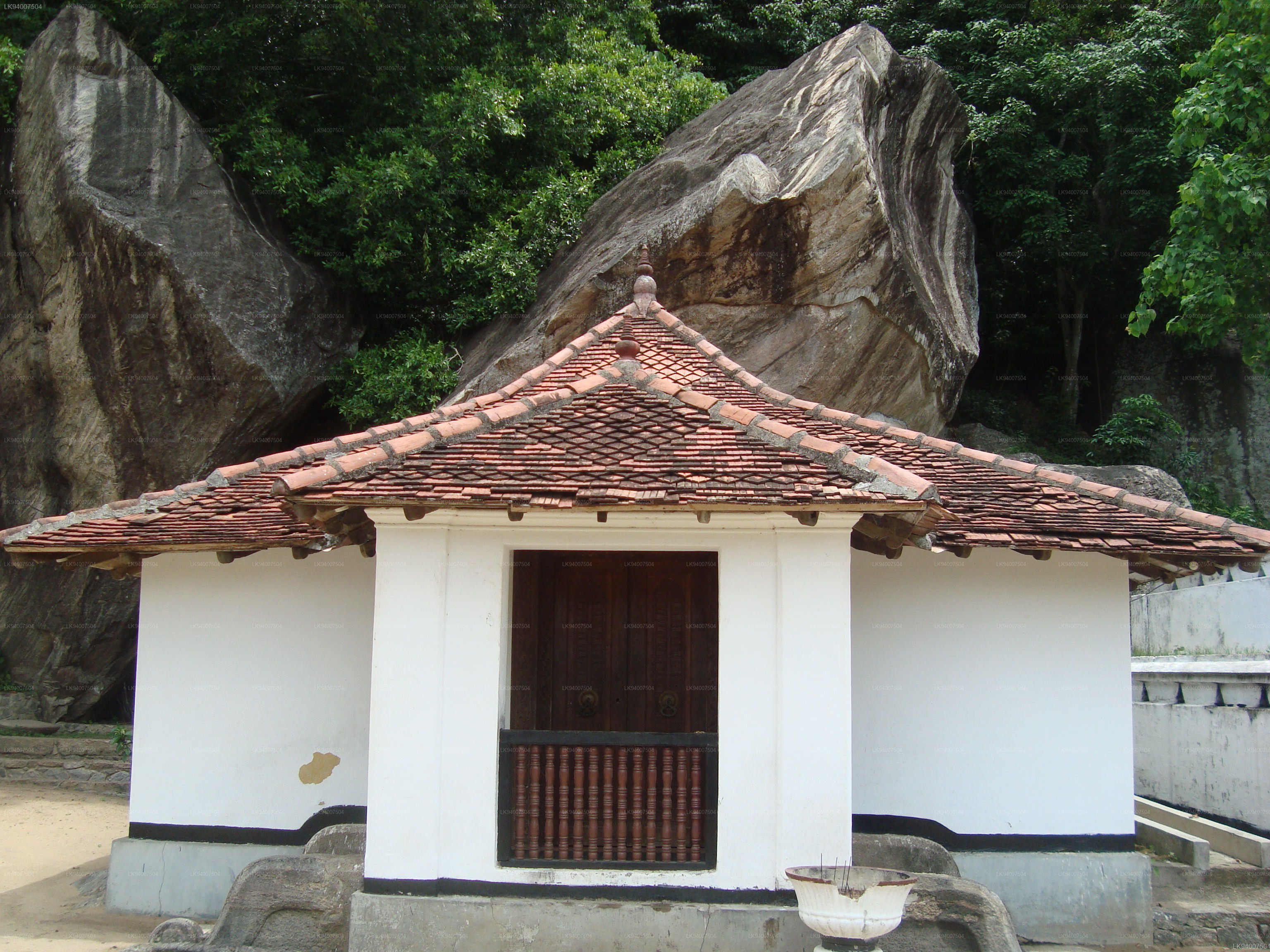
Suba hasta la cima de la montaña para descubrir los restos de los primeros habitantes que vivieron aquí. Eran monjes budistas. Una pequeña stupa, barrida por el viento, está ubicada junto a una cerca de un árbol Bo, así como una cueva de roca. El panorama desde la cima de la montaña captura una vasta extensión, un mosaico de campos de arroz verdes y el bosque que se extiende hasta las montañas azules en la distancia.
Palace Complex Palace Complex Palace Complex

About Kurunegala District

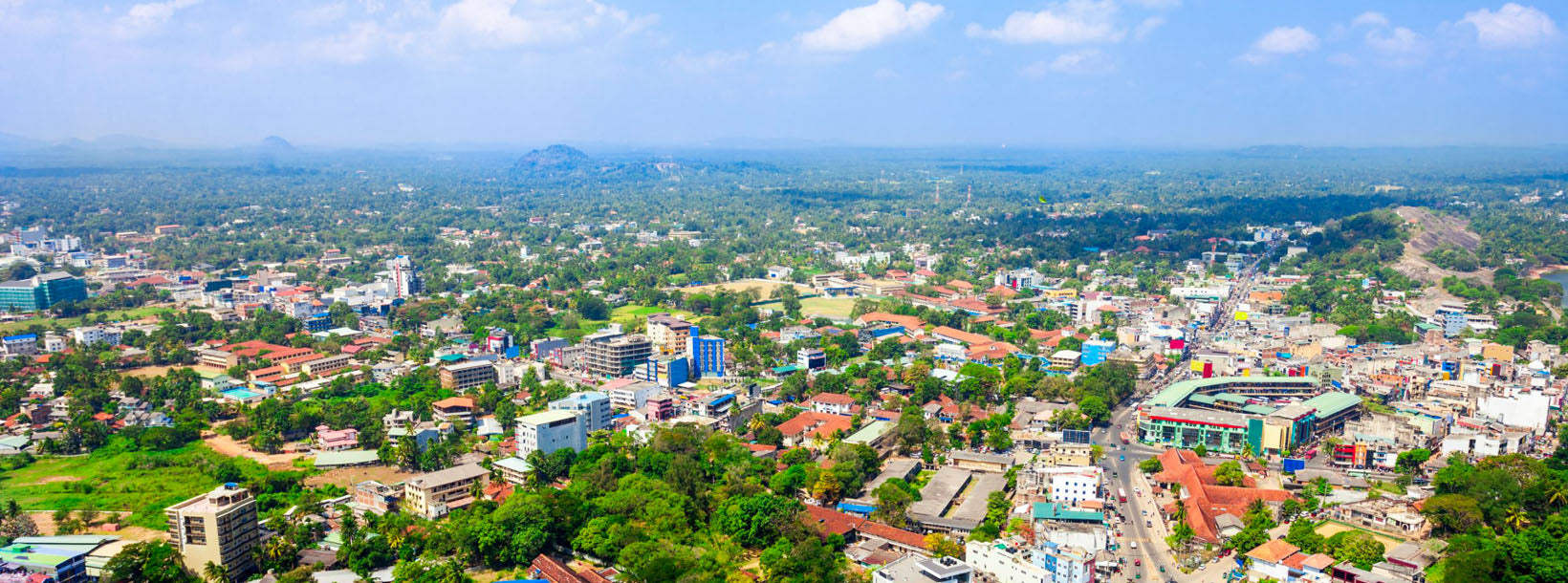
Kurunegala is the capital of the Wayamba Province in Sri Lanka and the Kurunegala District.Kurunegala was a royal capital for only 50 years, from the end of the 13th century to the start of the next, though even before this it was strategically placed in the middle of other majestic strongholds such as Yapahuwa to the north, Dambadeniya to the south and Panduwasnuwara in the east. Ethagala a rock reaching 316 meters, towers over the town, which is located at an altitude of 116 meters above sea level. The shape of Ethagala resembles an Elephant. A transport hub, it has a railway station, and several main roads linking important parts of the country.Kurunegala is situated about 94 km from Colombo, and 42 km from Kandy.

Most of Kurunegala's residents belong to the Sinhalese majority. Other ethnic minorities include the Sri Lankan Moors, Sri Lankan Tamils, Burghers and Malays. Residents from ethnic minorities live in all parts of the city, however, sizeable communities of Moors and Tamils also live in the areas of Teliyagonna and Wilgoda.

About North Western Province

North Western Province is a province of Sri Lanka. The districts of Kurunegala and Puttalam formulate North Western or Wayamba. Its capital is Kurunegala, which has a population of 28,571. The province is known mainly for its numerous coconut plantations. Other main towns in this province are Chilaw (24,712) and Puttalam (45,661), which are both small fishing towns. The majority of the population of Wayamba province is of Sinhalese ethnicity. There is also a substantial Sri Lankan Moor minority around Puttalam and Sri Lankan Tamils in Udappu and Munneswaram. Fishing, prawn farming and rubber tree plantations are other prominent industries of the region. The province has an area of 7,888 km² and a population of 2,184,136 (2005 calculation).

Wayamba is the third largest paddy producing area in Sri Lanka .Wayamba has a highly developed agricultural economy, growing a variety of fruits and vegetables, flowering plants, spices, oil-seeds in addition to the traditional plantation crops such as Coconut, Rubber and Rice. Rich soils and varied climate give Wayamba a potential for growing of virtually any crop.

In Wayamba or North western province, home for ancient Buddhist rock temples, magnificent citadels Panduwasnuwara, Dambadeniya, Yapahuwa and Kurunegala. Impressive remains of those citadels, palaces, Buddhist temples and monasteries provide exciting sight seeing to the visitors.