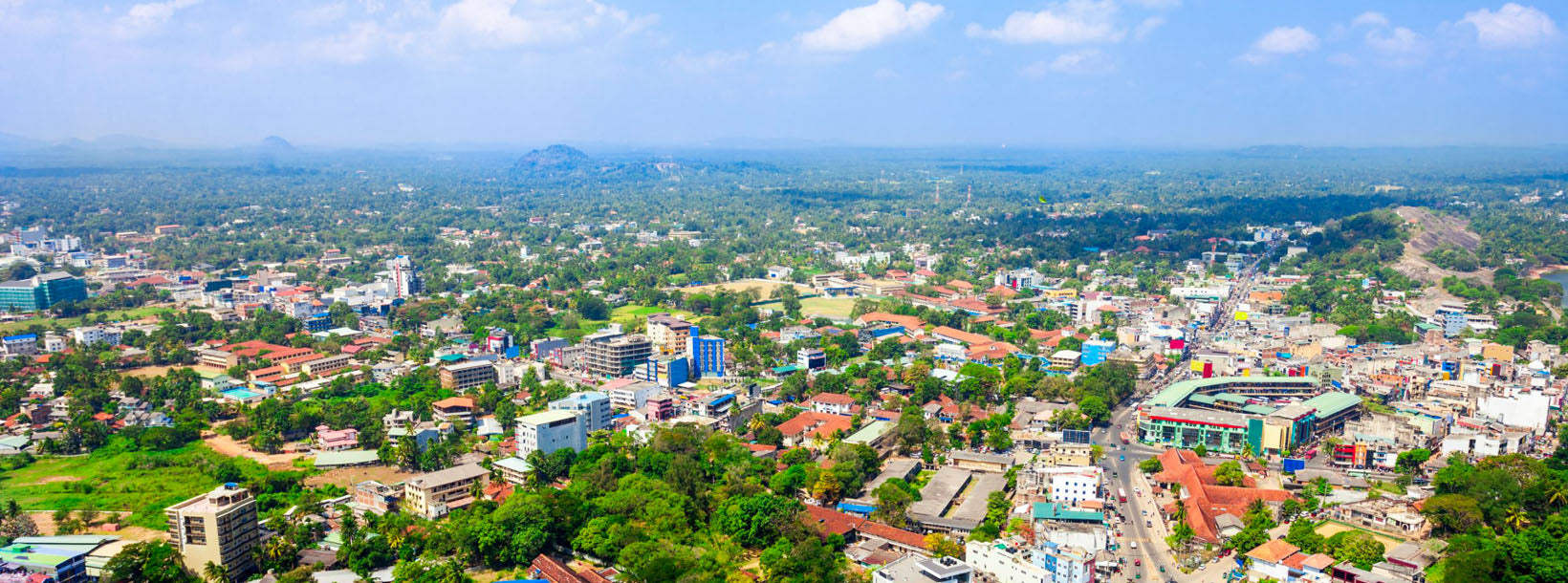
Montaña Galgiriya
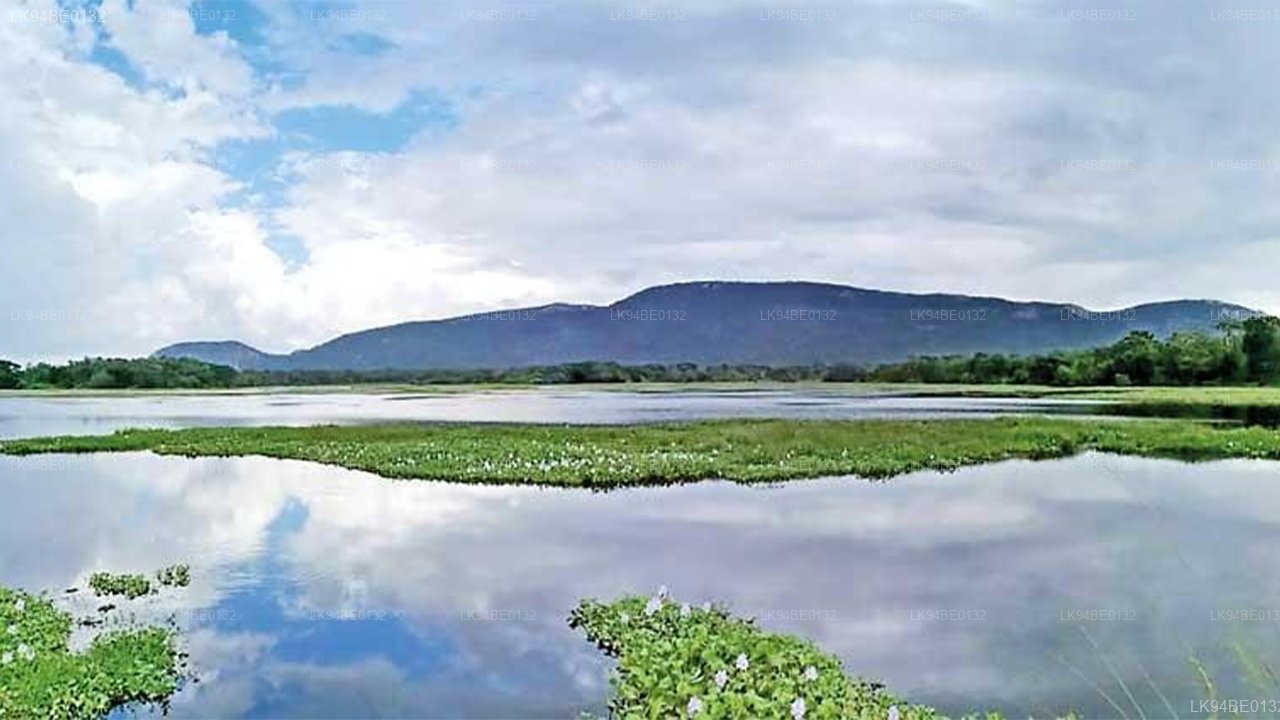
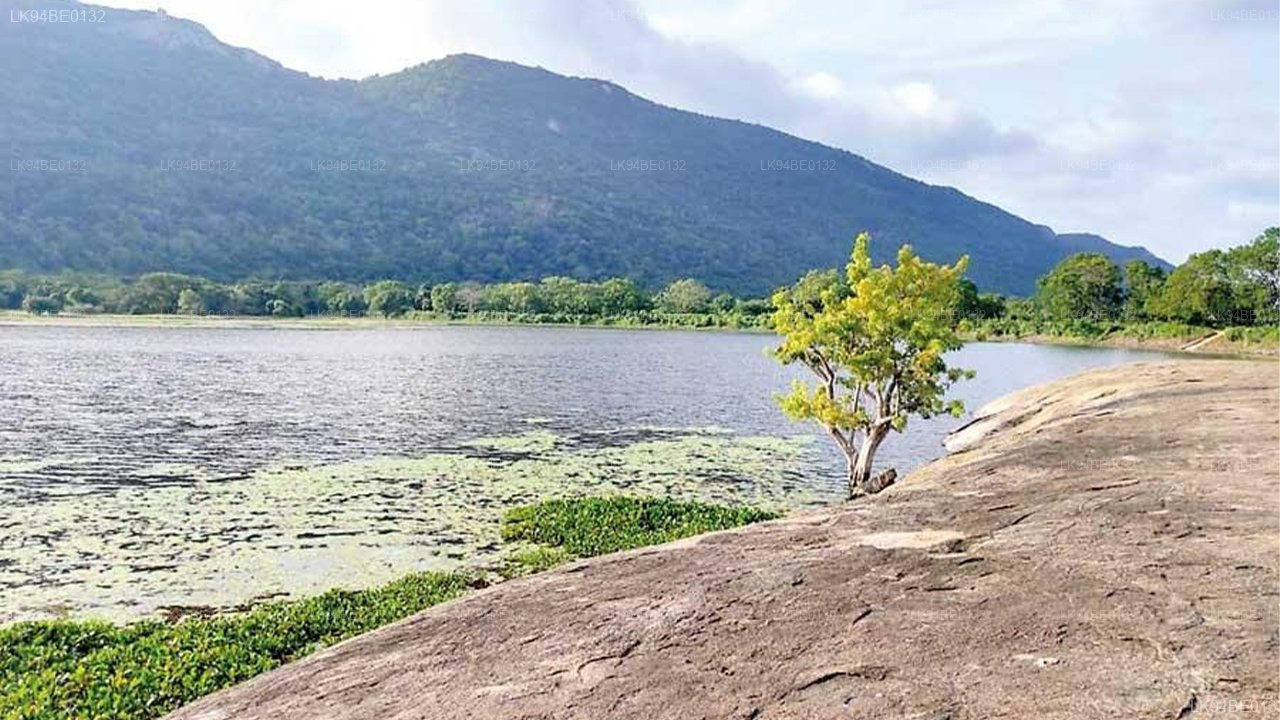
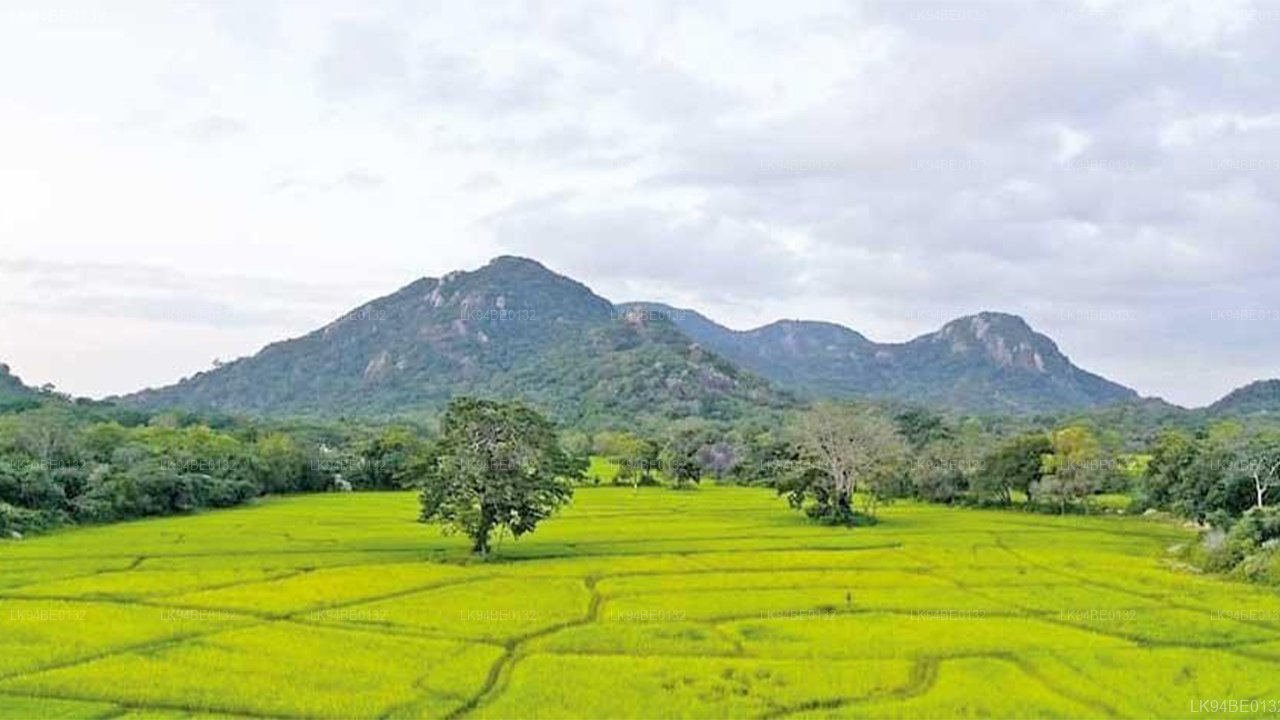
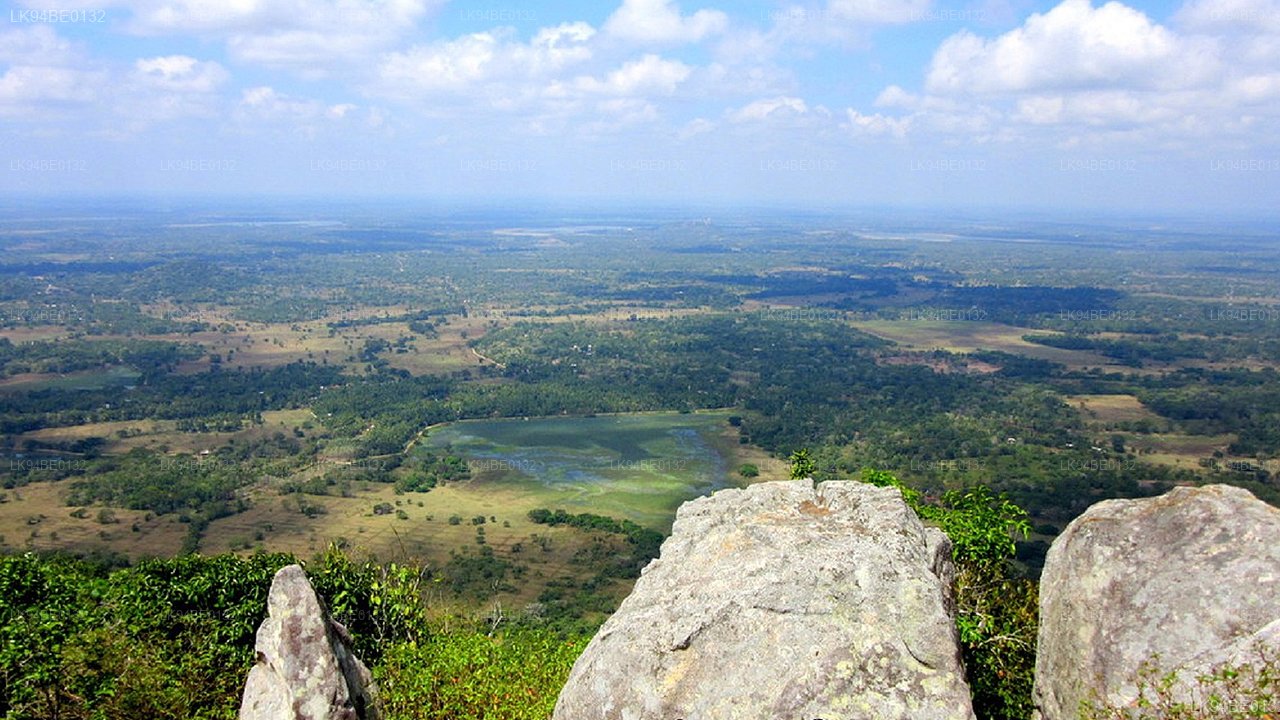
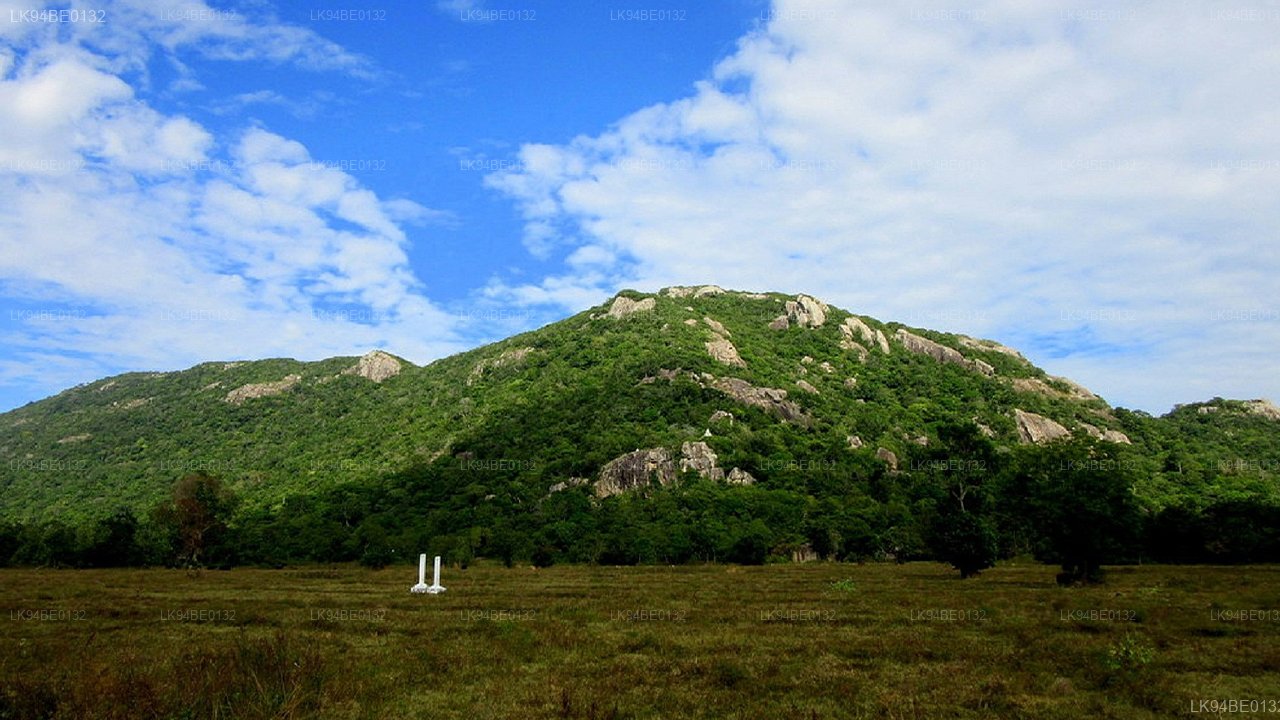
El Monte Galgiriya, con una longitud de 11 km, es conocido como el monte más largo de Sri Lanka. El monte está ubicado en el Secretariado Divisional de Ahatuwewa en el asiento de Galgamuwa y está bajo la jurisdicción del Distrito de Kurunegala. Hay muchas leyendas populares asociadas con este monte.
En particular, la historia de Saliya y Ashokamala se desarrolla en base al Monte Galgiriya. Históricamente, se acepta que el Príncipe Saliya, hijo del Rey Dutugemunu, se casó con Ashokamala y vino a vivir al Monte Galgiriya. Numerosas pruebas y evidencias que respaldan esta historia aún se pueden encontrar en el Monte Galgiriya, incluso en la actualidad. El Monte Galgiriya, que una vez fue considerado el lugar donde se desarrolló la historia de amor de Saliya y Ashokamala, es ahora un lugar sagrado de adoración para los monjes de Aranya Senasana (monjes que habitan en los bosques), que practican la meditación. Los registros históricos confirman que el Príncipe Saliya gobernó esta área como líder local y construyó estanques y anicuts para promover la agricultura. Cualquier persona que visite la zona hoy puede ser testigo de la revitalización agrícola que surgió de sus esfuerzos.
El Monte Galgiriya es la tierra natal del Príncipe Saliya, quien, como gobernante local, hizo que esta área fuera muy próspera. Las cuevas de roca testimonian que los Arahath Theras (monjes iluminados) vivieron en.
este monte. Se han tallado calderos en estas cuevas de roca, mientras que las inscripciones en piedra también confirman que los monjes iluminados vivieron en este gran bosque. El sitio sagrado en el Monte Galgiriya, con un rico patrimonio, fue descubierto en 1962 por Arahapola Vipassi Thera. Hasta entonces, esta área estaba cubierta por una jungla densa. Vipassi Thera llegó a este lugar y pasó su tiempo meditando. Más tarde, llegaron otros monjes y comenzaron a practicar la meditación. Desde entonces, este lugar se ha convertido en un Aranya Senasana (monasterio forestal). Actualmente, alrededor de 12 monjes residen en el Aranya Senasana del Monte Galgiriya haciendo meditación. Aproximadamente 60-70 acres pertenecen a este monasterio forestal, que consta de más de 20 cuevas de roca. Hay cuatro inscripciones principales en piedra en esta área, aunque la mayoría de ellas ya han sido destruidas y las inscripciones han sido borradas. Además, hay inscripciones en las cuevas de roca que indican que los monjes iluminados vivieron en este lugar en el pasado. Las inscripciones en piedra y las inscripciones en las cuevas mencionan que el Príncipe Saliya ofreció este monte y las cuevas de piedra a Pussadeva Arahath Thera. Actualmente, este monasterio forestal está registrado en el Departamento de Arqueología. Aunque se ha realizado un estudio sobre sus inscripciones en piedra y en las cuevas, según el Aranya Senadhipathi de Galgiriya Kanda, Vitharanagama Sumedha Thera, no se ha realizado otra investigación.
Esta área también presenta el sistema de cascadas de estanques más exitoso de Sath Korala, basado en el Monte Galgiriya. Con los manantiales de agua que se originan en el Monte Galgiriya, alrededor de cuatrocientos veinte estanques en el área se han alimentado de forma continua hasta el día de hoy. El investigador de folklore Karunaratne Mahagamarala dijo que el agua del Monte Galgiriya viaja todo el camino hasta el Embalse de Tabbowa.
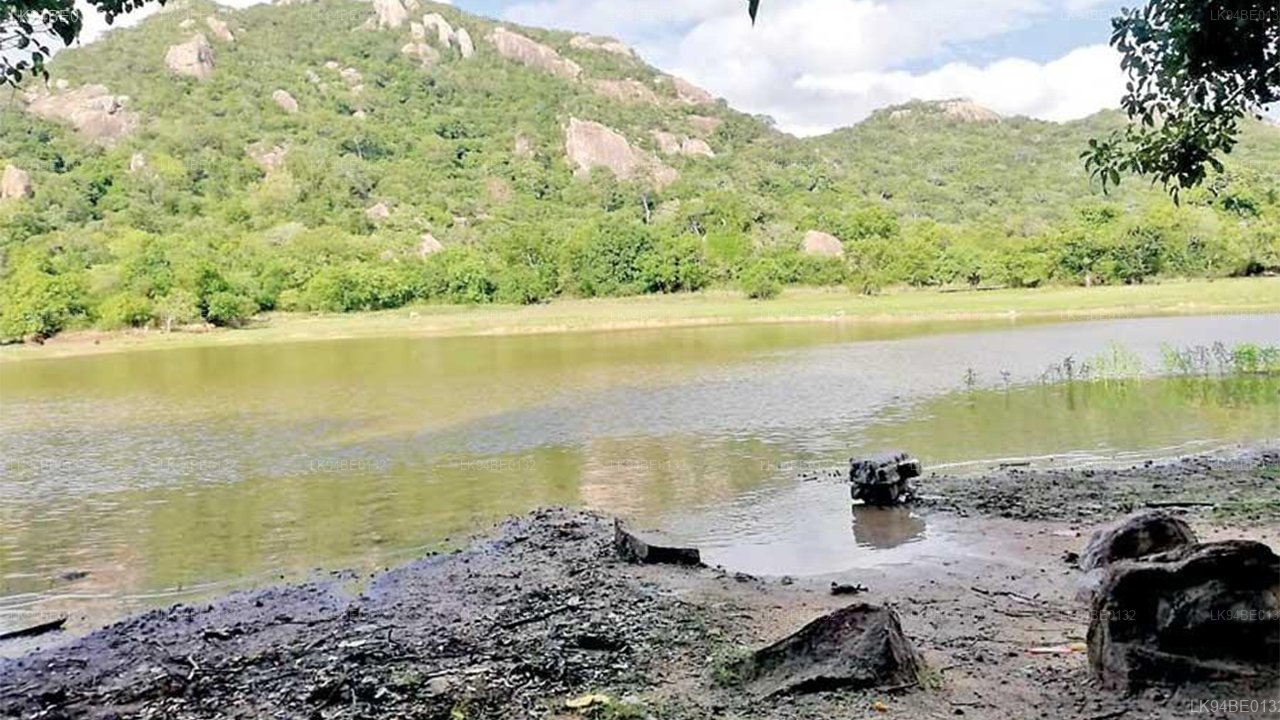
Otra característica especial del Monte Galgiriya es la presencia de dos estanques en la cima del monte; una característica que ningún otro monte en la nación isleña puede igualar. Se cree que ambos estanques fueron construidos por el Príncipe Saliya. El primer estanque de este monte es Ahas Wewa, ubicado cerca de Maligathenna. El segundo estanque está construido en el lugar donde el agua de Ahas Wewa resurja.