Devinuwara


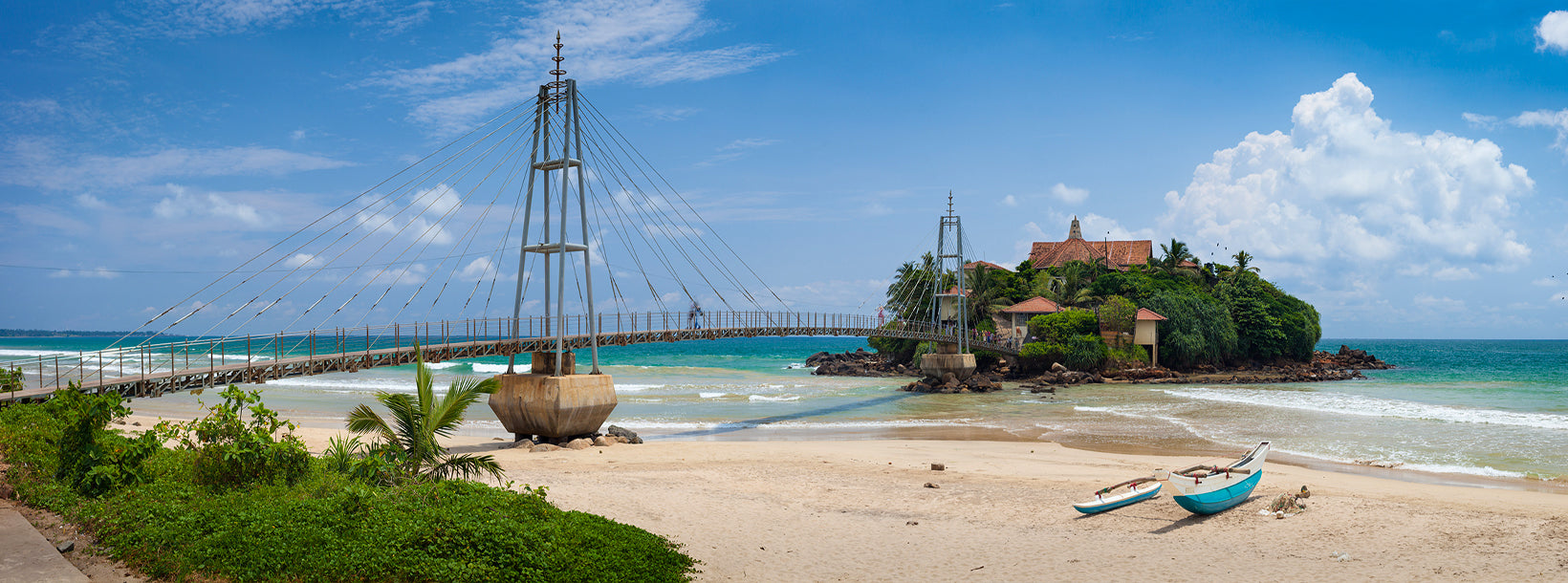
Devinuwara (Dondra) es una ciudad ubicada en el extremo más meridional de Sri Lanka. Se encuentra en el océano Índico, cerca de Matara, en la Provincia Sur de Sri Lanka. En sus alrededores se encuentran el faro de Dondra Head, las ruinas de un antiguo vihara y varios santuarios hindúes de Tenavaram.
Conocida históricamente como la ciudad portuaria del templo Devinuwara o Dondra (durante los siglos XVIII–XX), fue un importante complejo de ciudad portuaria de templo hasta finales del siglo XVI. Como sitio multirreligioso, su deidad principal era el dios budista Upulvan, conocido entre los hindúes como Tenavarai Nayanar (Señor Vishnu), y en su apogeo fue uno de los centros religiosos más destacados de la isla, con miles de estatuas que podrían haber pertenecido a diversas sectas del hinduismo y el budismo. Sus orígenes se remontan al periodo de Dappula I (659–660 d.C.), y fue mantenido principalmente por reyes cingaleses y gremios mercantiles del sur de la India que visitaban regularmente el puerto durante su época de esplendor como destino de peregrinación y próspero centro comercial, con amplios contactos con la costa de Malabar, el sudeste asiático, el noroeste de África y Europa.
El templo de Upulvan fue construido sobre arcos abovedados como una estructura de tres pisos en un promontorio con vistas al poderoso océano Índico. Formaba parte de un complejo monástico budista más amplio con varios santuarios. Apoyado por dinastías reales cingalesas, chinas y posiblemente tamiles, así como por peregrinos de múltiples etnias, el templo de Tenavaram se convirtió en uno de los lugares de culto más importantes. Tras las renovaciones realizadas por Parakramabahu II en el siglo XIII, el templo de Upulvan o Vishnu fue restaurado siguiendo el estilo clásico dravídico de la arquitectura Chera. Este templo, junto con los templos budistas circundantes, abarcaba una amplia zona que incluía santuarios de monumentos budistas como estupas, santuarios del árbol Bodhi, santuarios con estatuas de Buda reclinadas y de pie, y un gran edificio de tres pisos para los monjes.
Además, los sacerdotes brahmanes del templo de Upulvan se establecieron en un agraharam otorgado en la cercana aldea de Kapugama. También contaban con una sala de limosnas dentro del recinto del templo de Upulvan (Vishnu). Existían santuarios dedicados a muchas deidades hindúes, incluyendo el Señor Ganesha, el Señor Shiva y la diosa Paththini, ubicados en las costas occidental y oriental junto al templo central. Las estatuas redescubiertas y las ruinas de estos templos, que datan del siglo VII al XV d.C., reflejan los momentos culminantes del arte Pallava.