Lakpura
Lakpura®

Ceylon Tea Grades

Ceylon tea is graded primarily by the size and physical appearance of the processed leaf — not by quality or flavour. A grade is essentially a description of what the tea looks like after it has been manufactured and sorted. Understanding the grading system helps buyers, blenders, and curious tea drinkers navigate the wide variety of Ceylon tea on the market and match the right leaf style to a brewing method or blending requirement.

How Are Ceylon Tea Grades Determined?

After the tea leaf is manufactured — whether by the orthodox tea manufacture method or by the CTC (cut, tear, curl) process — the dried leaves pass through a series of mechanical sieves and sorters. The mesh sizes separate the output into distinct size categories, each assigned a recognised grade name. The Sri Lanka Tea Board oversees the standardisation of these grade designations, and the celebrated Lion Logo certifies that the tea was grown, manufactured, and packed in Sri Lanka.

Grades are broadly divided into four families: whole-leaf grades, broken grades, fannings, and dust. Within each family there are sub-grades that describe additional characteristics such as the presence of golden or silver tips, or the proportion of fine bud leaves included in the batch.

What Are the Whole-Leaf Ceylon Tea Grades?

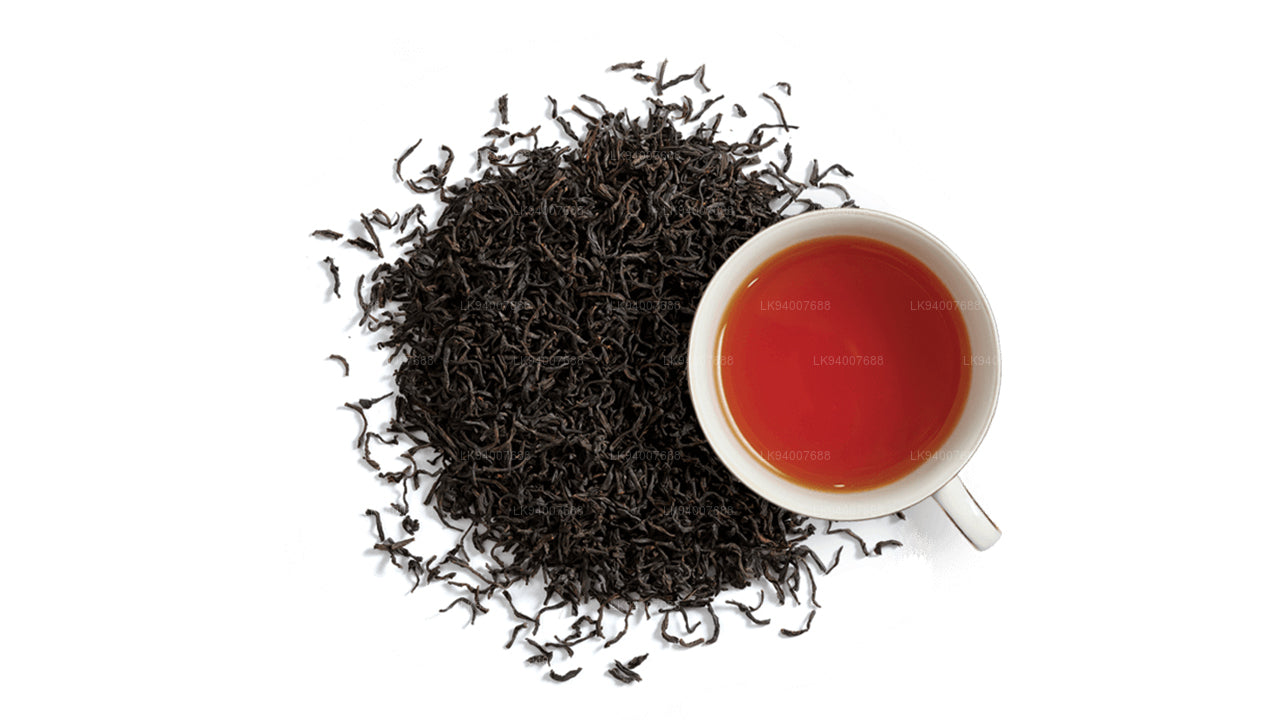
Whole-leaf grades use the largest pieces of processed leaf and generally produce a lighter, more nuanced cup. They tend to be slower-brewing and are prized in specialty and single-estate markets.

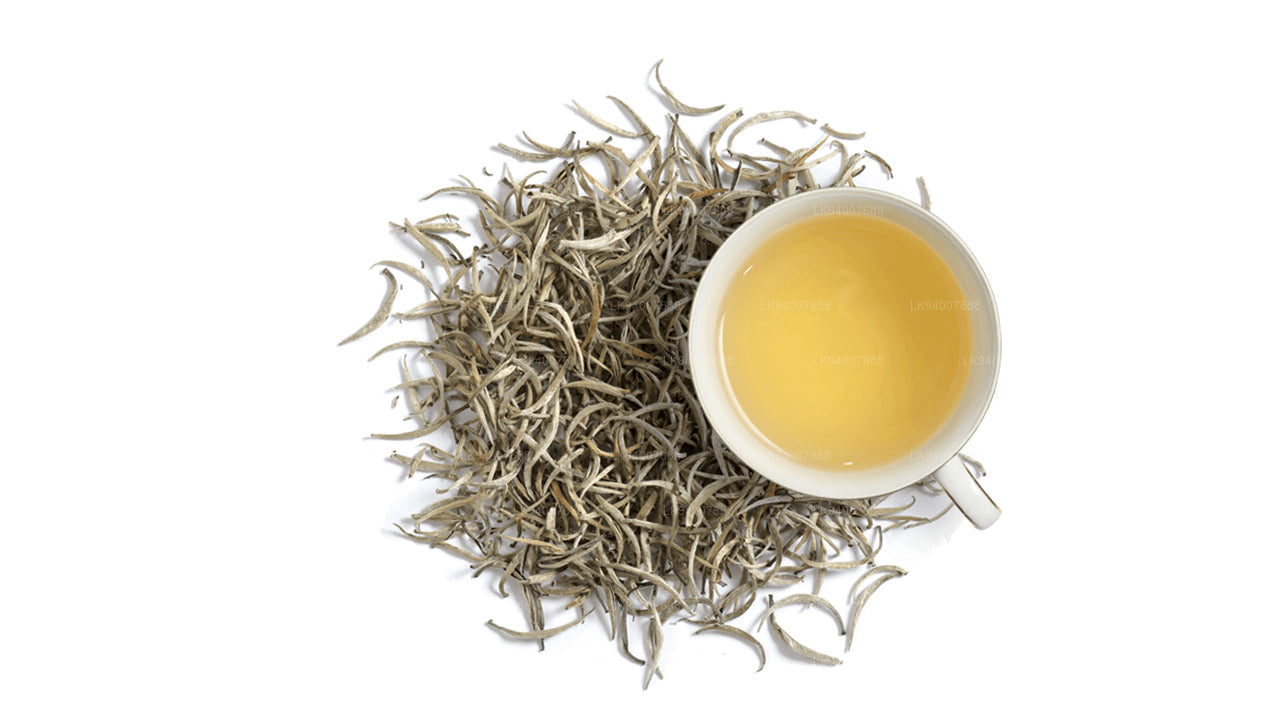
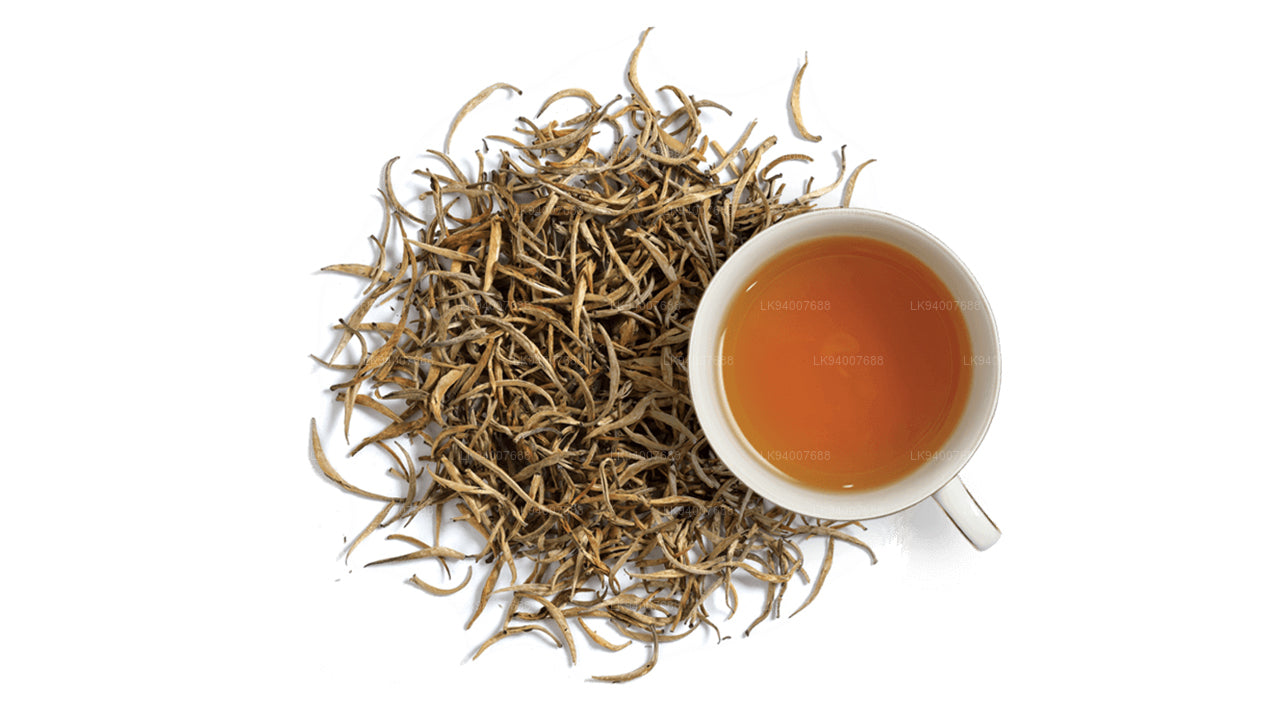
  • Silver Tips — Unprocessed, sun-dried buds covered in fine silver-white hairs. Produced only from Ceylon white tea and harvested in small quantities. The liquor is pale and delicate.
  • Golden Tips — Fully withered, dried buds that turn golden during processing. Also a white or lightly oxidised tea; yields a honey-toned, mild cup.
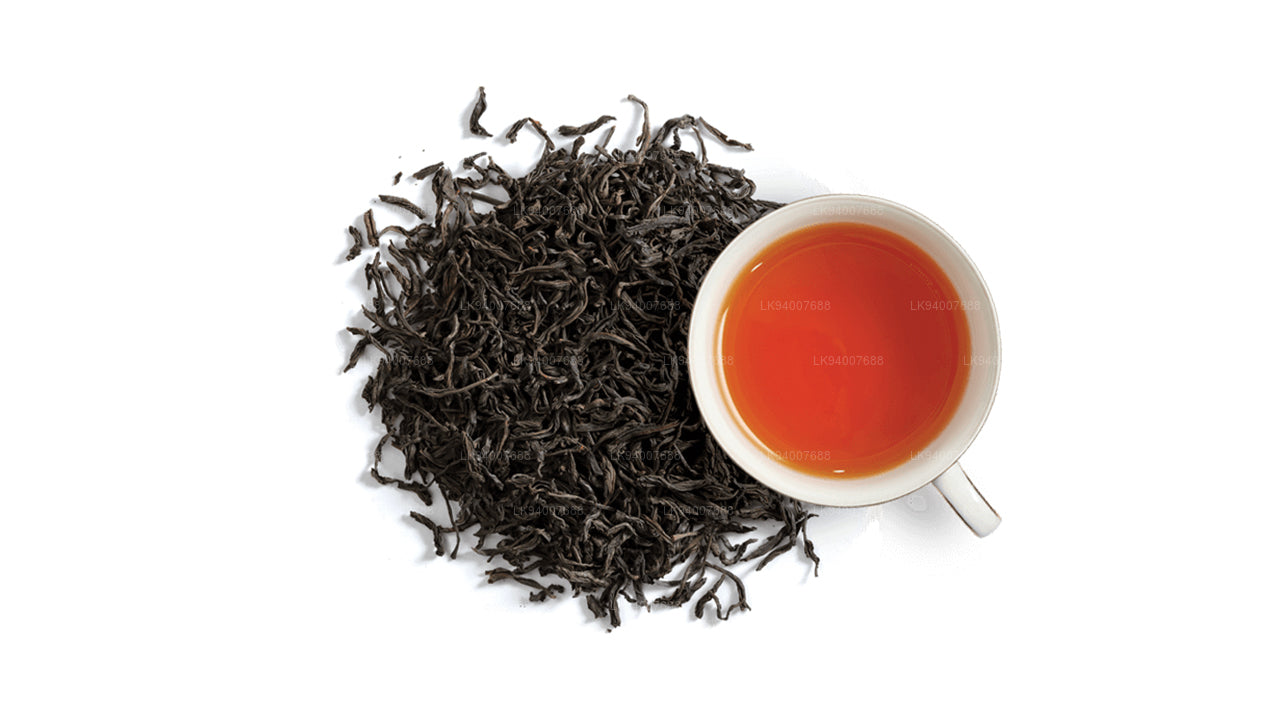
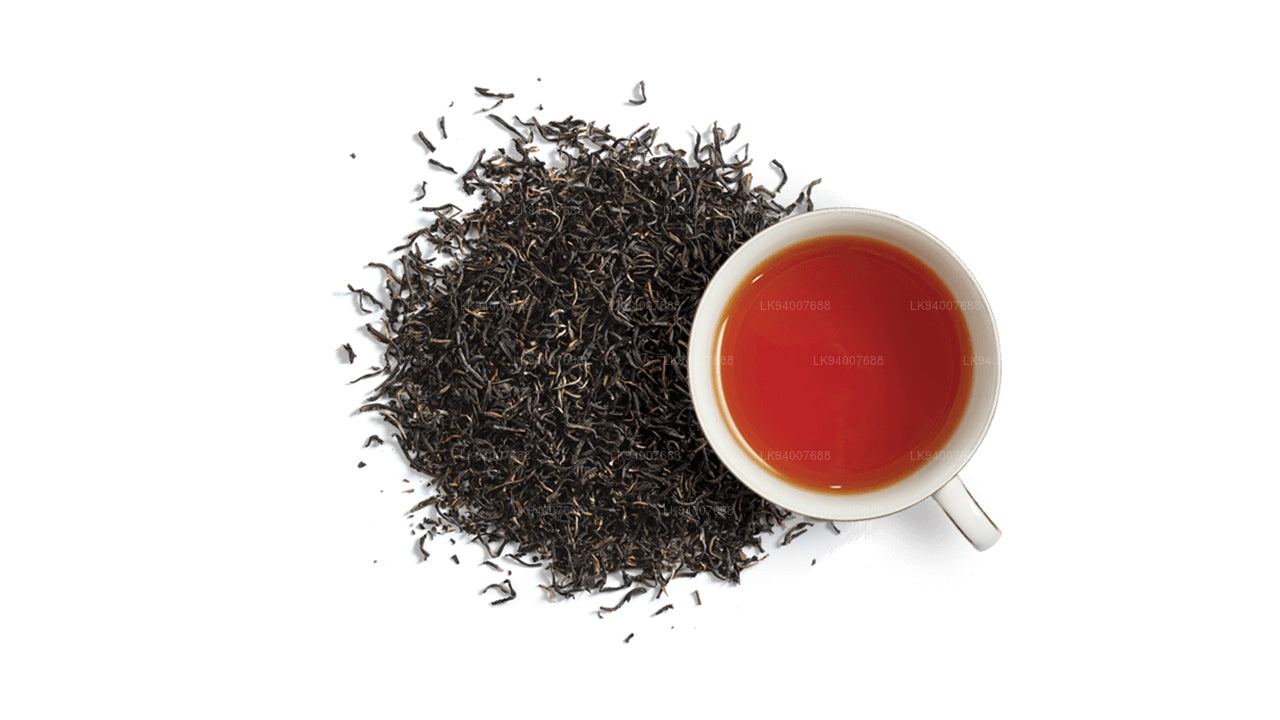
  • Orange Pekoe (OP) — Long, thin, wiry leaves with few or no tips. Despite the name, Orange Pekoe contains no orange flavouring; "orange" likely refers to the Dutch House of Orange or to the copper colour of the liquor. OP is the reference grade for Ceylon black tea in whole-leaf form.
  • Pekoe — Shorter, less wiry leaves than OP, rolled more tightly. Produces a slightly fuller-bodied cup than OP from the same origin.

What Are the Broken Ceylon Tea Grades?

Broken grades are produced when the leaf is intentionally cut or broken during rolling and sorting. Smaller particle size means greater surface area exposed to hot water, so broken-grade teas infuse faster and produce a stronger, darker liquor — the style most commonly used in tea bags and everyday blends.

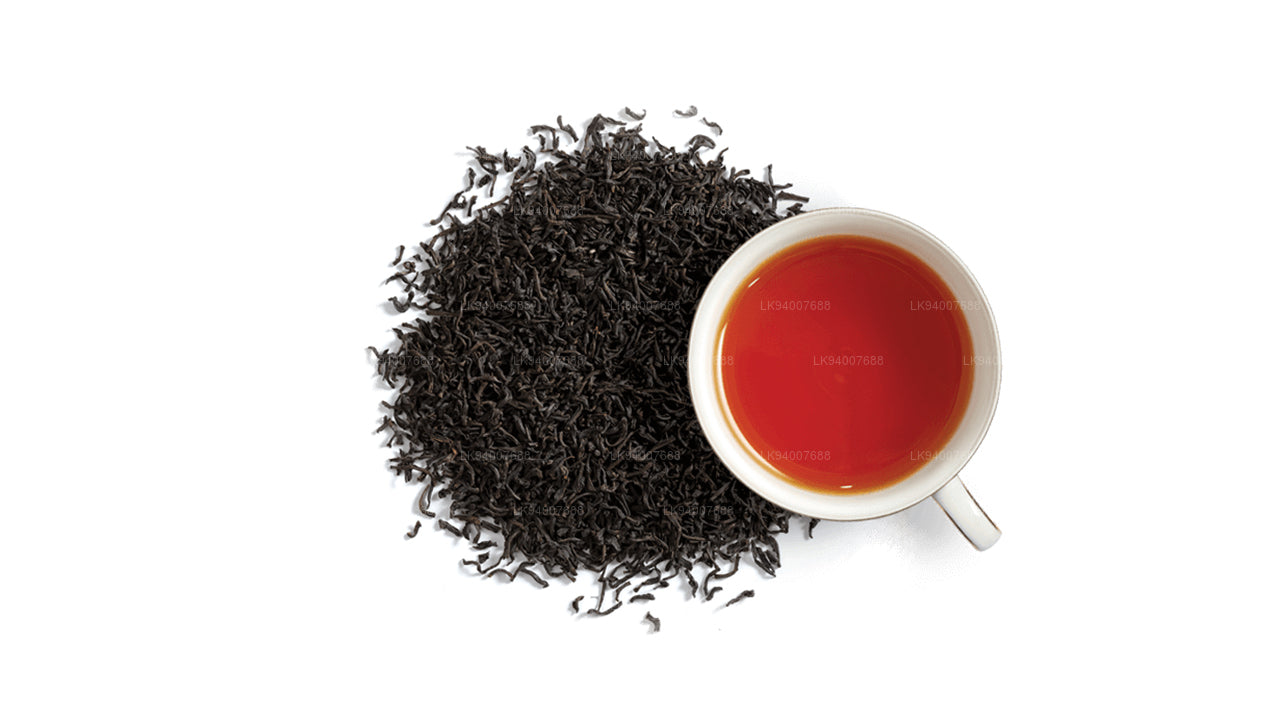
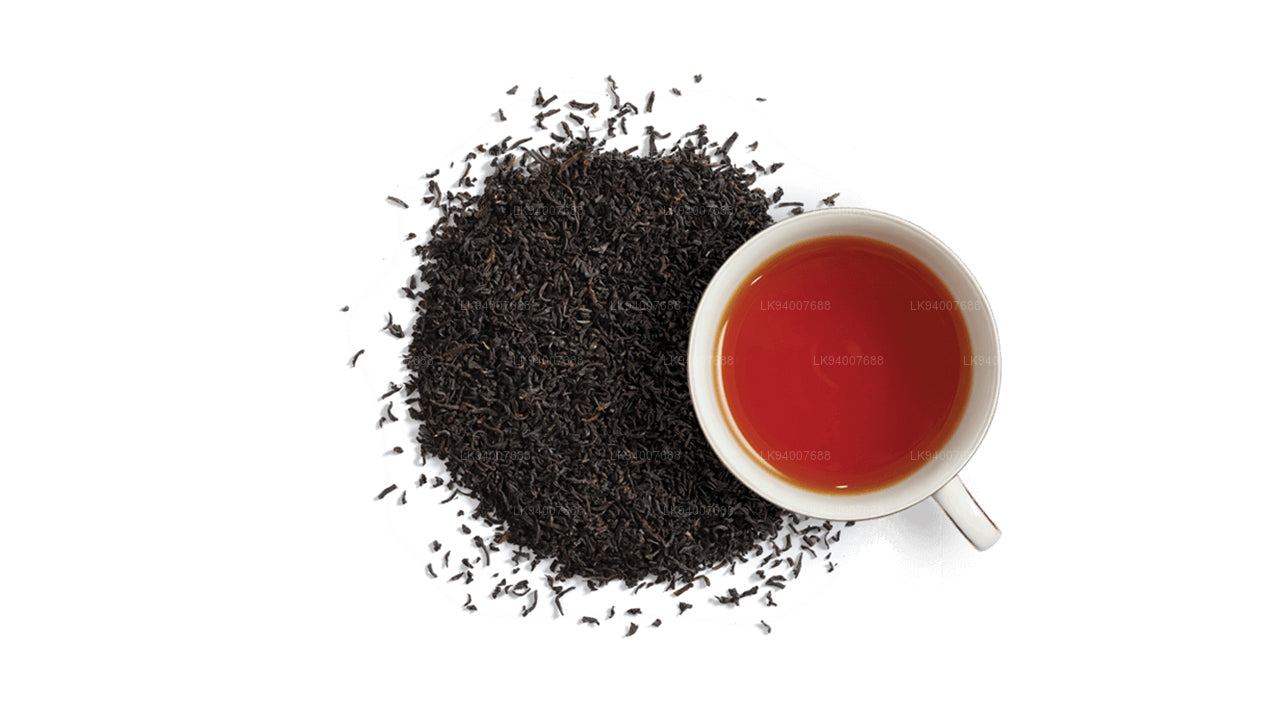
  • Broken Orange Pekoe (BOP) — The most widely produced and traded of all Ceylon tea grades. BOP liquors are brisk, bright, and full-bodied, well suited to milk tea. It is the backbone of most commercial blends.
  • Broken Orange Pekoe 1 (BOP1) — A slightly larger broken particle than standard BOP, with fewer fines. Tends to be used in higher-quality blends where a cleaner cup is required.
  • Flowery Broken Orange Pekoe (FBOP) — BOP-sized particles that include a higher proportion of golden or silver tips from the bud. The presence of tips adds a floral note and a more complex flavour profile.

What Are Ceylon Tea Fannings and How Do They Differ from Broken Grades?

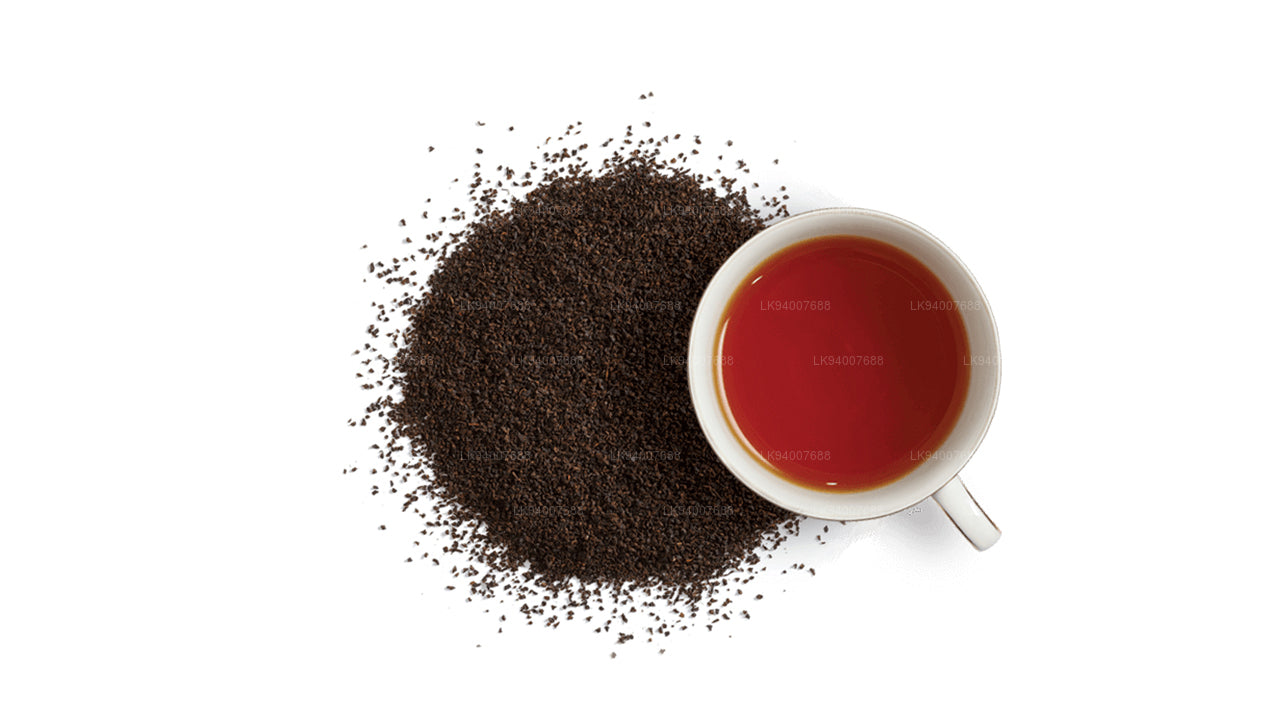
Fannings are smaller still than broken grades — flat, thin particles that pass through a finer sieve. They are predominantly used in tea bags because their tiny surface area releases colour and strength very rapidly, producing a full cup in under three minutes.

What Is Dust Grade Ceylon Tea?

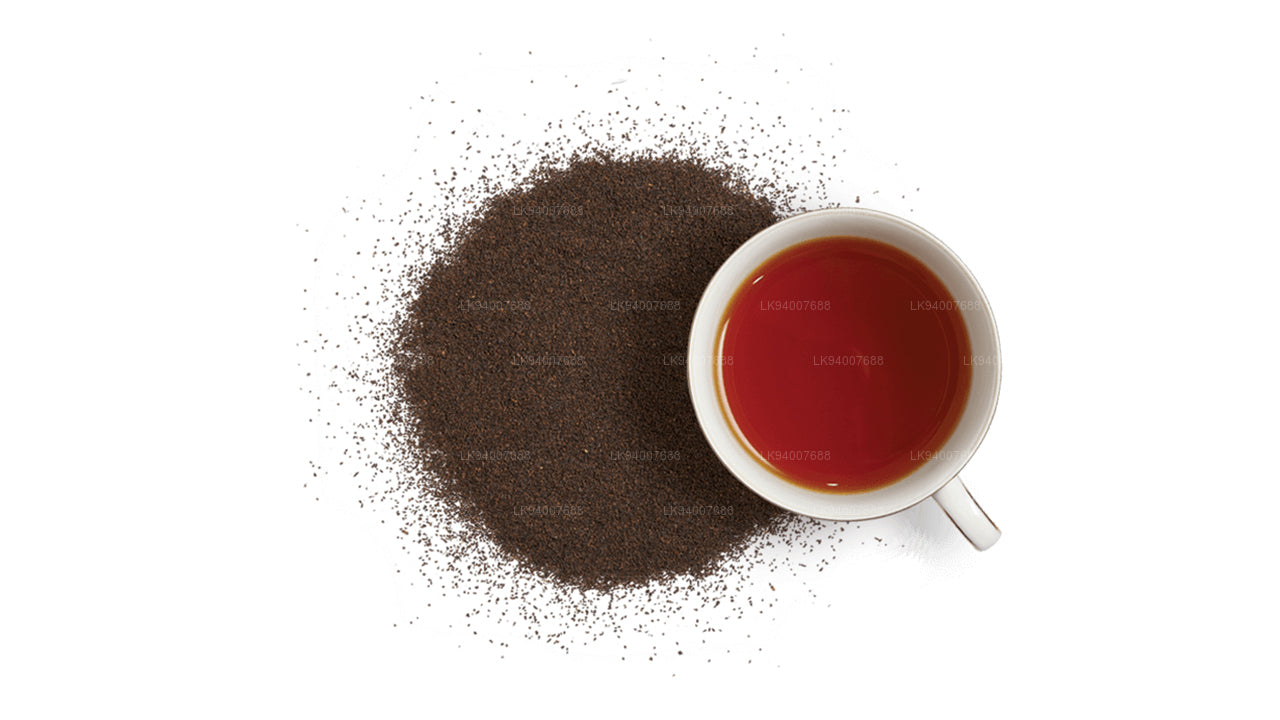
Dust is the finest particle category — the smallest siftings recovered after all other grades have been separated. The word sounds unflattering, but dust grades are not inferior tea; they simply brew the fastest and produce the boldest, most tannic cup of any grade. Many industrial tea-bag manufacturers and institutional buyers specifically seek dust for its reliable strength and colour.

  • Dust 1 — A coarser dust with slightly less surface area than standard dust. Commonly used in economy tea bags and strong-brew blends.

What About Gunpowder Grade?

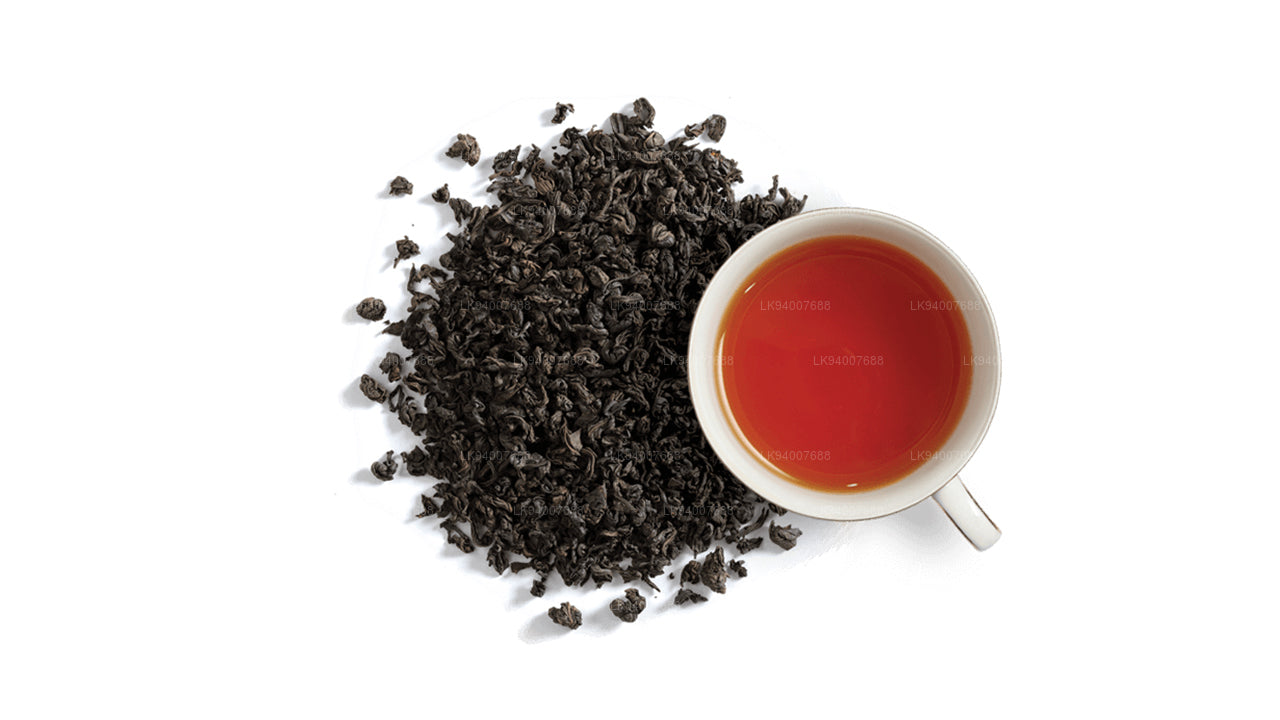
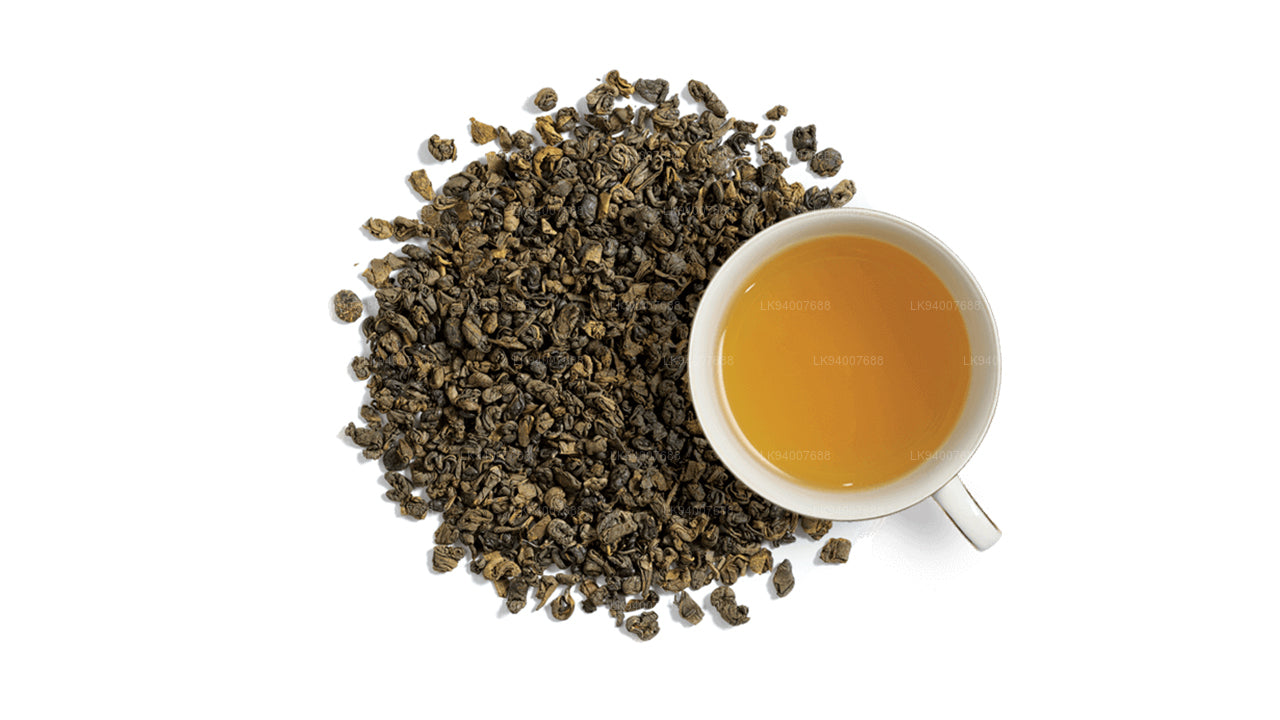
Ceylon Gunpowder is associated with Ceylon green tea rather than black tea. The leaves are rolled into small pellets that resemble gunpowder grains, which unfurl gradually in hot water and release a grassy, slightly smoky flavour. It is one of the more distinctive grade styles in the Sri Lankan green-tea portfolio.

How Does Grade Relate to Tea Origin and Quality?

Grade and quality are related but not the same thing. A well-made BOP from a high-altitude Nuwara Eliya estate can far outperform a mediocre OP from a lower-elevation garden. The grade tells you about leaf size and appearance; the origin, altitude, season of harvest, and manufacturing skill determine the flavour and aroma in the cup. Sri Lanka's seven distinct Ceylon tea regions — including Nuwara Eliya, Uva, Dimbula, Kandy, Sabaragamuwa, Ruhuna, and Uda Pussellawa — each impart a characteristic flavour profile regardless of the grade produced.

Single-estate teas take this a step further: they are traceable to a named garden within one of those regions, allowing the drinker to experience the terroir of a specific plot. Lakpura offers a range of single-estate Ceylon teas sourced directly from named estates across the island's key growing districts.

Which Ceylon Tea Grade Should I Choose?

The right grade depends on how you intend to brew and what you want from your cup.

Grade family Brew time Liquor character Best for
Whole leaf (OP, Pekoe) 4–5 minutes Light to medium, nuanced Loose-leaf brewing, specialty, gifting
Tips (Silver, Golden) 3–4 minutes at lower temp Very pale, delicate White-tea experience, premium gifting
Broken (BOP, FBOP, BOP1) 3–4 minutes Full, brisk, bright Everyday loose-leaf, milk tea
Fannings (BOPF, FBOPF) 2–3 minutes Strong, dark, tannic Tea bags, large-scale brewing
Dust 1–2 minutes Very strong, bold Industrial tea bags, quick-brew cups

If you would like a deeper dive into everything Ceylon tea has to offer — from cultivation to ceremony — our Ceylon tea FAQ covers the most common questions asked by travellers and buyers alike.

Book or buy direct with Lakpura

Curated by our local team. Direct from the source, with instant confirmation.

Ask Lakpura® Agent