Kirinda sits quietly on Sri Lanka's southern coastline, roughly 10 km south of Tissamaharama in Hambantota District. Small enough to feel unhurried yet rich in history and natural drama, the township draws pilgrims visiting its clifftop Buddhist temple, wildlife enthusiasts heading to nearby Yala, and travellers who simply want a stretch of undeveloped shoreline largely to themselves. If you are travelling the deep south, Kirinda rewards a half-day stop or, better still, an overnight stay.
What is Kirinda Temple and why does it matter?
The Kirinda Temple — formally known as Kirinda Raja Maha Viharaya — crowns a small granite outcrop that rises directly above the sea. According to Sri Lankan chronicle tradition, the temple was established during the reign of King Kavantissa of Ruhuna, making it one of the older Buddhist sites in the south. The site carries particular resonance because it is associated with Queen Viharamaha Devi, the mother of King Dutugamunu, whose white stone statue stands prominently within the compound. Legend holds that Viharamaha Devi arrived at this very shore after being set adrift by her father, King Kelaniya, as a religious sacrifice to calm rough seas.
The temple receives a steady stream of pilgrims throughout the week and draws larger crowds on poya (full-moon) days. It is a functioning place of worship, so visitors are expected to dress modestly — shoulders and knees covered — and to remove footwear before entering the sacred precinct. The surrounding dagobas and ancient stupas add further historical texture to the site.
What can you see from the Kirinda Temple rock?
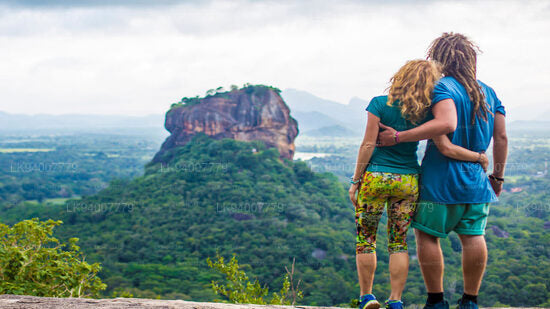
The elevated position of the temple offers a panorama that is genuinely distinctive. To the south and east, a long arc of pale sand stretches away from the headland with barely a building in sight — one of the more unspoiled stretches of coastline on the southern rim of the island. Farther offshore, the Great Basses Reef breaks the horizon; these reef systems are renowned among experienced divers and are home to a concentration of marine life, including schools of pelagic fish and, during the right season, sperm whales passing through deep water channels.
Turn inland and the view is equally striking: a broad band of scrub jungle and wetland transitions into the buffer zone of Yala National Park. On clear mornings, elephants are occasionally spotted at the forest edge from this vantage point, though a proper wildlife encounter requires entering the park itself.
How does Kirinda connect to Yala National Park?
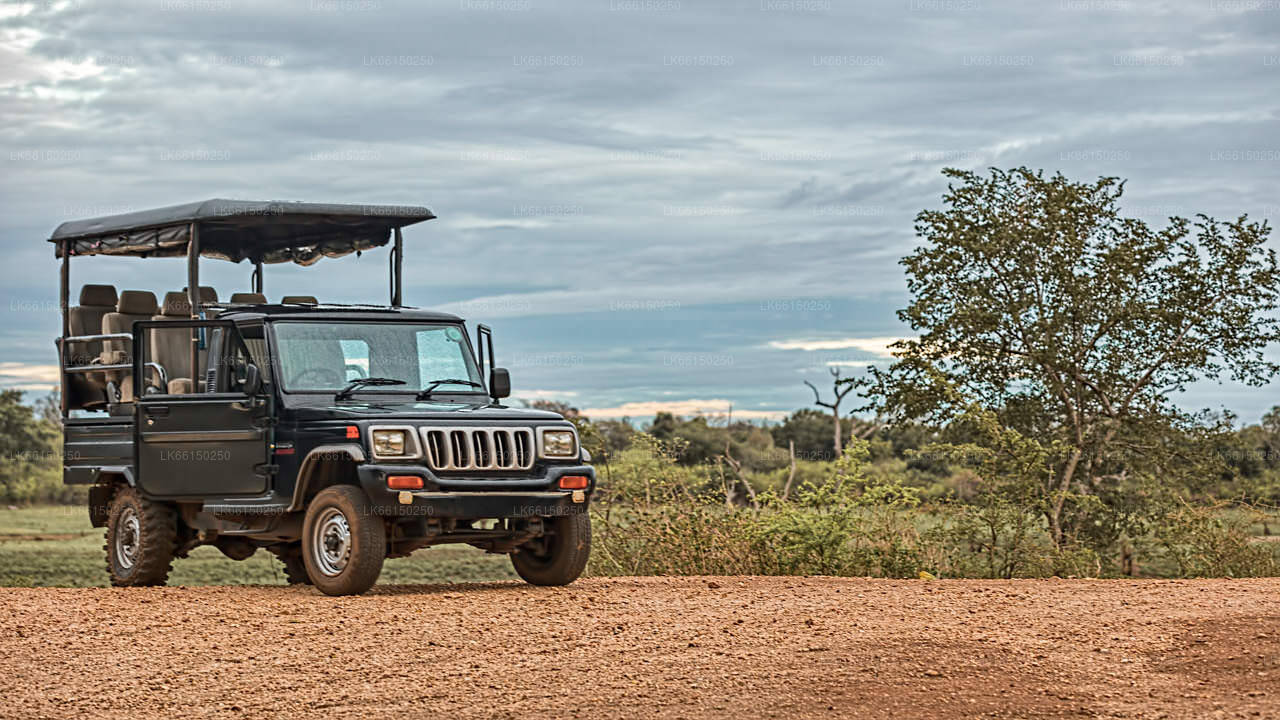
Kirinda functions as one of the southern access corridors for Udawalawe National Park visitors travelling the coastal route, and it sits directly adjacent to the buffer zone of Yala — Sri Lanka's most celebrated wildlife reserve. Many of the lodge properties clustered in and around Kirinda cater specifically to Yala safari guests who prefer a coastal setting over the more interior camp sites. The area around Kirinda Beach is also a nesting habitat for sea turtles, adding a marine dimension to the wildlife calendar that Yala itself does not provide.
When is the best time to visit Kirinda?
Kirinda and the surrounding Hambantota coast sit on the leeward side of Sri Lanka during the south-west monsoon, which means the May-to-September period — when Galle and Unawatuna can be rough — is typically calm and sunny here. This is also the peak season for Yala National Park. The north-east monsoon (roughly October to January) brings occasional showers to the south-east coast but rarely disrupts travel significantly. February and March are generally the driest months across the region and see the highest concentration of visitors.
Avoid visiting Yala during its annual closure, which typically falls in September, when water levels drop and the park authorities rest the land.
What is the Great Basses Reef?
The Great Basses Reef lies roughly 10 km offshore from Kirinda and is considered one of the more remote dive sites in Sri Lanka. The reef sits in open ocean, so conditions depend heavily on season and swell; diving here is typically only accessible between March and early April, when the sea is settled. A British steamship, the SS Maheno, and at least one other wreck have been recorded in the area, adding an appeal for wreck divers. Access is arranged through specialist operators and is not suitable for novice divers. For more accessible offshore experiences in the south, deep-sea fishing trips can be organised from nearby coastal towns year-round, conditions permitting.
How do I get to Kirinda from Colombo?
The most practical approach is by private car or taxi. From Colombo, Kirinda lies approximately 260 km along the Southern Expressway (E01) to Mattala and then south on the A2 coastal road — a journey of around four to five hours depending on traffic. Alternatively, travellers coming via Galle can continue east along the coast through Hambantota and Tissamaharama before turning south. Public bus services connect Tissamaharama to Kirinda, but frequency is limited; a hired vehicle gives considerably more flexibility, especially if you plan to visit Kirinda Temple and then continue to Yala.
Where should I stay near Kirinda?
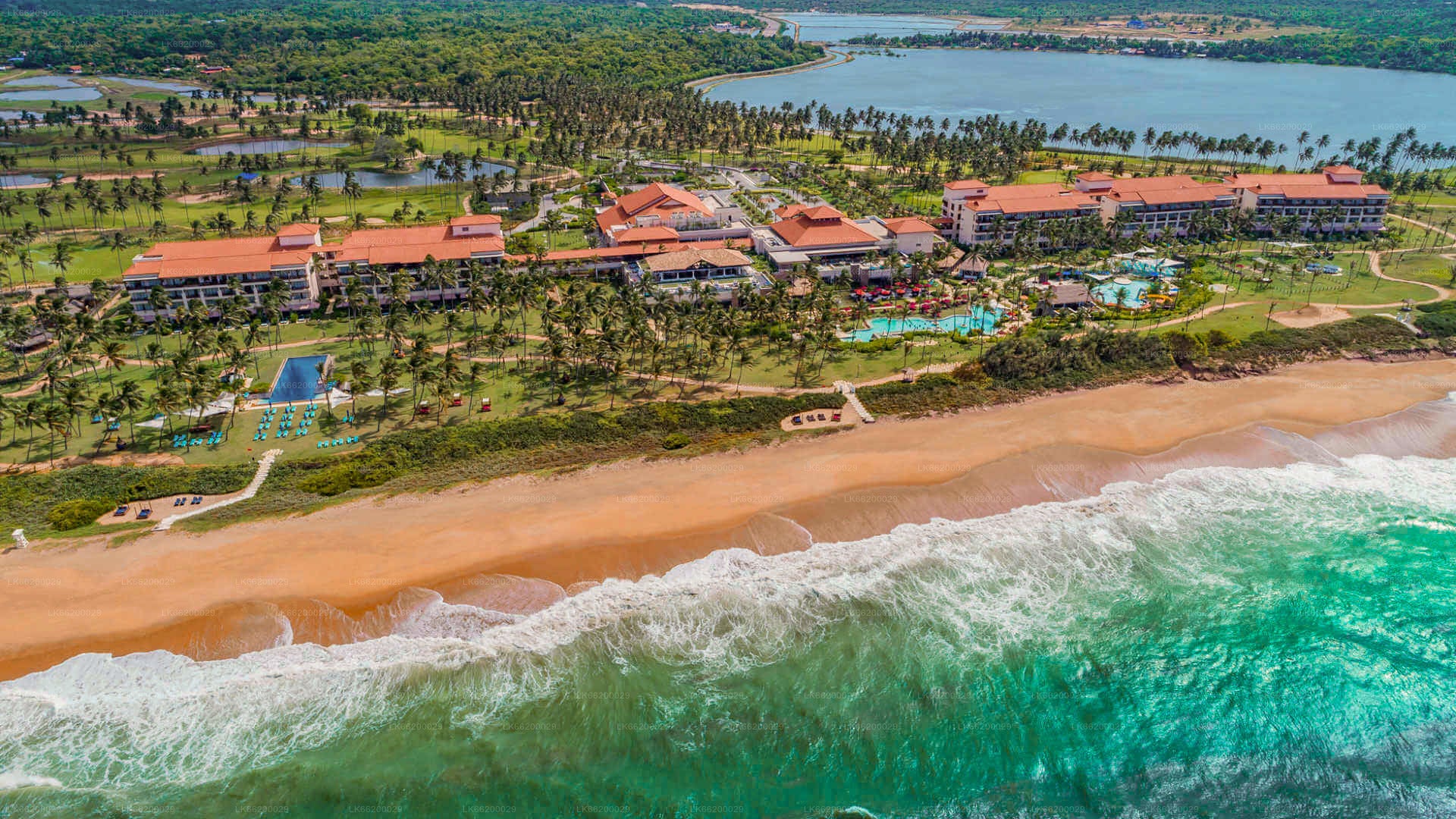
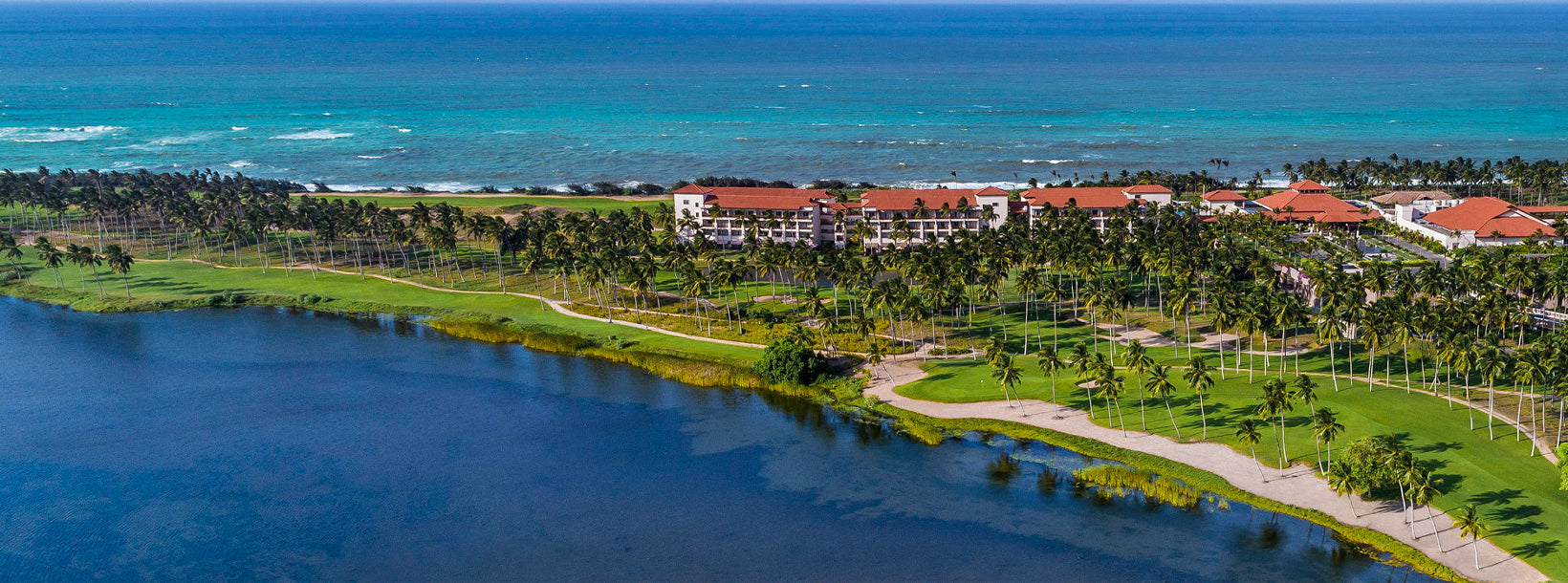
Accommodation in Kirinda is intentionally low-key. The stretch of coast nearest the temple and beach hosts a cluster of eco-lodges, boutique camps, and mid-range resorts that cater to safari travellers wanting a quieter alternative to the busy Tissamaharama hotel strip. Properties sit within earshot of the ocean and, in some cases, within the wildlife buffer zone itself — meaning nocturnal visits from elephants or peacocks are not unusual. Booking in advance is advisable during the peak Yala season between February and August.
What else is worth seeing in the wider area?
Tissamaharama, 10 km to the north, contains the great Tissa Dagoba and the scenic Tissa Wewa tank — a man-made reservoir that attracts flocks of water birds including painted storks and pelicans. The Kiri Vehera stupa at Kataragama is also within comfortable reach, and the pilgrimage town of Kataragama — sacred to Buddhists, Hindus, and Muslims alike — is roughly 20 km inland. Together, these sites make Kirinda an effective base for exploring a corner of Sri Lanka that combines wildlife, archaeology, and living religious tradition in an unusually compact area.