Lakpura
Lakpura®

Canyoning

Canyoning has grown into one of the most popular adventure sports globally, drawing travellers who want more than a passive holiday. In Sri Lanka, the island's rugged central highlands and river-carved gorges create a natural playground for the sport — and the experience is accessible to both first-timers and seasoned adventurers who are ready for a serious challenge.

What exactly is canyoning?

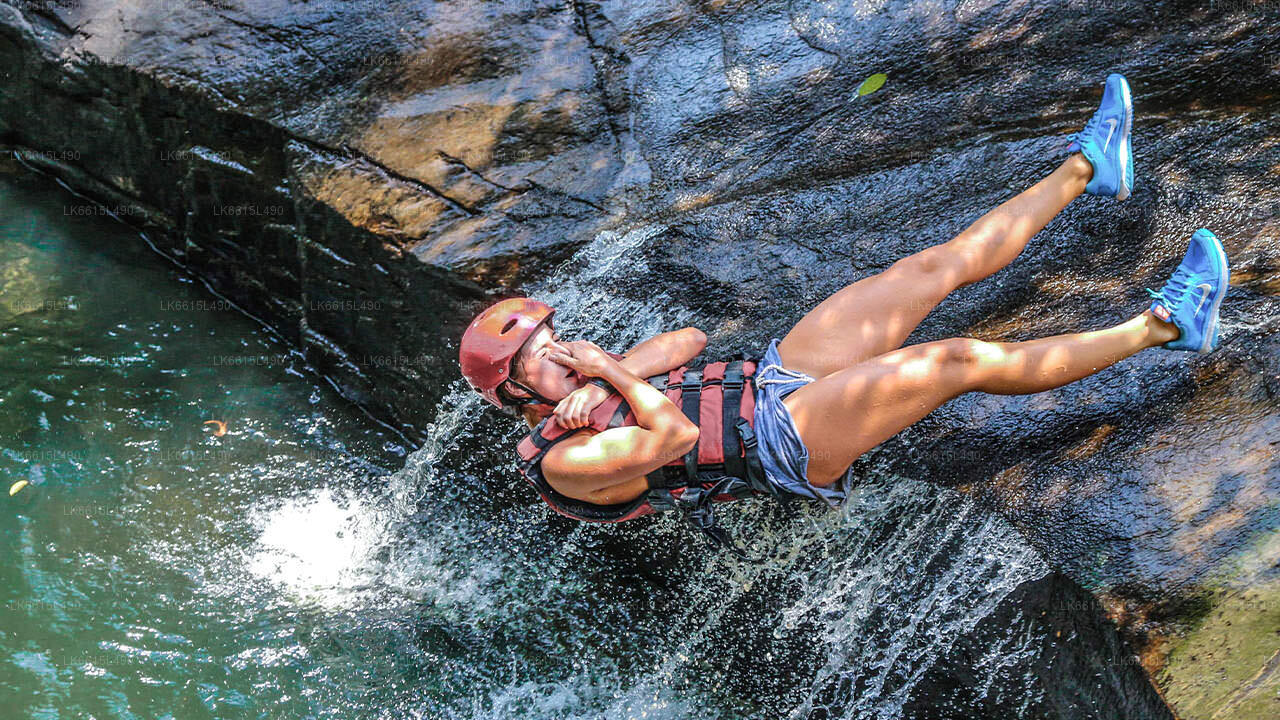
A canyon is a deep gorge or large valley with steep walls, typically with a river running along its floor. Canyoning — sometimes called gorge walking — is the activity of travelling through these formations using whatever the terrain demands: hiking, abseiling, swimming, cliff jumping, scrambling, or combinations of all of these.

The sport looks deceptively simple from the outside. In practice, moving through a confined gorge with limited options for retreat requires strong situational awareness, route-reading skills, and confidence in the water. A guided canyoning session will typically cover rope technique, safe jumping technique, swimming in moving water, and basic first-aid awareness before you enter the canyon itself.

One principle holds across every level of experience: never attempt canyoning alone. A qualified local guide is not optional — they carry the local topographic knowledge, rigging equipment, and emergency protocols that make the difference between an exhilarating day out and a serious incident.

Where can you go canyoning in Sri Lanka?

Sri Lanka's central and hill-country geography — steep river valleys, dense jungle cover, and reliable rainfall — makes it one of South Asia's better destinations for the sport. Two locations stand out for organised, guided canyoning.

Kitulgala

Kitulgala, roughly two and a half hours east of Colombo on the banks of the Kelani River, is the main hub for adventure sports in Sri Lanka. The river has cut a series of gorges through ancient jungle, and the surrounding Makandawa Rainforest adds to the atmosphere. Canyoning here typically follows sections of the Kelani and its tributaries, combining short hikes, waterfall abseiling, natural water slides, and pool jumps.

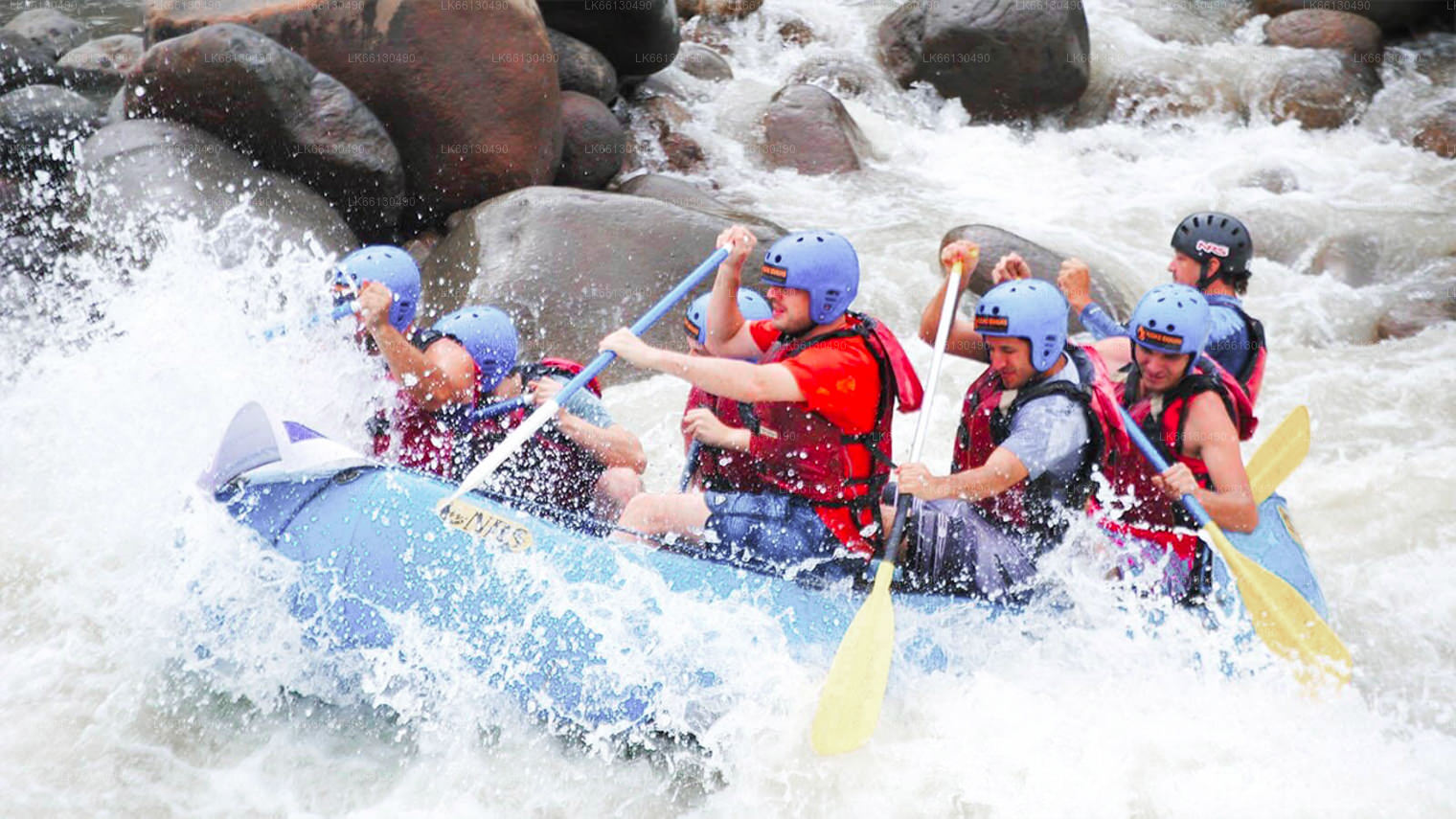
A standard Kitulgala canyoning session runs around 45 minutes to one hour of active time in the canyon, though pre-activity briefings and equipment fitting add to the total experience. Sessions are often packaged alongside white-water rafting on the same day, which makes good use of the area's resources. The terrain suits beginners well, though the experience still delivers a genuine adrenaline charge.

The Kataran Oya stream near Kitulgala offers a separate canyoning route with its own character — narrower, more technical in places, and well suited to visitors who have already tried the main river experience and want something with more challenge.

Ella and the hill country

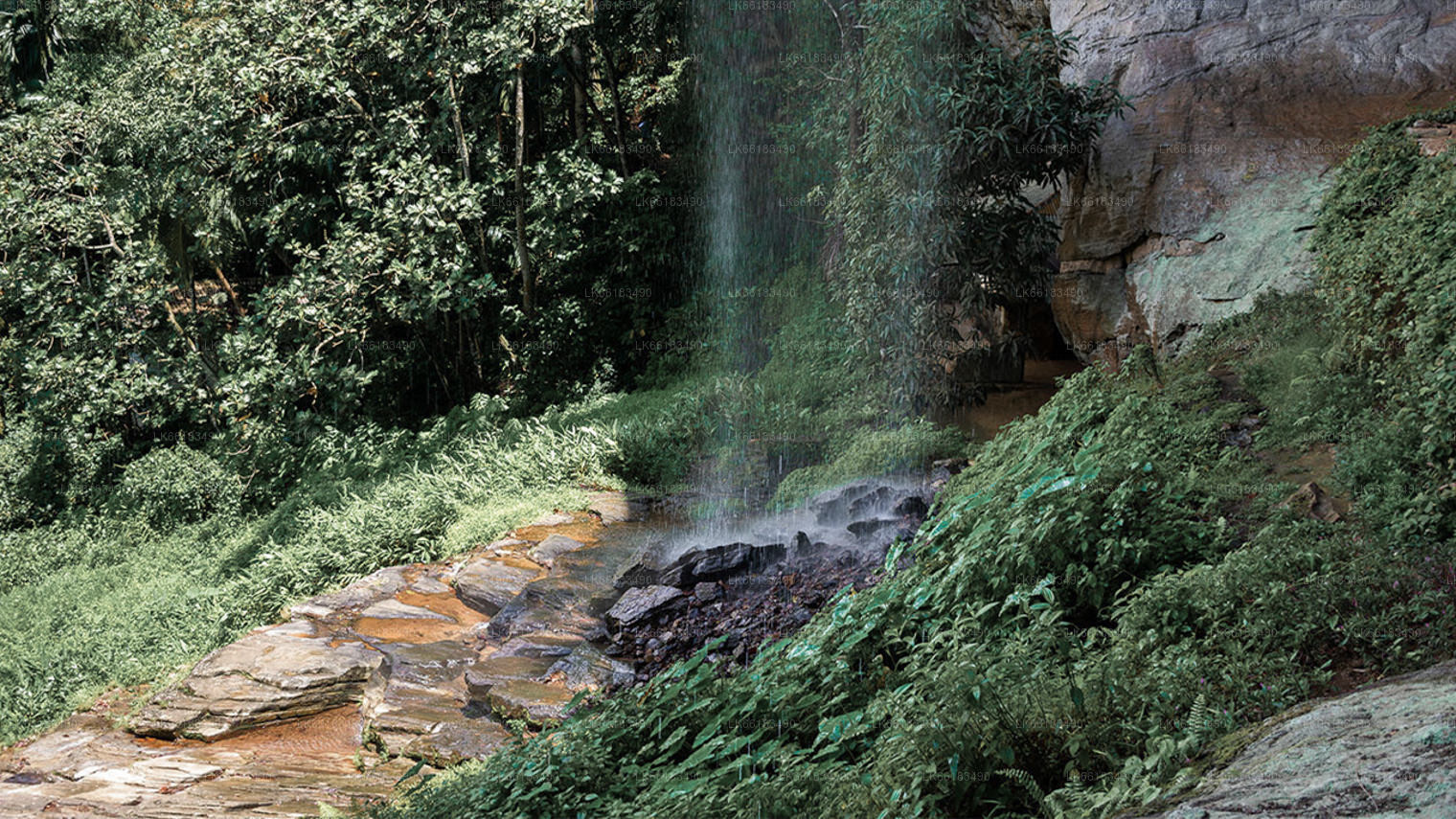
For travellers already based in Ella, the surrounding hill country provides dramatic canyoning terrain centred on waterfalls rather than river gorges. The most notable is Sandun Ella, a waterfall with multiple steep drops over a total descent of around 300 feet. Negotiating the canyon here demands more technical abseiling skill and physical fitness than Kitulgala, making it better suited to experienced participants or those taking a proper introductory canyoning course.

A small number of specialist operators run guided courses here that cover rope rigging, anchor placement, and multi-pitch abseiling — a worthwhile investment for anyone serious about the sport.

What should you expect during a canyoning session?

Regardless of location, a well-run canyoning excursion in Sri Lanka will follow a recognisable structure:

  • Safety briefing and equipment check — helmets, wetsuits (or quick-dry clothing), harnesses, and shoes with grip are standard. Your guide should inspect all equipment before entry.
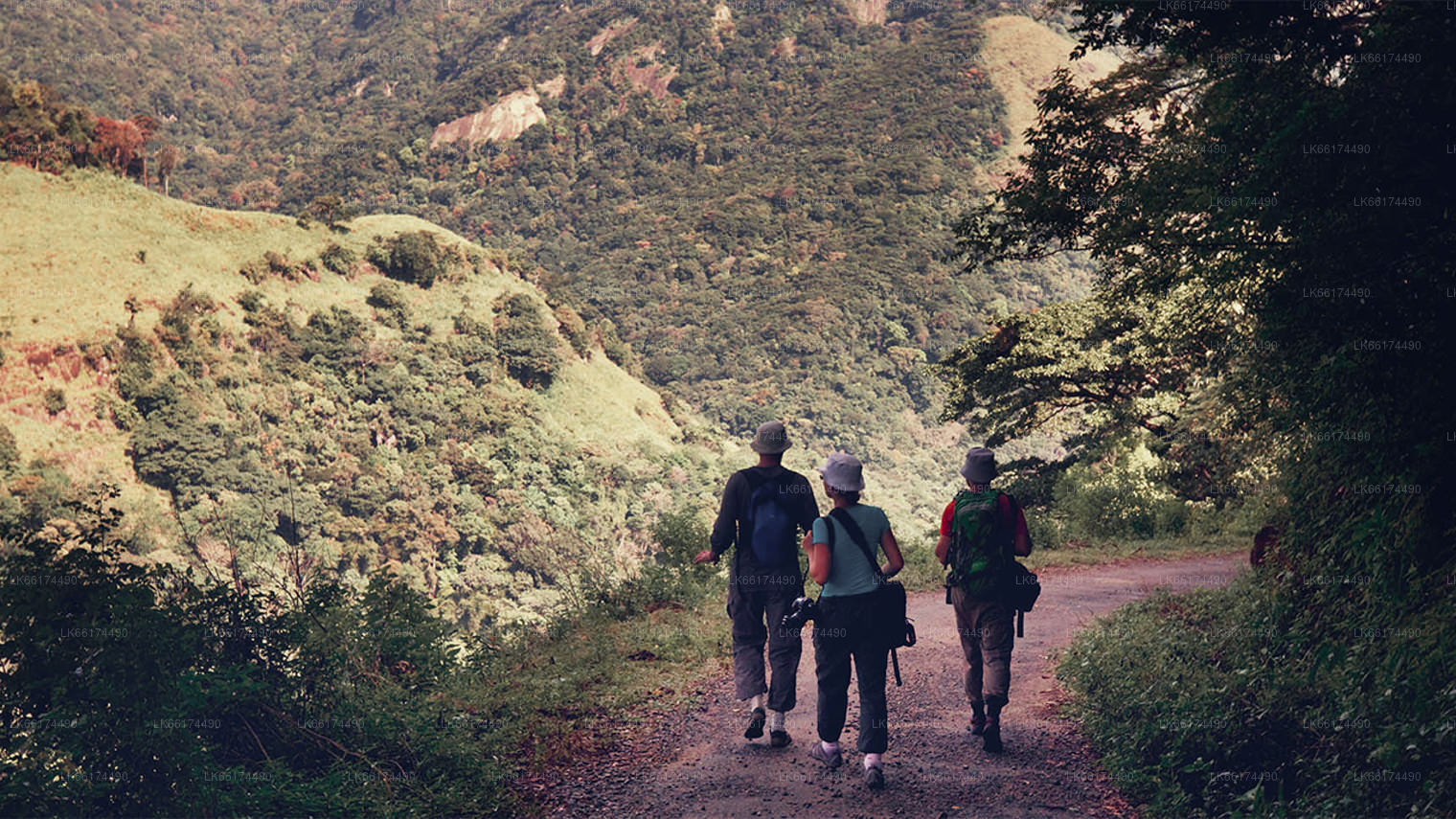
  • Dry walk-in — most routes begin with a short jungle hike to the entry point of the canyon.
  • Active canyon section — a mix of abseiling, swimming, scrambling, and jumping depending on the route chosen and water levels on the day.
  • Exit and debrief — guides typically lead the group out via a separate trail to avoid retracing the entry route.

Water levels in Sri Lanka's canyons are affected by seasonal rainfall. The southwest monsoon (typically May to September) raises river levels significantly, which can close some routes or change their character substantially. Always check current conditions with your operator before booking, particularly if visiting during or immediately after a monsoon period.

What fitness level do you need for canyoning in Sri Lanka?

The Kitulgala routes are designed to accommodate participants with a reasonable base fitness — you do not need prior climbing or abseiling experience. The ability to swim confidently in moving water is important, and you should be comfortable in enclosed, wet environments. Most operators set a minimum age of around 12 years and recommend that participants are comfortable in water before committing to the activity.

The Ella waterfall routes are a different matter. Multi-pitch abseiling on a 300-foot waterfall is a physically and mentally demanding undertaking. Honest self-assessment before booking is important, and a good operator will ask questions about your experience level during the booking process.

How do you choose a reliable canyoning operator in Sri Lanka?

The quality of your guide is the single most important variable in a canyoning experience. A few practical checks before booking:

  • Ask whether guides hold a recognised safety or swift-water rescue qualification.
  • Confirm that all equipment provided meets current safety standards and is inspected regularly.
  • Check whether the operator carries first-aid equipment into the canyon on every session — not just emergency contacts.
  • Read recent reviews, focusing on comments about guide competence and how operators respond when conditions change.

Working through a reputable destination management company (DMC) simplifies this process considerably. A DMC with an established vetting process for activity partners takes on the due-diligence responsibility, so travellers are not left comparing operator websites and trying to assess safety credentials without local knowledge.

What else can you combine with a canyoning trip?

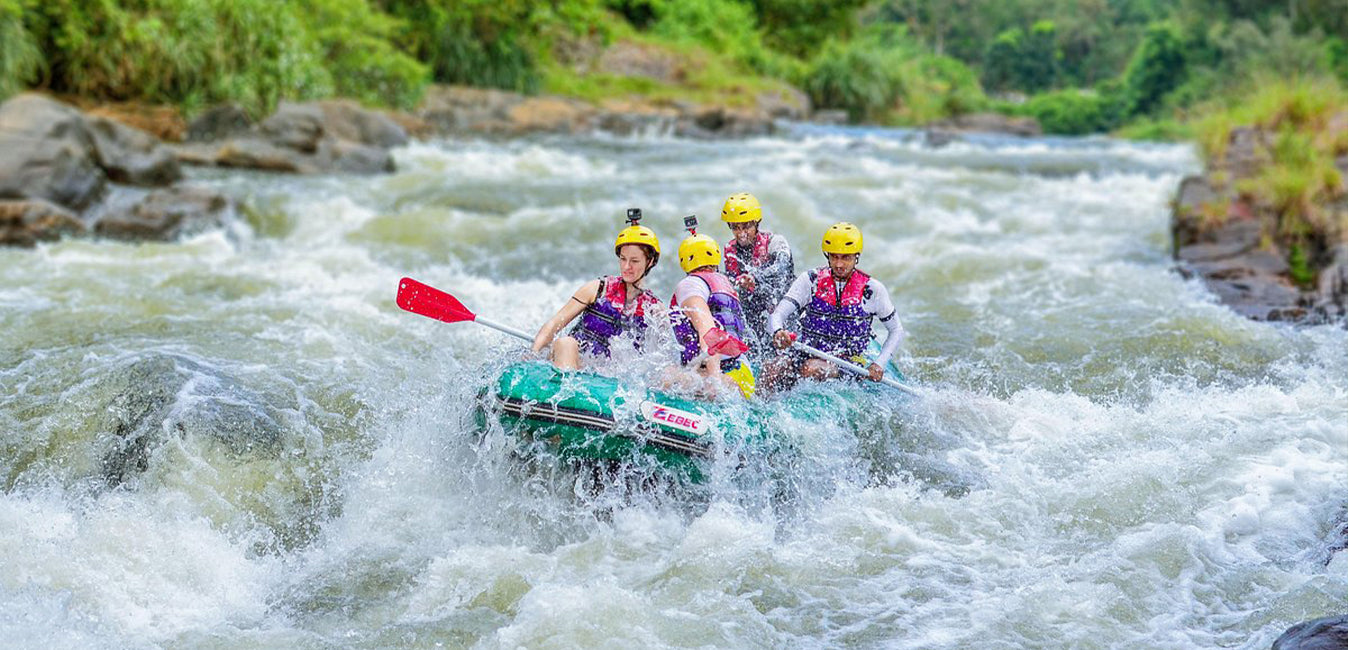
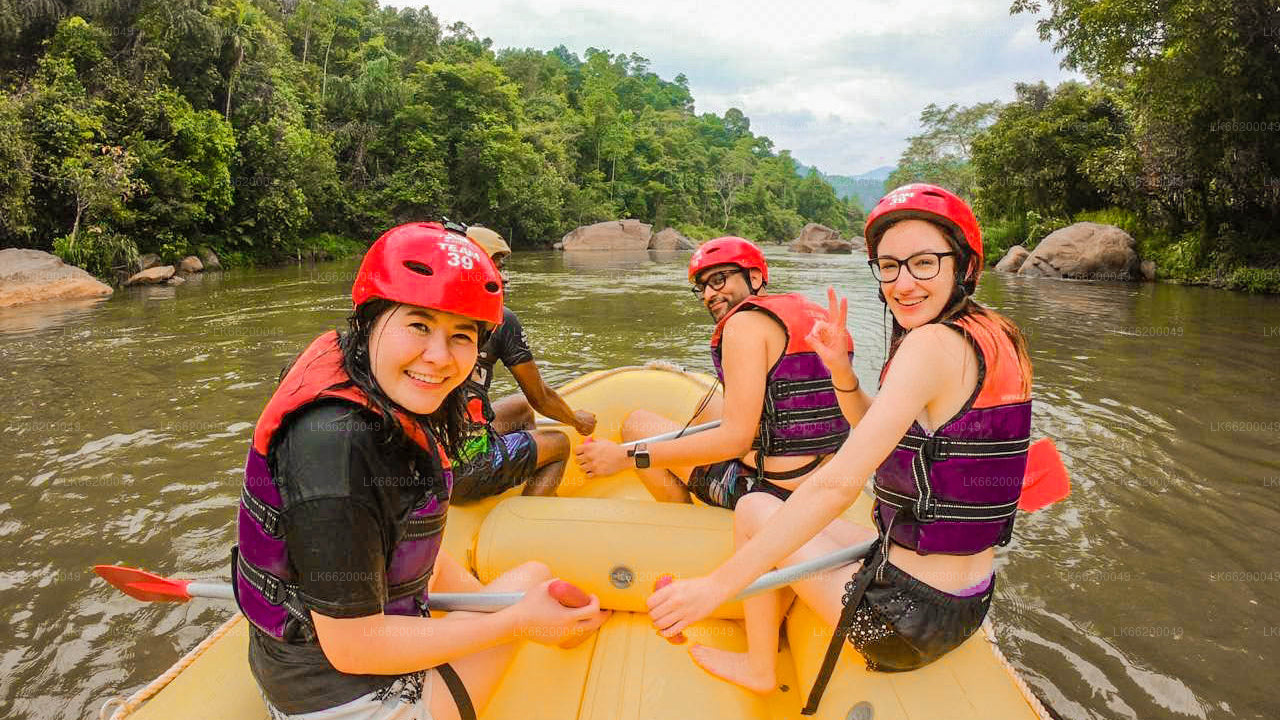
Kitulgala is a natural base for combining multiple adventure activities. White-water rafting on the Kelani River runs through a separate section of the gorge and pairs well with canyoning as a full-day itinerary. The surrounding rainforest also offers jungle trekking and birdwatching for travellers who want to balance adrenaline with quieter nature experiences.

Visitors travelling between Colombo and the hill-country town of Nuwara Eliya can break the journey at Kitulgala for a half-day canyoning session, then continue uphill — a practical way to add adventure to what would otherwise be a long transfer day.

If adventure sports are a central theme of your Sri Lanka itinerary, hot-air ballooning over the Cultural Triangle is a natural complement for those who want contrast — the same spirit of exploration at a very different pace and altitude.

Book this experience with Lakpura

Curated by our local team. Direct booking, instant confirmation.

Ask Lakpura® Agent