Lakpura
Lakpura®

Vigna mungo

Vigna mungo, widely known as black gram or urad, is one of Sri Lanka's most important pulse crops. Grown across the dry zone, intermediate zone, and home gardens alike, it has fed Sri Lankan families for centuries while quietly improving the soils it grows in. Whether you are a traveller curious about the island's agricultural heritage or a food enthusiast tracing the origins of South Asian cuisine, black gram offers a surprisingly rich story.

What is Vigna mungo and why does it matter in Sri Lanka?

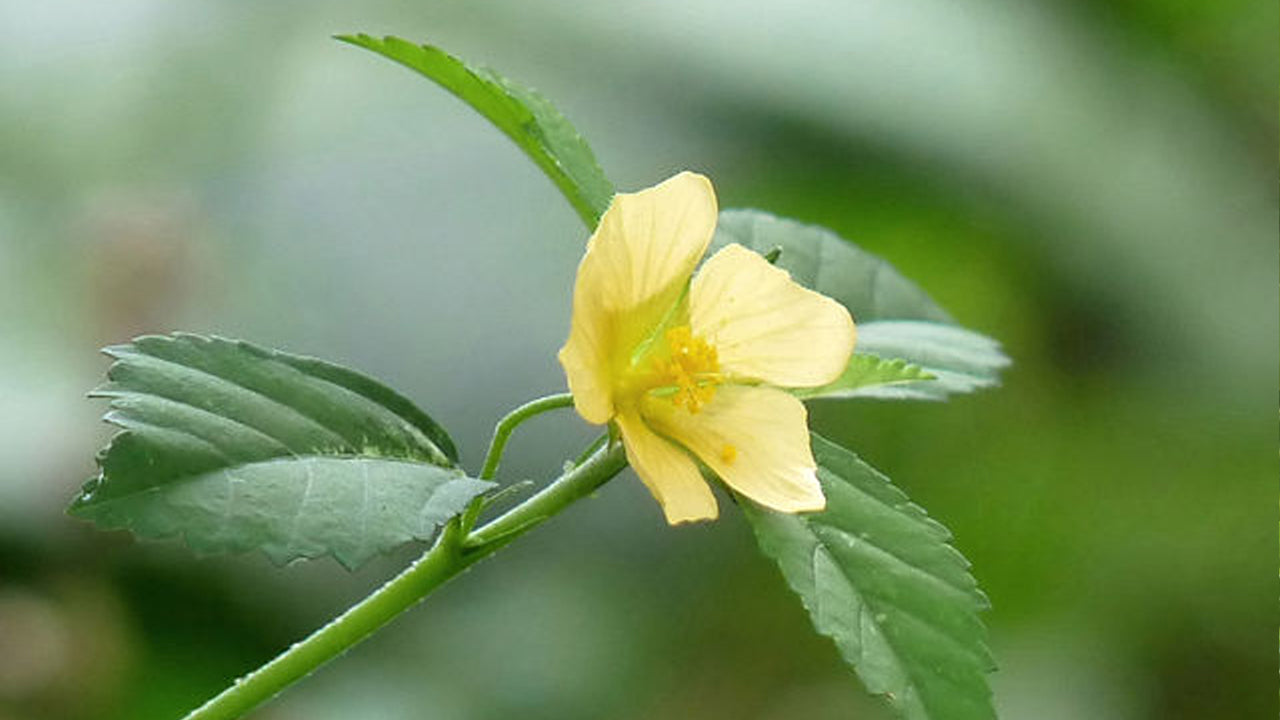
Vigna mungo is a short-duration legume belonging to the family Fabaceae. Its small, oval seeds are typically matte black with a white hilum — hence the name black gram — though some cultivars produce dark green or mottled seeds. The plant grows as a bushy, erect or semi-erect herb reaching around 30–60 cm in height, with trifoliate leaves and small yellow flowers that give way to slender pods.

In Sri Lanka, the crop is known locally as Maa (මා) in Sinhala and is cultivated predominantly in the North Central, Northern, Eastern, and Southern provinces. It occupies a respected place in both subsistence farming and commercial agriculture, often grown in rotation with rice to break pest cycles and restore soil nitrogen.

Beyond the farm, Vigna mungo holds cultural weight. Pulses like black gram have featured in Sri Lankan village meals for generations, appearing in everything from festival spreads to everyday rice-and-curry plates. Its significance is comparable to that of other heritage crops such as paddy (rice), which has shaped Sri Lankan landscapes and livelihoods in parallel ways.

What nutritional value does black gram offer?

Black gram is exceptionally protein-dense for a plant food, typically providing around 24–26 g of protein per 100 g of dried seeds. It is also a good source of dietary fibre, folate, iron, magnesium, and potassium. For rural communities where animal protein can be expensive or unavailable, Vigna mungo has long served as a critical nutritional safety net.

  • Protein: supports muscle maintenance and growth
  • Dietary fibre: aids digestive health and satiety
  • Iron and folate: particularly important for women and children
  • Complex carbohydrates: provide sustained energy release
  • Low glycaemic index: suitable for blood-sugar management when consumed as whole seeds

Ayurvedic traditions in Sri Lanka and India have used black gram for centuries as a restorative food, particularly for those recovering from illness or physical exertion. Modern nutritional science largely supports these traditional applications.

How is Vigna mungo cultivated in Sri Lanka?

Black gram is a warm-season crop that thrives in temperatures between 25°C and 35°C. It is relatively drought-tolerant once established, making it well suited to Sri Lanka's dry and intermediate zones where monsoon rainfall is moderate and predictable. The two main cultivation windows align with the Yala (May–September) and Maha (November–February) agricultural seasons, though planting dates vary by district and microclimate.

The crop prefers well-drained, loamy or sandy-loam soils with a pH of roughly 6.0–7.5. Waterlogged conditions quickly damage root systems and invite fungal disease, so farmers prioritise raised beds or gently sloping fields. Seed germination is rapid — typically five to seven days — and the crop matures in around 60–90 days, making it one of the faster-maturing pulse options available to Sri Lankan smallholders.

One of Vigna mungo's most valued agronomic traits is nitrogen fixation. Through a symbiotic relationship with Rhizobium bacteria in root nodules, the plant converts atmospheric nitrogen into a form accessible to subsequent crops. Farmers who incorporate black gram into rotation schemes often report reduced fertiliser requirements in follow-on rice or vegetable crops — a meaningful economic and environmental benefit.

What are the common culinary uses of black gram in Sri Lanka?

Sri Lankan cuisine uses Vigna mungo in several distinct forms, each with its own texture and flavour profile. Whole dried seeds are simmered into thick, spiced curries (maa curry) that pair naturally with rice and coconut sambol. Split and dehusked seeds (urad dal) cook more quickly and form the base of creamy dals seasoned with turmeric, green chilli, and tempered mustard seeds.

Ground black gram flour is equally versatile. Across South Asia, it is the key ingredient in fermented batters used for idli and dosa — dishes that have found a comfortable home in Sri Lanka's Tamil communities in the north and east. The fermentation process increases the bioavailability of nutrients and introduces beneficial lactic acid bacteria, making these preparations both nutritious and digestible.

In Sri Lankan home cooking, black gram also appears in:

  • Boiled whole seeds dressed with coconut and green chilli as a simple side dish
  • Mixed grain porridges eaten for breakfast or as a restorative meal
  • Traditional sweetmeats and festival foods prepared during Sinhala and Tamil New Year
  • Flour blends used in savoury fritters and street snacks

Complementary spices such as Ceylon black pepper and cumin are frequently added to black gram preparations, amplifying both flavour and digestive properties.

How does black gram support sustainable farming in Sri Lanka?

Sri Lanka's agricultural sector faces ongoing pressure from soil degradation, chemical input costs, and climate variability. Vigna mungo addresses several of these challenges simultaneously. As a nitrogen-fixing legume, it reduces dependence on synthetic fertilisers. Its relatively short growth cycle means it can slot into fallow periods, keeping ground covered and preventing erosion.

Intercropping black gram with coconut (Cocos nucifera) is a long-established practice in the island's coastal and mid-country areas. The low-growing legume thrives in the partial shade of coconut palms, uses land that would otherwise be unproductive, and feeds nitrogen back into the soil — benefiting the coconut palms in turn. This kind of multi-layered farming reflects a broader tradition of ecological intelligence in Sri Lankan agriculture.

Government agricultural extension services and NGOs operating in Sri Lanka have promoted Vigna mungo cultivation as part of food-security and soil-health initiatives, particularly in post-conflict areas of the Northern and Eastern provinces where agricultural rehabilitation has been a priority.

Where can travellers see black gram cultivation in Sri Lanka?

For visitors with an interest in agricultural tourism, the dry-zone districts around Polonnaruwa offer some of the most accessible glimpses of pulse cultivation within the context of Sri Lanka's ancient irrigation landscape. Fields of black gram, green gram, and cowpea are routinely sown during the Yala season in the paddies surrounding the ancient tanks and canals that have sustained farming here for over two millennia.

Village tours in the Cultural Triangle region frequently include stops at working farms where travellers can observe — and sometimes participate in — traditional sowing, weeding, and harvesting practices. These experiences provide a grounded counterpoint to the temple-hopping circuits that dominate most itineraries in the area.

What is the difference between black gram and green gram?

Vigna mungo (black gram) and Vigna radiata (green gram or mung bean) are closely related and often confused. Both belong to the same genus and share similar growth habits, but they differ in seed colour, flavour, and culinary application. Black gram seeds have a stronger, earthier flavour and a firmer texture that holds up well in long-cooked curries and fermented batters. Green gram is milder, cooks more quickly, and is frequently sprouted for fresh salads or cooked whole with minimal seasoning. In Sri Lankan markets, the two are sold side by side and are not interchangeable in most traditional recipes.

Book this experience with Lakpura

Curated by our local team. Direct booking, instant confirmation.

Ask Lakpura® Agent