Lakpura
Lakpura®

Vernonia anthelmintica

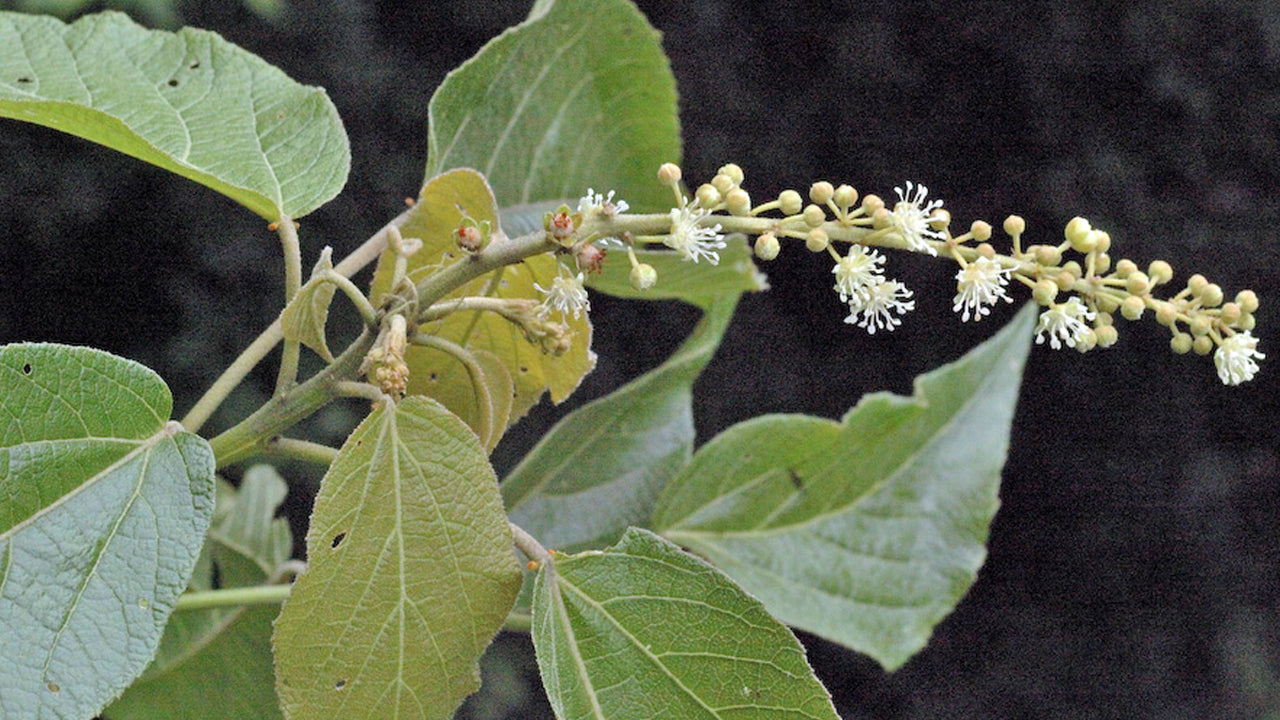
Vernonia anthelmintica is a flowering herbaceous plant belonging to the large genus Vernonia, which encompasses around 350 species of forbs and shrubs within the family Asteraceae. Several members of this genus are commonly called ironweed, a reference to the toughness of their stems. Within Sri Lanka and across South Asia, Vernonia anthelmintica has a long history of use in traditional and Ayurvedic medicine, valued primarily for its seeds and leaf extracts.

What plant family does Vernonia anthelmintica belong to?

Vernonia anthelmintica is a member of Asteraceae, one of the largest flowering plant families in the world. The genus Vernonia was named in honour of the English botanist William Vernon. Species within the genus are distributed across tropical and subtropical regions of Africa, Asia, and the Americas, with some botanists choosing to subdivide it into several distinct genera. The Flora of North America, for instance, recognises only around twenty species under Vernonia in the strict sense.

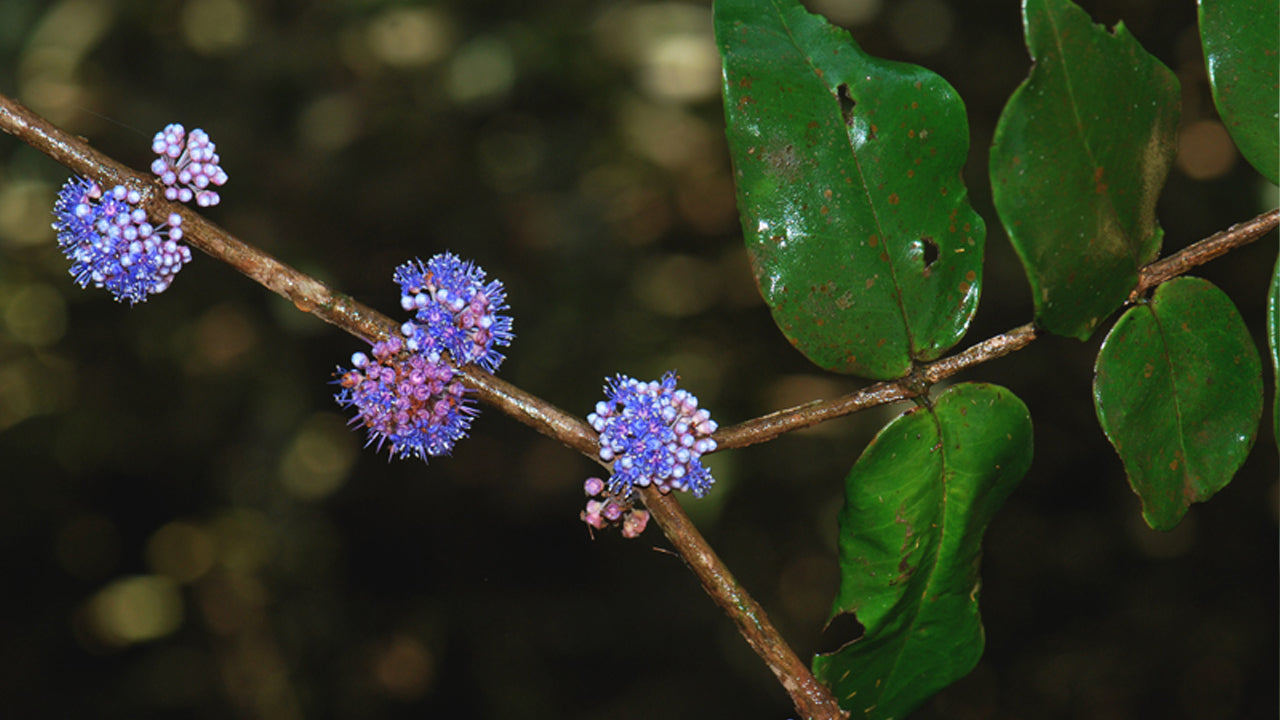
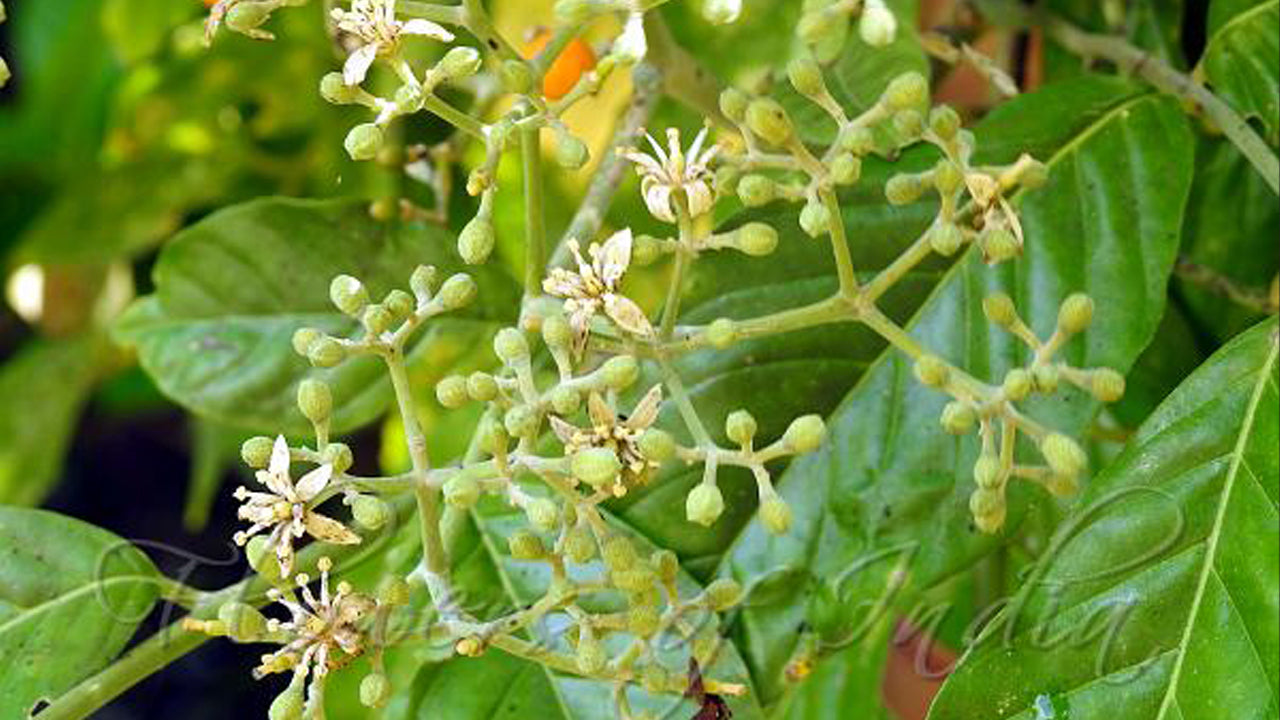
Members of the genus are recognisable by their characteristically intense purple or violet composite flower heads, arranged in clusters typical of the daisy family. Vernonia anthelmintica produces small, dark seeds that are central to its medicinal reputation.

What are the traditional medicinal uses of Vernonia anthelmintica?

The name anthelmintica derives from the Greek for "against worms", reflecting the plant's primary traditional application as an anthelmintic — a treatment used to expel intestinal worms and parasites. This use is documented across Ayurvedic texts and folk medicine traditions in Sri Lanka, India, and parts of Africa.

  • Anthelmintic action: Seeds are traditionally prepared as a decoction or paste to treat roundworm and other intestinal parasites.
  • Fever and malaria: Leaf preparations have been used in folk medicine to manage febrile conditions, including those associated with malaria.
  • Digestive complaints: Decoctions made from the leaves or seeds are employed to treat diarrhoea, dysentery, and general stomach discomfort.
  • Skin conditions: Topical applications are reported for scabies and other skin ailments.
  • Liver support: In some traditional systems, preparations are used to address hepatitis and other hepatic conditions.
  • Headache relief: Leaf-based preparations are also applied externally or taken internally for headache in certain folk traditions.

It is worth noting that while these uses are well documented ethnobotanically, clinical evidence for many applications remains limited. Individuals should consult a qualified practitioner before using any herbal preparation medicinally.

How is Vernonia anthelmintica used in Ayurveda?

In classical Ayurveda, Vernonia anthelmintica is known by the Sanskrit name Somraji or Katurohini in some regional traditions, and its seeds — called Somraj beej — are the part most frequently prescribed. Ayurvedic practitioners have historically included the seeds in formulations targeting krimi (parasitic infections) and skin diseases classed under kushtha roga. The seeds contain compounds including alkaloids, flavonoids, and essential oils that are the subject of ongoing phytochemical research.

Preparations typically involve grinding dried seeds into a powder to be taken with honey or warm water, or decocting them alongside complementary herbs. The plant is generally classified as having a pungent and bitter taste profile, with heating properties according to Ayurvedic pharmacology.

Where does Vernonia anthelmintica grow in Sri Lanka?

In Sri Lanka, Vernonia anthelmintica is found growing in disturbed ground, field margins, and dry secondary scrub across the lowland and intermediate zones. It is cultivated on a small scale for medicinal supply to Ayurvedic pharmacies and herb markets. The broader Vernonia genus includes several species present across the island, and wild stands are still observed in the dry and intermediate climatic zones.

Globally, the species is native to tropical Asia and is widely distributed across the Indian subcontinent, extending into parts of tropical Africa where related species such as Vernonia amygdalina — used for fever, malaria, and digestive ailments — enjoy well-documented traditional use.

What does current research say about Vernonia anthelmintica?

Scientific interest in the genus Vernonia has grown considerably in recent decades. Phytochemical studies on Vernonia anthelmintica have identified several bioactive compounds in the seeds, including vernoloside, luteolin derivatives, and various alkaloids. Laboratory studies have investigated their antimicrobial, antifungal, and antiparasitic potential, with some results supporting the rationale behind traditional uses.

Research into closely related species has also highlighted anti-inflammatory and antioxidant properties. However, most studies to date have been conducted in vitro or in animal models; robust human clinical trials remain scarce. The plant is included in the pharmacopoeias of several South Asian countries, which provides a degree of regulatory recognition for its traditional applications.

How does Vernonia anthelmintica compare to other medicinal herbs in Sri Lanka?

Sri Lanka's rich biodiversity supports a wide range of medicinal plants used in Ayurveda, Siddha, and Unani traditions. Within this context, Vernonia anthelmintica occupies a specific niche as a seed-based antiparasitic herb. It is often grouped with other bitter, anthelmintic botanicals such as Embelia ribes (vidanga) and Punica granatum (pomegranate rind) in compound formulations targeting intestinal health.

Unlike leafy herbs prized primarily for culinary or tonic value, the medicinal profile of Vernonia anthelmintica is fairly specialised, making it a plant of greater interest to traditional practitioners than to general herbal enthusiasts. It is sold in dried seed form through Ayurvedic supply stores across the country.

Ask Lakpura® Agent