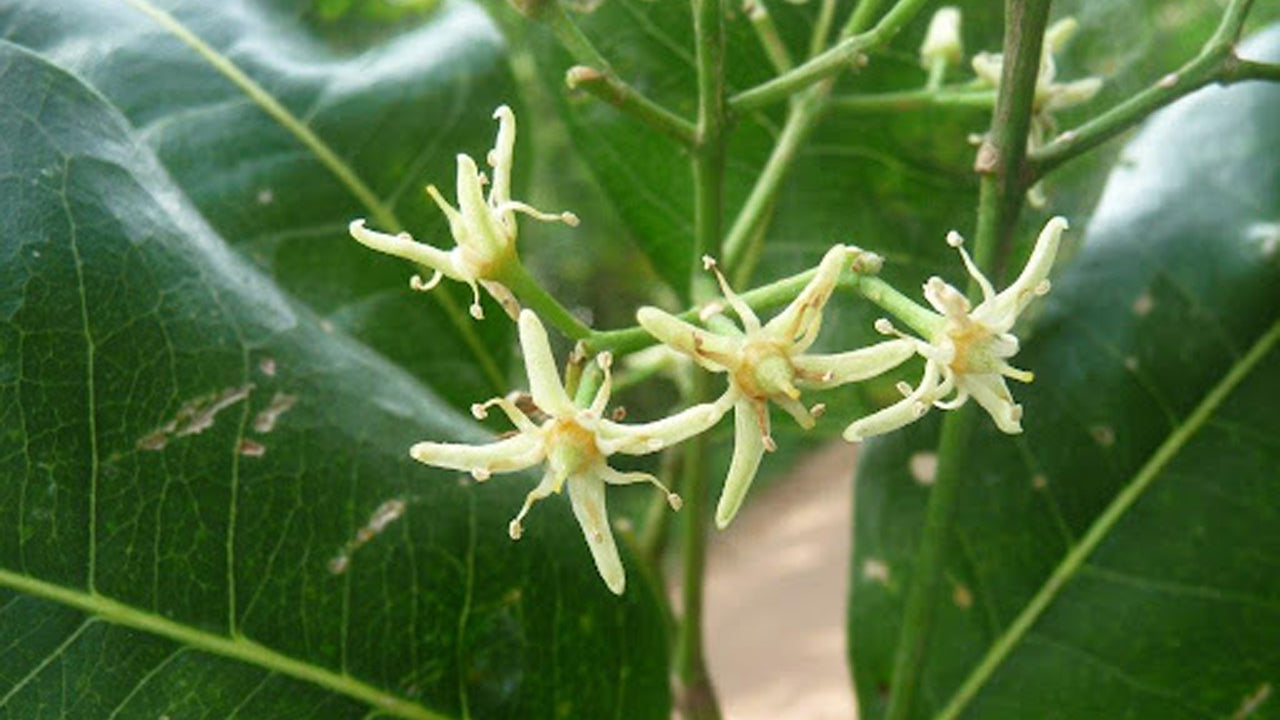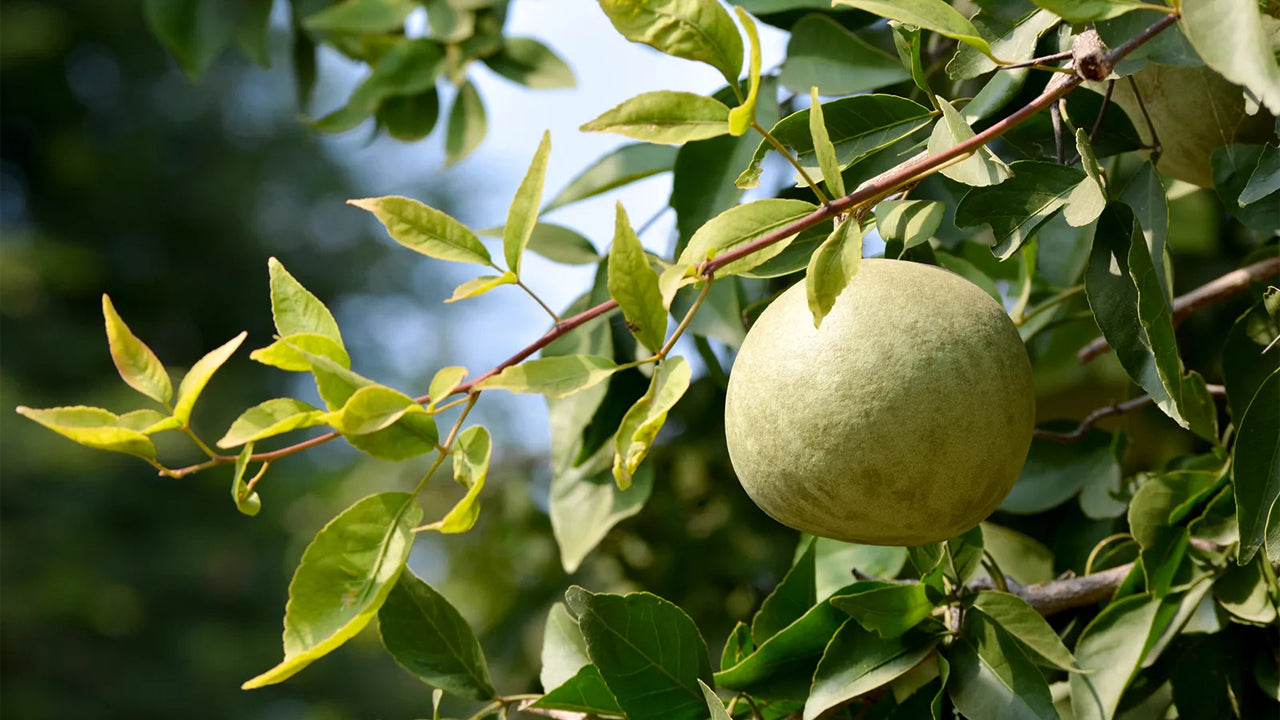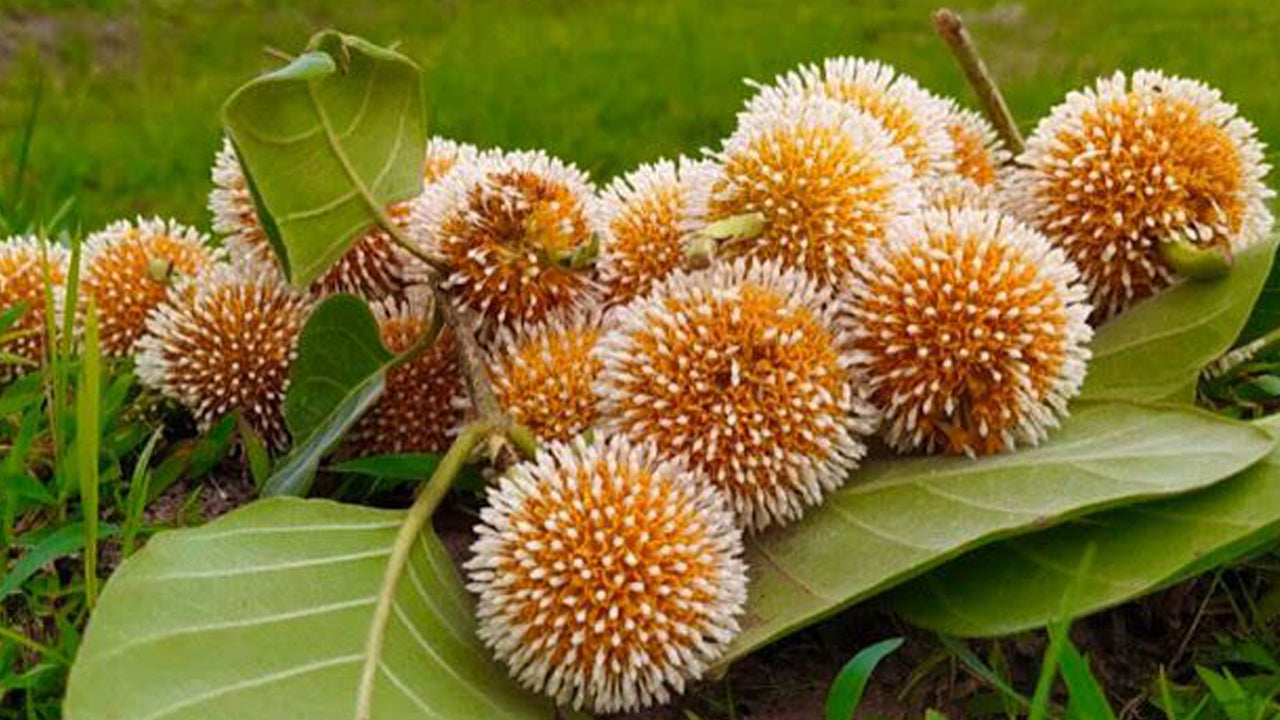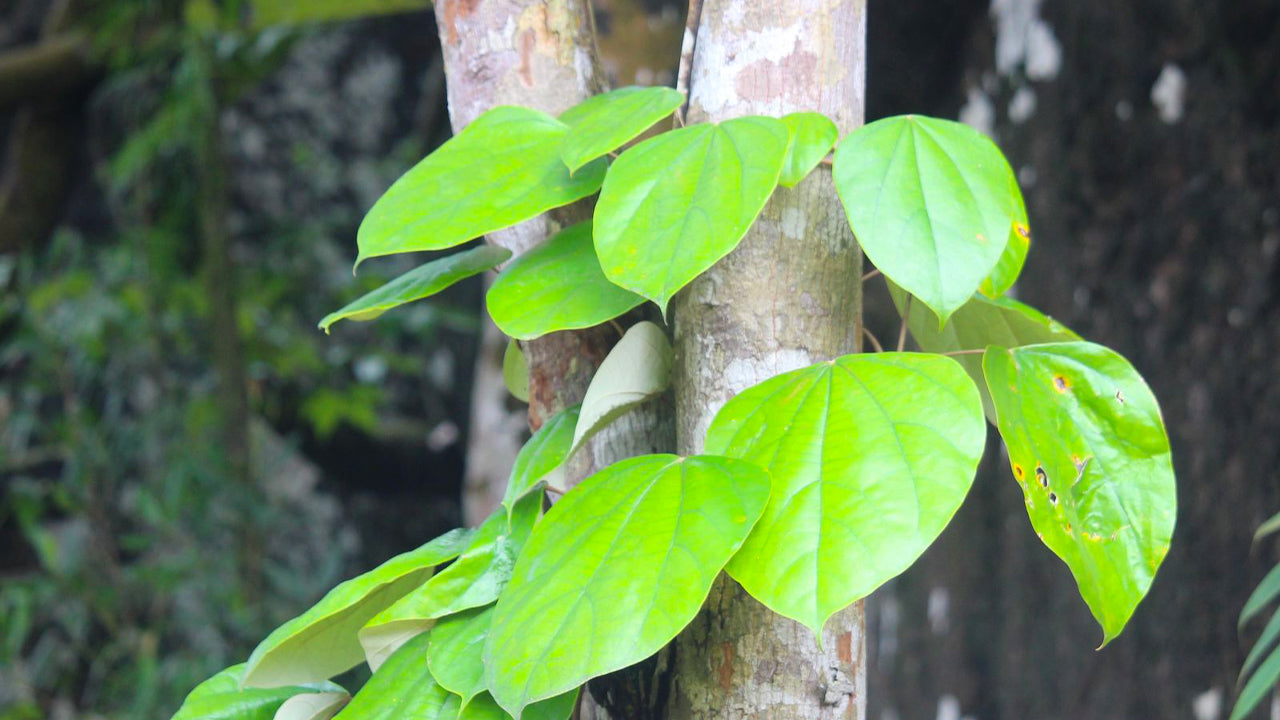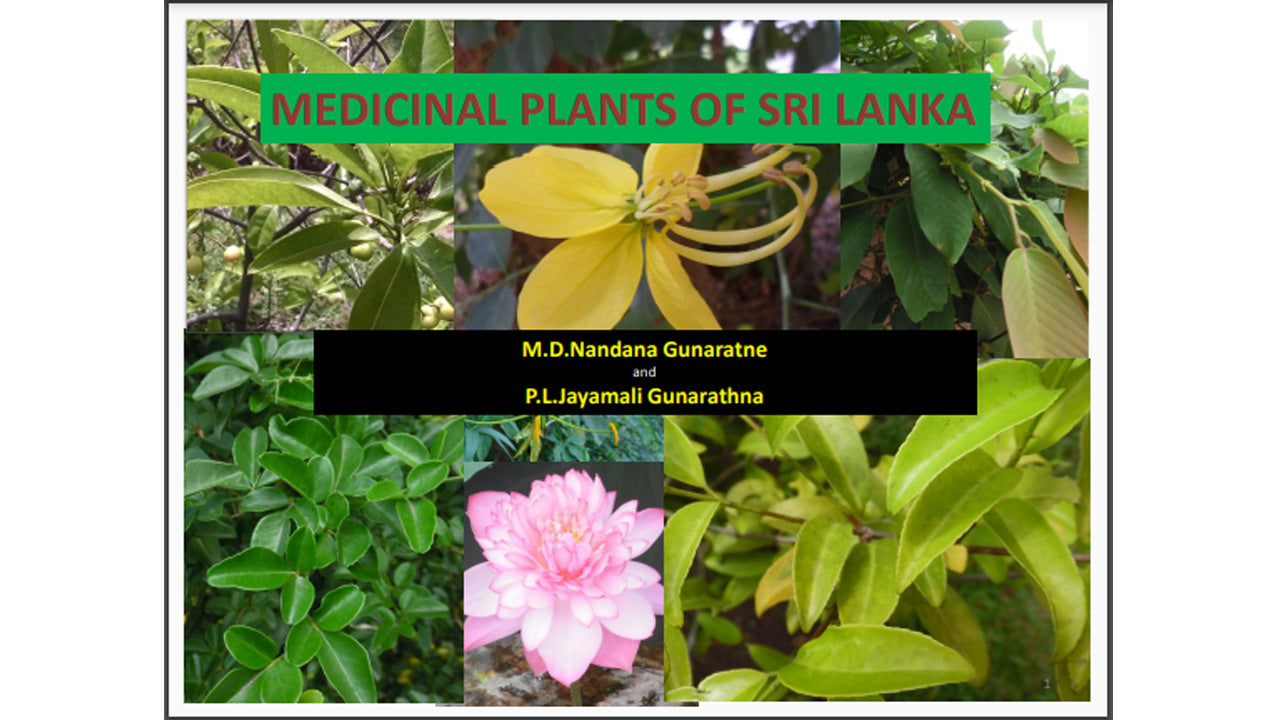
Prunus cerasoides, commonly known as the wild Himalayan cherry or sour cherry, is a flowering tree that holds a respected place in the ayurvedic medicinal traditions of South and Southeast Asia. In Sri Lanka, it appears in the catalogue of native and naturalised medicinal plants, prized by traditional practitioners for the therapeutic properties attributed to its bark, leaves, and fruit. Though more familiar to botanists and herbalists than to casual visitors, this elegant tree rewards close attention — particularly when it blooms in vivid pink clusters during the cooler months.
What is Prunus cerasoides and where does it grow in Sri Lanka?
Prunus cerasoides belongs to the Rosaceae family, the same broad family as cultivated cherries, plums, and peaches. It is a medium-sized deciduous tree, typically reaching 10–20 metres in height, with a spreading canopy and distinctly reddish-brown bark that peels in horizontal bands — a detail familiar to anyone who has touched a wild cherry trunk in the highlands.
In Sri Lanka, the tree is most likely to be encountered at higher elevations, where cooler temperatures and cloud-influenced microclimates mirror the montane conditions of its native Himalayan range. Areas around the central highlands — including the forests near Horton Plains National Park — provide suitable habitat, though the species is not common or widespread across the island.
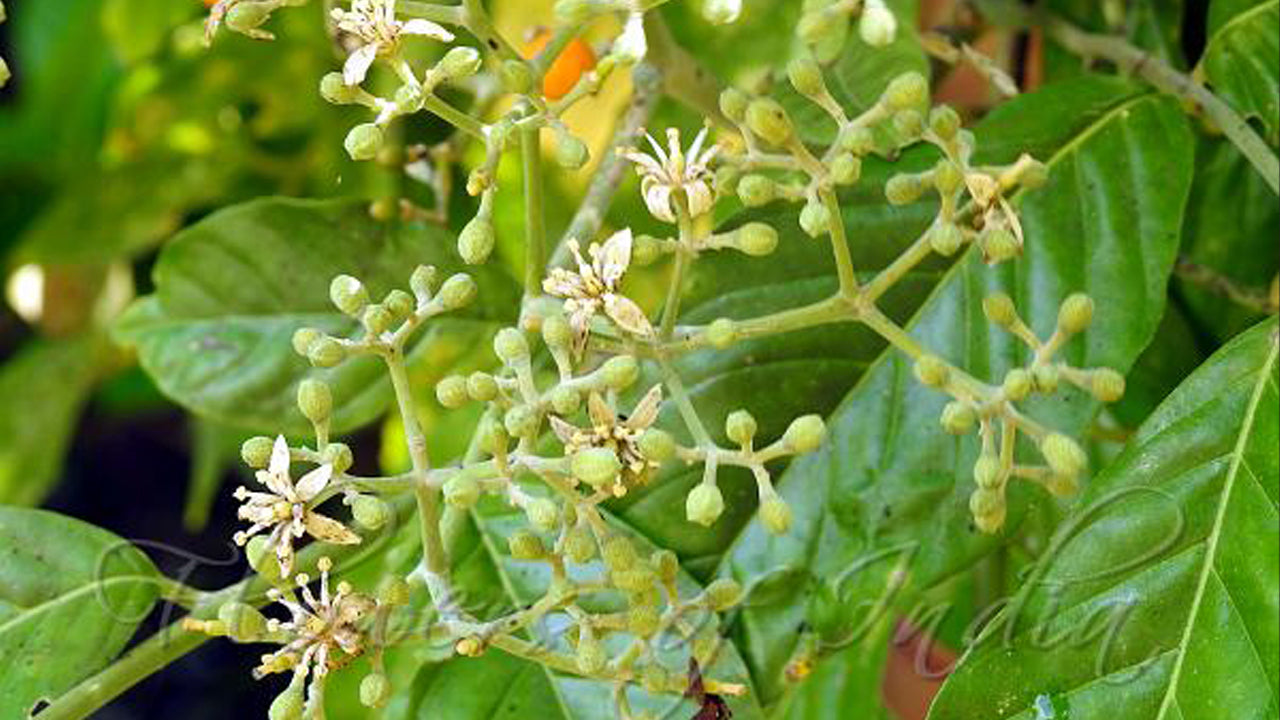
Its pink-to-red blossoms appear before the new leaves unfurl, making the tree conspicuous and visually striking during flowering. The small, fleshy drupes that follow are sour and astringent, which partly accounts for the plant's medicinal reputation.
What are the traditional ayurvedic uses of Prunus cerasoides?
In classical Ayurveda and related South Asian healing systems, Prunus cerasoides is known by several Sanskrit names including Padmaka. The heartwood and bark are the parts most commonly referenced in traditional texts, where they are associated with a range of therapeutic applications.
- Skin conditions: Bark extracts have traditionally been used in preparations intended to address inflammatory skin disorders and to promote an even skin tone.
- Wound healing: Astringent compounds in the bark are considered useful for cleansing and soothing minor wounds and ulcerations.
- Fever and inflammation: Decoctions made from the heartwood appear in classical formulations aimed at reducing fever and managing inflammatory conditions.
- Gynaecological applications: Traditional texts reference the plant in formulations such as Pushyanuga Churna, a classical compound preparation used in Ayurvedic gynaecological care.
- Digestive complaints: The astringent quality of the plant is also linked to use in managing diarrhoea and related gastrointestinal symptoms.
It is worth noting that traditional use does not automatically confirm clinical efficacy. Anyone considering ayurvedic treatment should consult a qualified practitioner rather than self-administering plant-based remedies.
What are the key botanical characteristics of Prunus cerasoides?
Understanding the plant's physical features helps in identification and illustrates why it has attracted both horticultural and medicinal interest across a wide geographic range.
| Feature | Detail |
|---|---|
| Family | Rosaceae |
| Habit | Deciduous tree, 10–20 m tall |
| Bark | Reddish-brown, peeling horizontally |
| Flowers | Pink to deep rose, appearing before leaves |
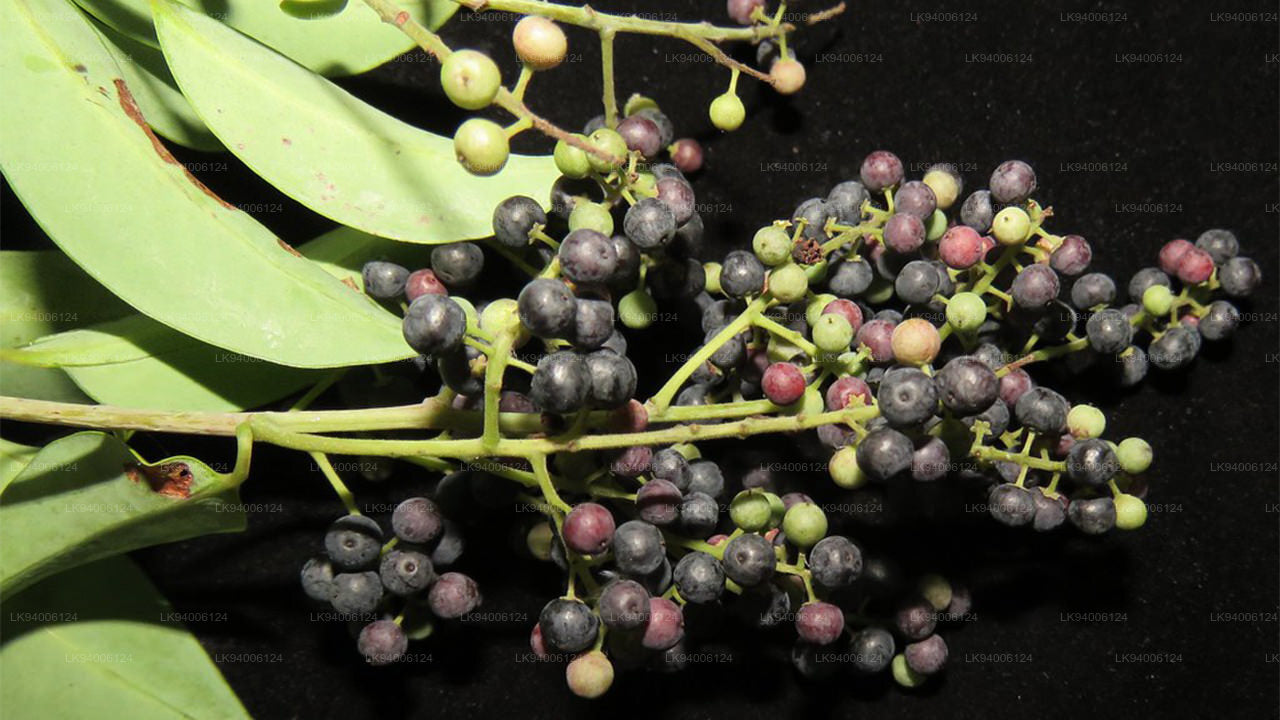
| Fruit | Small drupe, red to dark purple when ripe, sour-tasting |
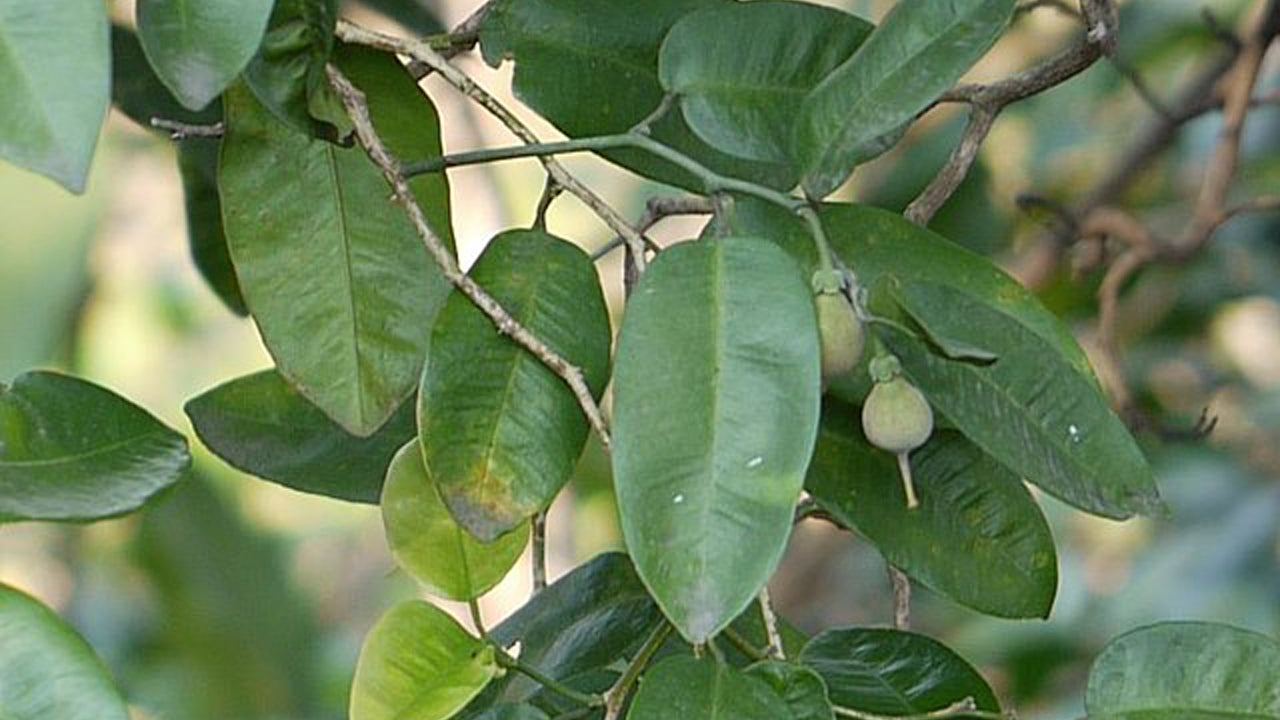
| Leaves | Ovate-lanceolate with serrated margins |
| Native range | Himalayas, southern China, Southeast Asia |
| Elevation preference | Typically 1,000–3,000 m above sea level |
How does Prunus cerasoides relate to Sri Lanka's broader medicinal plant tradition?
Sri Lanka's ayurvedic heritage is one of the island's most enduring cultural legacies, drawing on a rich inventory of native, endemic, and introduced plant species. Prunus cerasoides sits within a wider pharmacopoeia that includes well-documented species such as Acacia chundra and Pongamia pinnata, each contributing distinct therapeutic profiles to classical formulations.
The island's botanical diversity — spanning coastal lowlands, dry zone scrub forests, and wet zone rainforests like the Sinharaja Forest Reserve — means that Sri Lanka hosts an unusually large number of medicinally significant species relative to its land area. Traditional physicians known as veda mahattayas have long maintained oral and manuscript knowledge of these plants, and several academic institutions and government bodies continue to document and research this heritage.
The integration of plants like Prunus cerasoides into compound preparations reflects a holistic approach to medicine that considers the synergistic effects of multiple plant constituents rather than isolating a single active compound — a principle that continues to distinguish Ayurveda from conventional pharmaceutical development.
Is Prunus cerasoides cultivated or mainly found in the wild?
Across its broader range — particularly in the hills of Thailand, Myanmar, and northern India — Prunus cerasoides has been cultivated as an ornamental tree for centuries, celebrated for its early-season blossoms. In Thailand's Chiang Mai region, for instance, the tree's flowering is an annual cultural event drawing visitors from across the country.
In Sri Lanka, large-scale cultivation is not widely documented, and the tree is more likely to be encountered in its natural or semi-naturalised state in montane zones. Botanical gardens and research stations in the hill country may maintain specimens for scientific study. For those interested in medicinal plant cultivation, Prunus cerasoides requires well-drained soil, cool temperatures, and adequate moisture — conditions more readily met in the central highlands than in the lowland tropics.
What compounds in Prunus cerasoides are of scientific interest?
Phytochemical studies on Prunus cerasoides have identified several classes of bioactive compounds that lend scientific plausibility to some of its traditional applications. These include tannins, which account for the bark's astringency; flavonoids, associated with antioxidant activity; and various glycosides. Amygdalin — a cyanogenic glycoside found in many Prunus species — is also present, which underscores the importance of proper preparation and dosage under professional guidance.
Research into the genus Prunus more broadly has supported interests in anti-inflammatory, antimicrobial, and hepatoprotective properties, though peer-reviewed clinical evidence specific to Prunus cerasoides remains limited compared to more widely studied medicinal trees. This is an active area of botanical and pharmacological inquiry.
How can travellers engage with Sri Lanka's ayurvedic plant heritage?
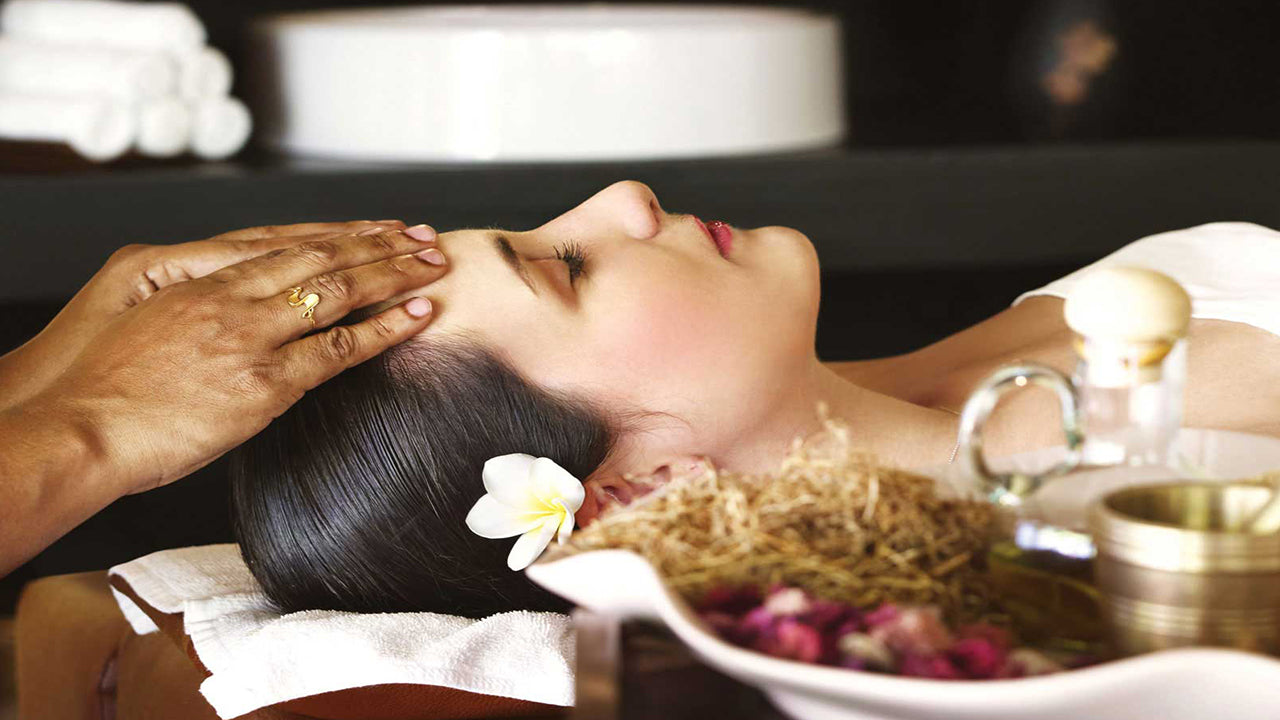
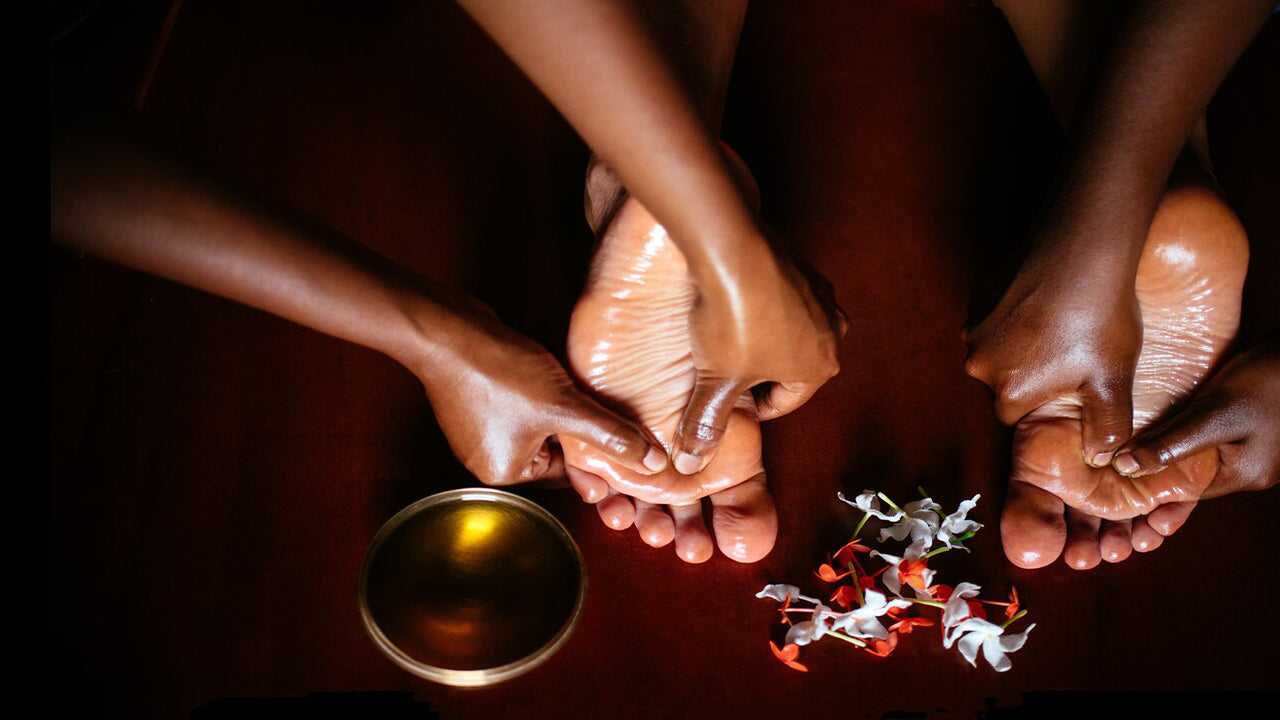
For visitors curious about medicinal botany, Sri Lanka offers several genuine points of engagement beyond simply seeing plants in the wild. Ayurvedic wellness centres, botanical garden tours, and village herb walks are available across the country. The cloud forest zones of the central highlands are particularly rich in medicinal species and make for rewarding guided excursions.
Those travelling through the central highlands may also encounter small-scale herbal gardens attached to traditional healing centres, where practitioners cultivate and prepare remedies using plants like Prunus cerasoides alongside dozens of other species. Engaging with these traditions respectfully — as a learner rather than a consumer — offers one of the more memorable and authentic experiences Sri Lanka can provide.