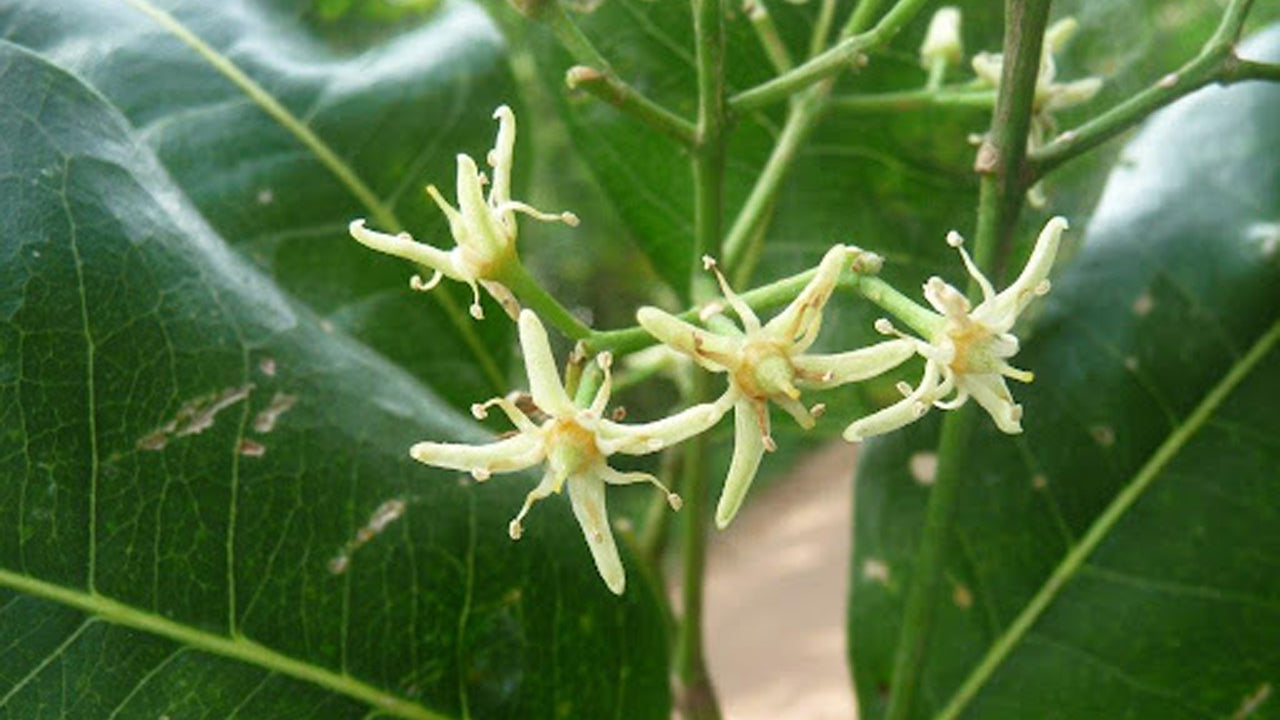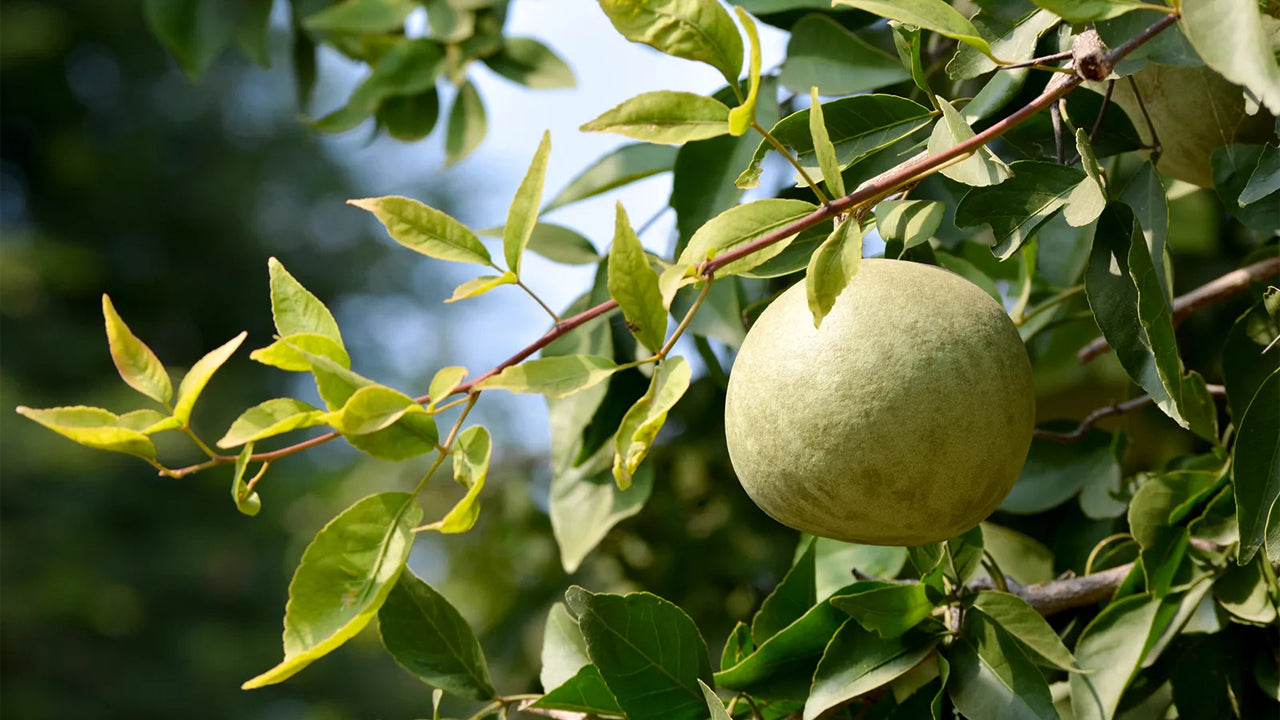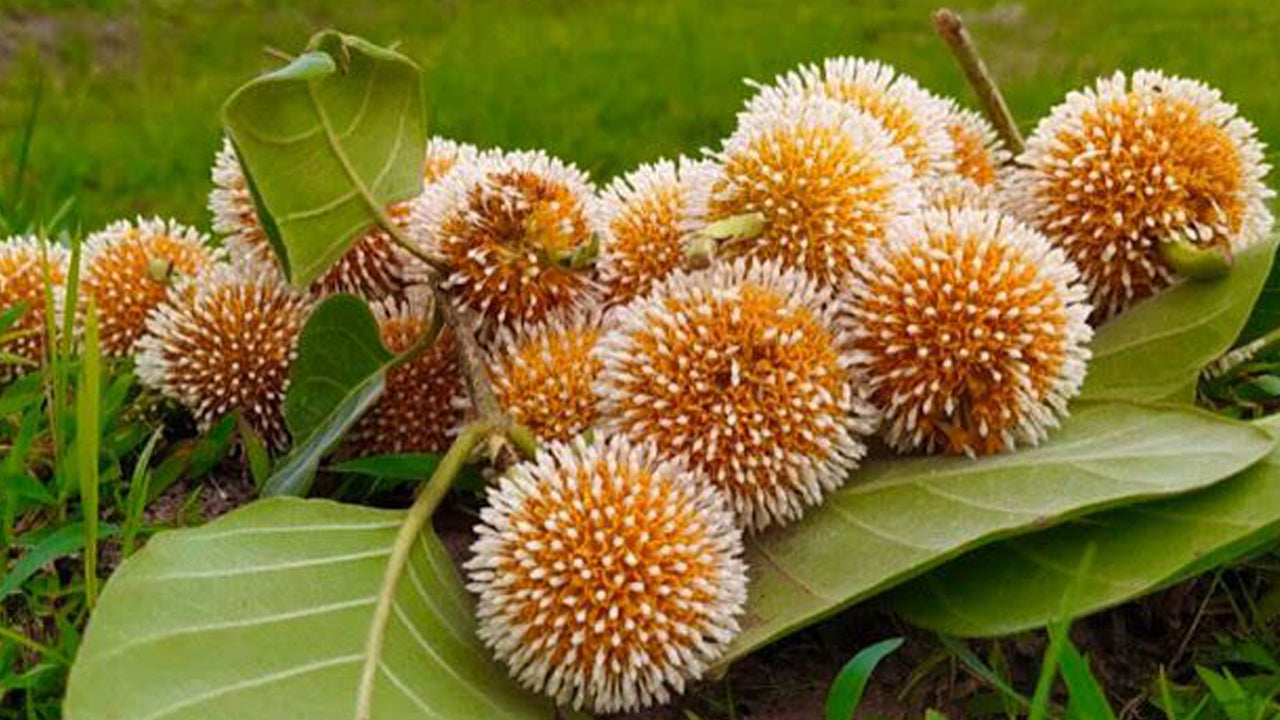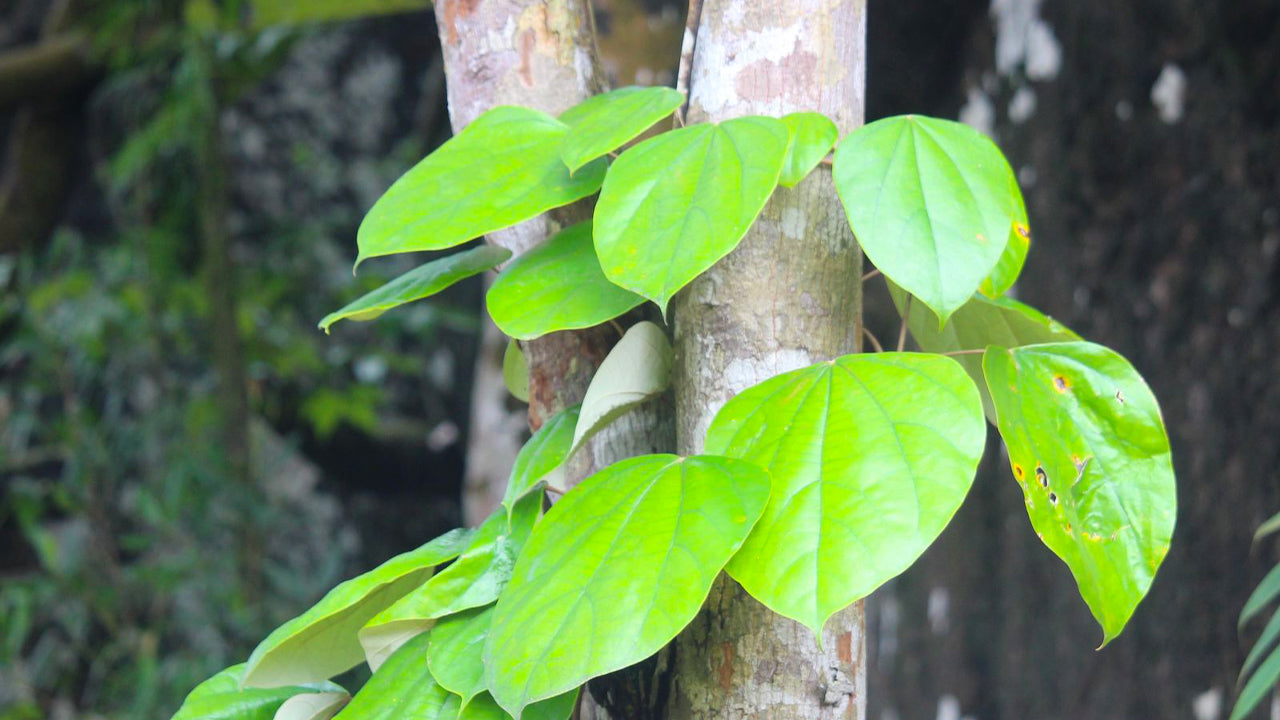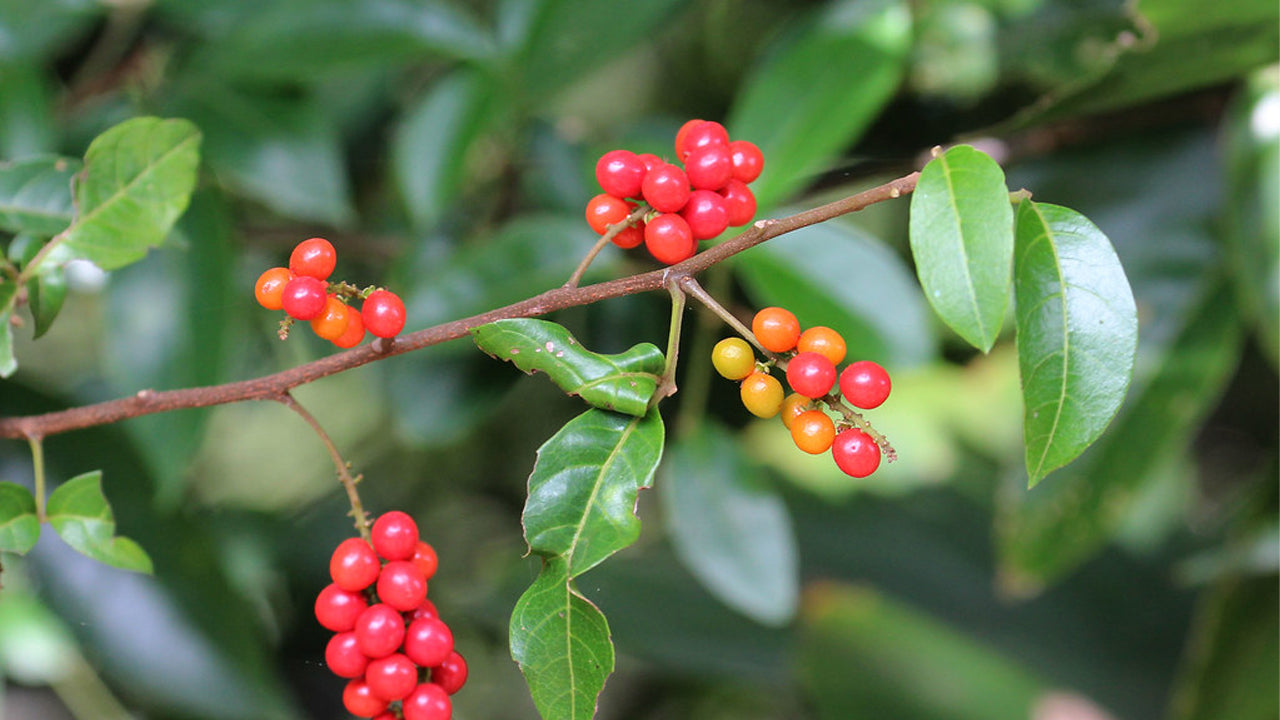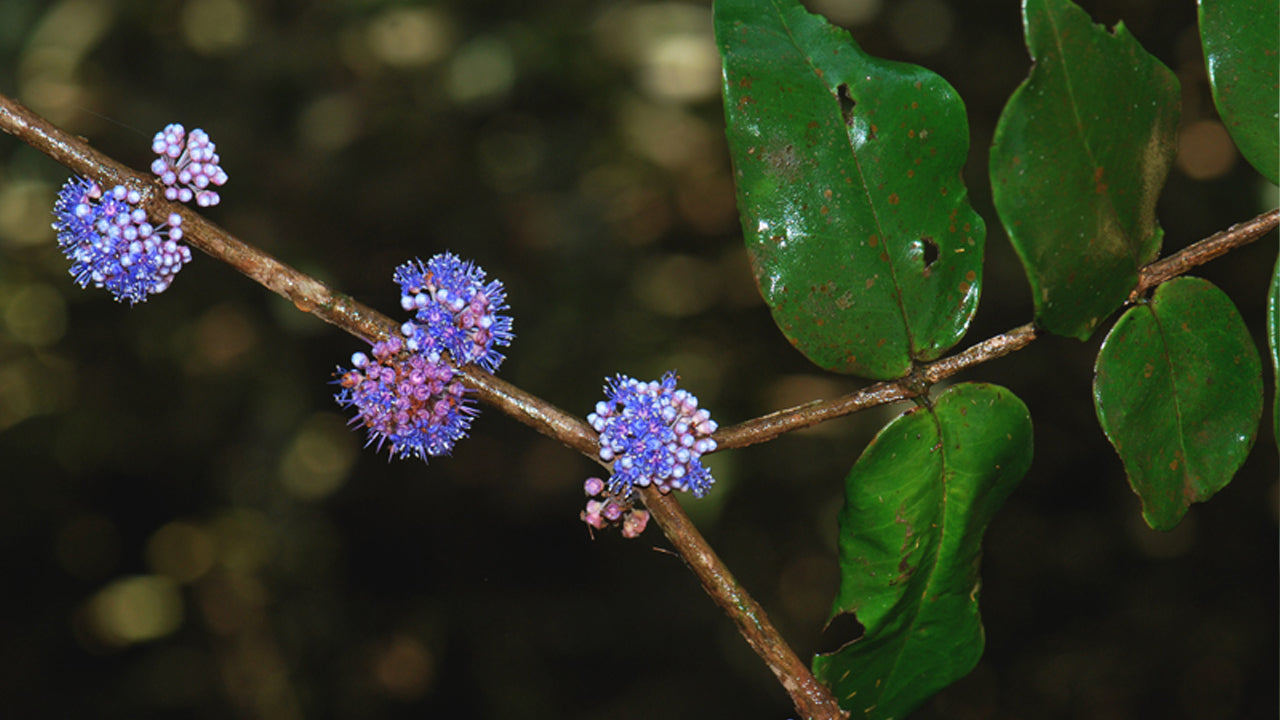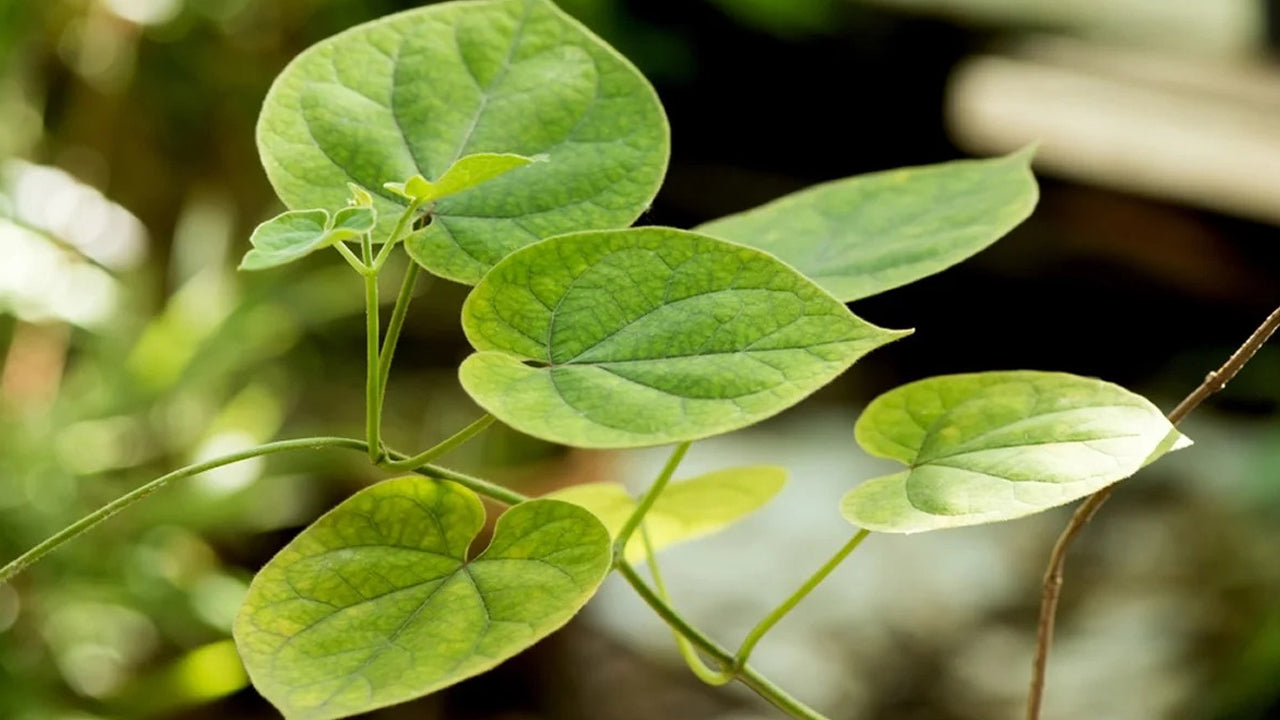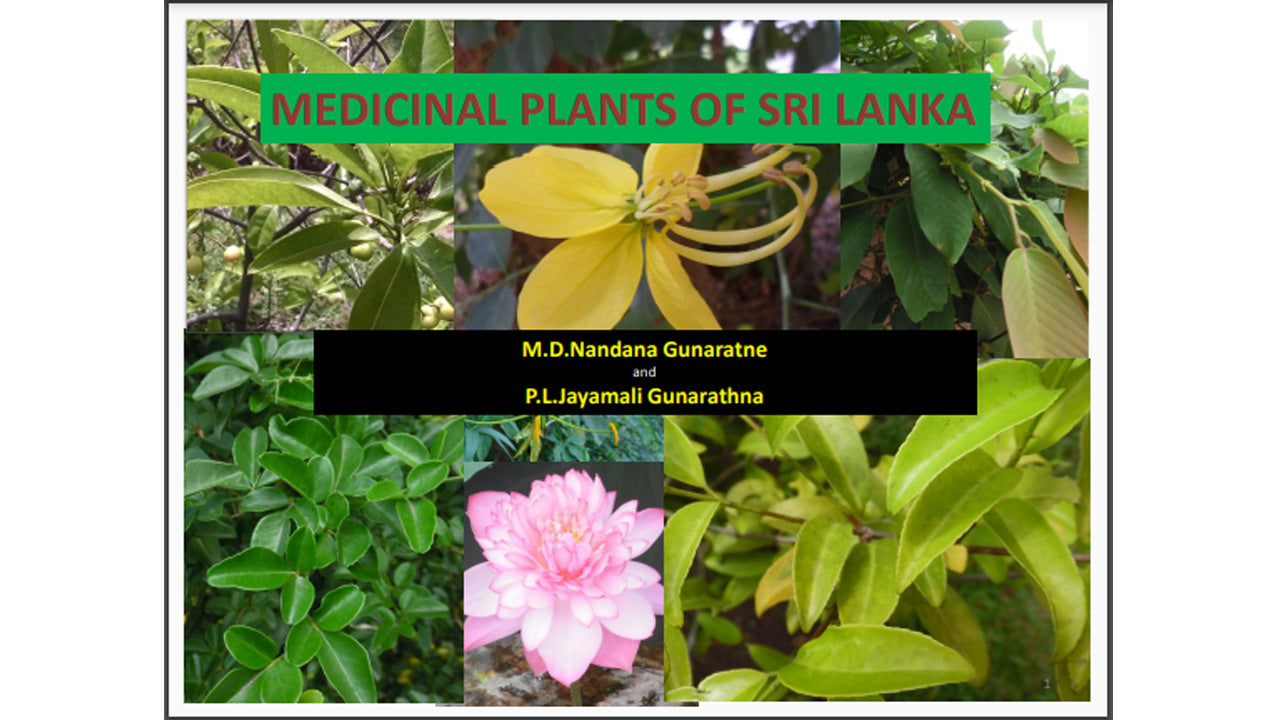
Premna latifolia var. viburnoides is a woody shrub or small tree belonging to the family Lamiaceae (formerly placed in Verbenaceae). Catalogued under Lakpura's reference LK94005671, this plant forms part of Sri Lanka's rich heritage of ayurvedic medicinal flora — a tradition that stretches back more than two thousand years and continues to inform both rural practice and formal Ayurveda today.
What is Premna latifolia var. viburnoides?
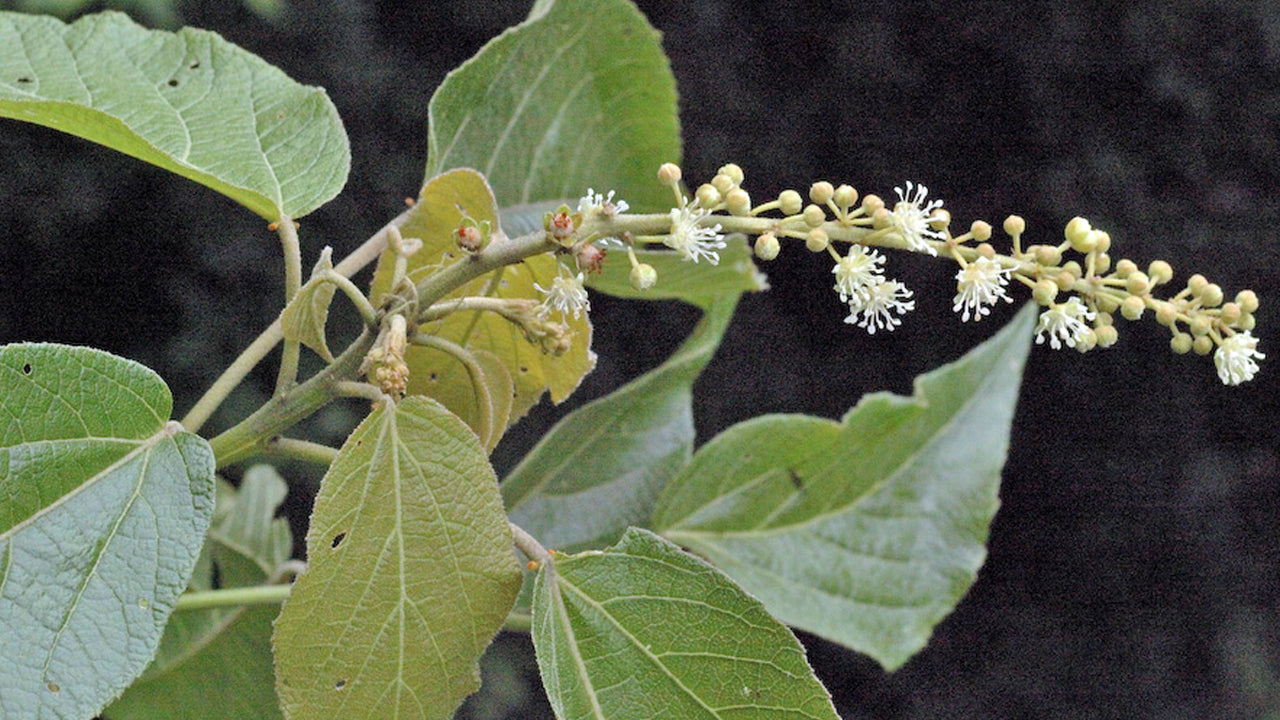
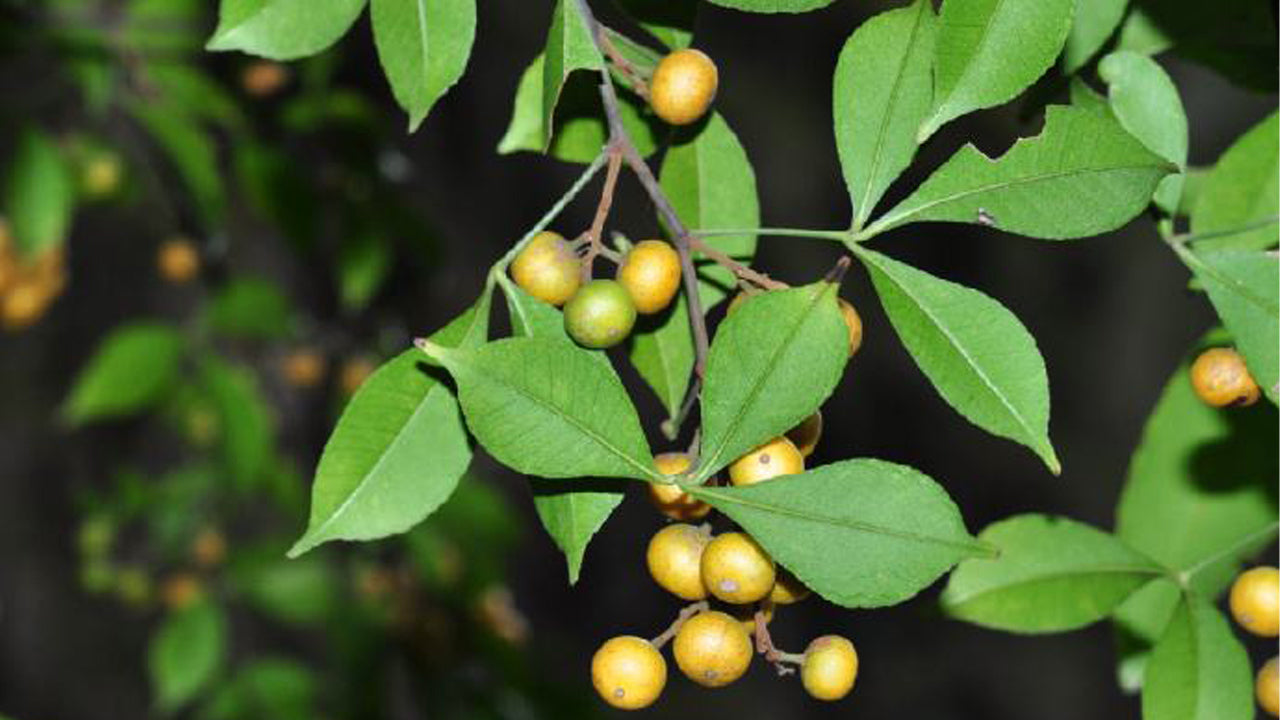
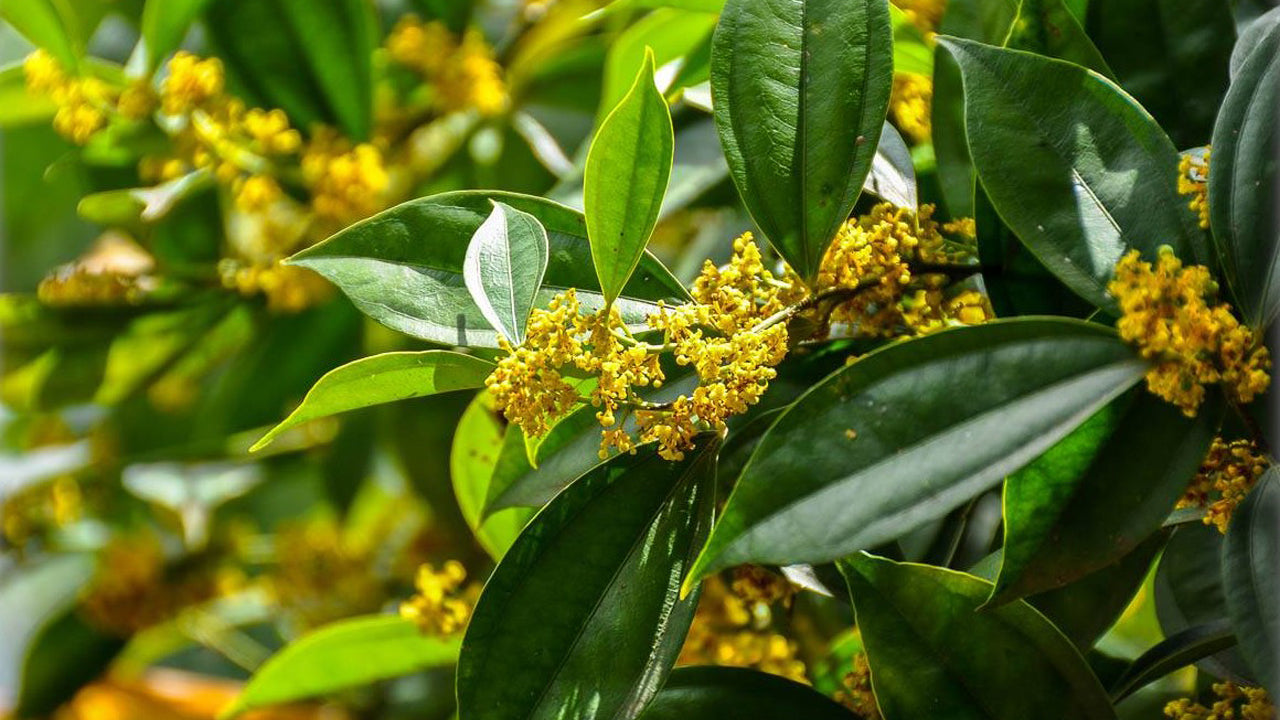
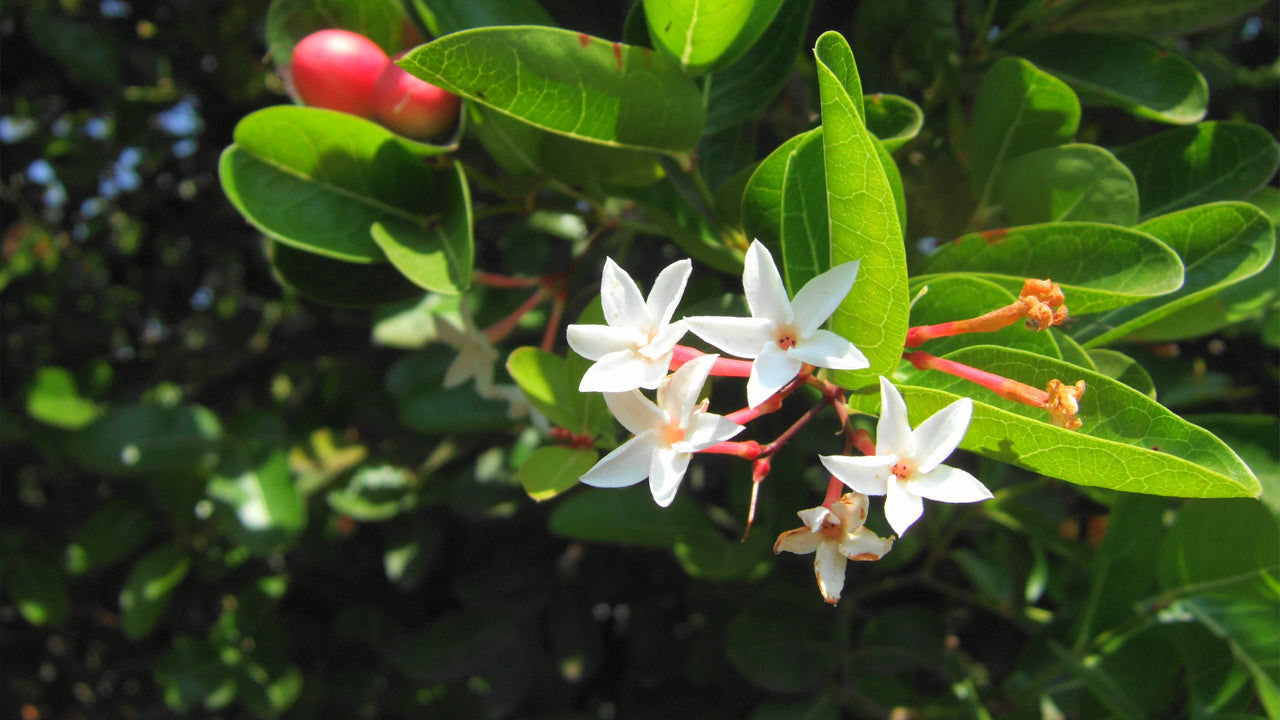
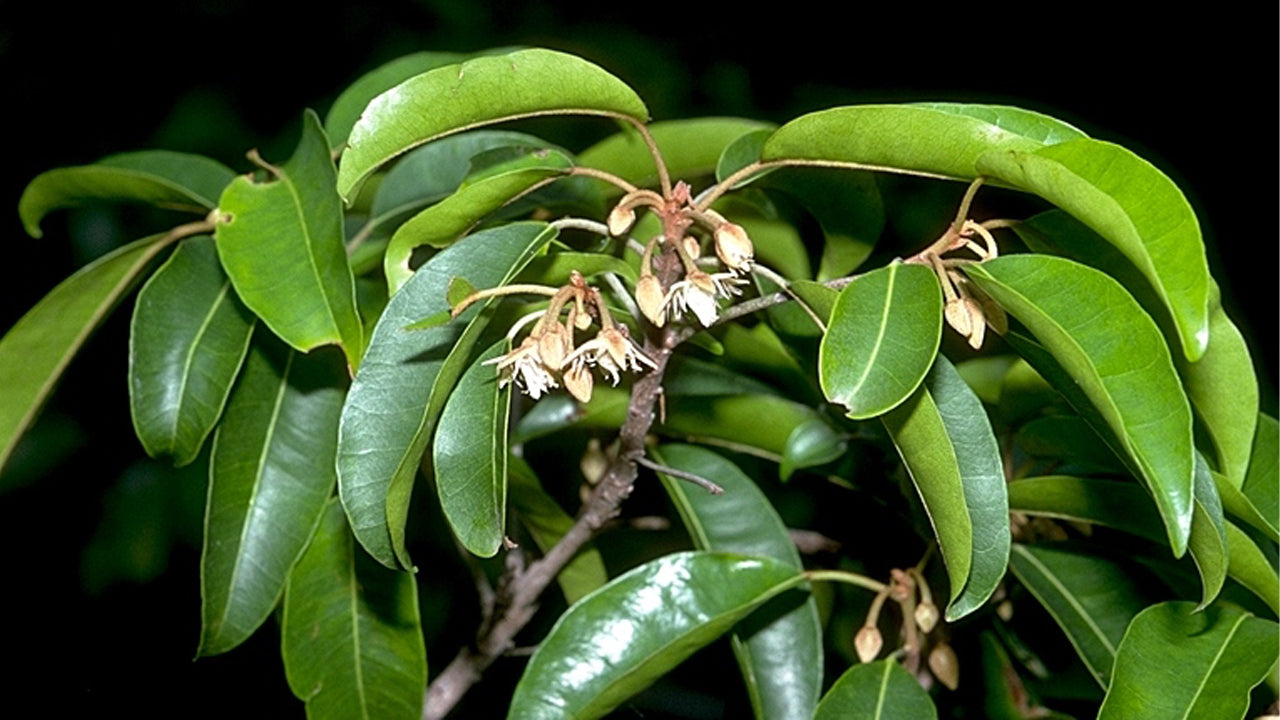
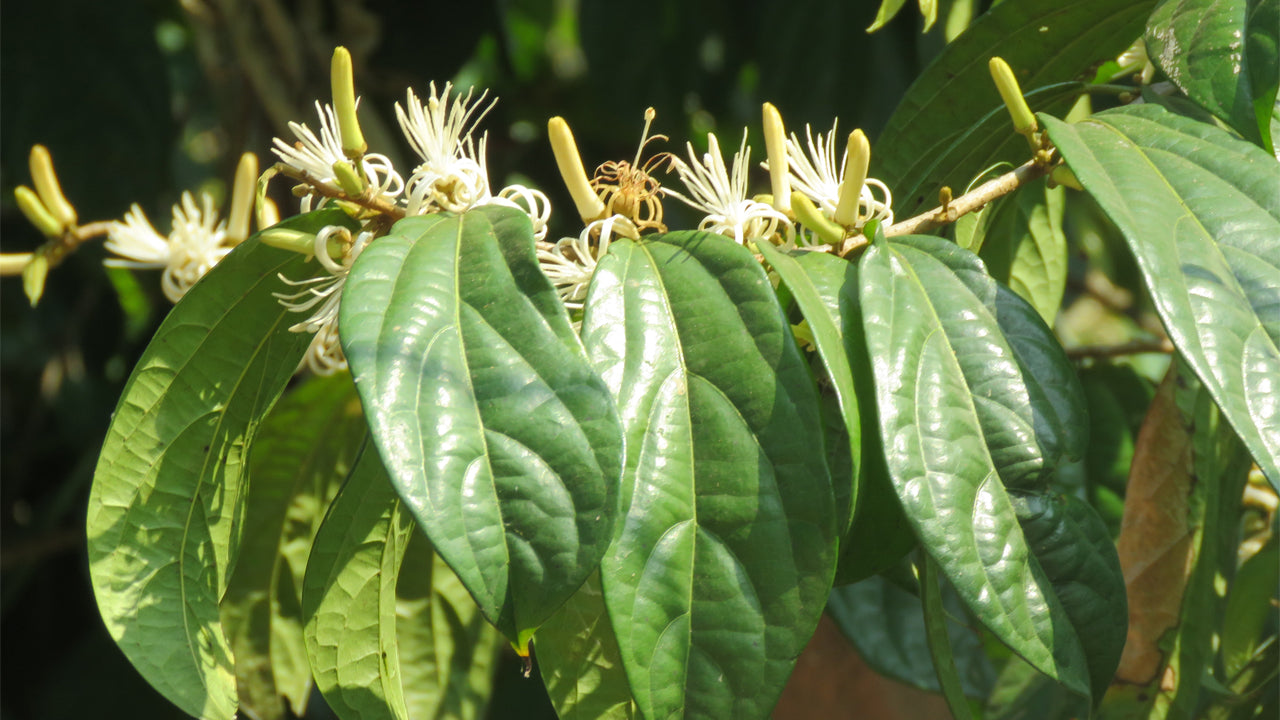
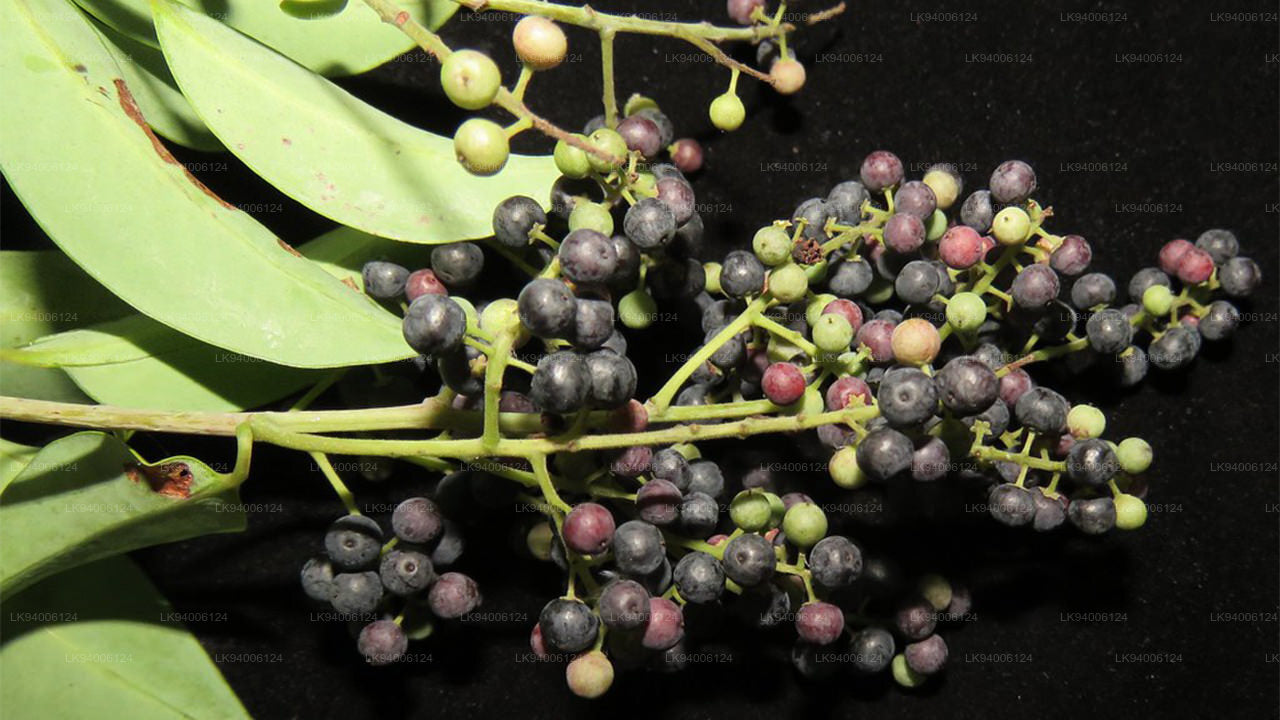
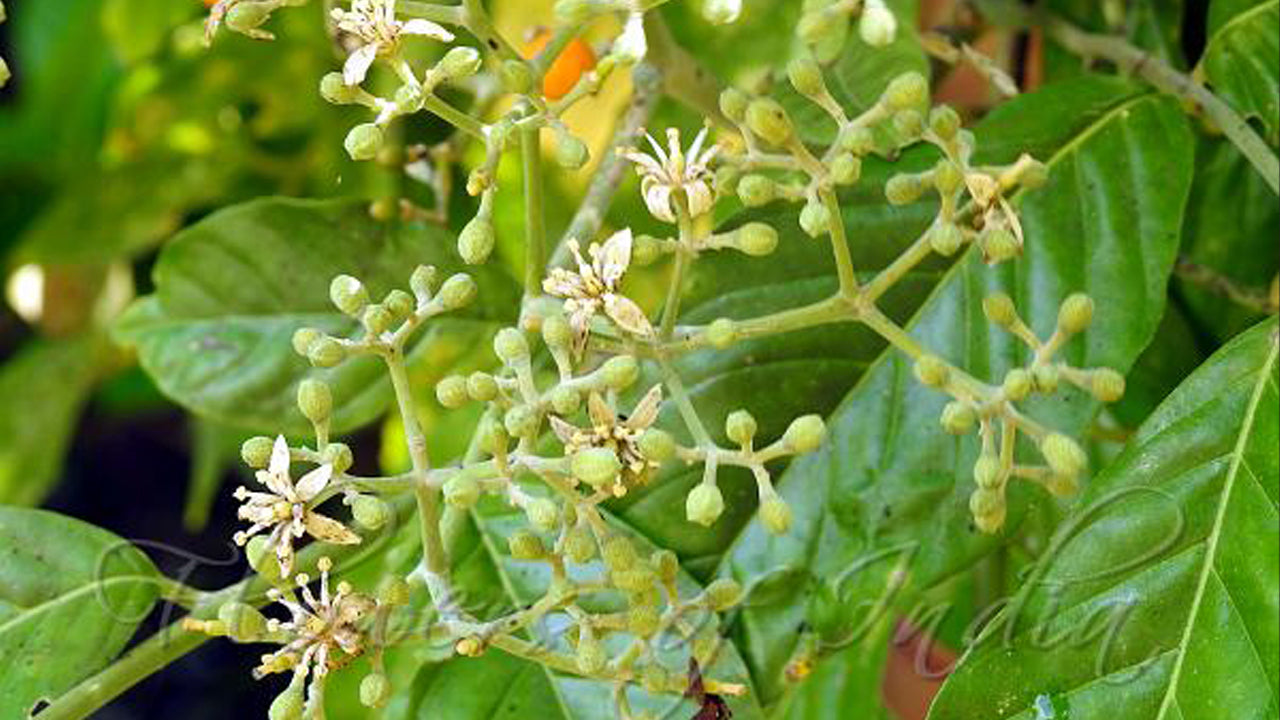
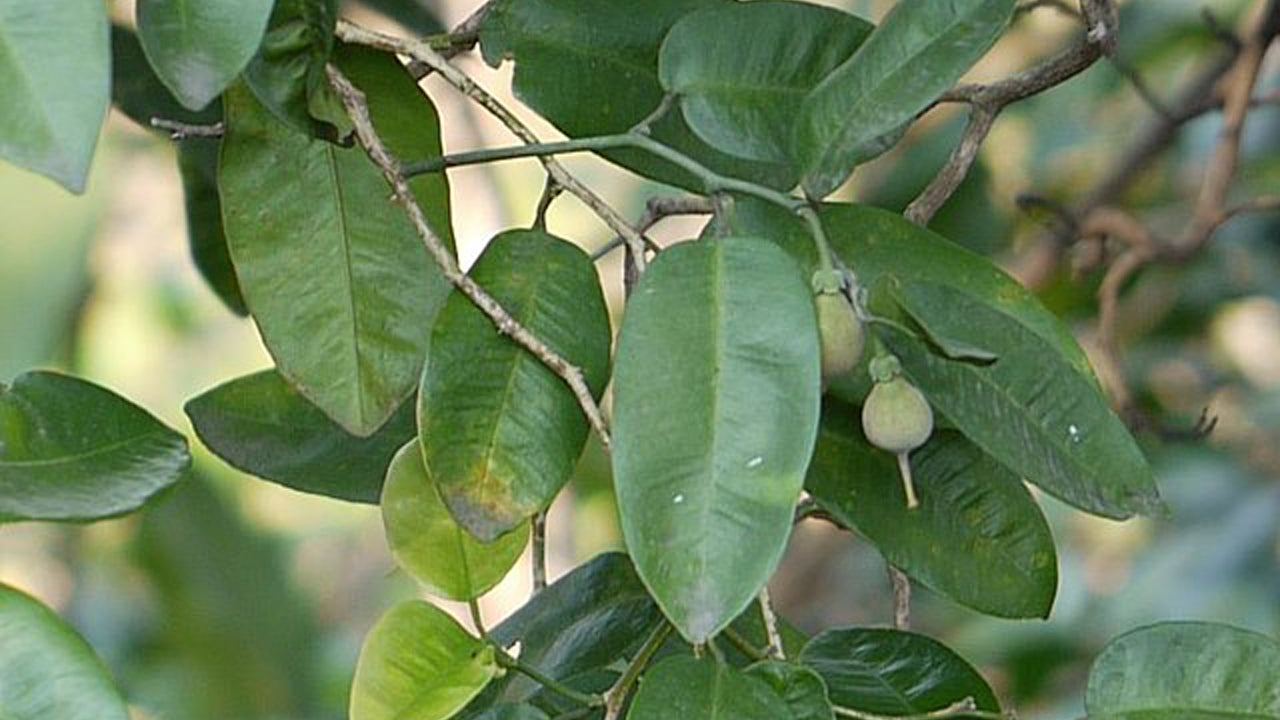
The genus Premna comprises dozens of species distributed across tropical and subtropical Asia, Africa, and the Pacific. Premna latifolia itself is a variable species, and the variety viburnoides represents one of the regionally distinct forms found in Sri Lanka's drier and transitional forest zones. The plant typically produces opposite, broadly ovate leaves, small tubular flowers arranged in corymb-like clusters, and dark drupes at fruiting. Its bark and root are the parts most commonly used in traditional medicine.
Within the classical Ayurvedic pharmacopoeia, Premna species are grouped among the Dashamoola — a combination of ten roots considered foundational to anti-inflammatory and tonic formulations. Sri Lankan Ayurveda (known locally as Deshiya Chikitsa) draws on indigenous plant varieties that may differ slightly from their Indian counterparts while fulfilling similar therapeutic roles.
Where does Premna latifolia var. viburnoides grow in Sri Lanka?
This variety is associated primarily with the dry and intermediate climatic zones of Sri Lanka, where it colonises scrubland, forest margins, and rocky outcrops at low to mid elevations. It is adapted to well-drained soils and periods of seasonal drought, making it a resilient component of the island's secondary forest vegetation. Populations have been recorded in the North Central and North Western provinces, areas that overlap with some of the island's most historically significant landscapes.
The dry-zone forests around Wilpattu National Park represent the kind of habitat where members of the Premna genus thrive alongside other medicinal and timber species, embedded within ecosystems that have remained relatively intact.
What are the traditional medicinal uses of this plant?
In Sri Lankan Ayurvedic practice, preparations derived from Premna latifolia and related varieties are employed in a number of therapeutic contexts:
- Roots and bark decoctions — traditionally used to address rheumatic complaints and general fatigue, consistent with the anti-inflammatory properties attributed to the Dashamoola group.
- Fever management — the plant has a place in formulations intended to reduce fever and support recovery during infectious illness.
- Digestive support — preparations are sometimes combined with other herbs to stimulate appetite and ease digestive discomfort.
- Tonic applications — as part of rasayana (rejuvenating) regimens, Premna root material contributes to compound formulas aimed at building general vitality.
It is worth noting that traditional uses recorded in Ayurvedic texts should be understood in their pharmacological and cultural context. Modern clinical research on the specific variety viburnoides remains limited, and practitioners work primarily from classical reference texts and accumulated empirical knowledge.
How does this plant relate to Sri Lanka's ayurvedic tradition?
Sri Lanka's system of indigenous medicine is one of the most codified in South Asia. Ancient medical manuscripts — including those preserved at temple libraries — document hundreds of local plant species and their applications. Plants such as Pongamia pinnata and Acacia chundra appear alongside Premna species in these records, reflecting a comprehensive botanical knowledge system that evolved in close relationship with the island's diverse ecosystems.
The integration of forest-sourced medicinal plants into daily life remains visible in rural Sri Lanka, where home gardens frequently contain species with dual culinary and therapeutic roles. Formal Ayurvedic institutions, government-regulated pharmacies, and village practitioners all continue to use Premna-based preparations, ensuring that botanical knowledge encoded in classical texts is not simply archival but actively applied.
What is the conservation status of Premna latifolia var. viburnoides?
Like many plants tied to dry-zone forest habitats, Premna latifolia and its varieties face indirect pressure from habitat fragmentation, agricultural encroachment, and unsustainable wild harvesting. Sri Lanka's Department of Ayurveda and various academic institutions have documented the island's medicinal flora, and ongoing herbarium and field-survey work helps track population health. The IUCN Red List provides global assessments for many plant species, though variety-level assessments for Sri Lankan endemics and near-endemics are not always current.
Conservation efforts for medicinal plants in Sri Lanka increasingly favour cultivated supply chains — encouraging growers to propagate high-demand species rather than extracting them from wild stands. This approach protects forest biodiversity while securing consistent-quality raw material for the Ayurvedic industry.
How is Premna latifolia var. viburnoides used in Ayurvedic formulations?
The plant is rarely used in isolation. Standard Ayurvedic practice incorporates Premna root as part of compound preparations, where synergistic combinations of herbs are believed to enhance efficacy while moderating individual herb potency. Key formulation types include:
- Kashaya (decoctions) — boiled extracts of dried root or bark, taken under practitioner guidance.
- Churna (powders) — dried and powdered plant material blended with other herbs for oral administration.
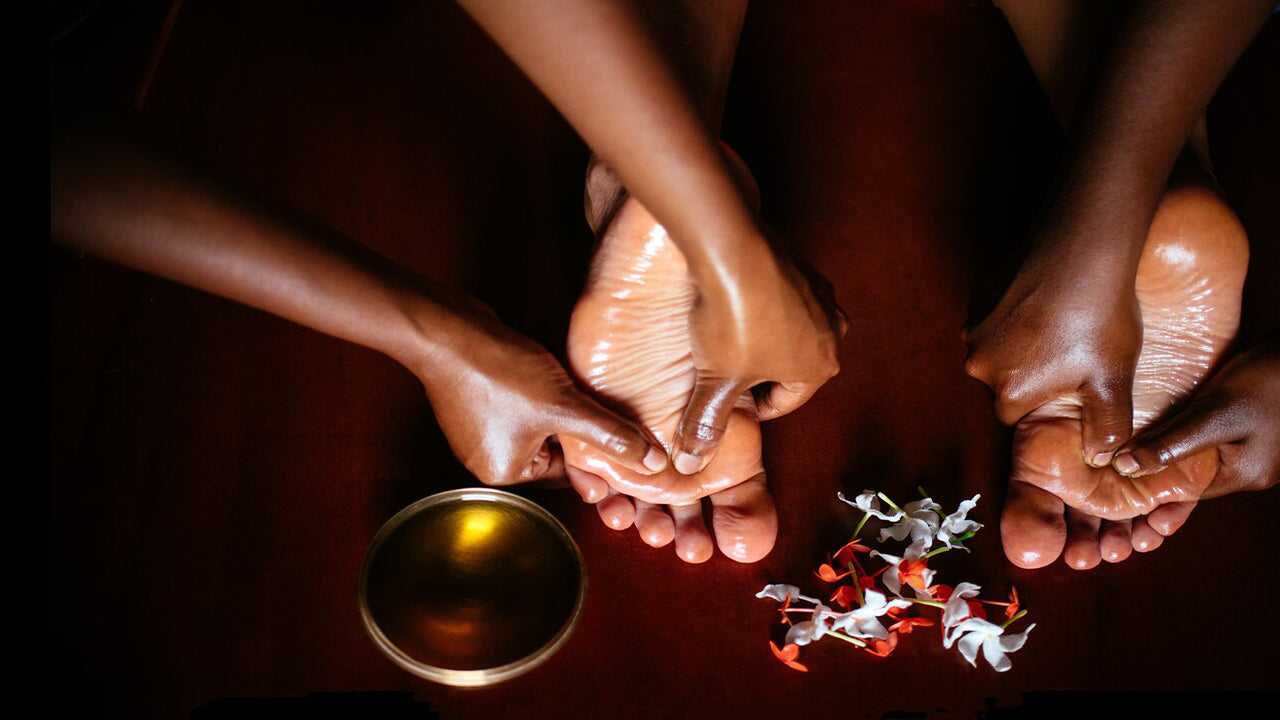
- Taila (medicated oils) — root extracts processed into sesame or coconut oil bases for topical or internal use in specific therapies.
- Compound classical formulas — such as Dashamoolarishta, where Premna root contributes to a fermented preparation used in respiratory and musculoskeletal conditions.
Dosage, preparation method, and therapeutic context should always be determined by a qualified Ayurvedic physician. Self-medication with wild-harvested plant material carries risks related to misidentification and variable potency.
Can visitors learn about Sri Lanka's medicinal plants in person?
Several experiences across Sri Lanka offer genuine insight into the island's botanical and Ayurvedic heritage. Herb gardens attached to Ayurvedic resorts and wellness centres allow visitors to see cultivated medicinal species at close range, often with guidance from trained practitioners. Village walks in forested areas — including routes through the Sinharaja Forest Reserve — can include naturalist commentary on the medicinal significance of plants encountered along the trail.
For those interested in the broader ecological context, Sri Lanka's protected areas preserve habitats where wild populations of species like Premna latifolia var. viburnoides remain part of functioning forest communities — a living pharmacy embedded in the landscape.