Merremia tridentata is a slender, trailing herb belonging to the genus Merremia within the morning glory family, Convolvulaceae. Commonly grouped with plants known as woodroses, the genus comprises around 80 species distributed across tropical and subtropical regions worldwide. M. tridentata in particular has attracted sustained attention from ethnobotanists and traditional healers for its wide-ranging medicinal applications across two continents.
What is Merremia tridentata and where does it grow?
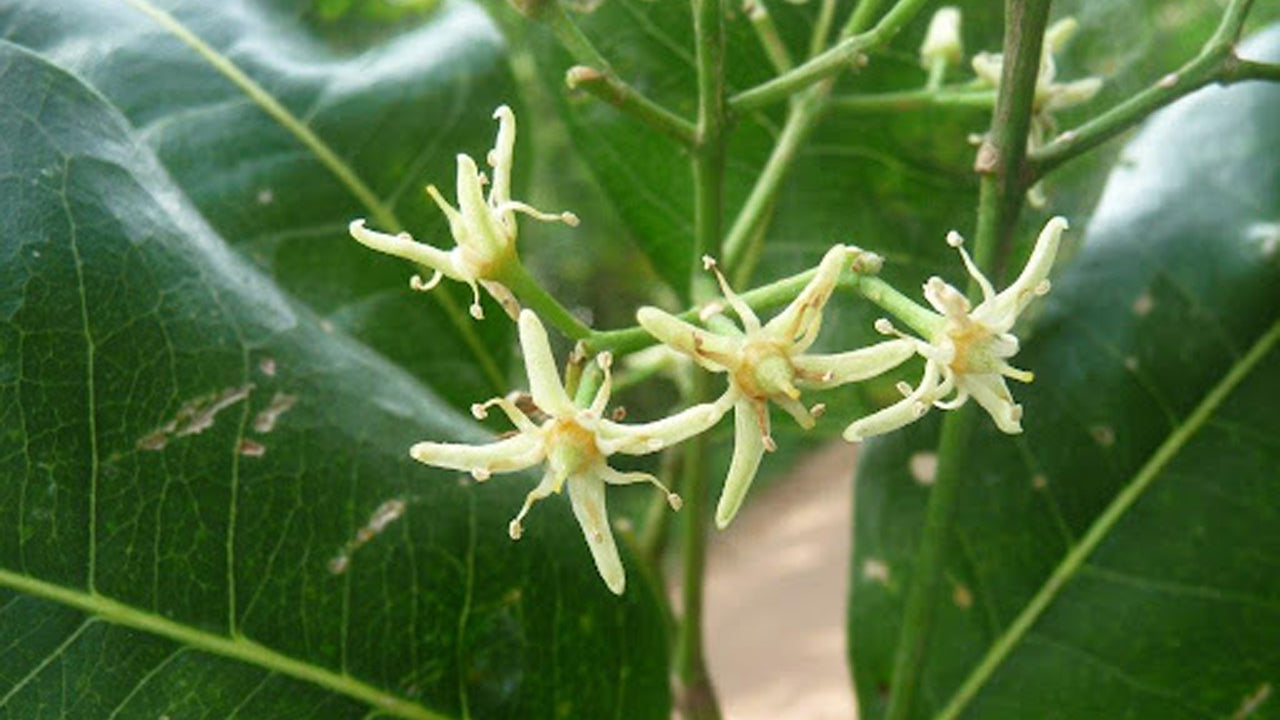
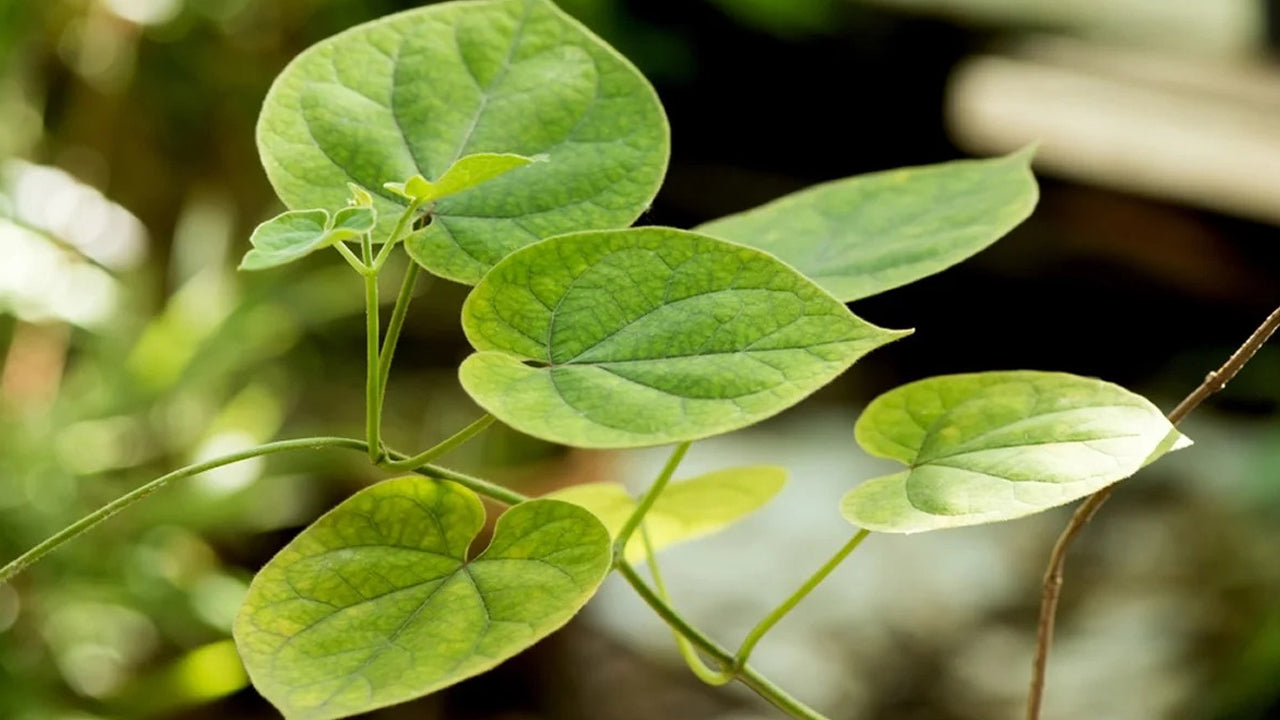
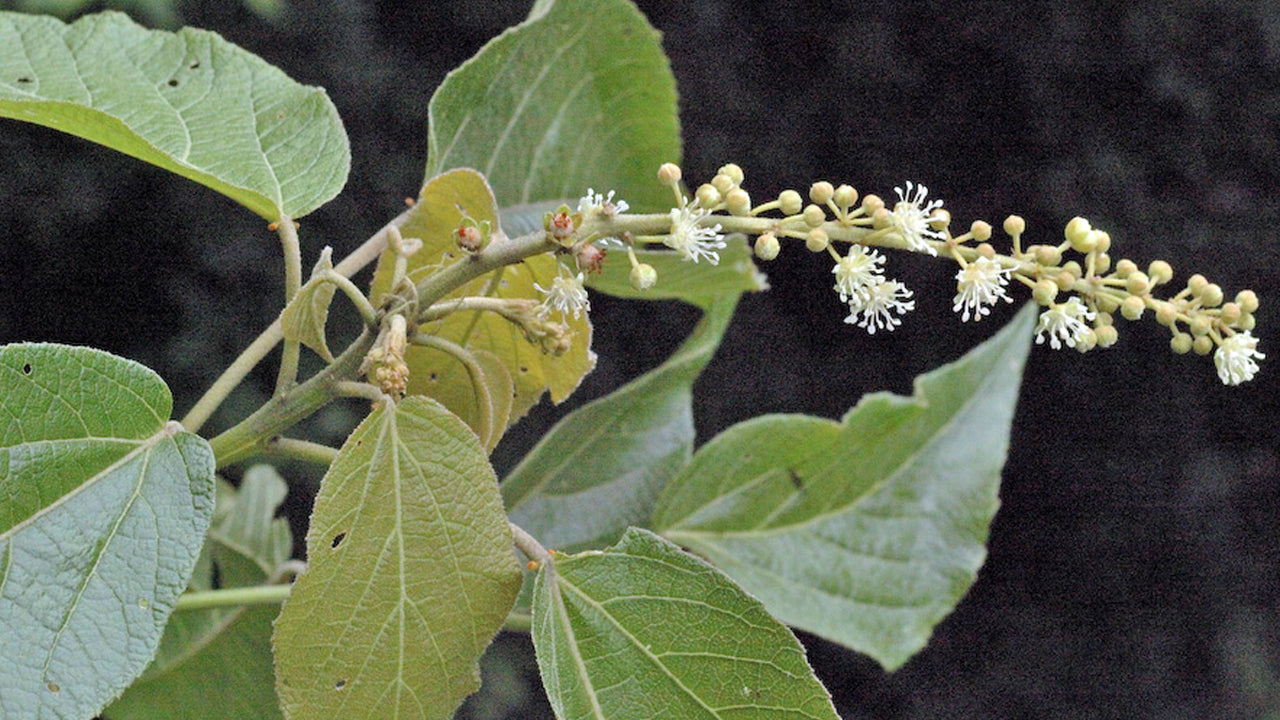
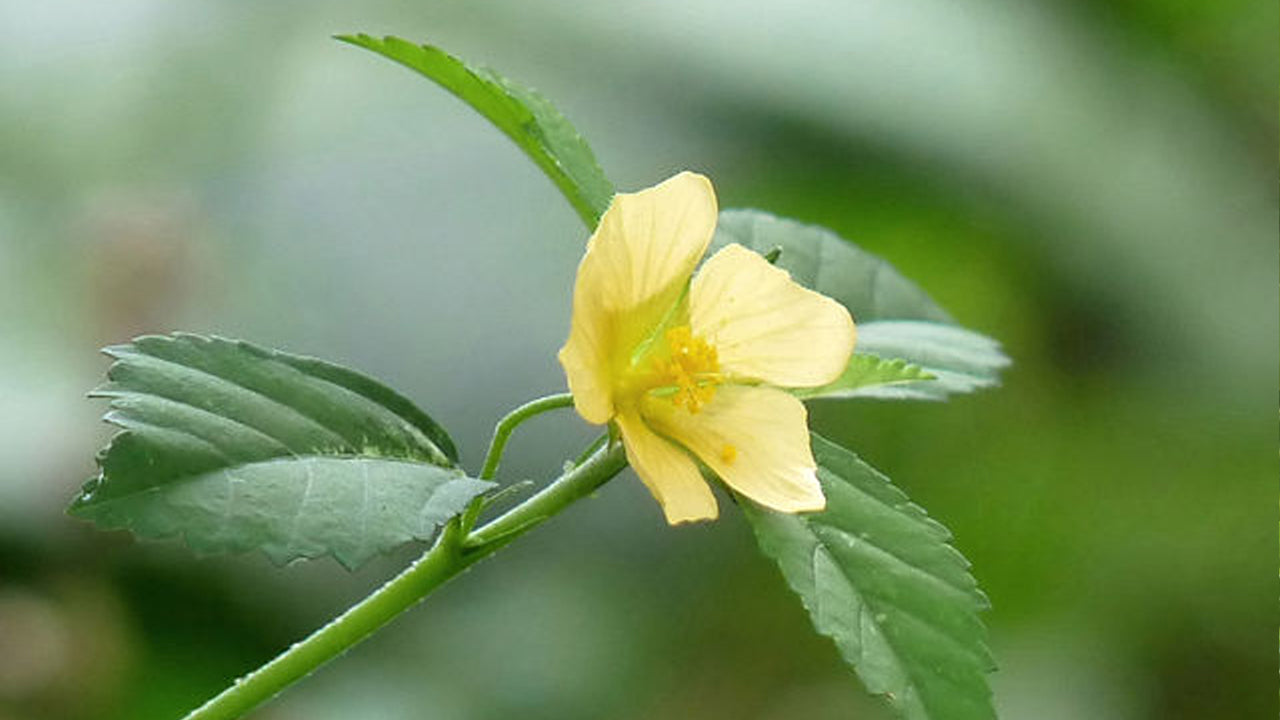
Merremia tridentata is a perennial herb with slender, prostrate or twining stems. It favours open grasslands, scrublands, and disturbed ground, thriving in tropical climates with well-drained soils. Its small, typically pale-yellow flowers are characteristic of the Convolvulaceae family, and its leaves are notably trilobed or tridentate — a morphological feature reflected in its species name. The plant is found across sub-Saharan Africa, the Indian subcontinent, and South East Asia, growing readily in both humid and seasonally dry conditions.
In Sri Lanka, M. tridentata appears in dry and intermediate zone scrub forests as well as along roadsides and field margins. It is listed in the official catalogue of Ayurvedic medicinal plants recognised by the Sri Lanka Ayurvedic Drugs Corporation, placing it within a long tradition of botanical medicine on the island.
How is Merremia tridentata used in traditional medicine in Africa?
Across West and Central Africa, M. tridentata occupies an important place in community-level ethnomedicine. In several countries, a maceration of the leaves is prepared and drunk as a first-response treatment after snakebite, though such applications should always be considered alongside access to formal medical care.
- Togo and Benin: The plant is combined with other botanical ingredients in a decoction taken against candida infections of the mouth, digestive tract, and anal region.
- West Africa (general): An infusion of the aerial parts, sometimes combined with Hyptis suaveolens, is used as a mouthwash for stomatitis and aphthae.
- Multiple regions: A decoction of leafy stems with leaves of Ocimum species is given orally or as an enema to infants suffering from stomach-ache.
- Jaundice relief: Vapour baths prepared from leafy twigs are traditionally taken to alleviate symptoms of jaundice.
- Niger: Pounded leaves combined with those of Ficus thonningii form a remedy taken orally for liver complaints.
- Northern Nigeria: A whole-plant decoction is taken as a treatment for gonorrhoea.
- Tanzania: Young children are bathed in a macerate of the plant as a traditional preventive or palliative measure against malaria.
- Zimbabwe: An ointment derived from the leaves is applied topically to inflammation of the navel cord in newborns.
- Senegal and Côte d'Ivoire: Decoctions of the whole plant or expressed root sap are used as eye drops for conditions such as conjunctivitis.
- Congo: A decoction of grated roots is similarly applied for eye ailments.
- Namibia: Root tea is consumed to address cardiac discomfort linked to emotional stress, and vapours from a plant decoction are inhaled for headache relief.
The breadth of these applications across disparate cultures points to a long history of independent ethnobotanical discovery, even if the active phytochemical mechanisms behind many of these uses are still being investigated by researchers.
What role does Merremia tridentata play in Sri Lankan Ayurveda?
Merremia tridentata is formally listed in the Ayurvedic pharmacopoeia catalogue maintained by Sri Lankan health authorities, situating it within one of the oldest continuously practised systems of medicine in the world. Ayurveda in Sri Lanka draws on a rich local biodiversity, incorporating plants that are native to the island as well as those naturalised from the Indian subcontinent over centuries of trade and cultural exchange.
Within the Ayurvedic tradition, plants like M. tridentata are valued not simply as sources of bioactive compounds but as part of a broader therapeutic philosophy that considers constitution, season, and preparation method. The plant's classification within this pharmacopoeia signals that traditional practitioners have documented its uses and that it meets baseline criteria for inclusion in medically sanctioned herbal practice. For those interested in comparable Ayurvedic botanical entries on Lakpura, the profile of Acacia chundra offers a useful parallel — another dry-zone plant documented in both South Asian and African traditional medicine systems.
What does current research say about Merremia tridentata?
Scientific investigation into M. tridentata is ongoing, though the evidence base remains considerably smaller than that for more widely studied medicinal plants. Phytochemical screening has identified the presence of flavonoids, tannins, alkaloids, and terpenoids in various plant parts — compound classes that frequently underpin the antimicrobial, anti-inflammatory, and antioxidant activities claimed by traditional practitioners. However, the majority of studies are in vitro or involve animal models, and no large-scale clinical trials have validated specific therapeutic applications in humans.
Researchers have also noted the ethnopharmacological consistency across geographically distant communities: where similar preparations appear independently across West Africa, East Africa, and South Asia, this convergence is sometimes taken as a signal worth prioritising for further biomedical study. M. tridentata is one of several Convolvulaceae species considered a candidate for more rigorous pharmacological investigation.
Is Merremia tridentata related to other plants in the same family?
The Convolvulaceae family is large and ecologically diverse, encompassing staple food crops such as sweet potato (Ipomoea batatas), ornamental climbers, and a range of medicinal herbs. Within the genus Merremia itself, several species have been documented for traditional use — among them Merremia mammosa in Southeast Asia and Merremia hederacea across tropical Asia.
What distinguishes M. tridentata from many relatives is the geographic breadth of its documented medicinal use and its formal inclusion in multiple national pharmacopoeial systems. Its trailing growth habit also distinguishes it visually from the larger woody climbers or shrubby species found elsewhere in the genus.
Can visitors encounter Merremia tridentata while travelling in Sri Lanka?
Travellers exploring Sri Lanka's dry zone — areas such as the Cultural Triangle, the northern plains, or the scrub forests surrounding wildlife parks — are likely to encounter M. tridentata growing naturally along roadsides and at forest margins. The plant's modest size and trailing habit mean it is easily overlooked without some botanical knowledge, though its small funnel-shaped flowers are distinctive during the blooming period.
For those with a specific interest in Sri Lanka's ethnobotanical heritage, guided experiences within places like the Sinharaja Forest Reserve can offer a broader introduction to the island's remarkable plant diversity, including species used in traditional medicine. Village-based Ayurvedic practitioners — particularly in the Kandy and Kurunegala districts — occasionally offer demonstrations of plant identification and preparation as part of cultural tourism programmes.
How is Merremia tridentata prepared for medicinal use?
Different traditions employ different parts of the plant and different preparation methods. The most commonly documented preparations include:
- Decoctions: Aerial parts or roots are simmered in water, with the resulting liquid consumed or applied topically.
- Macerations: Fresh plant material is soaked in cold water and the liquid strained for use as a wash or drink.
- Infusions: Leaves or stems are steeped in hot water, similar to a herbal tea, and used as a mouthwash or taken internally.
- Topical ointments: Ground or mashed leaves are combined with a carrier and applied to the skin surface.
- Vapour baths: Fresh leafy material is added to boiling water, and the steam is directed toward the body for inhalation or surface exposure.
It is important to note that traditional preparations documented in ethnobotanical literature are cultural practices with historical context. They should not be substituted for evidence-based medical treatment without guidance from a qualified healthcare professional.