Lygodium flexuosum


As the saying goes, when you are in the middle of many problems that are difficult to solve, it is like being stuck in a bamboo barn. The file made from it, which includes these vines, is called a rope. The young stem of the palm vine is green and the mature stem is purplish black. Compound leaves are smooth or slightly wrinkled. Leaflets take different shapes. Clusters of pods, or soras, protrude from the leaf stem. Out of them the spread of spore production takes place.
Lygodium microphyllum is also known as Pamba vine. Native plant species of cotton & Lygodiaceae are herbivores. It is another naturalized plant that bears beautiful red flowers. Country palm should not be confused with local palm species mentioned by that name.
The roots, leaves and vines of the cotton plant are used to treat eye diseases, ulcers, wounds, swellings, cuts, gunshot wounds, etc. Chandrakanti thalaya, Ketaki thalaya, Agraraja thalaya, Divyaraja thalaya, Nawa Patala thalaya are the medicines produced by Pamba vines.
Gunshot wounds are treated with cotton collared wound oil. Pamba leaves, tamarind leaves, millet leaves should be ground and applied with lime juice for swelling. The product of papaya leaves, bombu leaves and pomegranate leaves are used to treat eye diseases. Cotton leaves can be taken as poultice. Villagers make porridge using pamba leaves and it is said that cooked porridge is good for cough and back.
Lygodium flexuosum is part of the catalog of ayurvedic medicinal plants of Sri Lanka.


-
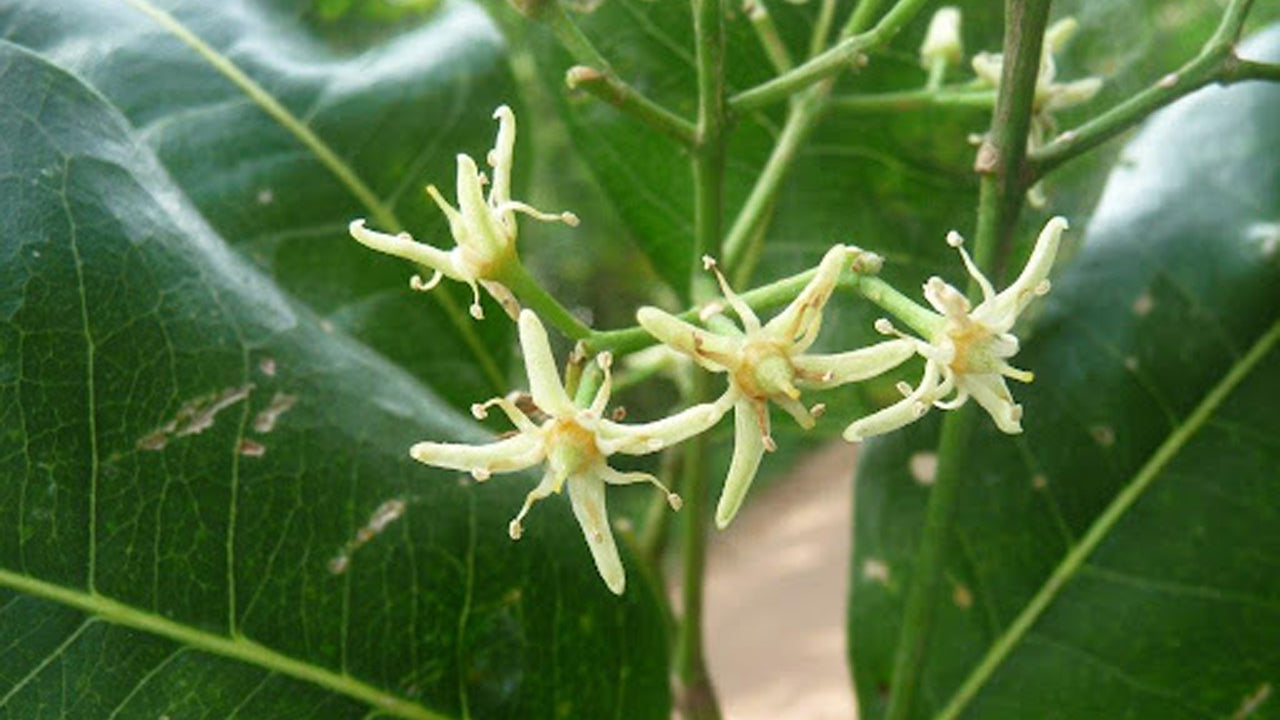
Claw-flowered laurel
Acronychia pedunculata -
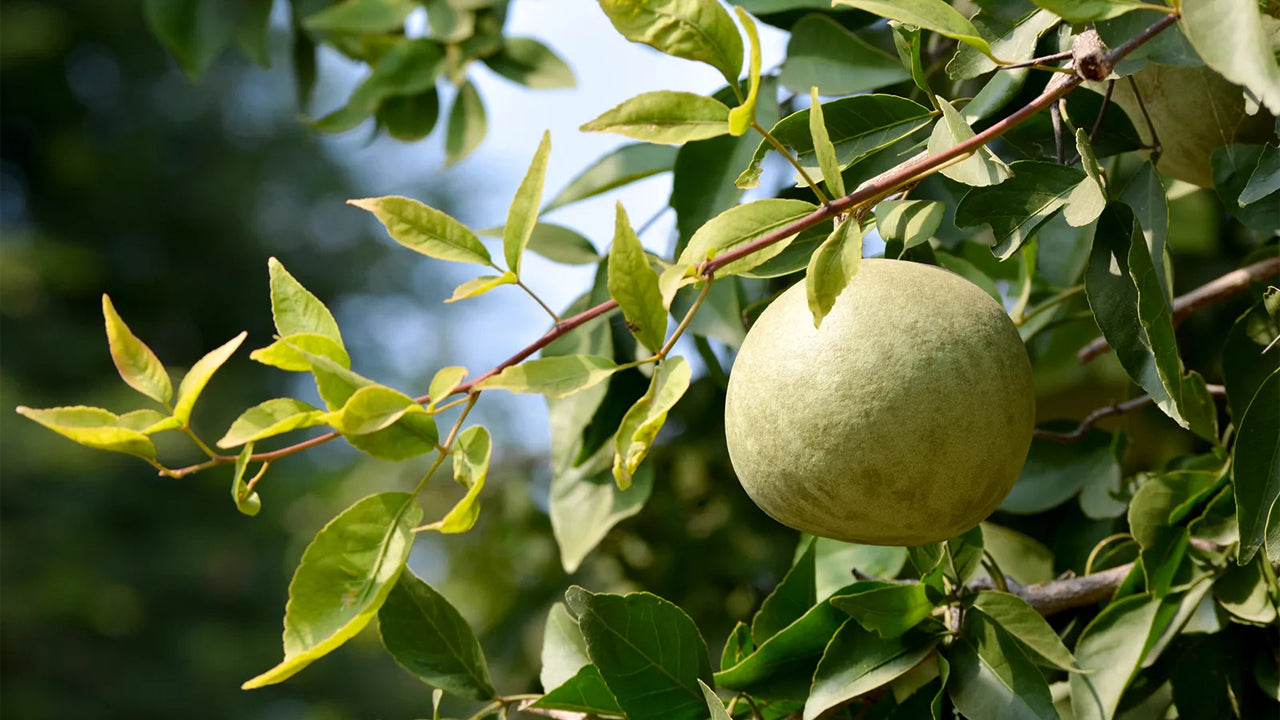
Bael
Aegle marmelos -
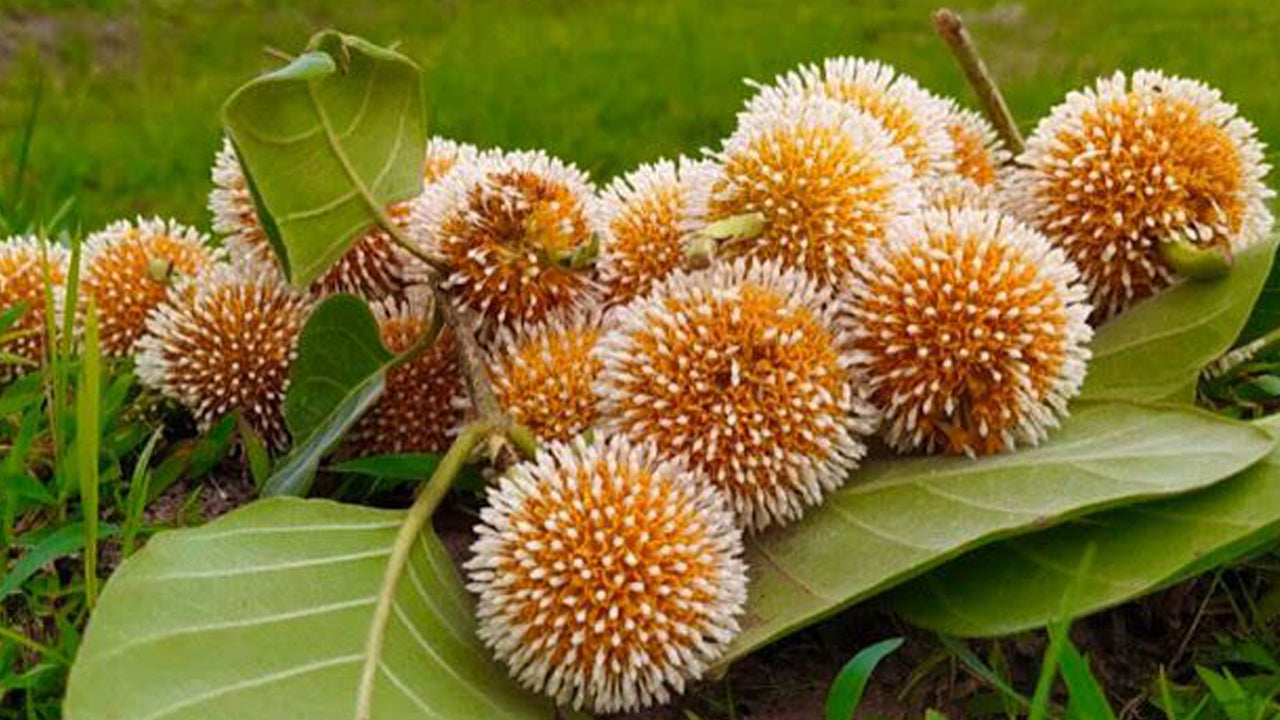
Leichhardt tree
Nauclea orientalis -
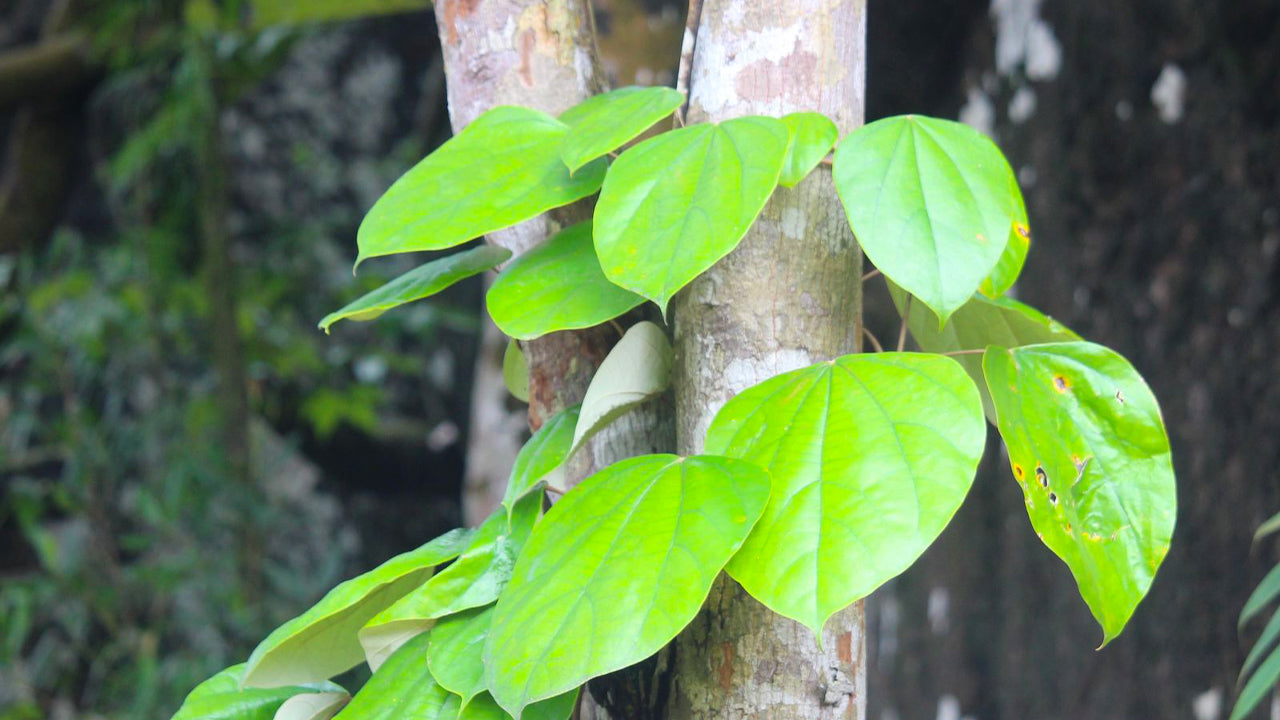
False Calumba
Coscinium fenestratum -

Malabar Gulbel
Tinospora malabarica -
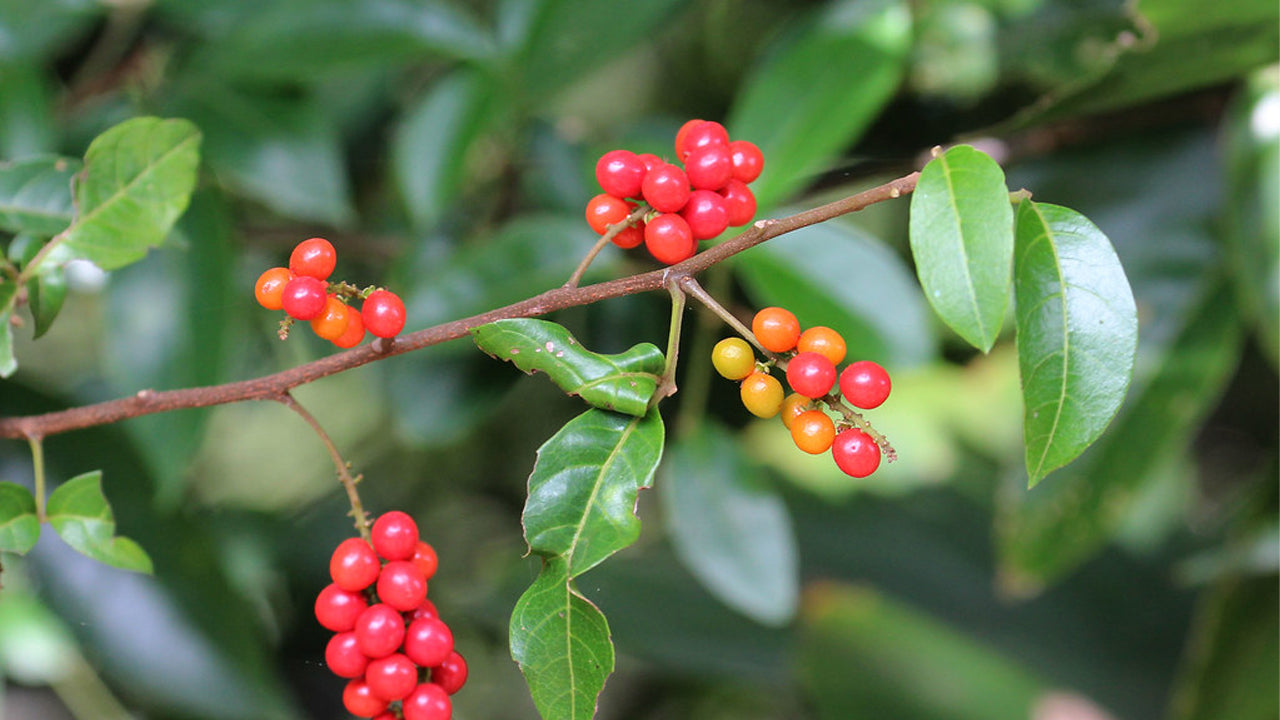
Titberry
Allophylus cobbe -
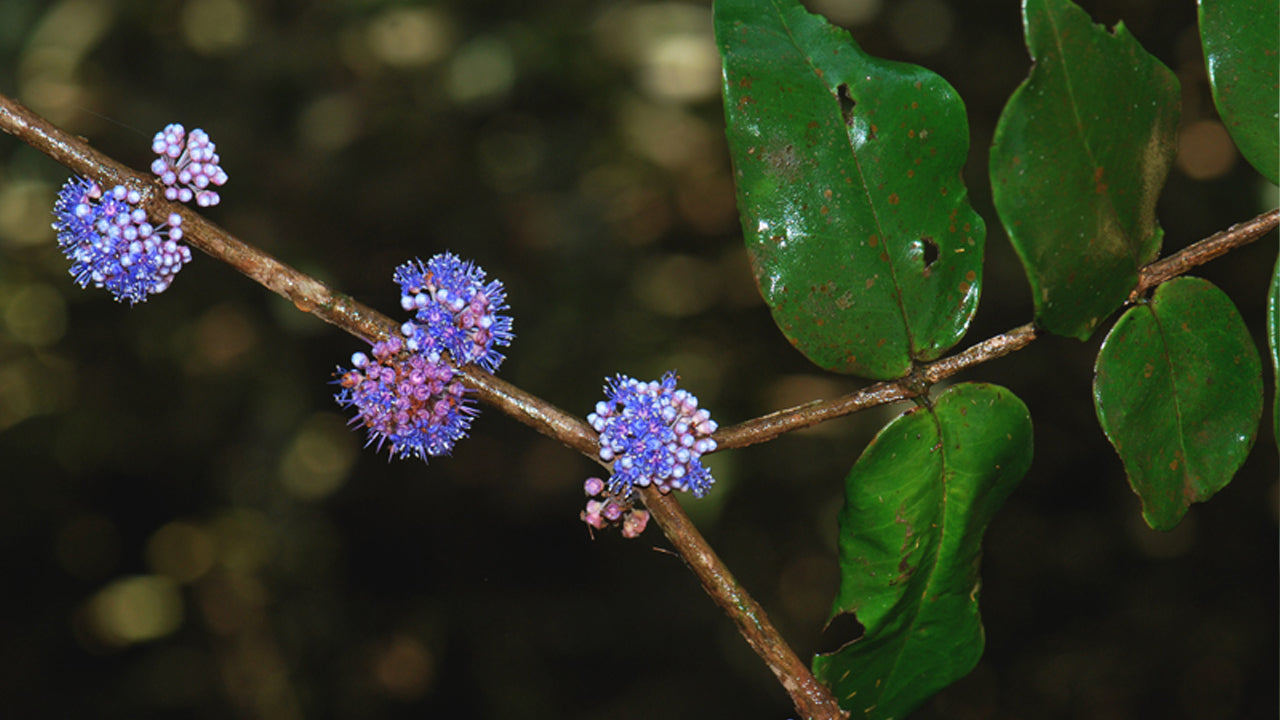
Ironwood Tree
Memecylon capitellatum -
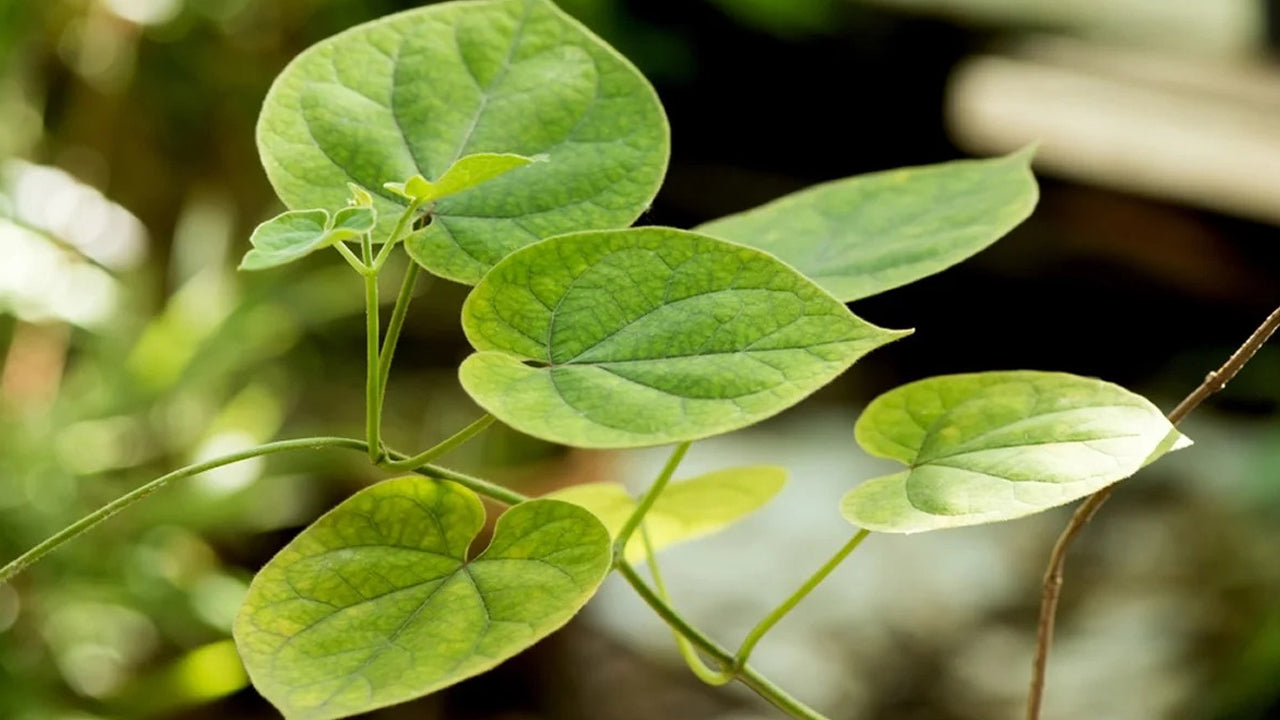
Velvet Leaf
Cissampelos pareira -
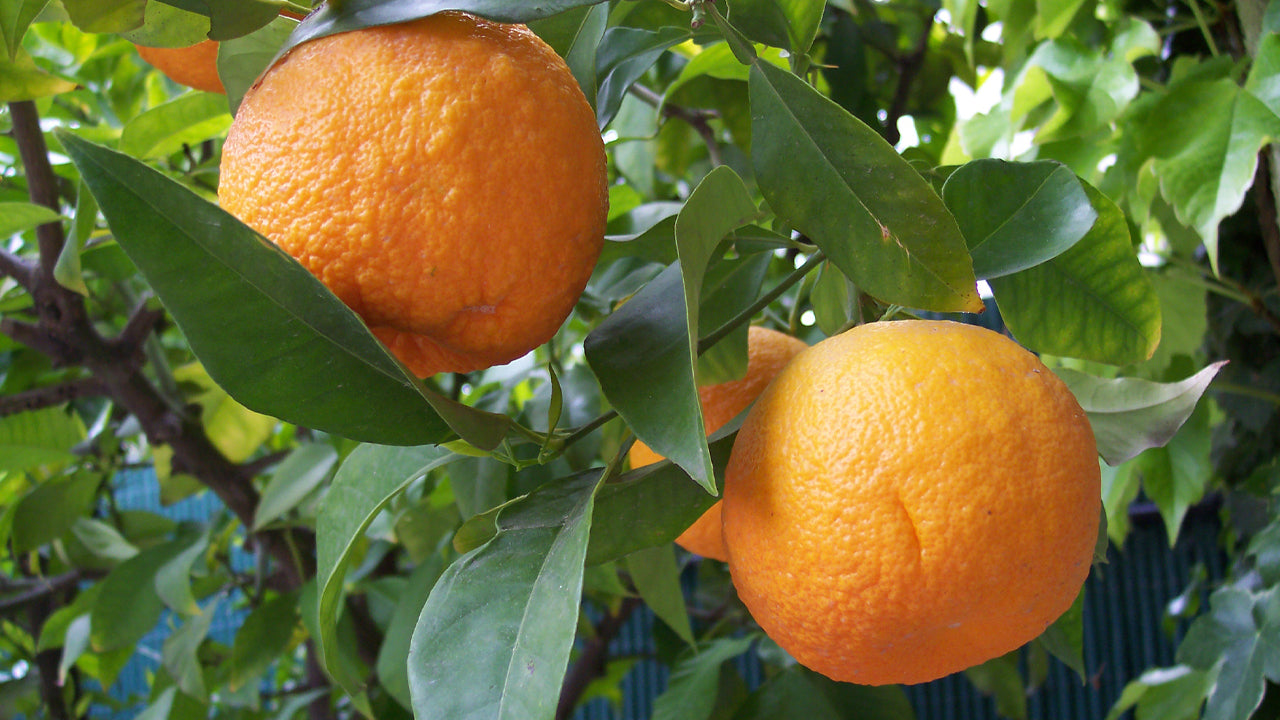
Bitter orange
Citrus aurantium -

Reinwardt's Tree Plant
Biophytun reinward -
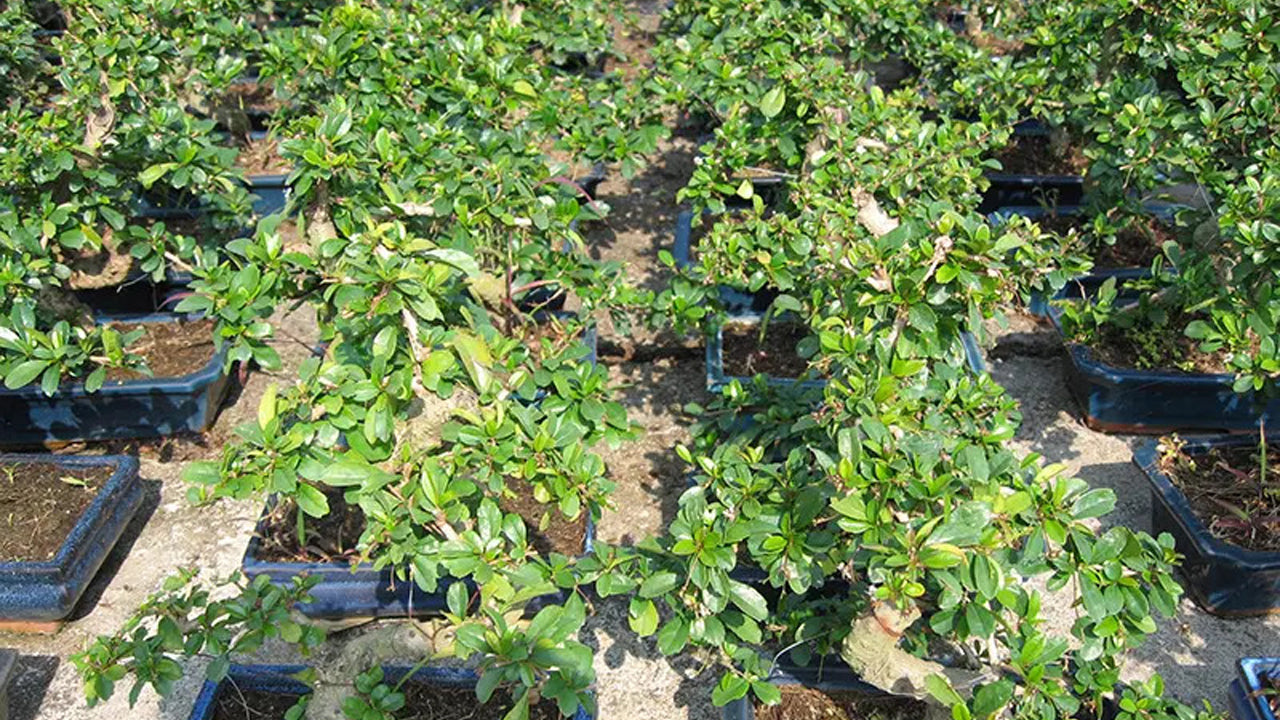
Fukien tea
Carmona microphylla -
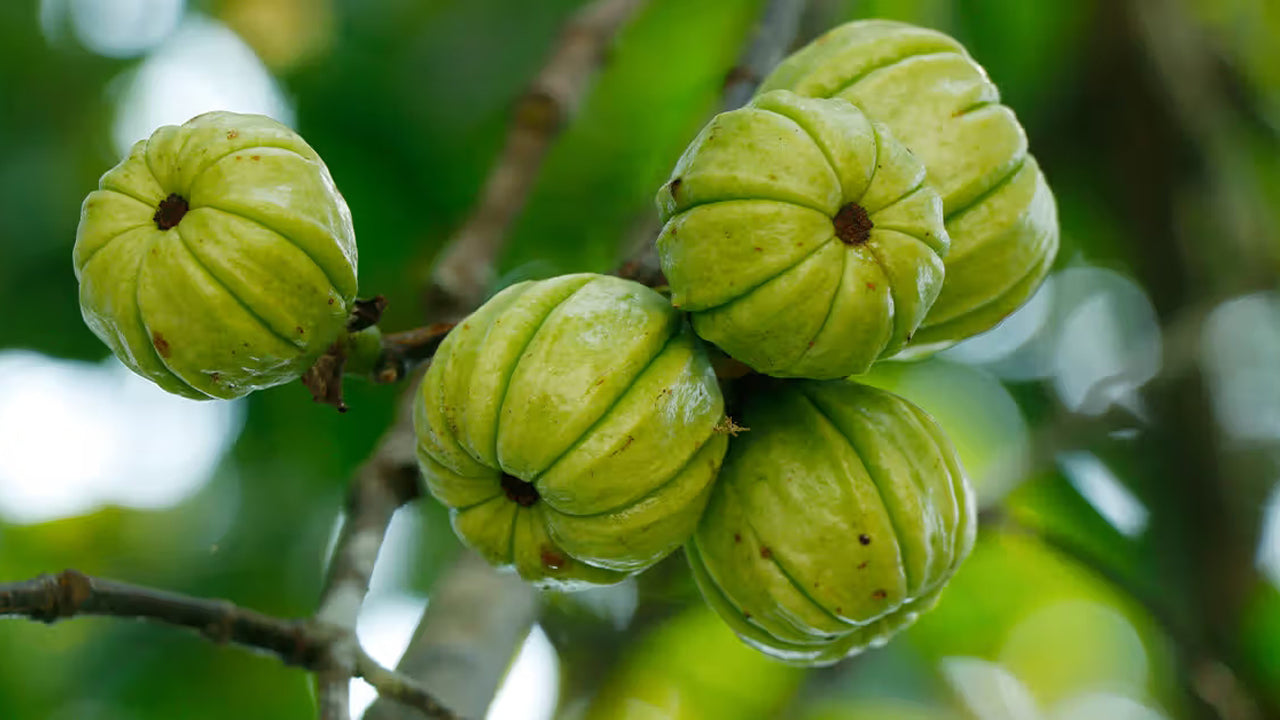
Malabar tamarind
Garcinia cambogia -
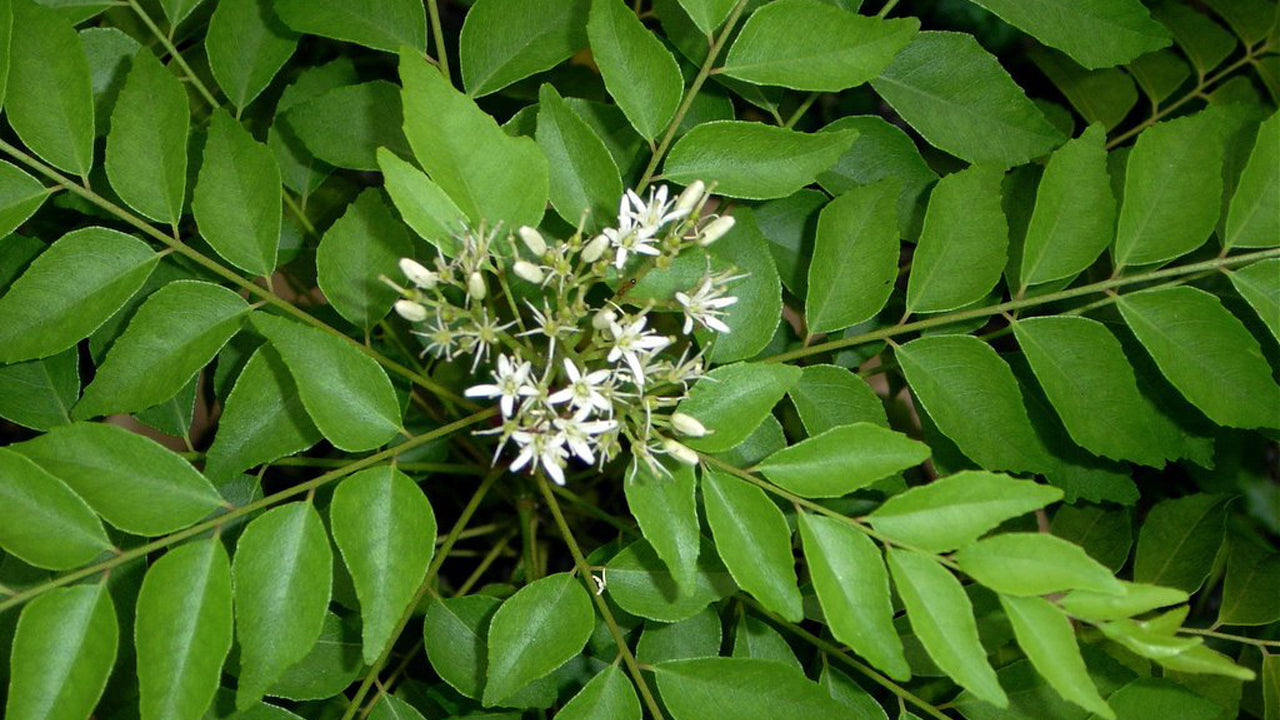
Curry leaf tree
Murraya koenigii -
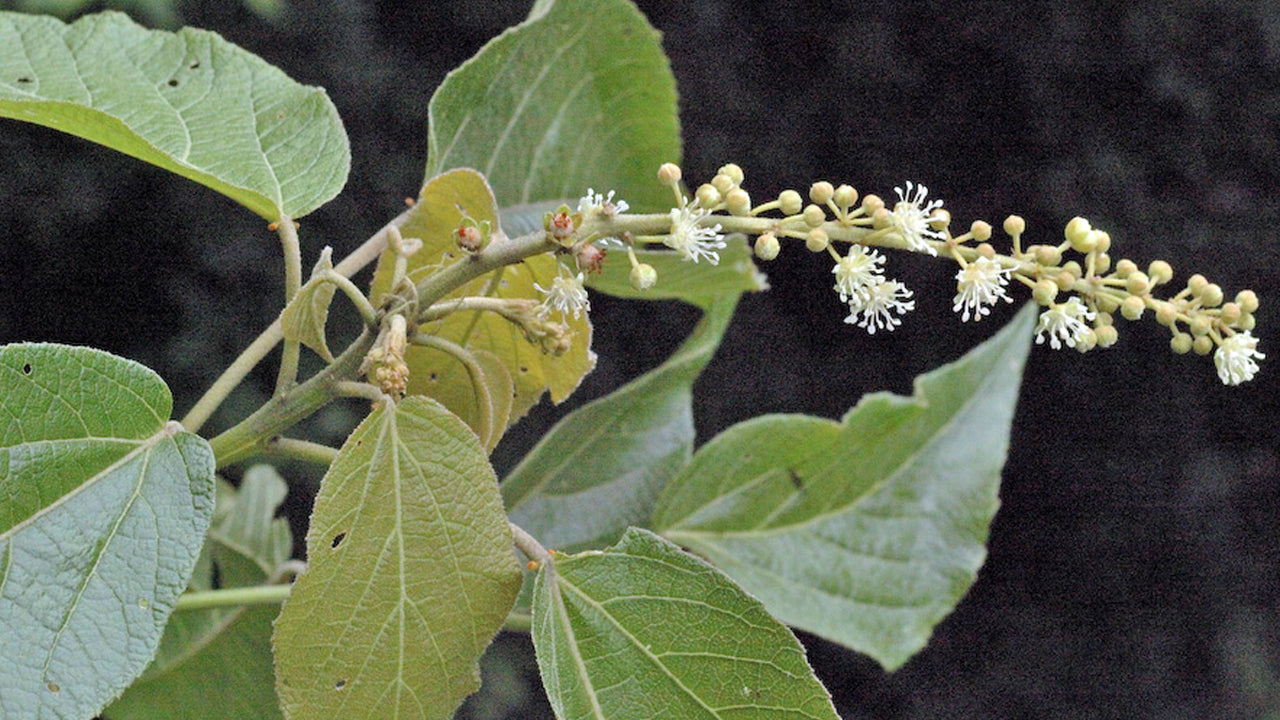
Kappetiya
Croton laccifer -
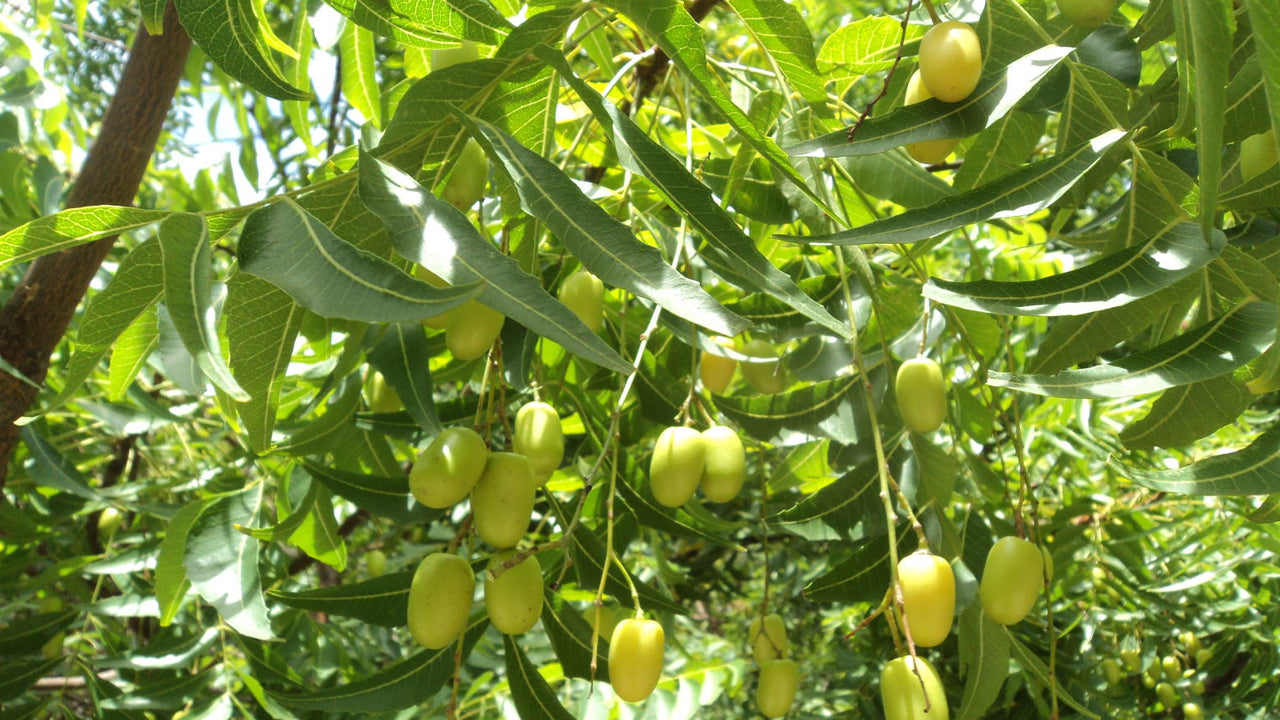
Indian lilac
Azadirachta indica -
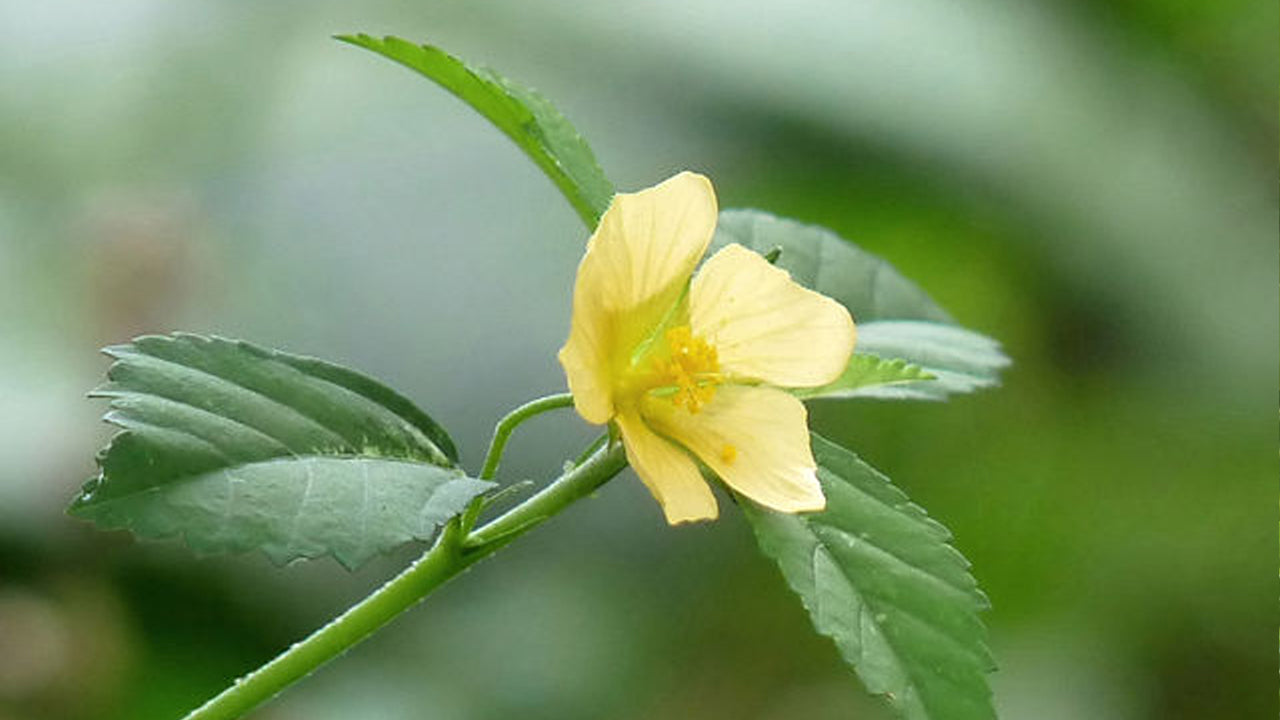
Spiny sida
Sida alba -
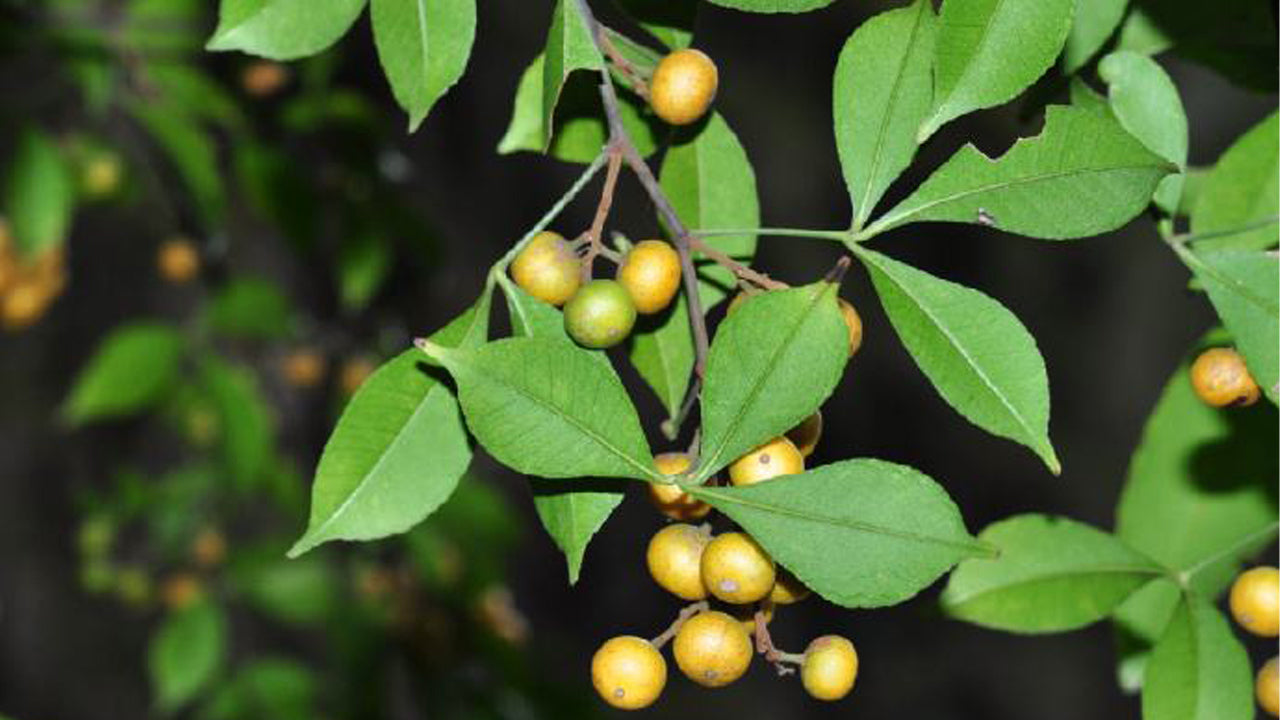
Orange climber
Toddlia asiatica -
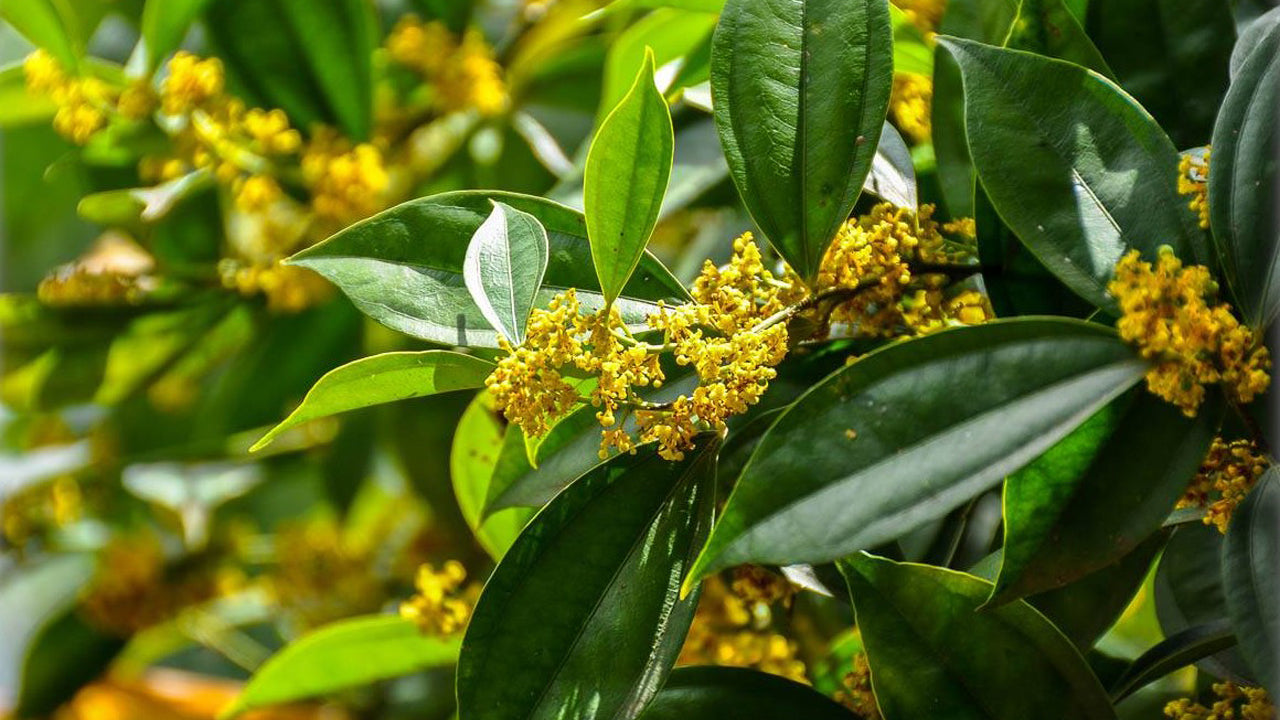
Ceylon cinnamon
Cinnamomum zeylanicum -
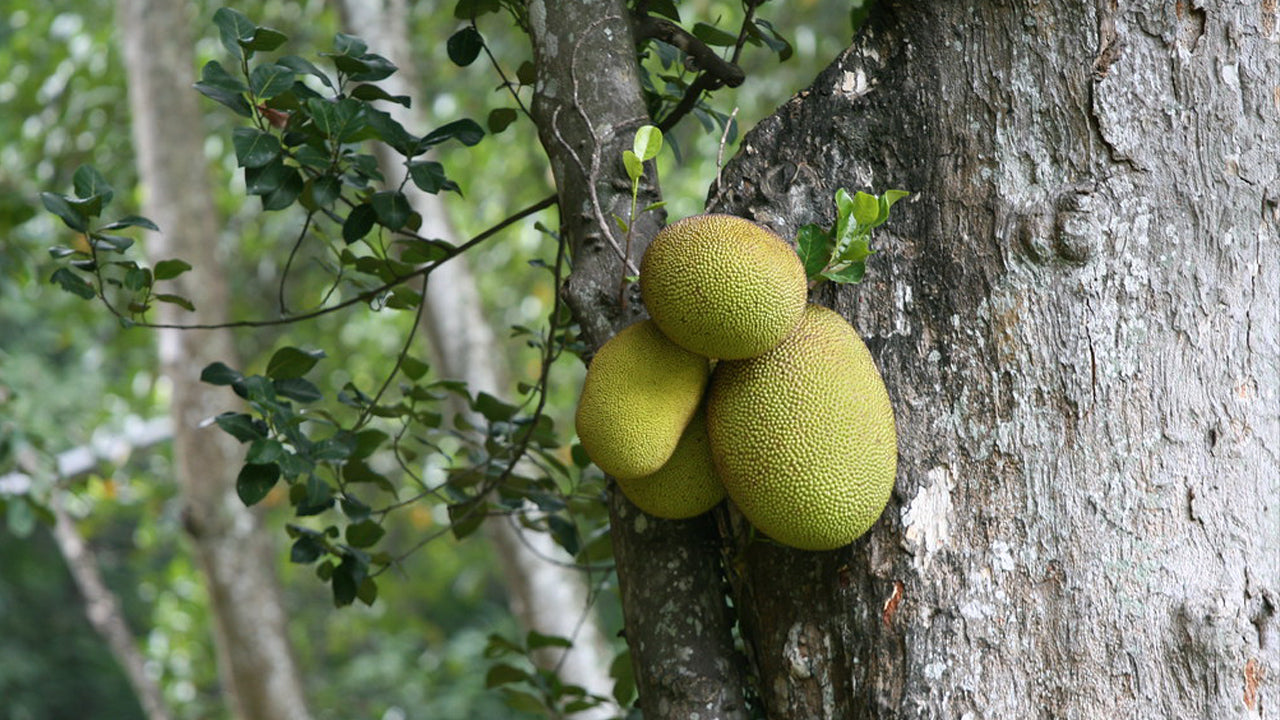
Jackfruit
Artocarpus heterophyllus -
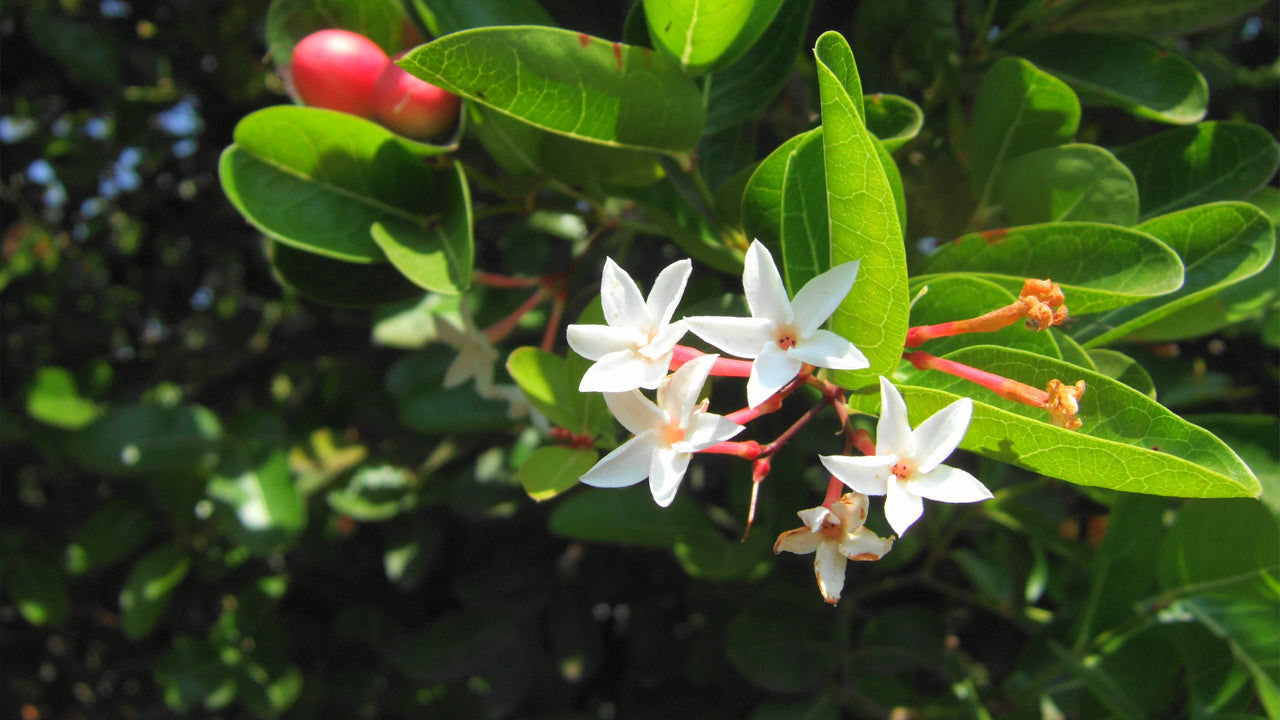
Karonda
Carissa carandas -
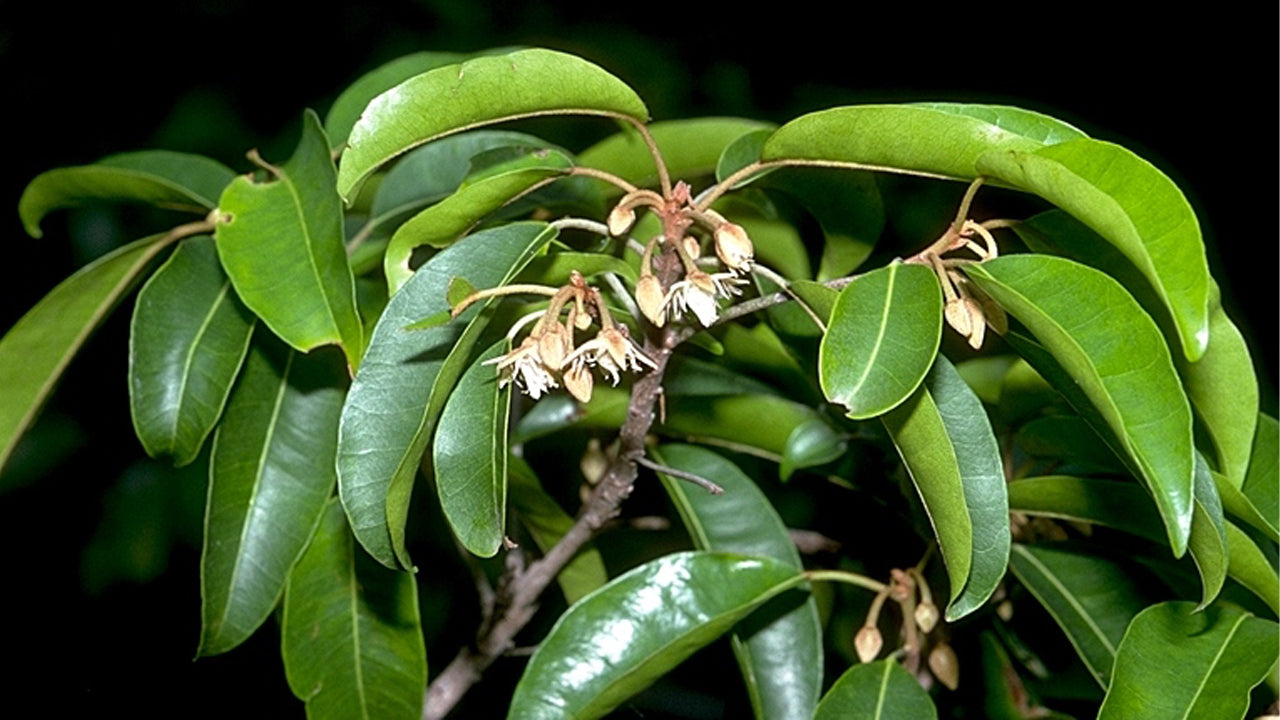
Spanish cherry
Mimusops elengi -
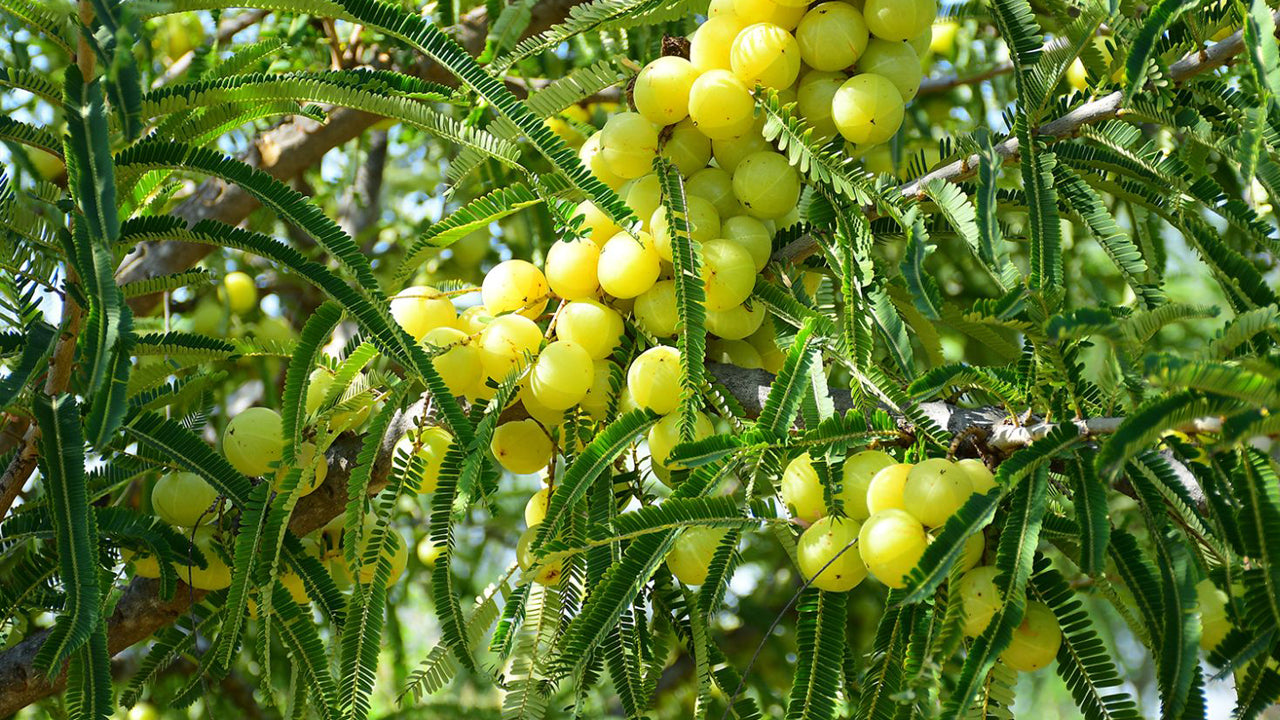
Indian gooseberry
Phyltanthus emblica -
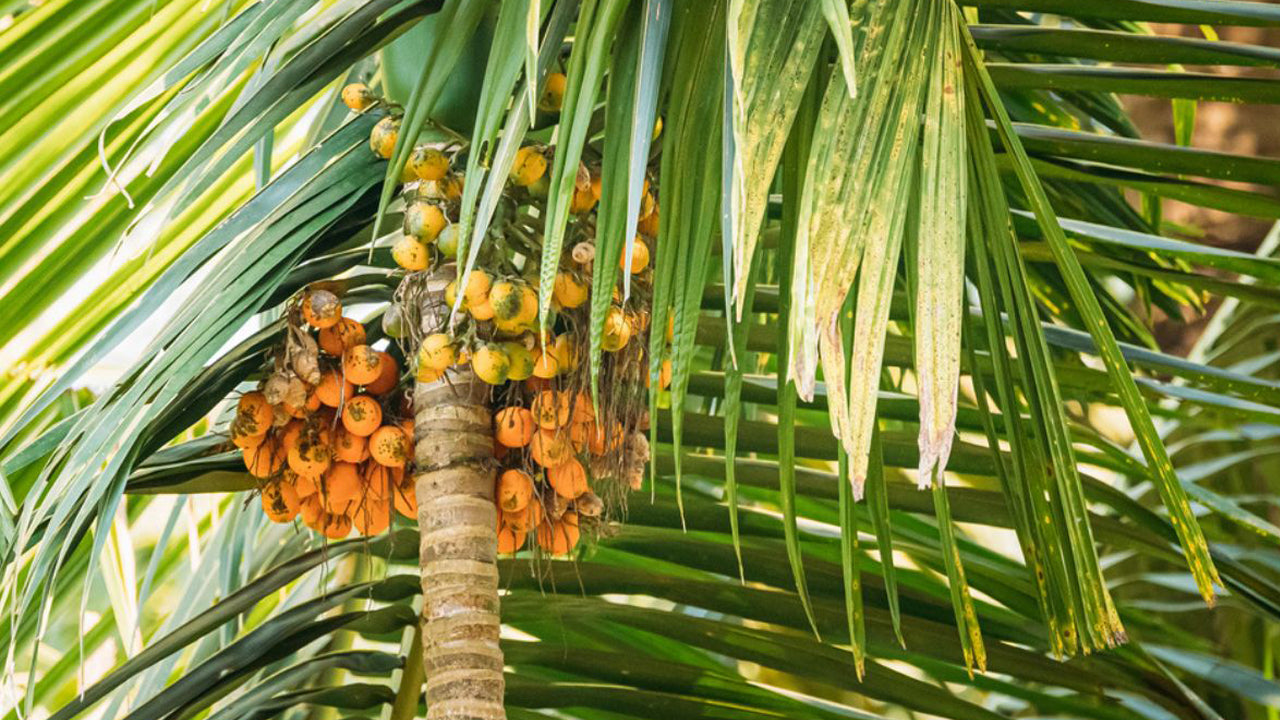
Betel palm
Areca catechu -
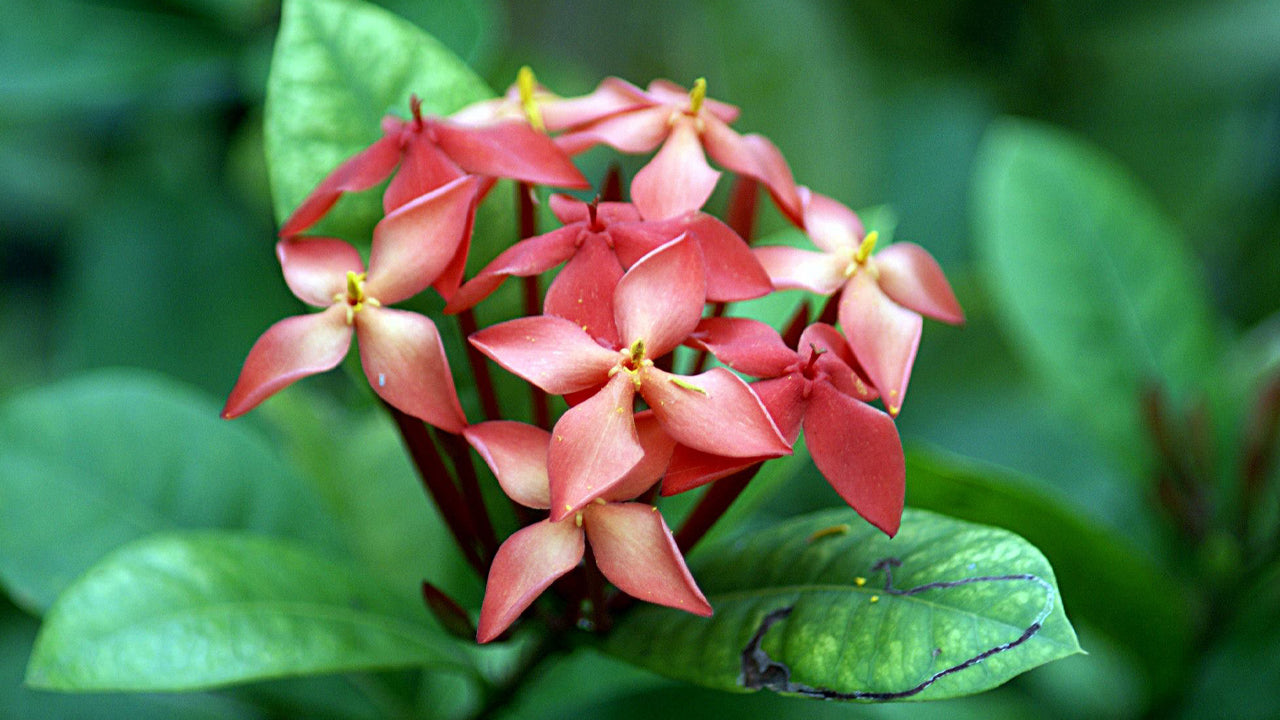
Jungle geranium
Ixora coccinea -
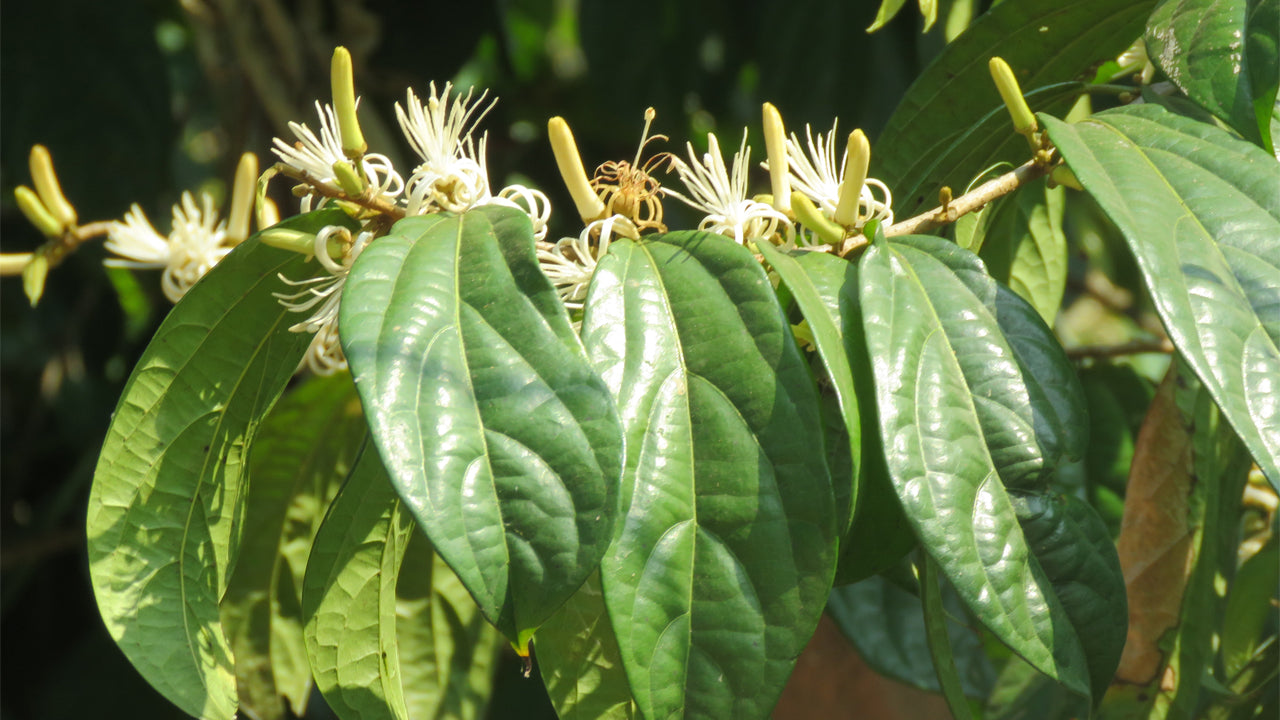
Sage-leaved alangium
Alangium salviifolium -
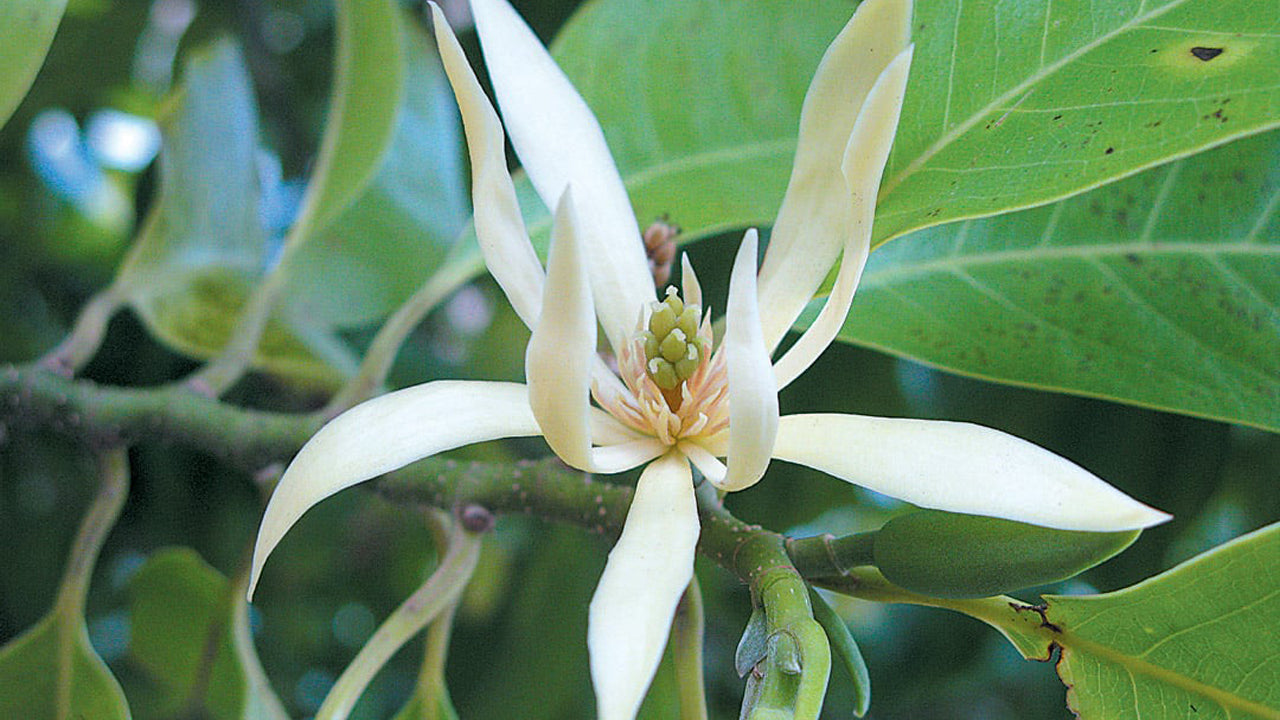
Champak
Michelia champaca -
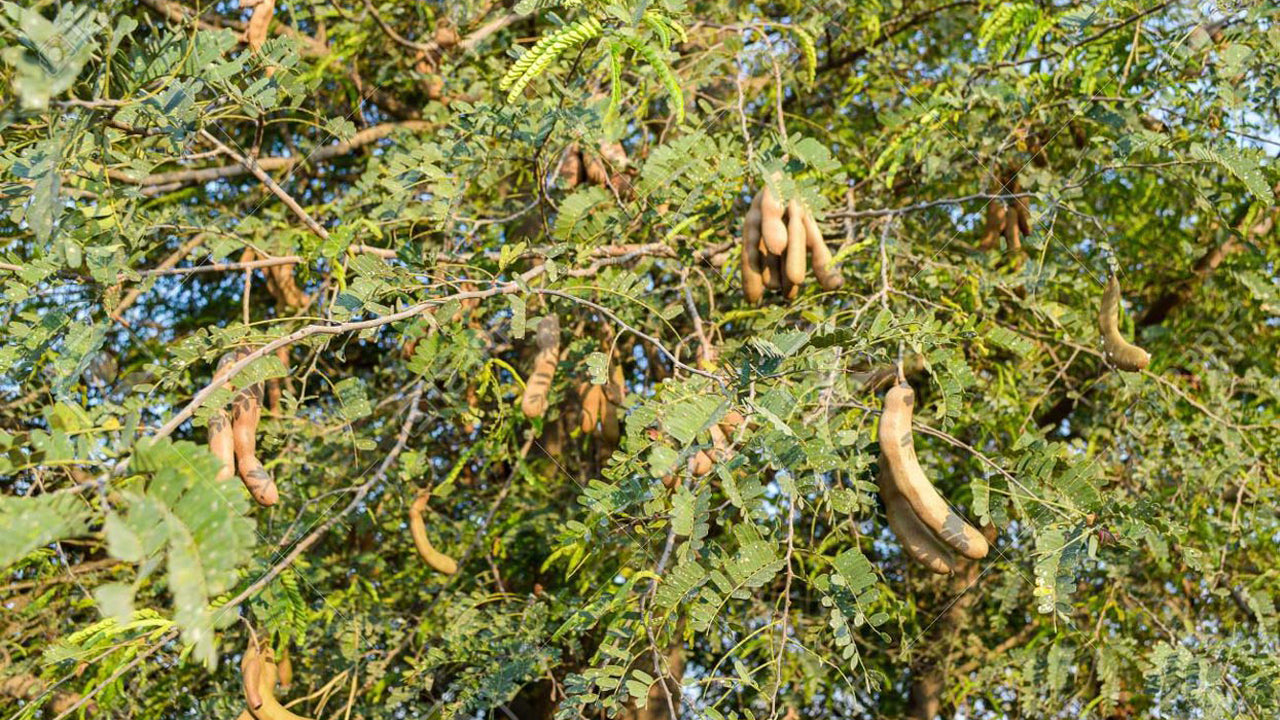
Tamarind
Tamarindus indica -
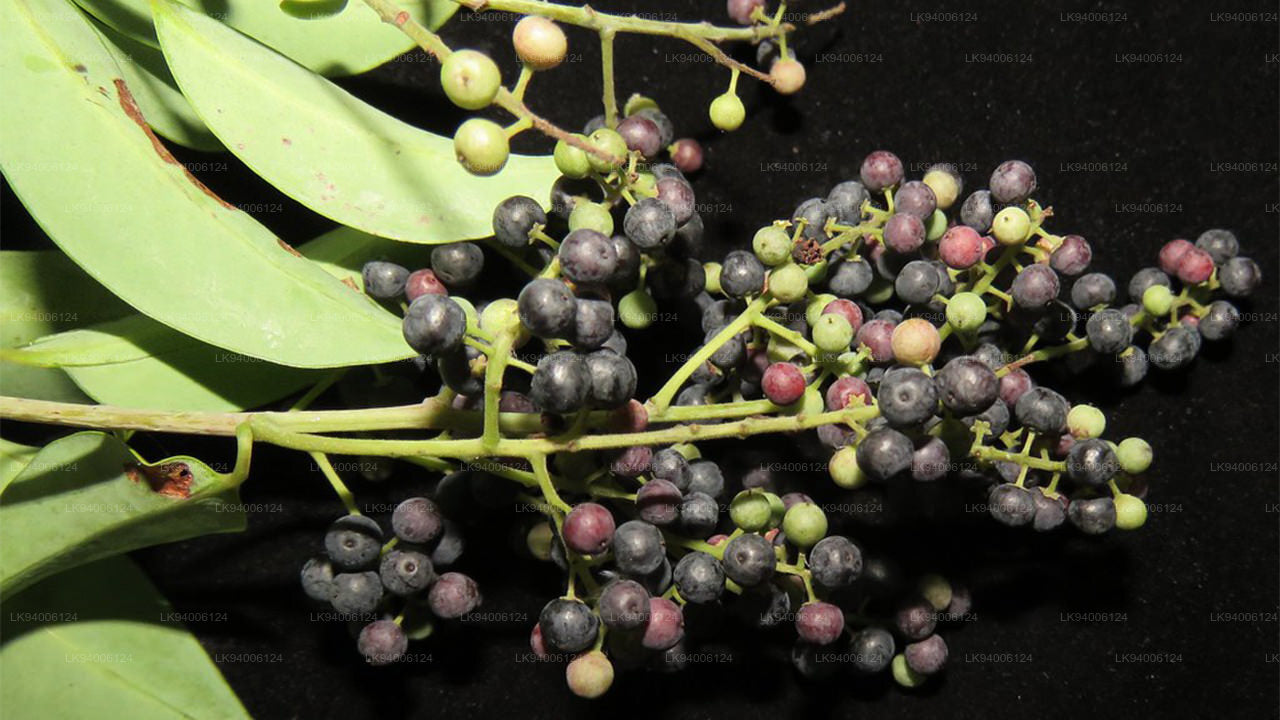
False Black Pepper
Embelia ribes -
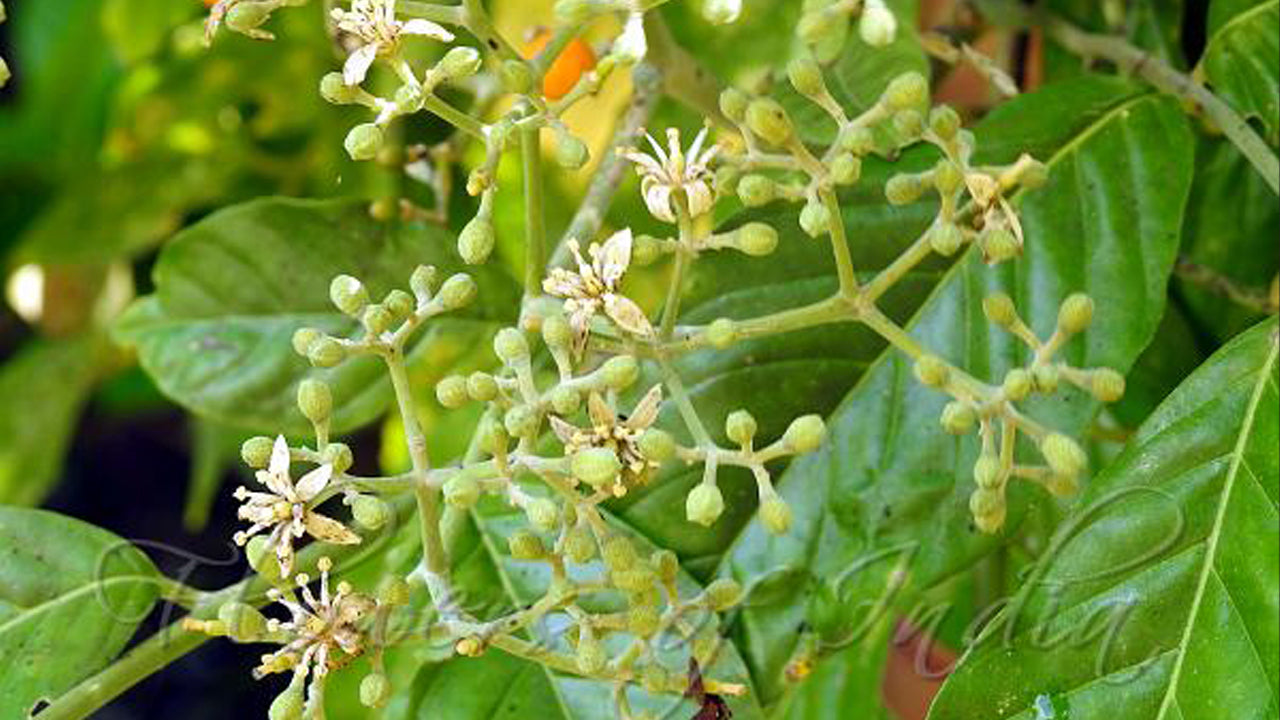
Limeberry
Micromelum ceylanicum -
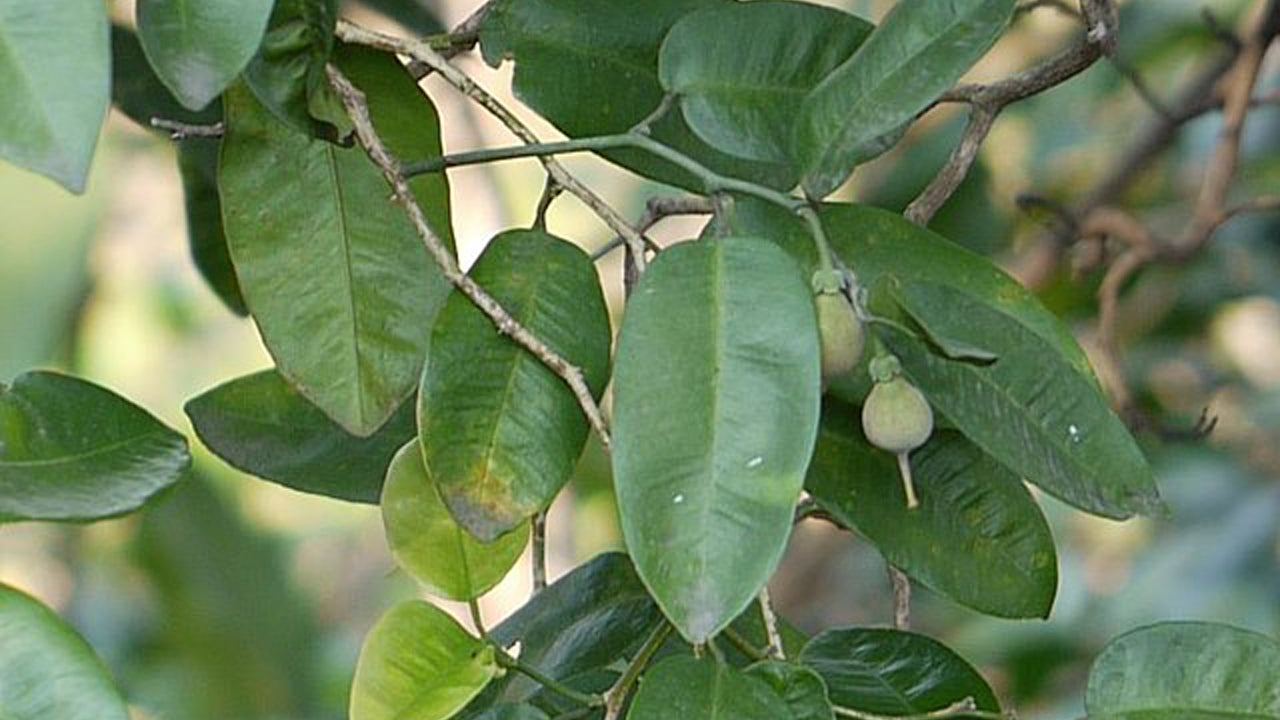
Climbing Atalantia
Paramignya monophylla




Ayurvedic and Herbal
-
Bylinný balzám Siddhalepa Ayurvéda
Běžná cena Od $0.48 USDBěžná cena$0.54 USDVýprodejová cena Od $0.48 USDSleva -
 Sleva
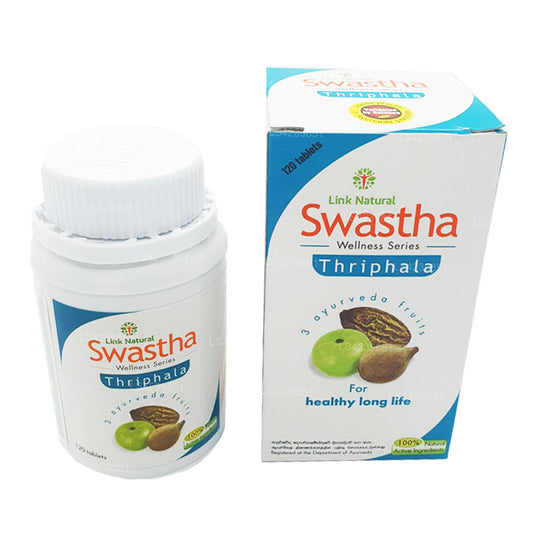
SlevaLink Swastha Triphala
Běžná cena Od $1.74 USDBěžná cena$1.93 USDVýprodejová cena Od $1.74 USDSleva -
Lakpura® Divoce pěstované listy kyselé papričky (Guanabana, Graviola, Guyabano) Dehydratované celé listy
Běžná cena Od $0.72 USDBěžná cena$0.81 USDVýprodejová cena Od $0.72 USDSleva -
 Sleva
SlevaOlej Setsuwa Pranajeeva
Běžná cena Od $3.85 USDBěžná cena$4.28 USDVýprodejová cena Od $3.85 USDSleva