Glycosmis pentaphylla, known in Sinhala as Thimbiri or Ran Thambala, is a small, woody shrub belonging to the family Rutaceae. Native to tropical and subtropical Asia, it grows widely across the lowland and mid-elevation forests of Sri Lanka and has long been recognised as one of the island's documented Ayurvedic medicinal plants. Its presence in traditional healing systems stretches back centuries, and modern botanical research has begun to validate many of its classical uses.
What does Glycosmis pentaphylla look like?
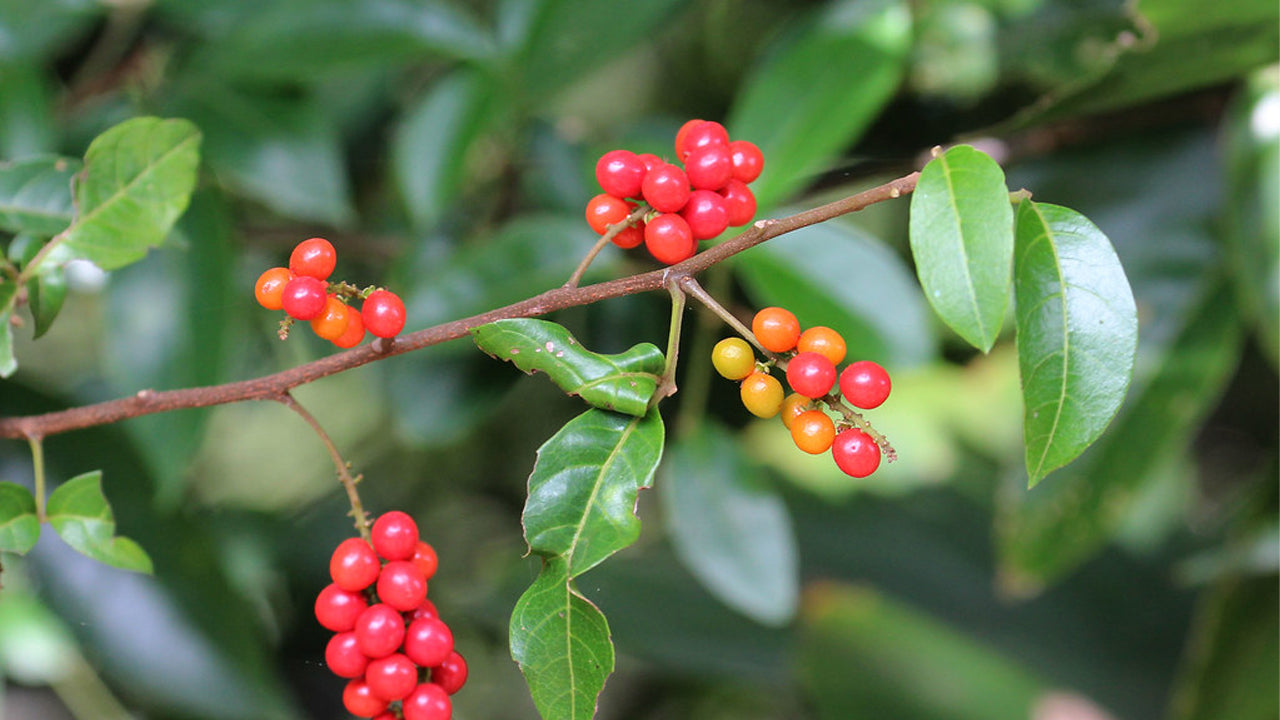
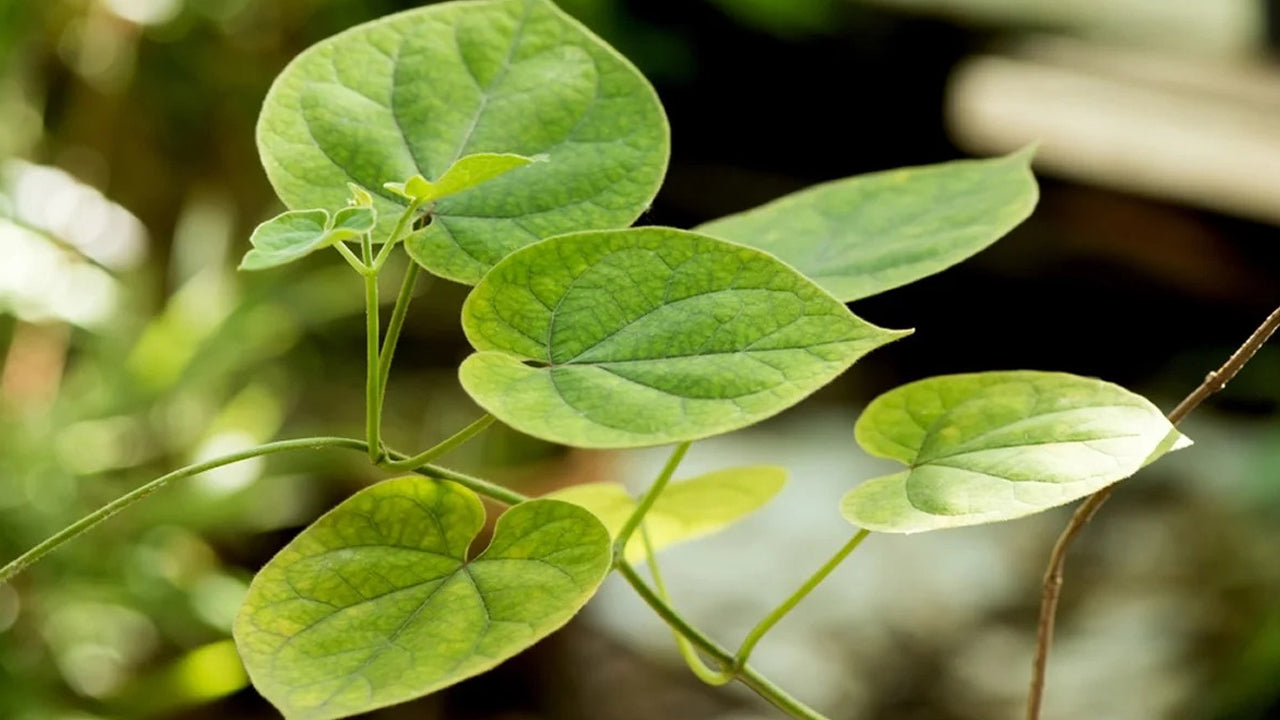
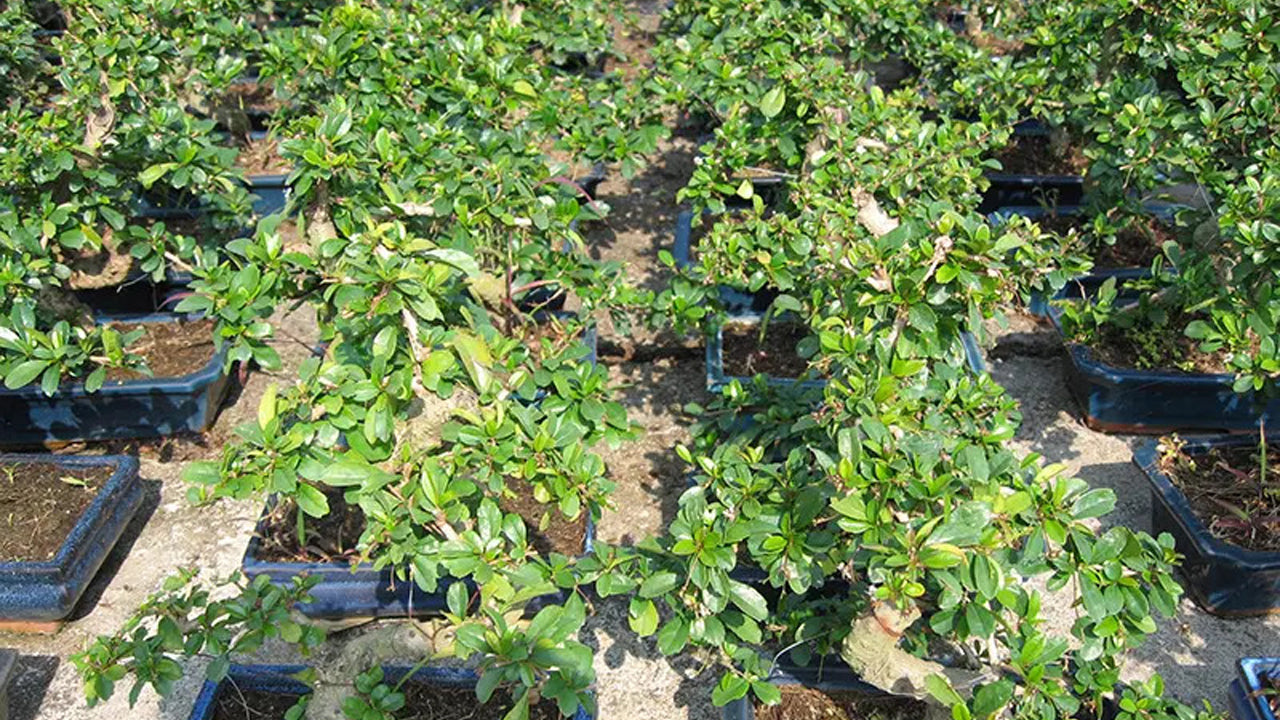
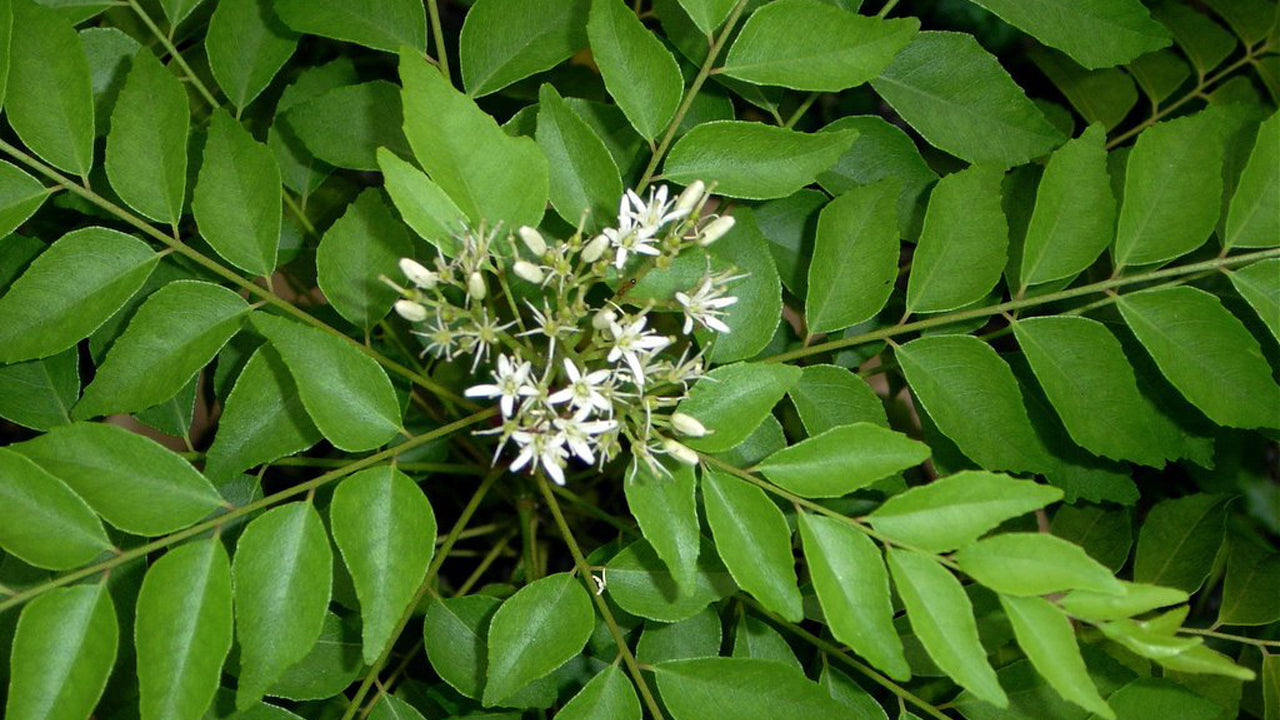
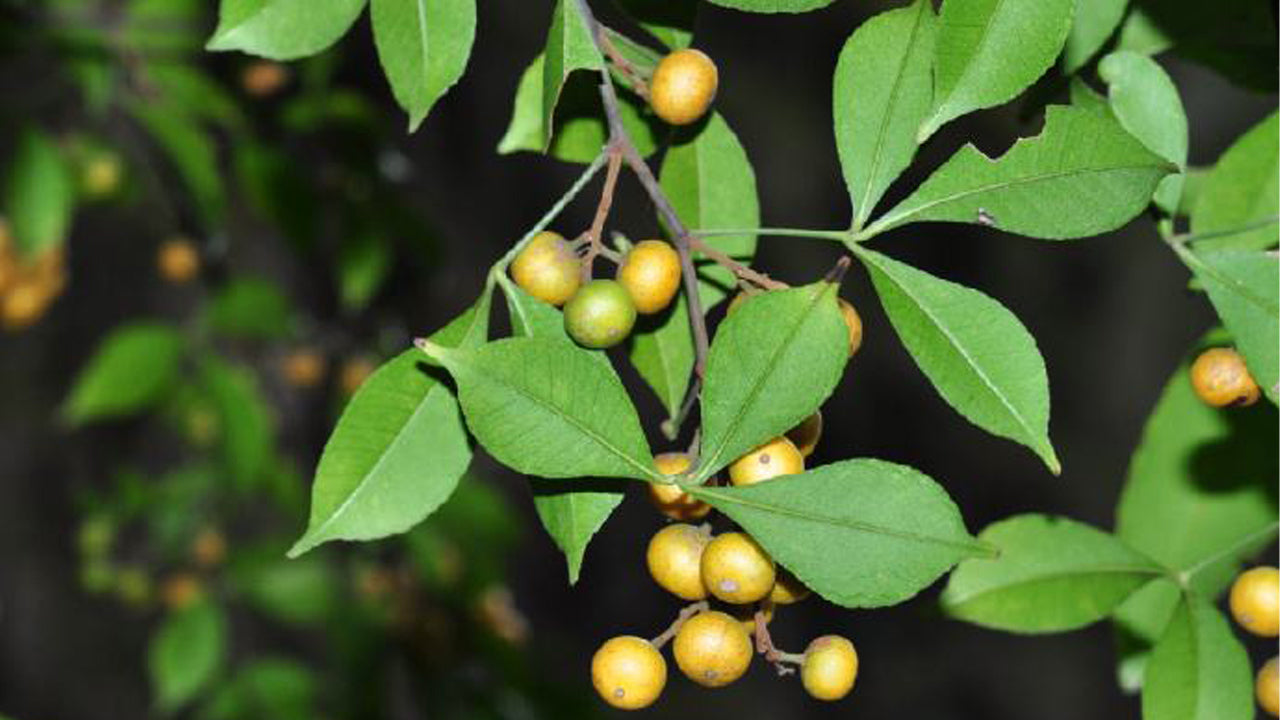
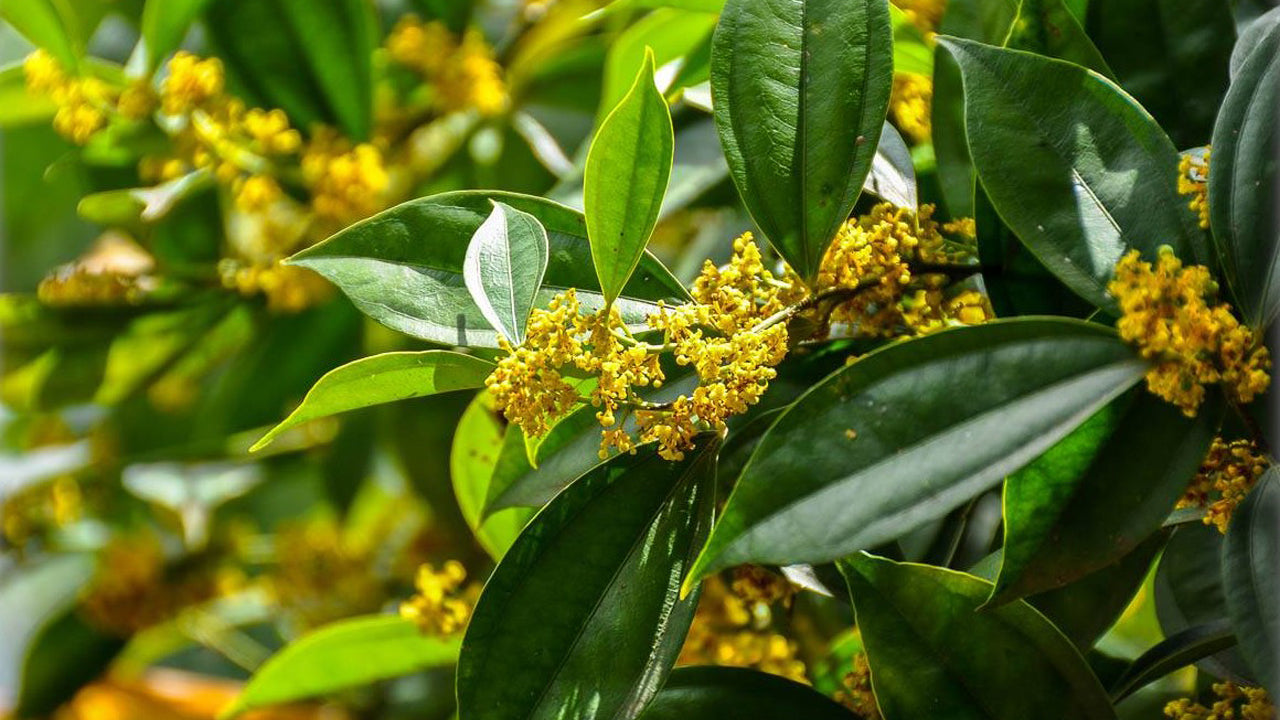
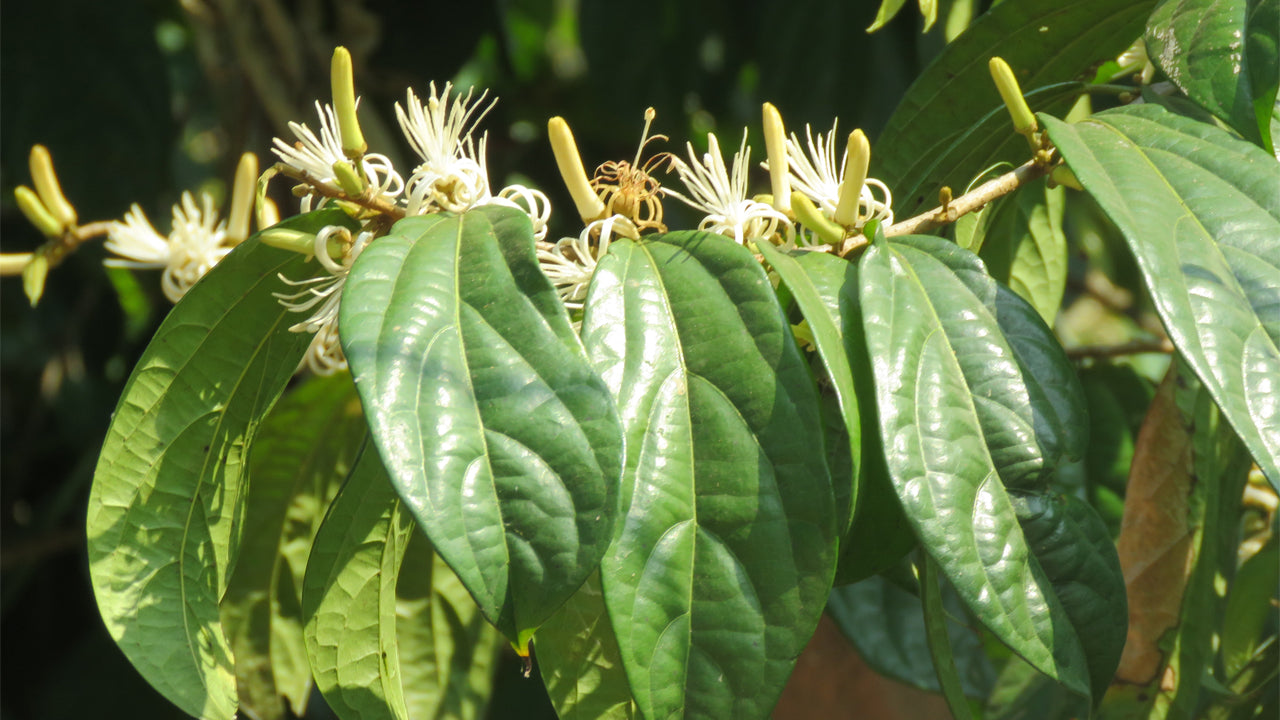
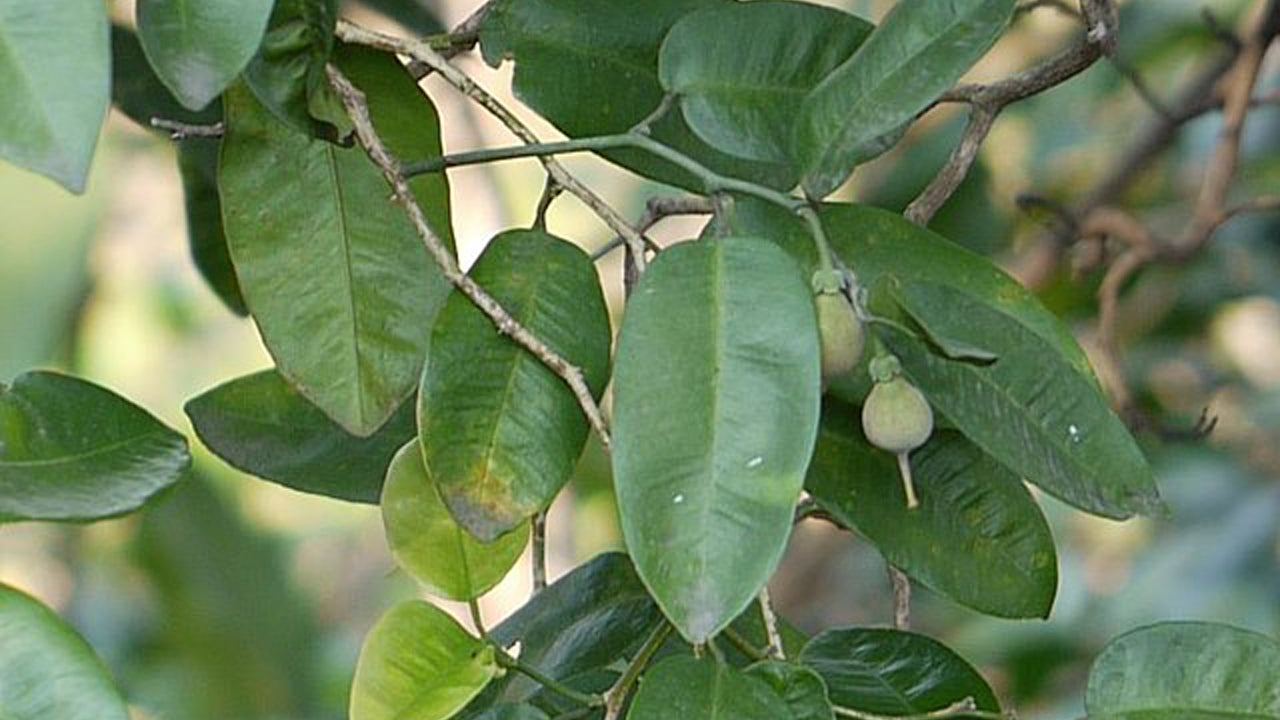
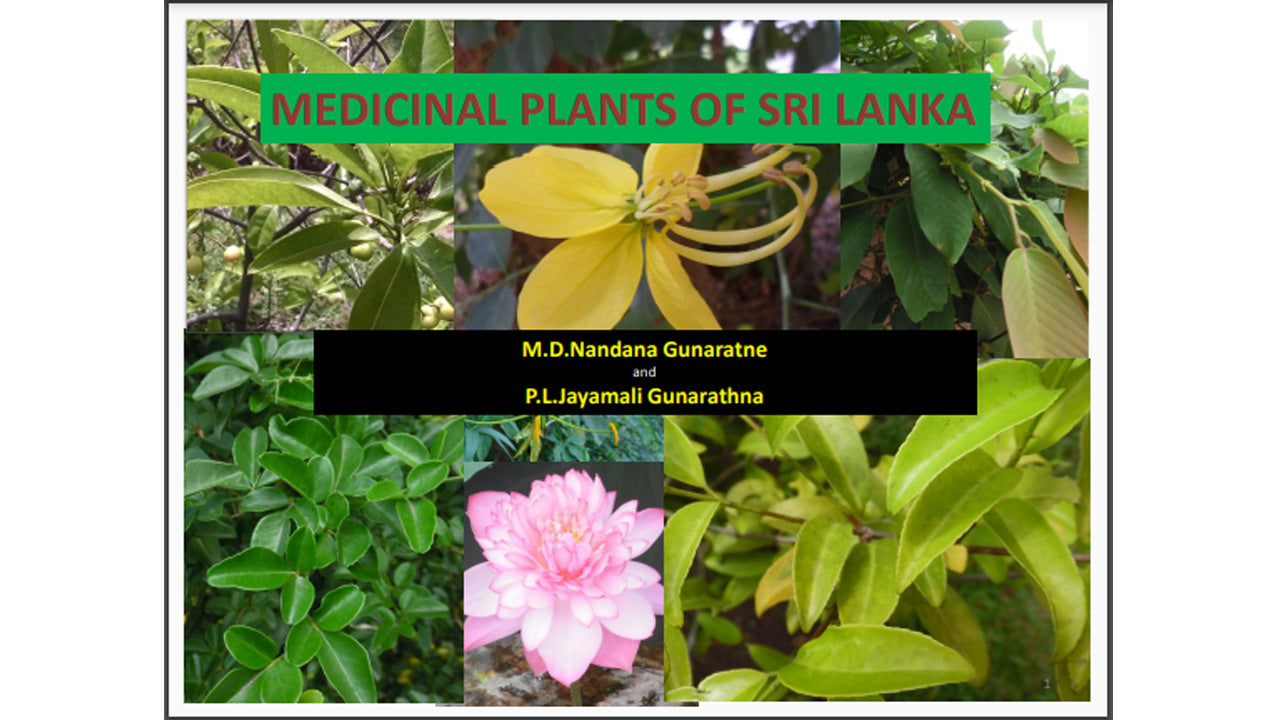
The plant is a shrub or small tree, typically reaching two to four metres in height. Its leaves are pinnately compound, usually bearing three to five leaflets — a characteristic that gives the species its epithet pentaphylla, meaning "five-leaved" in Latin. The leaflets are elliptic to oblong, glossy, and leathery with a slightly wavy margin. When crushed, they release a faint citrus scent, consistent with the plant's placement in the Rutaceae (citrus) family.
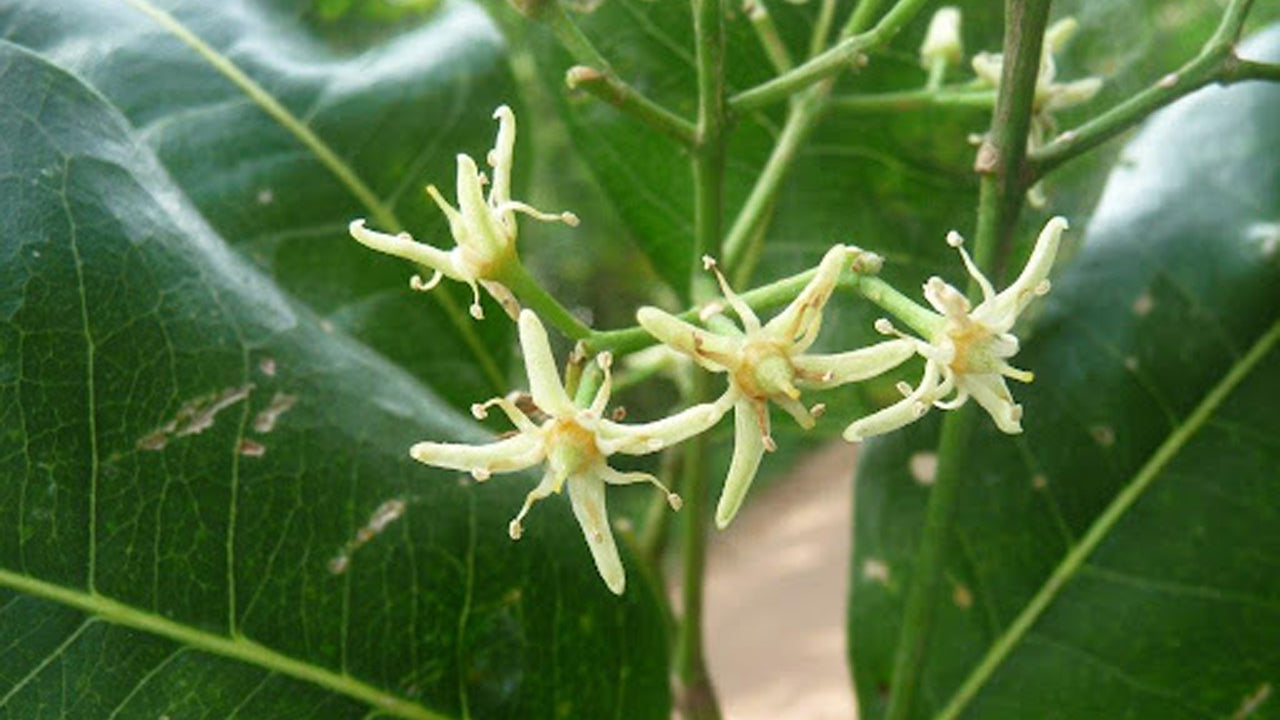
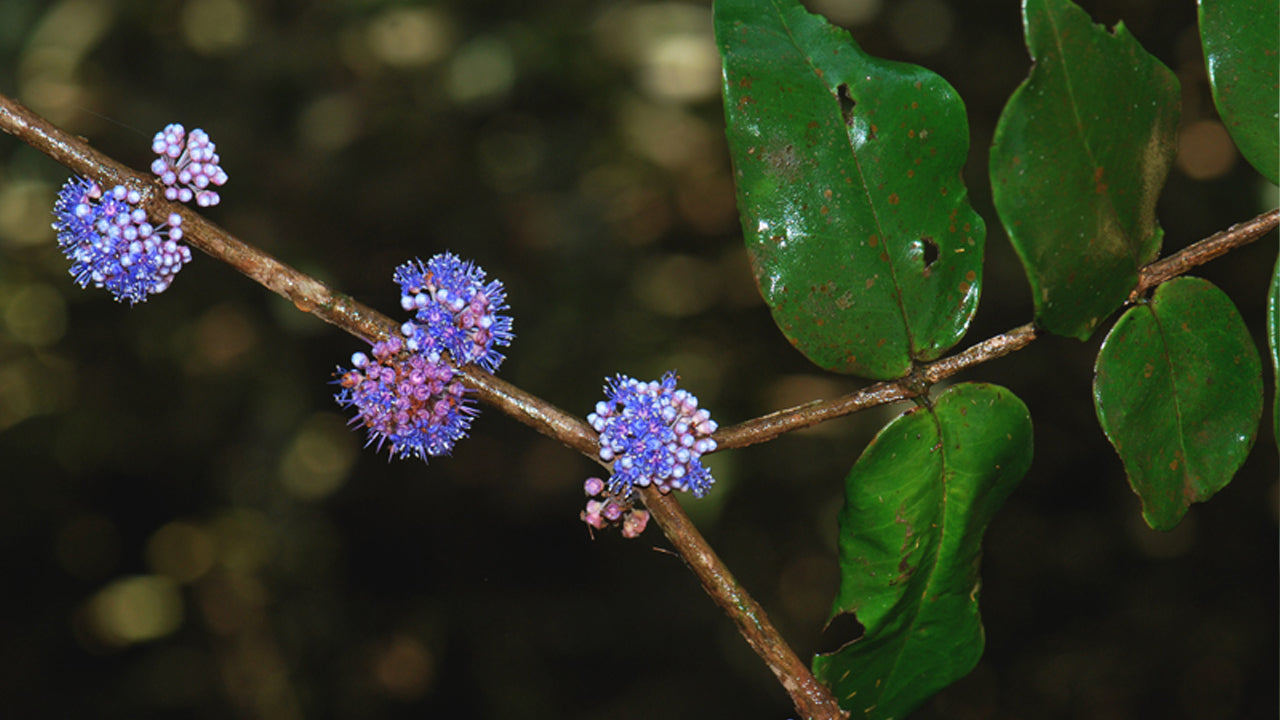
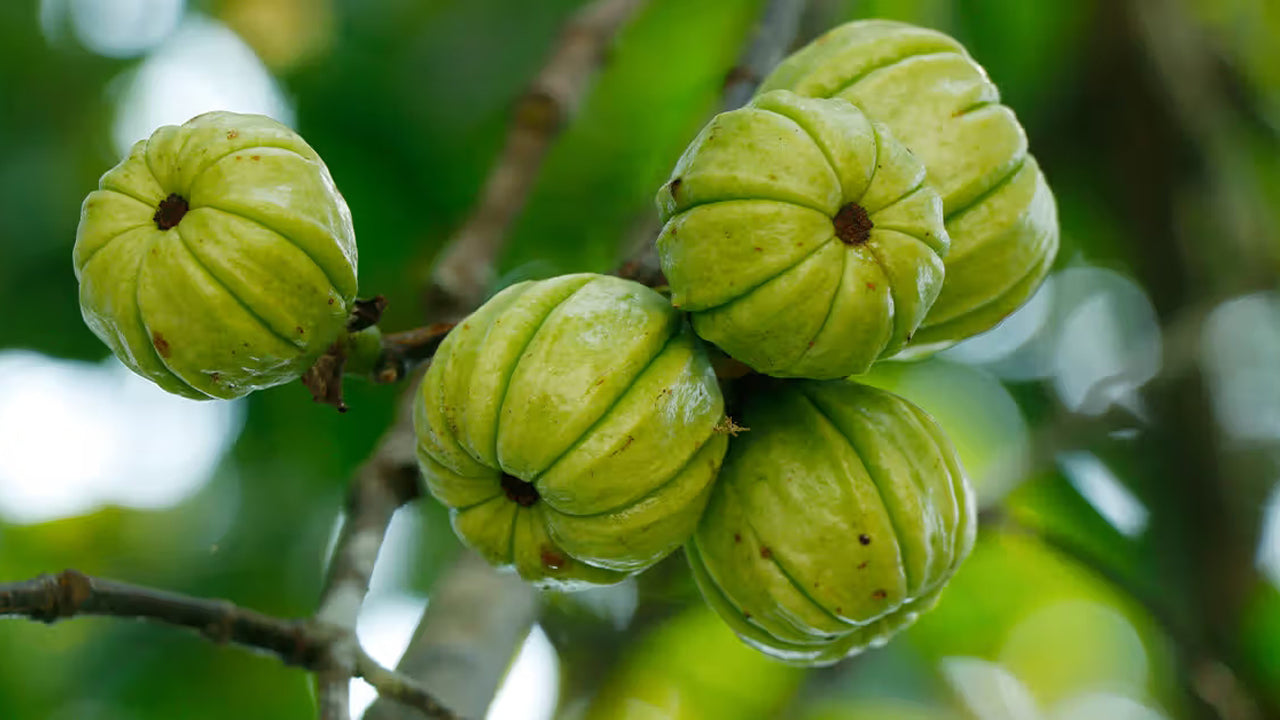
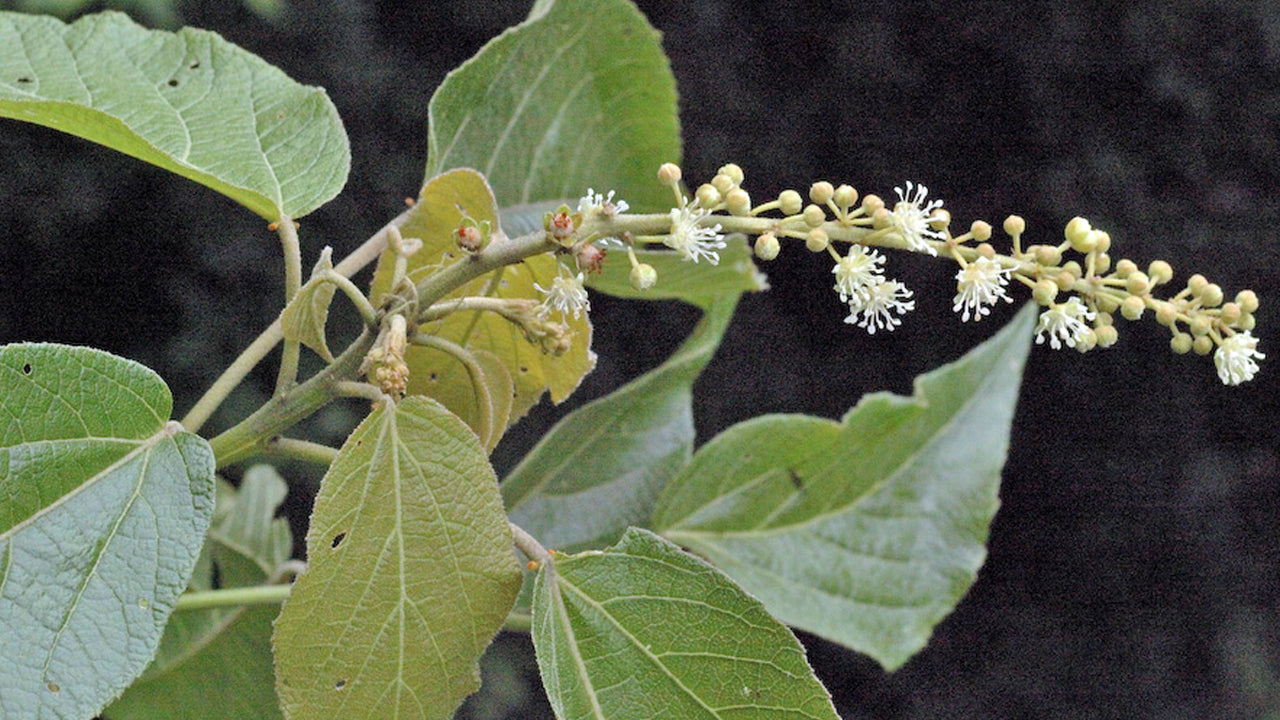
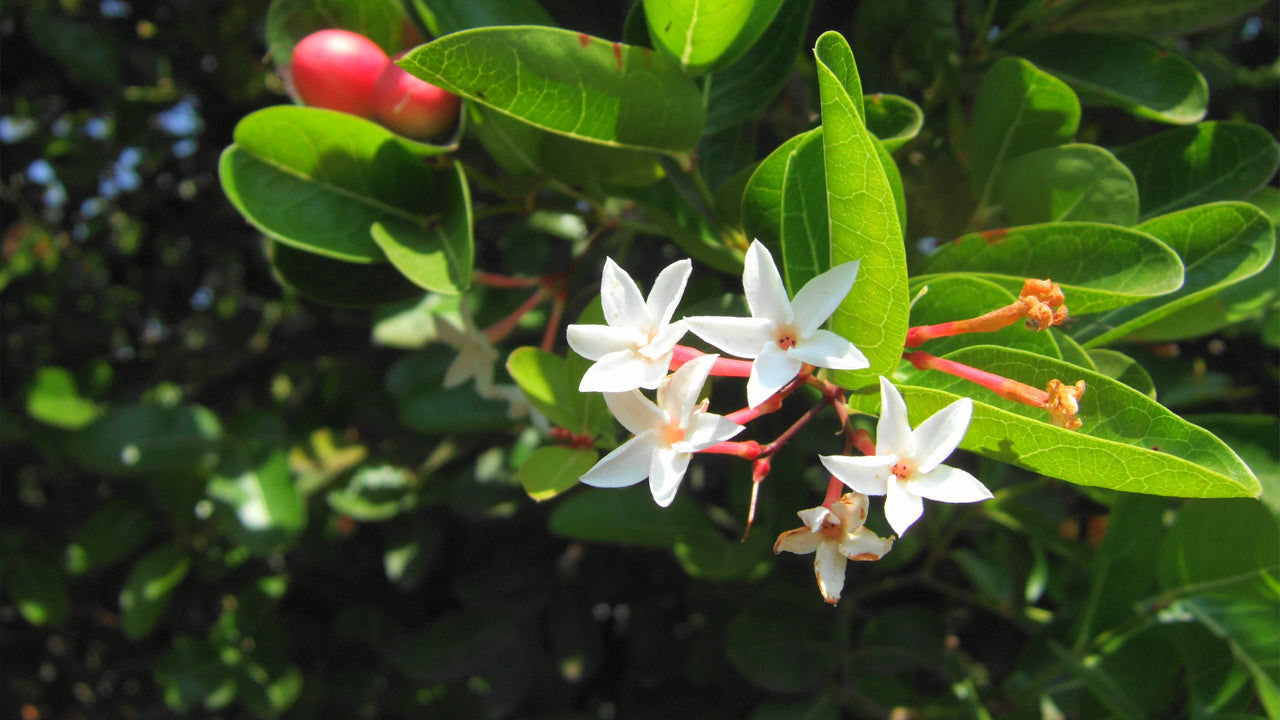
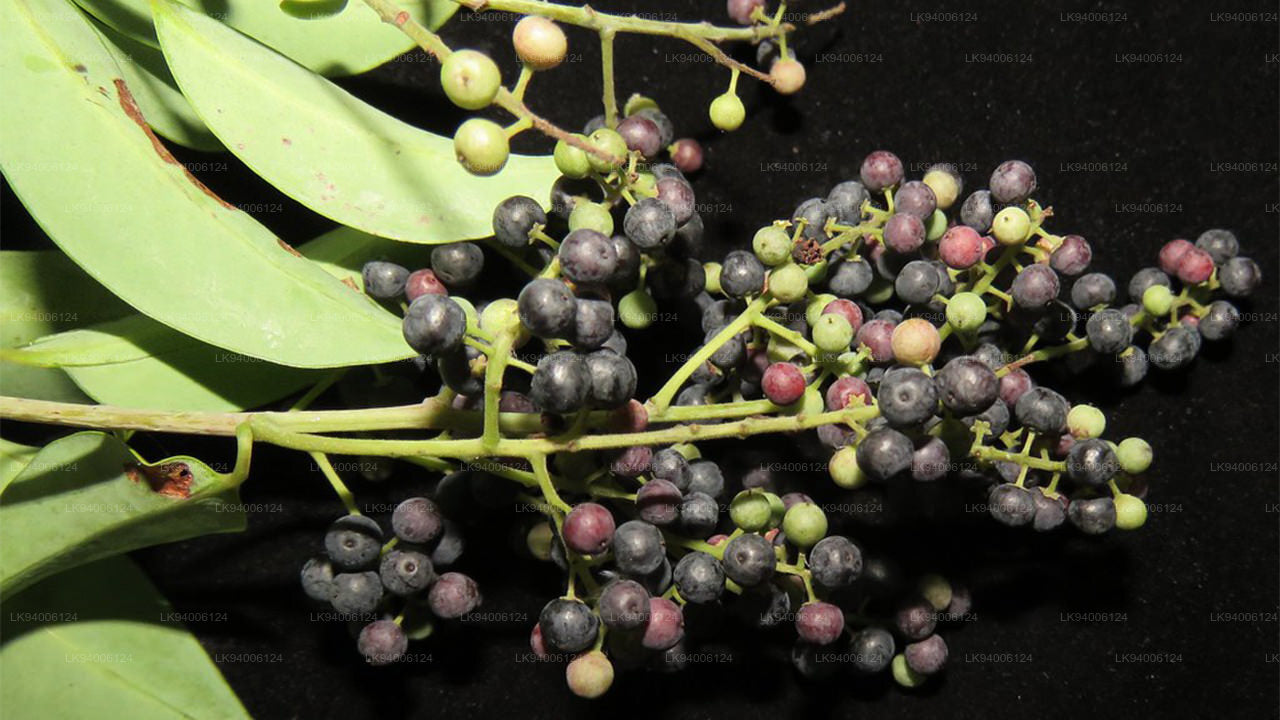
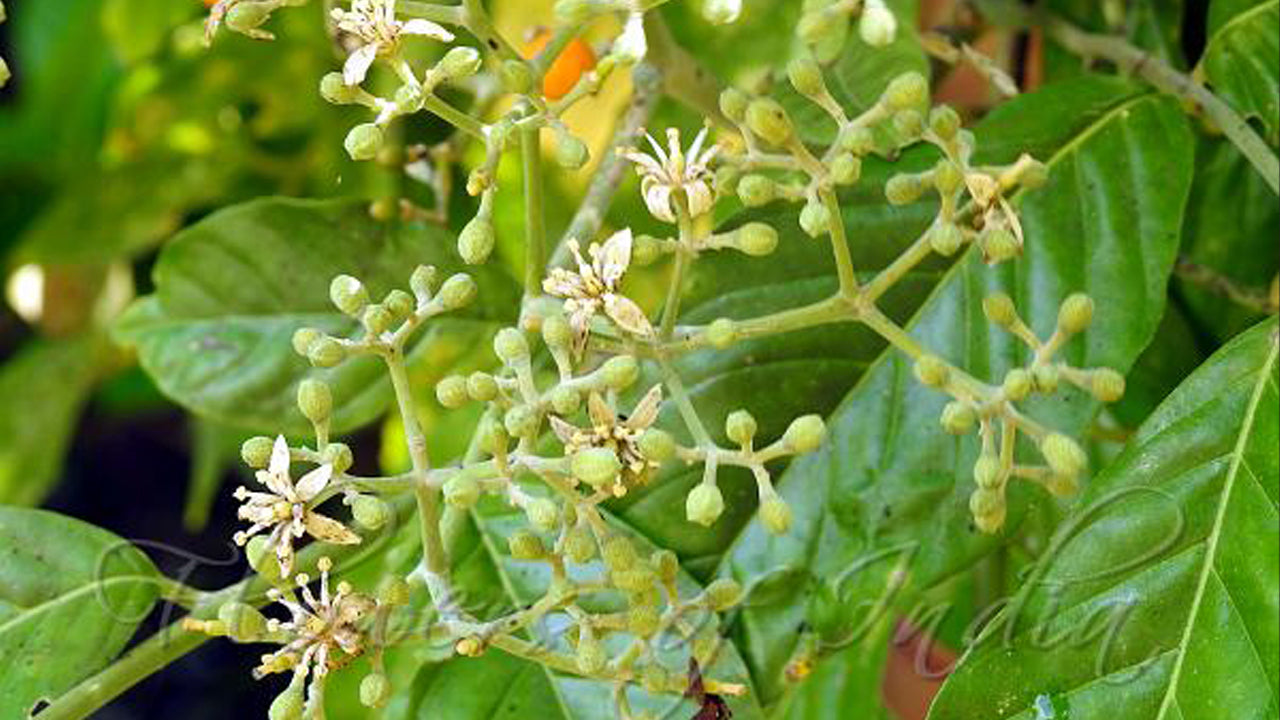
Small white to cream-coloured flowers appear in axillary panicles, typically between the months of March and May. These give way to translucent pink or pale-red berries, each about five to eight millimetres in diameter, which are mildly sweet and eaten by birds. The berries assist in natural seed dispersal throughout Sri Lanka's forests and scrublands.
Where does Glycosmis pentaphylla grow in Sri Lanka?
This species is broadly distributed across Sri Lanka's dry and wet zones, with a particularly strong presence in lowland secondary forests, forest margins, and home gardens. It tolerates a range of soil types, from lateritic red soils in the dry zone to the loamy soils found in wetter regions. The plant often self-establishes in disturbed areas, including roadsides and the edges of cultivated land, making it one of the more resilient native shrubs on the island.
In the wet zone, it can sometimes be found at the margins of places like the Sinharaja Forest Reserve, though it is more characteristic of secondary scrub than of primary rainforest interior. It is also a common component of traditional Sri Lankan home gardens (gedara watte), where it has been cultivated for generations alongside other medicinal plants.
What are the traditional Ayurvedic uses of this plant?
Within the Sri Lankan and broader South Asian Ayurvedic traditions, almost every part of the Glycosmis pentaphylla plant has a documented use. The roots, bark, leaves, and berries have each been employed in various preparations.
- Roots and root bark: Used in decoctions for fever management, particularly in cases associated with malarial conditions. The root bark is considered to have antipyretic and anti-inflammatory properties in classical Ayurvedic texts.
- Leaves: Applied externally as a poultice for skin conditions including itching, rashes, and minor wounds. A leaf infusion has traditionally been used to relieve rheumatic complaints.
- Berries: Consumed fresh or in preparations to aid digestive function. They are considered mildly stomachic.
- Stems and bark: Used in formulations targeting respiratory conditions, including coughs and mild bronchitis, and as an adjunct in treatments for anaemia.
In the classical Ayurvedic pharmacopoeia, the plant is associated with balancing the kapha and vata doshas. It is referenced in Sri Lankan traditional medicine texts alongside other well-known botanicals such as Pongamia pinnata, which shares a similar habitat range.
What does modern research say about Glycosmis pentaphylla?
A growing body of pharmacological research has investigated the bioactive compounds present in Glycosmis pentaphylla. The plant contains carbazole alkaloids — notably girinimbine and mahanimbine — as well as flavonoids, coumarins, and essential oils. These compounds have been associated in laboratory studies with antimicrobial, anti-inflammatory, antioxidant, and antifungal activities.
Notably, several carbazole alkaloids isolated from this species have shown cytotoxic activity in in-vitro studies, prompting interest from researchers working in natural product-derived drug discovery. It is important to note that most of these findings come from cell and animal studies; clinical trials validating specific therapeutic applications in humans remain limited.
The plant's antimicrobial properties, particularly against certain gram-positive bacteria and dermatophyte fungi, provide a partial scientific basis for its traditional topical applications.
How is Glycosmis pentaphylla prepared in traditional medicine?
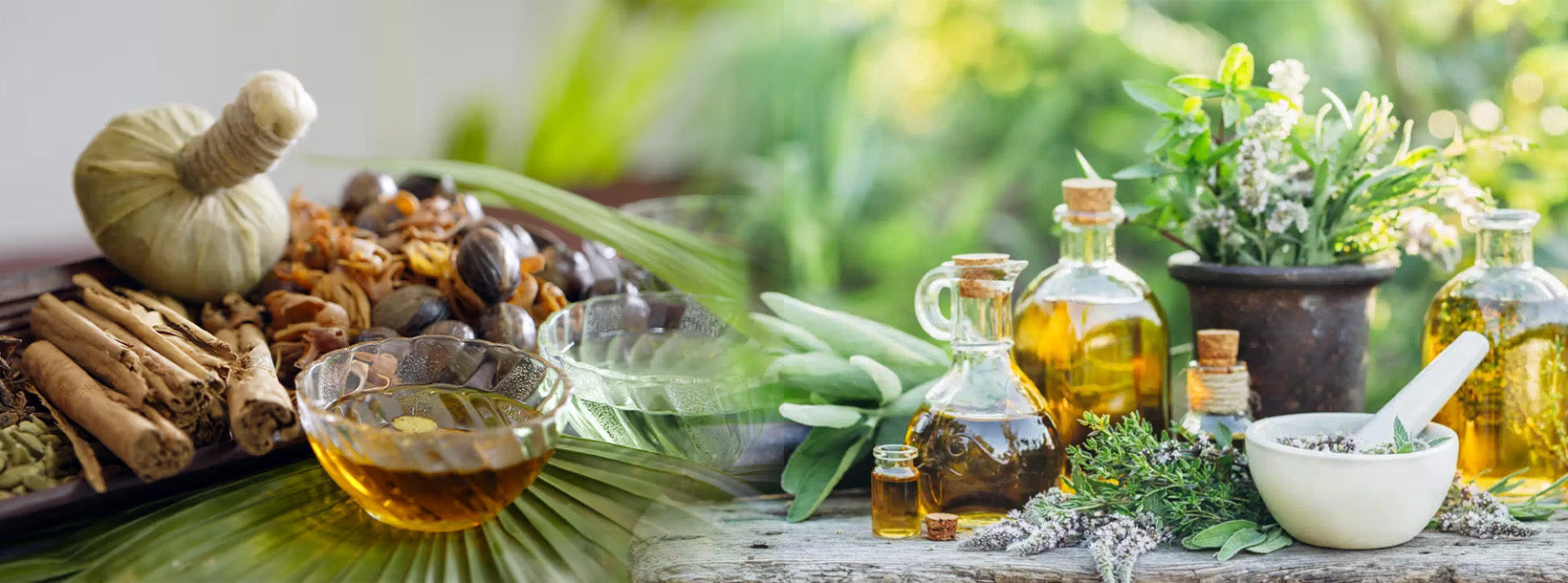
Traditional practitioners — Veda Mahattayas, as they are known in Sri Lanka — use several preparation methods depending on the targeted condition:
- Decoction (Kasaya): Root bark is boiled in water, reduced, and administered in measured doses for fever and joint complaints.
- Fresh leaf paste: Leaves are ground to a paste and applied directly to affected skin areas.
- Infusion: Leaves are steeped in warm water, similar to a tea preparation, for mild digestive support.
- Herbal oil: Plant material is processed with sesame or coconut-based oil for topical application targeting rheumatic pain.
These preparations are typically part of broader compound formulations rather than single-herb treatments. Classical texts discourage self-medication with potent herbal preparations, and consultation with a qualified Ayurvedic physician is always advised before use.
What is the conservation status of Glycosmis pentaphylla in Sri Lanka?
Glycosmis pentaphylla is not currently considered threatened in Sri Lanka. Its adaptability to secondary habitats and its presence in home gardens means it remains widely available. However, the broader pressure on Sri Lanka's native medicinal plant populations — driven by habitat loss, over-collection from wild stands, and declining traditional horticultural knowledge — is a recognised concern for the country's plant conservation community.
Several Sri Lankan institutions, including those associated with the Department of Ayurveda, have promoted the cultivation of Glycosmis pentaphylla and other medicinal species in home gardens as a strategy to reduce collection pressure on wild populations while keeping traditional knowledge alive.
How does Glycosmis pentaphylla relate to Sri Lanka's broader Ayurvedic heritage?
Sri Lanka's tradition of plant-based medicine is among the oldest living healing systems in Asia. The Sarartha Sangrahaya and other historical Sinhala medical manuscripts document hundreds of plant species used in therapeutic contexts, with Glycosmis pentaphylla appearing as a recognised ingredient. This tradition exists alongside and, in many rural communities, in daily practice with modern healthcare.
For visitors to Sri Lanka, encounters with Ayurvedic plants are often woven into experiences across the island — from herb gardens attached to wellness resorts to explanations offered by knowledgeable local guides during nature walks. Formulations drawing on related plant traditions, such as Yogaraja Guggulu and Kaishore Guggulu, represent compounded Ayurvedic preparations where individual plant ingredients like Glycosmis pentaphylla may contribute to the overall therapeutic action.