April sits at an interesting crossroads in Sri Lanka's travel calendar. The island is winding down from its main dry season in the south and west, while the north and east are opening up. Overlay that with the country's most important cultural moment — the Sinhala and Tamil New Year on 13 and 14 April — and you have a month that rewards travellers who plan thoughtfully.
What is the weather like in Sri Lanka in April?
April is the inter-monsoon period, which means short, scattered showers can appear almost anywhere, but rarely dominate the day. The south and west coasts see humidity rise and the first pre-monsoon squalls, while the north and east remain largely dry and clear. Temperatures across the lowlands typically hover between 28 °C and 33 °C. In the hill country — Nuwara Eliya, Ella, Horton Plains — expect cooler conditions, around 14 °C to 22 °C, with the possibility of afternoon mist.
Travellers comfortable with occasional rain will find April uncrowded compared to the December-to-March peak, and accommodation rates often reflect that.
Is April a good time for wildlife safaris in Sri Lanka?
Yes, though the experience shifts slightly from the peak dry-season months. The first rains coax new green growth across the scrub, and waterholes remain active gathering points for wildlife.
- Wilpattu National Park: Sri Lanka's largest park by area is well worth a visit in April. Its characteristic villus — natural lakes — hold water year-round, and leopards, sloth bears, and spotted deer remain visible.
- Yala National Park: The southern dry zone keeps Yala productive well into April. Leopard sightings around the lagoons are still relatively common, and elephants gather near remaining waterholes.
- Udawalawe National Park: Arguably the most reliable park for elephant sightings at any time of year. April is no exception — herds of 20 or more are regularly spotted on the open grasslands.
- Hurulu Eco Park: A quieter alternative in the dry zone, Hurulu is a stronghold for Sri Lanka's elephants and an underrated birdwatching destination.
- Horton Plains National Park: The high-altitude plateau can be cool and misty in April, but the endemic wildlife — sambar deer, purple-faced langurs, and a range of highland birds — remains active.
Early-morning departures give the best wildlife activity and help you finish game drives before any afternoon showers arrive.
What water sports can I do in Sri Lanka in April?
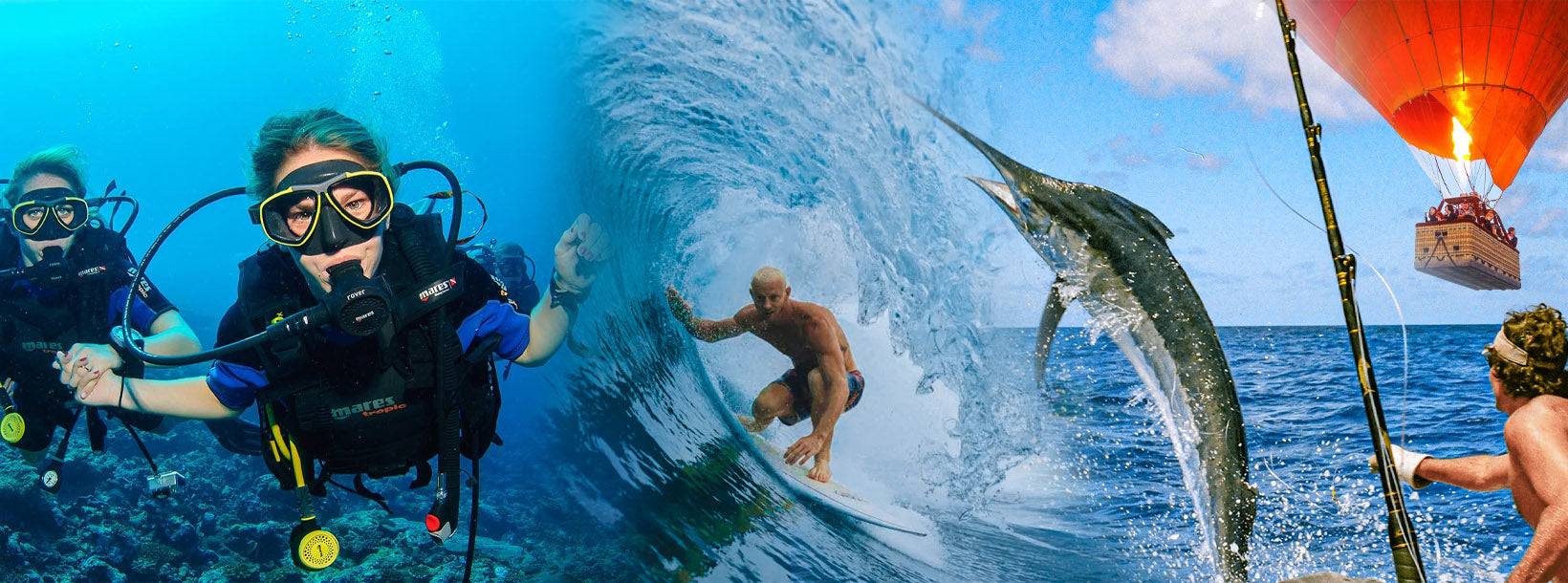
April offers a solid window for several marine activities, particularly on the east coast and at spots that benefit from the inter-monsoon calm.
Scuba Diving and Snorkeling
Visibility remains good through April in Trincomalee, Hikkaduwa, and Bentota. Trincomalee's Pigeon Island is one of the best hard-coral sites in Asia, and April conditions — before the southwest monsoon closes the southern sites — are still reliable. Pigeon Island in particular draws divers for its blacktip reef sharks and healthy coral gardens. Snorkelers at Hikkaduwa can expect to see sea turtles, parrotfish, and moray eels in calm, shallow water.
Deep-Sea Fishing
April is a strong month for deep-sea fishing off Trincomalee and Negombo. Relatively calm seas make offshore runs comfortable, and the catch typically includes yellowfin tuna, marlin, and barracuda. The northeast coast, in particular, peaks around this time as the northeast monsoon has fully passed.
Kitesurfing at Kalpitiya
Kalpitiya's main kitesurfing season runs from roughly November to March, so April is a transitional period. Early in the month, residual winds can still produce workable conditions, especially in the lagoon, which is well-suited to beginners and those consolidating technique. Checking conditions closer to your travel dates is advisable before committing to a dedicated kitesurfing trip in late April.
Dolphin and Whale Watching
Kalpitiya remains productive for spinner dolphin encounters in April, with pods often visible from the lagoon-side boats. On the southern coast, the blue whale season off Mirissa tapers toward its end in April, but sightings remain possible as animals migrate northward toward Trincomalee, where the season begins to pick up. A morning boat tour out of Trincomalee in April carries a reasonable chance of spotting sperm whales as well.
What cultural events happen in Sri Lanka in April?
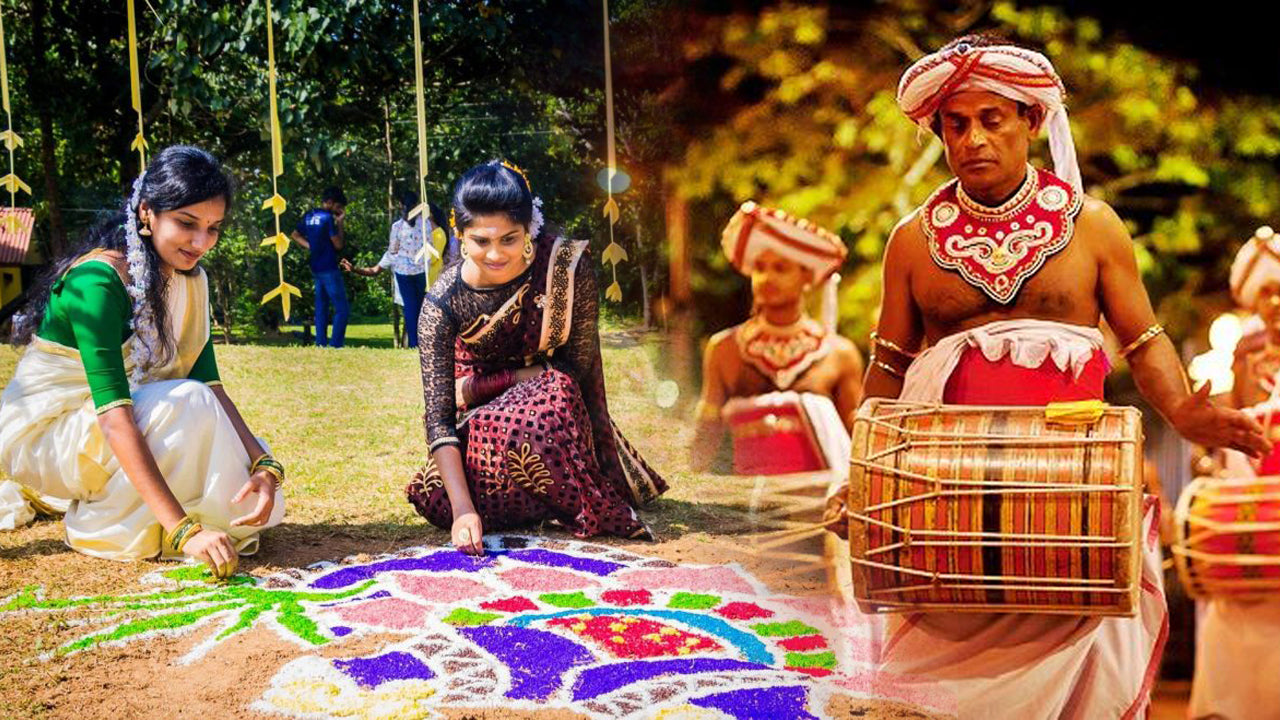
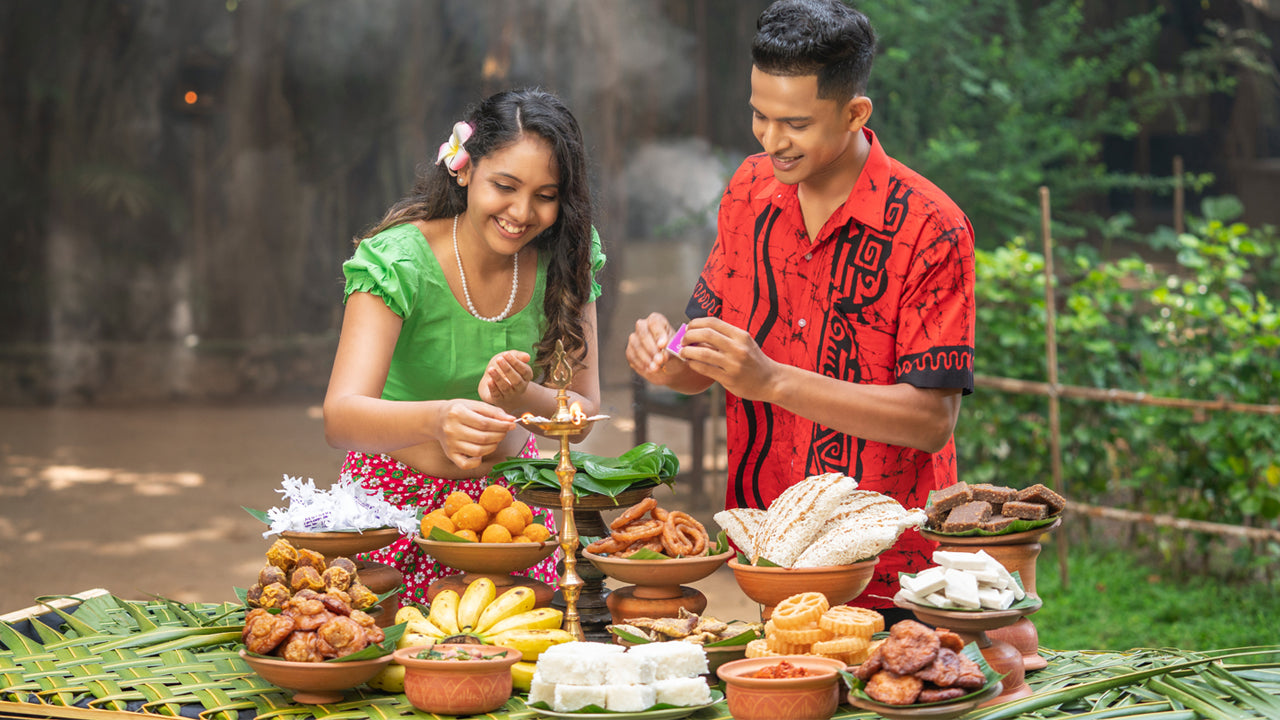
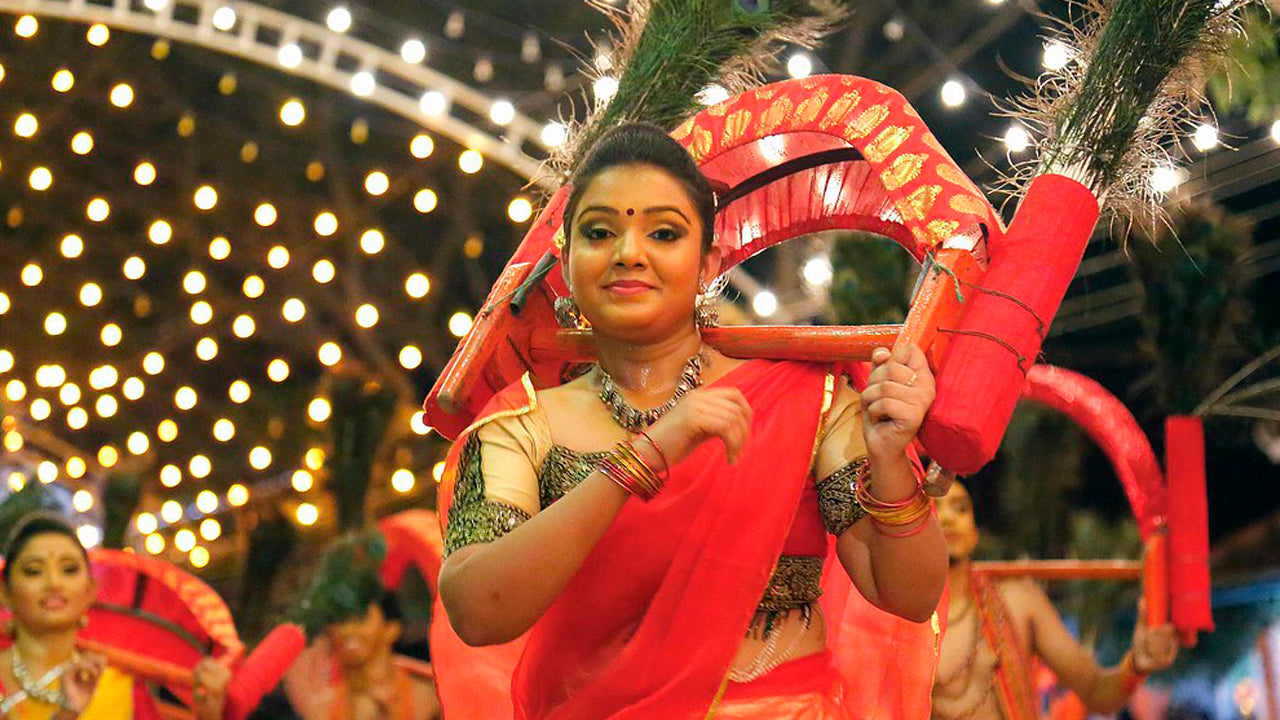
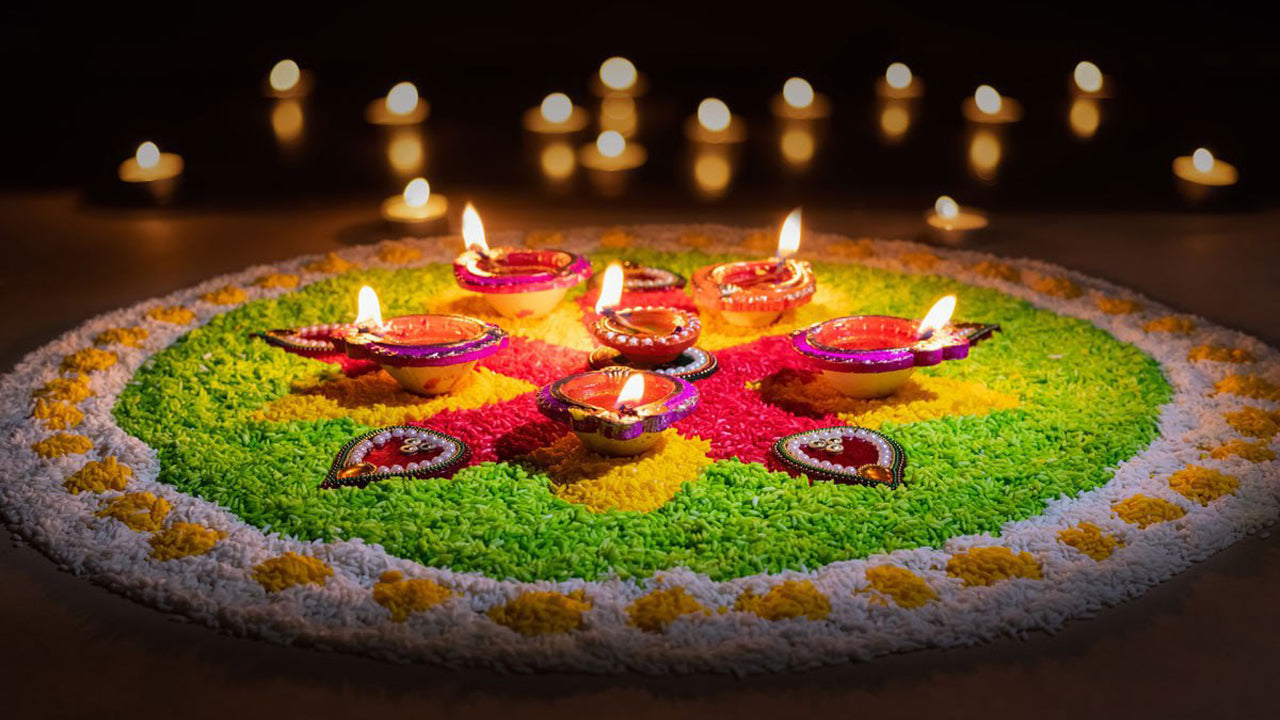
The Sinhala and Tamil New Year — locally known as Avurudu — falls on 13 and 14 April and is the island's most widely observed cultural holiday. It marks the end of the harvest season and the sun's transit from Pisces into Aries according to the Hindu solar calendar.
Celebrations include traditional games (kotta pora, kana mutti), the preparation of ritual foods like kokis and kiribath (milk rice), and the lighting of the hearth at an auspicious time determined by astrologers. Virtually the entire country participates, which means some businesses close for several days and transport can be congested around the 13th and 14th. The auspicious times (nakath) are announced in advance and followed carefully by most Sri Lankan households.
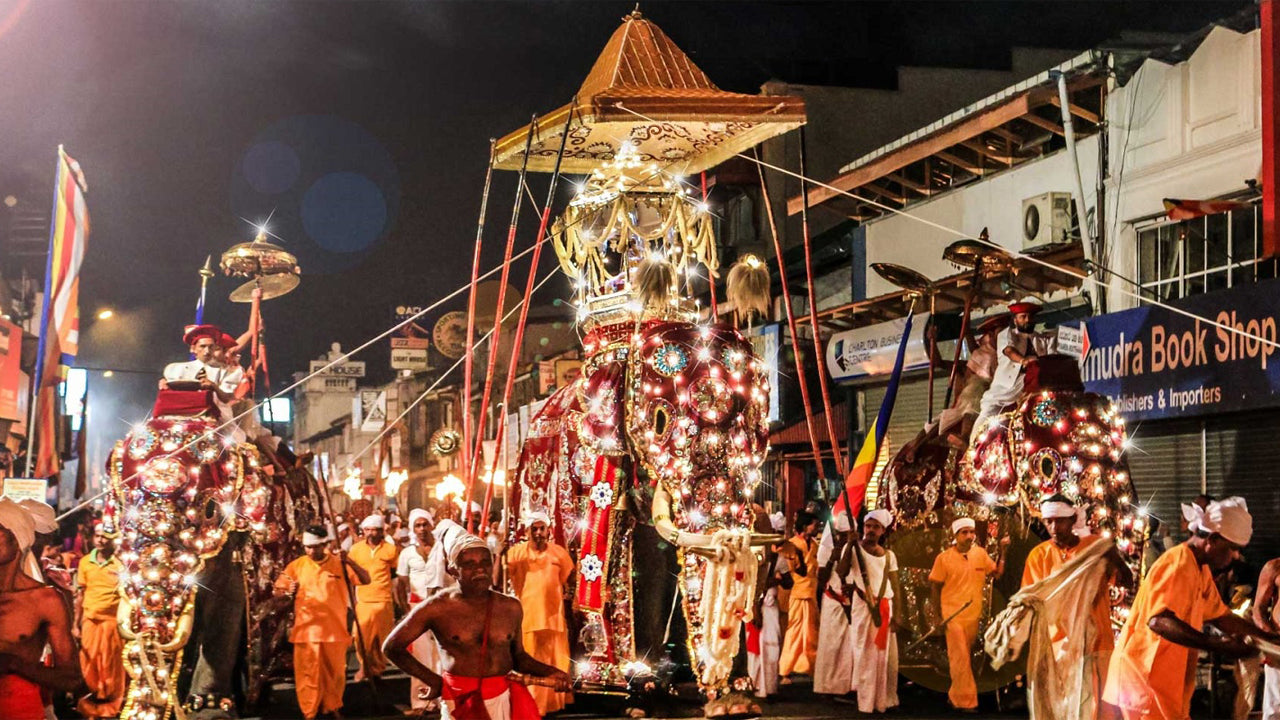
For visitors, watching or participating in village Avurudu celebrations — particularly in rural areas around Kandy, Kurunegala, and Anuradhapura — offers genuine insight into Sri Lankan life that no museum can replicate. Many hotels organise in-house New Year events for guests.
Which parts of Sri Lanka are best to visit in April?
The north and east coast are in their prime in April — Trincomalee, Nilaveli, and Arugam Bay (which opens for surfers from April onward) all benefit from dry, sunny conditions before the southwest monsoon arrives elsewhere. The Sinharaja Forest Reserve in the wet zone receives rain throughout the year, but April showers intensify the lushness; birding here is excellent if you don't mind walking in light rain. The Cultural Triangle — Anuradhapura, Polonnaruwa, and Sigiriya — remains accessible and is manageable in the morning before midday heat builds.
How should I plan transport around the Avurudu holiday?
Intercity buses and trains fill up quickly in the days before 13 April and again after the 15th as people return to work. Booking private transport in advance is the most practical approach. A private driver gives you flexibility to travel outside the peak rush hours and to adjust your itinerary if a shower shortens an outdoor activity. Hiring a self-ride vehicle is also an option if you are experienced with Sri Lankan road conditions — roads can be busy but road quality in the main tourist corridors is generally good.
What should I pack for Sri Lanka in April?
- Light, breathable clothing for lowland heat — cotton or technical fabrics work well
- A compact rain jacket or travel umbrella for afternoon showers
- A warm layer for hill-country evenings (Nuwara Eliya, Horton Plains)
- Sun protection: high-SPF sunscreen, a hat, and UV-blocking sunglasses
- Reef-safe sunscreen if you plan to dive or snorkel
- Modest clothing for temple and cultural site visits — shoulders and knees covered